
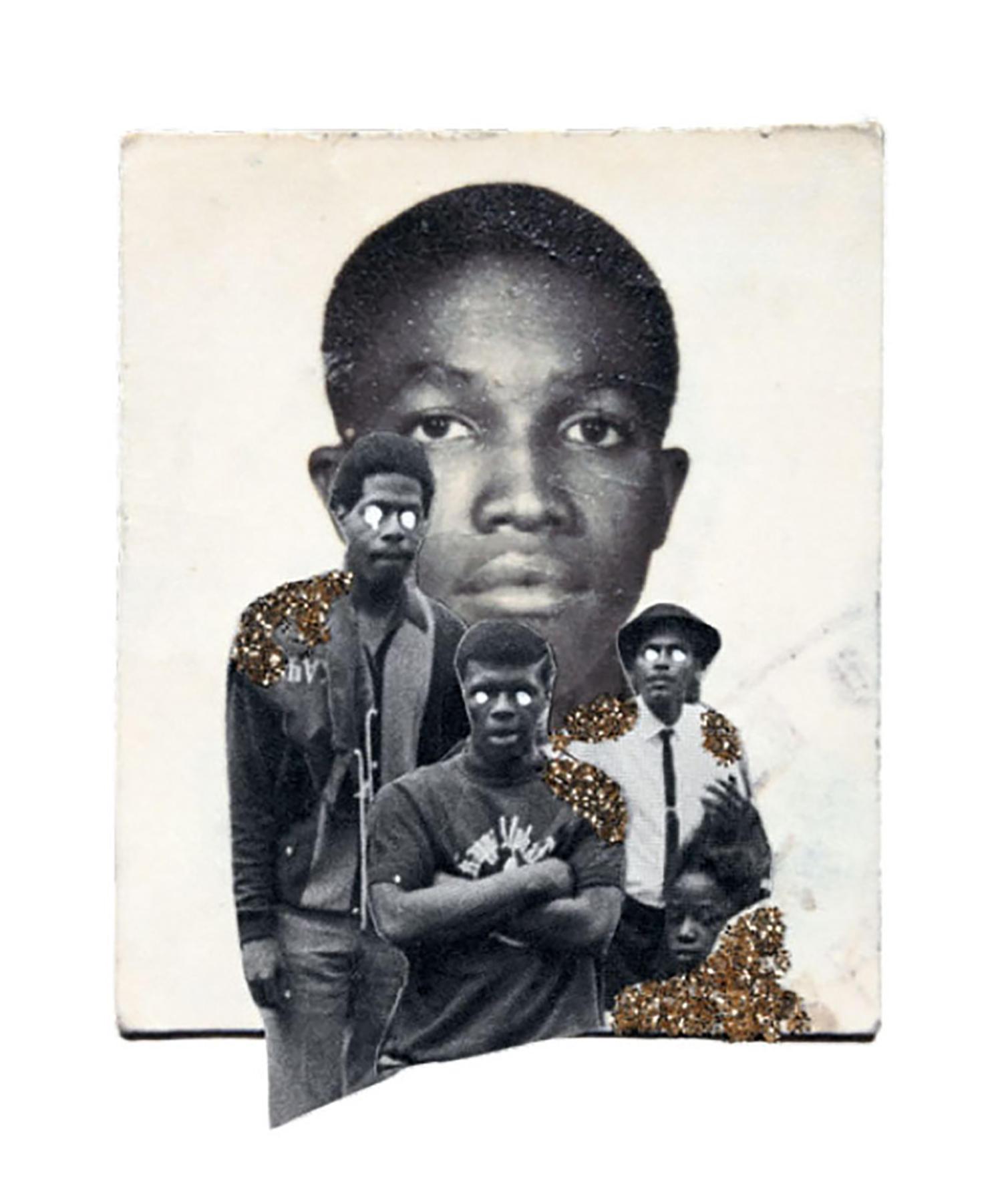
All images from the series Passports, 2012–2025 © Keisha Scarville.
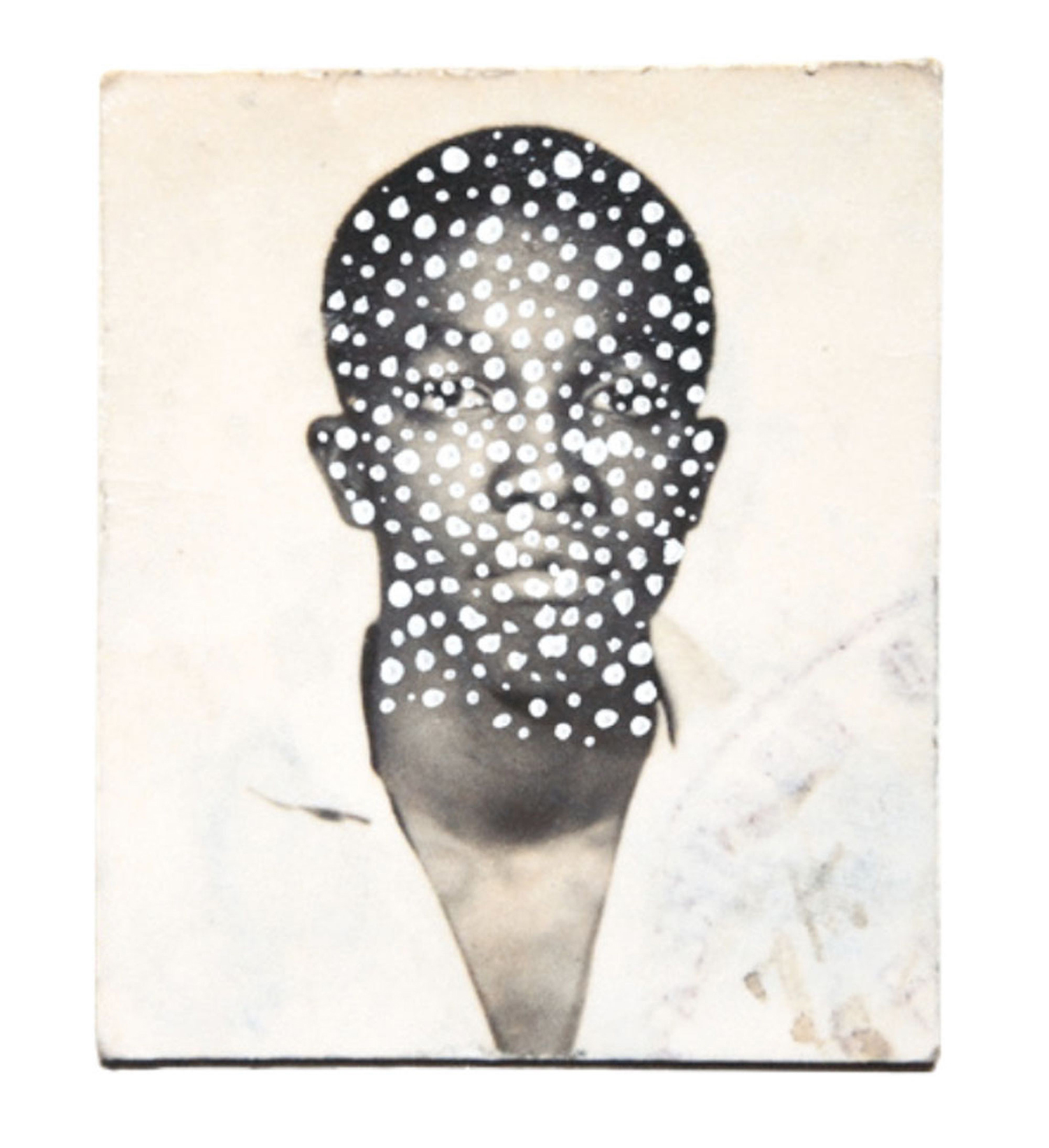
Using embellishment, collage and painterly techniques, Keisha Scarville reimagines her Guyanese father’s passport photo, taken when he was just 16, in her long-term series Passports, now published as an award-winning photobook. Here, she discusses her work in her own words.
Keisha Scarville’s book, Passports, has been announced as a winner at the 2026 Paris Photo–Aperture PhotoBook Awards. An ongoing project started in 2012 , it shows her father in a youthful passport photo, repeatedly embellished by the artist. Her father was born in Guyana and emigrated to the US; Scarville grew up in New York, where she still lives and works. She has published two other books – lick of tongue, rub of finger, on soft wound (2023) and Recess (2025). In 2025, she exhibited her series Alma at Les Rencontres d’Arles, and Passports in a solo show at Higher Pictures, Brooklyn.
“I was in my twenties when my dad gave me this photograph. He was offloading these old pictures, but passports were something I knew from an early age, going back and forth between Guyana and the US. Then, in 2012 he retired, and I assumed he would go back to Guyana. When I said this to him, he was visibly perplexed. He said, ‘No, I’m an American’. That started an ongoing conversation about how he saw himself in relation to the American landscape.
The conversation about citizenship is ongoing and never-ending, because every time I speak with my dad, it opens up a new way to think about it. It’s always being revisited and seen through a different lens for me, and I found the passport photo a compelling platform for uncovering and discussing some of that.
The image is my dad’s first passport photo, taken when he was just 16. He got a job working on a ship, sailing around the Caribbean, and the world opened up. This image signalled the spark of movement for him. In 1966, Guyana gained independence and there was a massive exodus to the UK, US and Canada. I asked my dad why he chose the US and he said it was the movies. He loved going to the cinema [when he was living in Guyana], and there was something so enticing about American movies for him. I think he fancied becoming an actor, or maybe the movies allowed him to imagine other possibilities for himself.
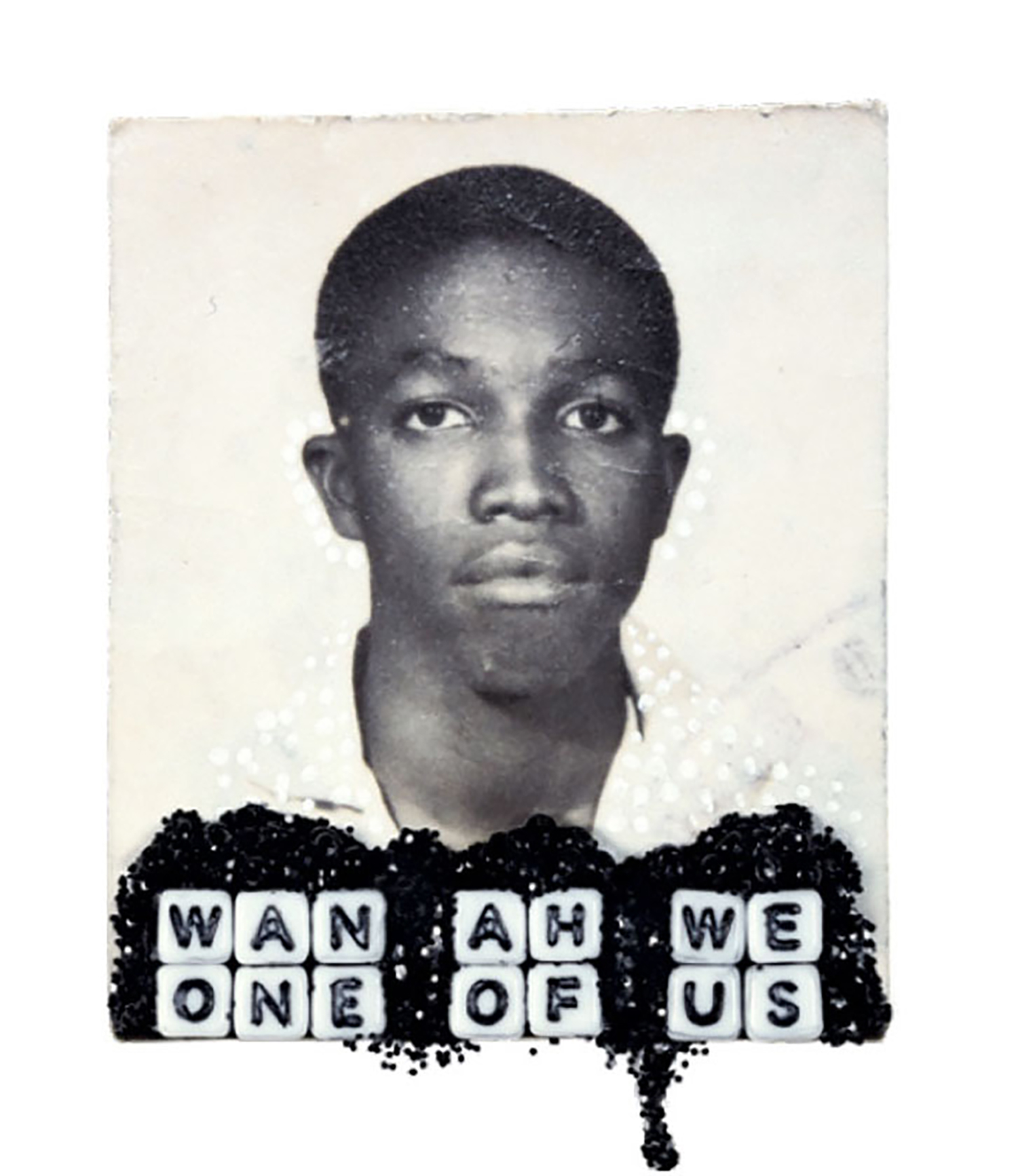
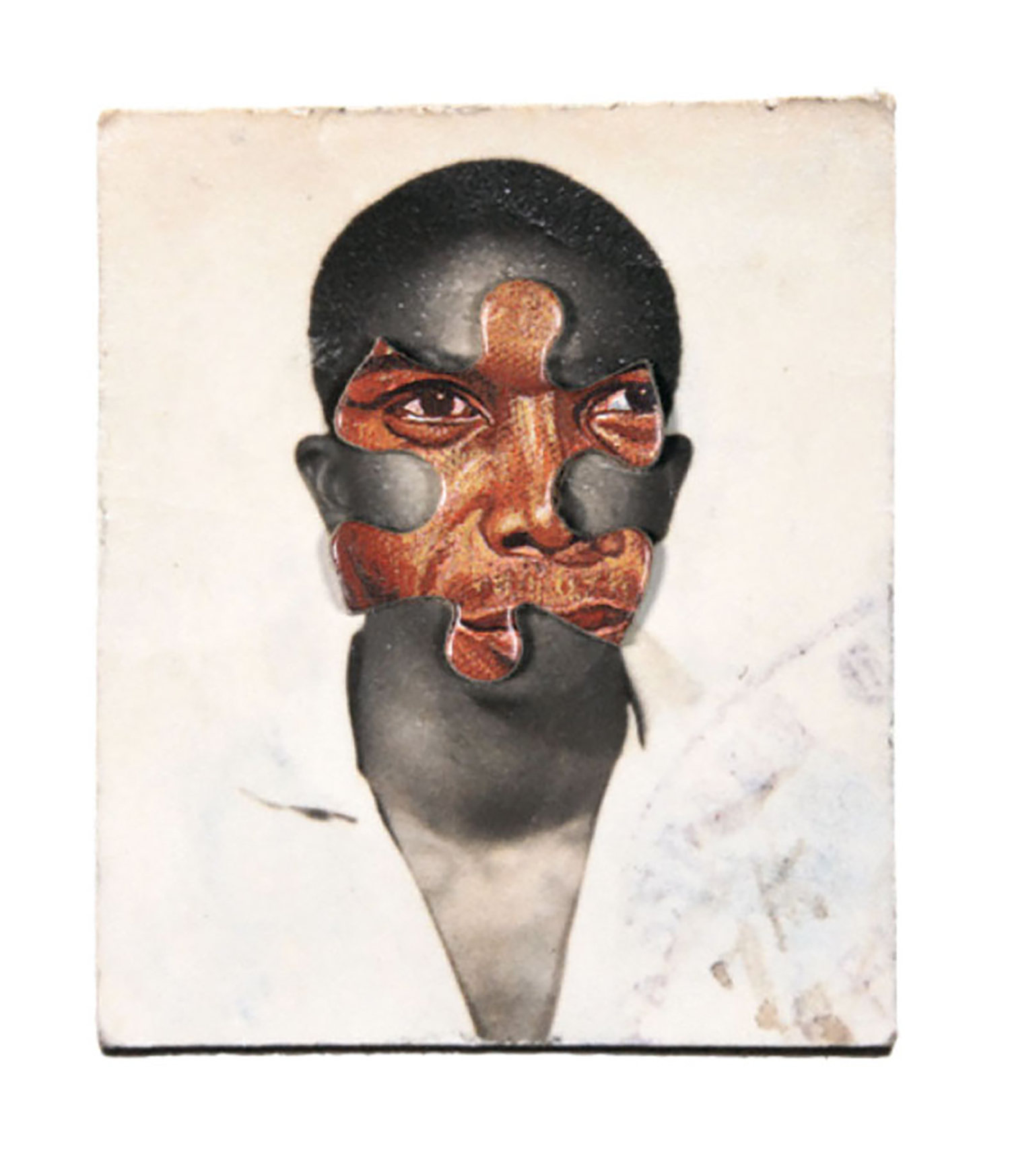
“I’m obsessively tethered to this one image and I love the idea of repetition, of repeatedly going back to the same image and discovering something new, finding new possibilities, expanding, diving deeper” – Keisha Scarville
A passport photo is taken for the purpose of future mobility. There’s nothing fixed in a passport image – there’s this multiplicity of selves you can occupy or refashion yourself into being. It opens a portal to understanding who you are, at your core, you carry all these histories and possible futures. But it wasn’t easy for my dad [to build a new life in the US] – there’s what occupies the imagination, and then there’s how that pushes up against reality.
In the beginning, I thought I’d create a few [Passports works] and it would be a contained project. But it has a compulsive aspect to it. It’s become part of my daily practice. I’m obsessively tethered to this one image and I love the idea of repetition, of repeatedly going back to the same image and discovering something new, finding new possibilities, expanding, diving deeper. Sometimes there are things I’m thinking about, and sometimes he tells me something that sticks in my mind. It moves in and out.
Initially, [my intervention] was more intuitive, but there were certain gestures or statements I really wanted to make or embed into the passport image. I wanted to find a way to uncover, so, with one of the first, I scratched away at the surface of it. Then there was an urge to make the passport an unruly space. Collage was an early impulse that offered a space for reimagining, reconstituting and piecing narratives together. Then there was a desire to introduce a sense of fluidity, which was more about the brushstroke or creating marks that could be atmospheric.
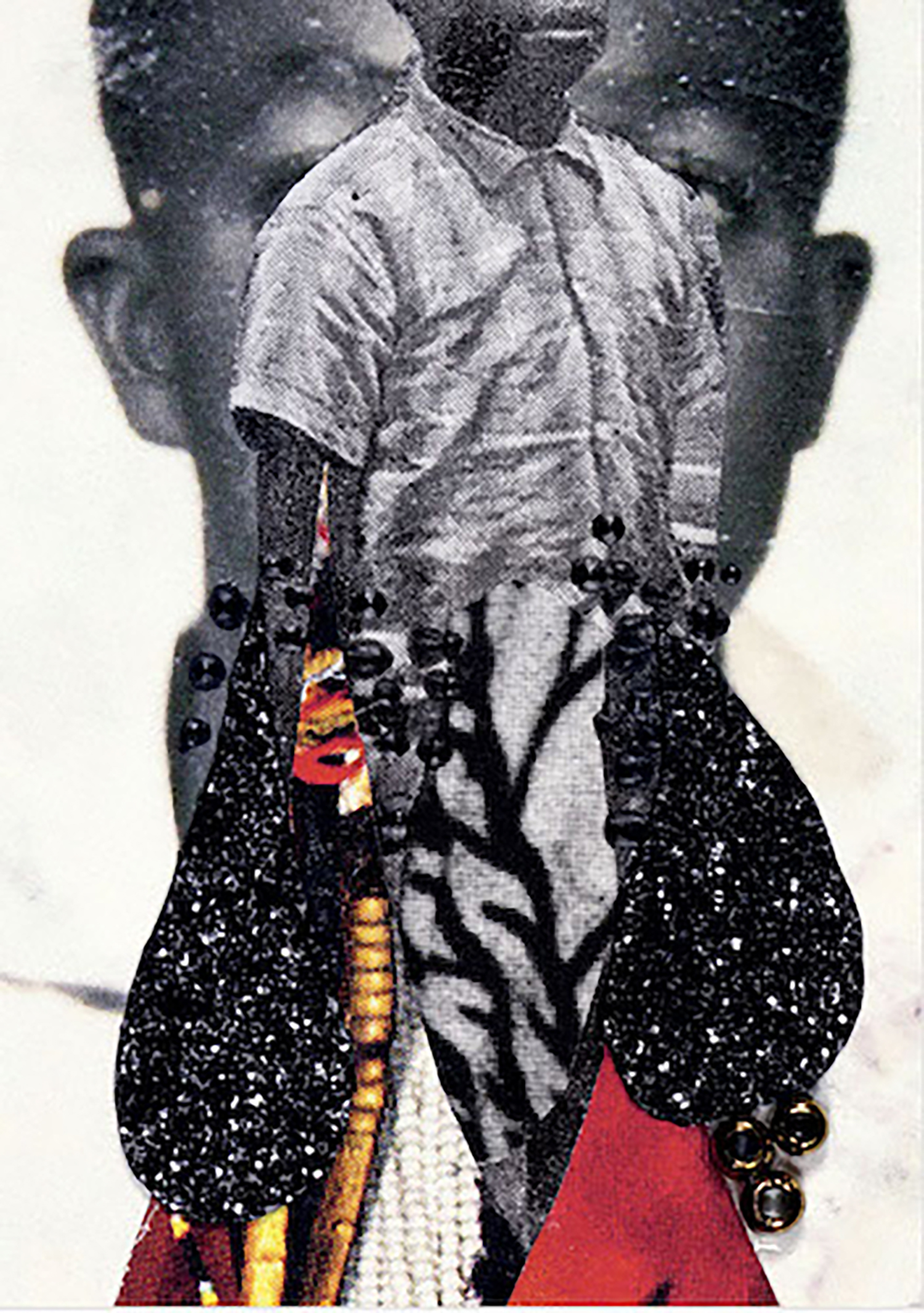
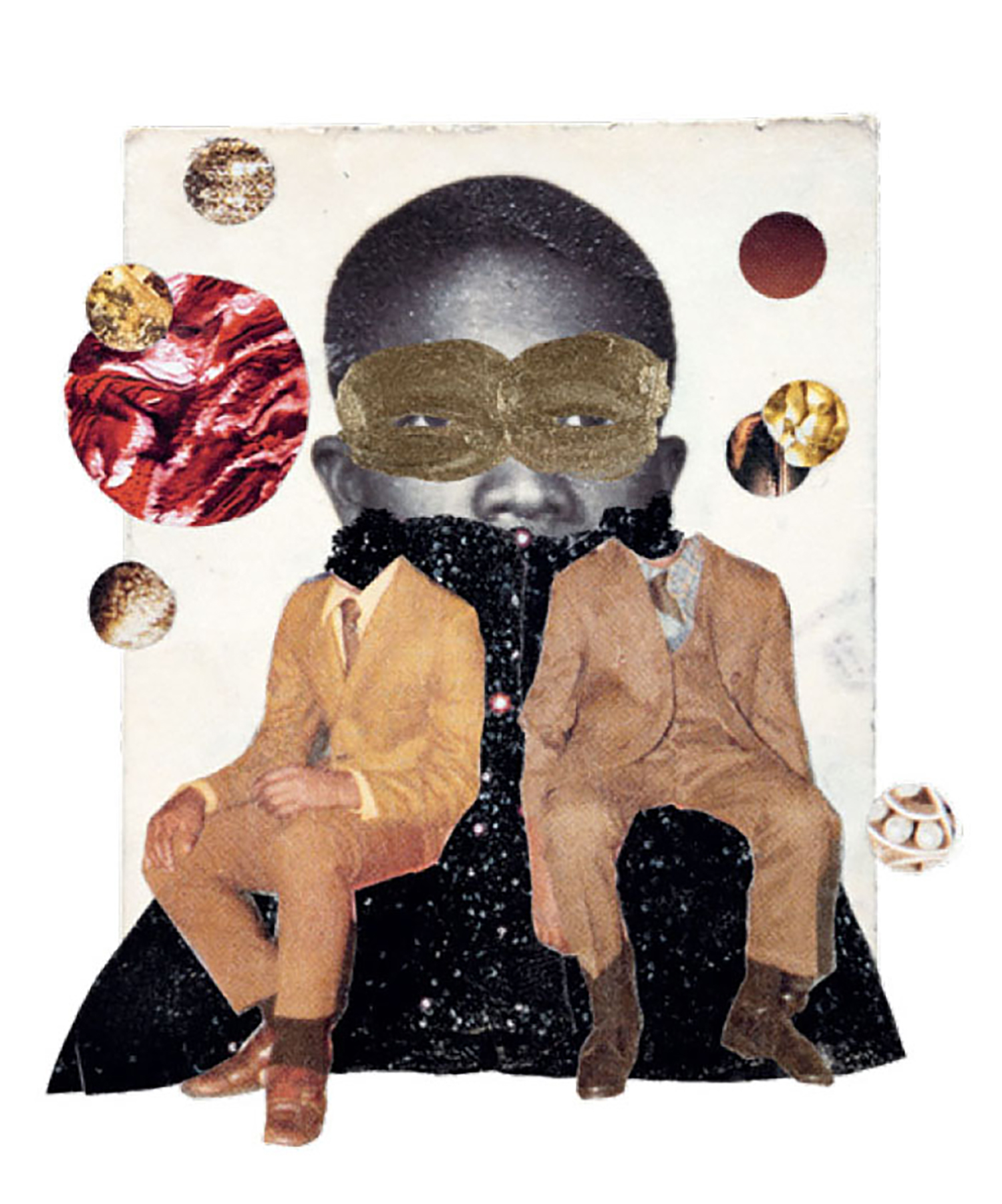
Recently I’ve been thinking about inoperativity as it relates to a photograph, particularly bureaucratic images whose function and modes of capture are prescribed by the government. The question for me has been, when the passport photo becomes inoperative, what then do we discover about its pseudo-neutrality, and our own relationship to subjecthood? What new visuals are unleashed when the banality of the passport image is stripped away?
With everything that’s happening [in the US around migration], there’s a heightened way of thinking about this project, and a very strong response to the work. I definitely understand, but it was always a question for me, even in what seemed like quieter times. What does it mean to be an immigrant, not only when citizenship is threatened, but also when your existence is integral to the territorial narrative? What does it mean to claim your identity as being part of a place that is not part of your birth? I wonder about the stability of that, and spaces such as passport photos that trick us by seeming neutral. I’m super excited Passports is being published as a book, and my dad is excited too.”
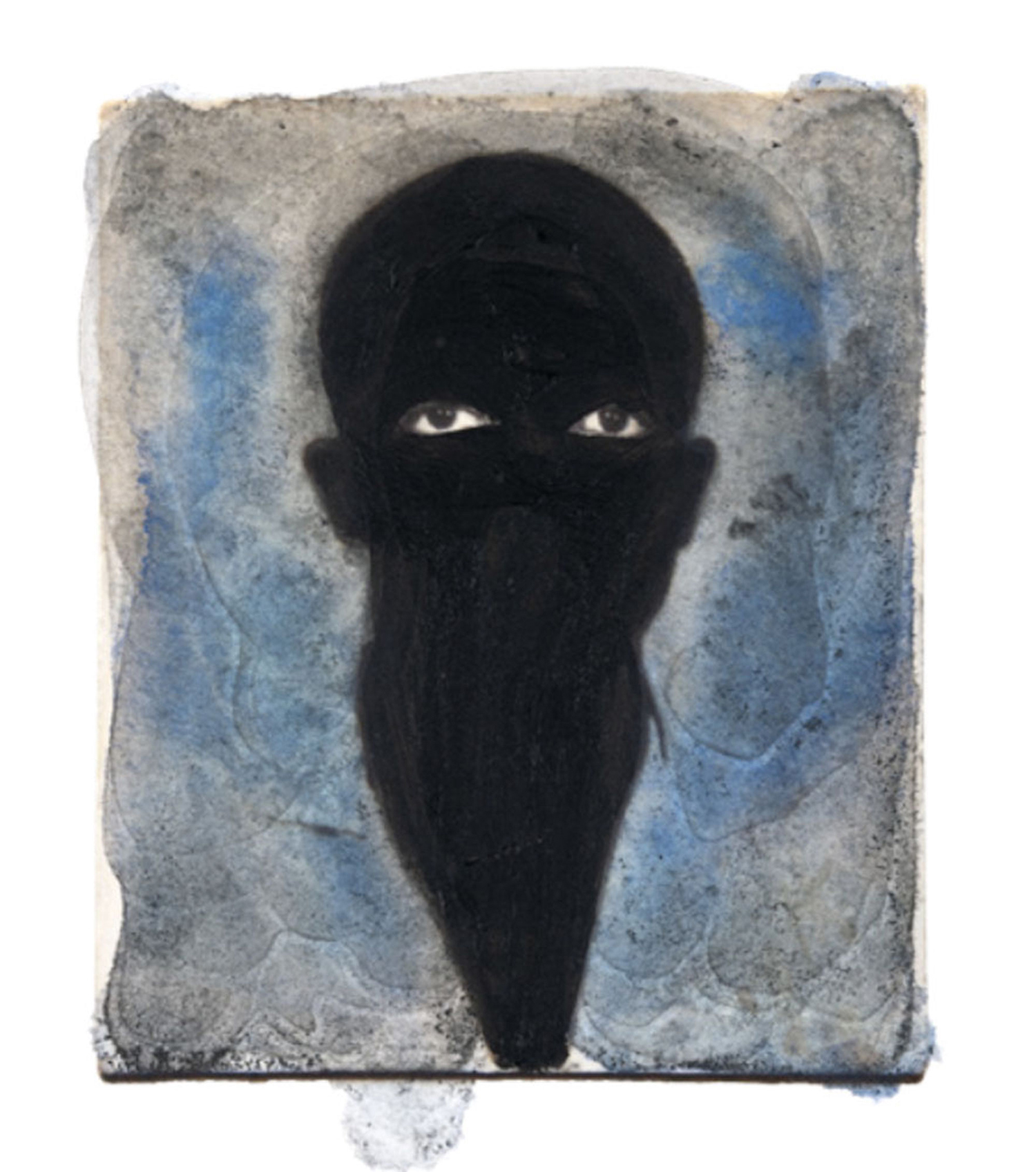
Passports by Keisha Scarville is published by Mack, priced £50.
The book was a winner of the 2026 Paris Photo–Aperture PhotoBook Awards.
Images from Passports are part of the group show What Rose From the Cut on show at Graces Mews, London, until 30 January 2027.