

© Abdulhamid Kircher 2026, courtesy Loose Joints
Working with Sierra Kiss for four years, Abdulhamid Kircher was able to help and advocate for the young mother. “It’s so crucial for men… to also be speaking up for women,” he says
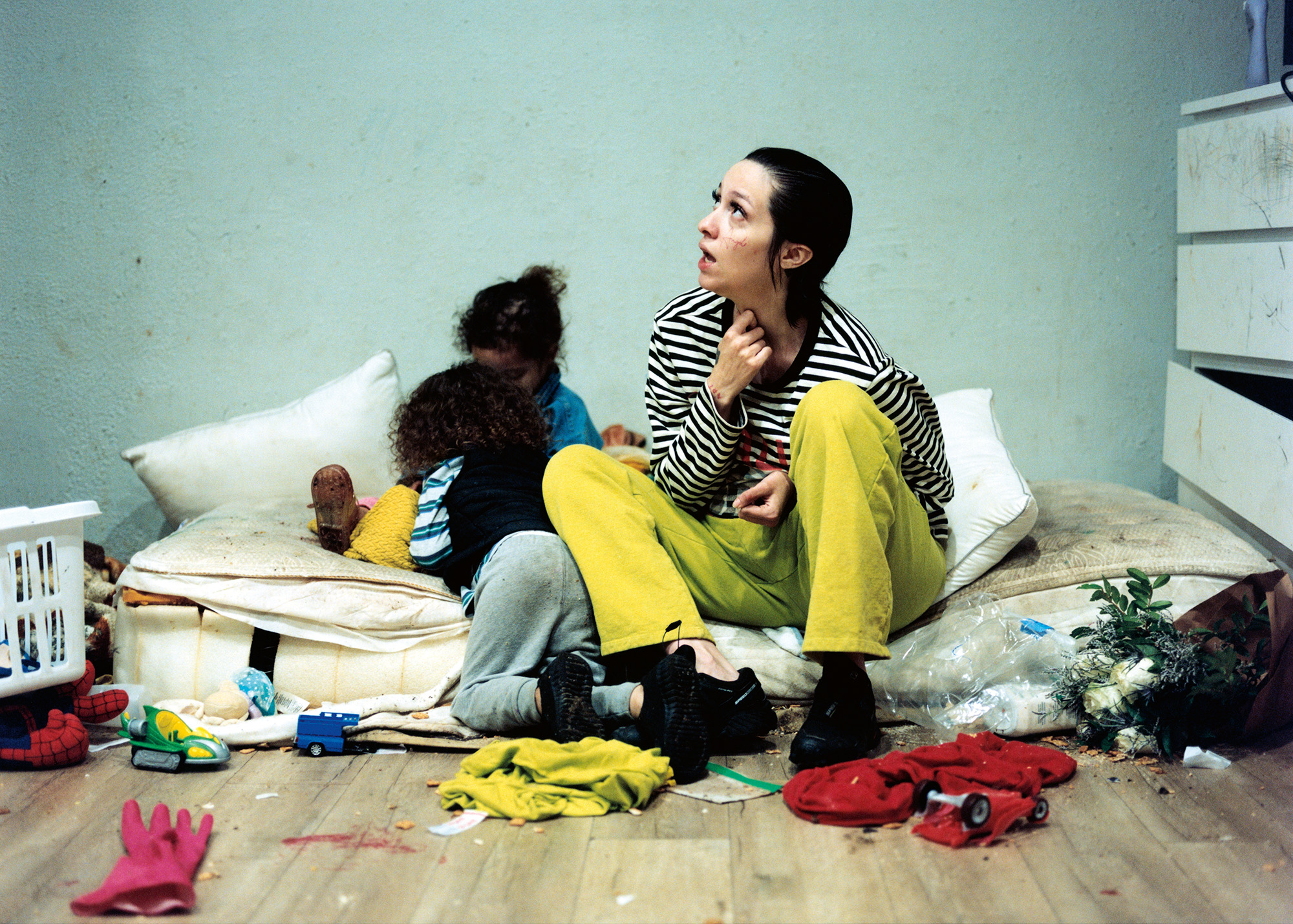
There is an image in Abdulhamid Kircher’s latest book, New Genesis, showing Sierra Kiss sitting on a mattress looking up out of frame, her two young children playing behind her. The colours are vibrant – Kiss’s lime-green joggers glowing, red clothes on the floor matching a red, upturned toy car, a single hot-pink glove – and the scene has a painterly feel, or the energy of an ancient Greek drama. But this is no staged tableau. It is a very real documentation of a young woman failed by the American welfare system.
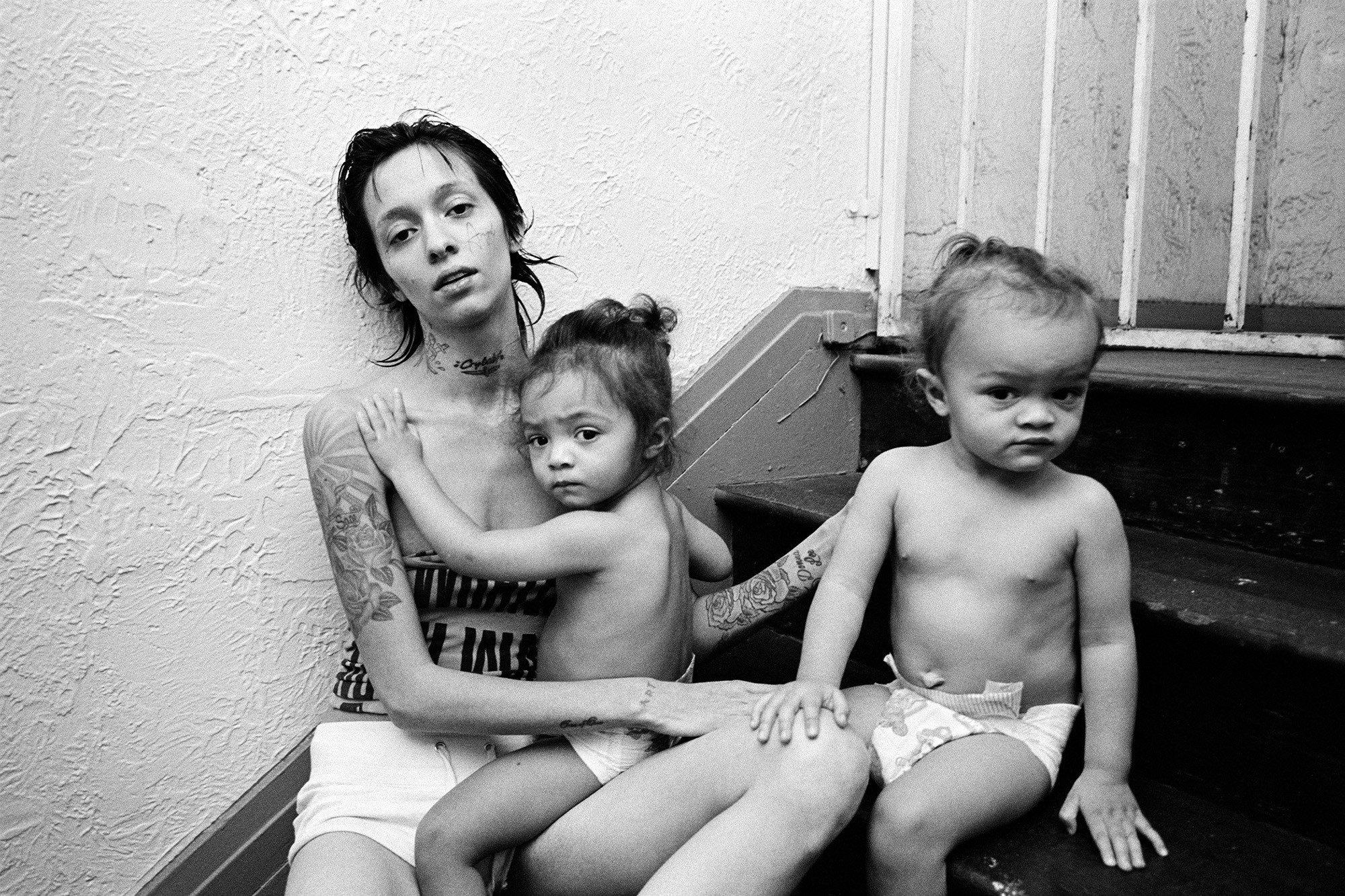
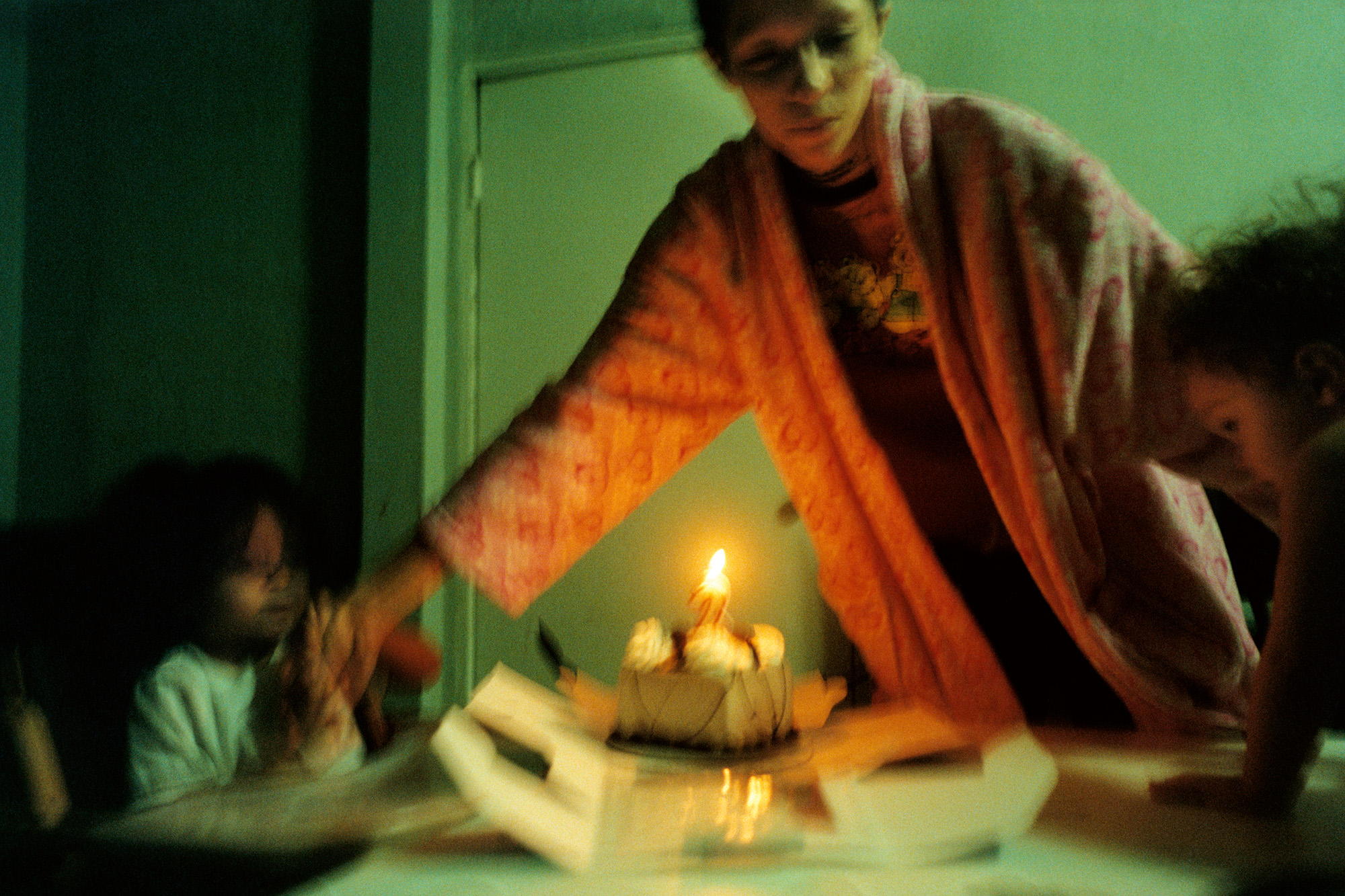
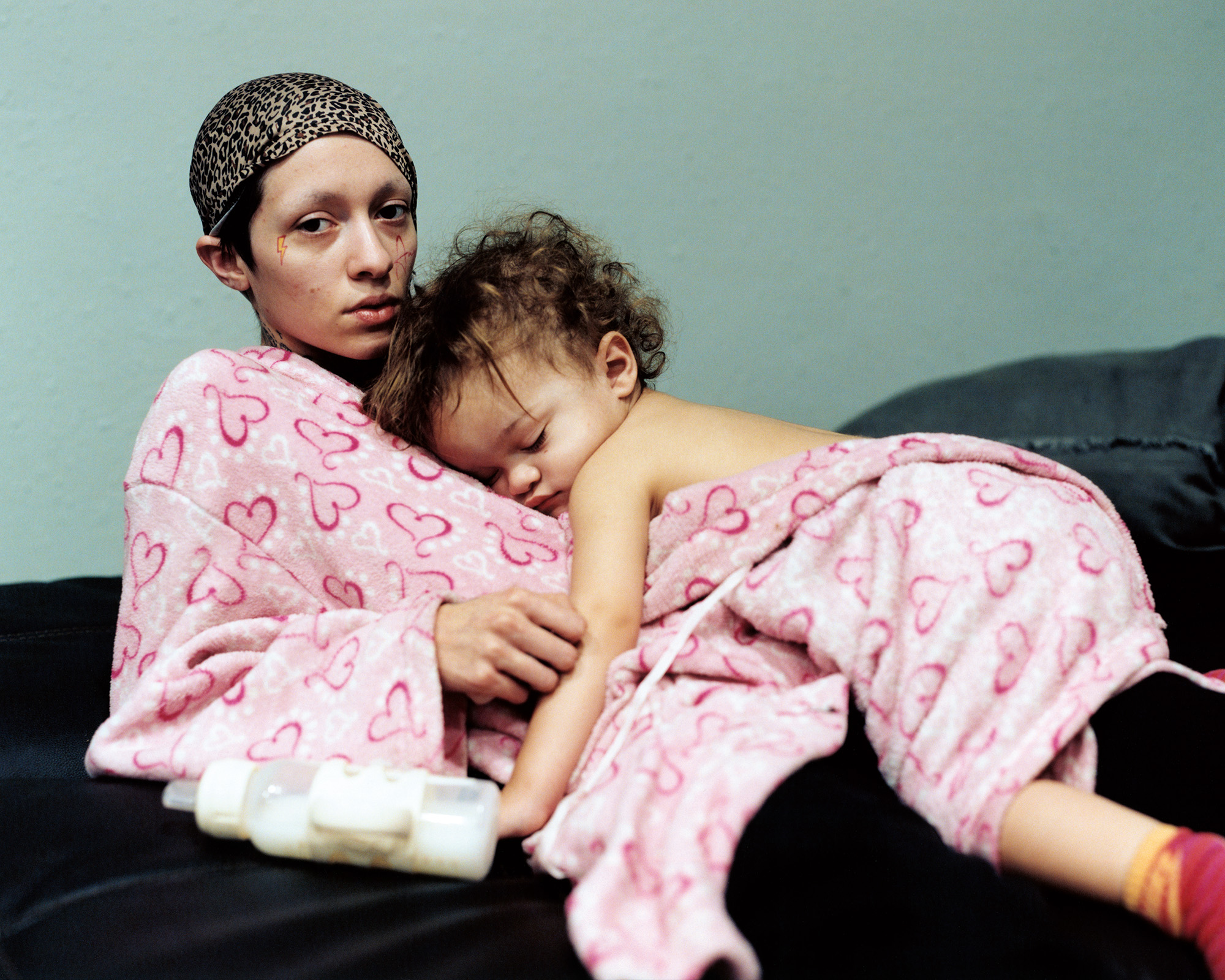
Kircher first met Kiss while living in Los Angeles in 2022, and started to help her with transport and childcare. They established a rapport and soon he fell into documenting her life, recording her experience of homelessness, addiction, pregnancy and domestic abuse over the next four years. “I would help her with simple things around the house, taking the kids to school, to the park, taking her to doctor’s appointments or grocery shopping,” Kircher tells me via video from New York City.
“And the reason it was so easy to make the images is because she invited me into her life, and genuinely just enjoyed being photographed. I think that’s such an important thing. You could never make something like this if the person didn’t want to be photographed.”
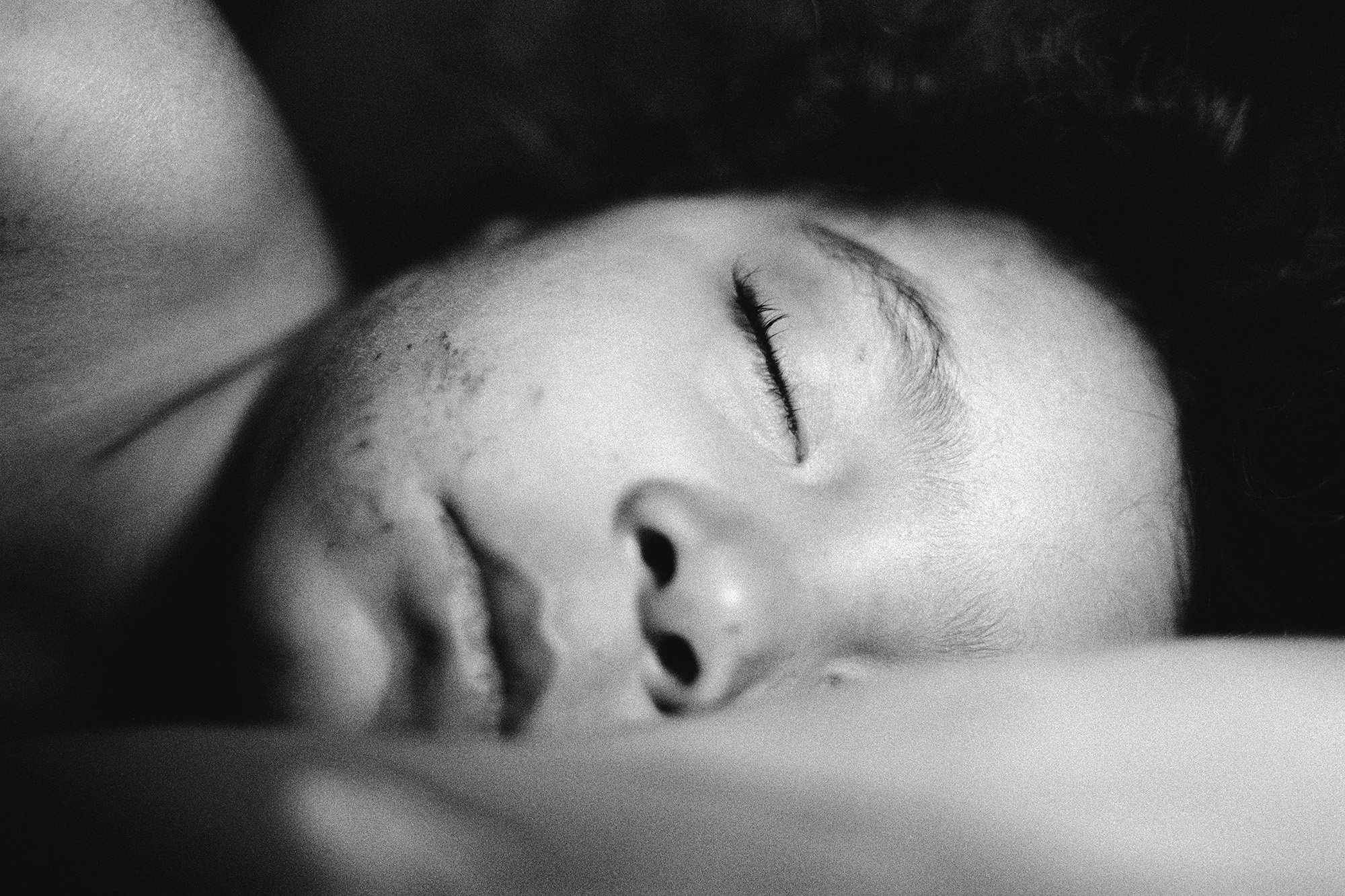
“I feel it’s so crucial for men, if their intentions are pure and right, to also be speaking up for women” – Abdulhamid Kircher
This trust helped allow a vulnerability to emerge in the images; Kiss expresses a wide range of emotions, from pure joy to deep desperation. In one shot she is standing tall, proud and almost glowing with strength, holding her pregnant belly, again in her lime-green joggers. In another she has just given birth – her placenta is in a bloodied bowl in front of us, and her tired body is exposed in the background just out of focus.
“She has been abused by men, so I feel very honoured that she trusts me and lets me into her life,” says Kircher. “I realised how important it is for men to take accountability, it’s important that men are a part of this conversation. So often, we rely on women to speak about these problems. Of course, women are going to feel safer with other women, but I feel it’s so crucial for men, if their intentions are pure and right, to also be speaking up for women.”
Alongside these intimate images, the book includes diaristic texts Kiss shared via Instagram over the years. There is no formal introduction to the work, told by an external authority, no journalistic observation of the politics of care; instead, she narrates her own story. “I’m just a girl. I’m just a fucking girl who never had a freaking mother, okay?” she writes. This approach was paramount to Kircher, who credits her as both the writer of the book, and a collaborator.
“In documentary photography it’s really easy for the subjects to become voiceless,” he explains. “And I obviously felt it would be very problematic to have this young struggling mother, that you see at her lowest, be voiceless.” Kircher collected around 700 screenshots of Sierra’s Instagram stories and transcribed and edited the text for the book; “to me that felt like the purest form of her expression. She really used Instagram as this way to let go in a moment where something was hurting her or she was thinking about something. That idea of immediacy is interesting to me.”
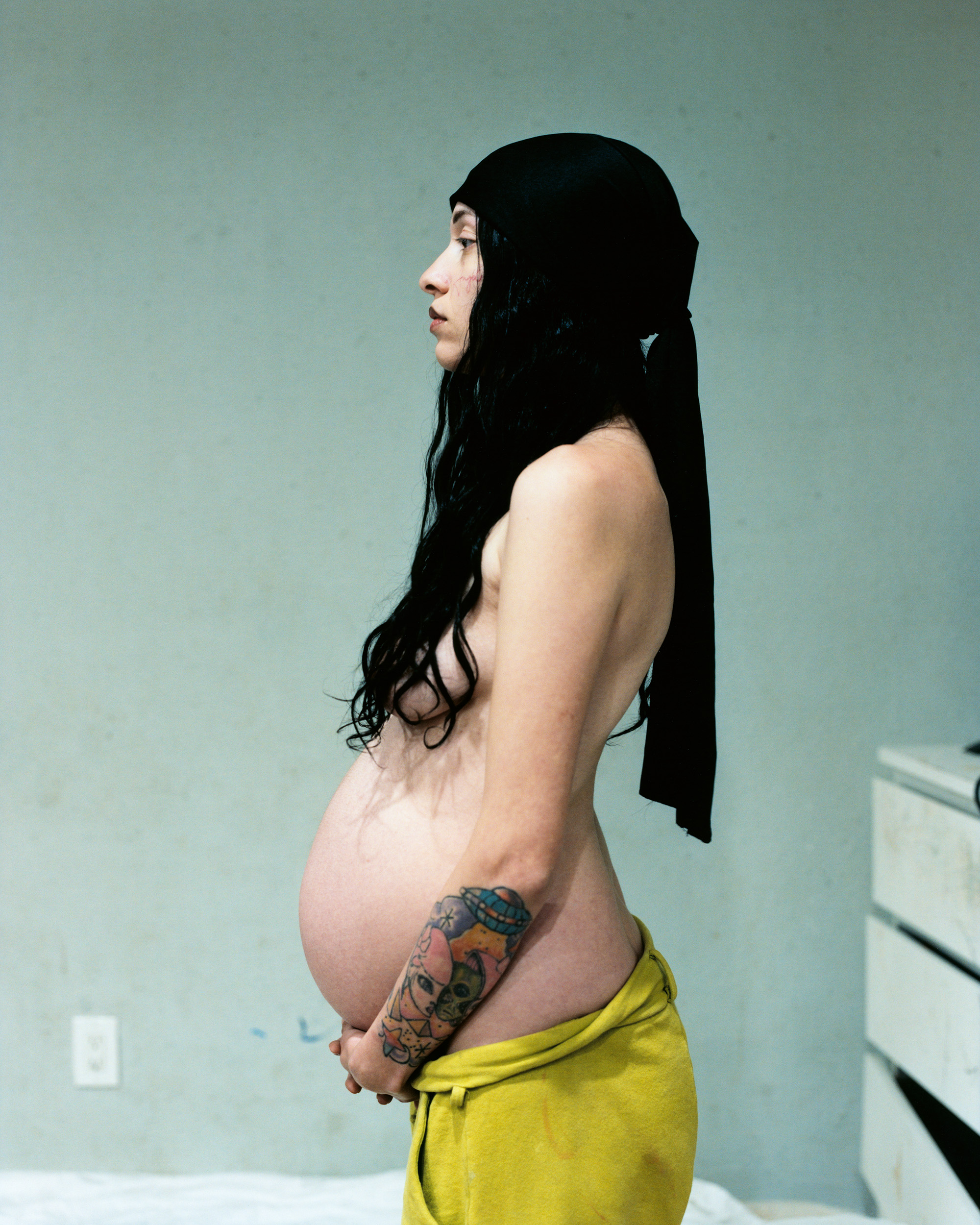
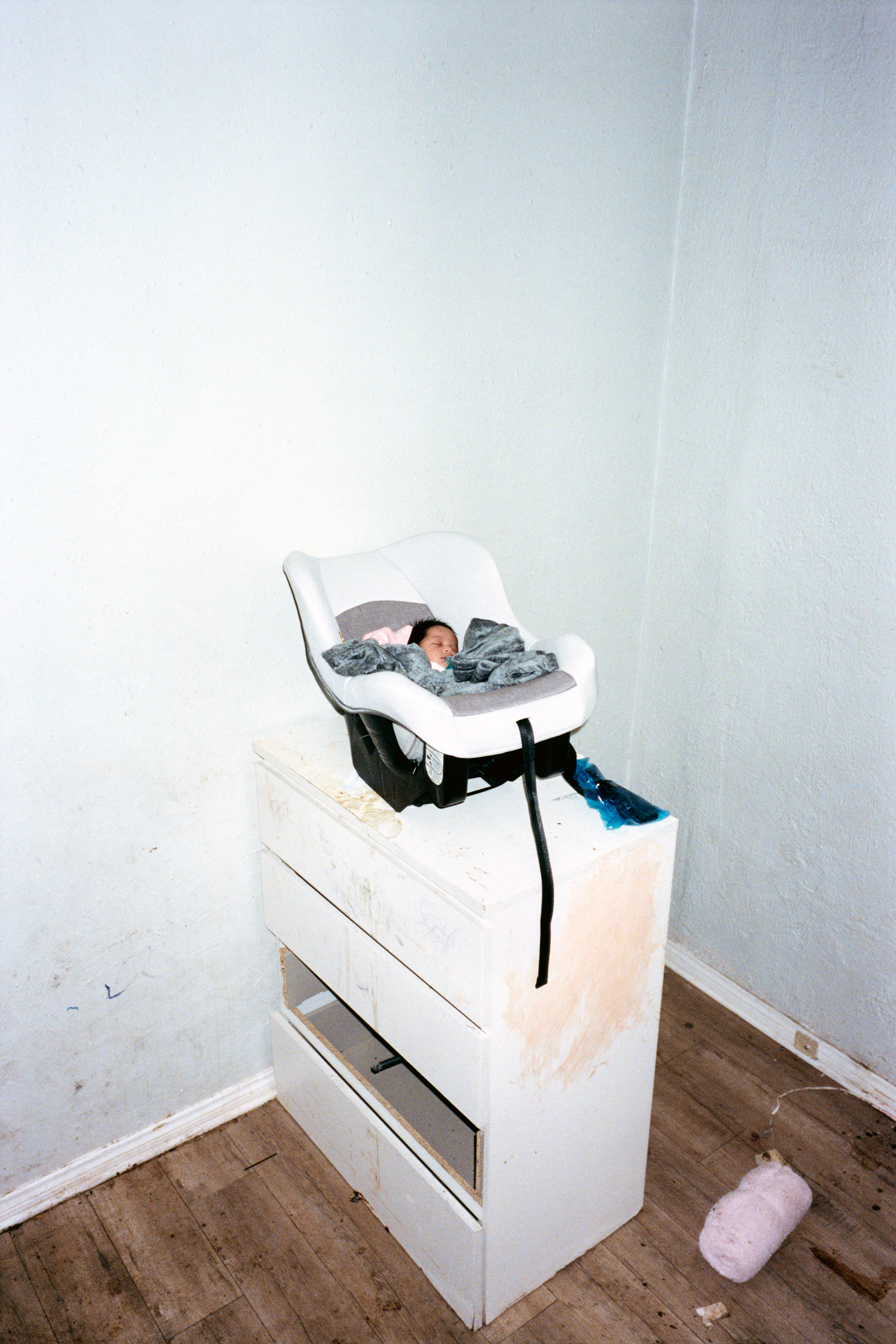
Instead of captions, or text describing what we are seeing, these insights create context, he adds, “not for the images but more for her mental health”. “We try to use it in a way where you really get an understanding also of her language and how she processes the world,” Kircher adds. “It brings a certain human quality that isn’t too serious, that is playful at times, dark at others.”
I spoke to Kircher the day after he launched the book, at an event including a panel talk with photographer Donna Ferrato, an activist and image-maker known for her work on domestic violence. The book sales – and print sales – are being used to raise funds for Kiss and her family, and she has plans to leave LA. When I ask Kircher how shooting Kiss over the years has changed him, he tells me that, without wanting to fall into a “saviour complex”, “it’s been so eye-opening to realise that my work has the power to change someone’s life”.
The money will help fill the gaps in the US federal care system, which has repeatedly failed Kiss. “There were moments while making these photographs where I was reminded how the system is failing women,” Kircher tells me. “For example, when [one of the fathers of the children] kept abusing her, smashing her windows, spitting in her face – every time he came around, she would call the cops, and they would show up two hours later. I remember calling the detective one time and he told me he left that case, he was working in a different department now. You just can’t get through to anyone. This system is just not set up to help you.”
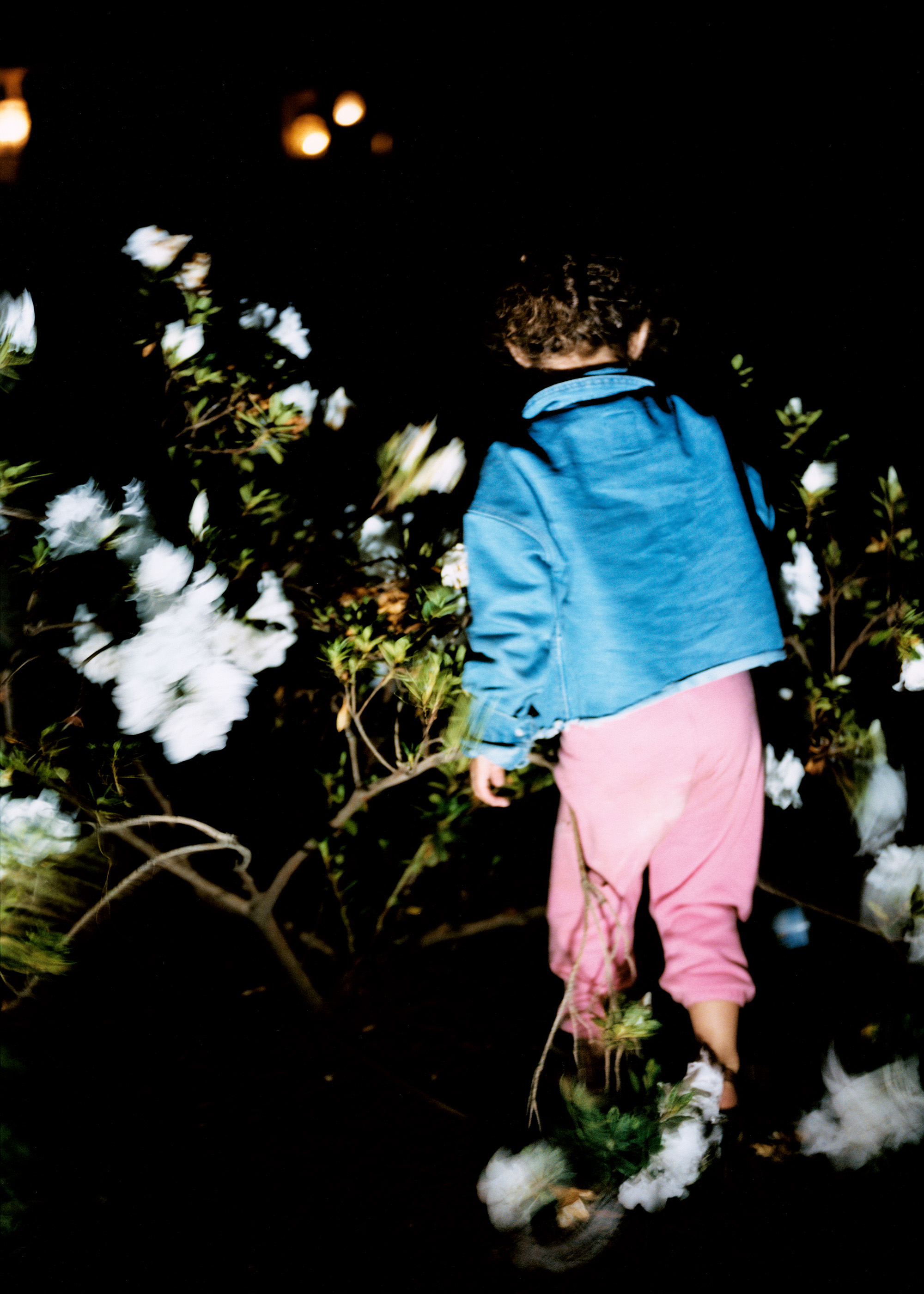
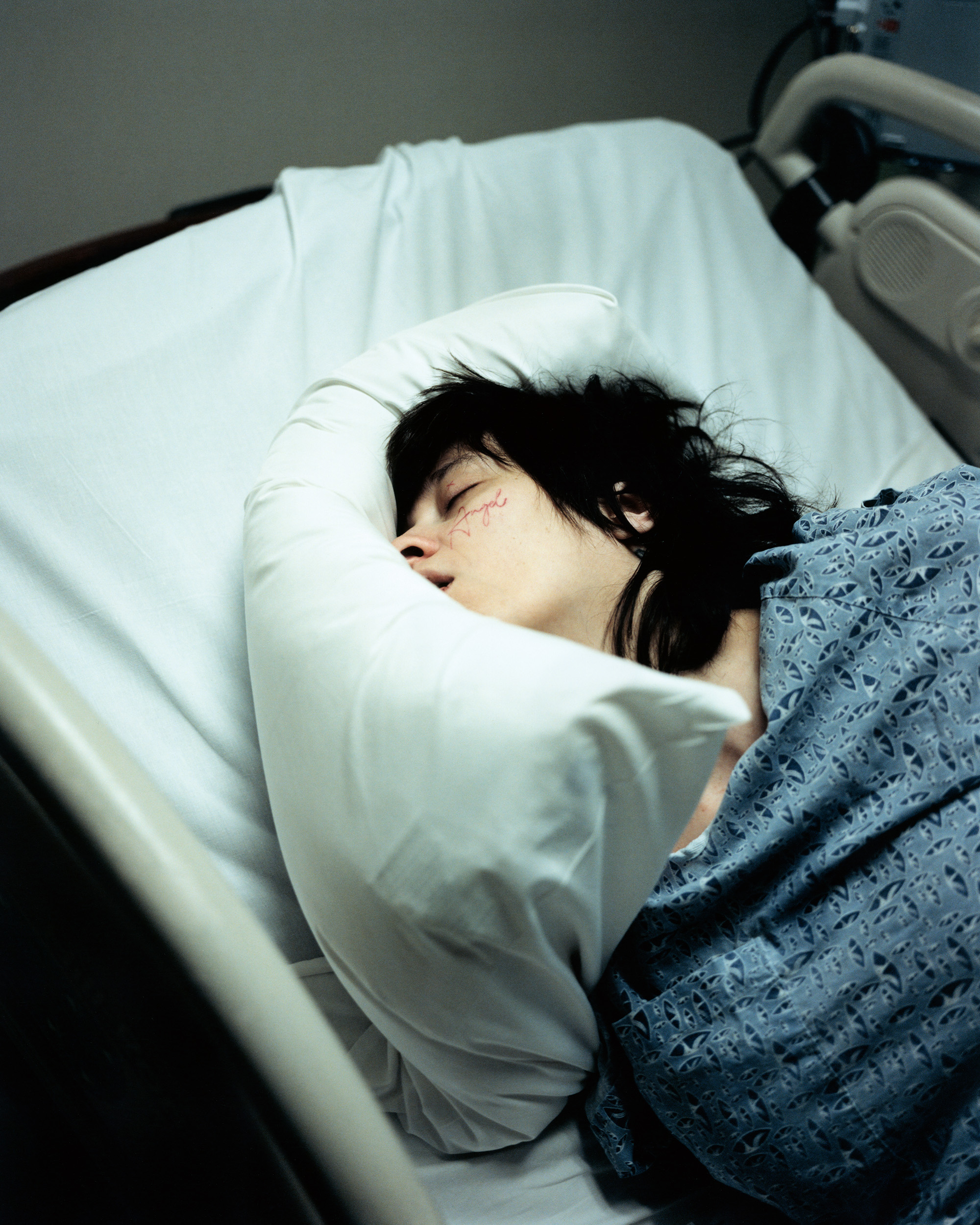
Though this problem became clear when Kircher was photographing Kiss, he says he doesn’t make work with “a specific intention”. “I want to make work that is coming from a pure place, with pure intention,” he explains. “Photography is already so problematic, it strips away some humanity from the people we’re photographing. I really want to make sure that I’m not adding to that by trying to approach certain situations with specific ideas in mind. I really try to make work from an intuitive place and then find meaning afterwards.”
At the end of the book, Kircher includes a small dedication to his own mother, Maria; “Mama, I could never repay you for the sacrifices you made. Thank you for keeping us safe and showing me what it feels like to know love,” he writes. “This work stemmed from this trauma that my mum went through,” he tells me. “When my mum was abused by my dad in front of me, I would just sit there – I wouldn’t react, I would just keep playing with my toys. When she told me that, I just felt so guilty and sad that this young mother didn’t have anyone there for her or to protect her.
“So I think when I met Sierra – it wasn’t something I thought about right away when I met her – but I think, deep down, I had that feeling in my body that this was my chance to be there for a young mum. Not to save her, but just to be there for her however she needed.” Nearing the end of our call, Maria pops up on screen to say hello to me, with a wide grin and a wave, the other hand gently on her son’s shoulder.