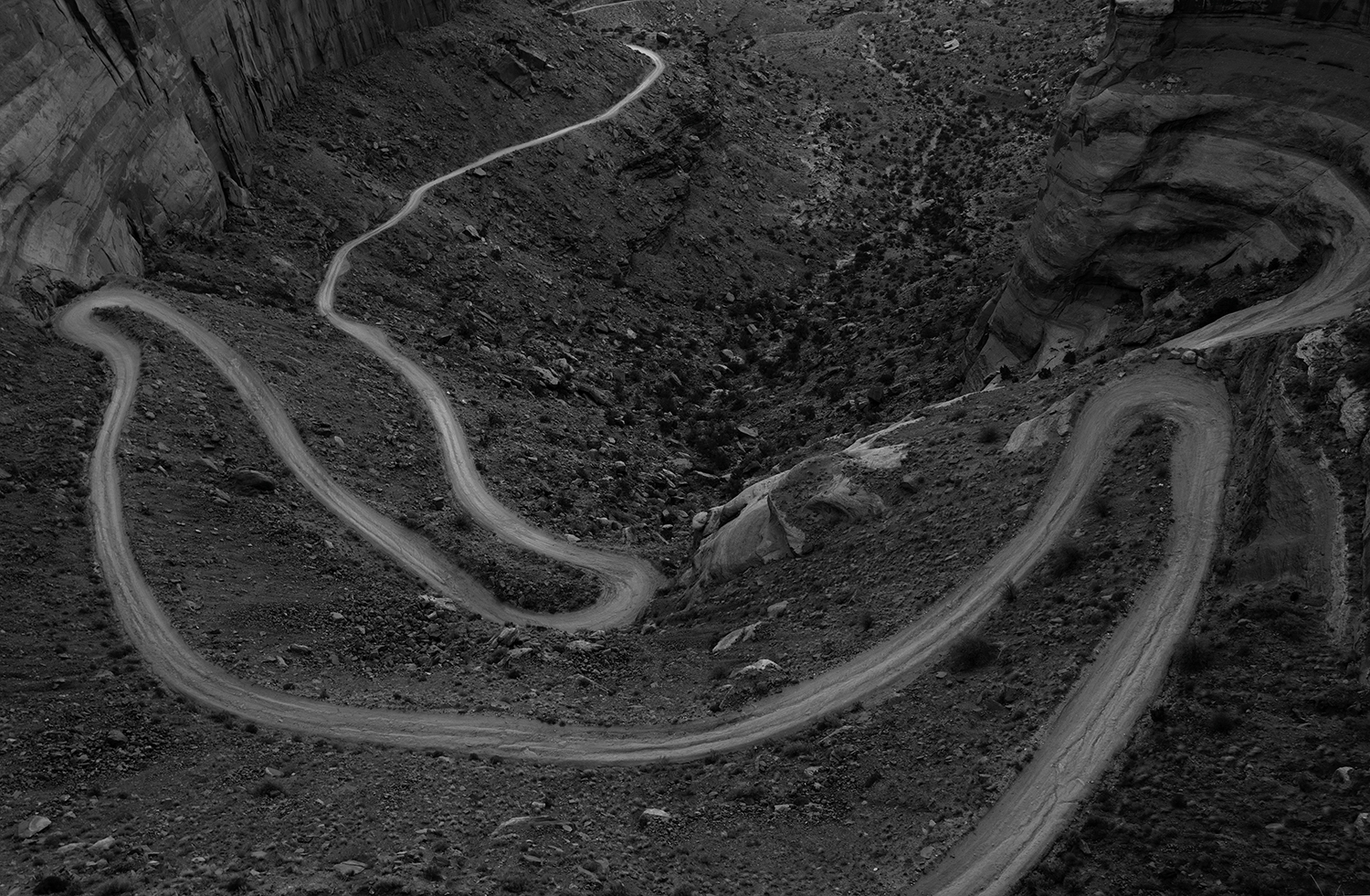

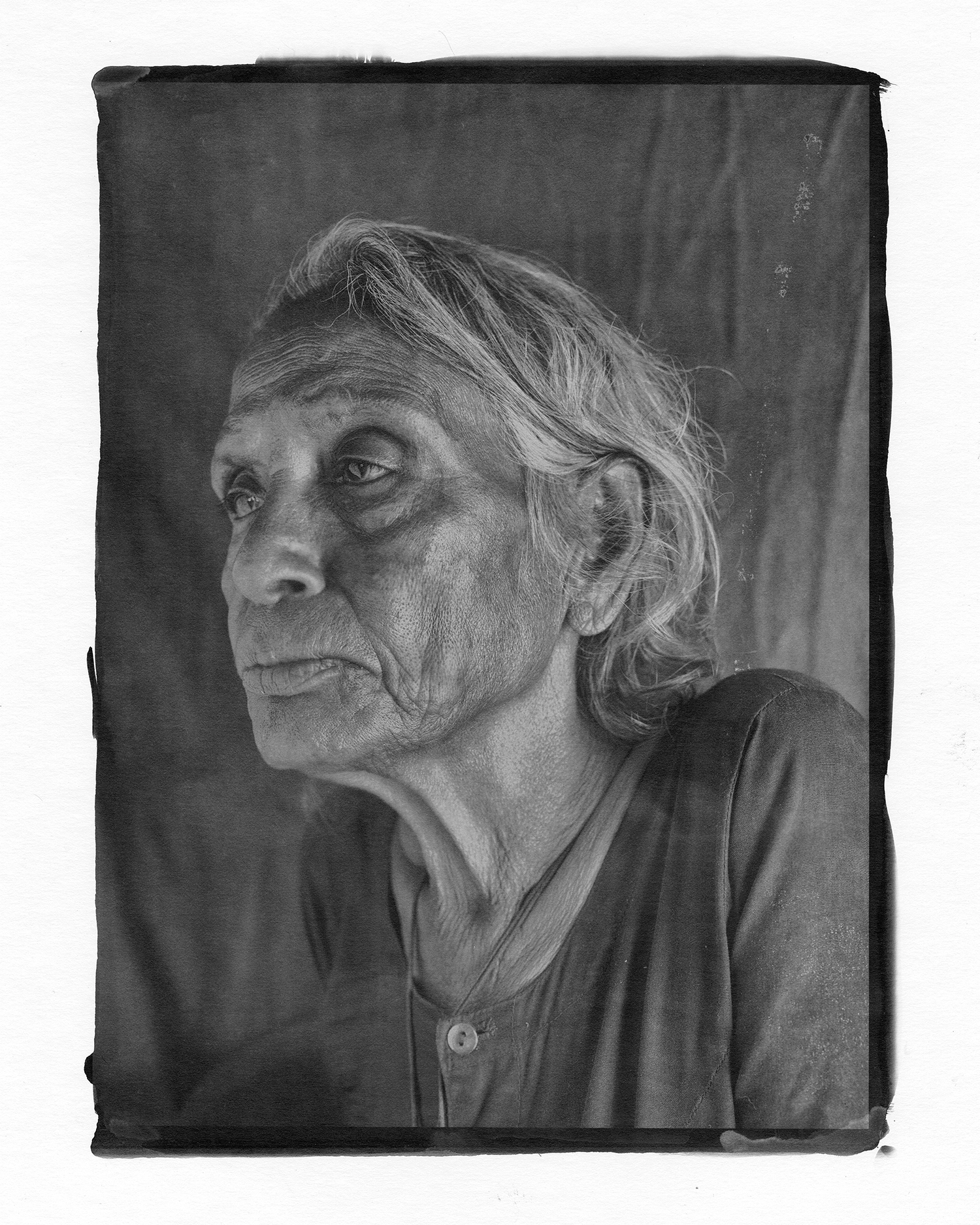
All images © Shahria Sharmin
Every year, BJP publishes its Ones to Watch issue – our selection of the artists who epitomise the talent and creativity in international photography today, as nominated by a global network of curators, editors, and artists.
As we finalise this year’s list, to be published in Issue 7926, to be published this June, we’re revisiting the 2025 Ones to Watch. Today, Shahria Sharmin, as nominated by Shahidul Alam.
Around 2012, when her twin daughters turned 11, Shahria Sharmin found herself at a crossroads. With her children newly independent she asked herself, for the first time in years, ‘What now?’. Having grown up with a photography enthusiast father, the Dhaka-based artist had always been drawn to the camera, and decided to enrol at the Pathshala South Asian Media Academy. “I didn’t even know what documentary photography was [when I joined], but I realised that this is my genre,” she says. “This is what I had been looking for all those years… Through my lens, I started seeing the world in a new way.”
What makes a parent reject their child? What happens when your home country is no longer safe? And how do we hold onto someone after they are gone? These are the questions that underpin Sharmin’s long-term projects. Her process is as emotional as it is technical, often involving a large format wooden box camera and alternative printing techniques that build “layers upon layers”. For Sharmin, photography is not straightforward. “My feelings, my trauma, my grief; they all get absorbed into those layers,” she explains.
“My feelings, my trauma, my grief; they all get absorbed into those layers”
– Shahria Sharmin
Sharmin’s photographs are quiet but with a gripping intensity, a product of her slow and intentional process. Making her series Call Me Heena – about hijras, members of South Asia’s third gender community – marked an important shift in approach. She began shooting it digitally in 2012, but a deeper connection with her subjects demanded more time and care. “In rural areas, having a transgender child is seen as a sin, and parents often feel they have no choice but to let them go,” she explains. “That’s when I realised my real question: why do parents abandon their children?” The slowness of the box camera allowed her to stay with that – to spend time with the community, to listen and engage.
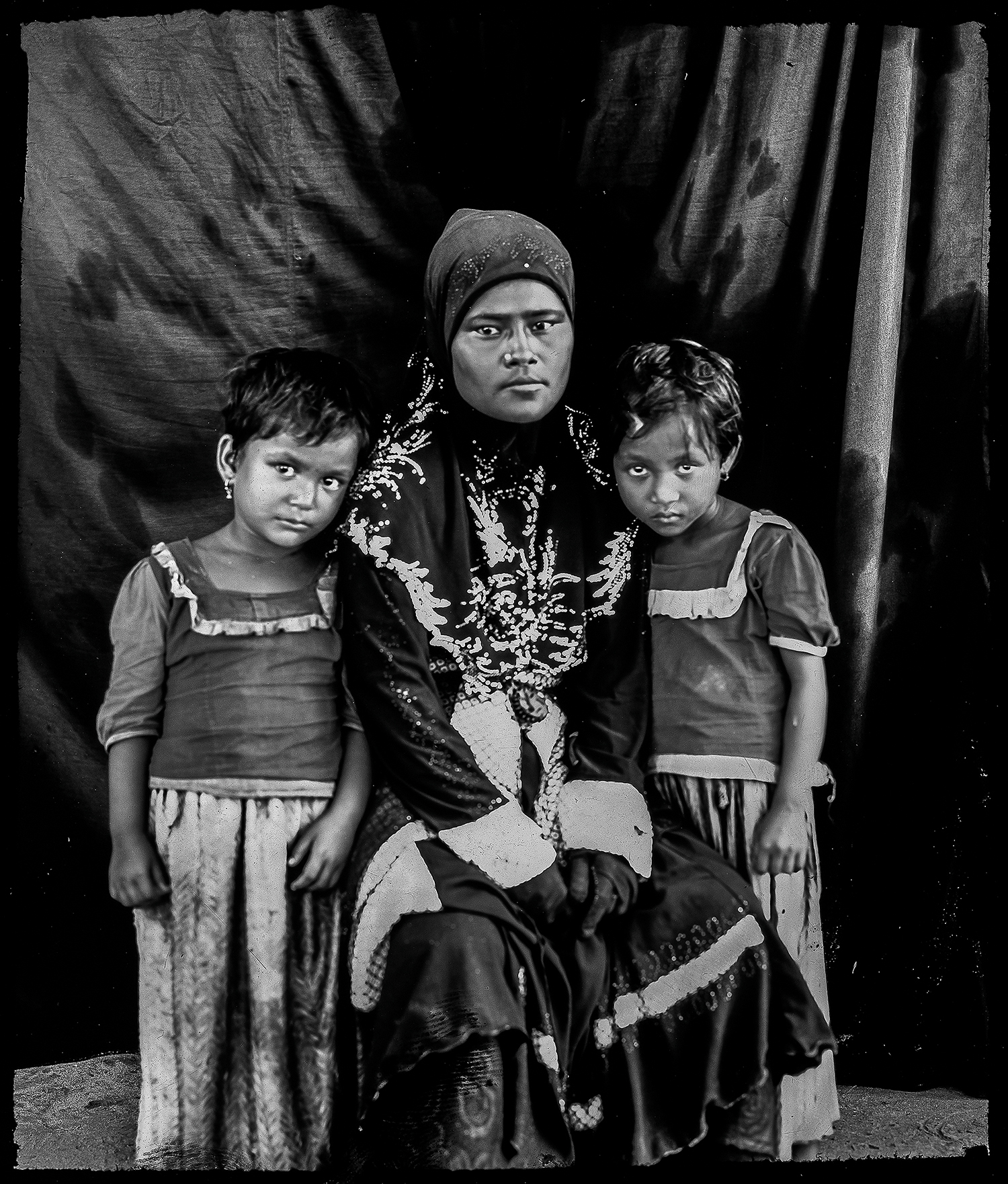
Her next project, When home won’t let you stay, documents the world’s largest refugee camp for Rohingya people in Bangladesh. “I had no fixed idea when I arrived. I just watched, listened and spoke with people,” she says. Naturally, the theme of parenthood crept into the work as she witnessed families torn apart. “As a mother myself, I felt that fear,” she says. What started as a story about refugees became something more universal around family, loss and longing.
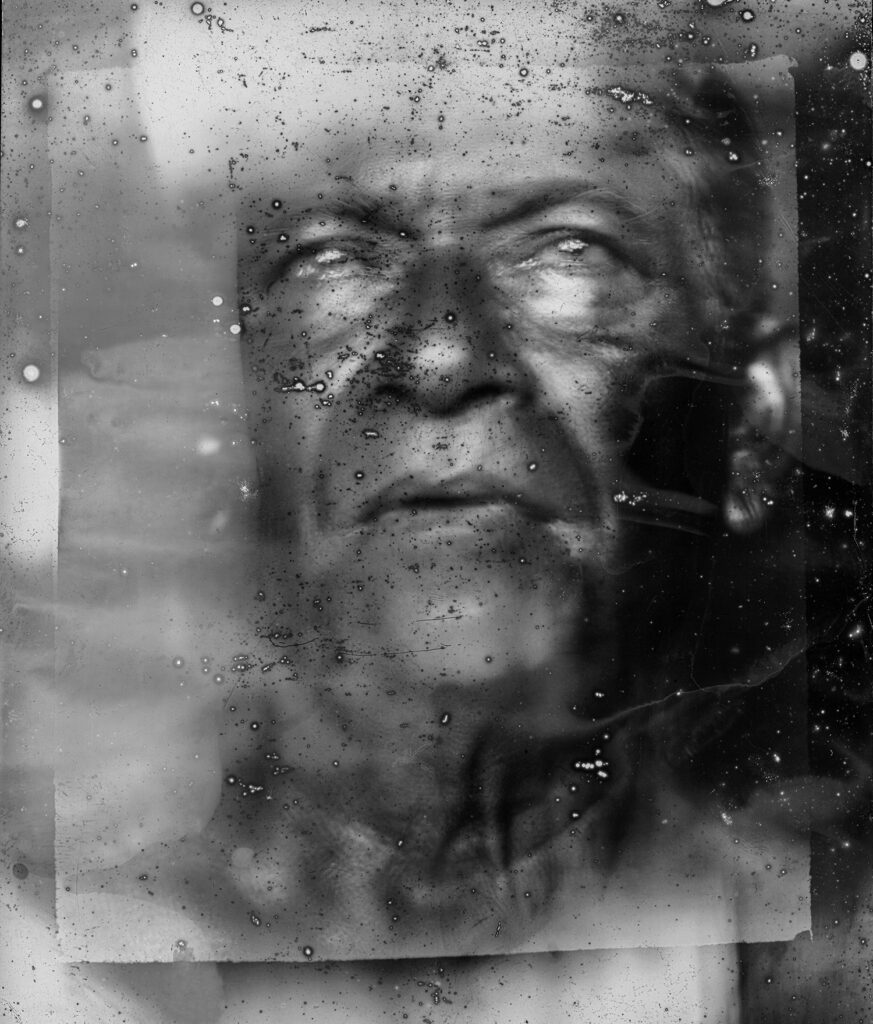
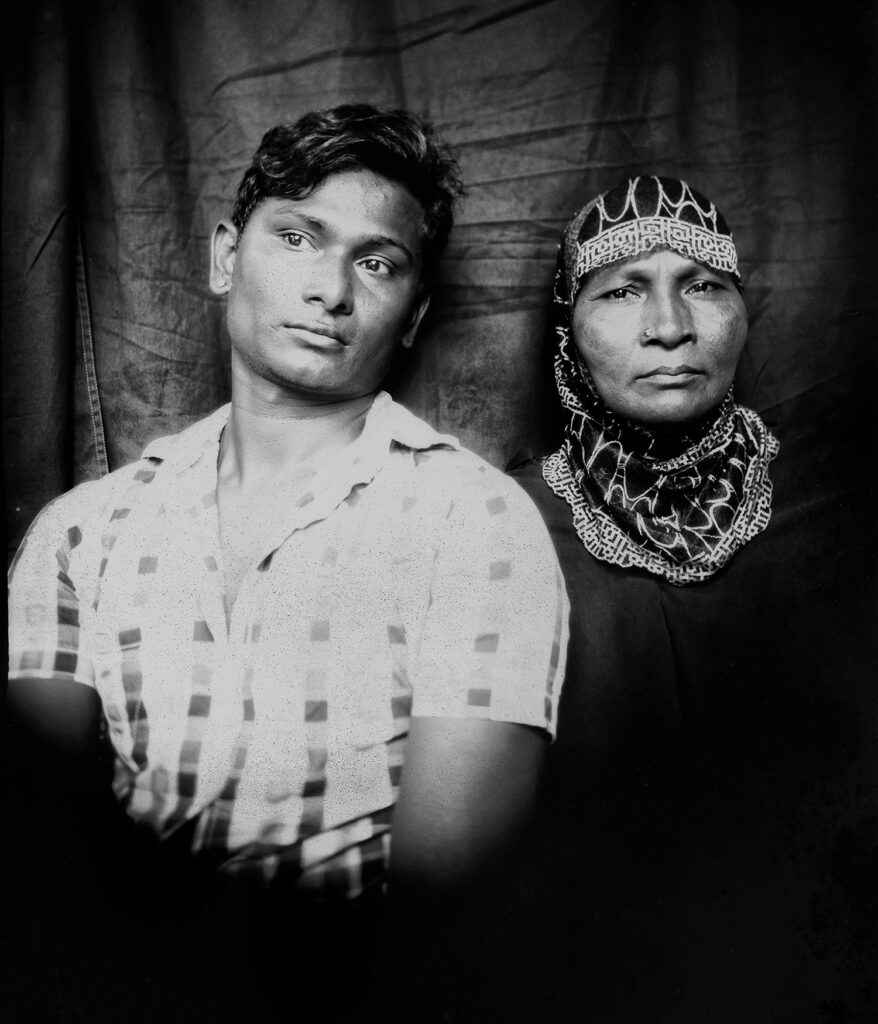
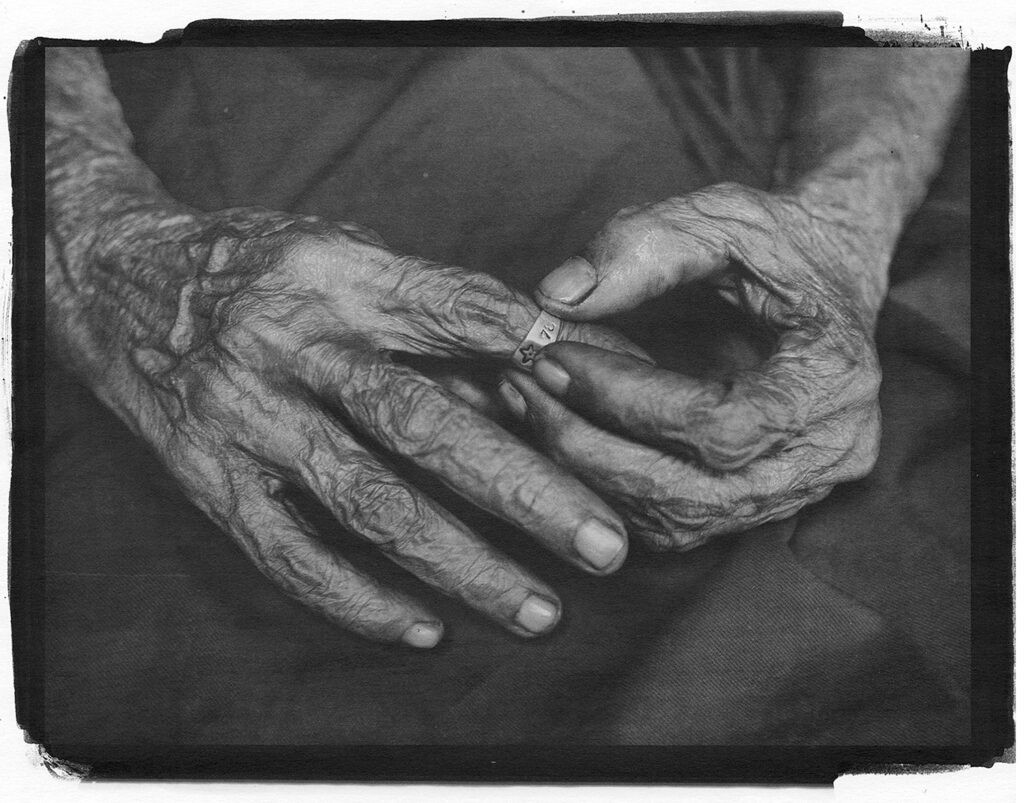
These themes also come into sharp focus in her most personal project, titled nur. In 2019, a terrible accident left Sharmin’s brother in a coma for 17 days. He survived but with short-term memory loss, and shortly afterwards their mother passed. Revisiting old family photographs, Sharmin confronts the complex emotions of grief, and how photography was a tool for healing from this traumatic period.
More recently, since 2022, Sharmin has been photographing sex workers, visiting 11 brothels across Bangladesh. She encountered many elderly women who were retired but continued to live alongside the younger workers to support them. When Sharmin found out that many had children, the theme of motherhood emerged once more. “These mothers sacrificed everything for their children, and yet many of the children refused to acknowledge them, especially as teenagers. That was heartbreaking – to give your whole life for someone who no longer wants to see you,” she says.
Sharmin is sometimes asked what draws her to stories of people on the margins, but says she wants to show something different, “that they are also mothers, daughters, human beings”. As Shahidul Alam, who nominated her for Ones to Watch, says: “The tenderness with which Shahria tells her stories is deceptive. She embraces people who are othered, whose lives are haunted and hunted. These are hard stories delicately portrayed. The poetry of her work is incidental to the humanity that comes through.”