
In the Bag: Rory Langdon-Down
©Chanel Irvine
Source: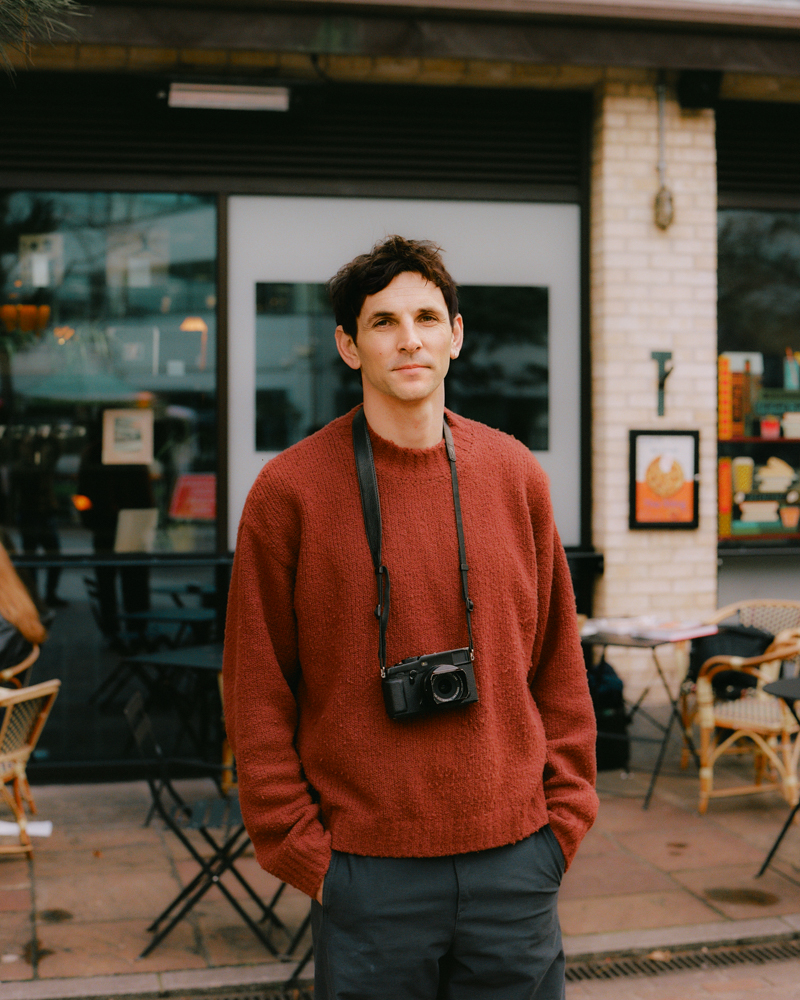
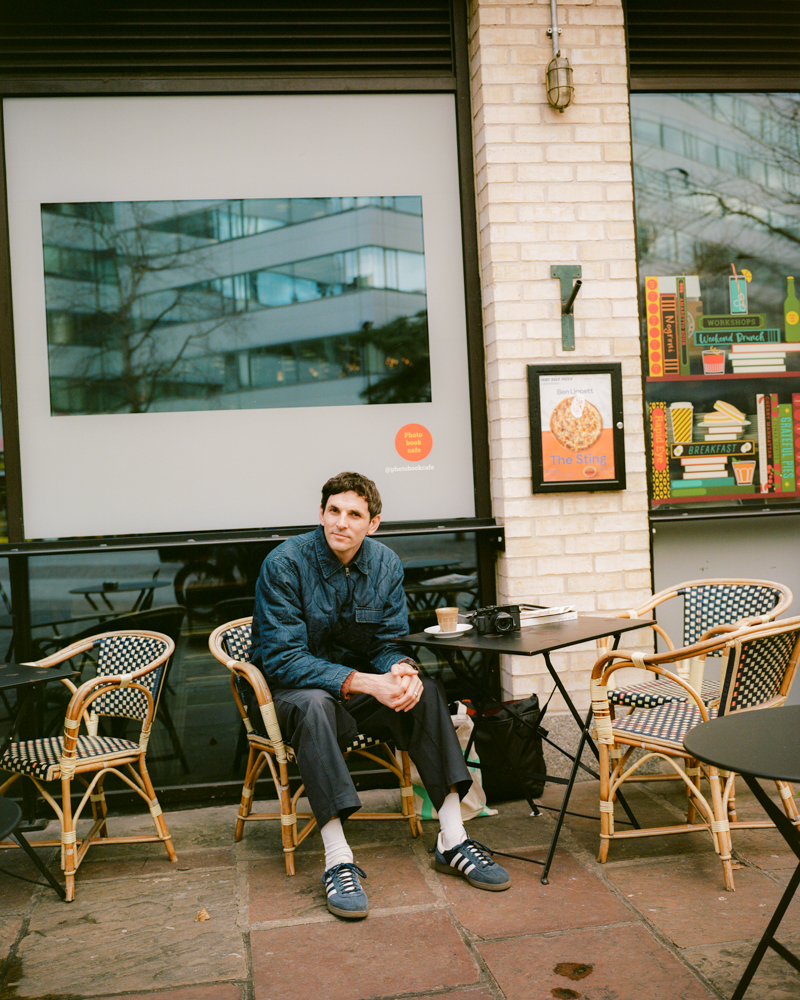
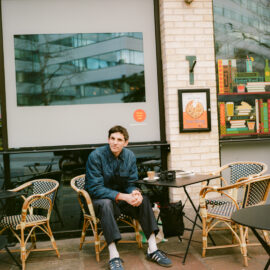
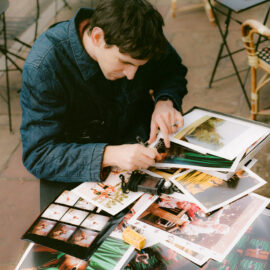
Serendipity has played its part in Rory Langdon-Down’s career. He originally set out to be the next Louis Theroux, studying broadcast journalism in Leeds before finding himself drawn to the other side of the lens. In 2013 a friend put him forward – wildly underqualified, by his own admission – as a camera assistant on a film job. He went to a hire company the day before and learned the camera inside out, and it paid off; more opportunities followed and he swiftly worked his way up to become a sought-after director of photography. Quick to learn, he was never fazed by the technical aspects, but something else gave him an edge, something relating back to his earlier ambition. “One of my strengths is my ability to connect with people,” he says, “and then bring that connection into an image.”
“For the first time in ages, it was like I was the director, not just the director of photography”
– Rory Langdon-Down
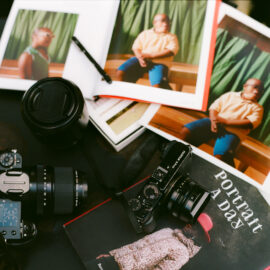
Then Covid hit and the film work dried up, and by New Year’s Eve 2020, after months at home, he was crawling up the walls. He decided to give himself a brief, to pick up a stills camera and make a portrait of a different person, every day, for a year. He had no grand ambitions for the project, but soon it became something else – an apprenticeship in human encounters. Approaching strangers, he learned what it means to ask for a picture without centring the camera; if someone declined, he often stayed to chat anyway. “Engagement is there first,” he says.
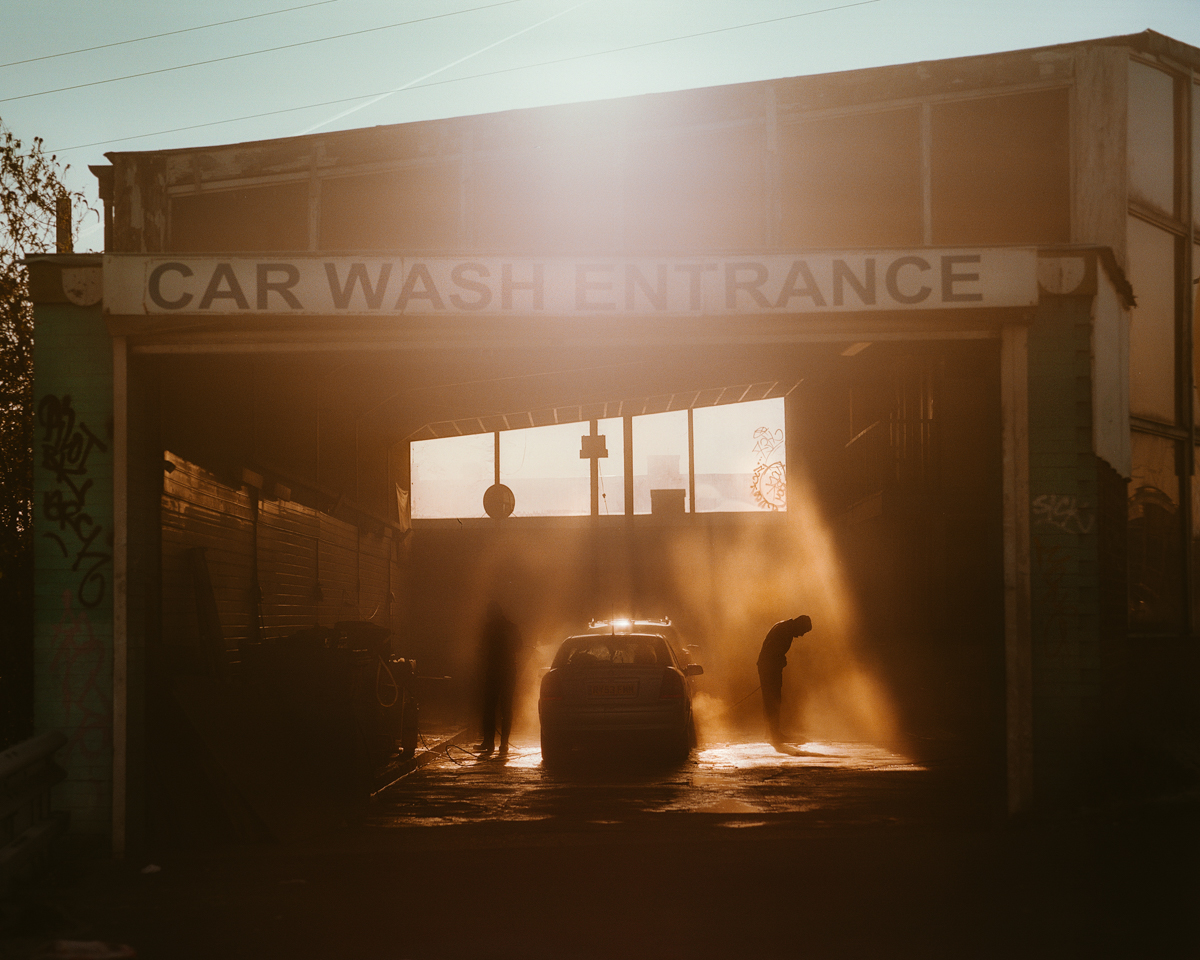
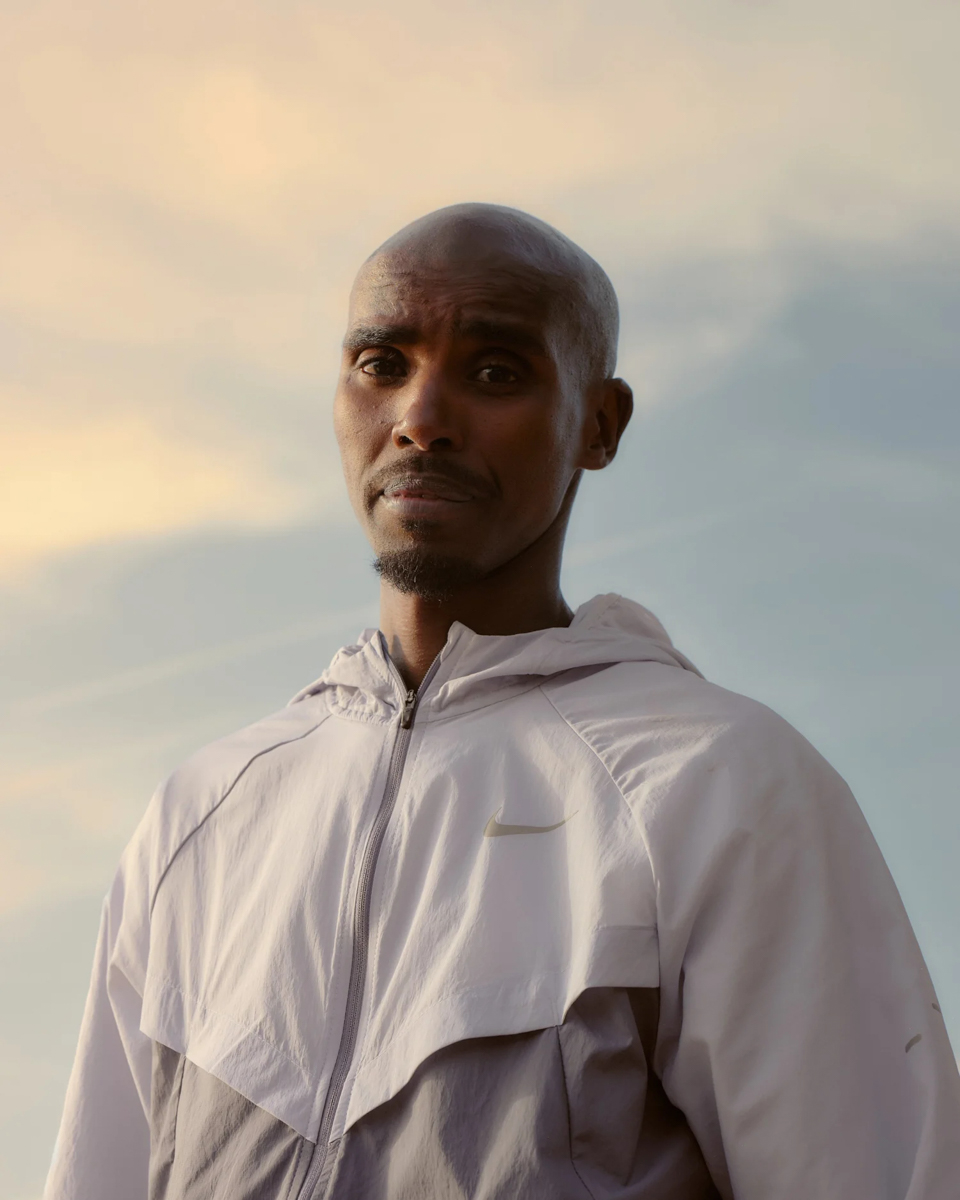
By the end of that year the project had gathered momentum; Langdon- Down self-published a book, The Guardian ran a photo story on it, and something interesting started to happen. “People saw me as a photographer for the first time… before I was even offering myself as one!” he says. It is easy to see why. Portraits made in the street, scenes that feel discovered rather than staged, Langdon-Down’s impulse was “always to be drawn to people”. And while he is alert to the darker currents of society, he says his signature style is the “sense of joy” in so many of his pictures. His positivity and work ethic are part of his DNA, and they seep into his photography.
A good example is his collaboration with Fair Shot, a social enterprise working with young adults with learning difficulties, for which he volunteers as a mentor. He is also a photography consultant for the Down’s Syndrome Association. Both are passion projects, the latter born of a family connection – his great-great grandfather was Dr John Langdon Down, the Victorian physician after whom Down’s syndrome was later named. The doctor and his wife established Normansfield in West London in the 1850s, a hospital with a community ethos, offering care to those with intellectual disabilities within a mutually supportive setting immersed in art and culture. It was progressive for its time, and the doctor
also took an evolved approach to his clinical photography, affording his subjects a dignified humanity.
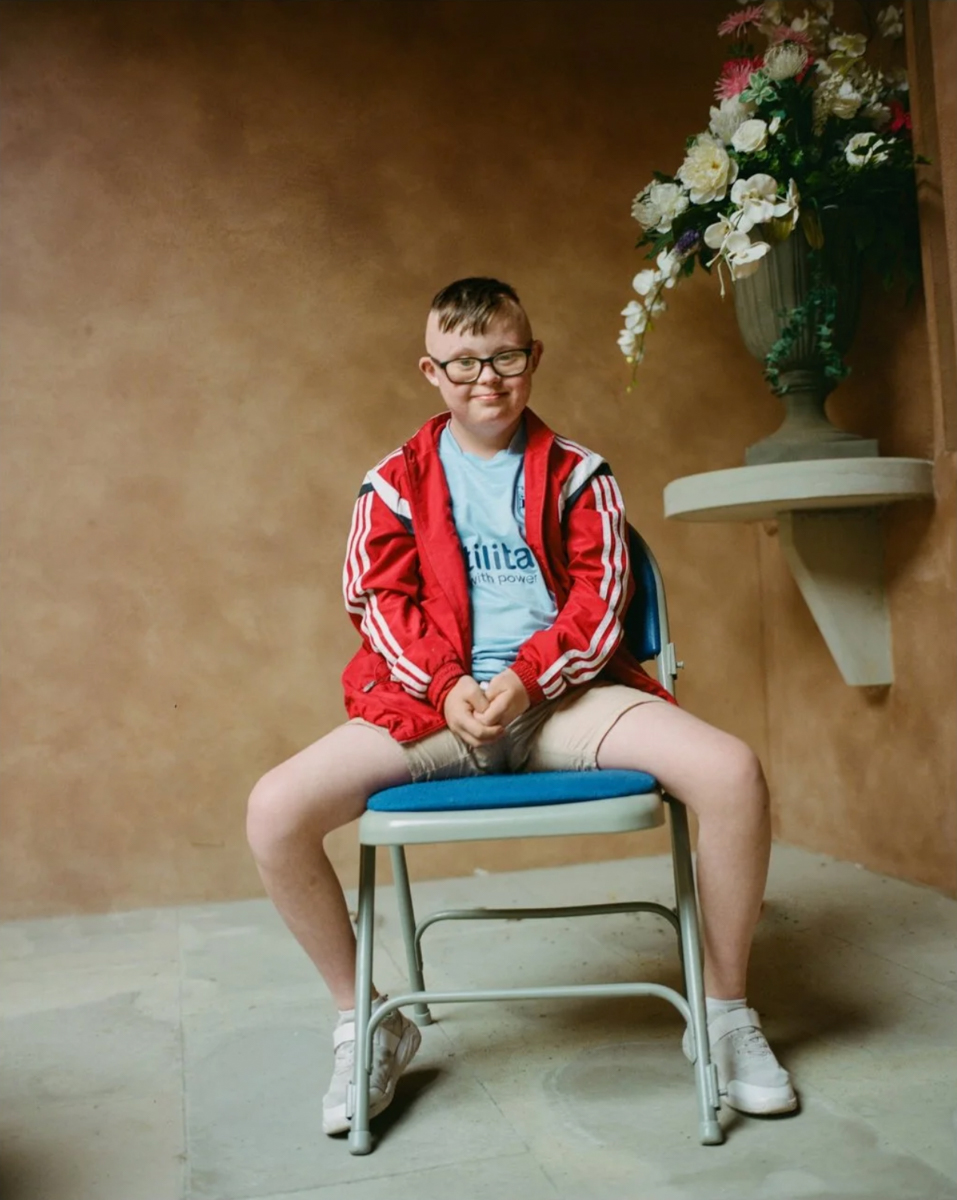
Langdon-Down was – and still is – wary of being perceived as trading on his family connection. But it is part of him, he adds, and his curiosity about this past led him towards his active participation. His commitment can be seen in his photographs of North London United team members (supported by Krome21, a charity that empowers the Down’s syndrome community through football), one of which is in BJP’s Portrait of Britain this year. Another two were in the 2025 Taylor Wessing Photo Portrait Prize exhibition at the National Portrait Gallery.
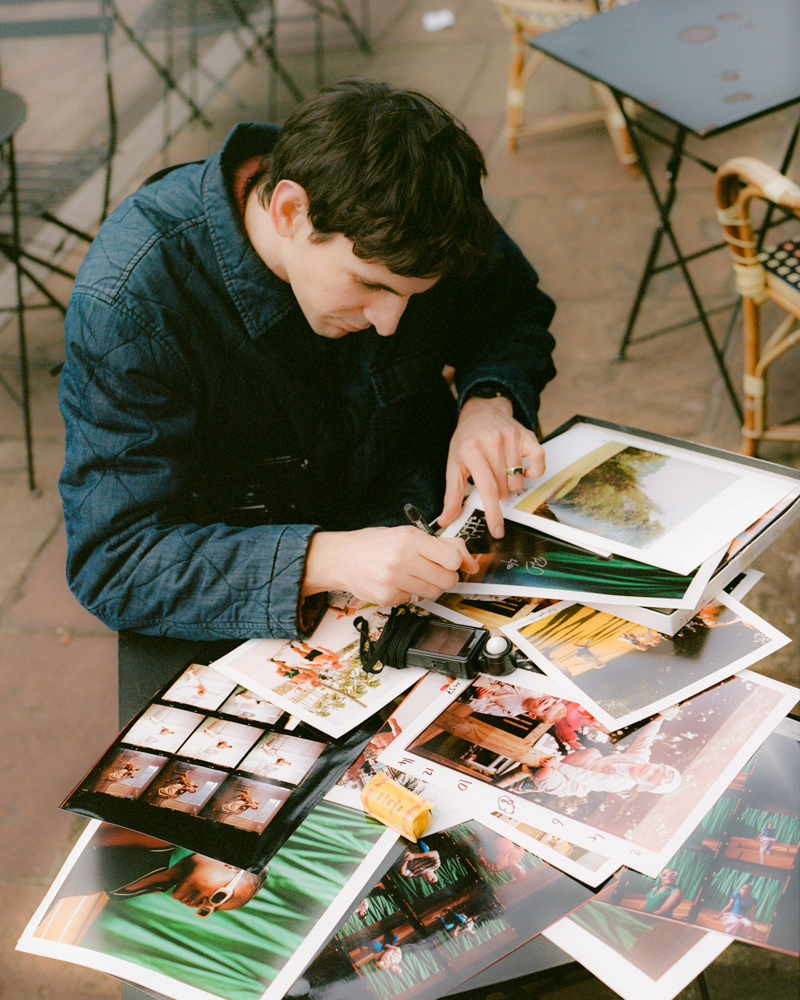
He now sees himself as primarily a stills photographer, but he continues to shoot motion too. “It’s obviously a strength, because so many shoots require you to do both,” he observes. When additional illumination is needed, he uses continuous lighting over flash, as it allows him “to create an environment that is more natural… [without a] flash popping and reminding you it’s a photo shoot”.
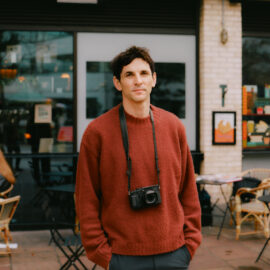
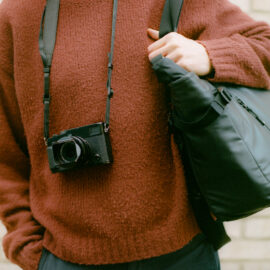
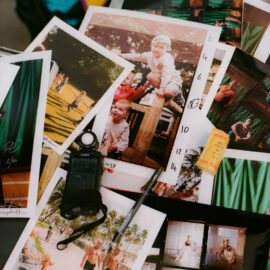
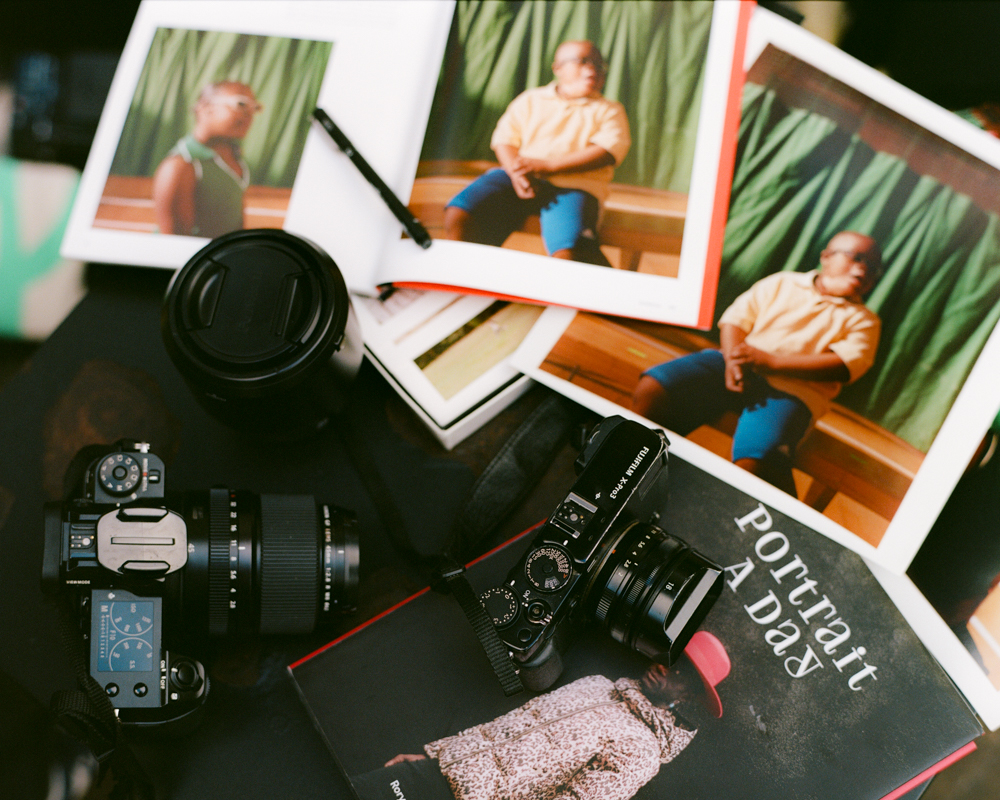
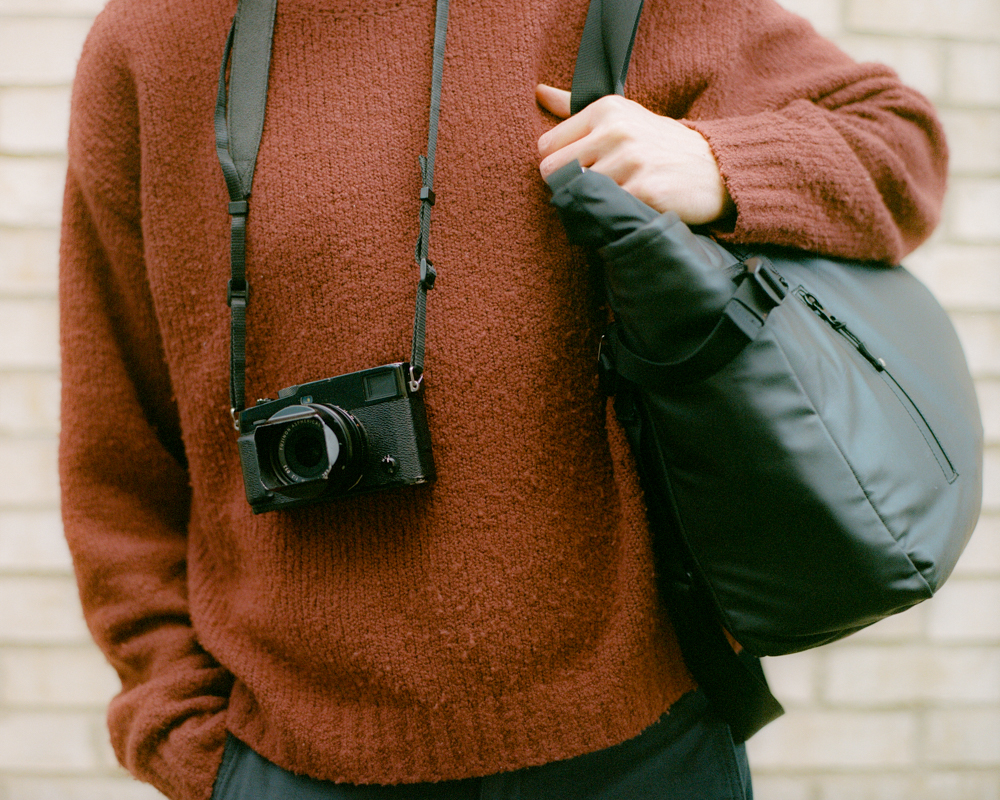
He often shoots analogue but started out with digital, one of a generation of DoPs whose early career coincided with the emergence of hybrid, video-capable DSLRs such as the Canon EOS 7D. He graduated to the RED system, but has subsequently sold it and now only owns stills equipment, mostly bought at MPB. His first purchase was a fixed-lens Fujifilm X100F, with which he immediately fell in love, along with a Manfrotto Pro Geared tripod head, Manfrotto carbon fibre tripod and Sigma 18-35mm lens; he then bought Fujifilm’s X-Pro3 from MPB, which he uses with prime lenses, and often hangs at-the-ready on his chest.
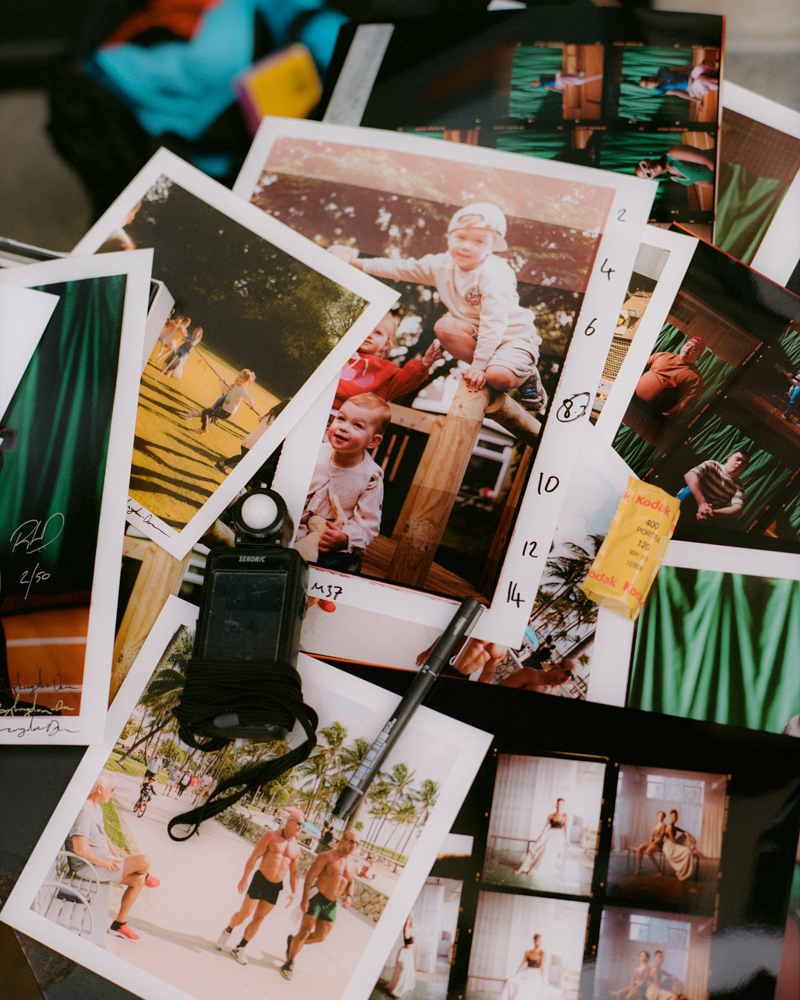
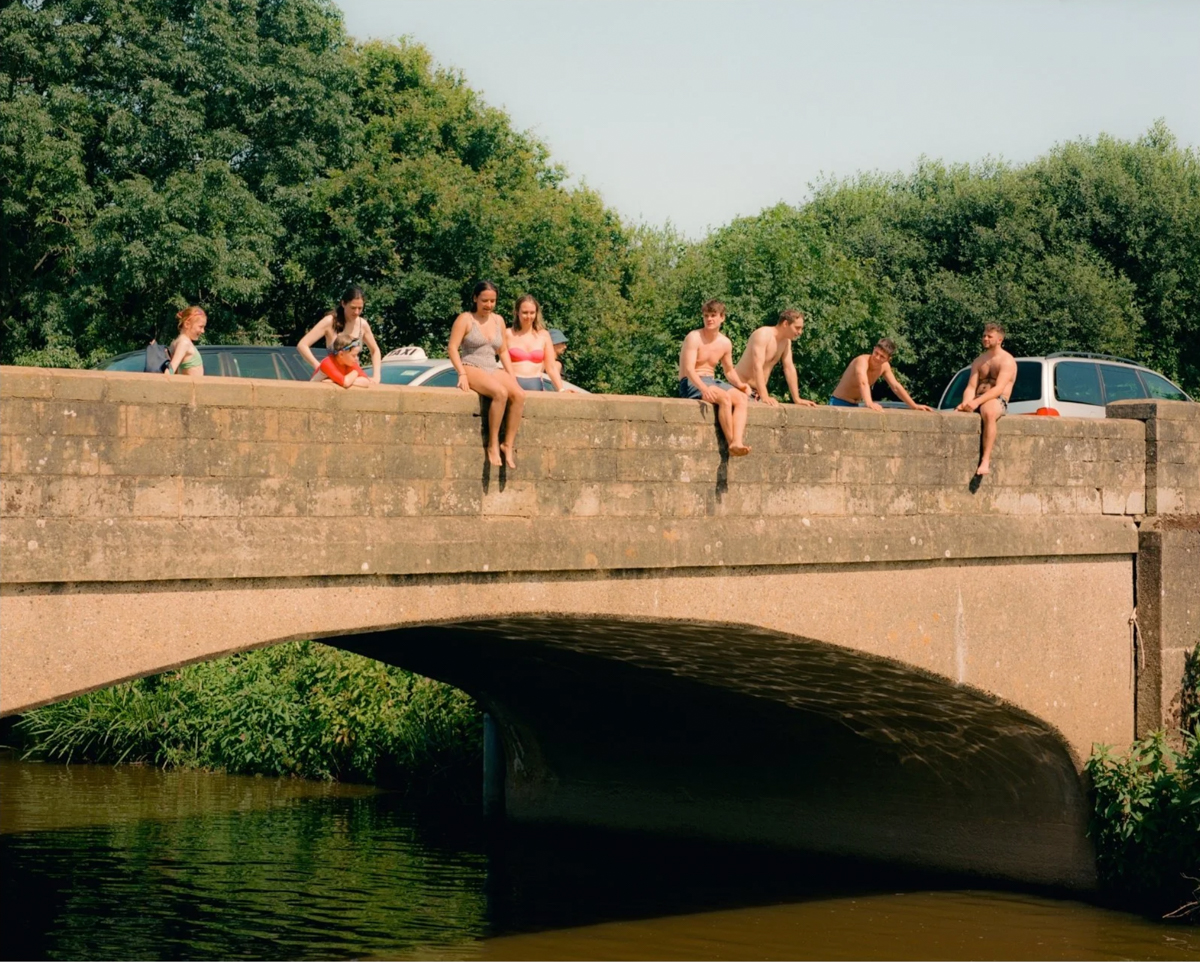
“It’s about removing the intimidating factor of what a camera and a photographer can do,” he says, keen to prevent the camera becoming a kind of weapon. Many of the pictures he licenses through Kintzing are shot on it, but when he is making commercial work he often turns to his Fujifilm GFX50S II, a 51.4MP medium format mirrorless camera he hired out to try before buying from MPB.
“I still love that world,” he says, of his continued experiences in the filmmaking industry. “I did a few days last year, just operating on the B camera, but it was brilliant. I had three assistants and a pricey camera, but still had my Fujifilm in my backpack. I love that on the train home, I might see someone and pull out my camera, and it might be one of the best photos I ever take.”
MPB is the UK’s top camera reseller. They are quicker, easier and safer than dealing with marketplaces, all sorted at the right price. Get your instant quote today.