

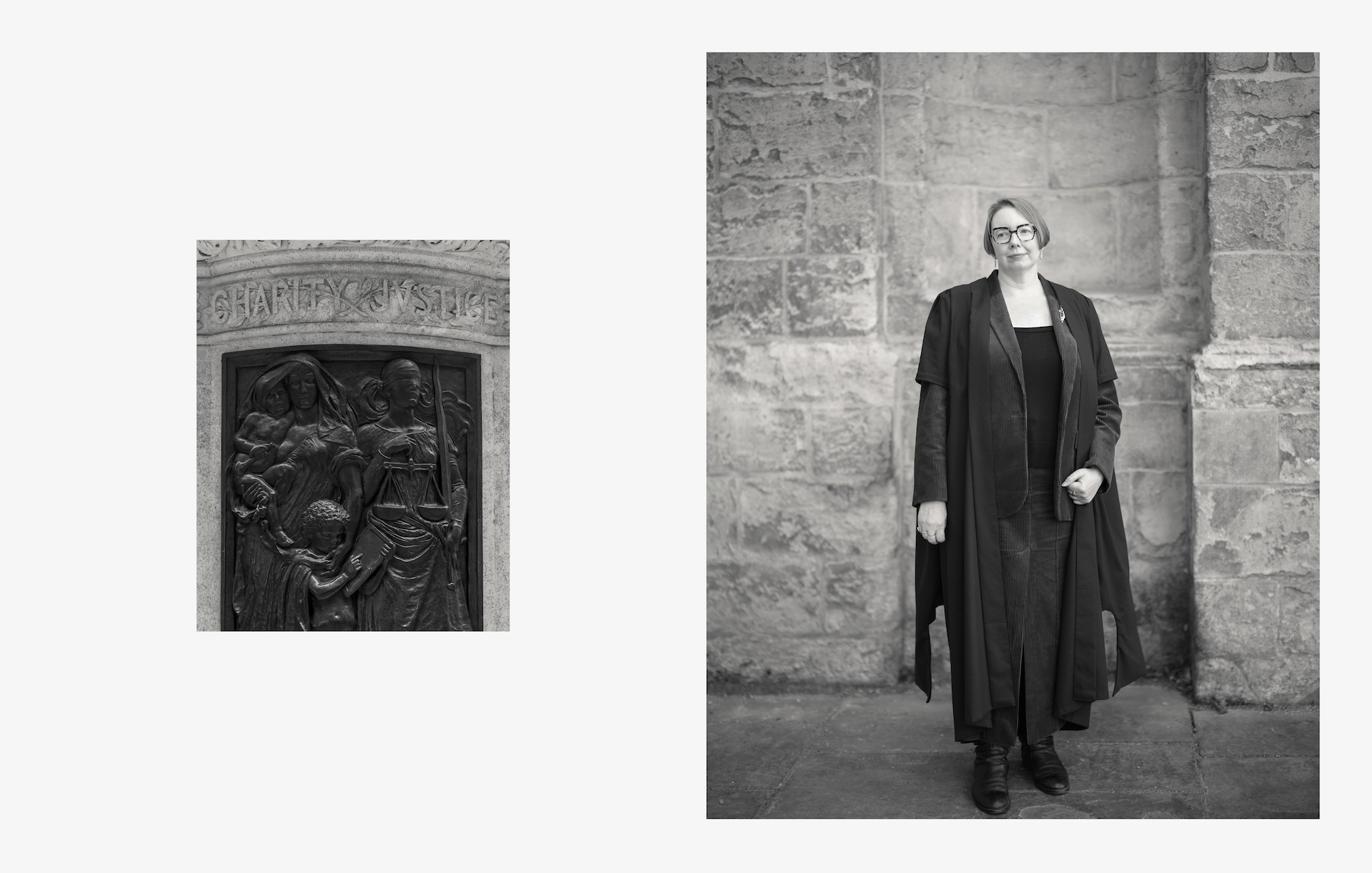
Anne Davies, FBA, Professor of Law and Public Policy © Alys Tomlinson
Using slow, analogue methods, the photographer reimagines Oxford academics as catalysts for change in a contemplative new portrait series
For Alys Tomlinson, portraiture has always been a slow, traditional and deliberate exchange that resists spectacle. Her contribution to The Bodleian Libraries Commission, a collaboration between the Bodleian Libraries and the British Journal of Photography that seeks to diversify the Bodleian’s historic portrait collection, reflects this ethos.
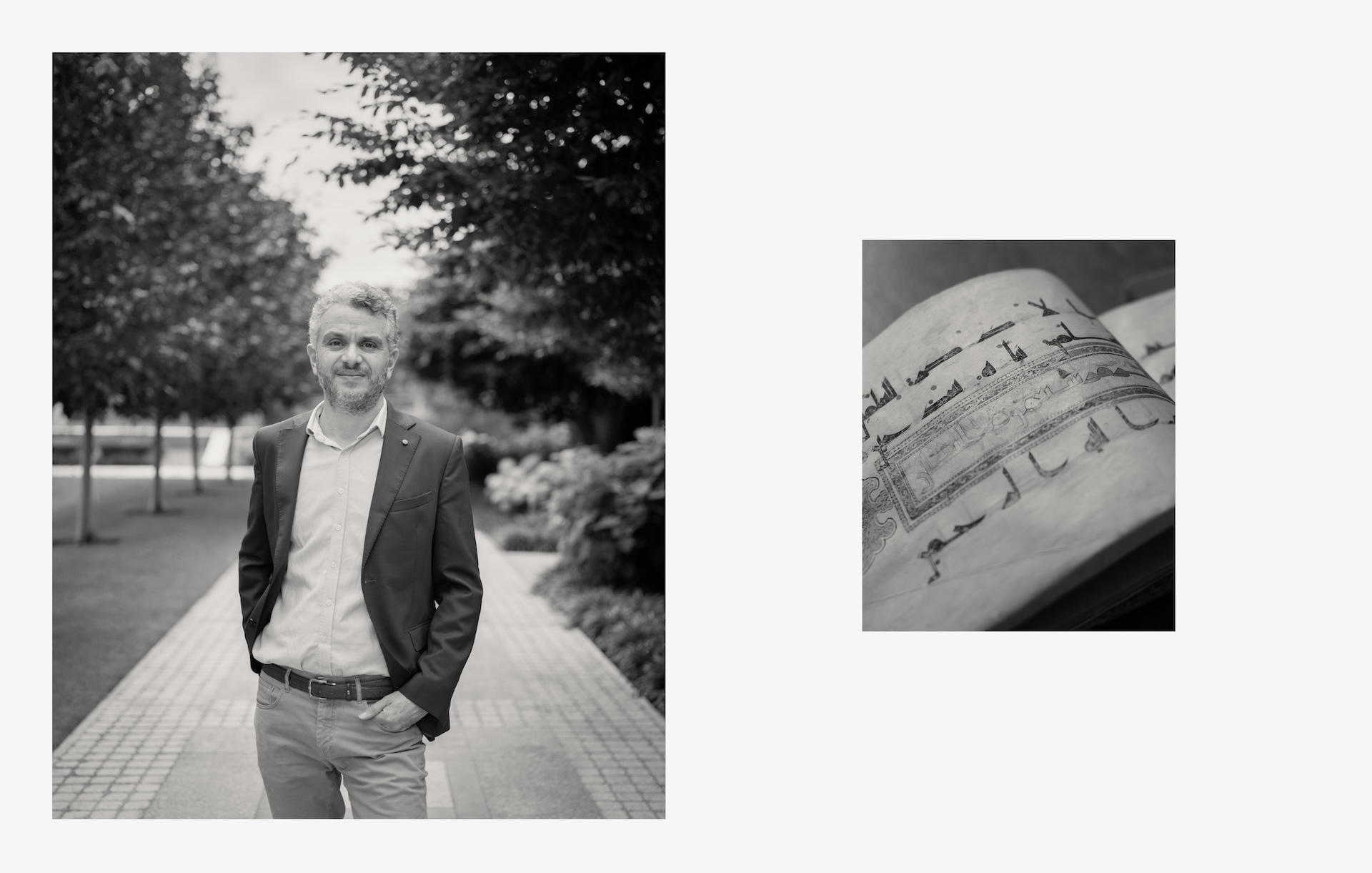
Responding to the commission theme, Catalysts, Tomlinson created a series of diptychs depicting six Oxford academics whose research shifts understanding in fields ranging from mental health to Islamic art, reproductive science and mathematical biology. Rather than meet her subjects in lecture halls or offices, she removed them from traditional academic settings and placed them in natural surroundings. “I wanted to photograph the subjects in more intimate and reflective moments,” she explains.
“I aimed to show glimpses of Oxford and carefully placed each subject within the natural environment, framed by gardens, trees, or the distinctive Oxford stone“
– Alys Tomlinson
Tomlinson approached the project in her signature style: “I used black-and-white film and a large format camera and tripod, which slows down the process and requires thought and precision.” The resulting portraits carry a stillness that borders on contemplative, something many of the academics welcomed. “A few even said they enjoyed the quiet and methodical photographic style, finding it a meditative experience to spend time outdoors, instead of dealing with the daily pressures of answering emails or attending meetings.”
The setting of Oxford also played an essential role, but one which Tomlinson chose not to foreground. “The Oxford colleges and landscapes provided beautiful backgrounds, but I was aware they have been documented extensively in the past. I aimed to show glimpses of Oxford and carefully placed each subject within the natural environment, framed by gardens, trees, or the distinctive Oxford stone.”
Each portrait is paired with a still life that embodies the sitter’s field of research, visual pairings which for Tomlinson were as vital as the portraits themselves. “Some are abstract and others symbolic, creating a visual dialogue between the individual and their subject area,” she says. “After a period of research, I identified objects or details that symbolised the academics’ fields of specialism and then put images together to make pairings.”
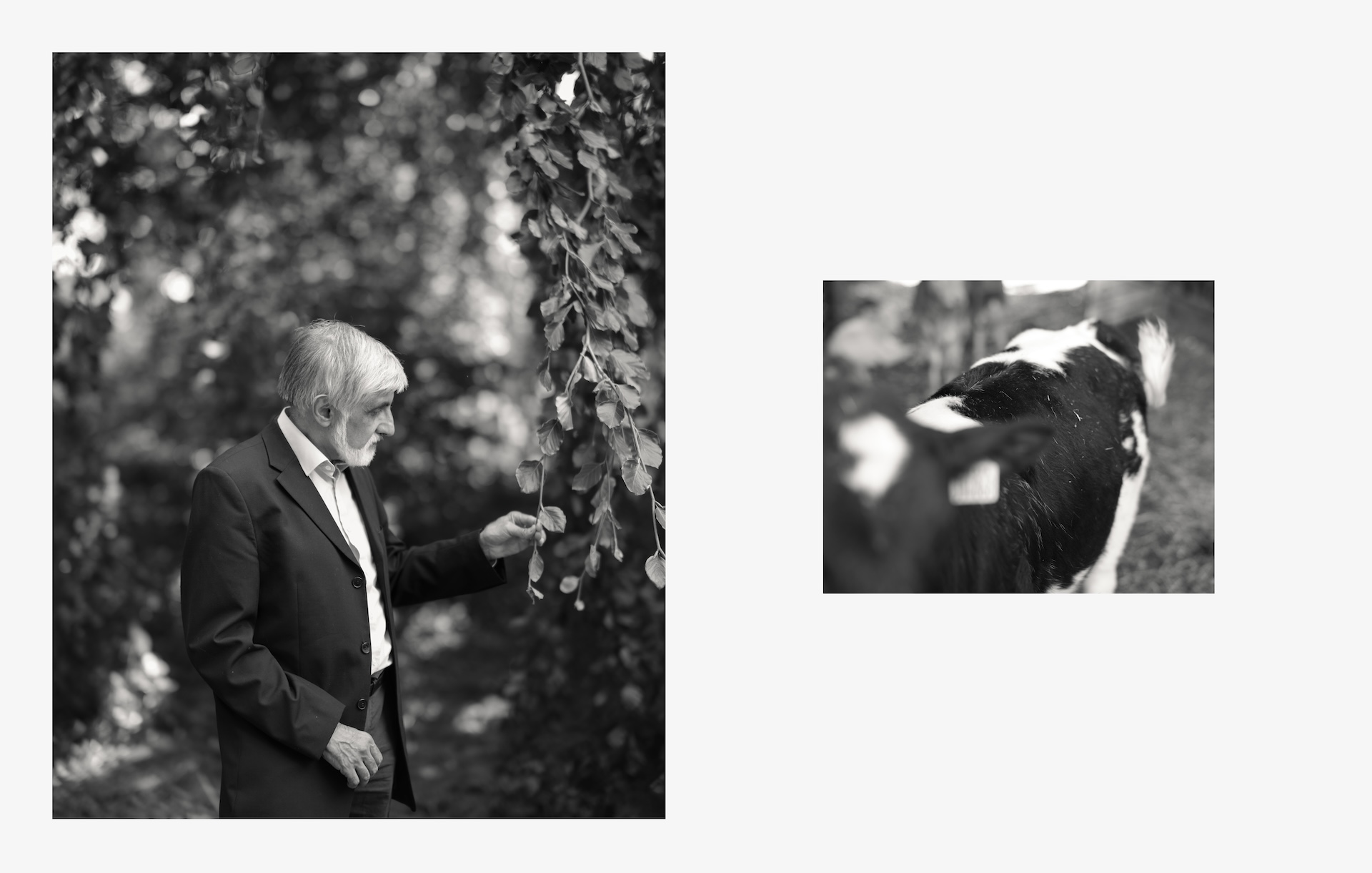
For Professor Philip K Maini, a mathematical biologist whose work often explores pattern formation in plants and animals, Tomlinson drew directly on organic motifs. In contrast, Professor Krina Zondervan’s diptych is anchored by a marble torso of Aphrodite from the Ashmolean Museum – a nod to her research into reproductive and genomic epidemiology.
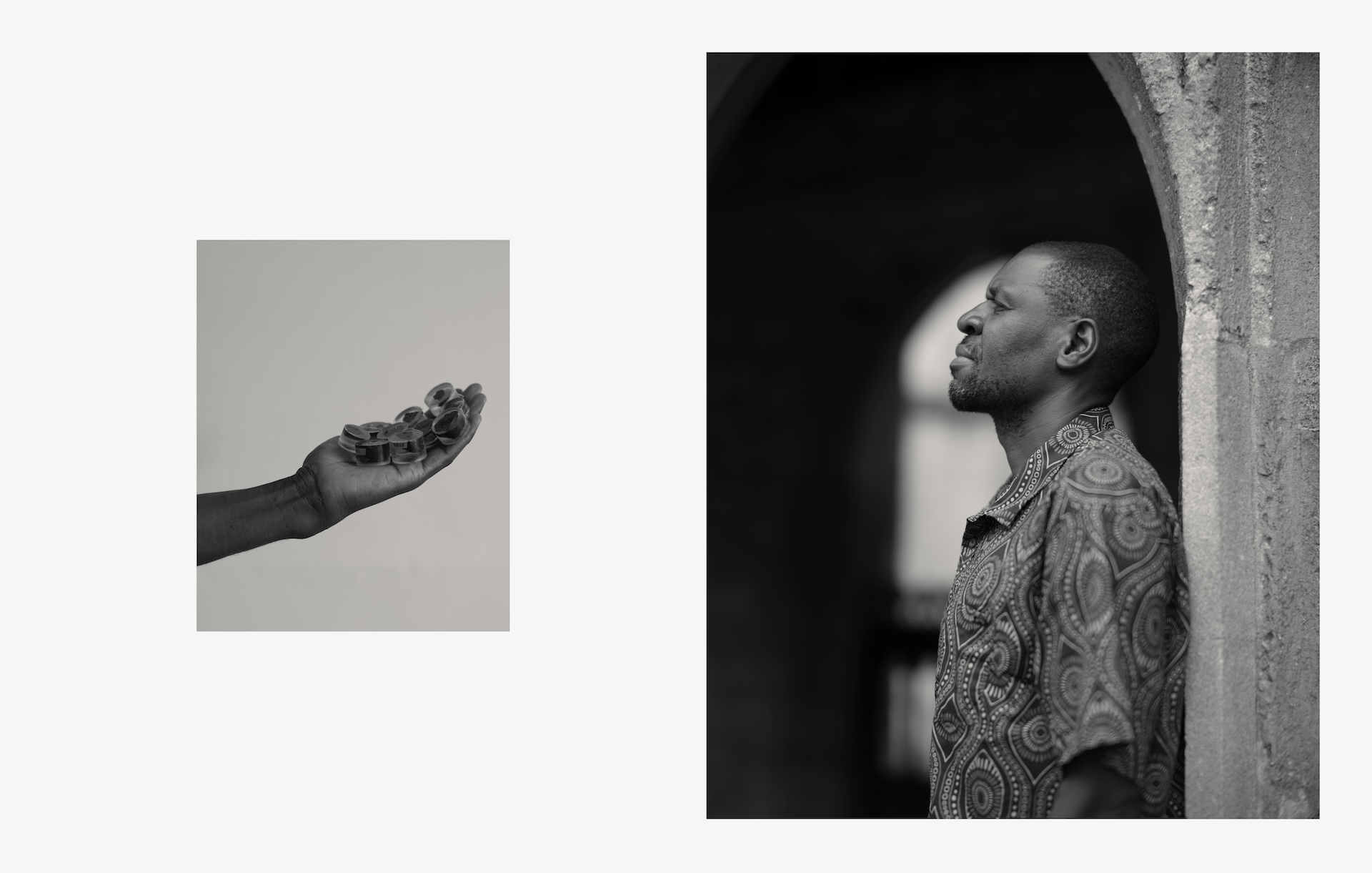
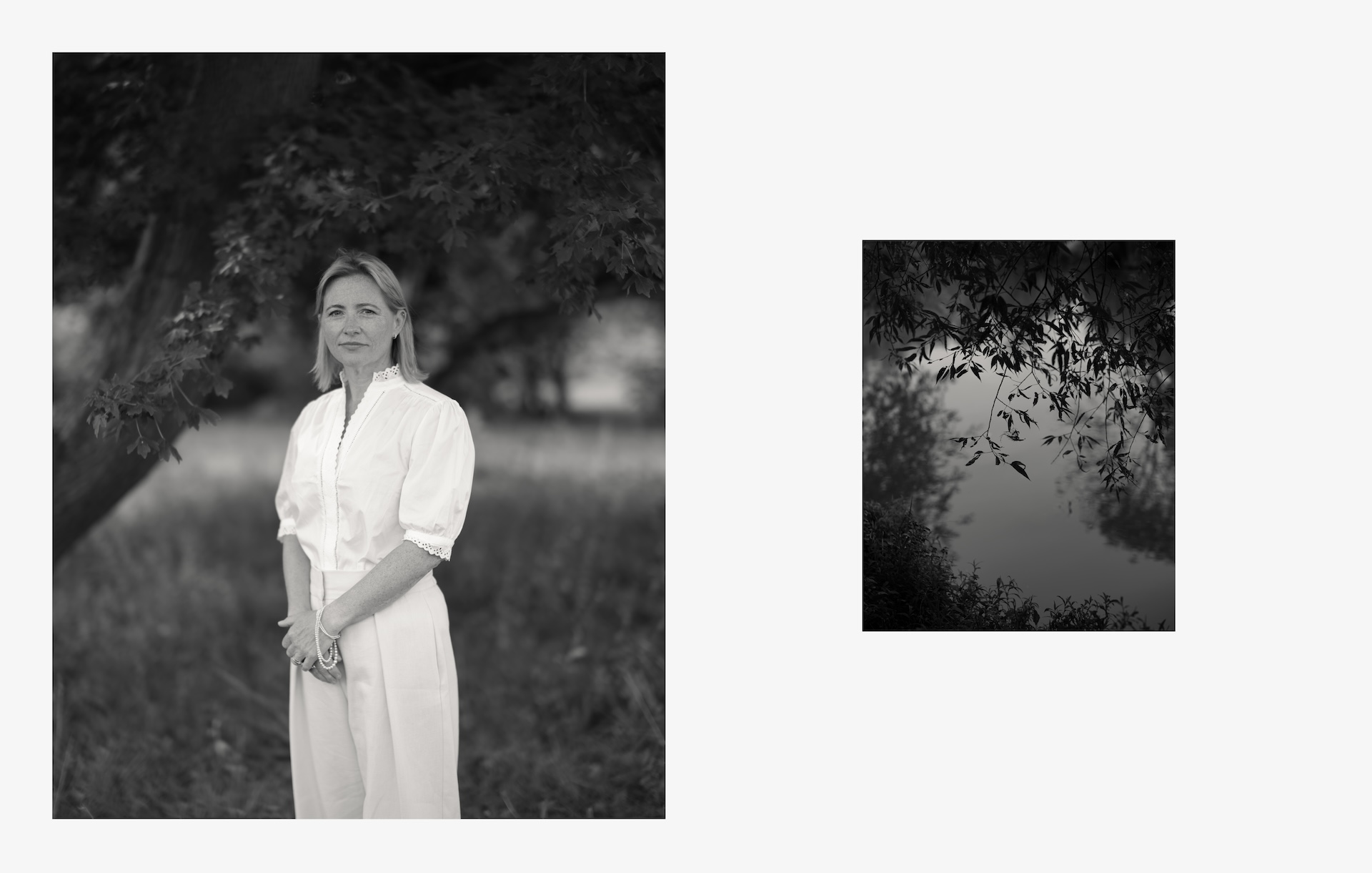
Usefully, Tomlinson’s access extended into the Bodleian’s own rare holdings, making Professor Alain George’s most of the most historically resonant. “As Alain specialises in Islamic Art and Architecture, I was grateful to be granted access to photograph one of the oldest versions of the Qur’an manuscript,” says Tomlinson. Other symbols emerged from direct encounters: Shadreck Chirikure’s artefacts from African archaeological digs; Anne Davies’ scales of justice; Rachel Upthegrove beside the dark, reflective waters of the Cherwell.
Working with researchers whose ideas shape global conversations left a deep impression on Tomlinson, and she adds that discussions covered everything from the architecture of the world’s oldest mosque to children’s mental health and labour rights. “Working with such brilliant minds was an exciting prospect, and I found everyone to be incredibly approachable and down-to-earth,” she says. “I learnt a great deal making these portraits and have an enormous amount of respect and admiration for the six brilliant men and women whom I photographed.”
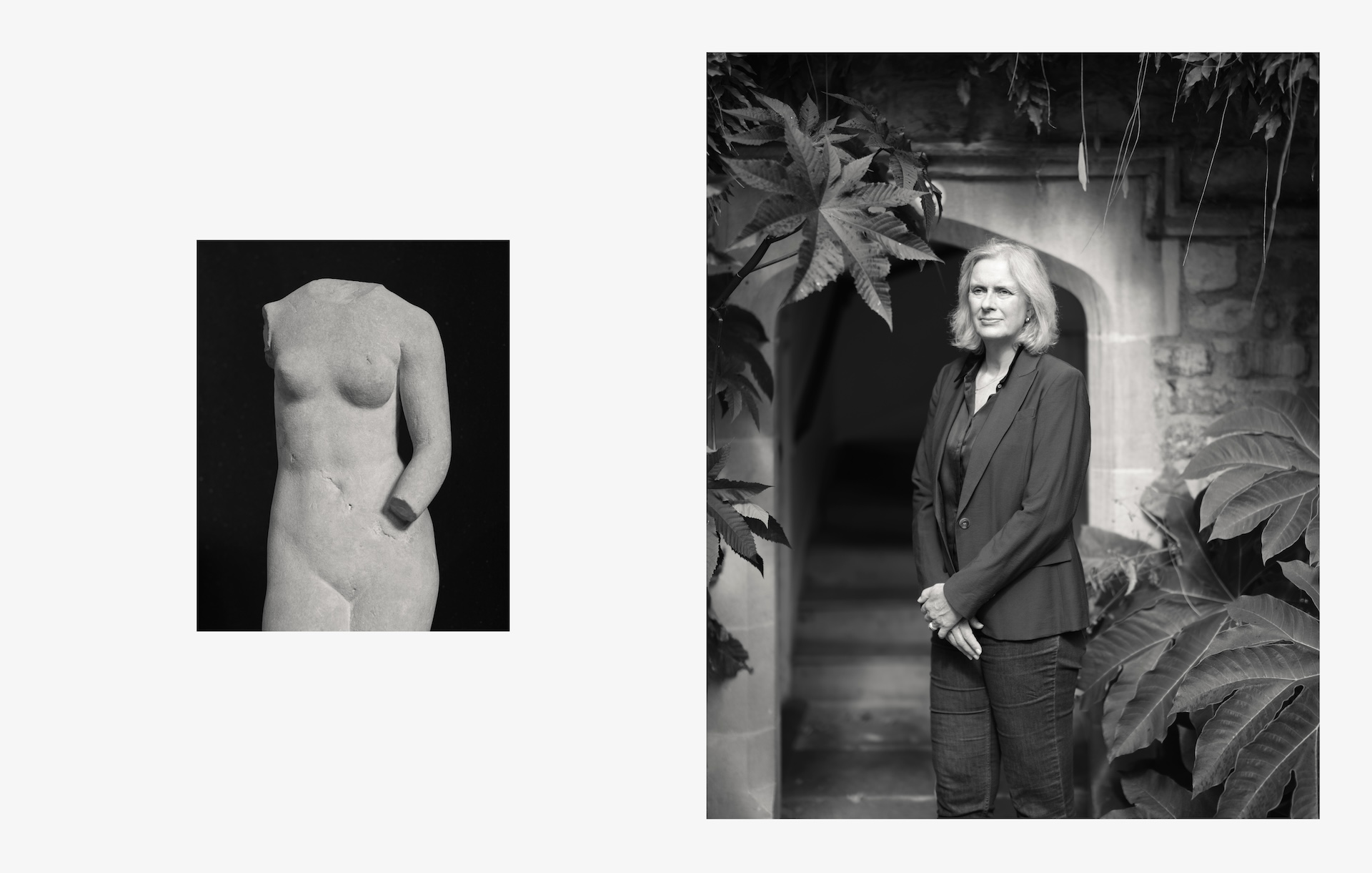
The sitters themselves also reflected on their experience of the commission, and Tomlinson’s working style: “I usually say that I hate having my picture taken, but this was a really enjoyable experience,” says Anne Davies, a Professor of Law and Public Policy and a professorial fellow of Brasenose. “Tomlinson works with an old-fashioned large plate camera so the camera itself is a thing of beauty and it was fascinating to watch her process and all the different things she has to take into account – lighting, random gusts of wind and so on. I also had to stand still for quite a long time for each picture so it was quite a meditative experience.”
Professor Davies is paired with an image of a carving of personified charity and justice, “and that’s a good reflection of my work as a legal scholar,” she says. “One of my main areas of interest is employment law, and my work is driven by a concern for the dignity of working people – ensuring that they are treated fairly and, where that doesn’t happen, that they have access to redress. I struggle to come up with visual representations of my work but I think Tomlinson has chosen really well.”
For Tomlinson, it was a privilege to have access to quieter areas of the university, which often remain hidden from public view. “I was keen for the portraits to be different from typical academic headshots,” she reflects. “It was important that the images expressed something unique about each person.”
This commission was created in partnership with Bodleian Libraries to celebrate Oxford University’s leading innovators whose work is reshaping health, society, and the environment worldwide. Find out more about Bodleian Libraries here