

“The East End after the war was an imagined territory for me,” writes photographer Chris…
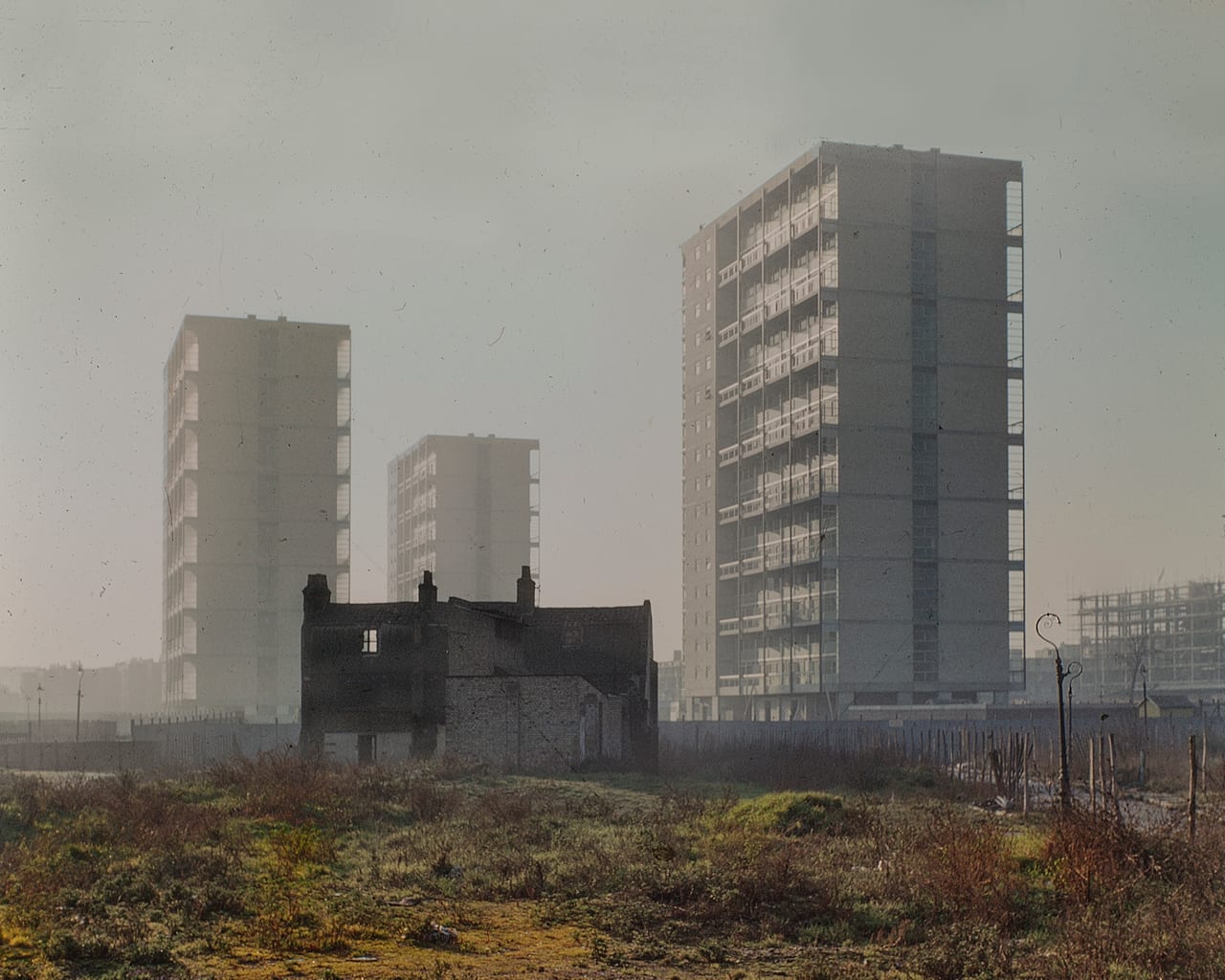
“The East End after the war was an imagined territory for me,” writes photographer Chris…
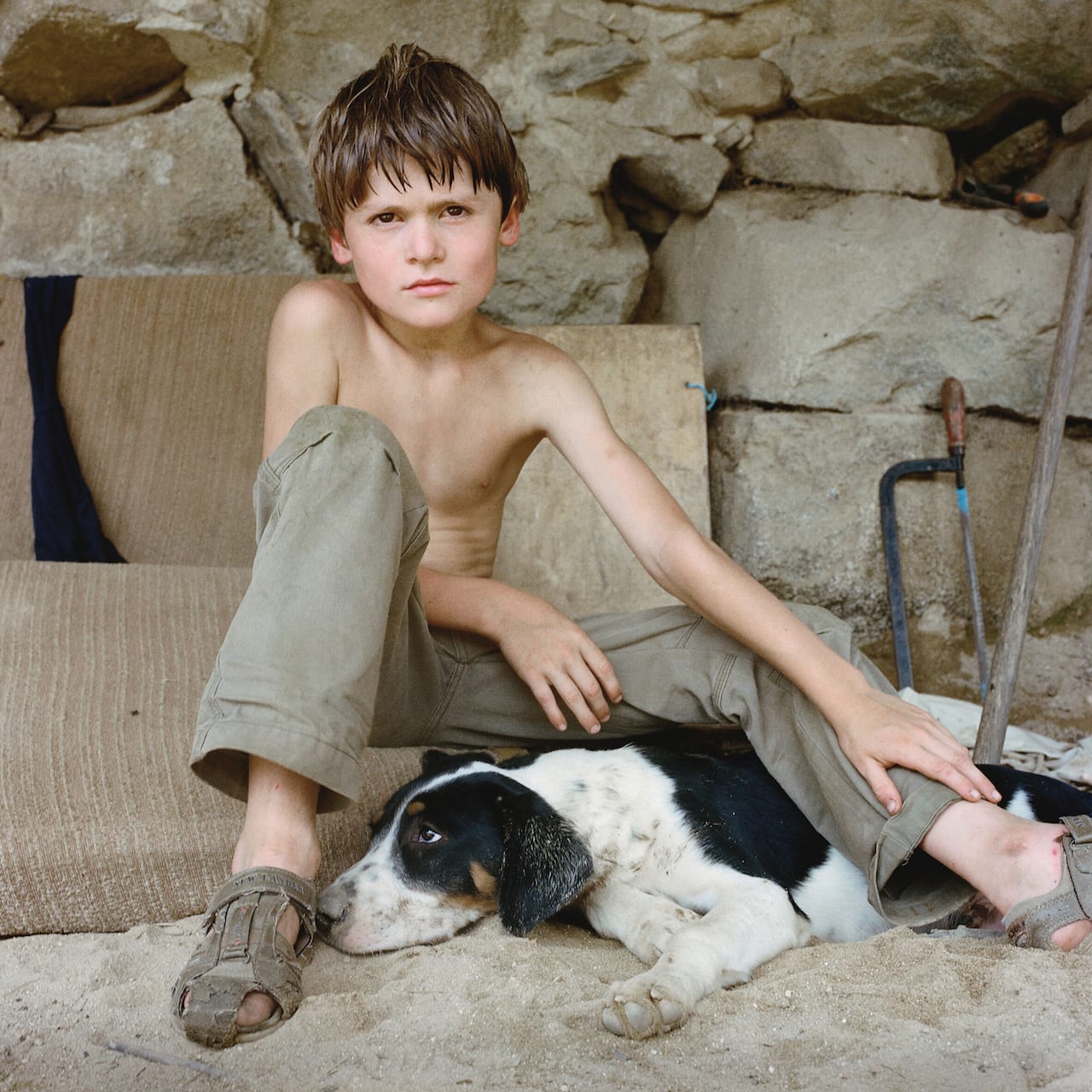
“The works selected here have all run up against a more or less bitter-sweet reality, and their authors have liberally arranged, glued, assembled, masked and cut out the components of that reality in order to present it to us as something different, eminently subjective, and decidedly moving,” writes Raphaëlle Stopin, artistic advisor for the 2018 Prix HSBC. She’s writing of the 12 photographers shortlisted for two top prizes, which this year have gone Antoine Bruy (France, 1986) and Petros Efstathiadis (Greece, 1980). The other shortlisted photographers are: Olivia Gay (France, 1973), with the series Envisagées; Karin Crona (Sweden 1968), De la possibilité d’une image; Elsa Leydier (France, 1988), Platanos con platino; Sandra Mehl (France, 1980), Ilona et Maddelena; Shinji Nagabe (Brazil, 1975), Espinha; Michele Palazzi (Italy 1984), Finisterrae; Walker Pickering (USA, 1980), Esprit de corps; Marie Quéau (France, 1985), Odds and ends; Brea Souders (USA, 1978), Film electric; and Vladimir Vasilev (Bulgaria, 1977), T(h)races.
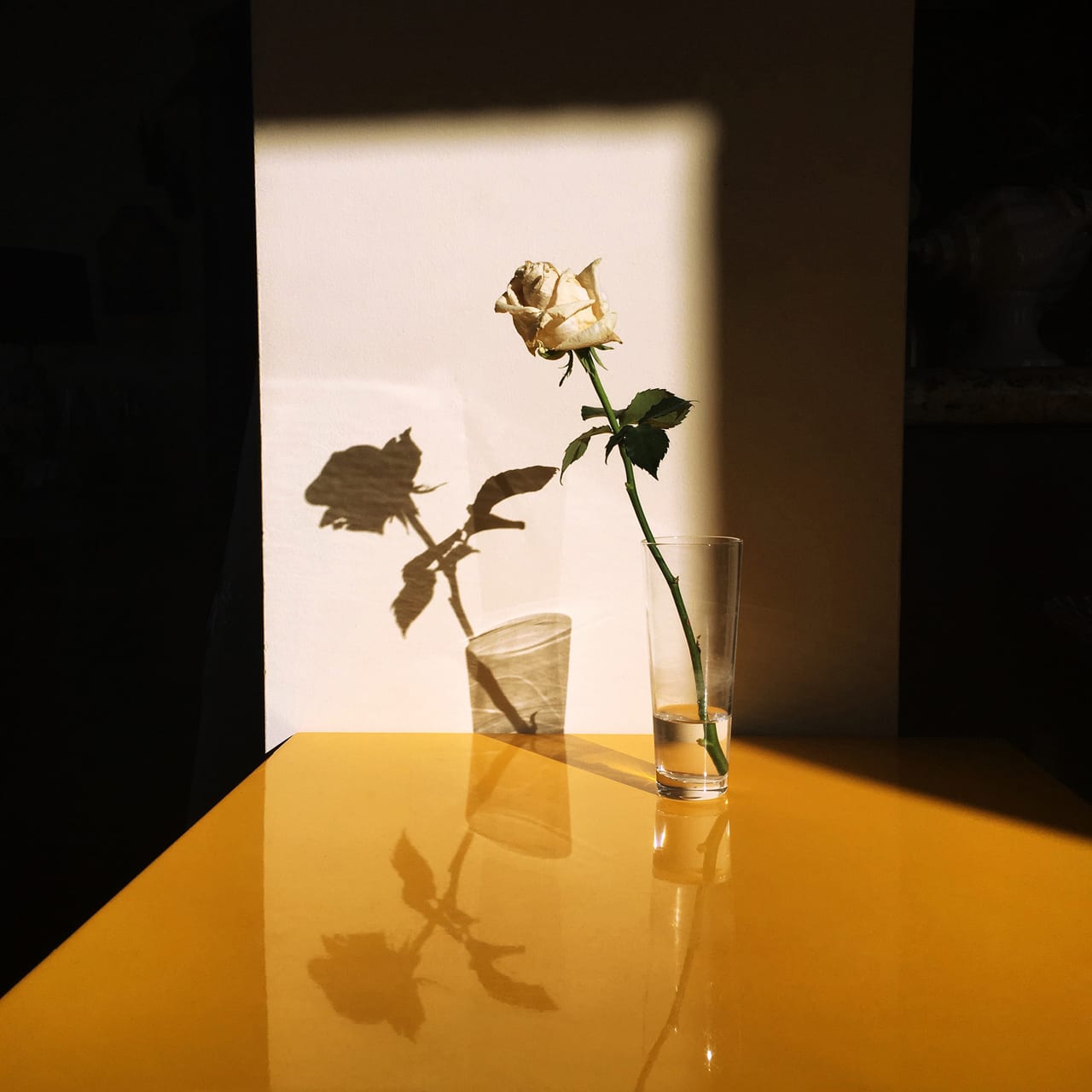
Six years ago, when John Arsenault first started taking photographs of flowers, they were intended as modern-day love letters to his new boyfriend. Posted on Instagram with the ambiguous title ‘For You!’, the tender images depicted roses the NYC-based, fine-art photographer had picked out for his lover – but the identity of that new beau stayed private at the beginning. Six months later he was ready to reveal the secret recipient – his partner, and now his husband, Raf. Shortly afterwards For You! became a series for everyone, as Arsenault started tagging all the people he was thinking of while photographing the flowers. For You! Was completed in 2017, when he captured the image ‘9:15am, Haverhill, Massachusetts’ at his aunt’s home. “I took the image and knew immediately it was the final image of the series,” he says, adding that he used the same simple facts for the captions of each of his images – the time, the date, and often the location.
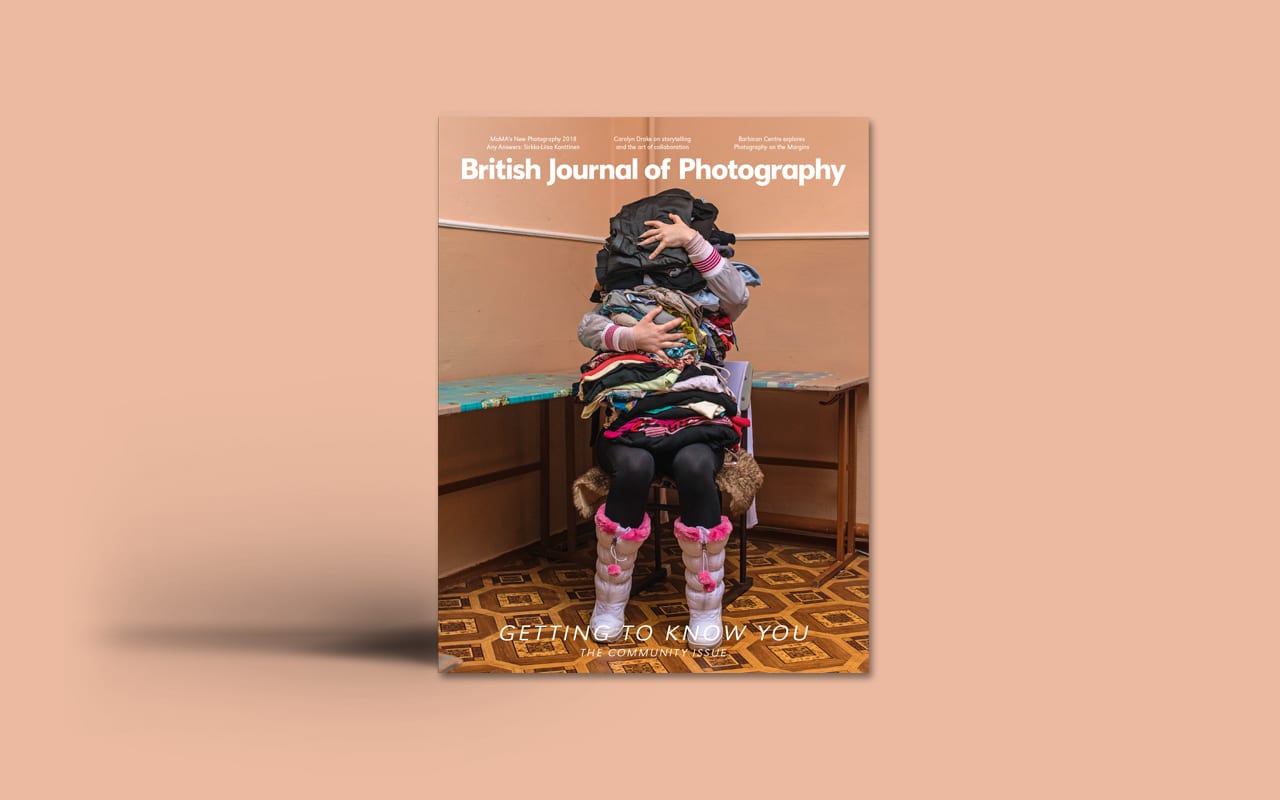
Last month BJP focused in on group work; this month we’re looking at a different kind of collaboration – projects in which photographers engage in a two-way dialogue with their subjects. One of the best – and the best-known – examples is Jim Goldberg, who works with subjects such as teenage runaways and migrants to tell wide-sweeping stories of marginalisation and economic disparity. Using an eclectic mix of photographs, archive materials and video, and both marking up himself and invites his subjects to write on, he creates complex montages guided by his sense of “intimacy, trust and intuition”. Incorporating the perspectives of the communities and subcultures he represents, his work is informed by his own background in a blue-collar family in New Haven.
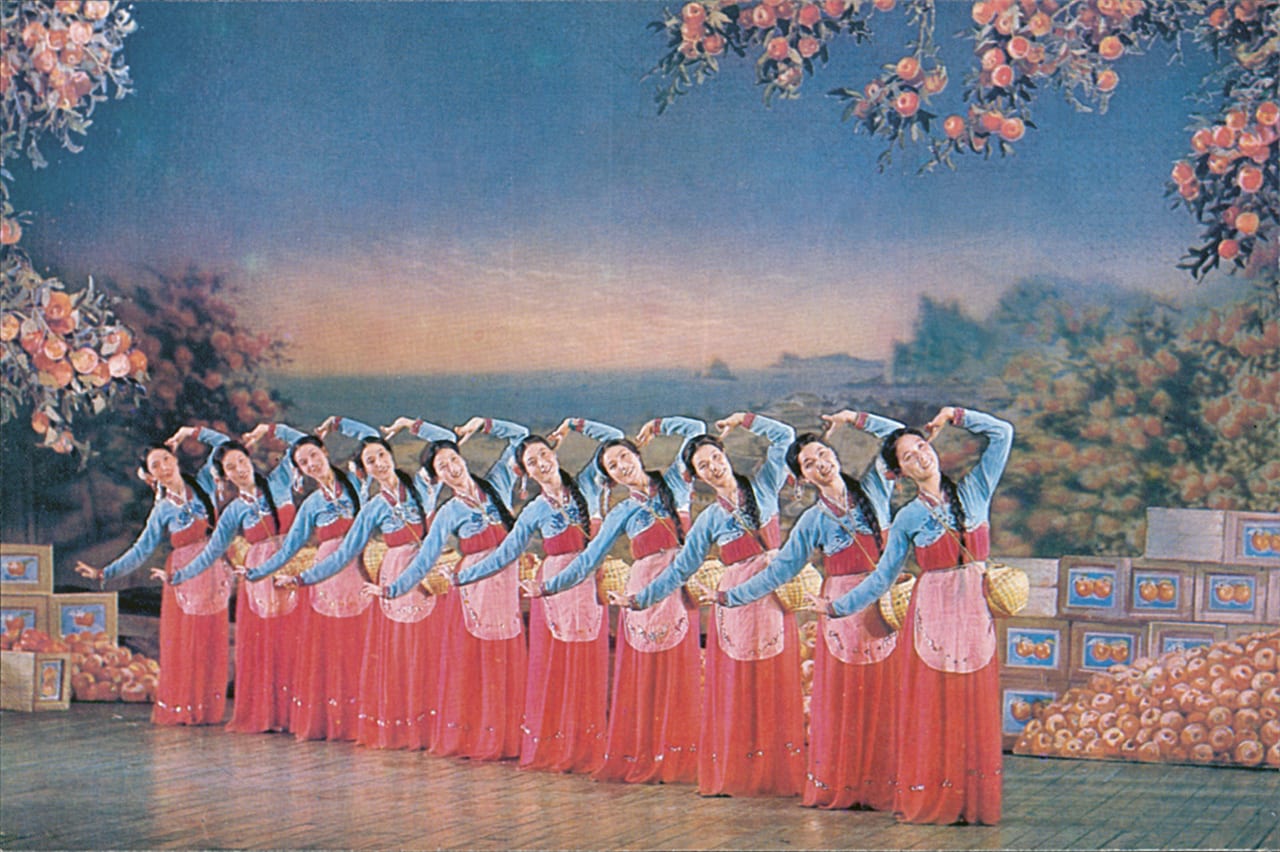
Nicholas Bonner first visited Korea in 1993, and since then has spent “most of my adult life involved in North Korea”. Now based in Beijing, he makes regular trips to the country with his company, Koryo Tours, and has also put together films and other cultural projects with North Korea with his other business, Koryo Studio. Bonner has collected ephemera from North Korea for nearly 25 years and recently published a book showcasing some of it with Phaidon, Made in North Korea: Graphics from Everyday Life. Featuring everything from metro tickets to stamps, postcards to luggage labels, tinned food labels to gift-wrap, it includes a healthy proportion of photographs made and disseminated by the DPRK. BJP caught up with him to find out more.
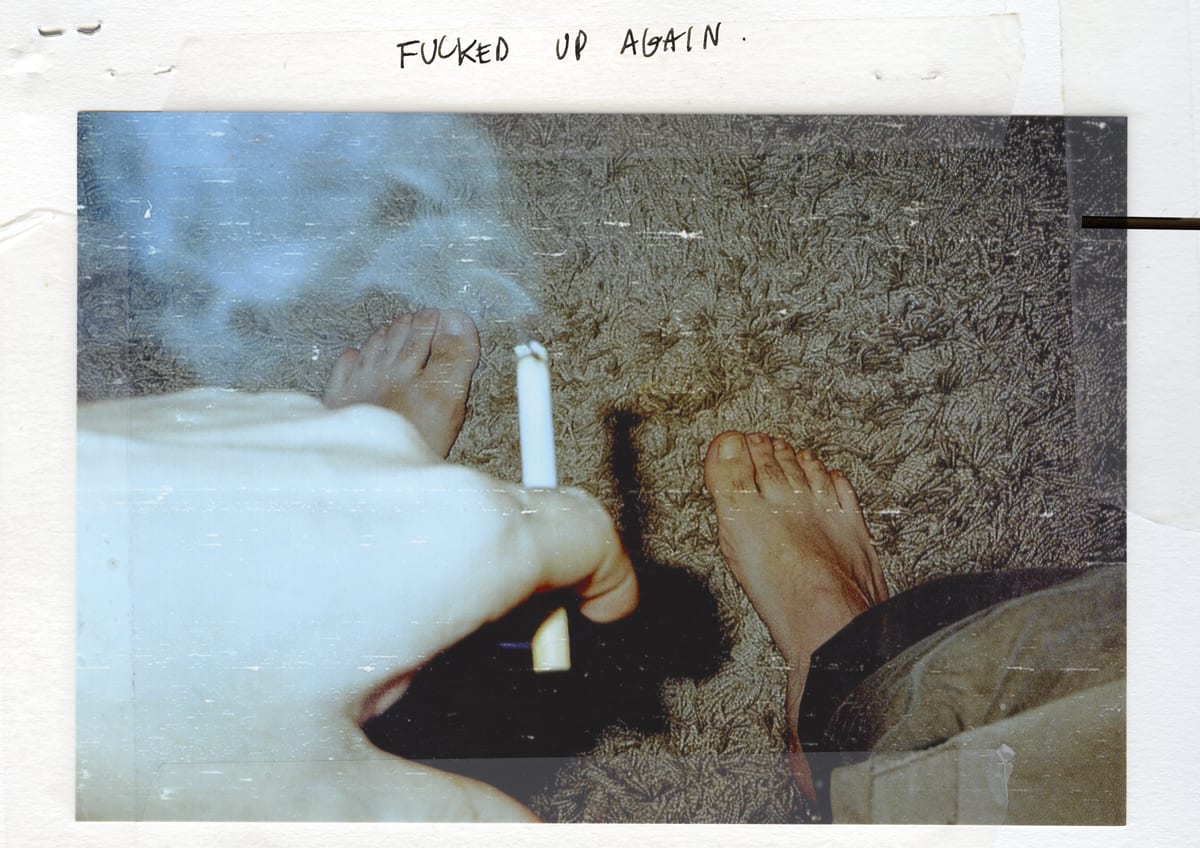
“The work represents my experience in recovering and understanding my parents, their life and their relationship towards myself,” says Marco Marzocchi of his series Oyster. “I never knew them well because they split when I was 6 years old, and they both died young.
“Drugs, addictions, jail, and dysfunctional environment, these were constant elements. This work is focused on dealing and replacing all the doubts and the fears that I had. Exorcising the pain and the searching for love.” A bold mix of colour, black-and-white, contemporary and archive images, presented with hand-written text, Marzocchi’s series has scooped first prize in the 2017 Gomma Grant. Marzocchi has worked on the project for a decade, honing down on the editing last year with distinguished photographers JH Engstrom and Margot Wallard at the celebrated Atelier Smedsby workshop.
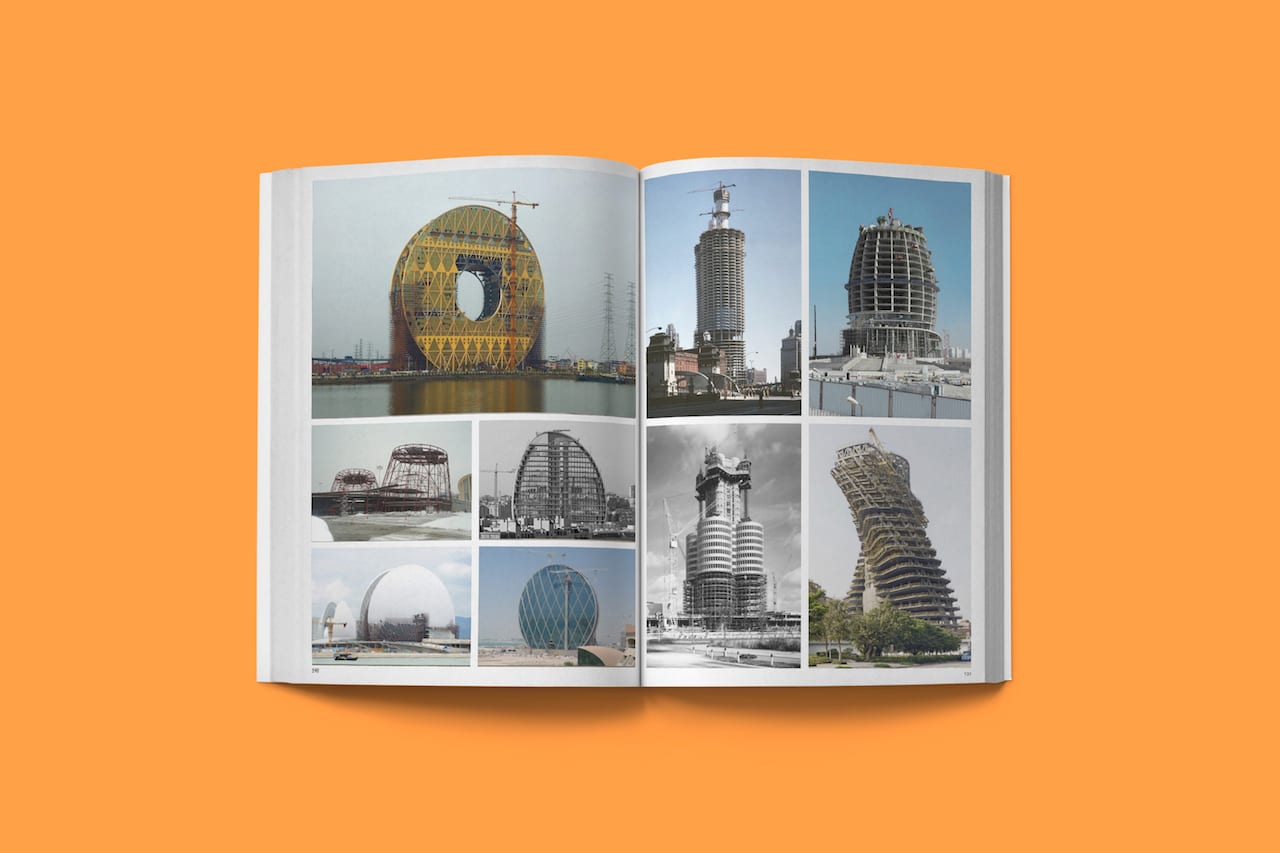
“It may seem like a provocation, but I am not particularly interested in architecture – at least not in that of great architects and cult buildings,” says Eric Tabuchi. “I’m interested in what humans build, whether for shelter, work, recreation or worship. Basically, what has captivated me for 20 years is the vast domain of anonymous architecture, which is the daily environment of most of the inhabitants of this planet, and which we do not look at it so much. It appears to us without any real quality.”
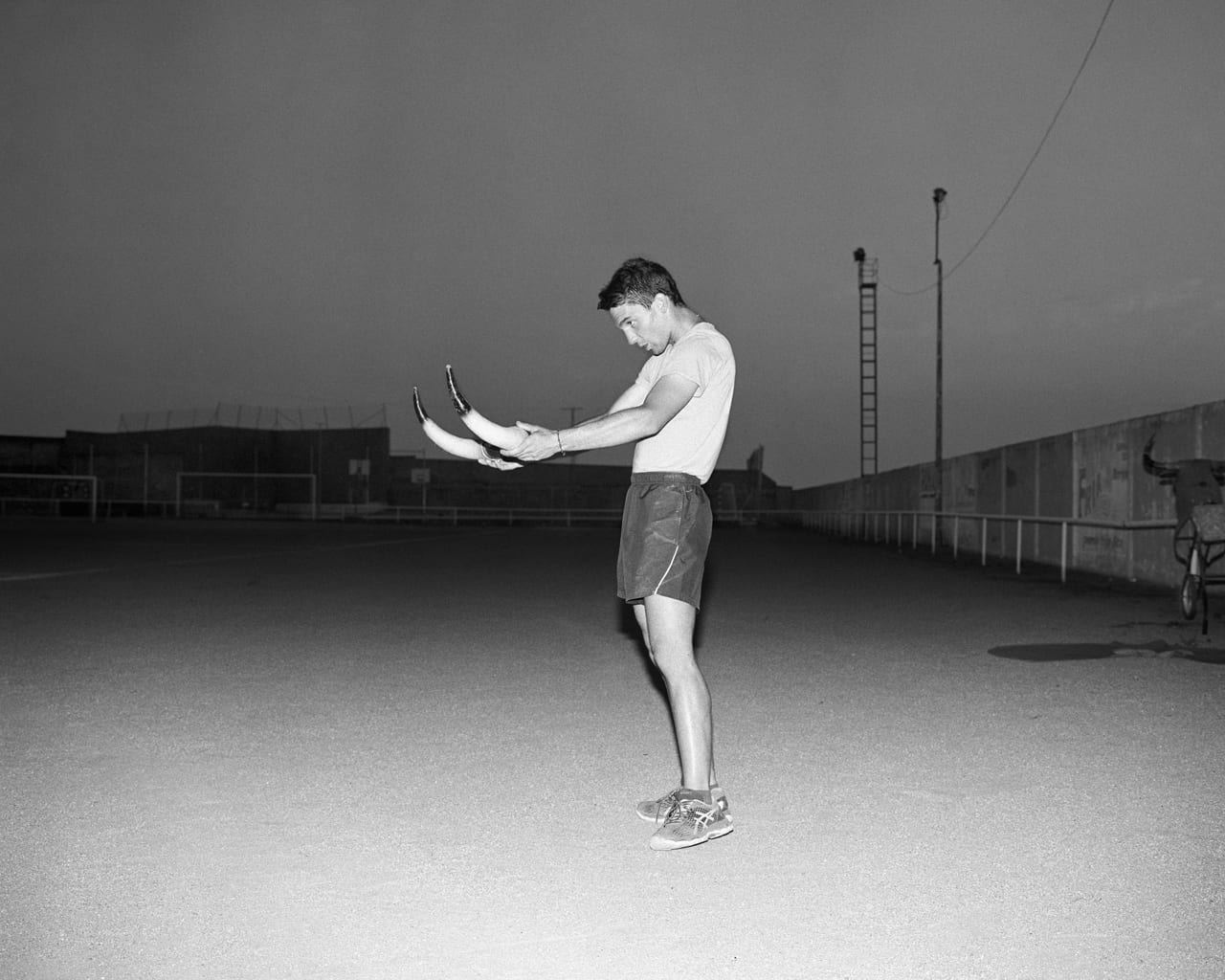
“It’s amazing how such a seemingly simple, common and universal concept as ‘home’ actually becomes incredibly complicated and difficult to pin down, once you really start to consider it on a personal level,” says Aaron Schuman, curator of this year’s JaipurPhoto festival in India, which is themed Homeward Bound. After discussing with the festival’s artistic director, Lola MacDougall, he discovered that JaipurPhoto was originally established as an “open-air travel photography festival”, a label he was initially wary of. For him, the term travel photography “generally alludes to a type of imagery that’s often rather simplistic, generic, stereotypical or predictable”, he says – but he liked 2017 edition of the festival, which was guest-curated by Federica Chiocchetti and themed Wanderlust.
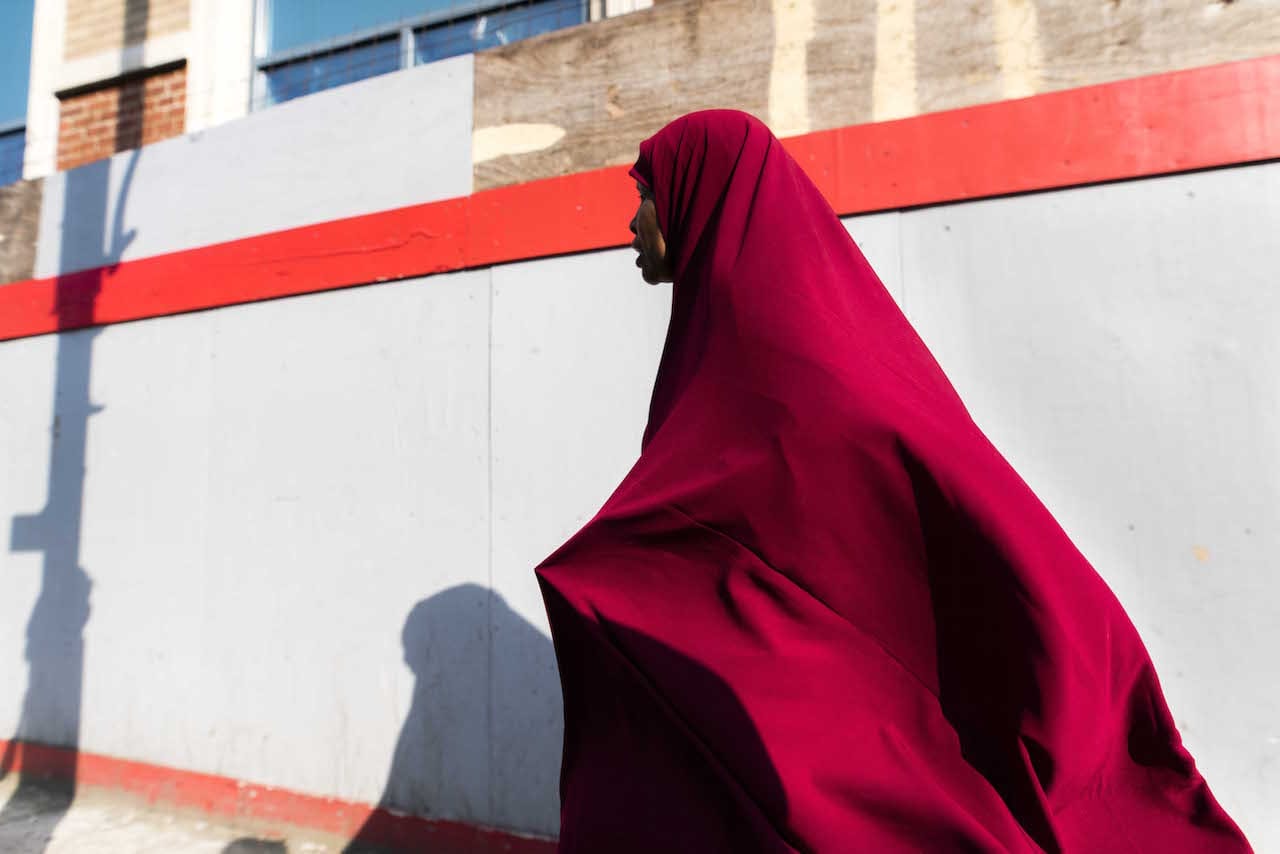
At first glance, the suburban district of Southall, West London seems the epitome of harmony. Home to 70,000 people, nearly half of whom were born outside the UK, it boasts Sikh Gurdwaras, Christian churches, Islamic Mosques, and Hindu temples. The dominant population is Asian, earning the area the nickname Little India and bilingual English/Punjabi signage. But for Manny Melotra, who was born in the area and still lives there, that apparent harmony is an illusion. “If you’re a resident, you know a completely different Southall,” he says.
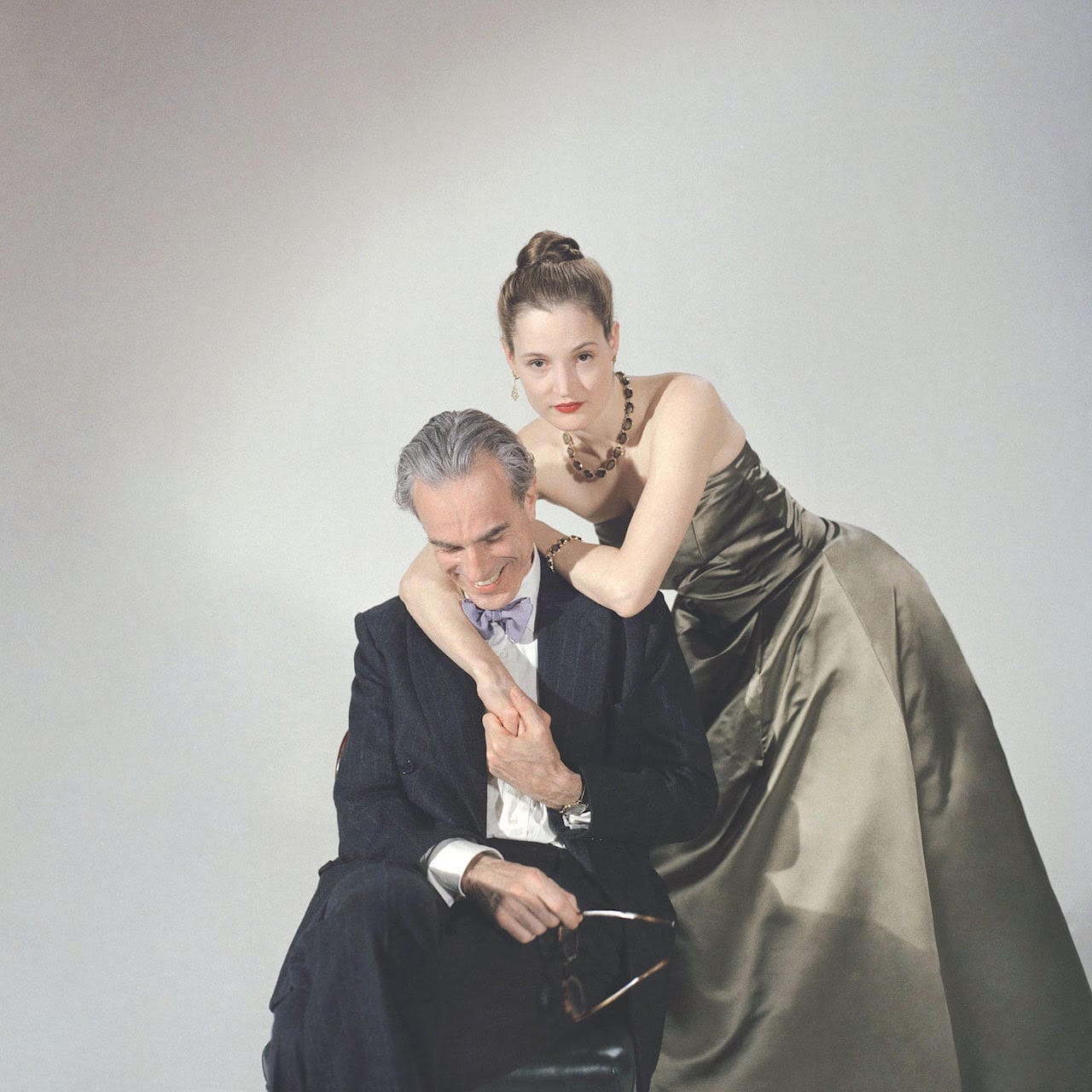
“It was like stepping into the past,” says Laura Hynd says of her first venture on set of the Oscar-nominated film, Phantom Thread. Set in 1950s London, Paul Thomas Anderson’s movie chronicles the life of fashion couturier Reynolds Woodcock [played by Daniel Day Lewis] and the women that surround him. Hynd’s unique access was granted after Sophie de Rakoff, a friend of Anderson’s, asked if she could document the workings of the costume department. “I have to admit, I considered not doing it at first,” says Hynd – although it soon became clear that the job would expand far beyond the initial brief. Her adventure started when she was asked, last-minute, to go to the Cotswolds to photograph Woodcock’s country house. On arrival, she was instantly won over. “It was amazing to be on set,” she says. “The detail and beauty were astonishing. I spent quite a lot of time photographing his atelier, as the cast and crew were shooting elsewhere.”