
Projects

Alice Mann wins the Taylor Wessing Photographic Portrait Prize

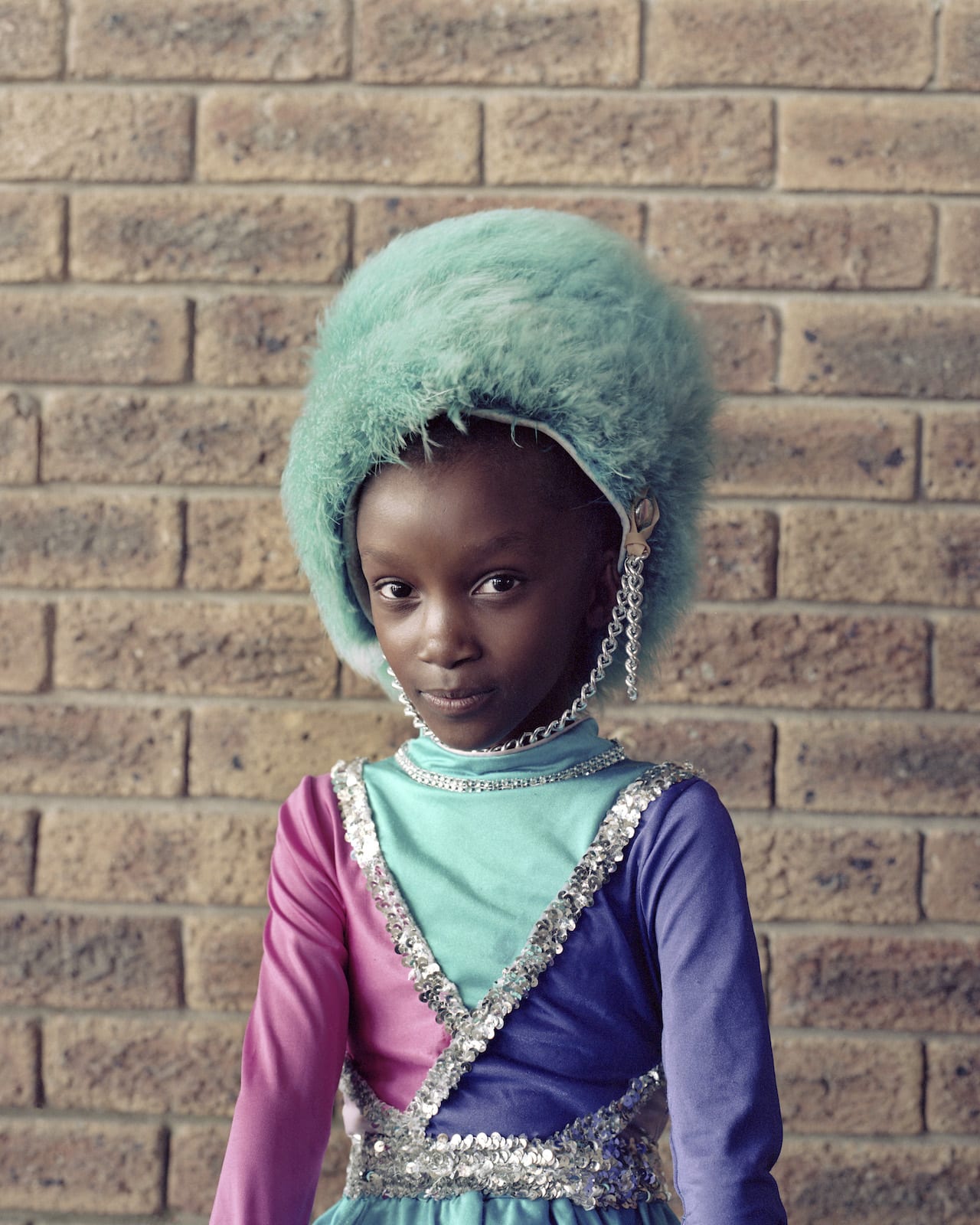
Alice Mann has won the Taylor Wessing Photographic Portrait Prize 2018 with a set of four images of South African drum majorettes – the first time the award has gone to a series not a single shot.

Mann’s photographs show five young girls from Cape Town dressed as ‘drummies’ – a popular hobby for children from some of South Africa’s most disadvantaged communities. Mann, who is now based in London but originally from South Africa, spent three months photographing drum majorettes, and says her winning portraits come from a much larger series.

“The images are part of a much larger body of work, which is a combination of a more documentary approach and portraits,” she explains. “These four portraits are some of my favourite images, especially the one of Riley and Wakiesha because they are so charismatic.
16 October 2018

Te ahi kā: The Fires of Occupation

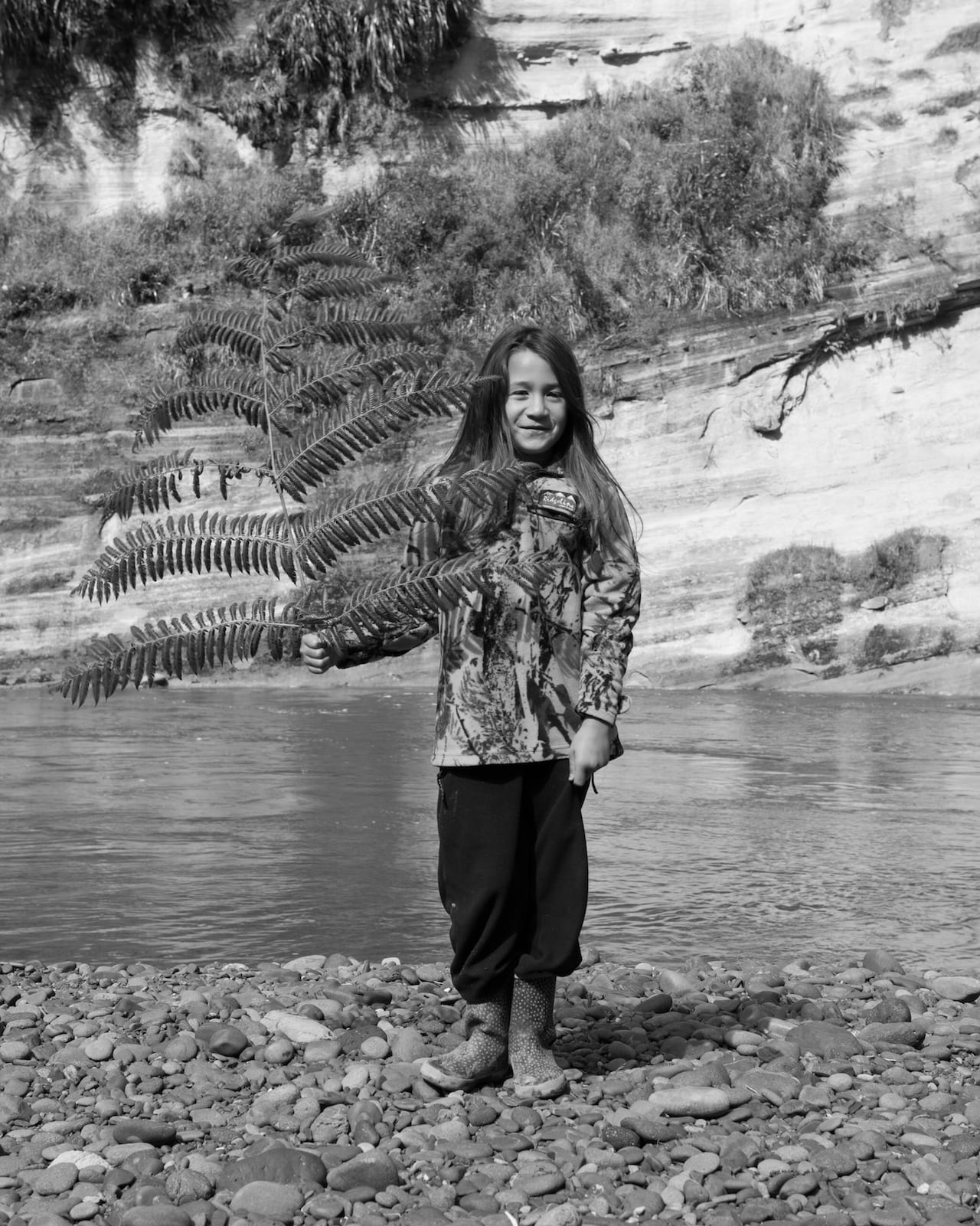
When the Treaty of Waitangi was signed in 1840, most of the land in New Zealand belonged to the Māori tribes. The treaty prevented the sale of land to anyone other than the Crown, and was intended to protect the indigenous people against other European colonial forces. But within a century, the Crown had either bought, occupied, or outright confiscated huge portions of the country, leaving the Māori with only a few pockets of their sacred land.

The Whanganui river is New Zealand’s third longest river, home to the Whanganui tribes and seen as both their ancestor and source of spiritual sustenance. The land surrounding the river was once one of the most densely populated areas in New Zealand. But with the arrival of colonial settlers, it became a major trading post.

On 15 March 2017, after 140 years of negotiation – New Zealand’s longest-running litigation – the Whanganui river was granted the same legal status as a human being, meaning it would be treated and protected as an indivisible whole. Hundreds of members of Māori wept with joy as the lifeblood of their tribe, from which they take their name, spirit and strength, was given recognition as one of their ancestors.

16 October 2018

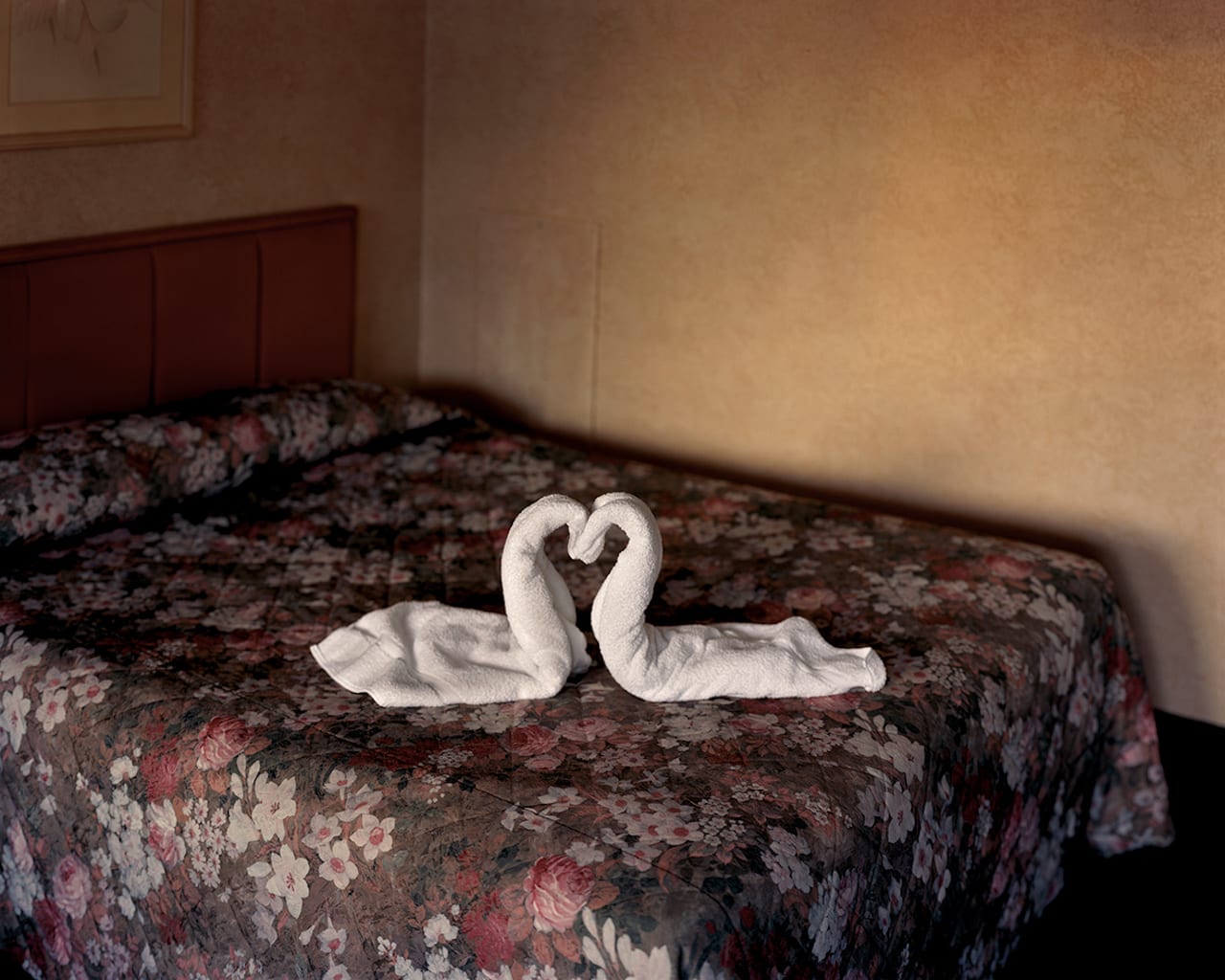
Alec Soth on his classic photobook, Niagara

Alec Soth’s first book,  Sleeping in the Mississippi, was so sweeping in its epic statements, it seemed that Soth had nothing left to photograph. What could he do next? The answer is Niagara, a portrayal of the town that has traditionally been the romance capital of North America. In Niagara, Soth sets out to capture the grand passion of life, to do for love and marriage what Sleeping in the Mississippi does for the American Midwest.

“Niagara is part of American mythology. It’s a place of romance, where people go to get married,” says Soth. “But when I got there my view of the place totally changed. The American side is economically devastated. It’s bleak.” As Mack Books republishes Alec Soth’s classic book, BJP revisits our review first published in 2006

16 October 2018

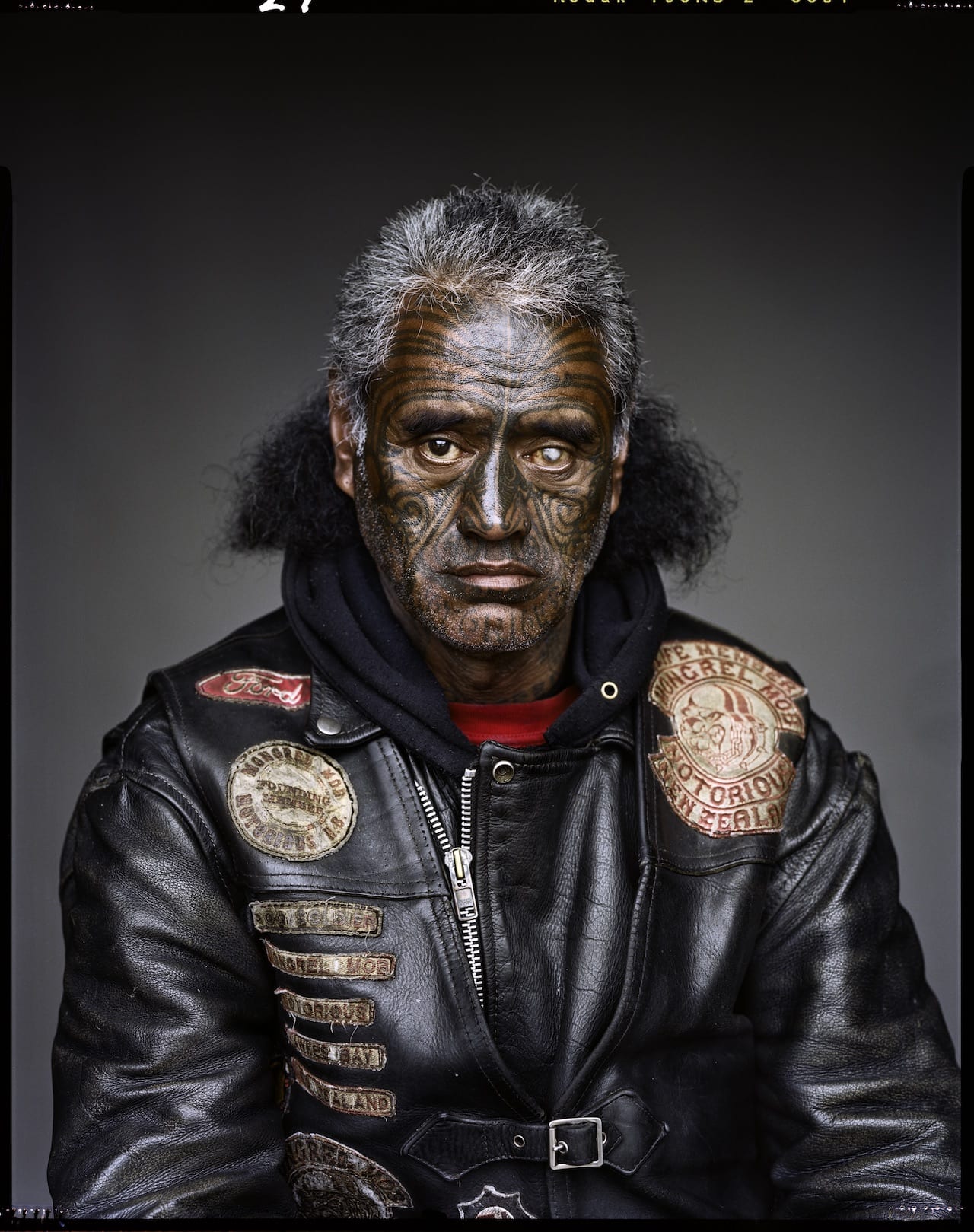
New Zealand’s Mongrel Mob gang, photographed by Jono Rotman

Arresting. Exquisite. Gripping. Chilling. Disgraceful. Unacceptable. These are all words people have used to describe portraits made by Jono Rotman. Created over the last decade, his project Mongrelism presents an intimate look at members of the Mongrel Mob – New Zealand’s largest, most notorious gang. Though he is looking at a subculture as an outsider – a domain regularly mined by photojournalists – Rotman eschews a traditional documentarian approach to his subject matter. In so doing, the project’s scope extends beyond the Mob itself to touch upon issues related to New Zealand’s charged colonial past and self-professed biculturalism, the politics and ethics of portraiture, and the intersections of seemingly disparate human experience.

The New Zealand-born photographer explains that since childhood, “I always felt certain violent and uneasy forces within my country”. In Lockups (1999-2005), Rotman photographed the interiors of prisons and psychiatric hospitals throughout New Zealand, exploring the medium’s ability to convey the fraught “psychic climate” embedded in these state-controlled institutions. The works are eerily devoid of people, a deliberate decision made, says Rotman, “because I wanted to encourage a direct, personal interaction with the spaces. With prisons, for example, as soon as you introduce people into the picture, it becomes easy to think, ‘Here’s the storyline: this place is for those sorts of people. And I can fit it all into my established worldview’.”

12 October 2018

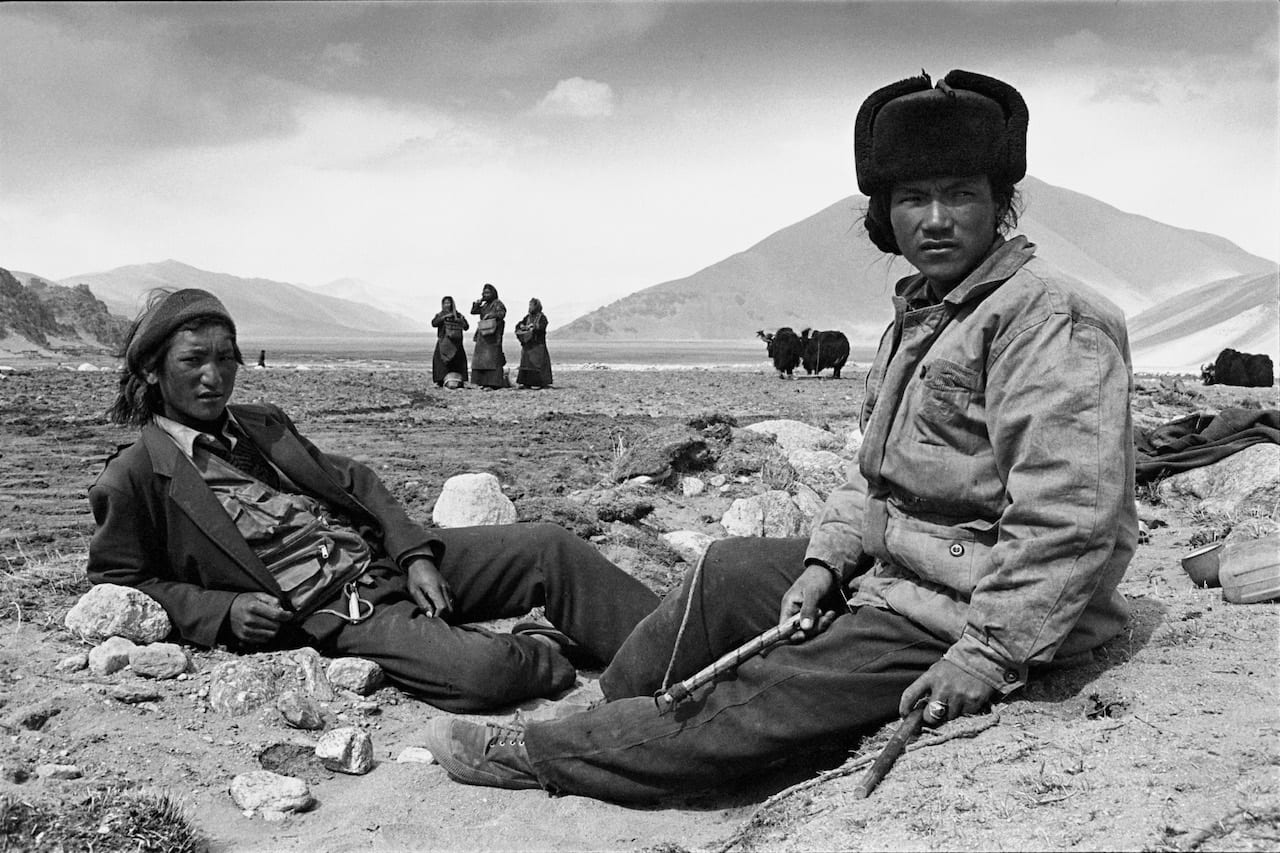
Lu Nan’s insights into China – and life

“In 15 years, not a day went by when I didn’t question my own work,” says Chinese photographer Lu Nan, in an interview included in his new book Trilogy. “That’s why I scrutinise what I was doing by means of reading. This mode of assessing action through thought and assessing thought through action helped me to complete these projects. 

“The trilogy is concerned with human beings. I hope that by looking into real life, I’ll find something fundamentally and enduringly human.”

Lu Nan isn’t well known outside China but this book, his first in English, should change all that. It collects together three projects he shot over 35 years – The Forgotten People, a look at the lives of Chinese psychiatric patients, shot from 1989-1990; On the Road, a look at the lives of Catholics in China, shot from 1992-96; and Four Seasons, a look at the lives of rural Tibetans, shot from 1996-2004.

11 October 2018

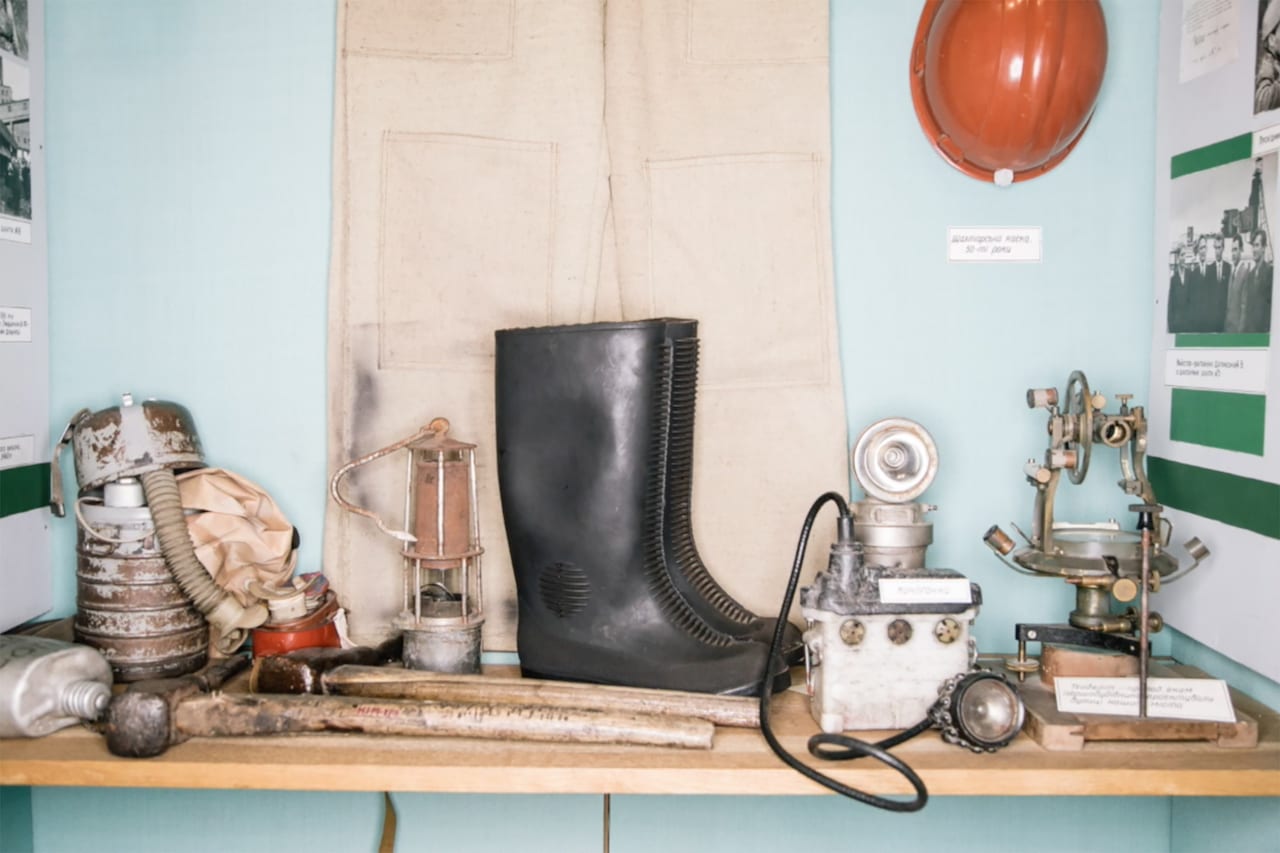
Vote for the Greenpeace Photo Award winner

With €10,000 up for grabs to realise a project, the Greenpeace Photo Award is a great opportunity – and this year, the public decides who wins. Run with support from Geo Magazine, an awards jury has shortlisted seven photographers to choose from, each from a different country and each working on a series with an environmental theme.

The public has until 31 October to vote on the winner; a further €10,000 will go to a second winner selected by the jury, which this year includes curator and lecturer Lars Willumeit, and Geo Magazine chief photo editor Lars Lindemann.

The shortlisted photographers are: Niels Ackermann (Switzerland); Magda Biernat (USA); Arko Datto (India); Niklas Grapatin (Germany); Katrin Koenning (Australia); Pablo Piovano (Argentina); and Ian Willms (Canada). 

11 October 2018

Carla Kogelman’s vision of childhood

Merkenbrechts is a small, rural village in Waldviertel, Austria, with a population of 200. It has a fire station, a church, and a large stretch of water where the village’s 35 children spend their summers swimming, climbing trees and playing hide and seek.

Carla Kogelman originally visited the area in 2012 while working on a documentary about the region for a commission. During her stay she met Sonja and Roman Liebhart, who invited her to come and photograph their children on their farm in Merkenbreacht.

Visiting the village, Kogelman found its residents were very conscious of how they produced and consumed resources. They powered their homes using solar panels, resisted using chemicals on their crops, and had community gardens in which children could learn to grow their own vegetables and herbs. “People over there, they just care about the soil, about the earth, about each other and the animals,” she says.

9 October 2018

Ezra Acayan wins the 2018 Ian Parry Scholarship

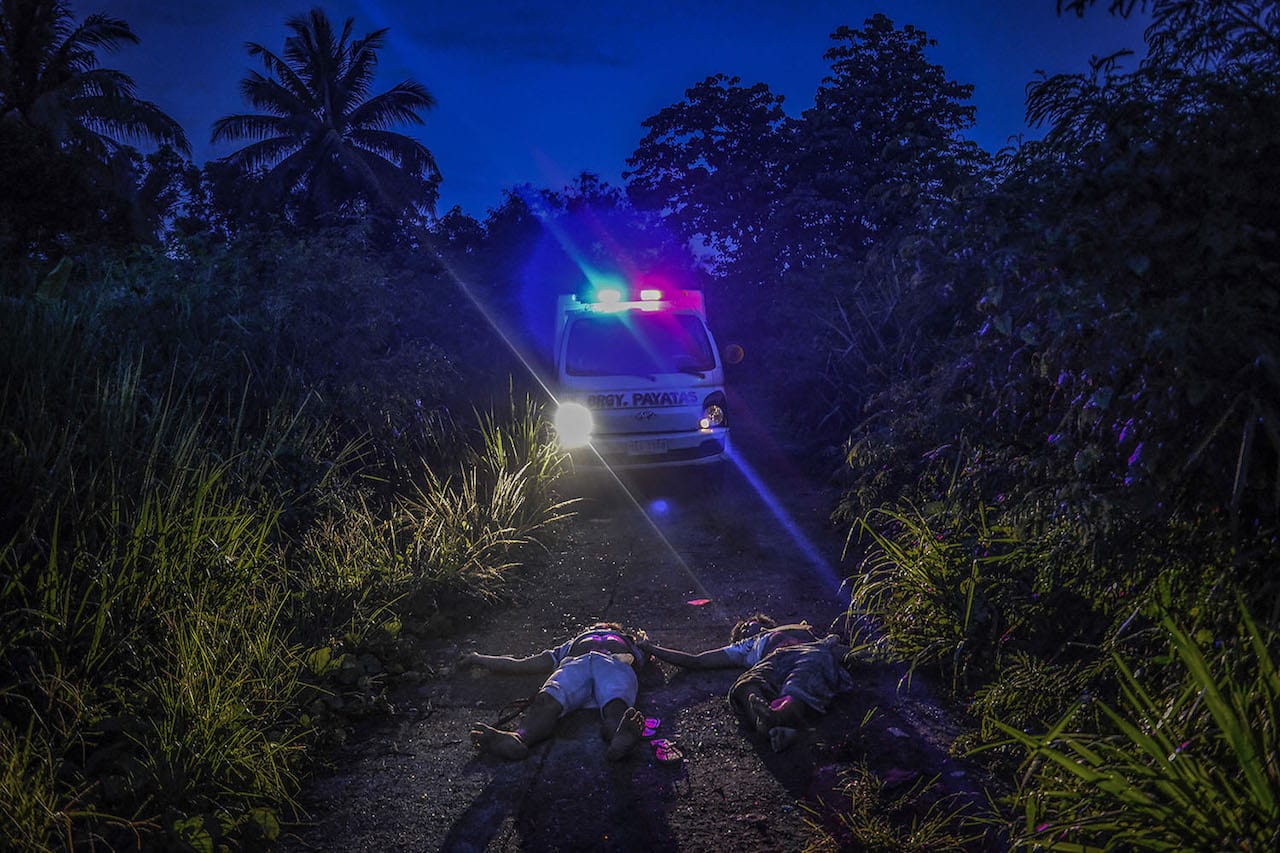
Born in 1993 in the Philippines, Ezra Acayan has won the 2018 Ian Parry Scholarship Award for Achievement for his series Duterte’s War On Drugs Is Not Over, which records the fall out from the war on drugs which President Rodrigo Duterte announced in 2016.

Threatening those connected to drug consumption and sales with the death penalty, Duterte urged members of the public to kill suspected criminals and drug addicts, and allowed the police to act with brutality. In the two years since, an estimated 20,000 people have been murdered and a state of emergency has been declared. The United Nations has appealed to the Philippine government to investigate extrajudicial killings and to prosecute the perpetrators, while the International Criminal Court has announced preliminary examinations into killings linked to the campaign.

Tough and hard-hitting, Acayan’s images aim to “illuminate the violent acts carried out in the Philippines as well as the questionable methods of Duterte and the police”.

5 October 2018

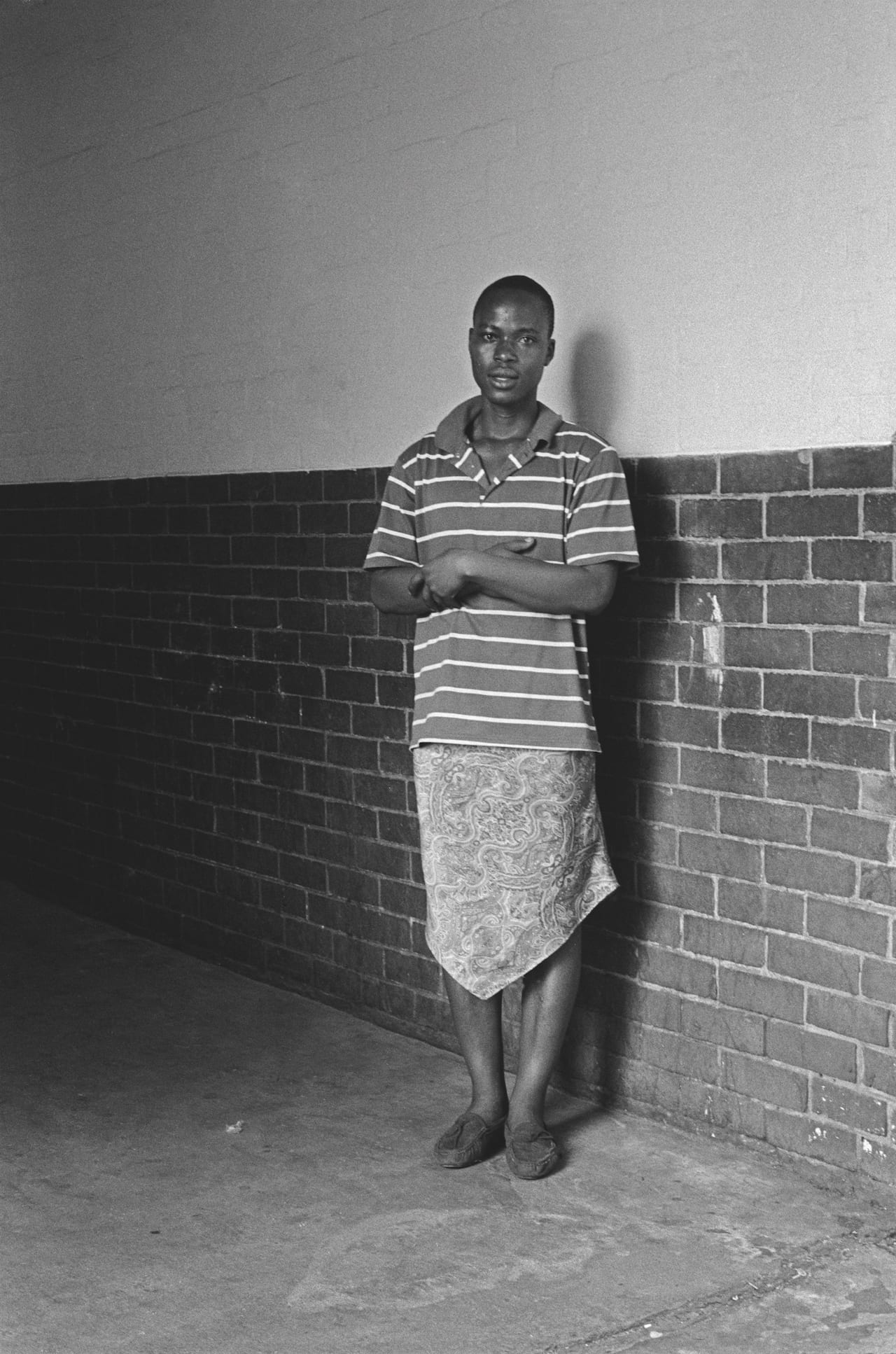
Sabelo Mlangeni’s images of South Africa

“I have still never seen the first work I made as a photographer,” says Sabelo Mangleni, who started his career as a delivery boy for a local photographer in his hometown in Driefontein, four hours drive east of Johannesburg. The photographer he worked for had been asked to shoot a wedding but, unable to attend herself, asked Mangleni to cover it – sending him off with a camera around his neck and a crash course in photography. After the wedding the newlyweds quickly picked out the images they wanted to remember their day with – so quickly, Mangleni never got to see them. 

Still, the experience of looking for a good photograph and working with people from within a community, got him hooked, and in 2001 Mangleni moved to Johannesburg and joined the Market Photo Workshop. Set up by renowned documentary photographer David Goldblatt in 1989, this well-respected organisation supported young black photographers during apartheid South Africa.

It was an excellent start in photography, but arriving in Johannesburg, Mangleni felt alienated. “I couldn’t understand what people were saying,” he says, describing the struggle to communicate with people in English, which he was still learning at the time. To avoid speaking, he channelled his feelings into photographs of the buildings and architecture, which lead to his first, and ongoing, series Big City.

5 October 2018
In this collection, we discover the concepts behind new and ongoing work by both emerging and leading practitioners.