
Portraiture

Francesca Allen portrays the intimacy of female friendship

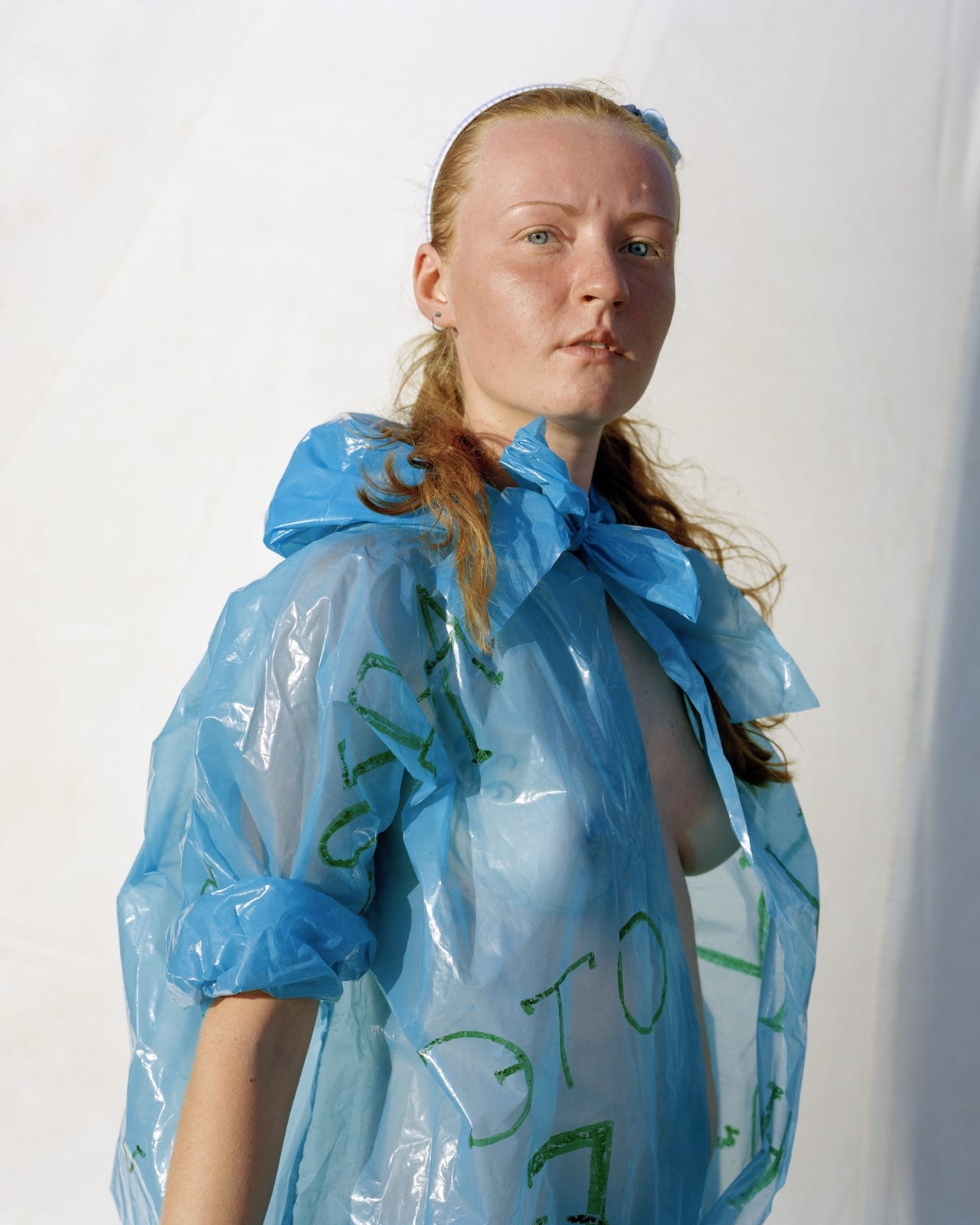
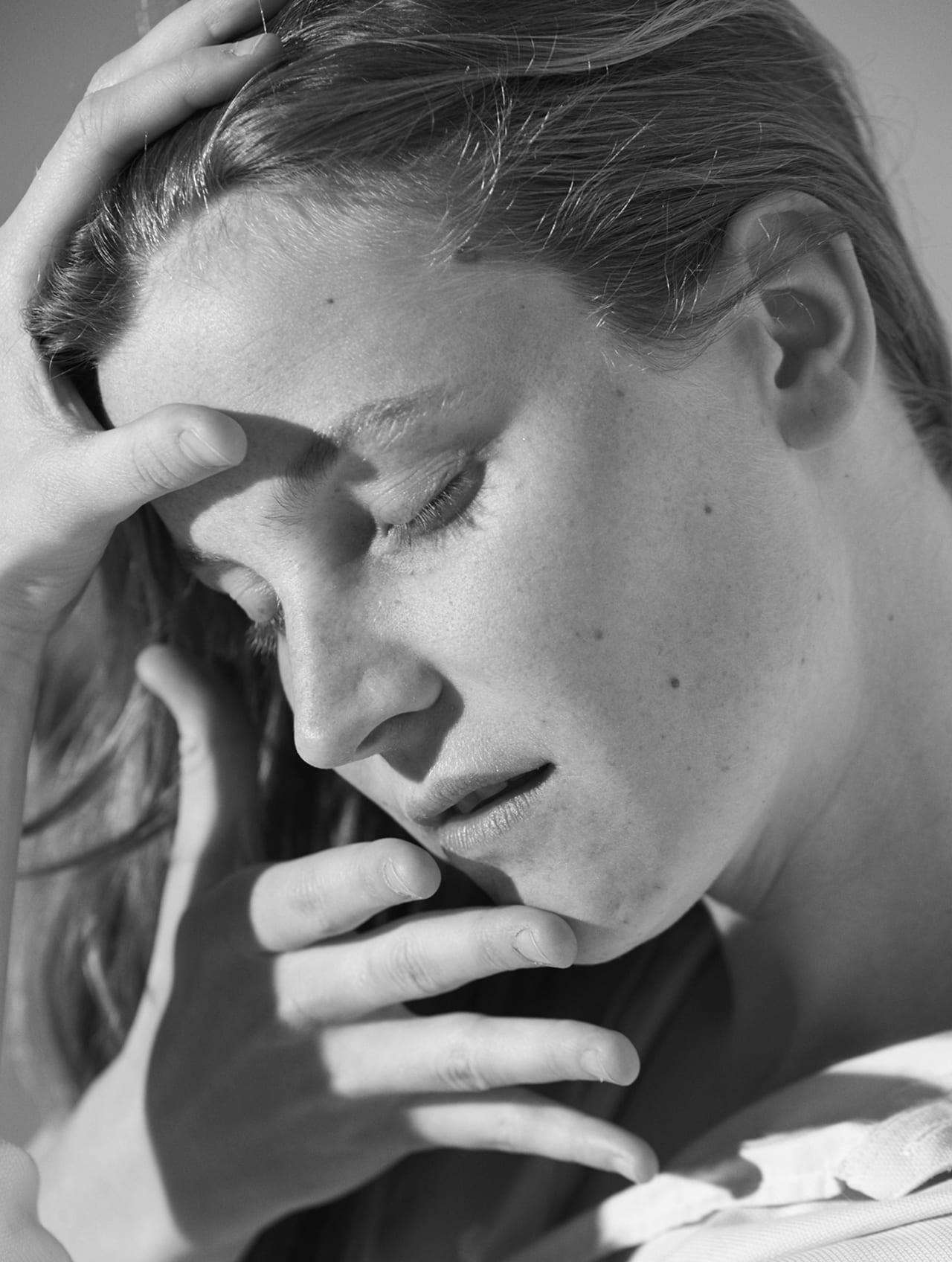
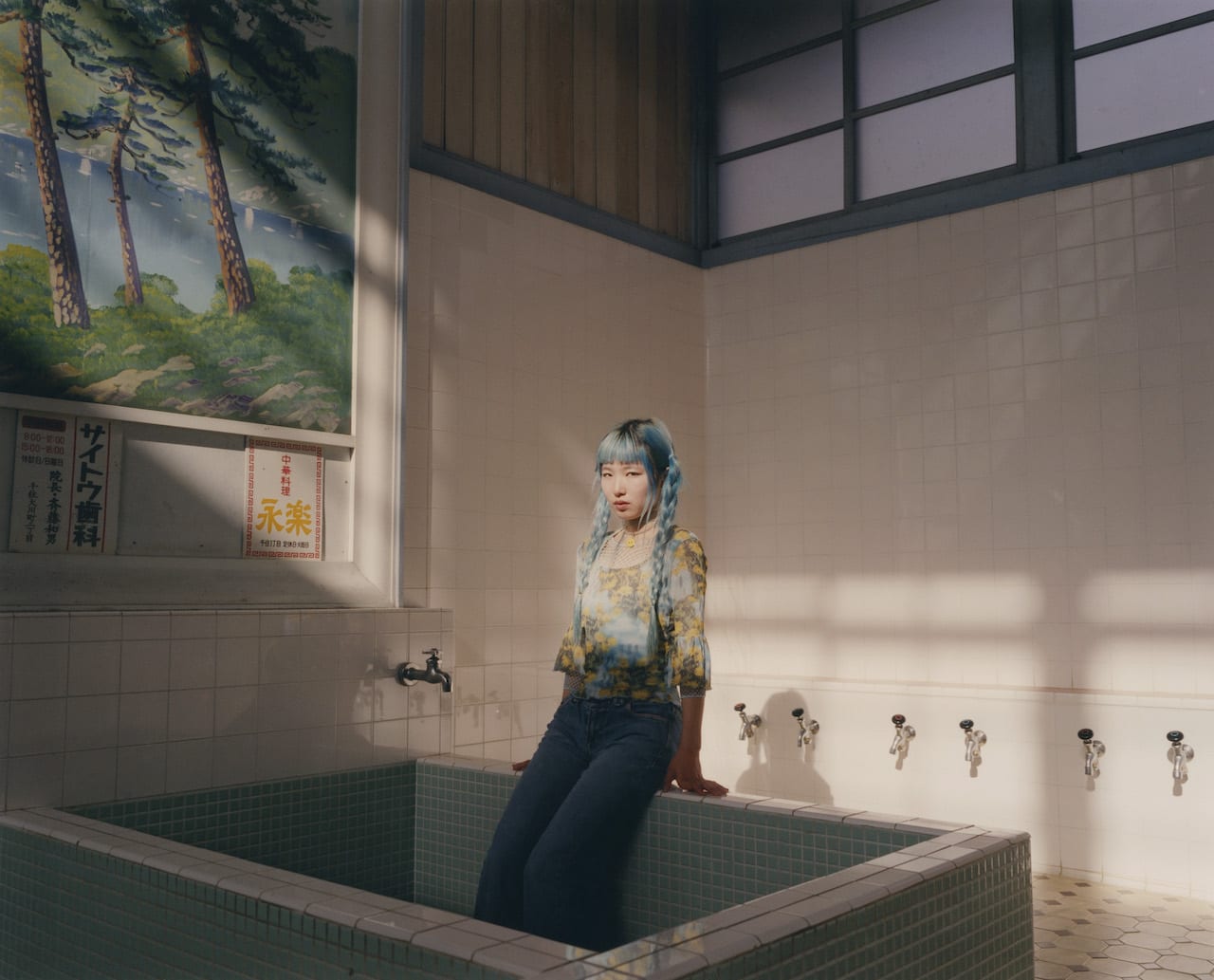
“There’s not enough journalism about female friendships, they’re not given the same credit as romantic relationships, but I actually think they can be so much stronger,” says London-based photographer Francesca Allen, who spent a month in Tokyo last spring photographing the subject of her new book, Aya, a Japanese musician and now Allen’s good friend.

The pair first met in 2016, during Allen’s two week vacation to Japan. Allen, whose work often centres on womanhood and sexual freedom and is regularly featured in publications such as Ripose and The Fader, used part of her time on holiday to photograph Japanese girls. Looking across her selection of images, she felt so drawn to the photographs of Aya that the following year, she arranged to go back and make a book with her.
4 September 2018

Obituary: Erich Lessing, photographer, 1923-2018

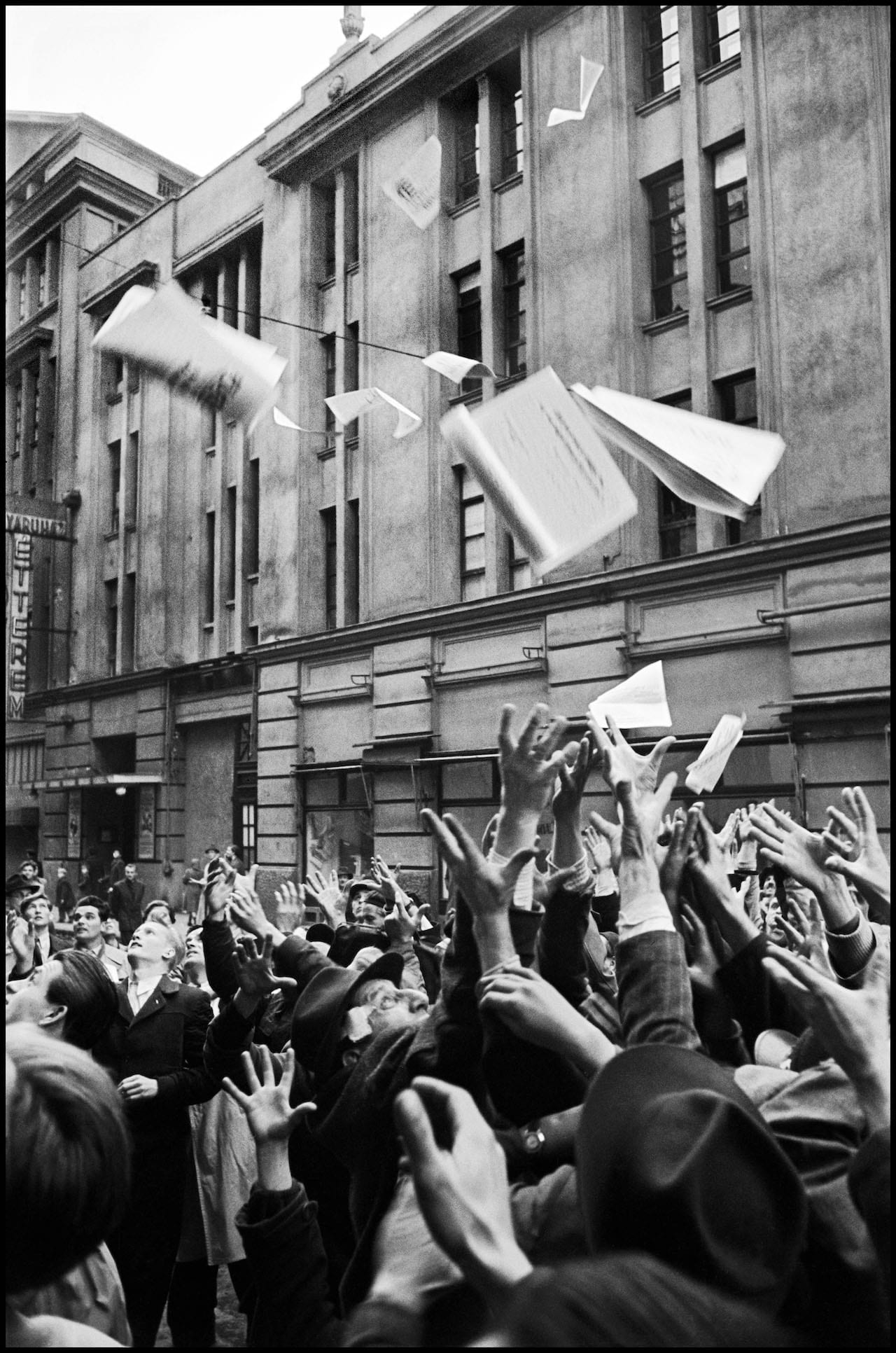
“I never thought of myself as doing anything other than telling stories,” said Erich Lessing. “The camera became the medium through which I did that, but I don’t carry a camera everywhere I go. To me, it is simply the means to a very specific end. I observe the world through my eyes and not through the viewfinder of a camera. I don’t interpret, nor do I adjust anything in the dark room. I am a realistic photographer.”

They’re modest words from a man who created iconic images of the 20th century, and who was a member of Magnum Photos for well over half a century. His photographs of the Hungarian revolution in 1956 were seen around the world, as was his shot of the presentation of the Austrian State Treaty on the balcony of the Belvedere palace in front of a cheering crowd in 1955.

30 August 2018

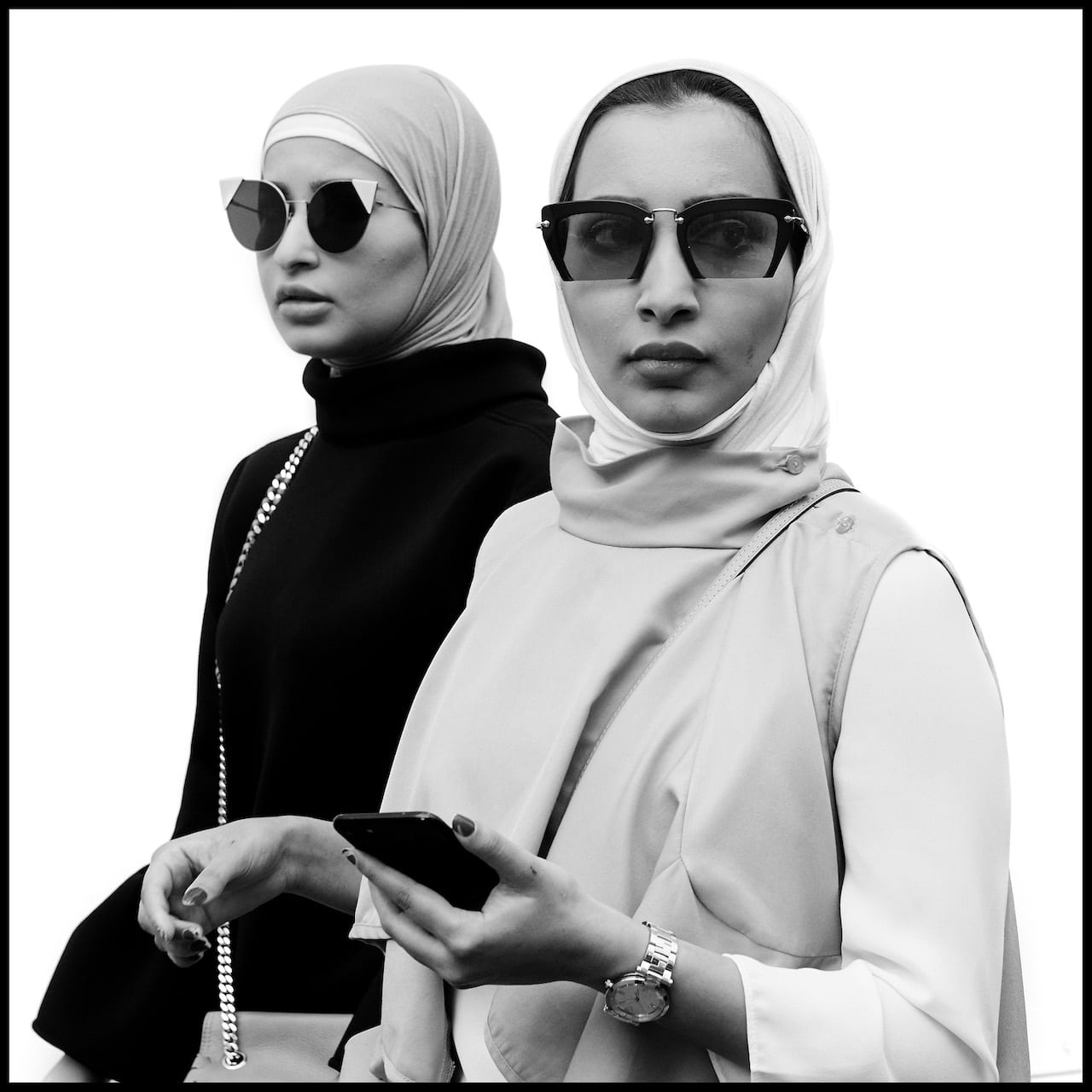
Taylor Wessing Photographic Portrait Prize shortlist announced

Photographs of a woman holding her baby, two shoppers, a drum majorette, and a child from a remote village in Sierra Leone have all been shortlisted for the National Portrait Gallery’s prestigious Taylor Wessing Photographic Portrait Prize this year. The prize winners will be announced at an award ceremony at the NPG on 16 October, with the overall winner receiving £15,000 and other cash prizes awarded to the shortlisted photographers at the judges’ discretion.

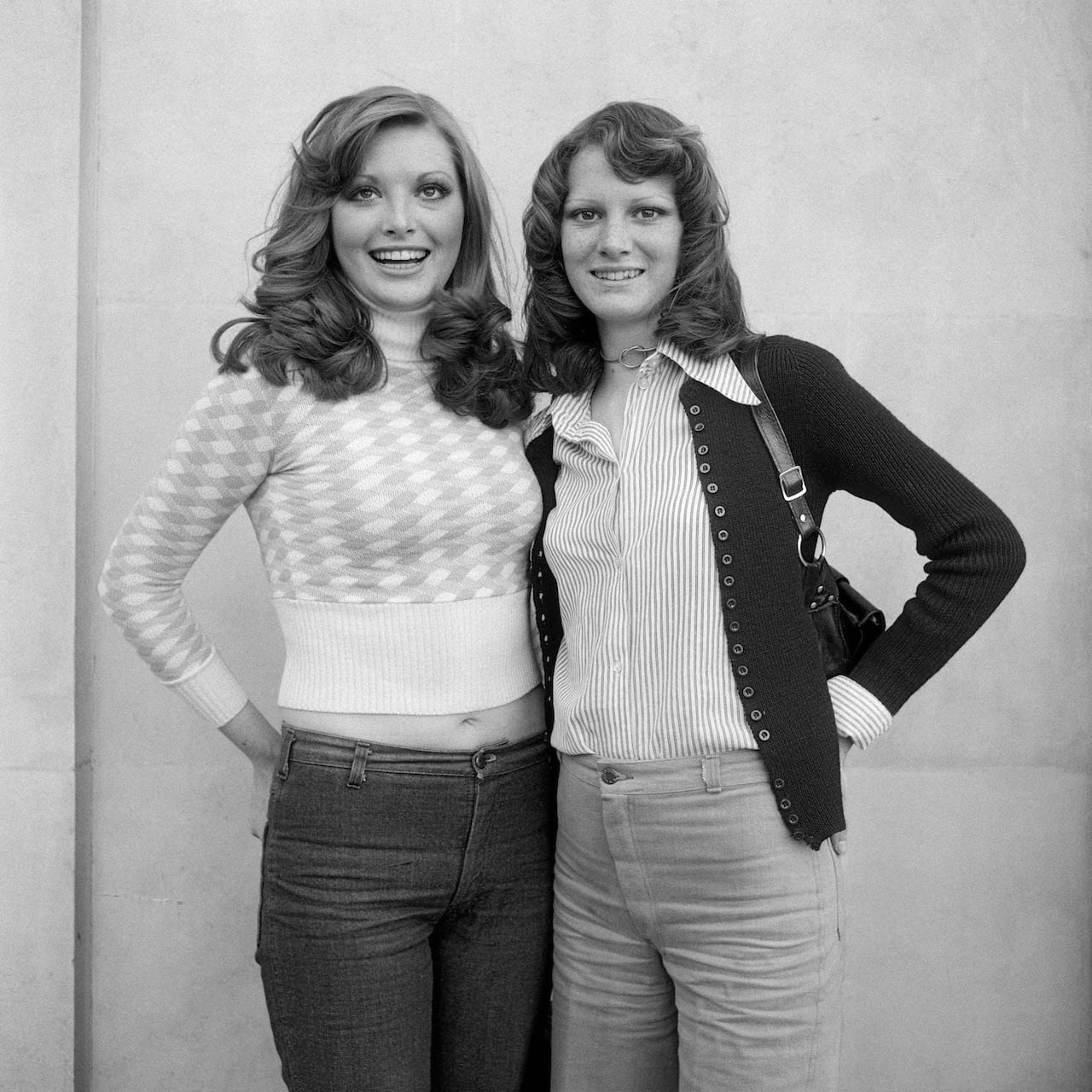
Two of the images were shot in London, with Max Barstow behind a striking photograph of two women in a busy shopping street in the city centre. The image comes from his series Londoners and in it, he says, his aim has been to “make unposed portraits with the intensity of images made by great studio photographers such as Richard Avedon and Irving Penn”.

30 August 2018

Vincent Ferrané’s Visitor

Has anything improved since Linda Nochlin’s 1971 essay Why Have There Been No Great Women Artists? The fact that women make up just 15.5% of the artists’ files on Wikipedia suggests not. According to L’Observatoire de l’Egalite, only 30% of the artists exhibited in galleries are women, even though more than 60% of art students in France are women.

Even so, there is some cause for optimism – as French photographer Vincent Ferrané points out. “Of the top 500 contemporary artists in 2017 [in France], only 14% of women,” he says. “But 30% of those were born after 1980.”

17 August 2018

Josh Adam Jones’ XO

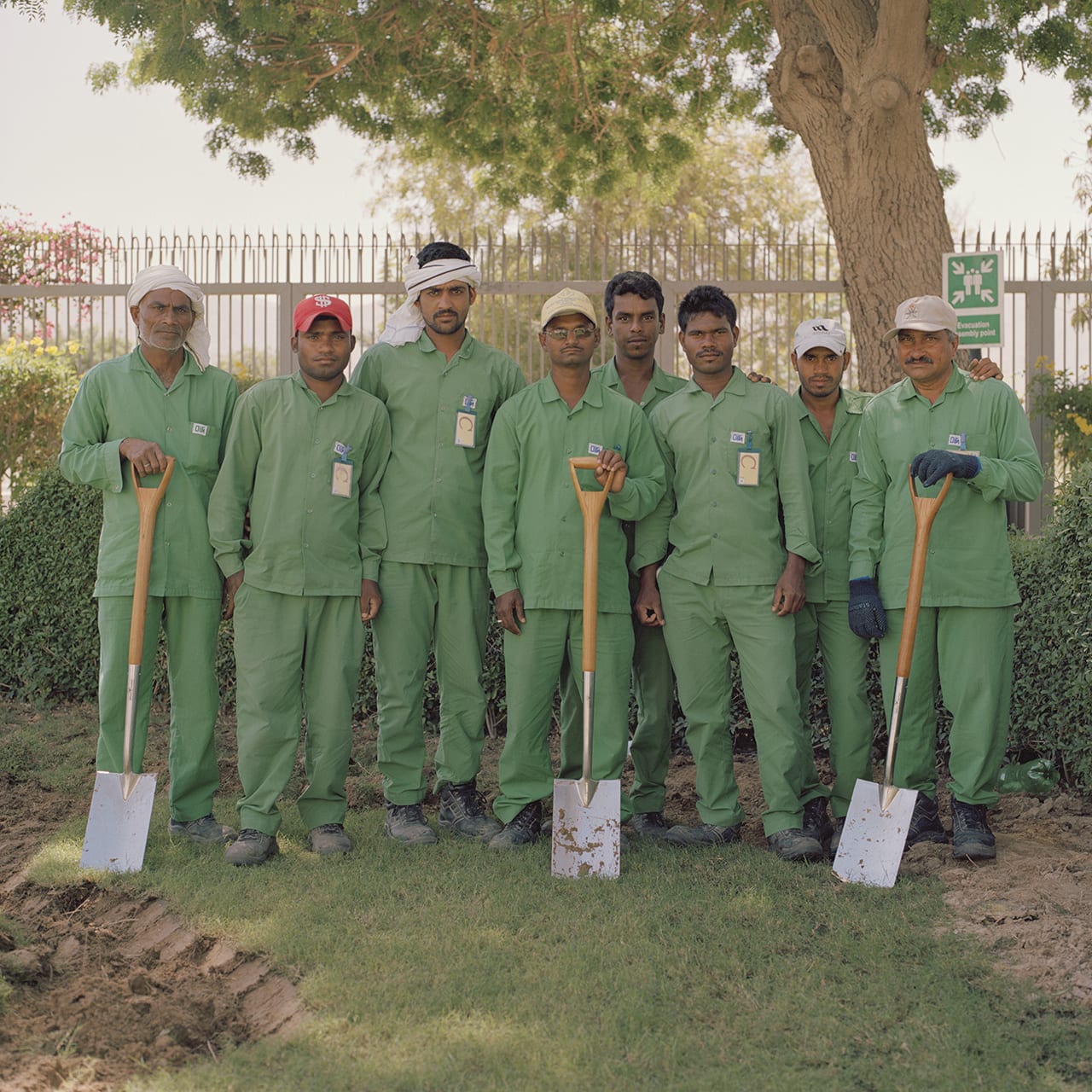
Titled XO, Josh Adam Jones’ graduation project investigates expatriate communities in Oman. “I had informed myself about Middle Eastern culture and the social landscape in the country before visiting, so upon arrival I was eager to embrace everything I was presented with,” he says. “The atmosphere was hugely welcoming, albeit stiflingly hot.”

Born in Cheltenham in 1995, and a recent documentary photography graduate from the University of the West of England, Jones says his inquisitive nature pushed him towards social documentary photography. “I like meeting people, so looking outwards, as opposed to photographing my own ‘backyard’, always felt natural,” he says. “Images have a wonderful potency that other mediums cannot quite match.”

16 August 2018

Q&A: Txema Salvans on his new book, My Kingdom

Born in Barcelona in 1971, Txema Salvans is still based in the Catalan capital, and specialises in making documentary work about Spain and the Spanish people. He is best known for his book The Waiting Game [2013], which showed lone women, presumably prostitutes, waiting by the sides of roads along the Mediterranean coast. Salvans spent six years shooting this project, and recently published The Waiting Game II [2018], a series showing fisherman on the Mediterranean coast, waiting for the fish to bite. In 2010 he published Nice to Meet You, also shot along the Mediterranean, a book of ‘family photos’ in which some of those shown weren’t family.

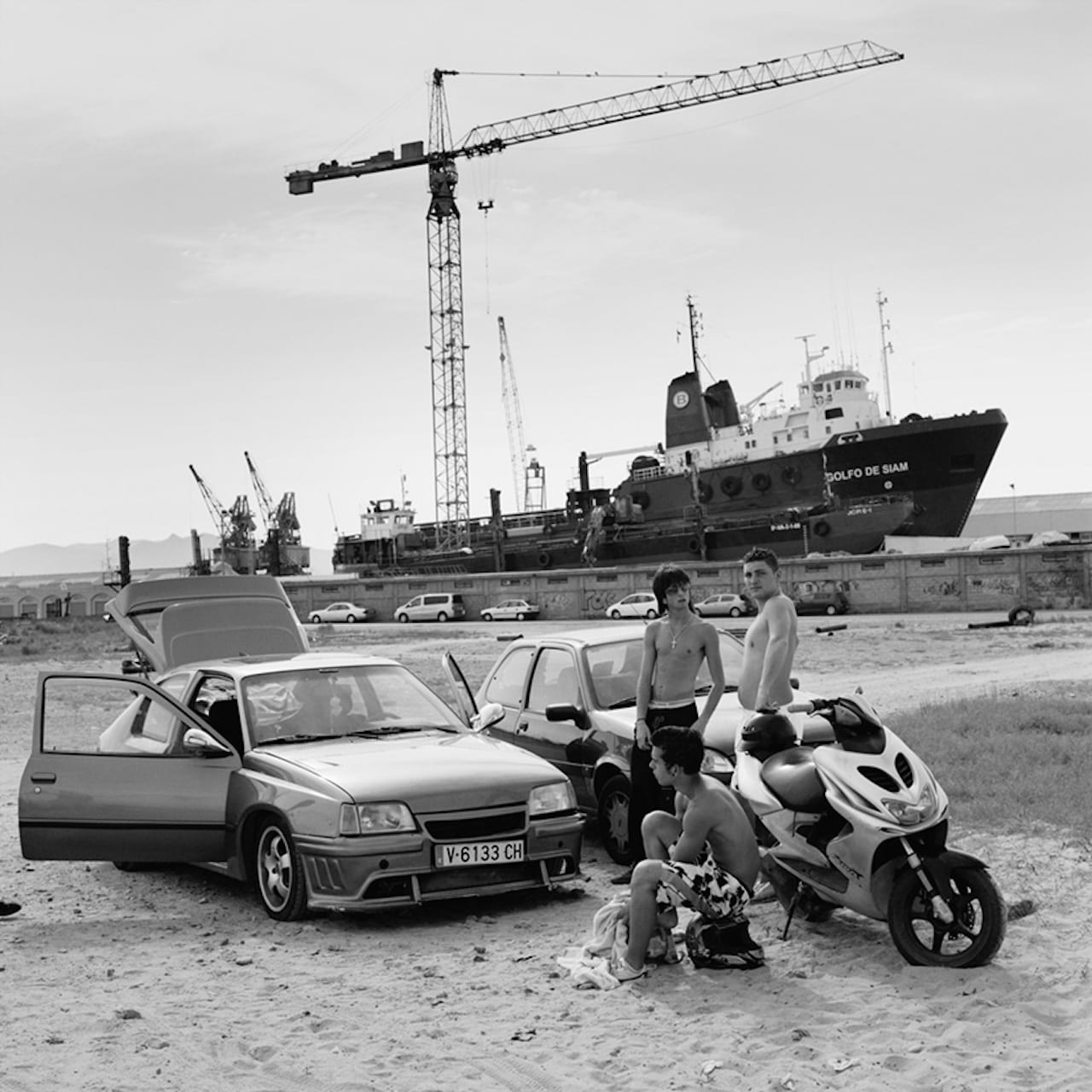
His new book, My Kingdom, recently published by Mack Books, originally grew out of Nice to Meet You, and shows Spanish people and families relaxing on the Mediterranean coast. Its title is taken from a speech by King Juan Carlos I, however, who ruled Spain from 22 November 1975 – 19 June 2014, and extracts from his speeches run throughout the book. It is, says Salvans, a book about power rather than about Spain, the Spanish, or King Juan Carlos I. BJP caught up with him to find out more.

16 August 2018

Documentary photography stars in the Distinctly show

Founded in 1997 the Pingyao International Photography Festival is China’s most prestigious photo festival, featuring images from more than 50 countries each year in indoor and outdoor venues across the UNESCO-listed ancient city. This year it includes a huge exhibition called Distinctly, which is curated by Open Eye Gallery’s Tracy Marshall and which will travel to Merseyside in 2019 as one of the main exhibitions of LOOK International Photo Biennial.

Featuring work by 12 documentary photographers – Martin Parr, Chris Killip, Daniel Meadows, John Myers, Markéta Luskačová, Tish Murtha, Ken Grant, Paul Seawright, Niall McDiarmid, Robert Darch, Elaine Constantine, and Kirsty MacKay – the exhibition “takes a unique approach to the depiction of Britain and its distinct landscapes, industries, social and economic changes, cultural traditions, traits and events” over the last six decades says Marshall. “The exhibition looks at the gentle, the humorous, the starkness, the beauty, and the realities experienced and captured by the photographers around their lives living and working in Britain,” she adds.

15 August 2018

Photobooks of the year (so far)

Foam founder Marloes Krijnen, curator Yumi Goto, and photographers Rob Hornstra, Mark Power and Mariela Sancari highlight the photobook that have impressed them most so far in 2018 – including Senta Simond’s Rayon Vert, Christian van der Kooy’s Anastasiia, and John Myers’ The Portraits

2 August 2018

On show at Foam – Senta Simond’s Rayon Vert

“Tu sais qu’est-ce que c’est le rayon vert?” Marie Rivière’s listless character Delphine asks, her legs swinging, in Éric Rohmer’s 1986 film Le Rayon Vert [The Green Ray]. The film – a portrait of its main character’s halting search for summer romance – was based on Jules Verne’s 1882 novel of the same name. While in theory its title refers to an optical phenomenon – in which the appearance of the sun as it rises or falls beyond the horizon creates a brief flash of green, and with it a supposed moment of mental clarity for all those who see it – in reality its subject matter is far more elusive. “I related the ‘rayon vert’ phenomenon to the process of photography – this special and quick moment that happens rarely,” Swiss photographer Senta Simond explains, referring to her project of the same name. Her series, which will be published by Kominek and shown at London’s Webber Gallery soon, adds a new, compelling layer to the meteorological event/Jules Verne/ Éric Rohmer mix of references. Indeed, Simond, a former student of ECAL, University of Art and Design Lausanne, from which she graduated last summer, first encountered the concept via the 1986 film.

2 August 2018

Alma Haser’s works in progress

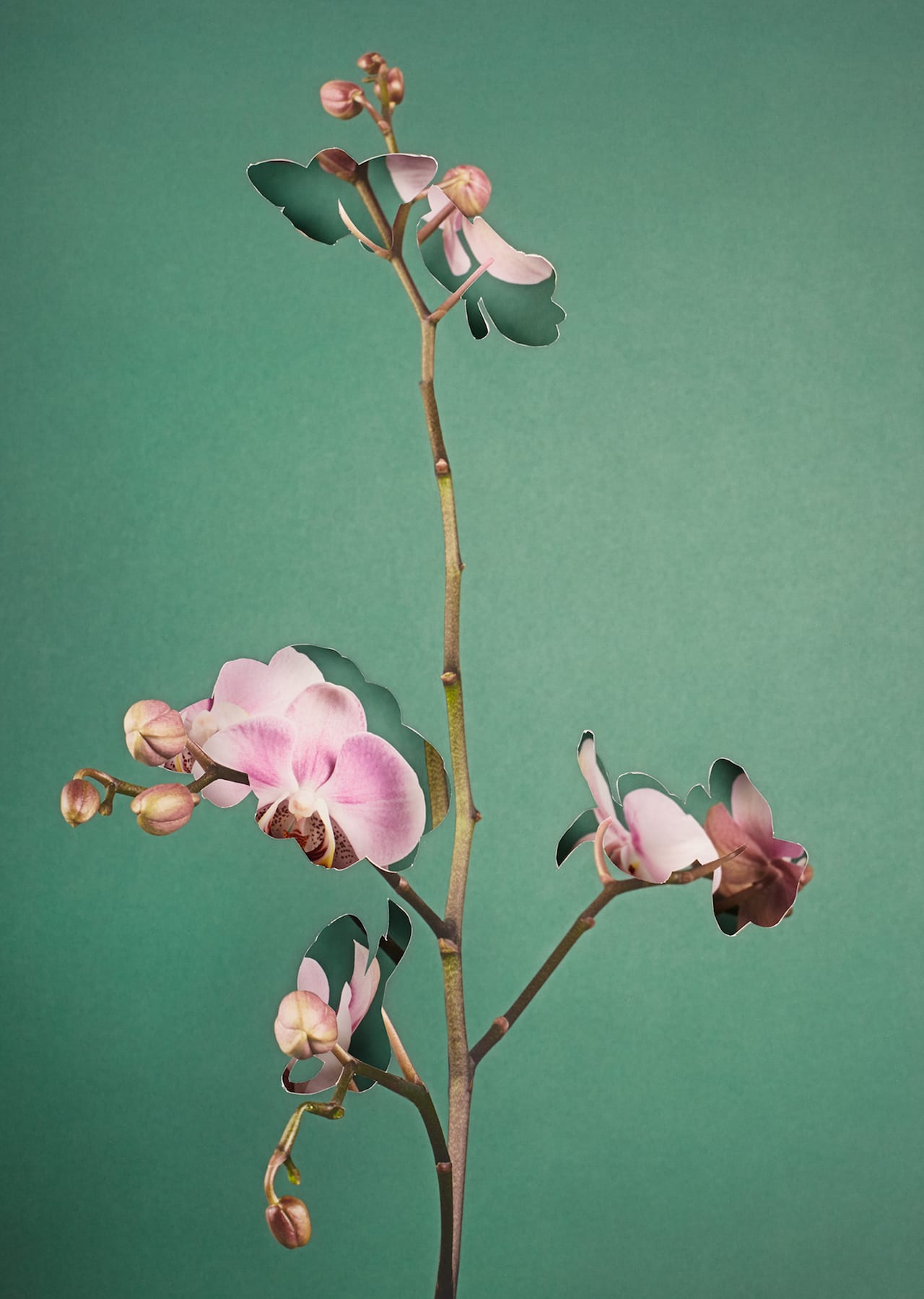
First featured in BJP in 2010 with her graduation project, Alma Haser came to wider attention two years later with a work titled The Ventriloquist. Struck by the identical, bowl-cut hairstyles of two close friends, Luke and James, she took their portrait – and image earned her a place on the shortlist for the Taylor Wessing Photographic Portrait Prize. Despite the attention, Haser became disillusioned with 2D images and began to incorporate a form of paper manipulation to create her signature aesthetic. Rather than flattening the world around us, she now folds it into something new. “Experimentation has shaped my identity as an artist,” she says. “I’m always thinking about different sculptural approaches to photography and how I can build layers into the work.”

2 August 2018