

When photographer Jess T. Dugan was 13, she started to question her identity. Over the…
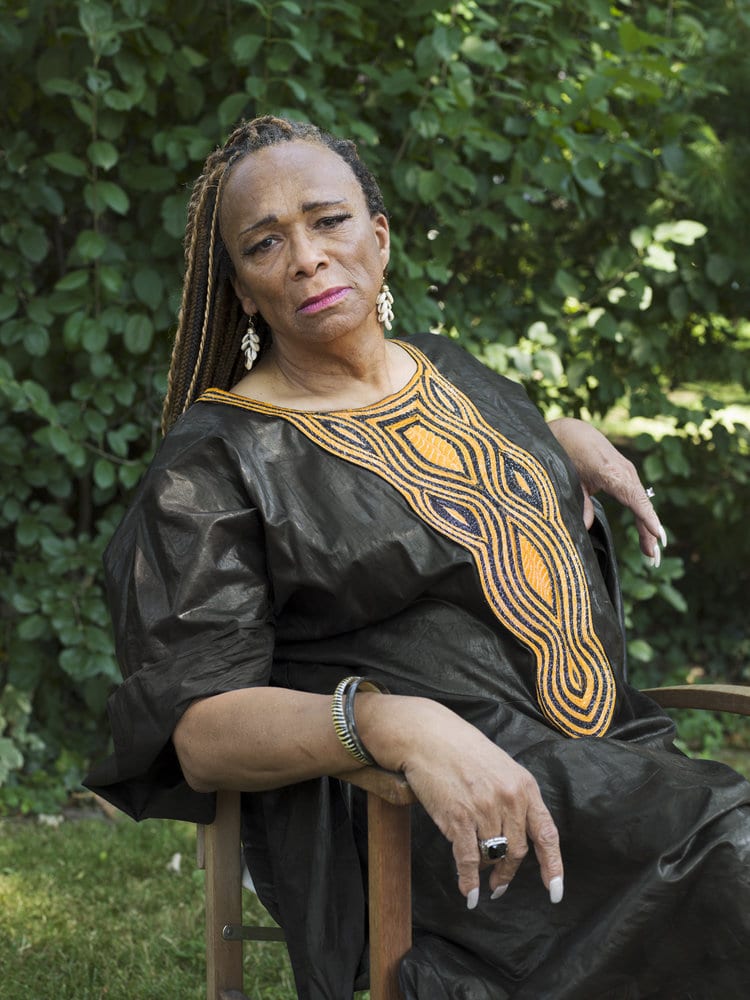
When photographer Jess T. Dugan was 13, she started to question her identity. Over the…
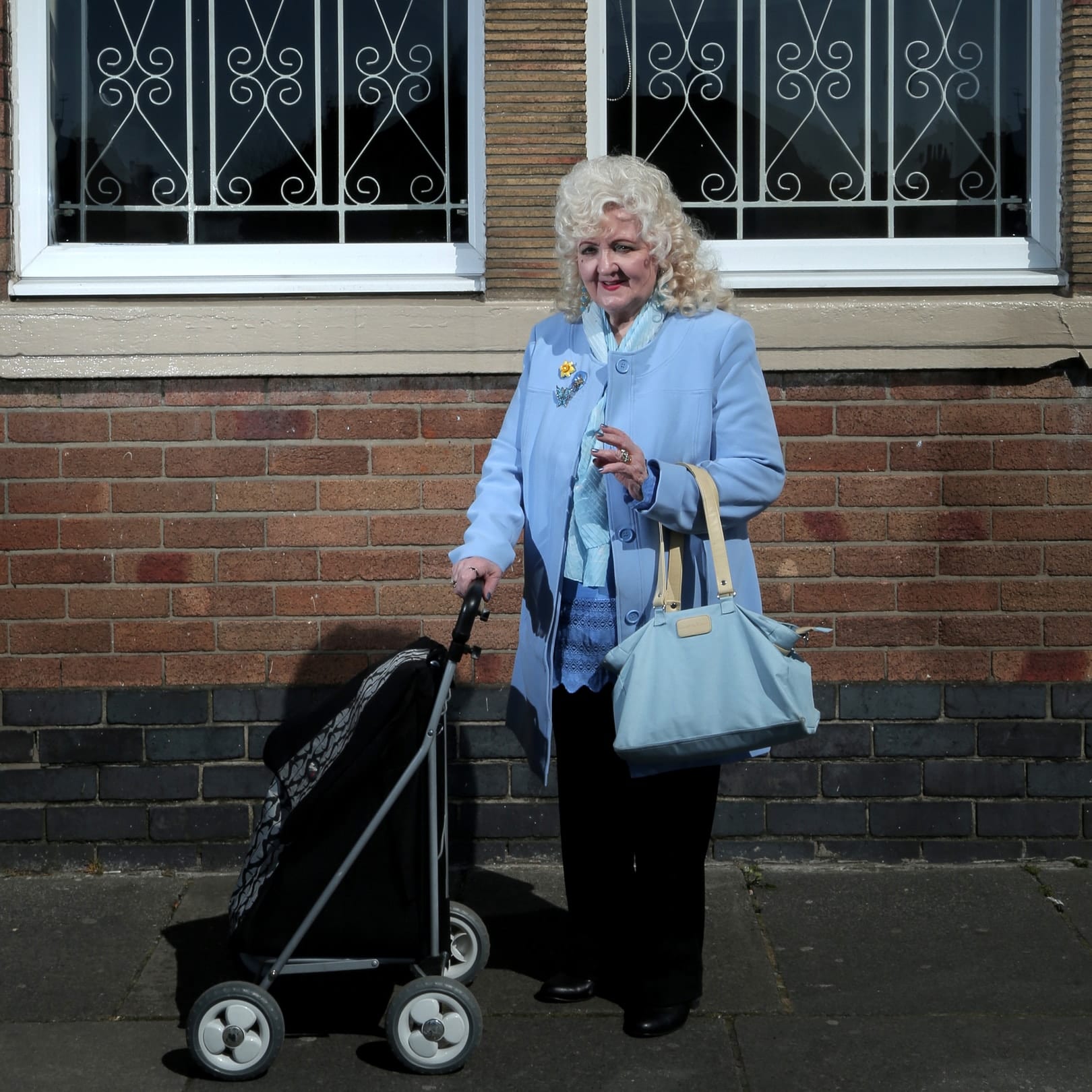
Documentary photographer Danyelle Rolla is proud of her roots. That much is clear from her…
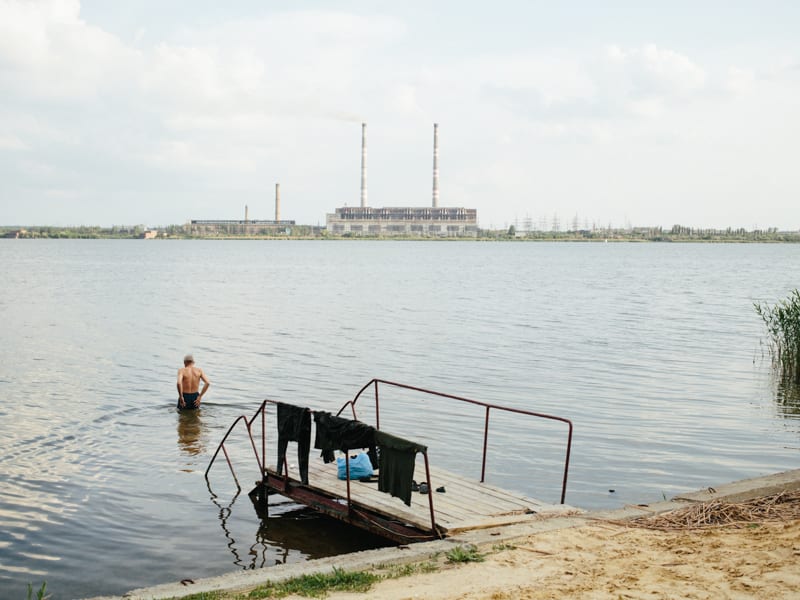
Based in Paris and Bristol, ESSARTER Éditions is a “photo-documentary publishing house”. Founded by the photographer Mathilde Vaveau and the graphic designer Lou Reichling, it aims to “gather around common interests – the book, photography and documentary”. ESSARTER has published four projects so far – Ukraine Post Euro Maidan, Usée Immédiat, À la Vôtre, and its most recent, a trilogy called Red Utopias. Including work by ten photographers drawn from across Europe and the former USSR, Red Utopias and considers the Soviet Union and its legacy from a variety of perspectives. It is published in French, Russian, and English.
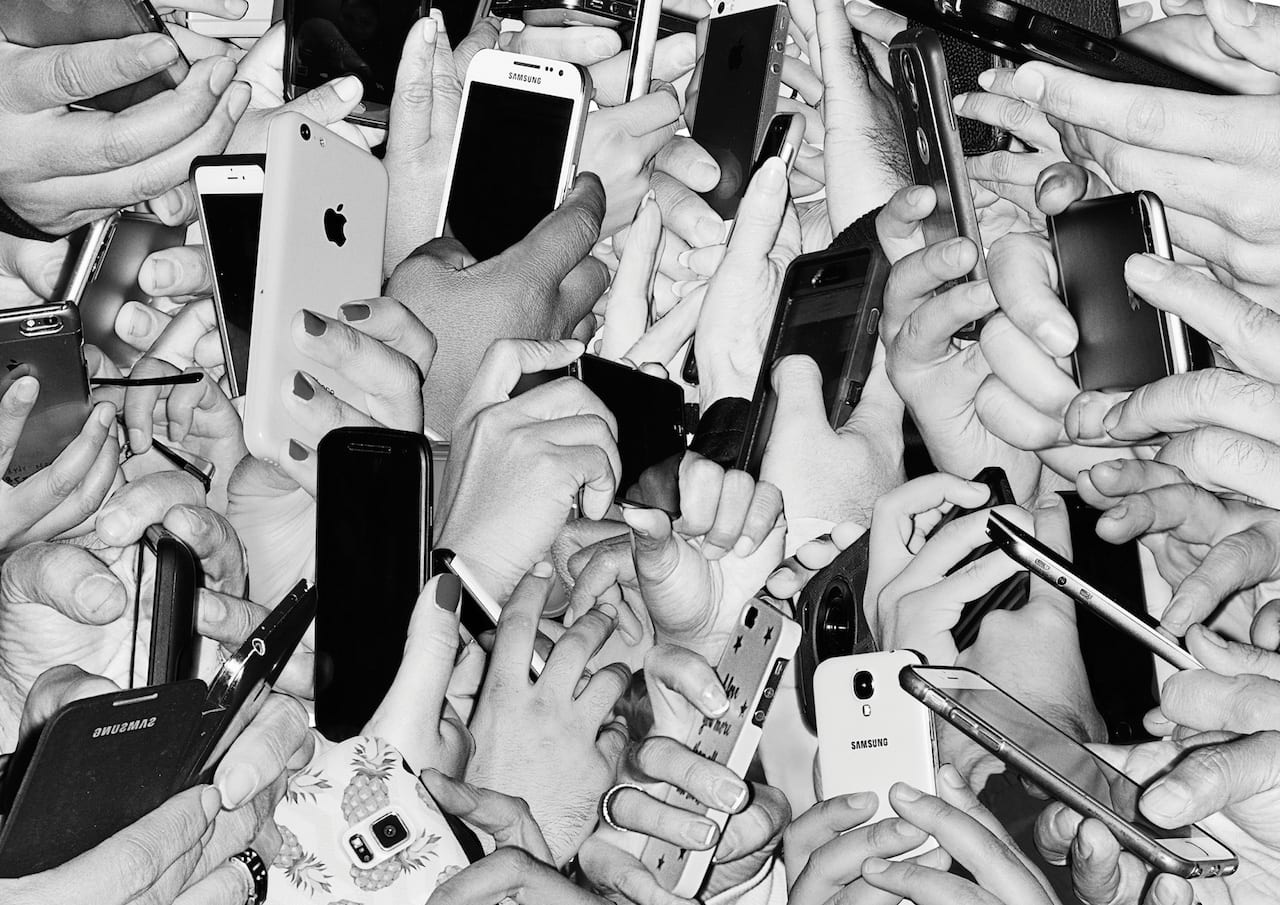
Over the last decade, Hiro Tanaka has published two photobooks – Dew Dew Its and Chicharron, which won the 2018 Cosmos Arles PDF Award. He has exhibited globally in group shows and photo festivals, and toured the world with punk and hardcore rock bands, where he is often spotted deep in a mosh-pit, camera pumping in the air. But before all that, he was working nine-to-five as a computer technician in Tokyo, Japan, with no interest in photography. Tanaka’s whole career sprouted from a string of unexpected coincidences, beginning with a free flight to America.
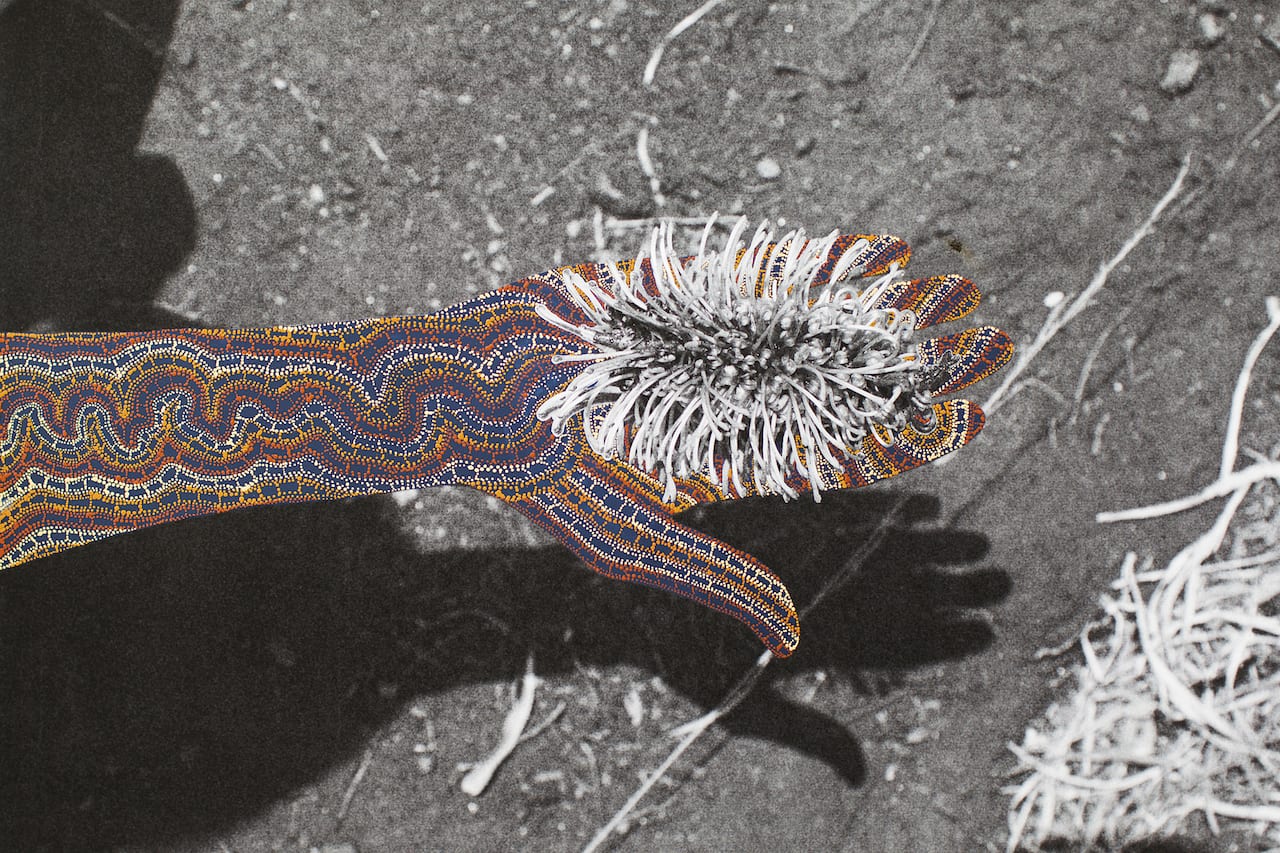
The subtitle of Patrick Waterhouse’s latest work, Restricted Images, is Made with the Warlpiri of Central Australia – and the word ‘with’ is notable. Over repeated trips, the 37-year-old Briton began to collaborate with, photograph and collect the work of Warlpiri artists, basing himself at the Warlukurlangu Artists art centre in the Northern Territory, five hours’ drive from Alice Springs.
“I wanted to create a situation where the people I was working with had an encounter again, a chance to flip the power dynamic,” he tells me over coffee at his new studio in east London. He is surrounded by prints from the series, neatly packaged and ready to travel with him two days later to Australia for the next chapter of a project that started in 2011 when, through his editorship of the iconic Colors magazine, he first visited the art centre. “I wanted to give the people in this community agency over their own representations,” he says.
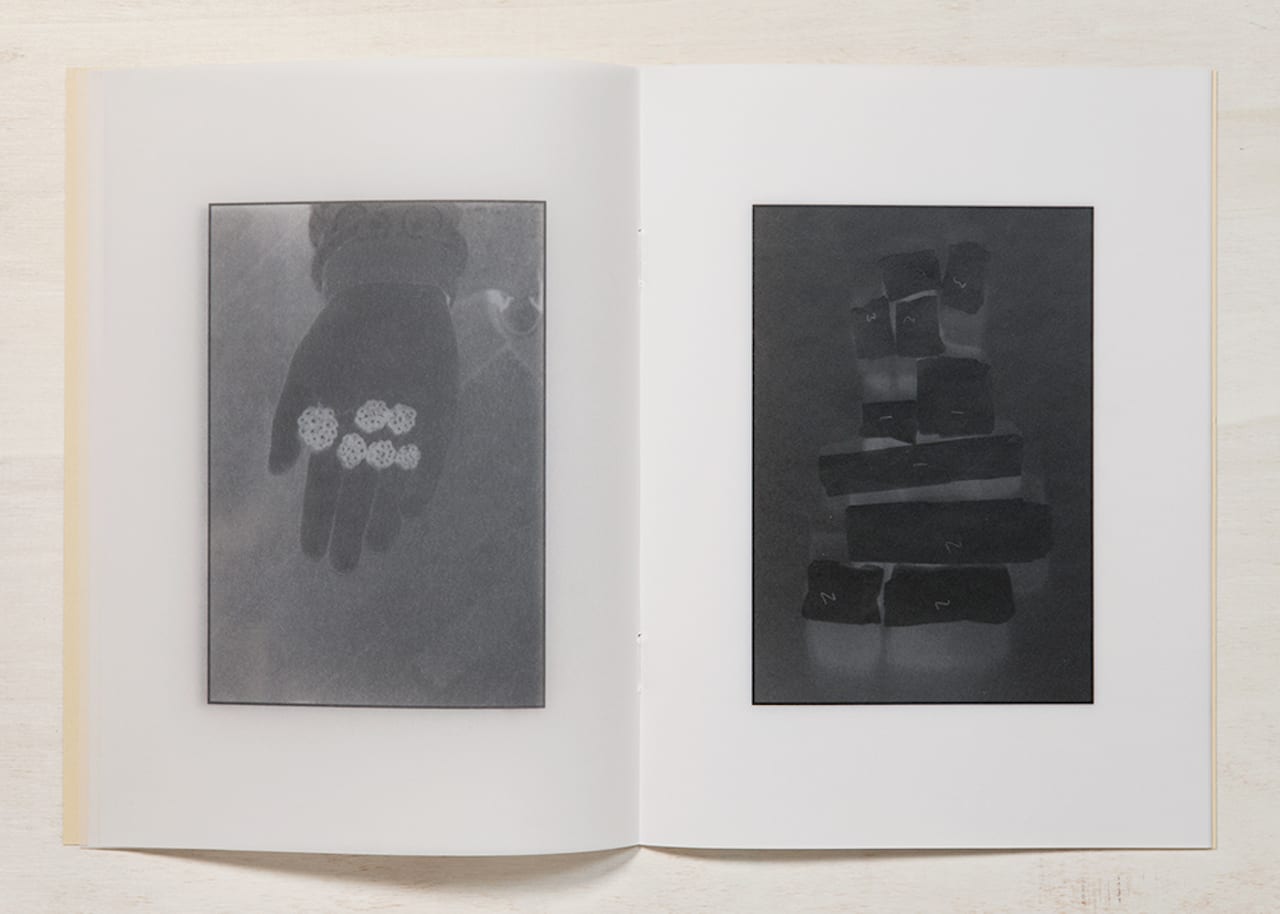
Clare Strand’s latest project presents a series of negatives printed onto translucent paper. “The offer’s there,” says Strand, “People can make their own prints and then they have the images themselves, or they can keep the book as it is. The negatives have a physicality to them – they have their own aesthetic – so it’s not a redundant object if you don’t use them”.
Strand’s zine is the 24th edition of Angle 1-90°, a 90-part project by Norwegian book publisher Multipress. Each zine is made by a different artist who presents their own unique angle on the world through photography. Multipress will continue to produce four zines a year until they reach 90°.
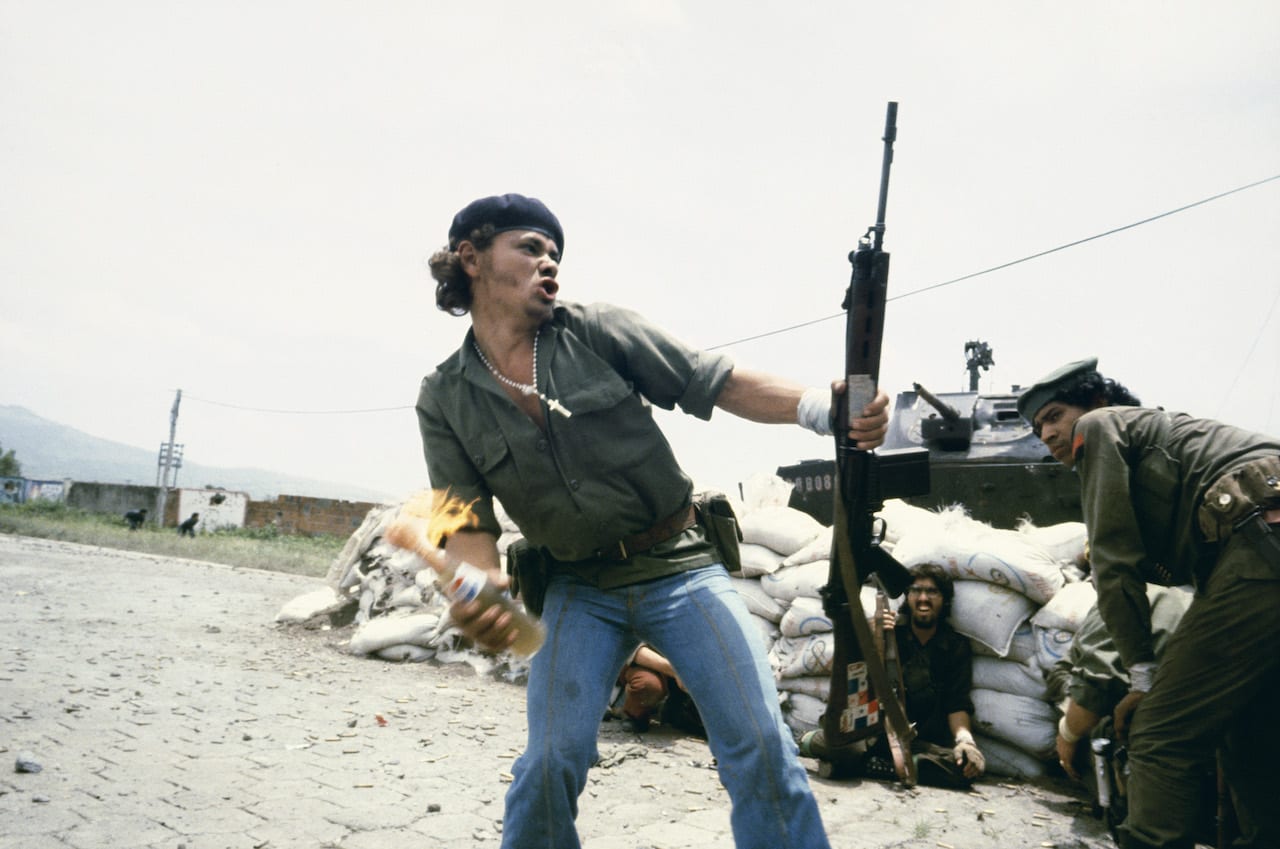
Now in its 22nd year, the Deutsche Börse Photography Foundation Prize is awarded each year to image-makers who’ve made the biggest contribution to the medium in the previous 12 months in Europe. This year the shortlisted artists are: Laia Abril, for her publication On Abortion; Susan Meiselas, for the retrospective exhibition Mediations; Arwed Messmer, for his exhibition RAF – No Evidence / Kein Beweis; and Mark Ruwedel, for the exhibition Artist and Society: Mark Ruwedel. The winner of the £30,000 prize will be announced at The Photographers’ Gallery on 16 May 2019.
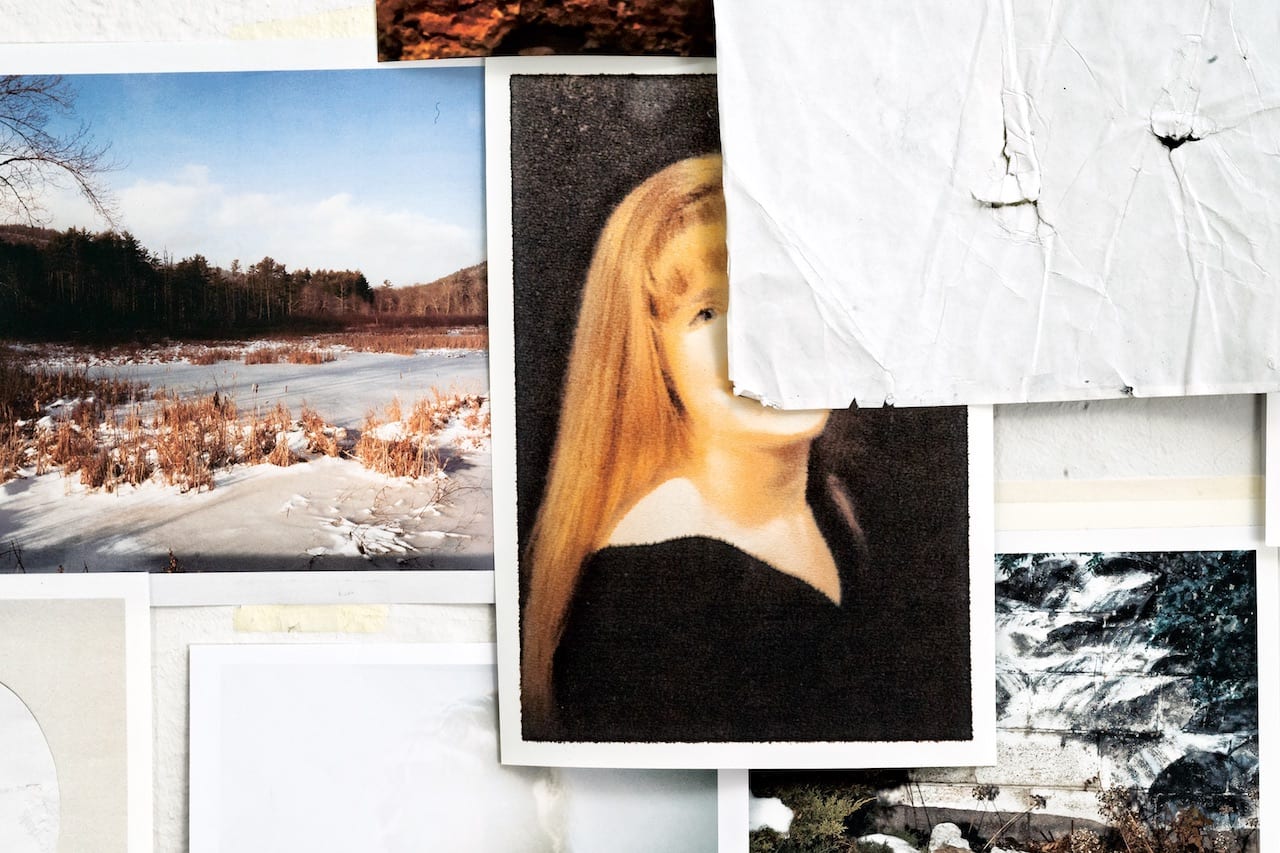
Virginie Rebetez is a photographer preoccupied by absence. Her work explores themes around disappearance, loss and death, her subjects often physically absent or removed from the projects that depict them. Such is the case with Out of the Blue, which centres around the unresolved disappearance of Suzanne Gloria Lyall, who went missing in 1998 at the age of 19, in Albany, upstate New York. Out of the Blue was published last year by Meta/Books, and is showing in Mutable/Multiple at Quad during Format.
Lyall has never been found but traces of her remain even now, more than 20 years later. “Photography has this relationship with traces but also with proof and reality,” explains Rebetez, whose work attempts to make concrete something unthinkable, this vacuum, by becoming acquainted with Suzanne and her life in her absence. “It’s really interesting to work on something invisible with photography because somehow it gives something material to that which is not present,” she says.
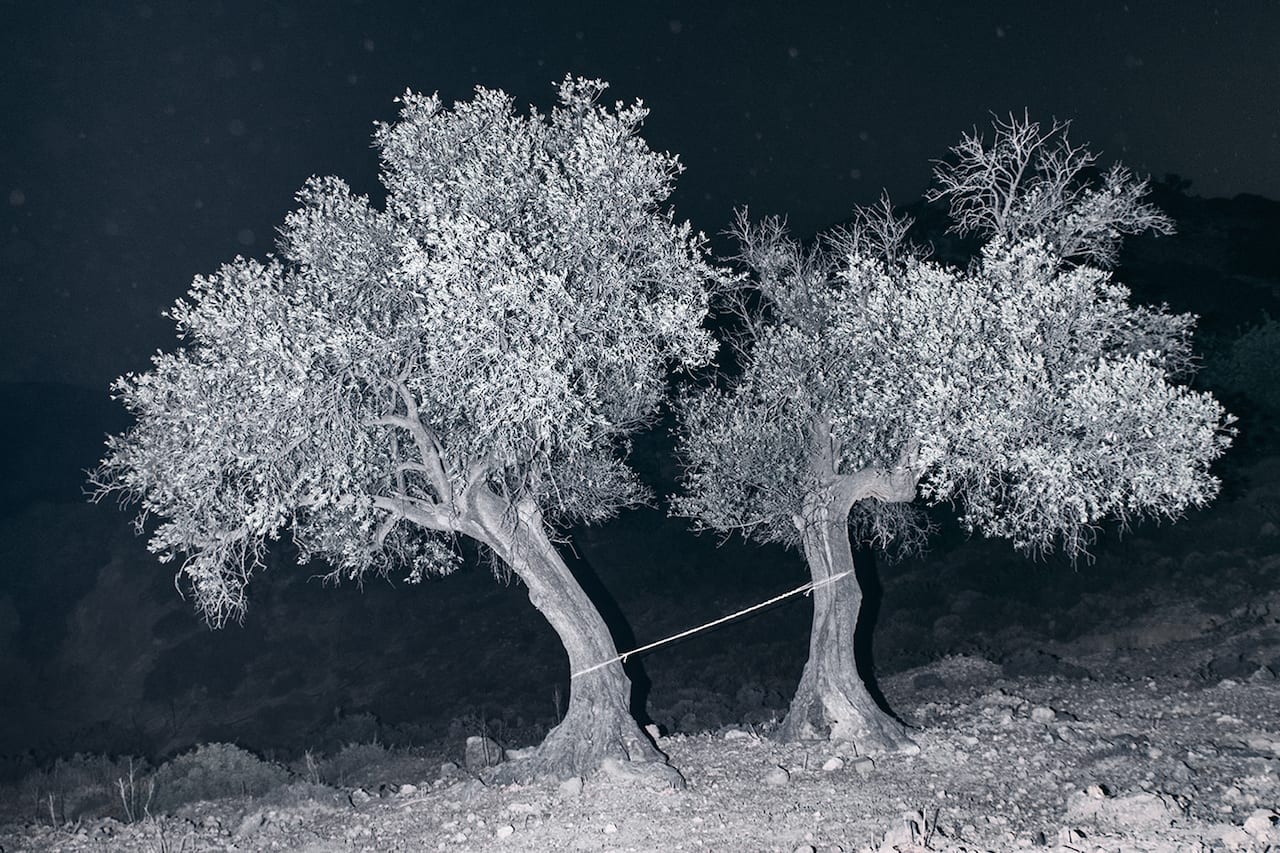
“I believe that collective memory and individual experience, politics and personal beliefs, are interrelated,” says Yorgos Yatromanolakis, and it’s easy to see why. Born in Crete in 1986, he got into photography in December 2008 because he wanted to document the riots that broke out in Greece after a 15 year-old, Alexandros Grigoropoulos, was shot dead by the police. Shot in grainy black-and-white and printed by Yatromanolakis, the resulting images were later self-published as a book, Roadblock to Normality.
“Roadblock to Normality is a small, personal, but at the same time collective notebook emanating from my participation in political and social movements in my country,” says Yatromanolakis. “It certainly captures, in a subjective way, some critical political events.”
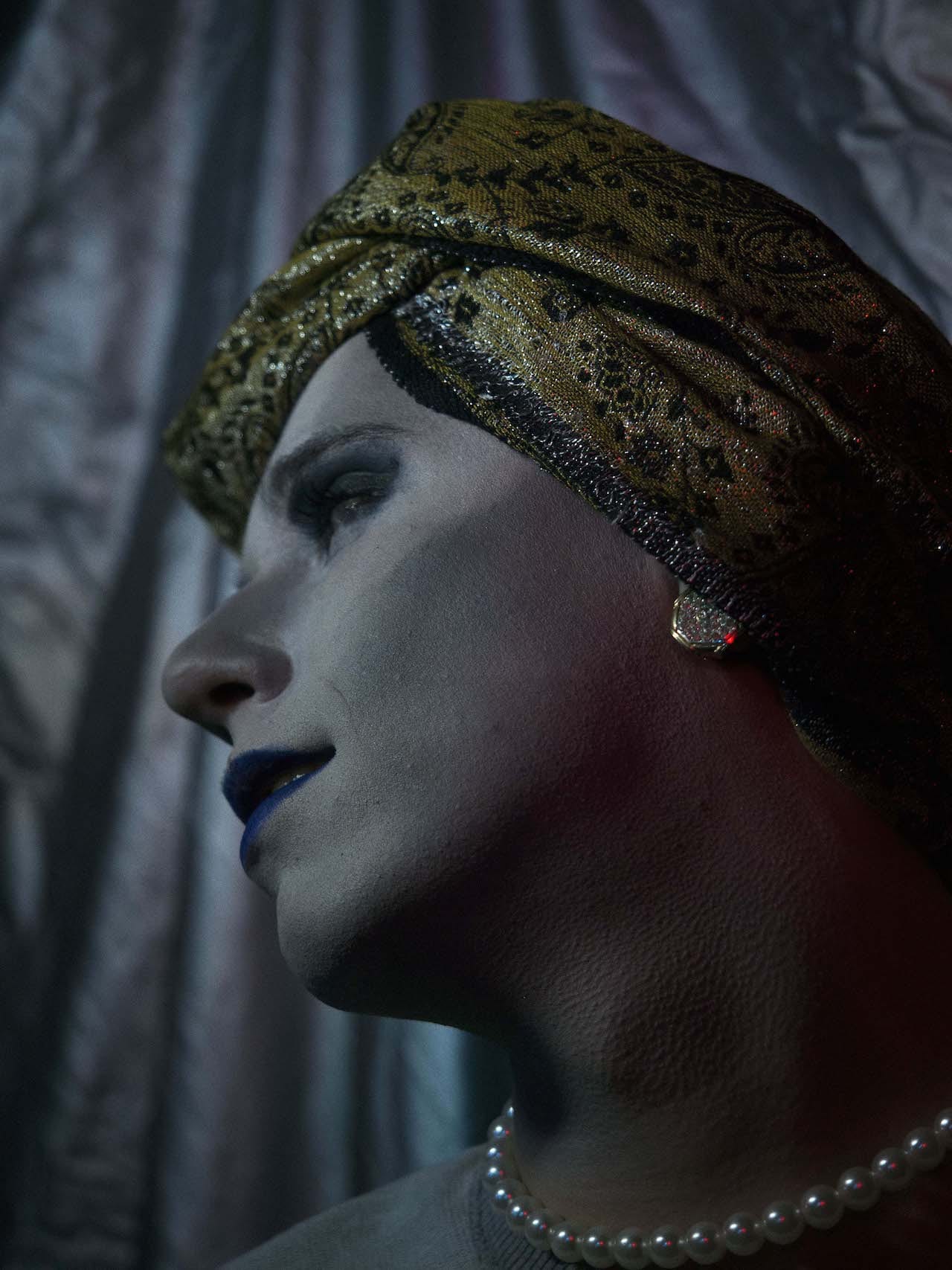
27-year-old photographer Valentina Neri’s first book, Almanacco Toilet Club, is playful and bold – just like her subjects. Shot between 2014-2016 in one of Milan’s most important gay clubbing spots, Almanacco Toilet Club captures the scene’s colourful atmosphere and eccentric characters. BJP catches up with Neri about the book’s experimental design, her process, and Milan’s LGBT community.