
Photobook

Evolution of the Photobook Belge

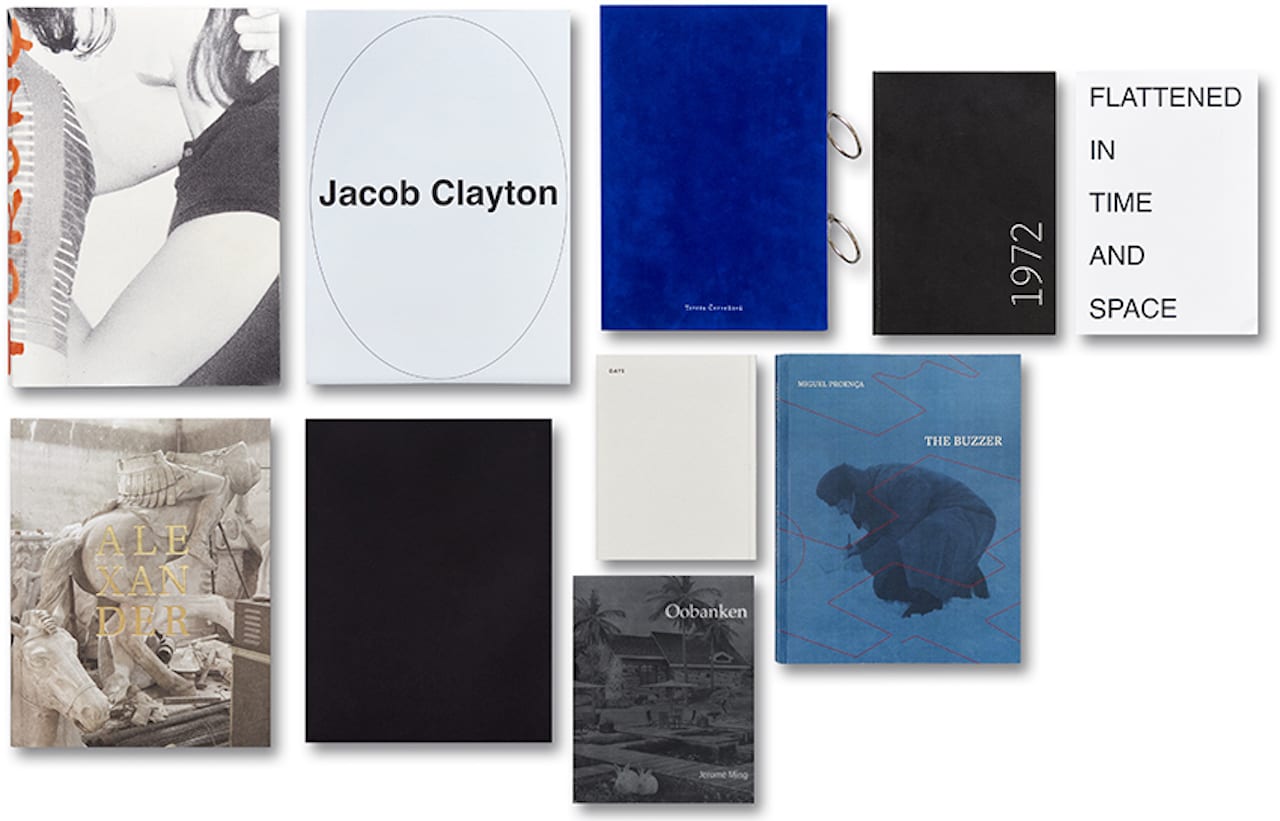
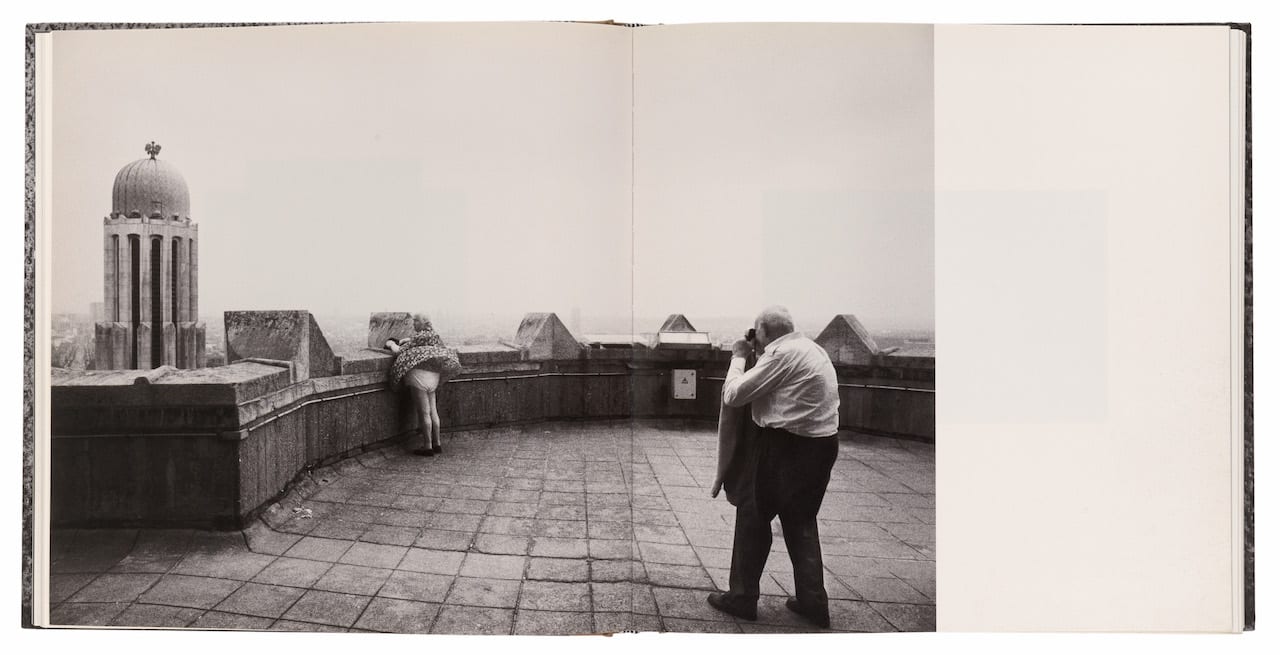
“To date, hardly any research has been conducted into Belgian photobooks,” opens the exhibition Photobook Belge, now on show at FOMU and published as a book by FOMU in partnership with Hannibal. “Photobook Belge provides an overview of the evolution of the Belgian photobook from the mid-19th century to today.”

Including nearly 250 publications, Photobook Belge is divided into eight chapters, looking at areas such as Artists’ Books, Belgian national identity, and the relationship between text and images. Belgium’s brutal colonisation of the Congo, its subsequent relationship with the country, and its often problematic representation of it in images, is given a whole chapter. “Many of the photobooks published since the 50th anniversary of [Congo’s] independence in 2010 oscillate between a more or less overt nostalgia, Afro-pessimism and an aesthetic of ruins,” states the curator Tamara Berghmans. “Most are still the result of a white, male gaze.”
1 March 2019

The Unwanted: homeless in America

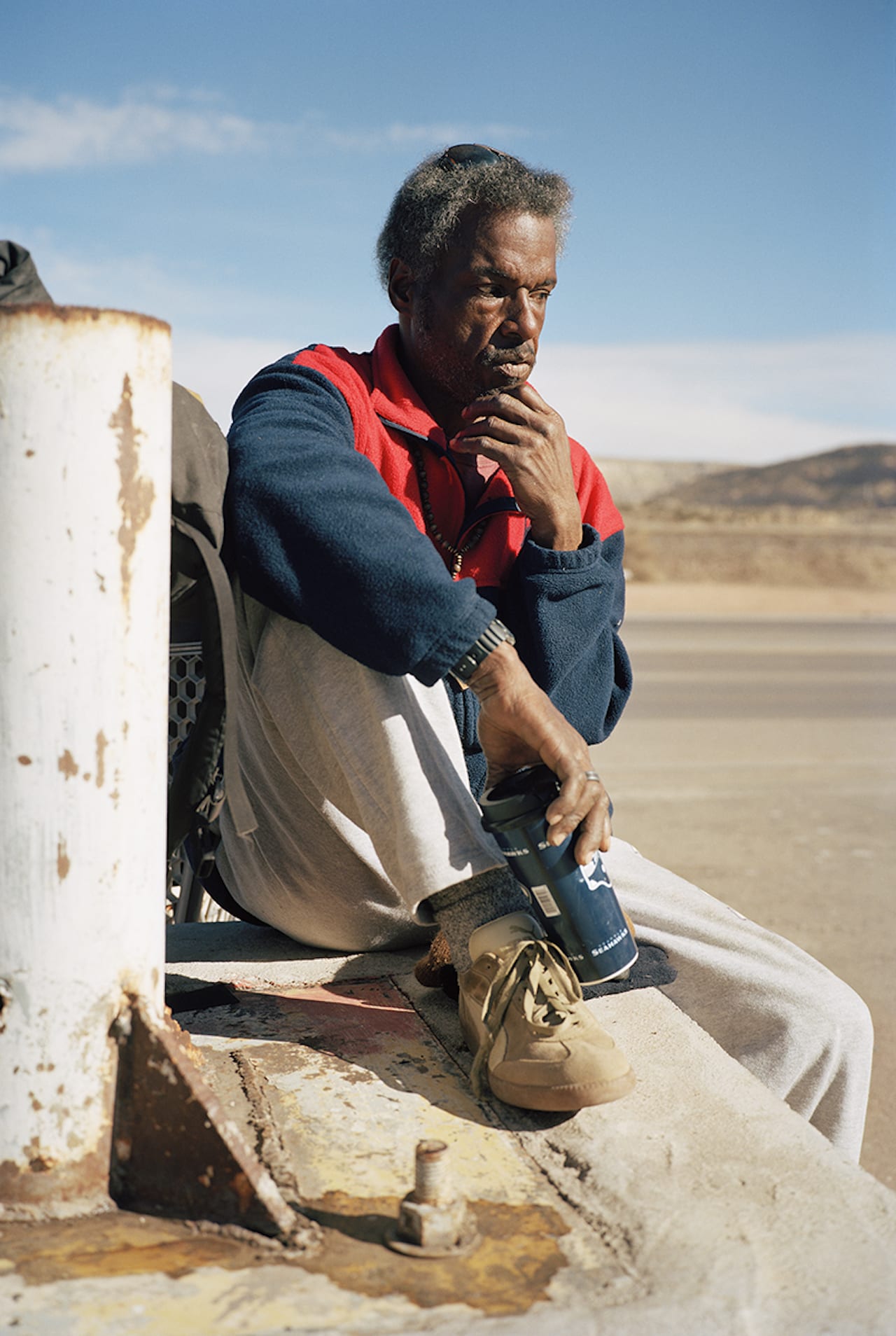
“If we don’t look at them, or if we try to sanitise it, then it’s not honest to this brutal experience of being homeless,” says Danish photographer Thilde Jensen, who is currently raising funds to publish an impressive four year project on homelessness in America, The Unwanted. Shot over four years in four American cities – Syracuse, Gallup, Las Vegas, and New Orleans, Jensen is currently raising funds on kickstarter to publish the project as a book, which will include 120 colour images, as well as a poem by Gregory George – a homeless man she met in New Orleans – and an essay by Gerry Badger.

28 February 2019

Natascha Libbert’s I went looking for a ship

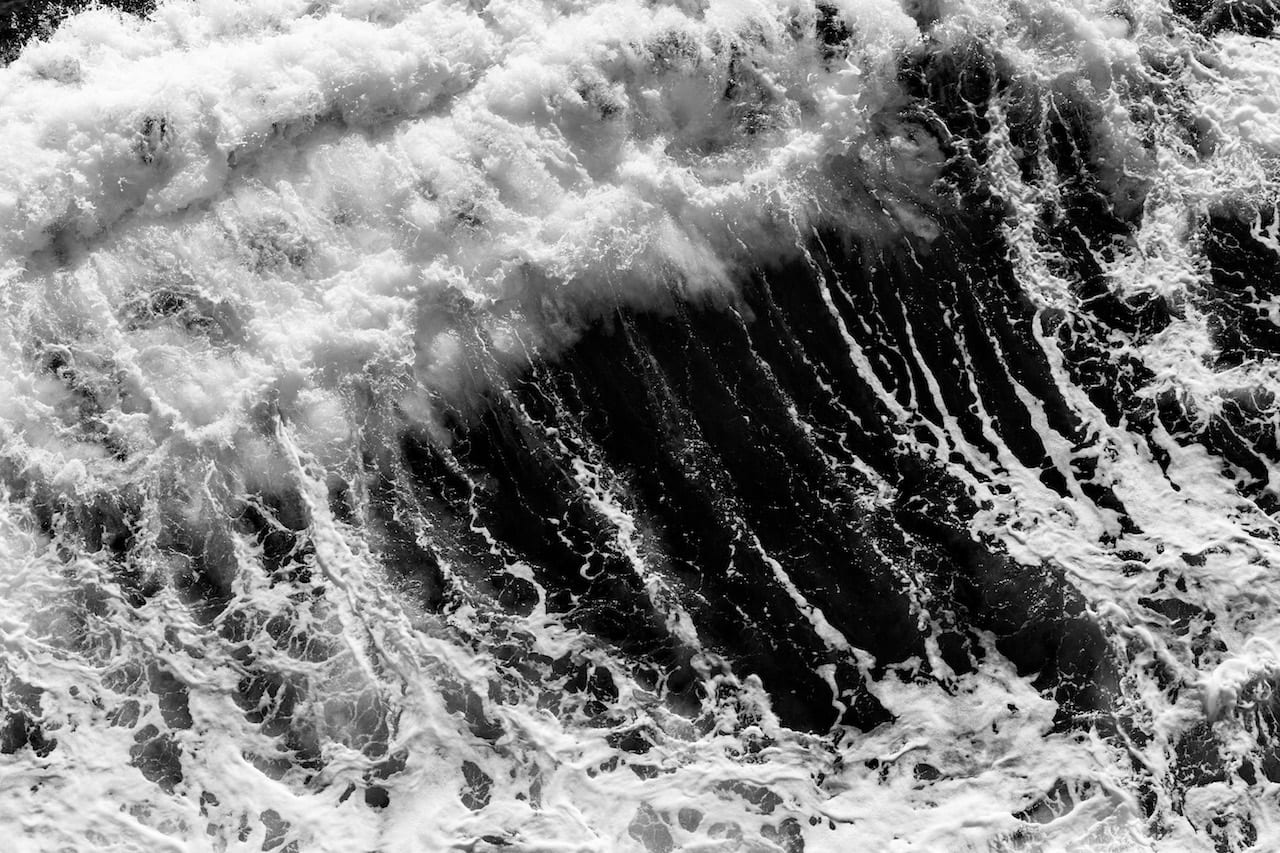
In 2016, Natascha Libbert was commissioned to photograph the sea locks of IJmuiden – large constructions which allow ships and boats access to the Dutch port, and which are therefore of tremendous importance to the economy of the Netherlands, and in particular the port of Amsterdam further downriver. But while they’re important, they’re not necessarily exciting photographic subjects, and some of what makes them significant is hard to pin down visually – as is shown by the phrases and thoughts that the Dutch photographer jotted down in her notebook while working on the project, such as “man-made landscape”, “90 per cent of all trade is transported by sea”, and “at sea, the brain receives 85 per cent less information than on land”.

27 February 2019

Mona Kuhn’s abstraction of being

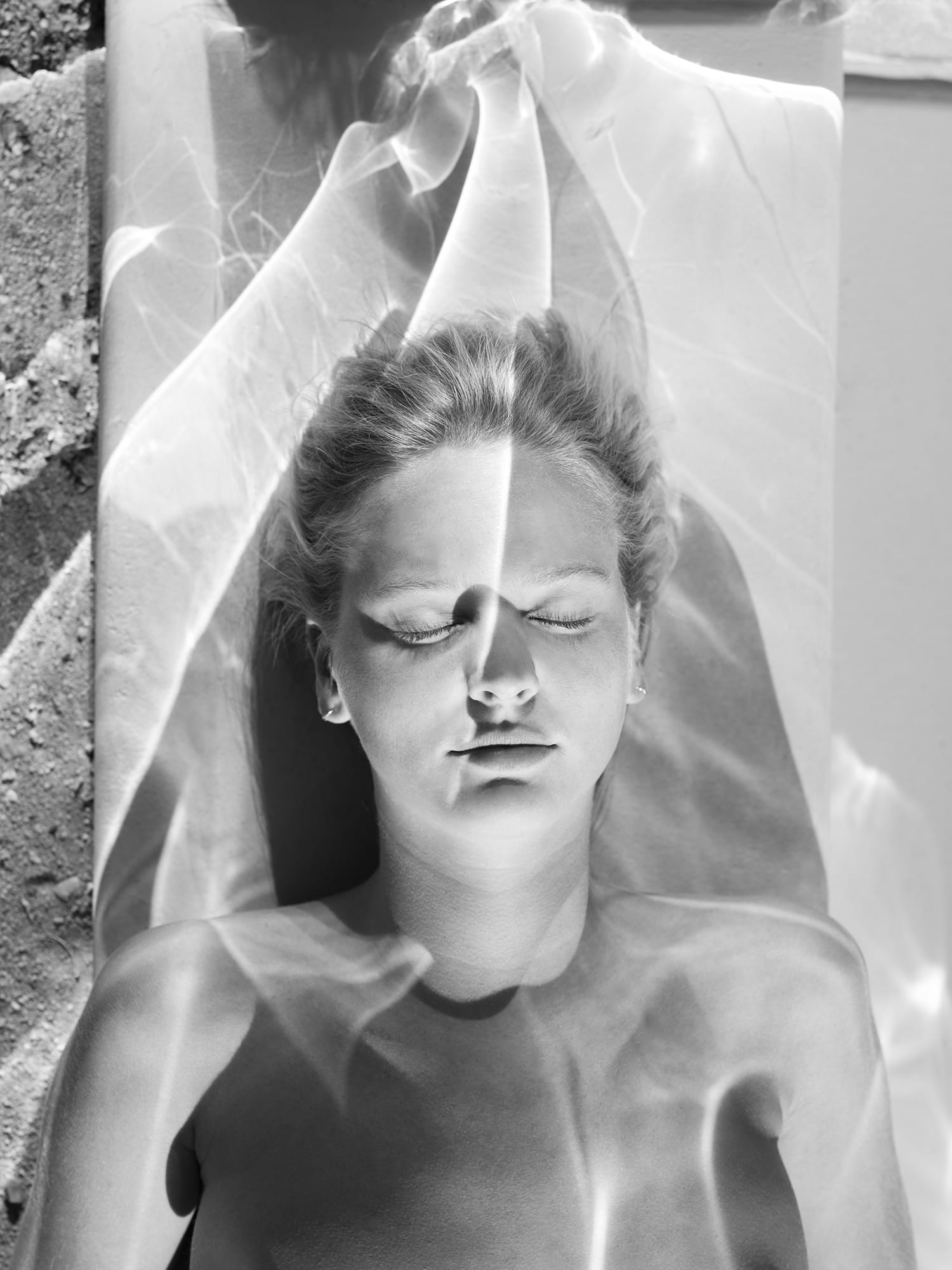
“I got into photography because I’m a little restless, and I liked that it was fast,” says Brazilian photographer Mona Kuhn, who has just published her sixth book with Steidl, She Disappeared Into Complete Silence. Even so, the speed of photography haunted her, as Kuhn feared that her photographs would be consumed then discarded – like so many of the magazines she read and tossed away. “I wanted to stop time with photography,” she says. “That’s another reason I got into nudes, for the timeless aspect.”

She Disappeared Into Complete Silence is an experimental project shot in Acido Dorado, a reflective house in the middle of the Californian desert designed by American architect Robert Stone. Inside it are mirrored ceilings and walls, which refract sheets of golden desert light that flood the house. Here, Kuhn presents a solitary nude on the edge of the desert, removed from any symbols of time, creating “an abstraction of being,” and “a space where our mind resides”. 

22 February 2019

Obituary: Xavier Barral, publisher, 1955-2019

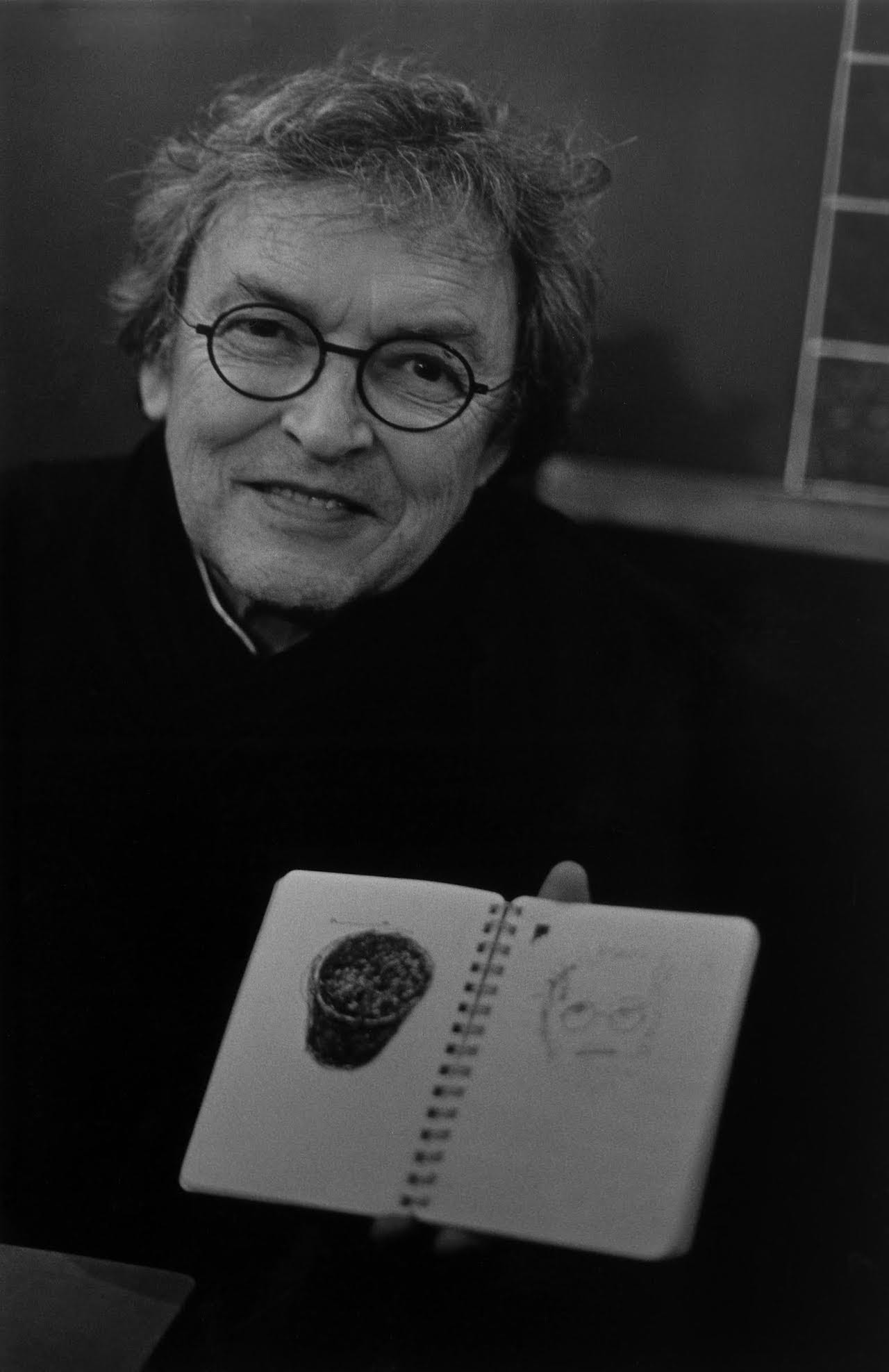
Xavier Barral, the award-wining publisher behind Éditions Xavier Barral, has died suddenly, at home in Paris on 17 February. Éditions Xavier Barral was behind books such as Antoine D’Agata’s Anticorps in 2013, a joint publication with Le Bal which won the Rencontres d’Arles Author’s Book Award; in 2015 another Éditions Xavier Barral/Le Bal co-publication, Images of Conviction: The Construction of Visual Evidence by Eyal Weizman, won the Paris Photo-Aperture Foundation Photography Catalogue of the Year.

20 February 2019

Jasper by Matthew Genitempo

Photographed in the forests and mountains of the Ozarks, Matthew Genitempo’s first book, Jasper, published by Twin Palms, is a poetic exploration of the American landscape and the people who seek peace within its grasp, filled with an emotional range that is hard to pin down. Completed as his graduate thesis for an MFA at the University of Hartford in Connecticut, it’s the first major project he’s fully completed, and a gear shift towards leading from his gut.

“I was making photographs of the American Southwest, and Jasper [named after the town in Arkansas where many of the pictures were made] began when I abandoned all that work,” he says from his home in the west Texas town of Marfa. “I had been making photographs that were preconceived, but I wanted to make pictures that were leading with my eyes and my instincts.

13 February 2019

Colour pioneer Luigi Ghirri’s The Map and the Territory

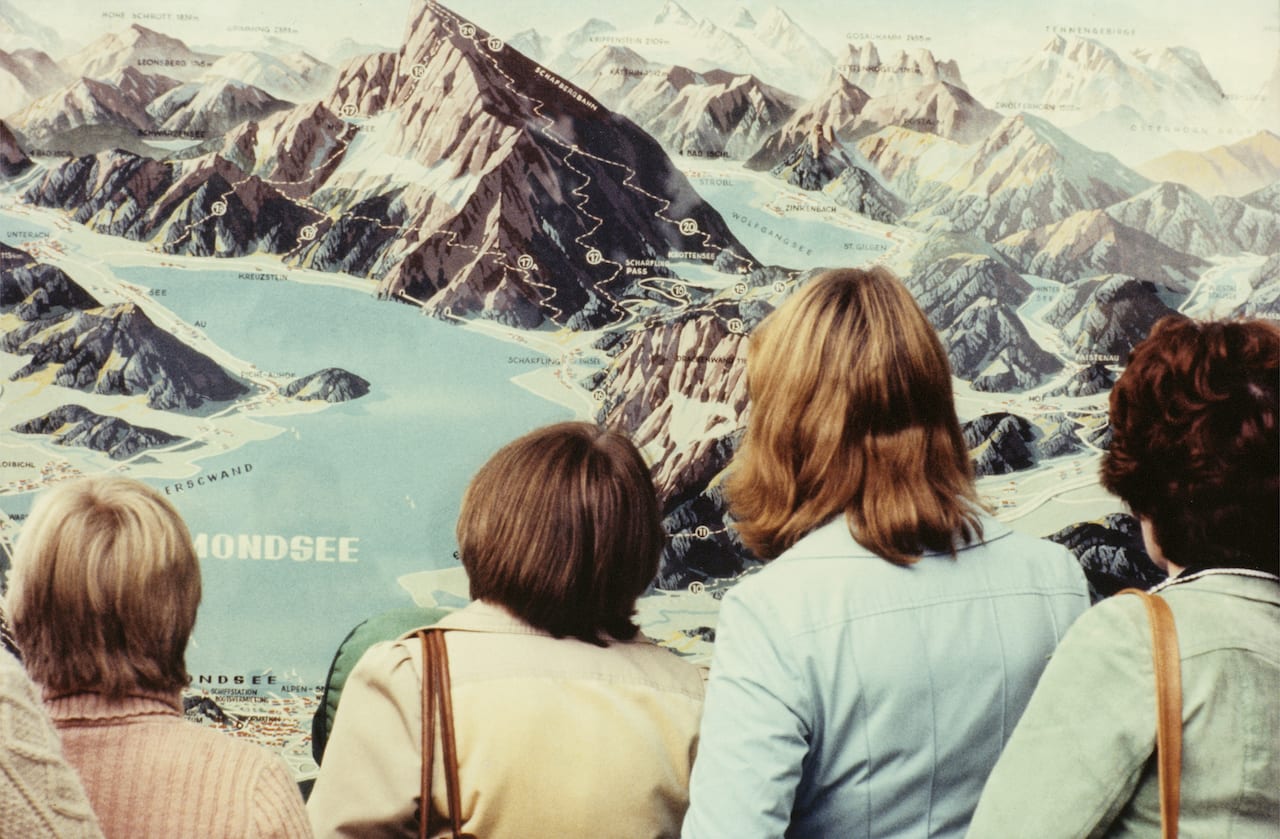
“My aim is not to make PHOTOGRAPHS, but rather CHARTS and MAPS that might at the same time constitute photographs,” writes photographer and prolific writer on his craft, Luigi Ghirri in his 1973 essay, Fotografie del periodo iniziale. Trained as a surveyor, the iconography of maps and atlases prevail Ghirri’s photography. “But what if you map his work?” asks curator James Lingwood. “He was, in a way, mapping the changing topography of modern life in Europe in the 1970s and also the change in the relationship between people and images.”

13 February 2019

Q&A: Paul Thulin’s Pine Tree Ballads

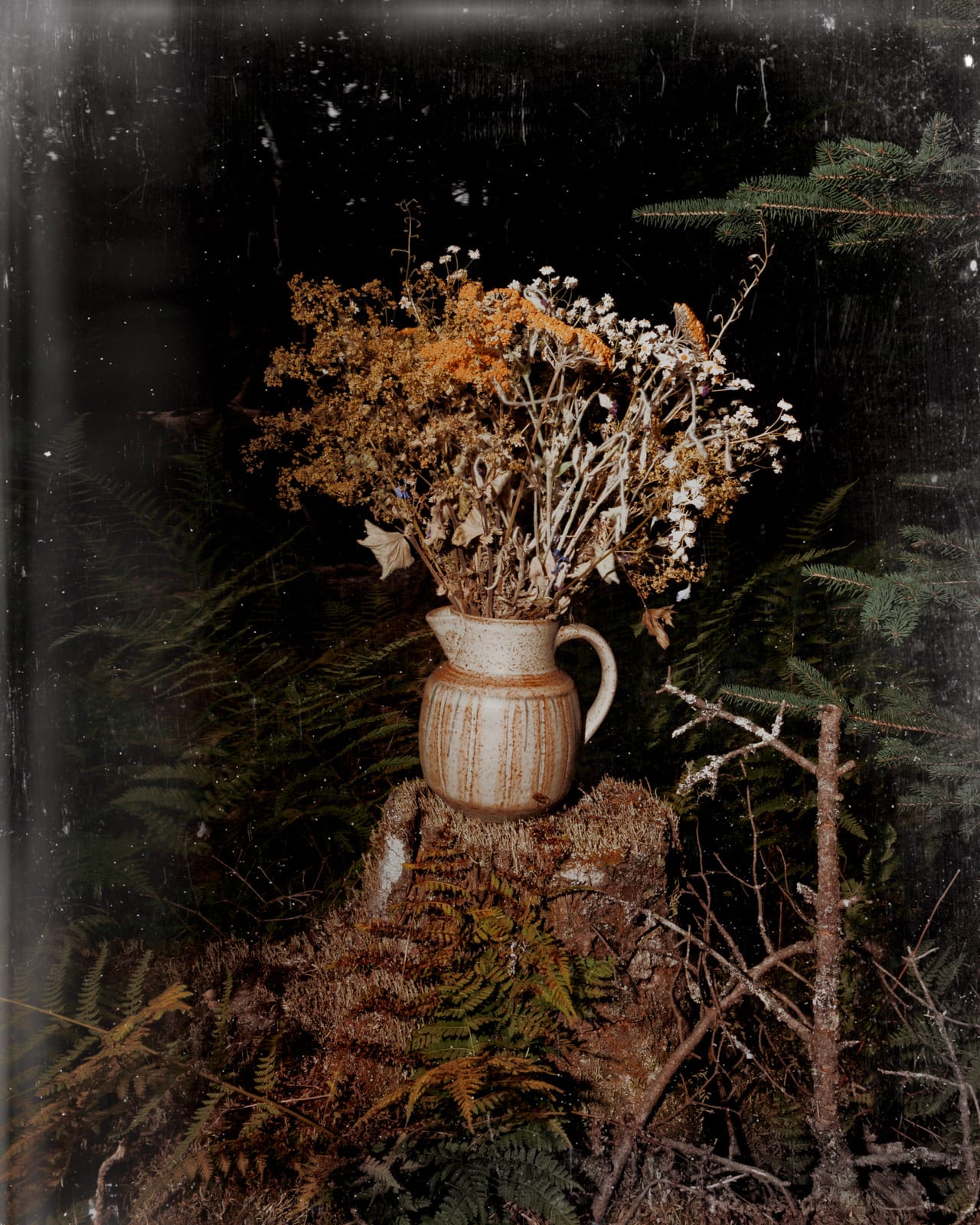
In the early 1900s, Paul Thulin’s great-grandfather settled on the coast of Maine, reminded of his homeland of Sweden. Thulin’s family has returned to Gray’s Point each summer ever since, and Thulin has been working on a project there, called Pine Tree Ballads, for over a decade. Initially inspired by his grandfather’s photographs, he hopes it has “a subtext of struggle and hope that mirrors my narrative sense of self and heritage”.

BJP: How did you first get into photography?
PT: My journey into photography started as a way to rebel against my growing contempt and frustration with the limits of language to effectively communicate. In 1996, I returned from a stressful year of studying Philosophy in a Master’s program at Syracuse University and I remember wanting to escape into the mountains to possibly join a Zen monastery. I wanted to meditate and remain silent in an effort to really just experience the world.

This desire led me to discover the writings and images of photographers Minor White, Frederick Sommer, and Emmet Gowin, as their mystical and spiritual use of photography intrigued me. Before I knew it, I borrowed a 35mm camera to try to make meaningful images of my own and I was hooked.

13 February 2019