

The Madrid-based photography correspondent reports on the Spanish top five of 2017 – including Álvaro Laiz’s The Hunt
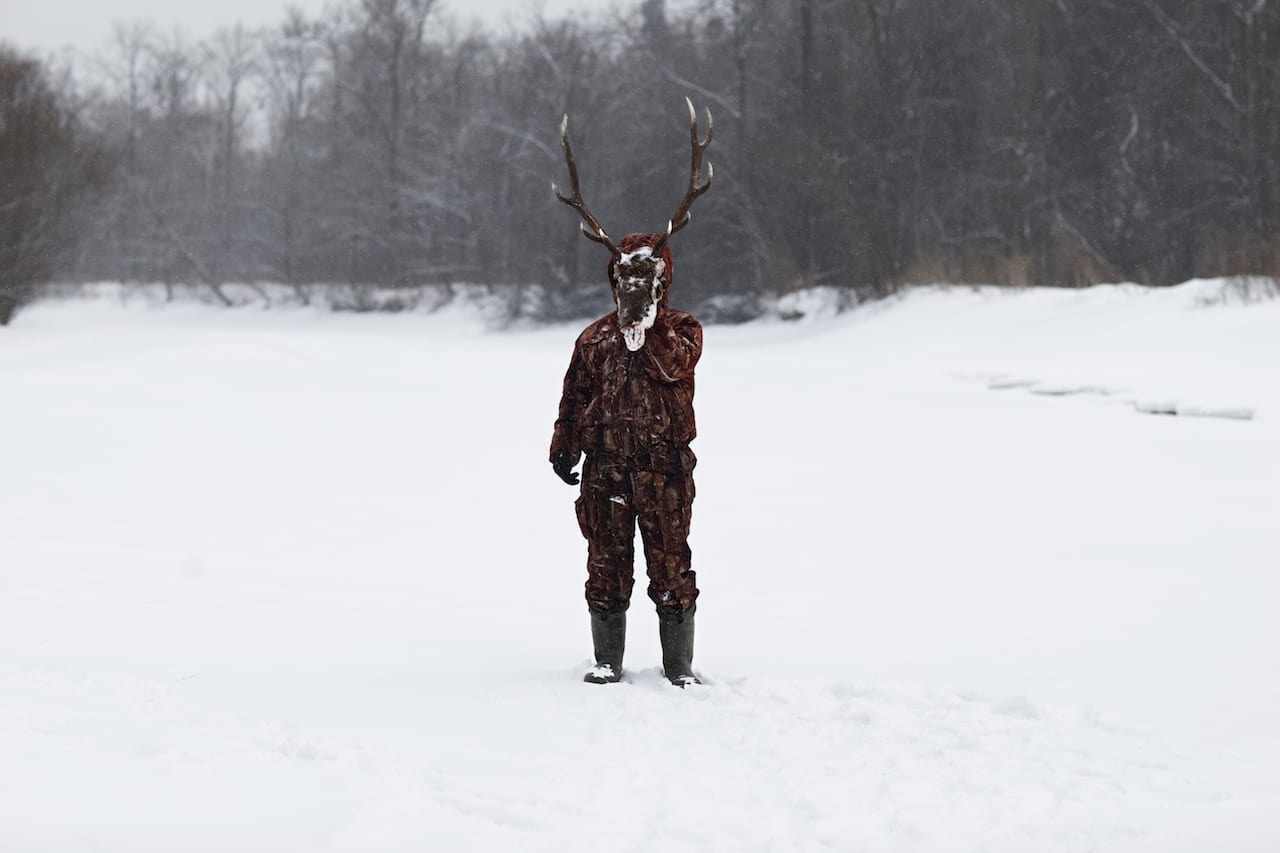
The Madrid-based photography correspondent reports on the Spanish top five of 2017 – including Álvaro Laiz’s The Hunt
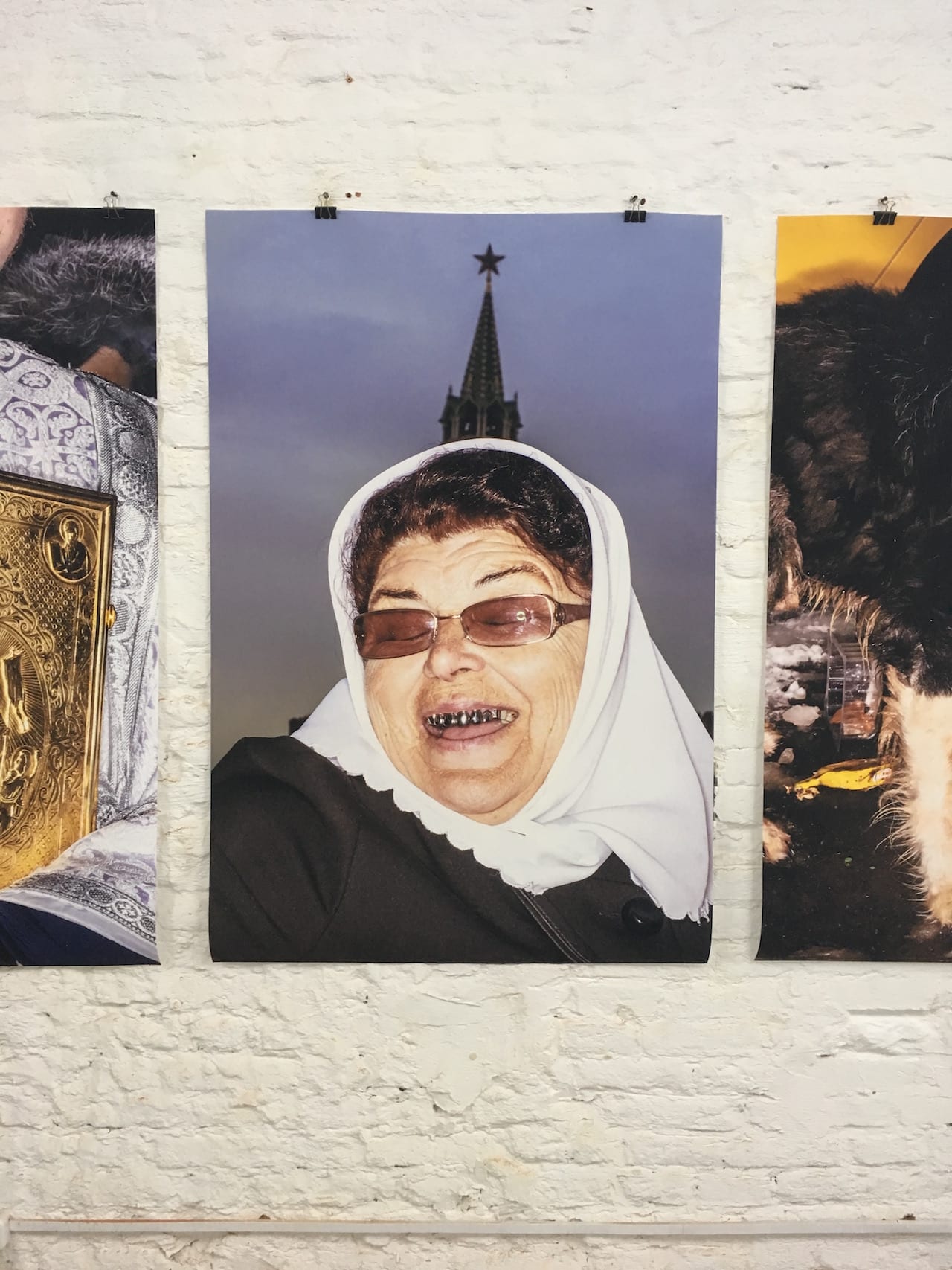
Nadya Sheremetova and Yury Gudkov from the St Petersburg-based photography gallery, publishing house, and creative hub pick out their top five of 2017 – including the second edition of FotoDepartament’s Presence festival
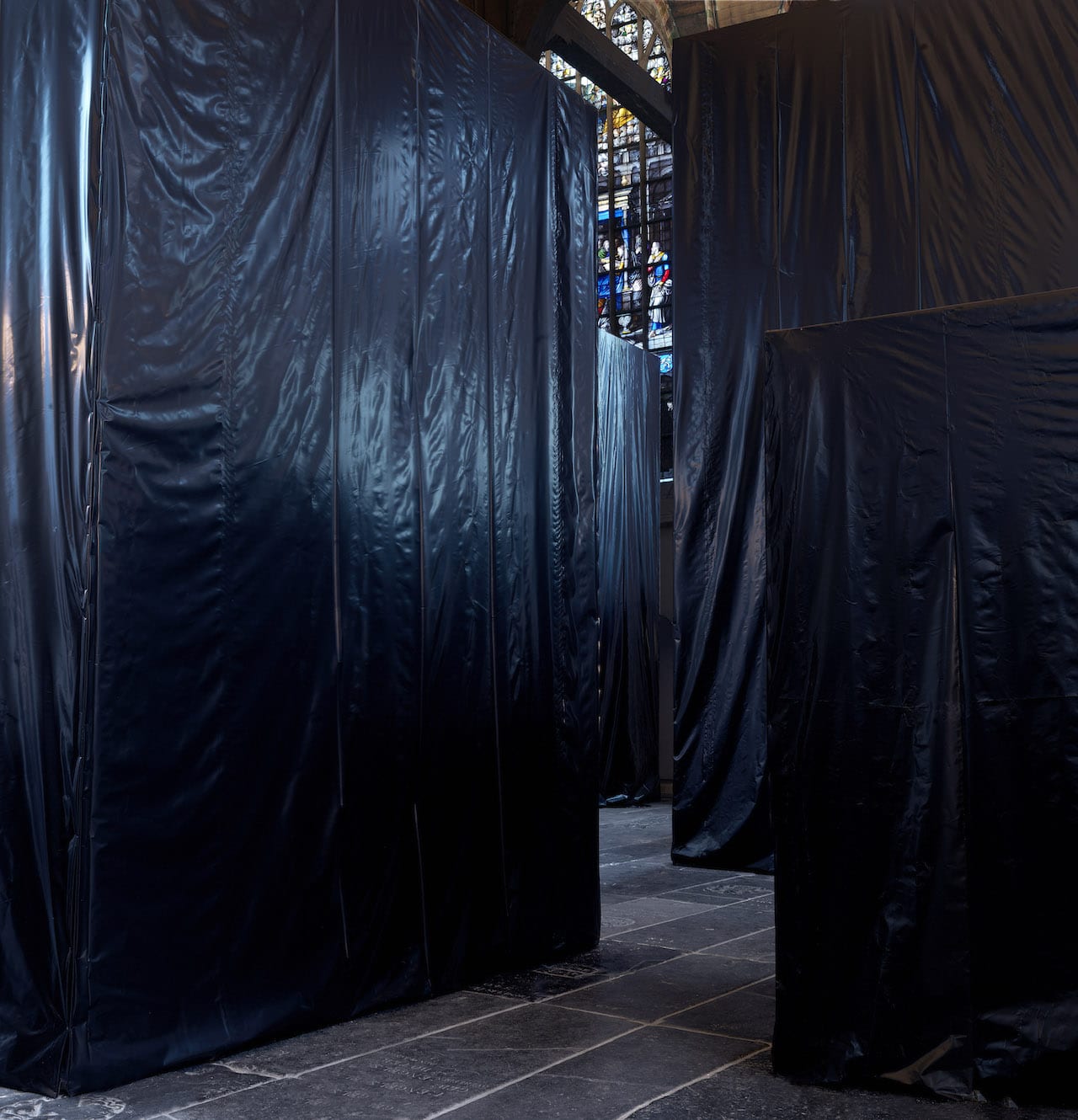
Christian Boltanski’s After in Amsterdam’s Oude Kerk This recently-opened exhibition in the Oude Kerk in…
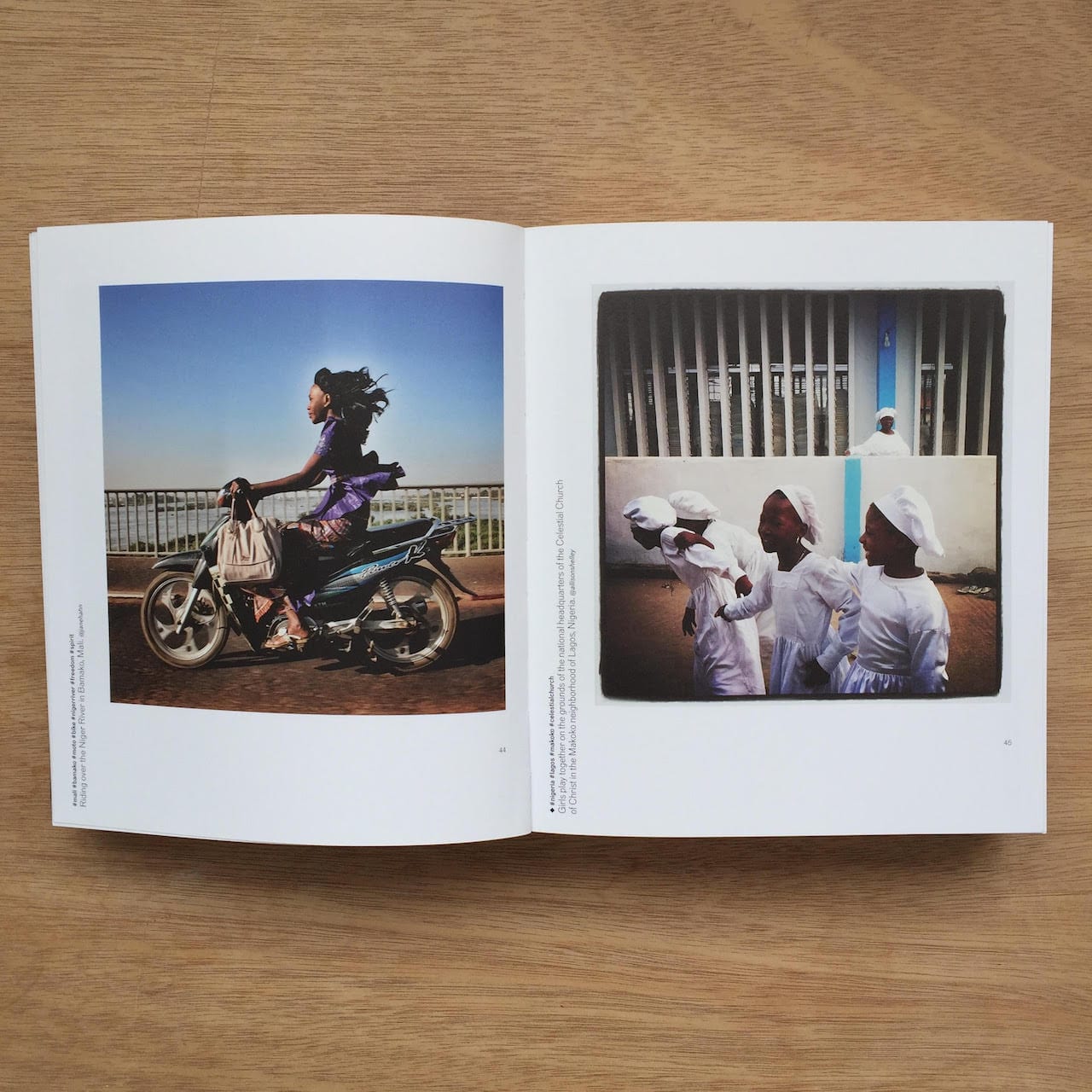
The Washington Post picture editor picks out his top five of 2017 – including Peter DiCampo and Austin Merrill’s Everyday Africa photobook
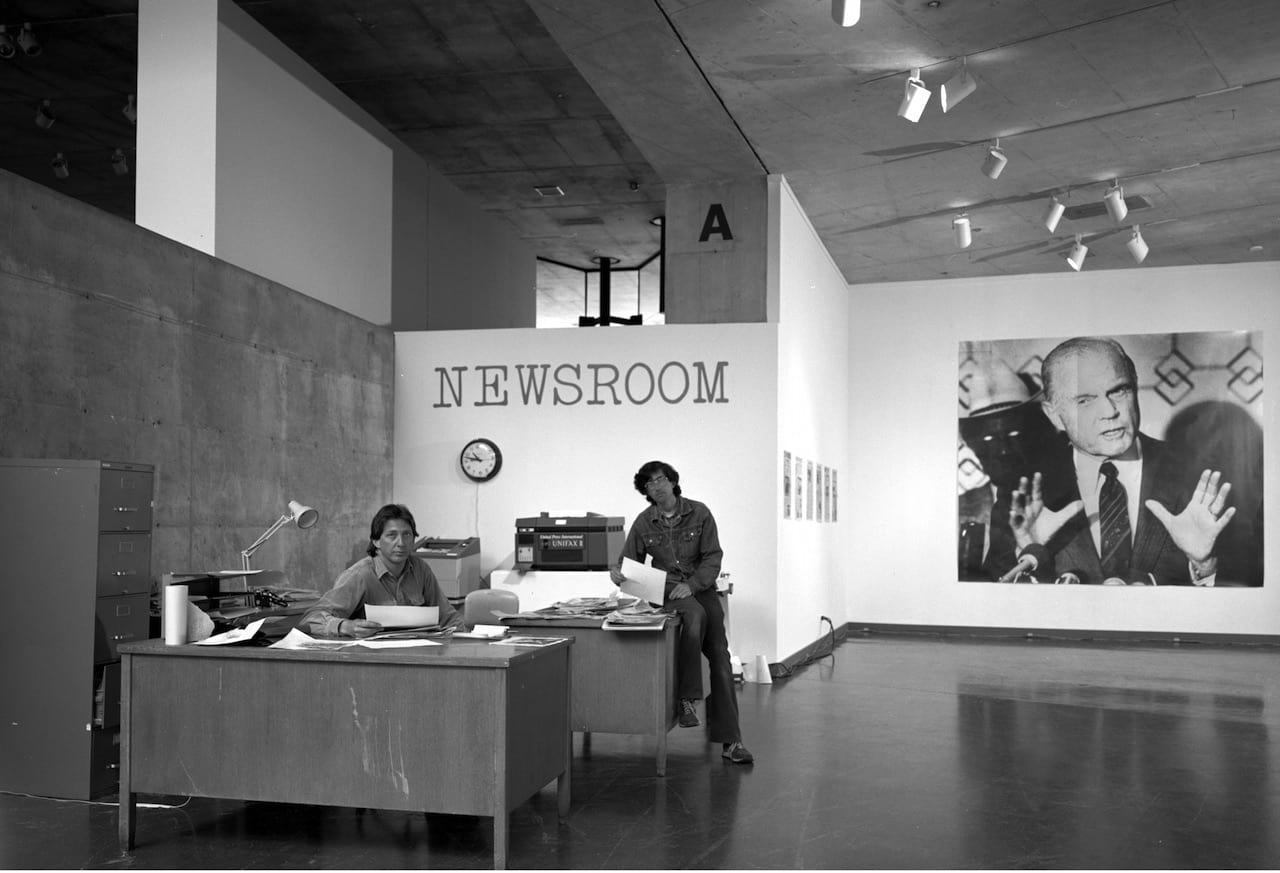
The curator, writer, and creative consultant picks out her top five of 2017 – including Jason Fulford’s Fake Newsroom, a contemporary spin on Larry Sultan and Mike Mandel’s 1983 performance
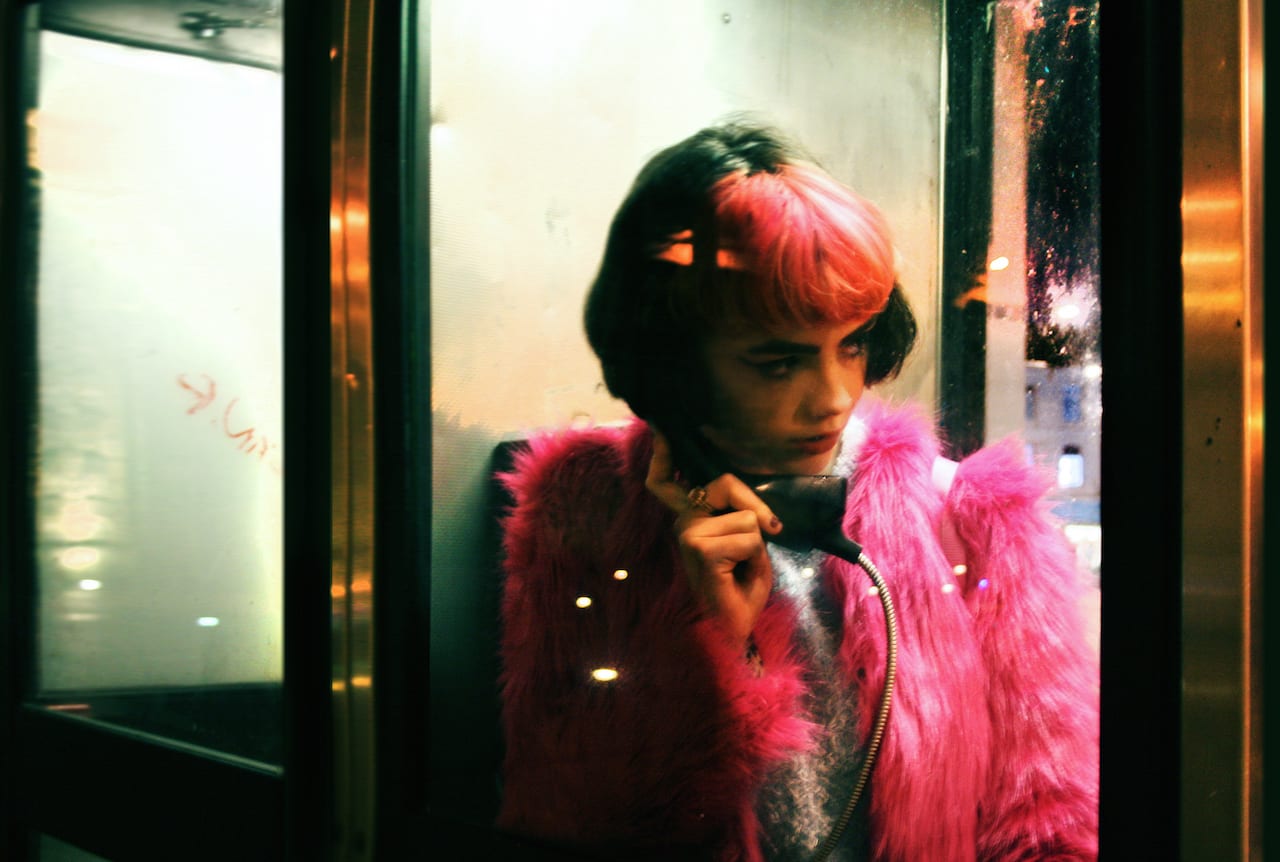
The founder of Firecracker and Global Business Development Manager of Magnum Photos picks out her top five of 2017 – including Megan Doherty’s Instagram feed
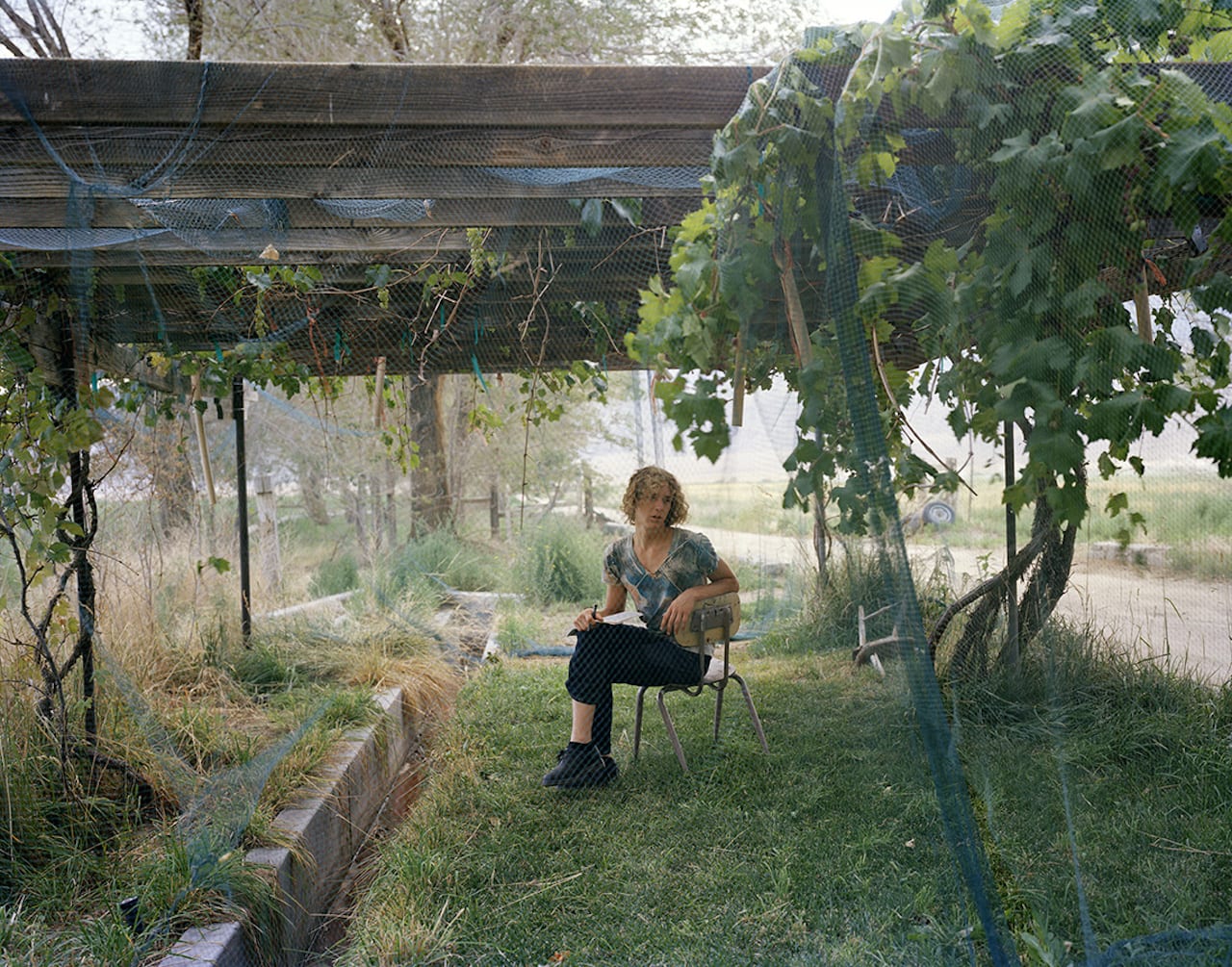
The British Journal of Photography’s editorial director picks out his top five of 2017 – including Sam Contis’ Deep Springs
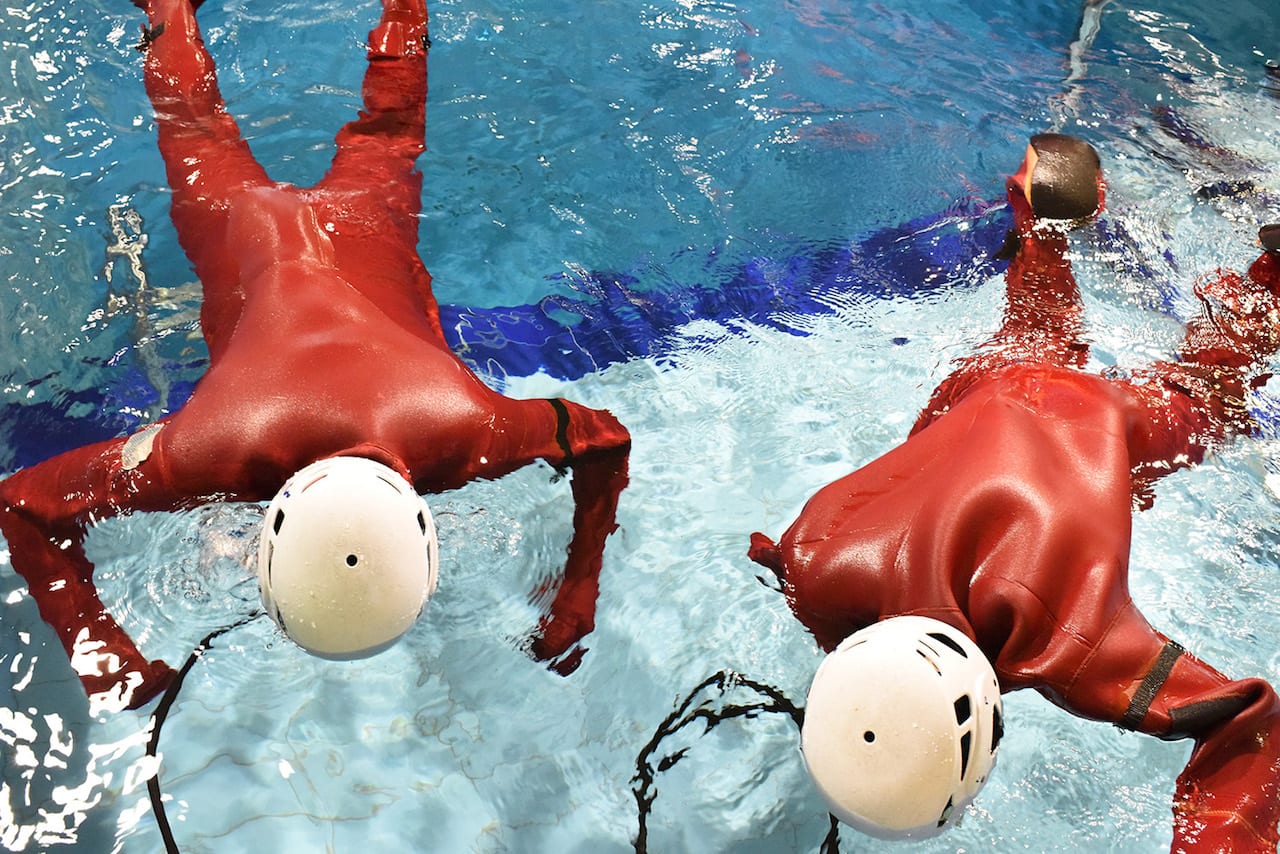
Vogue Italia’s picture editor picks out Monica Alcazar Duarte’s The New Colonists as one of her top five of 2017 – and throws in one more selection for luck
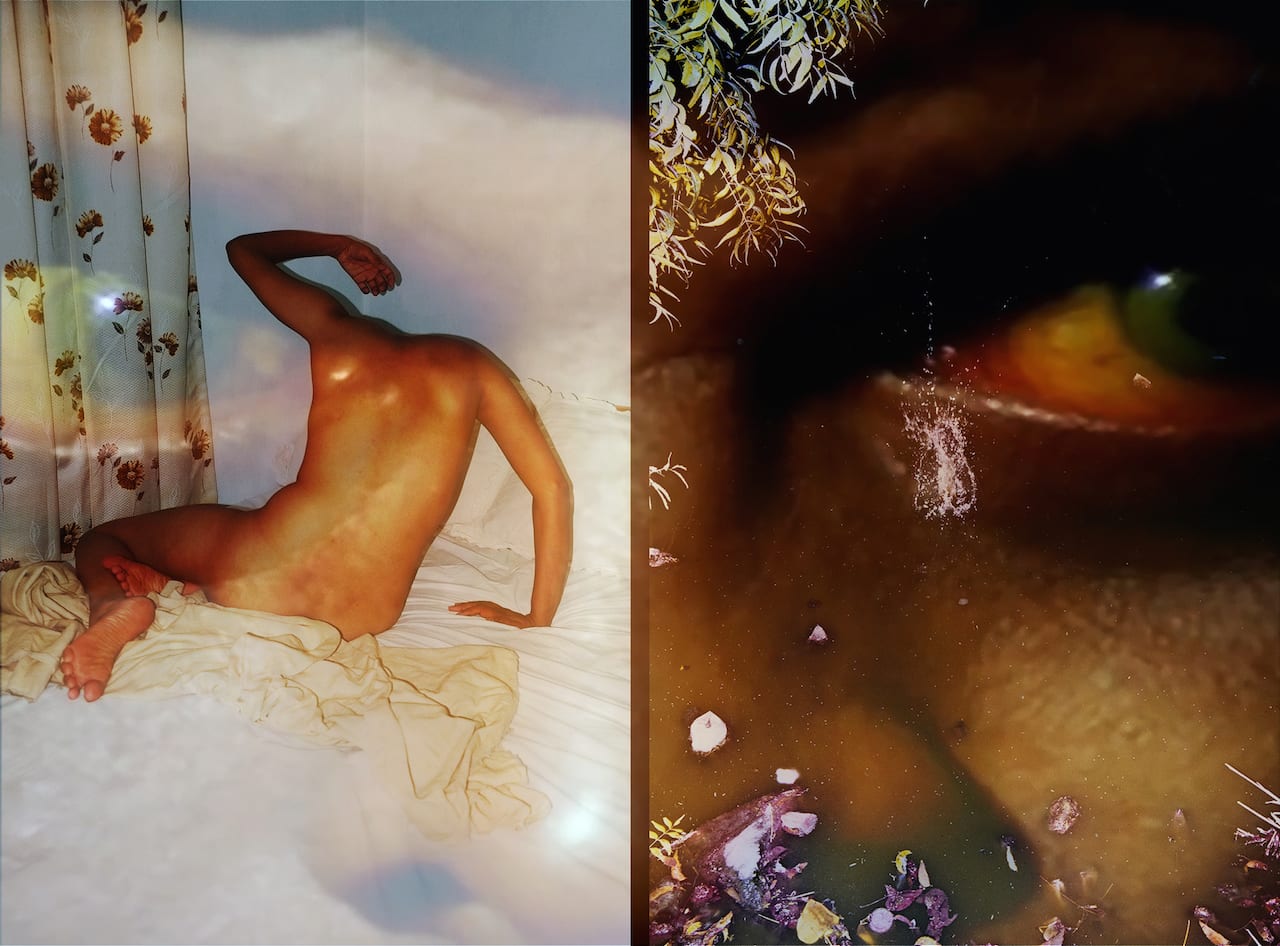
The Guardian’s photo critic picks out his top five of the year, including Sohrab Hura’s installation The Lost Head & The Bird at The Nines, London during Peckham 24
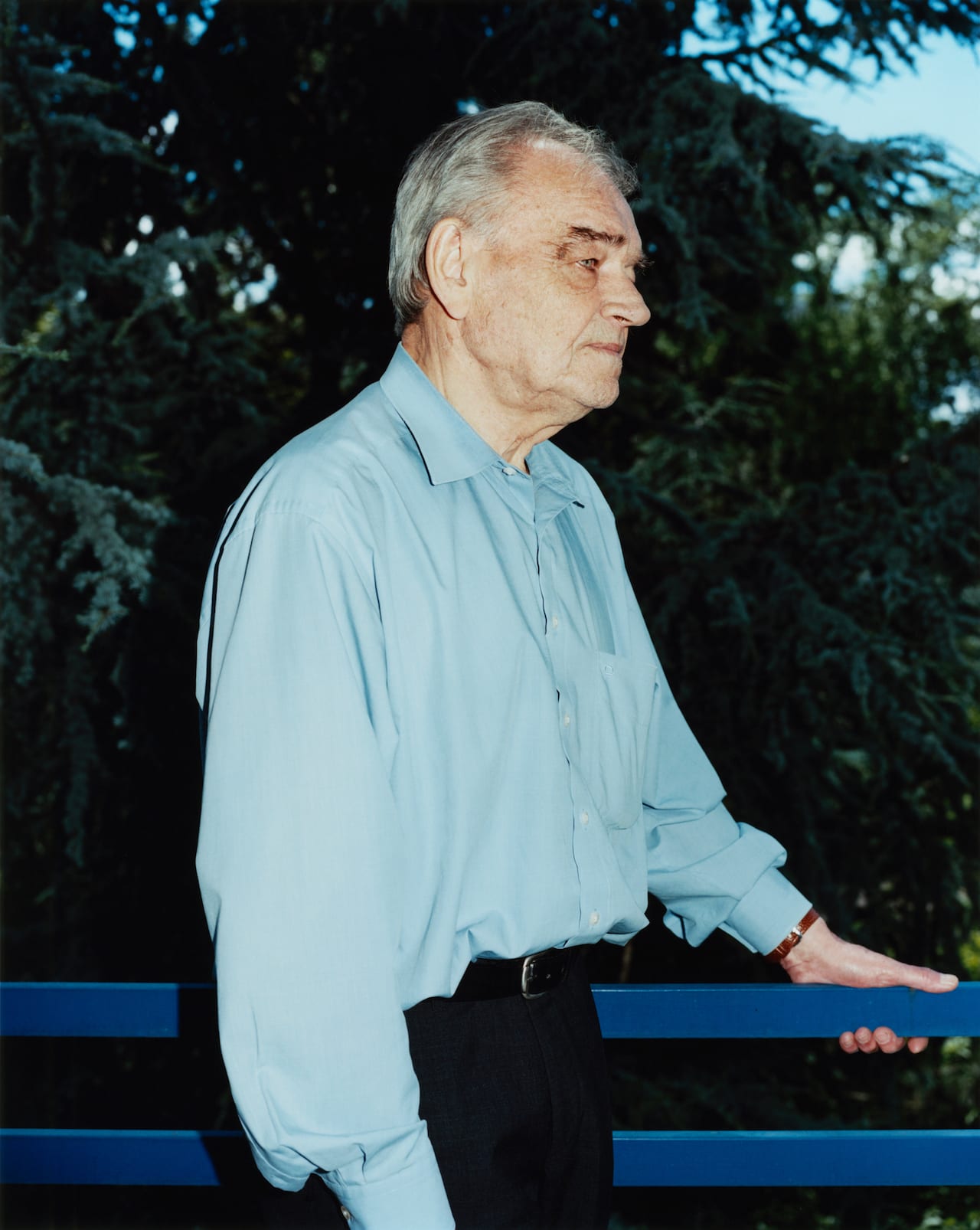
“I was born in 1968 in West Germany – that’s 23 years after 1945,” says…