
Photobook

BJP #7869: The Community Issue

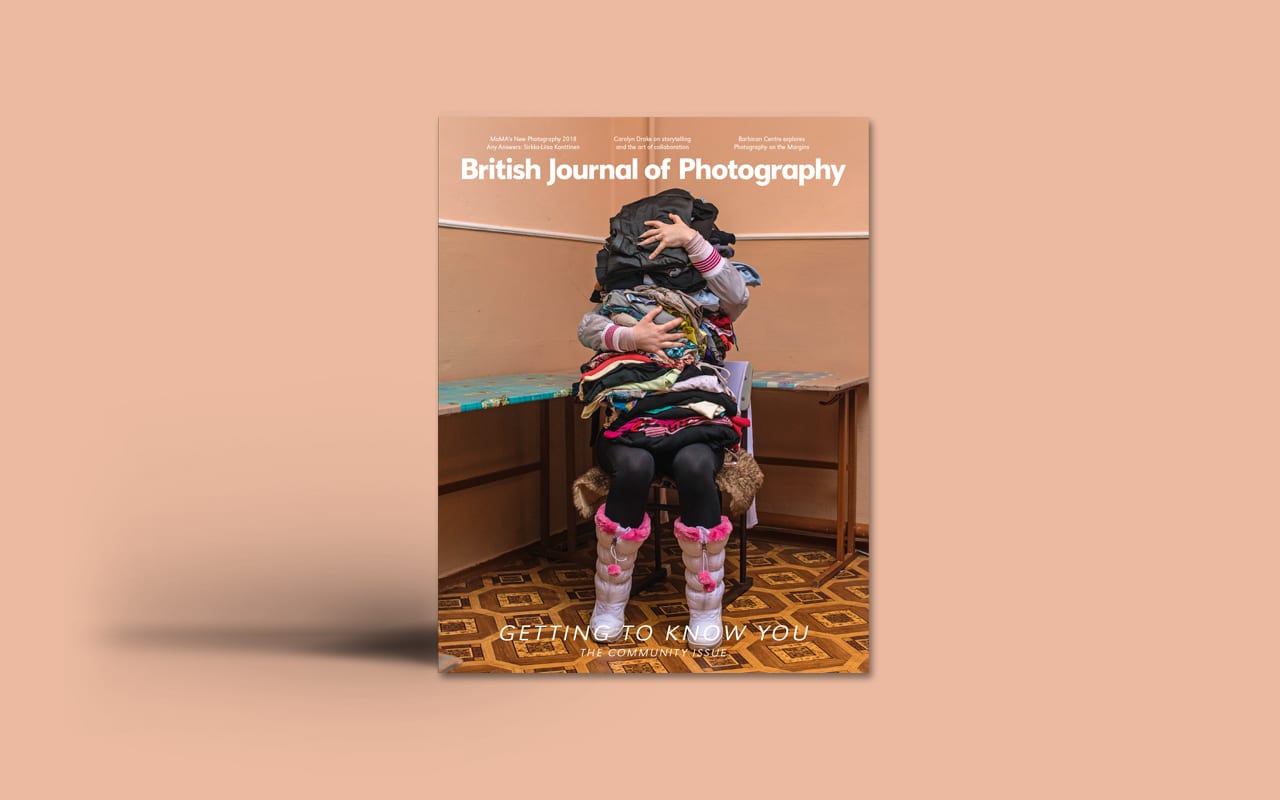
Last month BJP focused in on group work; this month we’re looking at a different kind of collaboration – projects in which photographers engage in a two-way dialogue with their subjects. One of the best – and the best-known – examples is Jim Goldberg, who works with subjects such as teenage runaways and migrants to tell wide-sweeping stories of marginalisation and economic disparity. Using an eclectic mix of photographs, archive materials and video, and both marking up himself and invites his subjects to write on, he creates complex montages guided by his sense of “intimacy, trust and intuition”. Incorporating the perspectives of the communities and subcultures he represents, his work is informed by his own background in a blue-collar family in New Haven.

7 February 2018

Q&A: Nicholas Bonner shows North Korea’s carefully-cultivated image

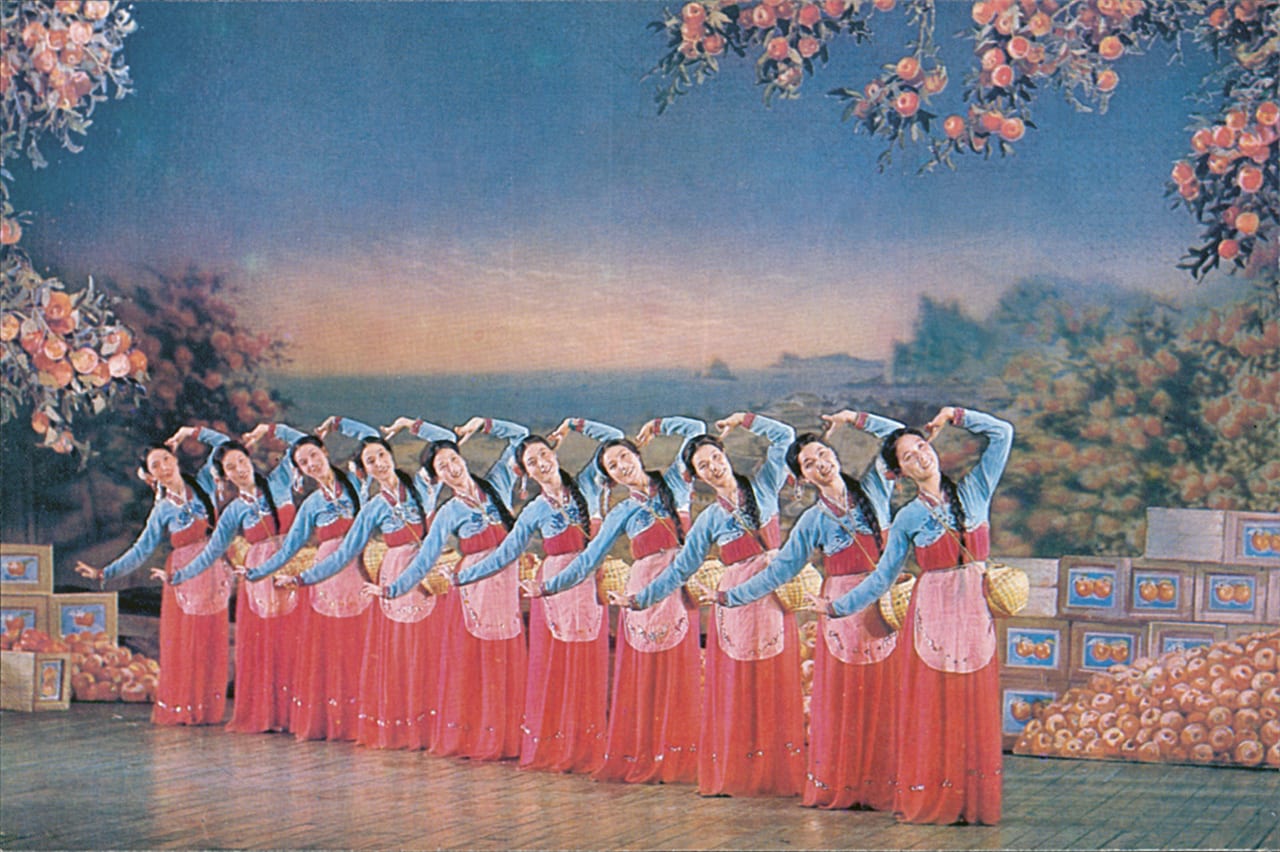
Nicholas Bonner first visited Korea in 1993, and since then has spent “most of my adult life involved in North Korea”. Now based in Beijing, he makes regular trips to the country with his company, Koryo Tours, and has also put together films and other cultural projects with North Korea with his other business, Koryo Studio. Bonner has collected ephemera from North Korea for nearly 25 years and recently published a book showcasing some of it with Phaidon, Made in North Korea: Graphics from Everyday Life. Featuring everything from metro tickets to stamps, postcards to luggage labels, tinned food labels to gift-wrap, it includes a healthy proportion of photographs made and disseminated by the DPRK. BJP  caught up with him to find out more. 

7 February 2018

A cult classic in the making – Eric Tabuchi’s Atlas of Forms

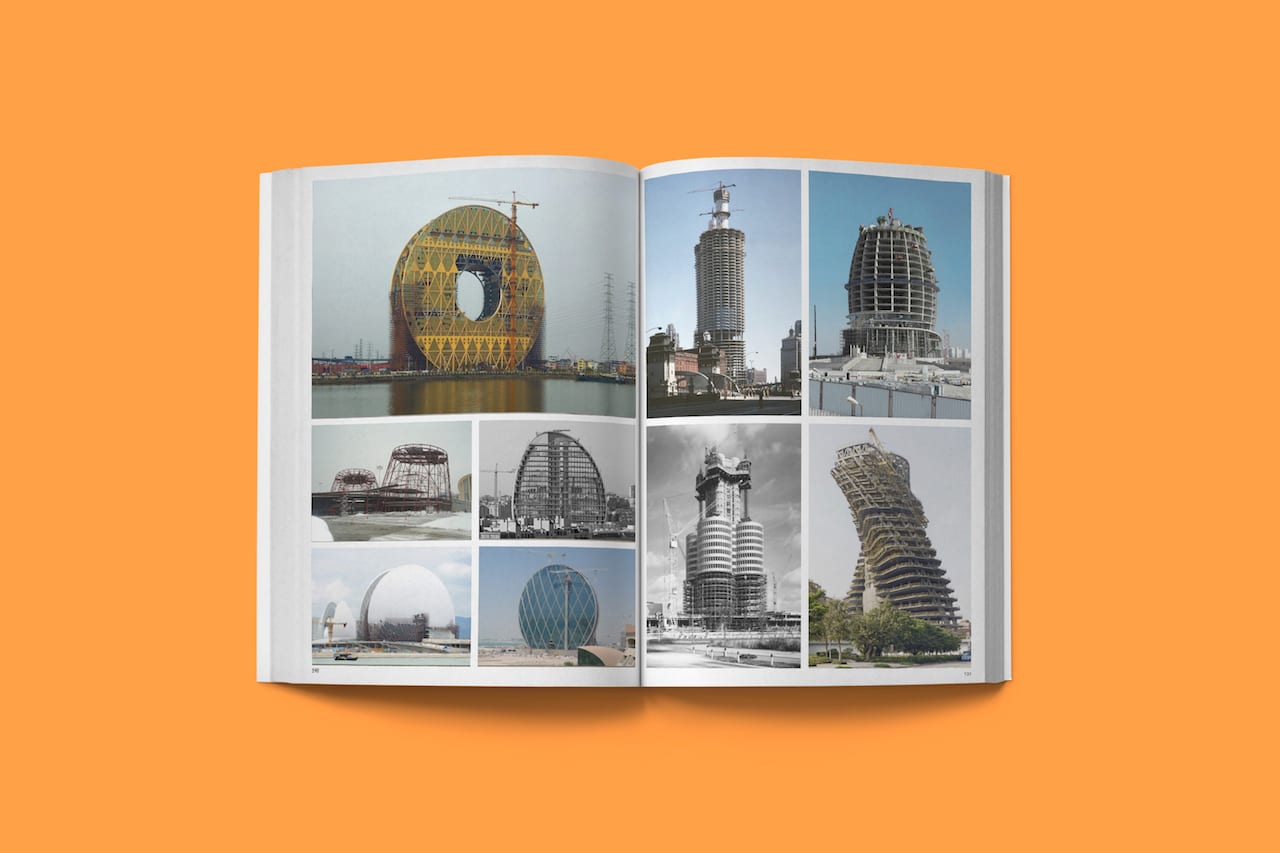
“It may seem like a provocation, but I am not particularly interested in architecture – at least not in that of great architects and cult buildings,” says Eric Tabuchi. “I’m interested in what humans build, whether for shelter, work, recreation or worship. Basically, what has captivated me for 20 years is the vast domain of anonymous architecture, which is the daily environment of most of the inhabitants of this planet, and which we do not look at it so much. It appears to us without any real quality.”

5 February 2018

Laura Hynd goes behind the scenes of Paul Thomas Anderson’s Phantom Thread

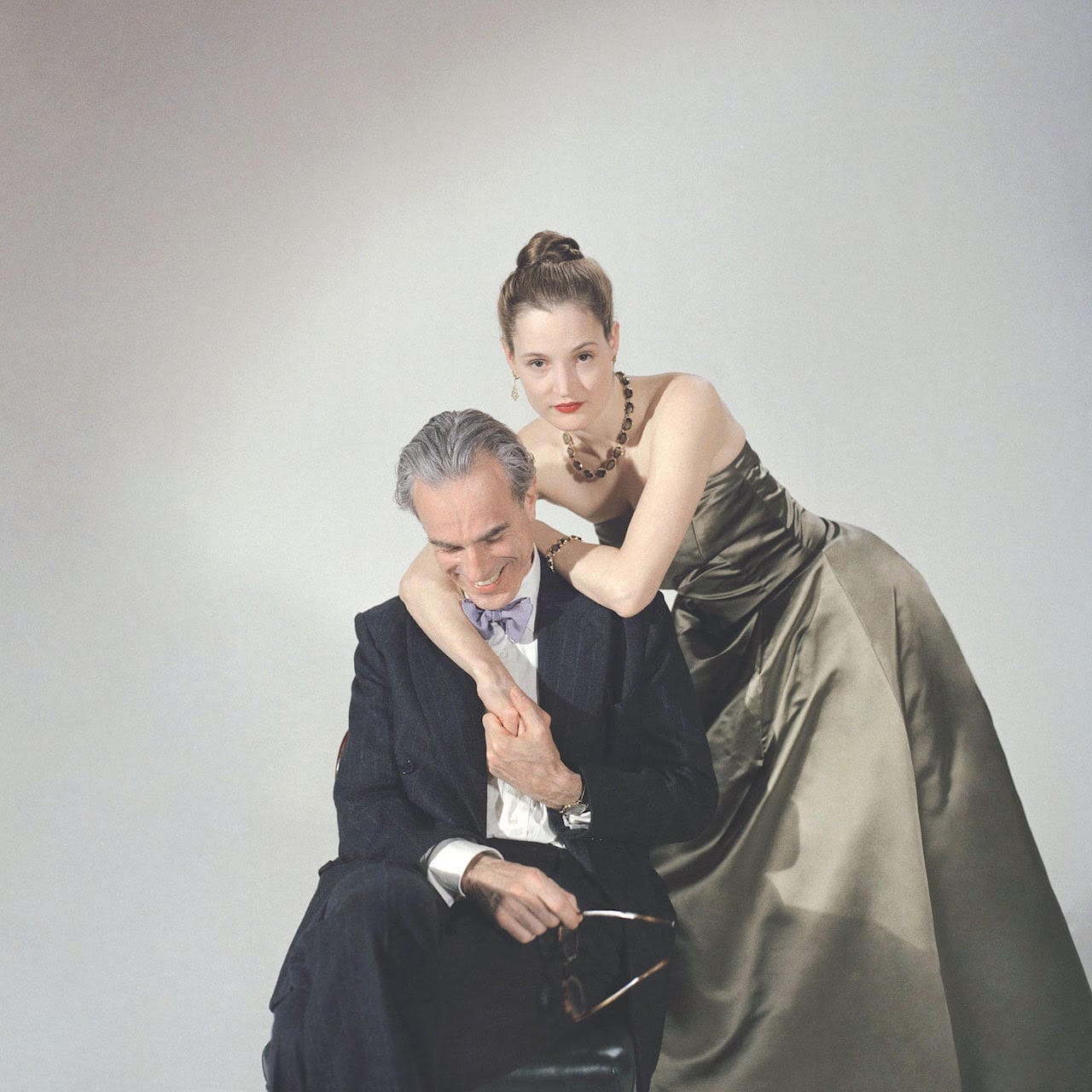
“It was like stepping into the past,” says Laura Hynd says of her first venture on set of the Oscar-nominated film, Phantom Thread. Set in 1950s London, Paul Thomas Anderson’s movie chronicles the life of fashion couturier Reynolds Woodcock [played by Daniel Day Lewis] and the women that surround him. Hynd’s unique access was granted after Sophie de Rakoff, a friend of Anderson’s, asked if she could document the workings of the costume department. “I have to admit, I considered not doing it at first,” says Hynd – although it soon became clear that the job would expand far beyond the initial brief. Her adventure started when she was asked, last-minute, to go to the Cotswolds to photograph Woodcock’s country house. On arrival, she was instantly won over. “It was amazing to be on set,” she says. “The detail and beauty were astonishing. I spent quite a lot of time photographing his atelier, as the cast and crew were shooting elsewhere.”

1 February 2018

David Brandon Geeting’s Amusement Park on show in New York

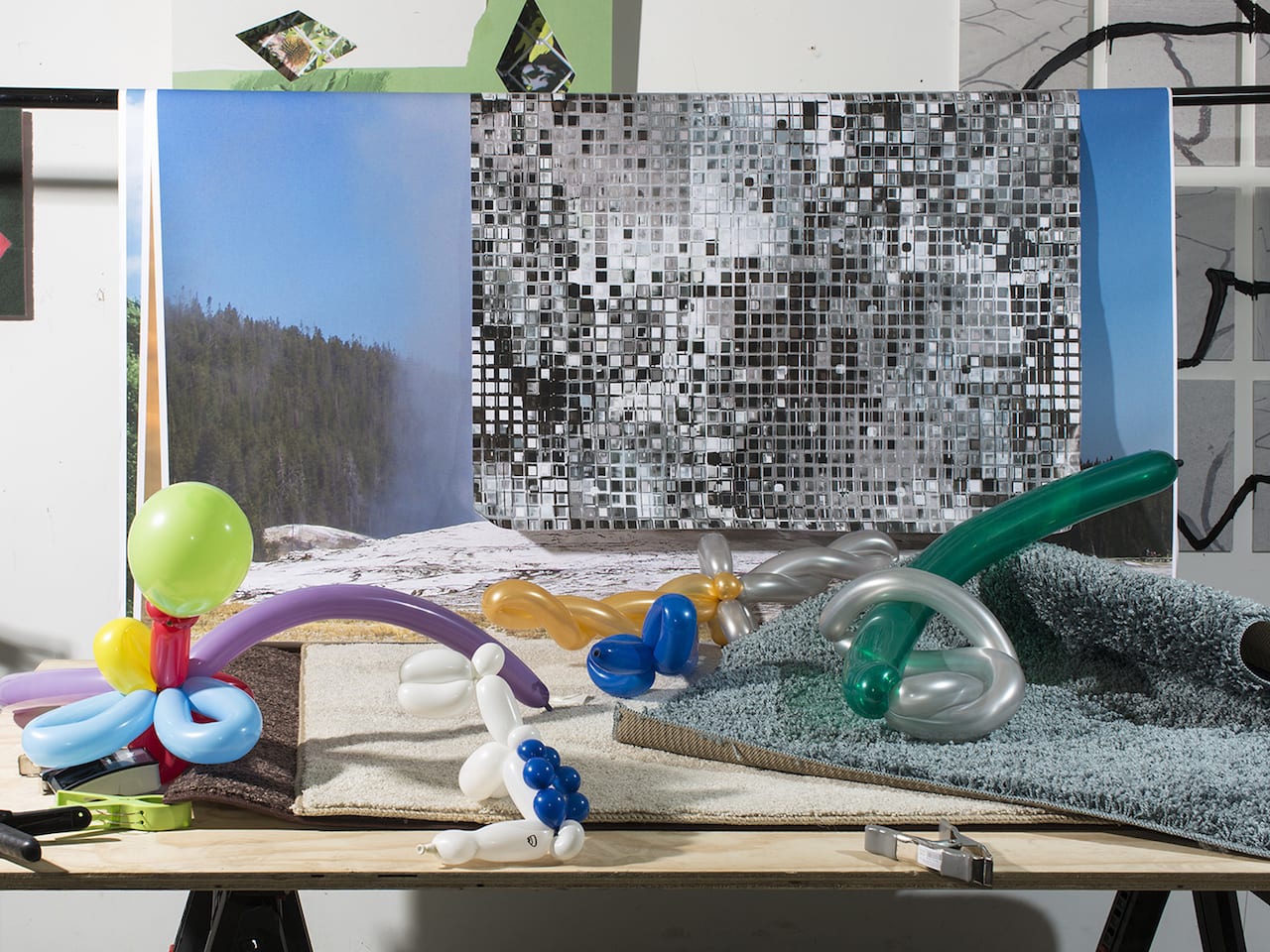
There is something frantic about David Brandon Geeting’s photography. In his latest collection, Amusement Park, the Greenpoint, Brooklyn-based artist creates a mood that is exhilarating and vibrant, but also verging on collapse, as though its tether could snap at any moment. Where his 2015 book, Infinite Power, was energetic and kinetic, with Amusement Park he’s aiming for “information overload”. “I’m not afraid of making people confused or dizzy,” he says. “I wanted it to be an onslaught of colours and forms and things that don’t make sense.”

29 January 2018

Tate’s Simon Baker takes a new role as director of the Maison Européenne de la Photographie

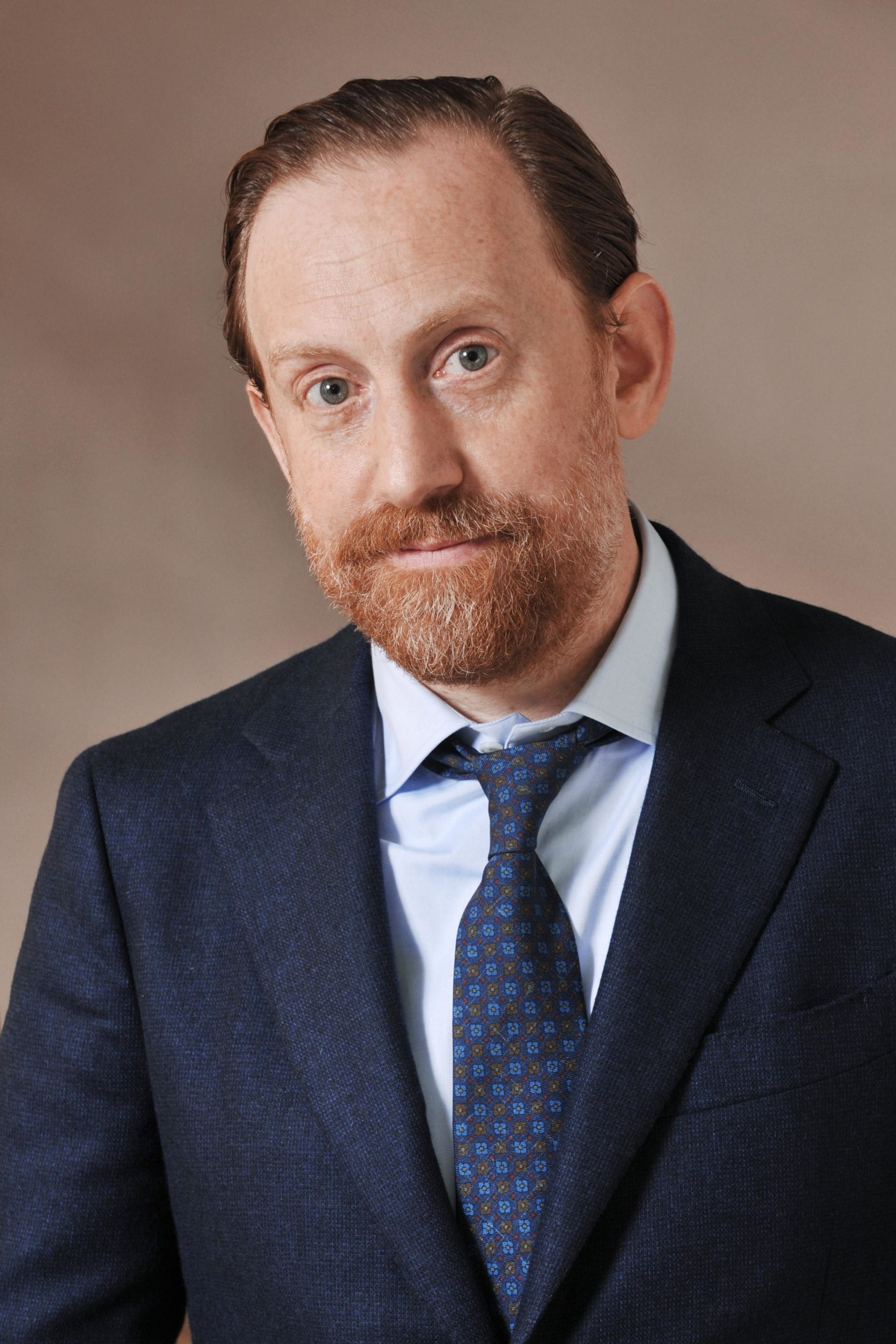
When he joined Tate Modern in 2009 he was Tate’s very first photography curator – but now Simon Baker is on the move, succeeding Jean-Luc Monterosso as the director of the Maison Européenne de la Photographie in Paris. Monterosso, who founded the MEP back in 1996, will leave the institution on 31 March. The news comes just weeks after Shoair Mavlian, assistant curator at Tate Modern, announced she was leaving the institution to become Photoworks’ new director. In October 2017 Kate Bush joined Tate Britain as its adjunct curator of photography, however, responsible for “researching and building the collection of British photography and curating exhibitions and displays”. In September 2017, Tate announced that it had acquired Martin Parr’s 12,000-strong photobook collection, making it one of the leading institutional collectors in this field.

25 January 2018

Q&A: Robin de Puy on photographing Randy

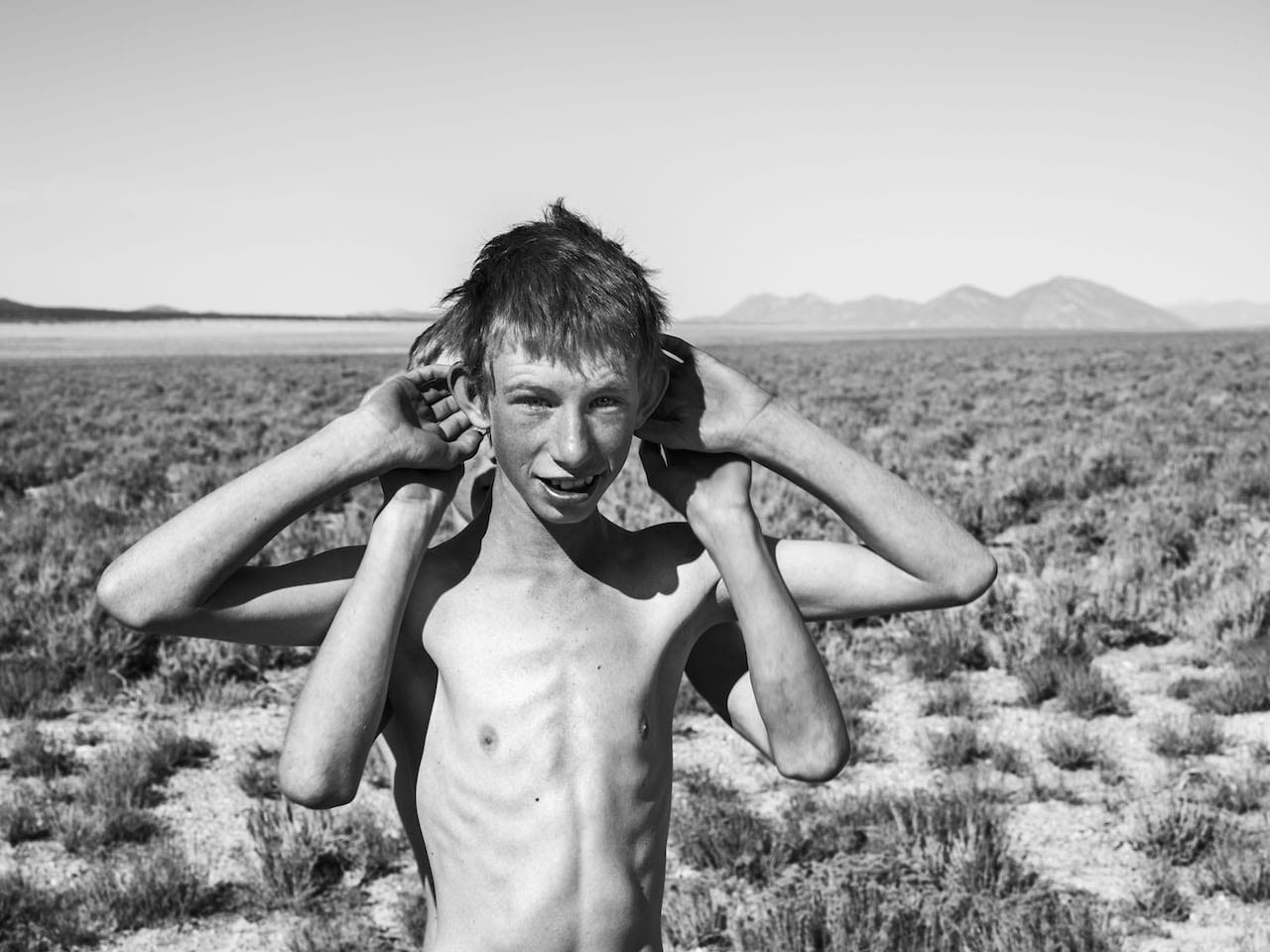
Robin de Puy’s new series, Randy, started on a 2015 road trip across the US, after she spotted him by chance in Ely, Nevada, and she asked if she could take his photograph. Back in The Netherlands she found he stuck in her mind, and returned to see him at the end of 2016, in February 2017, and in May 2017, taking “hundreds” of portraits. An exhibition of this work, which includes photographs and videos, is on show at the Bonnefantenmuseum in Maastricht from 26 January-13 May; Hannibal also recently published the series as a photobook. 

24 January 2018

Susan Meiselas on shooting Carnival Strippers

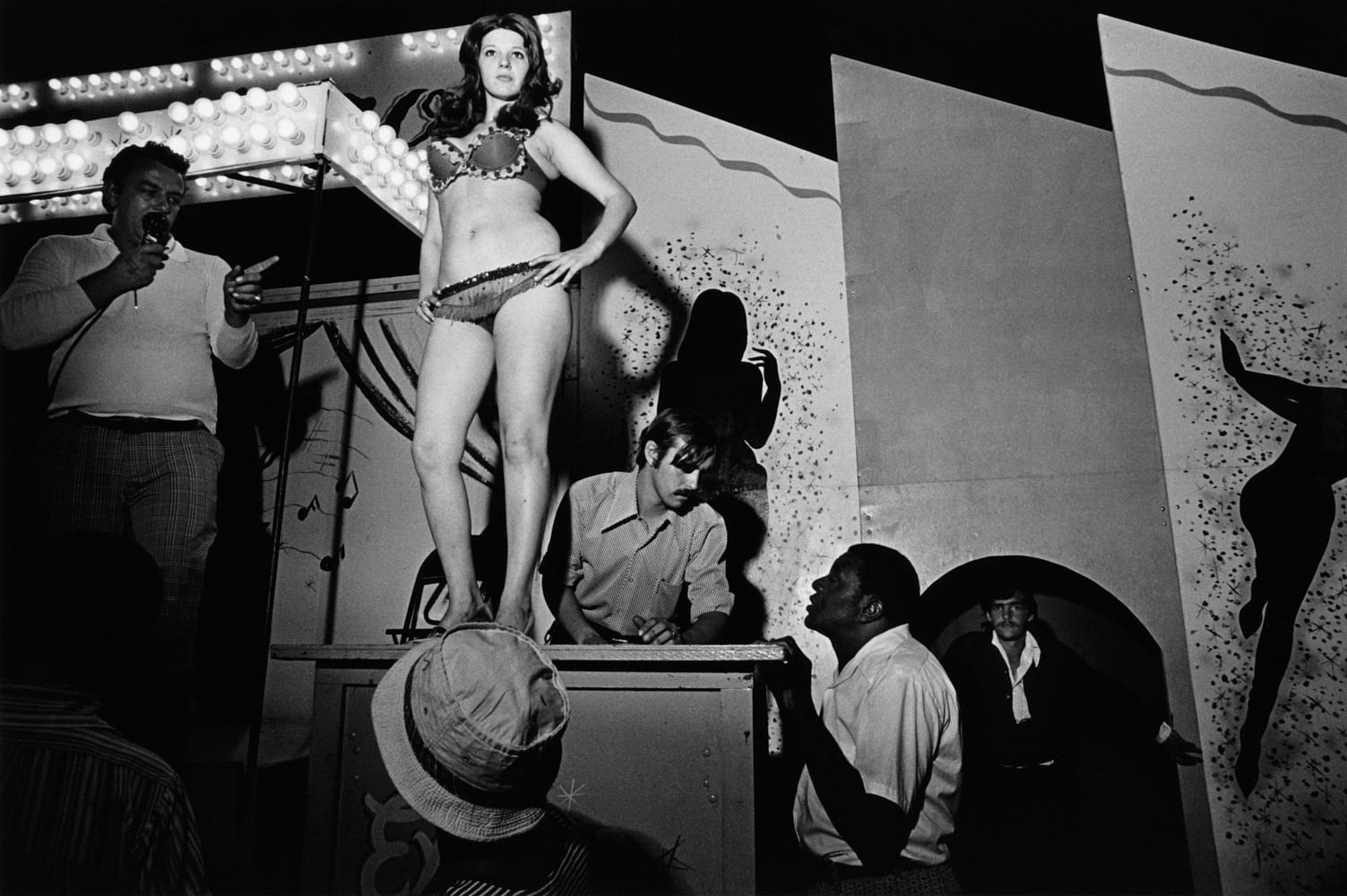
“It’s getting near show time!” the voice would boom out over the cheers of the punters. Susan Meiselas would hover at first near the back of the tent. “Don’t be shy, take your hands out of your pockets, take your money out of your wallets. Rest your elbows on the stage and look up into the whole, the whole goddamn show. Show time! Where they strip to please, not to tease!” Susan Meiselas was 24 when she started Carnival Strippers. It was the summer of 1972, and her photography experience was limited to portraits of her housemates in Cambridge, Massachusetts. She had just completed an MA from Harvard, yet she still was shy and unsure of herself – very unlike the direct intellect of today, who treats Magnum’s offices like second homes.

22 January 2018

Looking for Lenin in contemporary Ukraine

On 08 December 2013, the Bessarabska Lenin statue on Taras Shevchenko Boulevard in Ukraine was demolished in the midst of the Euromaidan revolution. What followed was a wave of symbolic violence that came to be known as Leninfall [or ‘Leninopad’ by Ukrainians]. Seeking to erase all traces of the Ukraine’s Soviet past, the government launched an official decommunisation process, outlawing communist monuments. Prior to these events around 5500 statues of Lenin stood in former Soviet state; today, not one remains. Fascinated by the fate of these statues, Swiss photographer Niels Ackermann and journalist Sébastien Gobert went on a quest to find them, documenting the results in the series Looking for Lenin. Published as a book last year, the series now going on show at Espace Images, Vevey.

19 January 2018

Going from Town to Town across the UK, Niall McDiarmid makes a portrait of a place

“The term ‘Britishness’ has changed so much over the last ten years, I don’t really know what it means anymore to say ‘I’m British,’” observes Scottish photographer Niall McDiarmid, who has spent almost a decade photographing people in the street across Britain. In 2011 he started work on his latest series, Town to Town, which has just been published as a book and which will be shown at the Martin Parr Foundation in Bristol, UK from 31 January-12 May. Initially focussing on London, it soon expanded beyond the capital city and ended up covering 200 towns, tracing a journey around Britain and its diverse inhabitants.

19 January 2018