Photobook

Philip Jones Griffiths on show at TJ Boulting

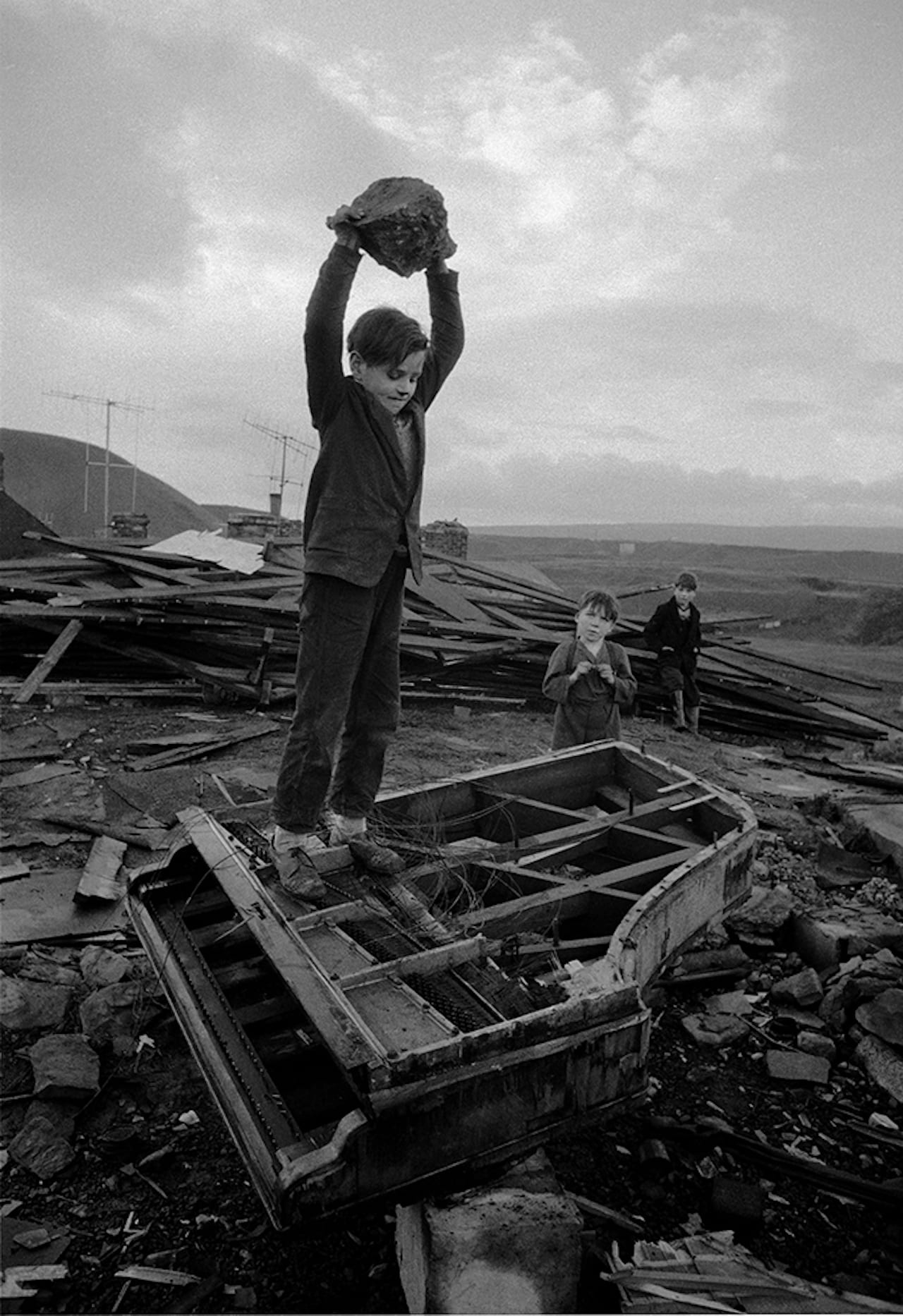
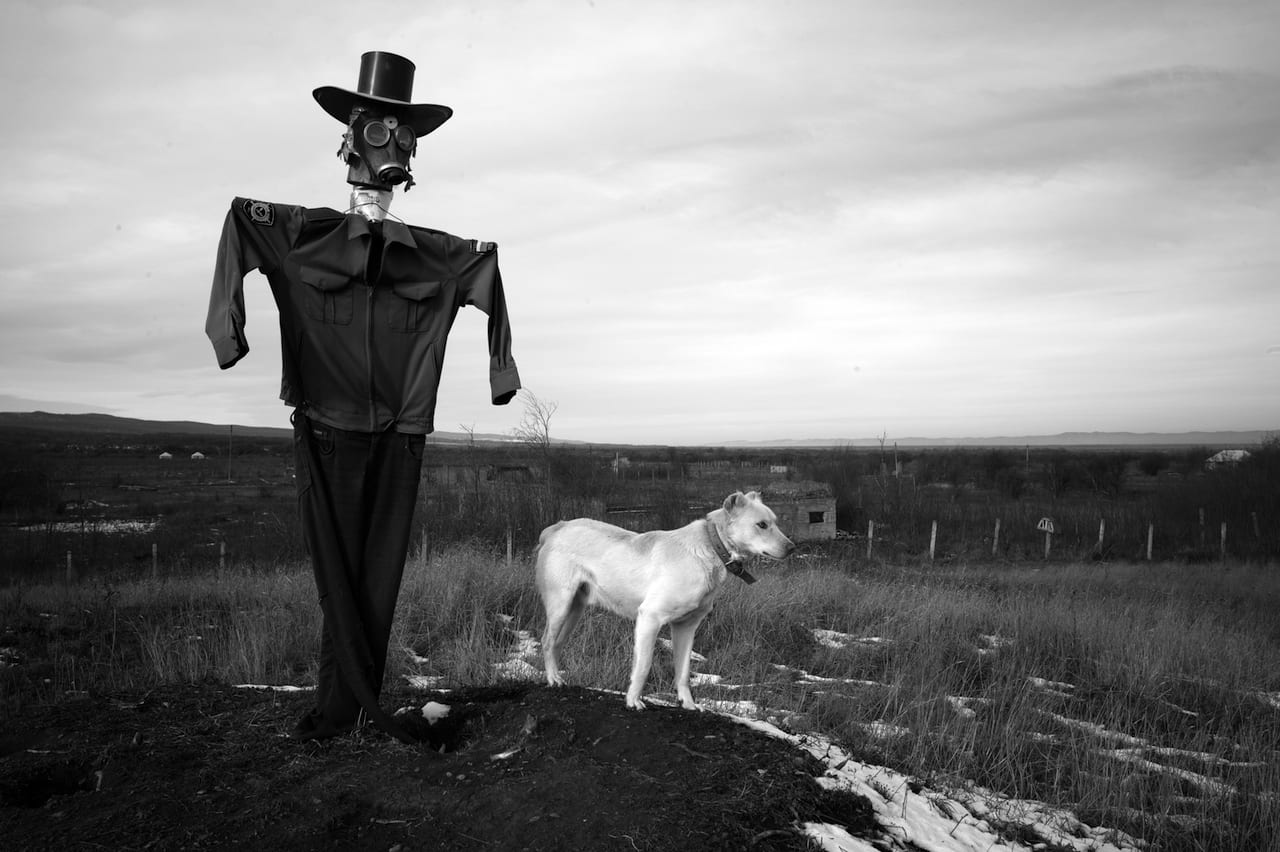
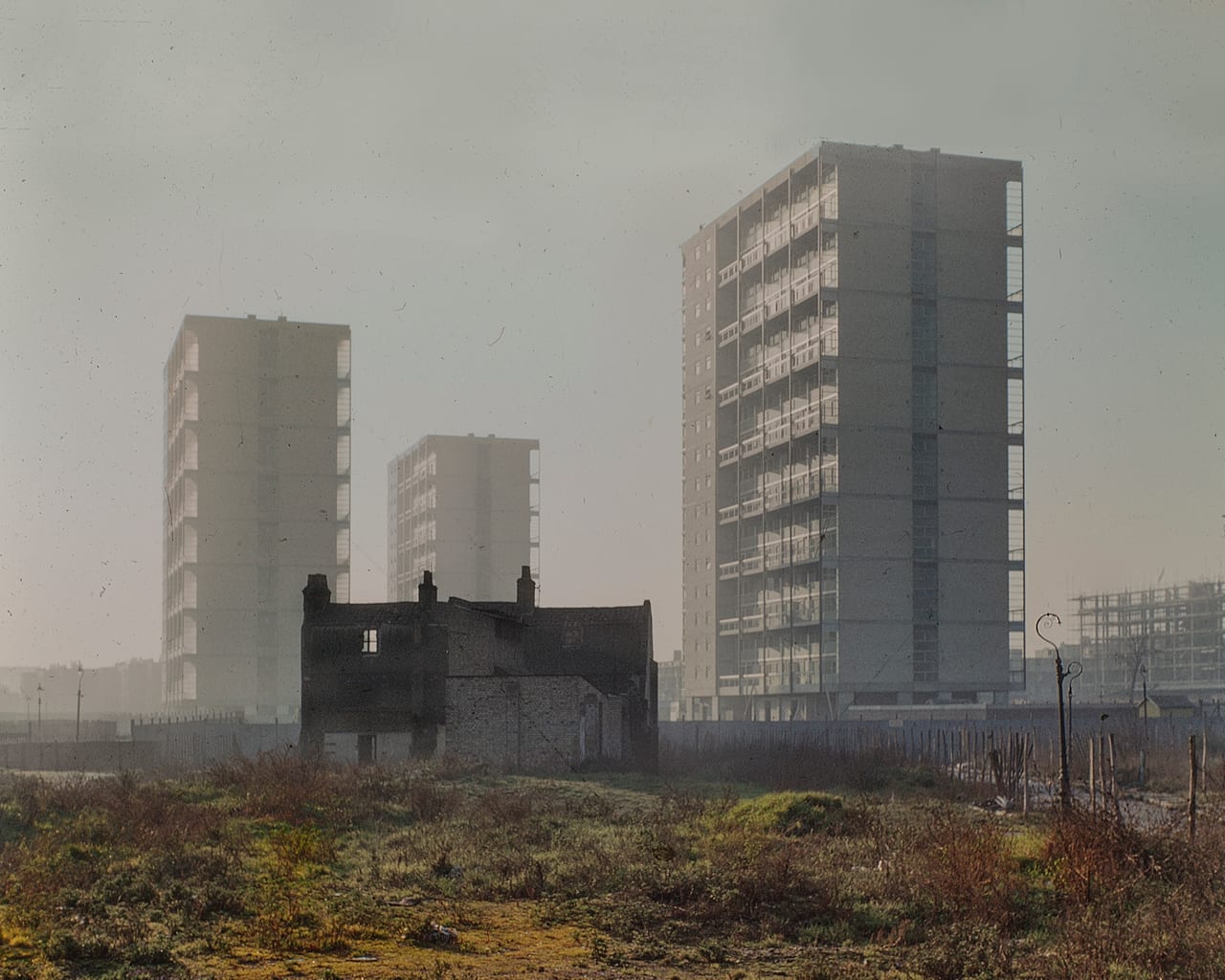
“Philip always hated being called a ‘war photographer,’” says Hannah Watson, director of TJ Boulting Gallery, of Philip Jones Griffiths. “He wasn’t interested in the ‘action’ that you often associated with war photography.” Instead, Watson draws attention to the careful consideration and intelligence behind each of the Magnum photographer’s shots. “In a single image he could give insight and an in-depth analysis to a complex situation,” she says.

7 March 2018

Collaboration on show in Ryerson Image Centre, Toronto

Photography is often considered a solitary pursuit, but the Ryerson Image Centre (RIC) in Toronto, Canada hopes to overturn this conception with a research project led by artists, scholars, and curators such as Ariella Azoulay, Wendy Ewald, Susan Meiselas, Leigh Raiford, and Laura Wexler. Now an exhibition at RIC called Collaboration: A Potential History of Photography is putting their work on view. Featuring approximately 90 photographic projects the work on show demonstrates some of the many ways photographers have collaborated with their subjects and other participants. It includes Wendy Ewald’s Reciprocating in Arabic installation, which combines image and text in an attempt to show the experience of walking through the Arabic language, and WEB Du Bois’ The Potential of the Archive I, a look into the history and present challenges of black America, among many other projects.

6 March 2018

ICP’s 2018 Infinity Award winners

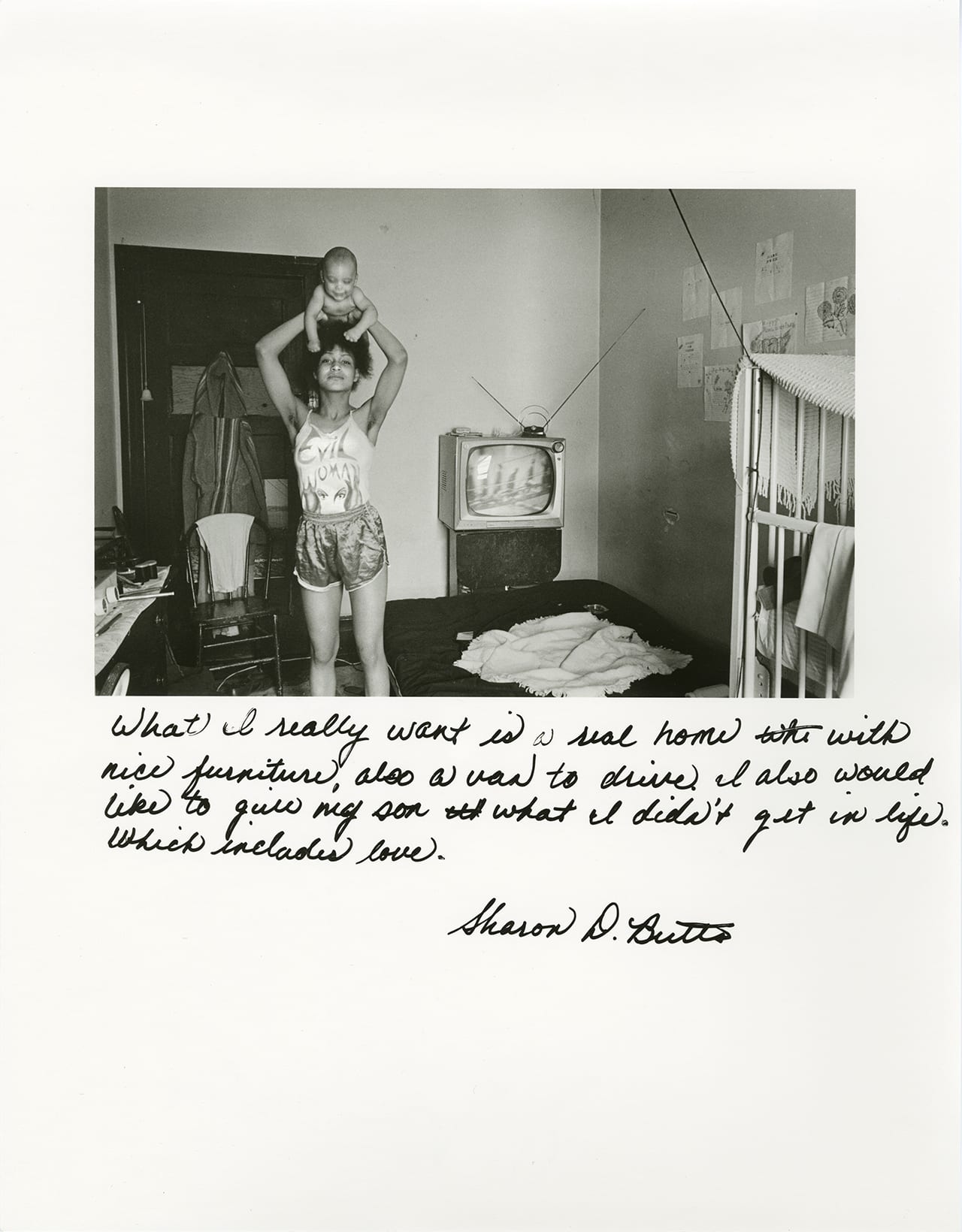
Bruce Davidson has won a Lifetime Achievement prize in this year’s ICP Infinity Awards, which will be formally presented on 09 April. Best-known for his two-year project on the poverty-stricken residents of East 100th Street, Davidson joined Magnum Photos in 1958 and showed his work at the Museum of Modern Art in 1963. His work often documents social inequality, and includes iconic series such as The Dwarf, Brooklyn Gang, and Freedom Rides.

27 February 2018

Carolyn Drake’s collaborative project Internat

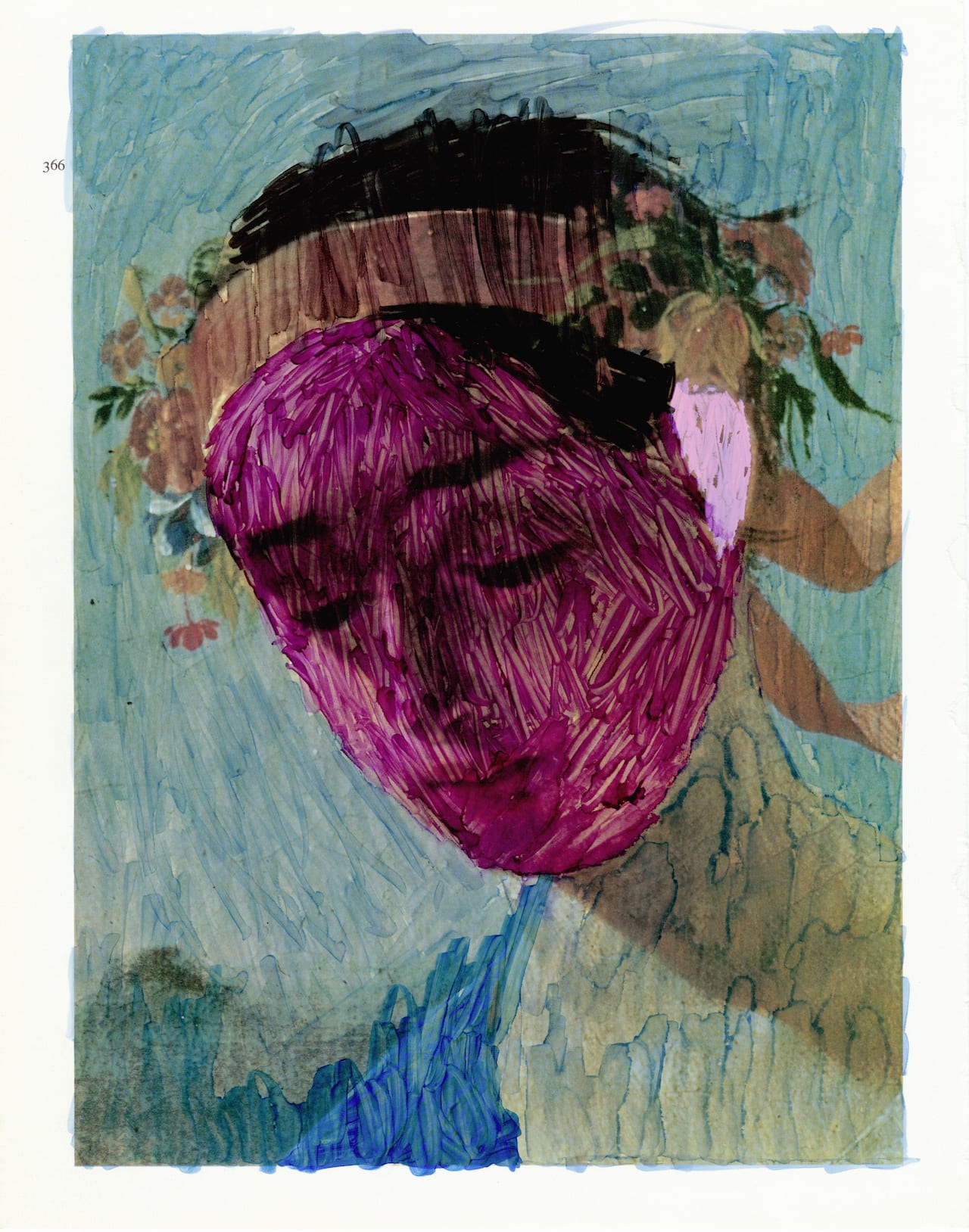
Carolyn Drake first visited Ukraine more than a decade ago, as part of a year-long Fulbright fellowship investigation of changing notions of gender in the former USSR. Coming of age at the end of the Cold War, and with preconceptions about the region, she “saw it as a chance to step out of my present frame of reference, as a way to look at the malleability and impermanence of beliefs,” she recalls. Searching for expressions of female identity in the West of the country, she met the hosts of a church-run orphanage, who directed her to an older institution nearby called Petrykhiv Internat. Tucked away in a forest on the outskirts of Ternopil, it was a state-run boarding house, where around 70 girls marked as ill or disabled had been sent to live. Labelled abnormal, they had been deemed unfit to live beyond the home’s towering walls. That first trip took place in 2006; eight years later, she returned, eager to find out what had become of the girls and their home. “I expected to show up and ask someone on the staff how I could find the girls,” she says. “But when I arrived, I found most of them were still there, now in their twenties.


26 February 2018

War is Only Half the Story on the lingering impact of conflict

“The end of war does not mean peace,” says Sara Terry, founder of The Aftermath Project. “Every story of war includes a chapter that almost always goes untold – the story of the aftermath, which day by day becomes the prologue of the future.” It was in September 2000 that Terry decided to go to Bosnia. Six weeks earlier she had come across a story reporting on so-called ‘Bosnia fatigue’, the factor that meant that, five years after the end of the Bosnian War, the reporters were long gone and the international aid agencies were shipping out. Frustrated by the idea that people could forget what had happened, Terry felt compelled “to capture the images that are the all-too-often forgotten companions of the vivid pictures of war itself.” Terry had started out as a print reporter but went on to produce formative photographic work in Bosnia, which she published as Aftermath: Bosnia’s Long Road to Peace. The experience also led her to set up The Aftermath Project in 2003, with the aim of telling post-conflict stories from around the world and throughout time.

21 February 2018

The dark side of the City of Angels

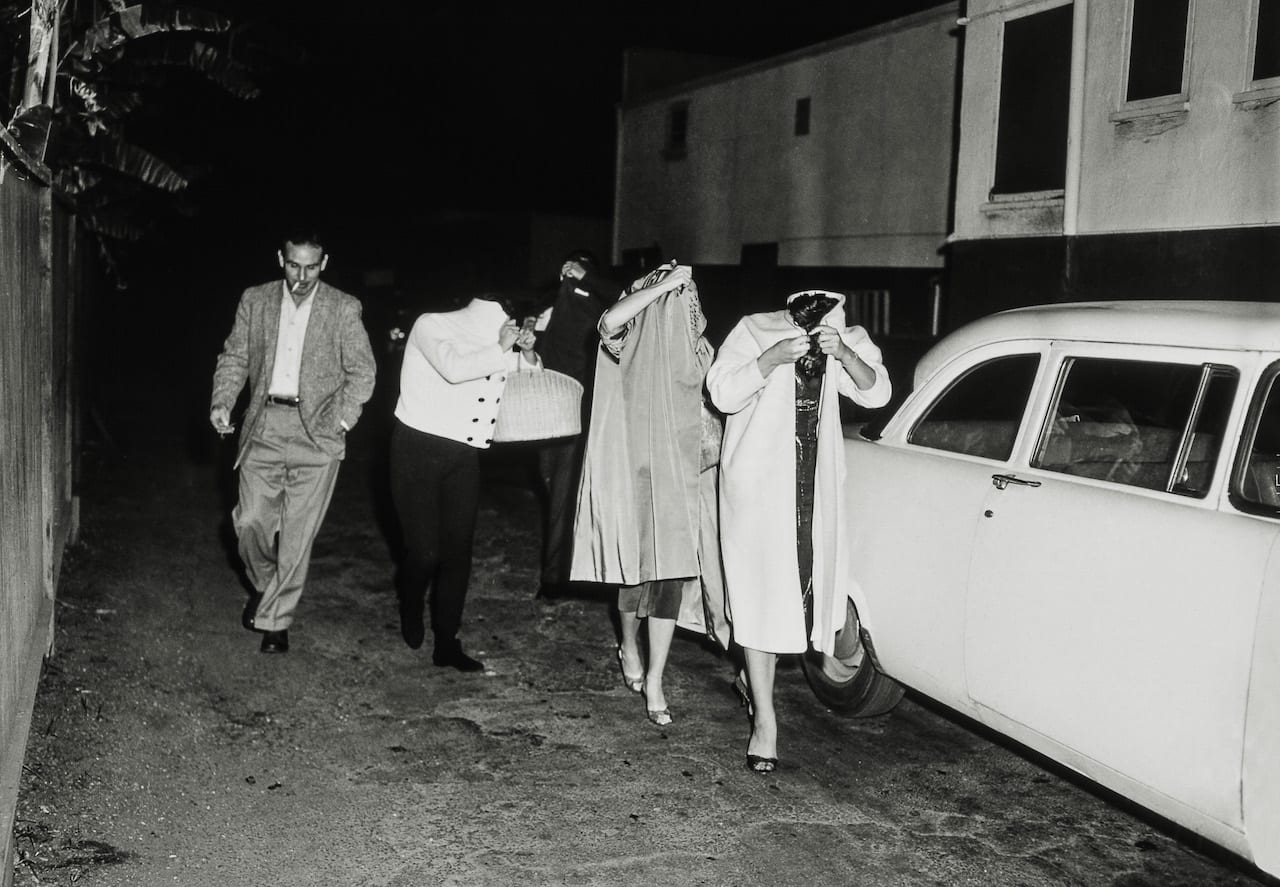
“The streets were dark with something more than night,” wrote Raymond Chandler in The Simple Art of Murder (1950). Born in Chicago but brought up in Los Angeles, Chandler helped create the genre that became synonymous with the City of Angels – the grimy, morally ambiguous Noir. And, suggests a new book by Taschen’s executive editor Jim Heimann, there’s good reason why LA gave birth to Noir. A small (though already shady) city until 1892, it was transformed when oil was discovered in modern day Echo Park. The black gold brought in money, and with it corruption, and a series of lurid real-life crimes. At the same time, Hollywood and the burgeoning newspaper industry helped ensure a plentiful supply of photographers, documenting both the good and the bad to be found.

20 February 2018

The definitive Brassaï show, curated by ex-MoMA star Peter Galassi

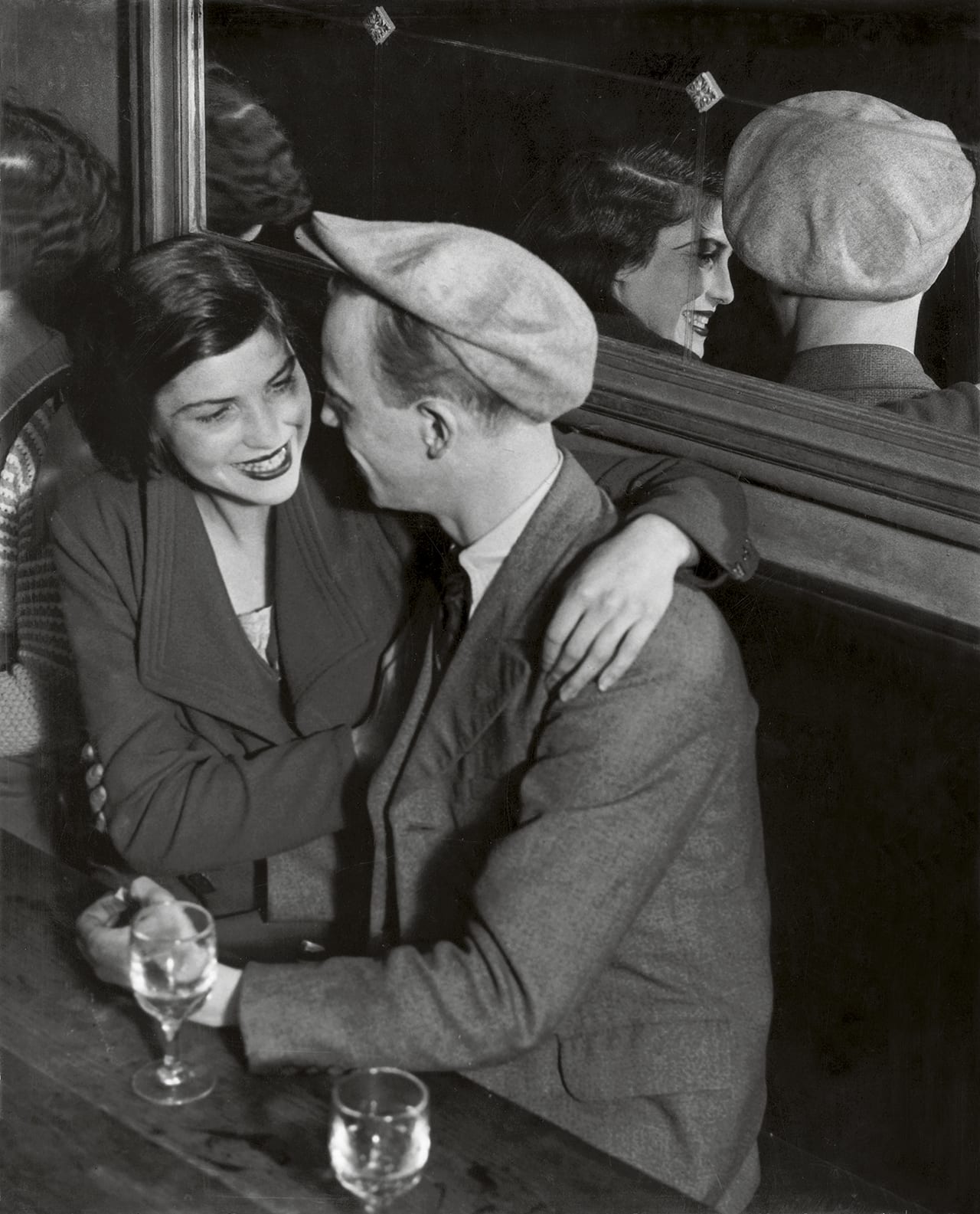
It would be an understatement to say that the legacy of Gyula Halász – better known by his pseudonym, Brassaï – has been the object of extensive research and countless curatorial  projects. Yet the Fundación Mapfre, the private institution that has shown the highest devotion to photography in Spain, has entrusted Peter Galassi, the former chief curator of photography at Museum of Modern Art, to conduct what will probably be the definitive exhibition about the Hungarian-French photographer at its Barcelona gallery, the Garriga i Nogués exhibition hall (19 February to 13 May). The exhibition could be considered to be Galassi’s biggest curatorial endeavour so far since he retired from MoMA, and the catalogue, published by Fundación Mapfre, can attest to the pertinence of this major survey of Brassaï.

12 February 2018

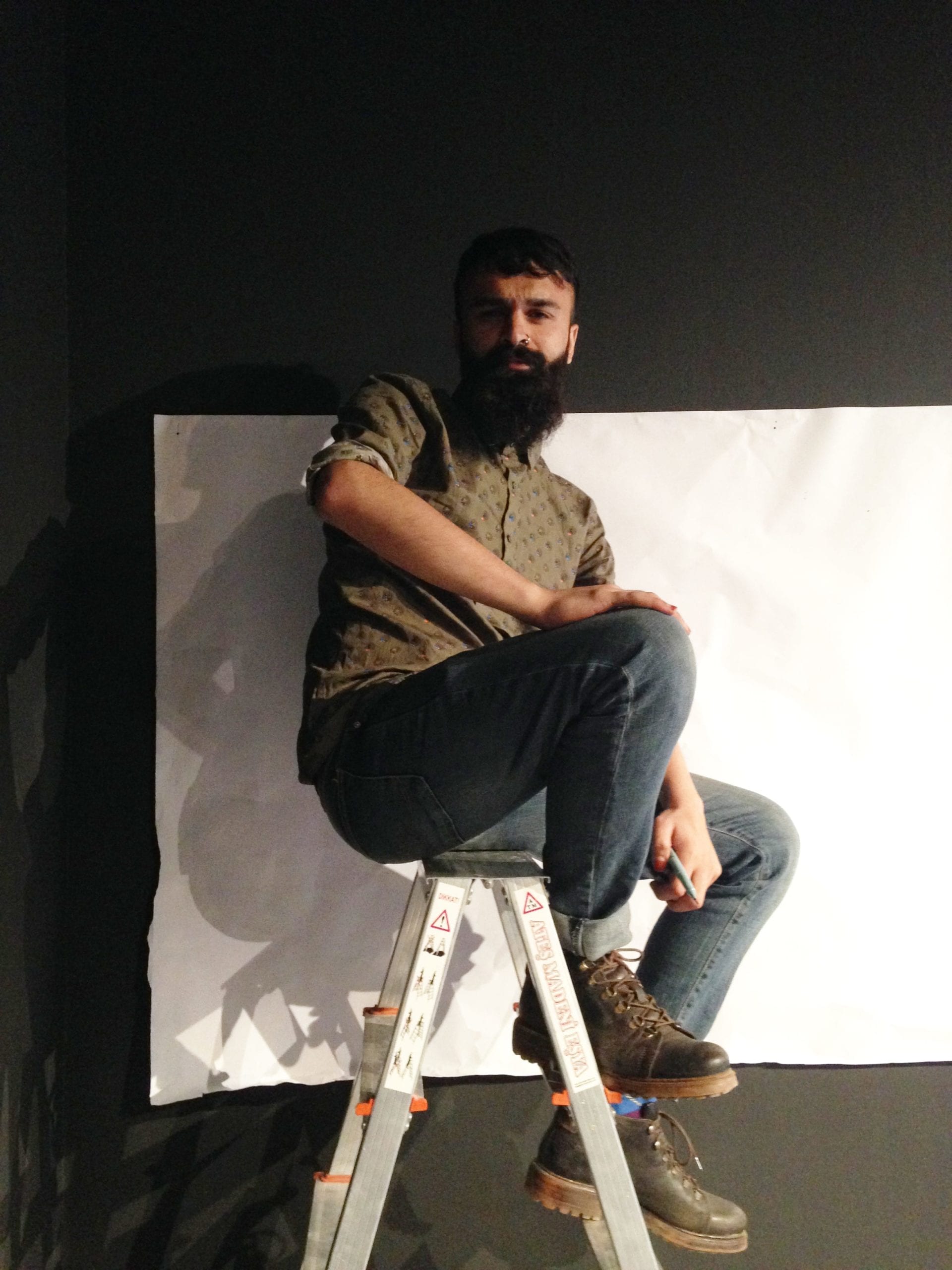
Çağdaş Erdoğan stands trial on 13 February

On 13 February, Çağdaş Erdoğan will stand trial in Istanbul accused of membership and support of the Kurdistan Workers’ Party (PKK), a separatist group classified as a terrorist organisation by the Turkish government. Erdoğan is of Kurdish descent, grew up in the region and, as an adult, embedded with affiliates of the PKK during the complex, multifactional conflict that has crossed the borders of Syria, Iraq and Turkey. But he did so, he claims, purely as a photojournalist intent on documenting an unseen conflict for the world’s media and without any alliance with or allegiance to any organisation. His only allegiance was to photography.

8 February 2018