
Photobook

Group Projects: Obsolete & Discontinued

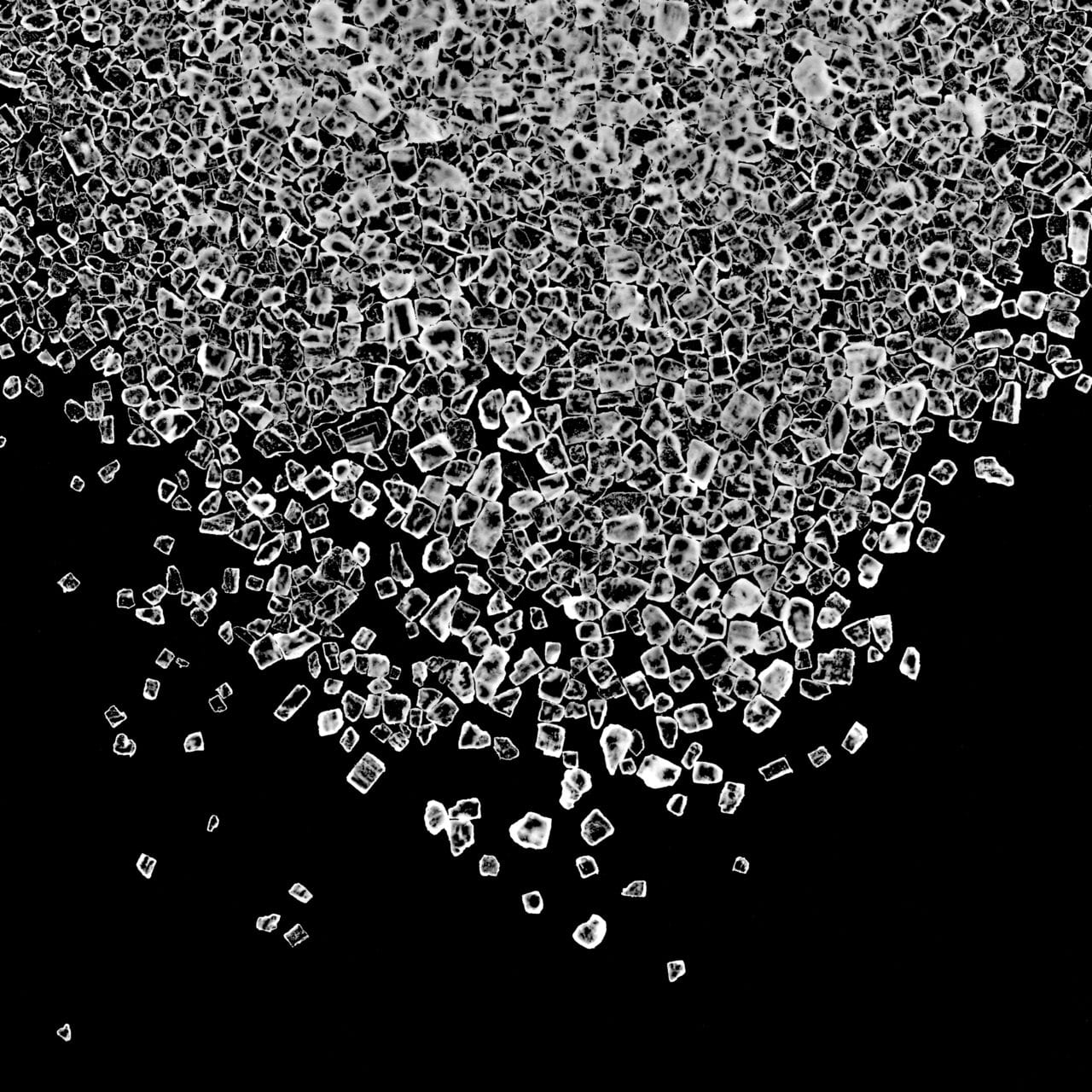
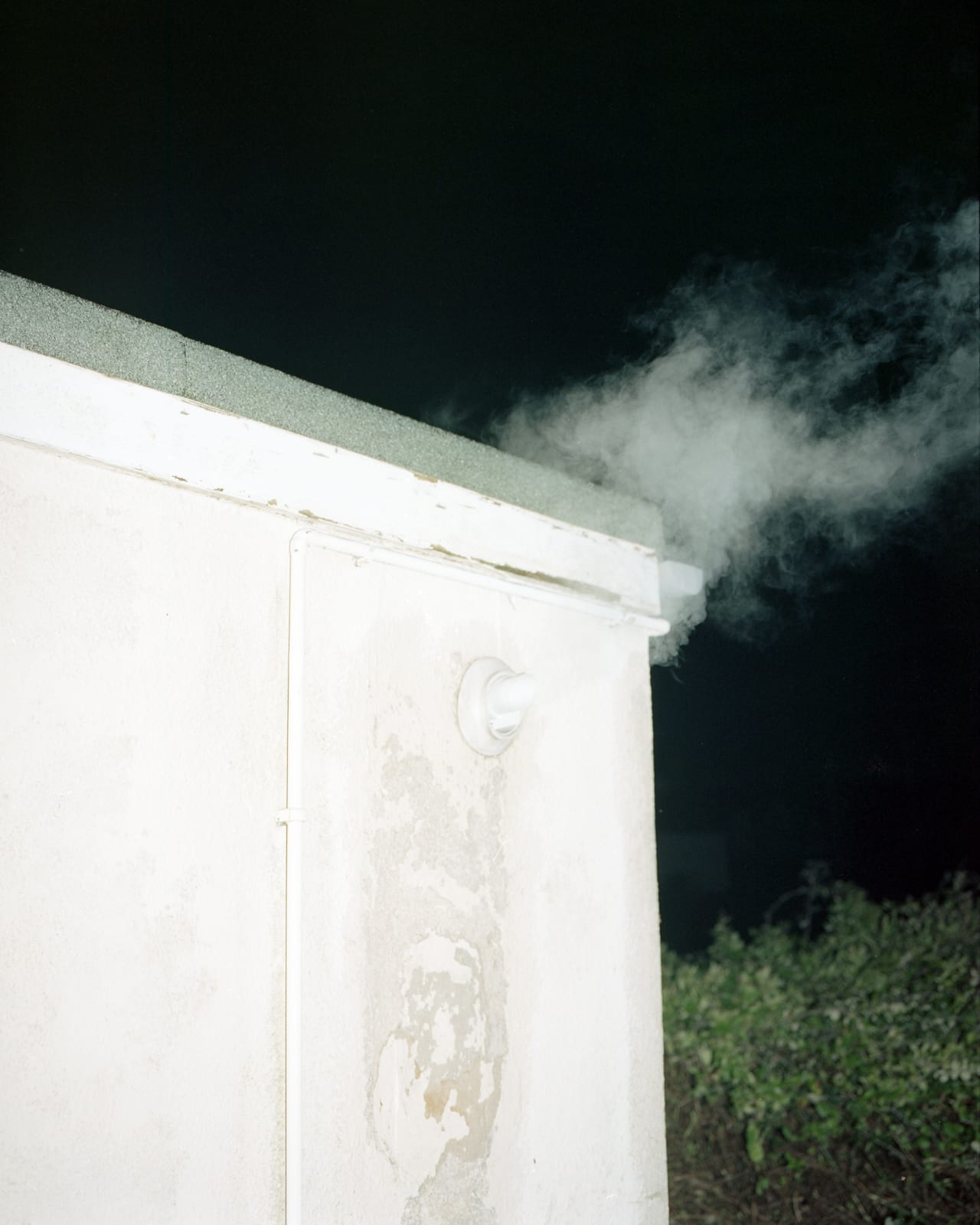
It began in March 2015 when David Yates, a client of photographer and fine art printer Mike Crawford, turned up at his print studio, Lighthouse Darkroom, with a “shopping trolleyful” of old boxes of expired photographic paper. The next day, he brought another. The two loads were what was left of a mass clear-out of Yates’ late grandfather Bret Sampson’s darkroom. The British photographer’s London studio was his first port of call, given that Crawford was already working with Yates on another of his personal projects.

29 August 2018

Bobby Doherty scales back the hyper-real for the raw simplicity of Seabird

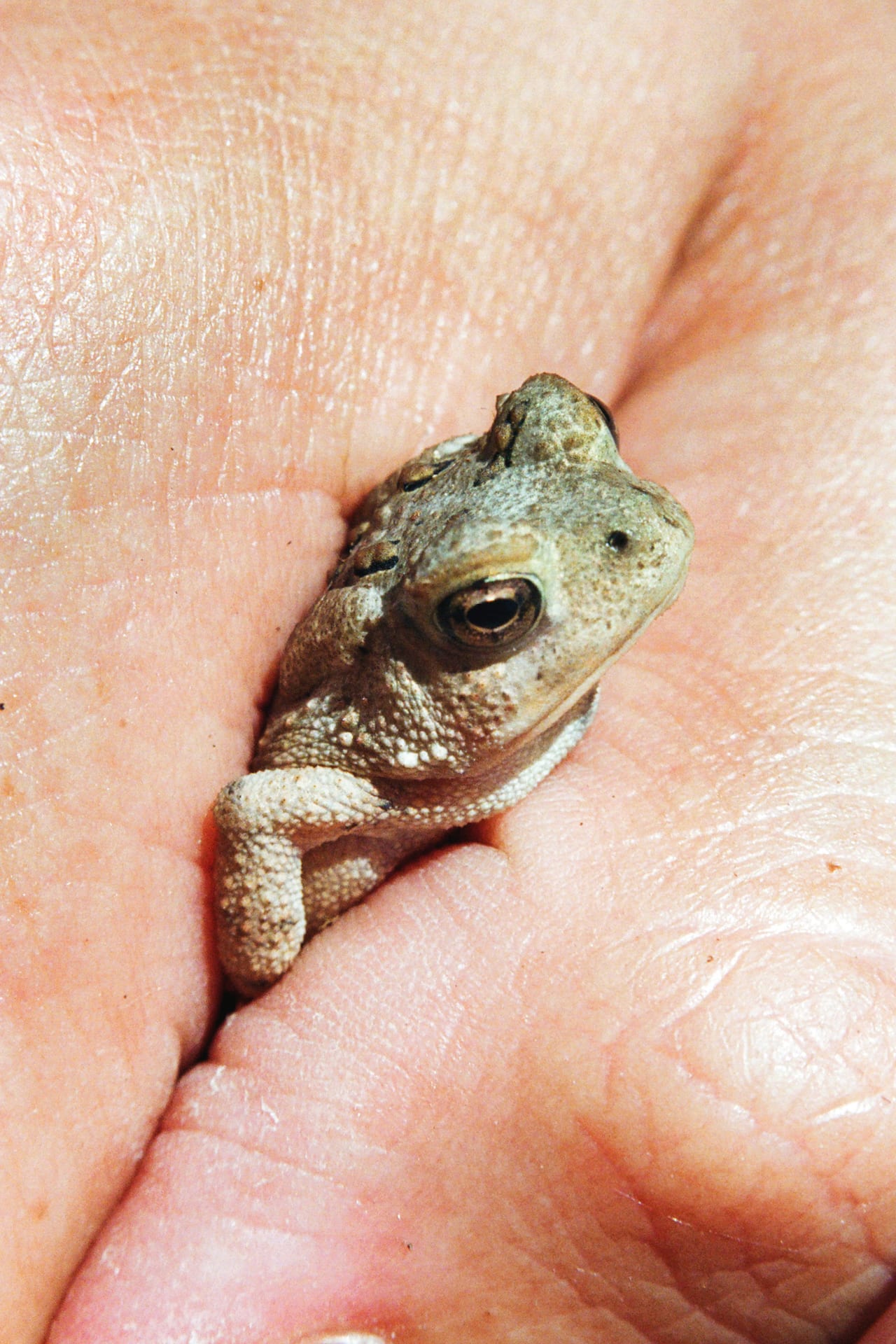
When you Google Bobby Doherty, staff photographer at New York Magazine, the words “film,” “35mm,” and “vertical” repeatedly come up. But since being commissioned for editorial, the New York based artist has focused his time on producing digital still life photography. “Now I’m known for doing super digital studio stuff, which is cool because I like making that kind of work; but it’s nice to be able to step away from the studio and live outside,” he says. “I like taking photos all the time – it’s nice not to have to worry about the technical aspect and just go out with a camera and film.”

24 August 2018

Vincent Ferrané’s Visitor

Has anything improved since Linda Nochlin’s 1971 essay Why Have There Been No Great Women Artists? The fact that women make up just 15.5% of the artists’ files on Wikipedia suggests not. According to L’Observatoire de l’Egalite, only 30% of the artists exhibited in galleries are women, even though more than 60% of art students in France are women.

Even so, there is some cause for optimism – as French photographer Vincent Ferrané points out. “Of the top 500 contemporary artists in 2017 [in France], only 14% of women,” he says. “But 30% of those were born after 1980.”

17 August 2018

Q&A: Txema Salvans on his new book, My Kingdom

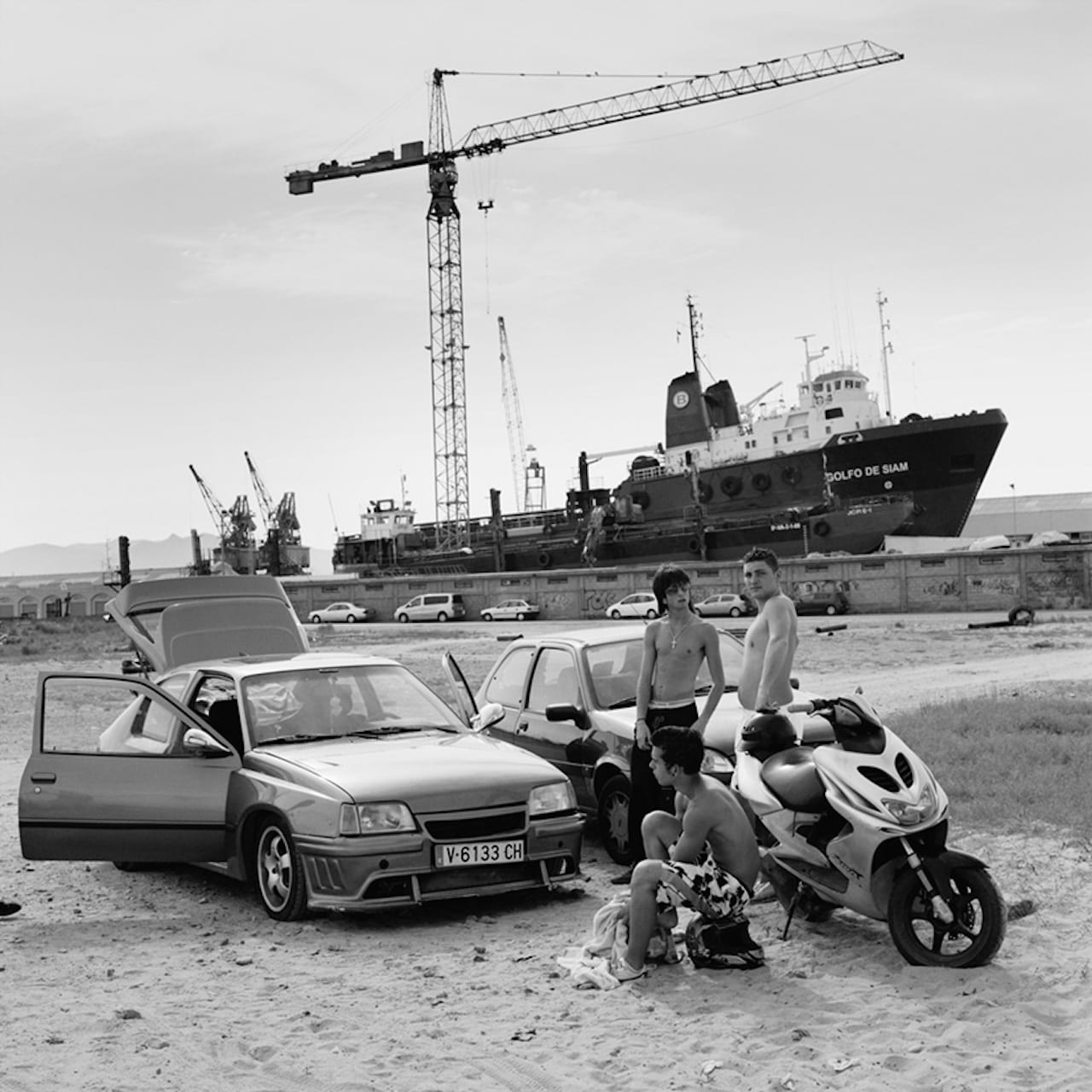
Born in Barcelona in 1971, Txema Salvans is still based in the Catalan capital, and specialises in making documentary work about Spain and the Spanish people. He is best known for his book The Waiting Game [2013], which showed lone women, presumably prostitutes, waiting by the sides of roads along the Mediterranean coast. Salvans spent six years shooting this project, and recently published The Waiting Game II [2018], a series showing fisherman on the Mediterranean coast, waiting for the fish to bite. In 2010 he published Nice to Meet You, also shot along the Mediterranean, a book of ‘family photos’ in which some of those shown weren’t family.

His new book, My Kingdom, recently published by Mack Books, originally grew out of Nice to Meet You, and shows Spanish people and families relaxing on the Mediterranean coast. Its title is taken from a speech by King Juan Carlos I, however, who ruled Spain from 22 November 1975 – 19 June 2014, and extracts from his speeches run throughout the book. It is, says Salvans, a book about power rather than about Spain, the Spanish, or King Juan Carlos I. BJP caught up with him to find out more.

16 August 2018

Tom Roche: Black Blood

Growing up, photographer Tom Roche learned about his Romani Gypsy heritage only through fragmentary stories and speculation. “My great, great uncle was stabbed in the heart with a wooden stake because he owed money for land,” says Roche, a recent University of the West of England graduate. “Then I had one aunt, aunt Liz, who used to pick crops, one aunt that made baskets, and another who sold pegs – or so I’m told; I don’t have any images, records, or concrete facts of my ancestors.”

14 August 2018

Women’s Perspectives star in this year’s Organ Vida

“In the EU today, we take women’s rights for granted,” says Marina Paulenka, director of Organ Vida, a three-week international photography event held annually in Zagreb. Founded in 2008, the festival has always been driven by political context, and this year, for its 10th edition, its all-female team have chosen to emphasise female-identifying perspectives from around the globe.

“In a time of post-capitalist global turmoil, technological advancements, with the strengthening of rightwing extremism, the growing influence of religion that limits women’s rights again, and the semblance of democracy in the 21st century, we are facing a situation in which women must fight anew for the rights that had been won long ago,” Paulenka insists.

13 August 2018

Q&A: Jason Fulford, photographer, book-maker, and educator

In adopting the photobook as his primary medium, using complex sequences as well as free ranging associations to create what’s been described as ‘open metaphors’, Jason Fulford is more interested in questions than answers. He invites readers to become active participants in his work, presenting an open enquiry in which the various interconnecting layers are often cryptic and complex, and the meaning is less important than the experience of looking and thinking.

3 August 2018

Dafydd Jones’ The Last Hurrah

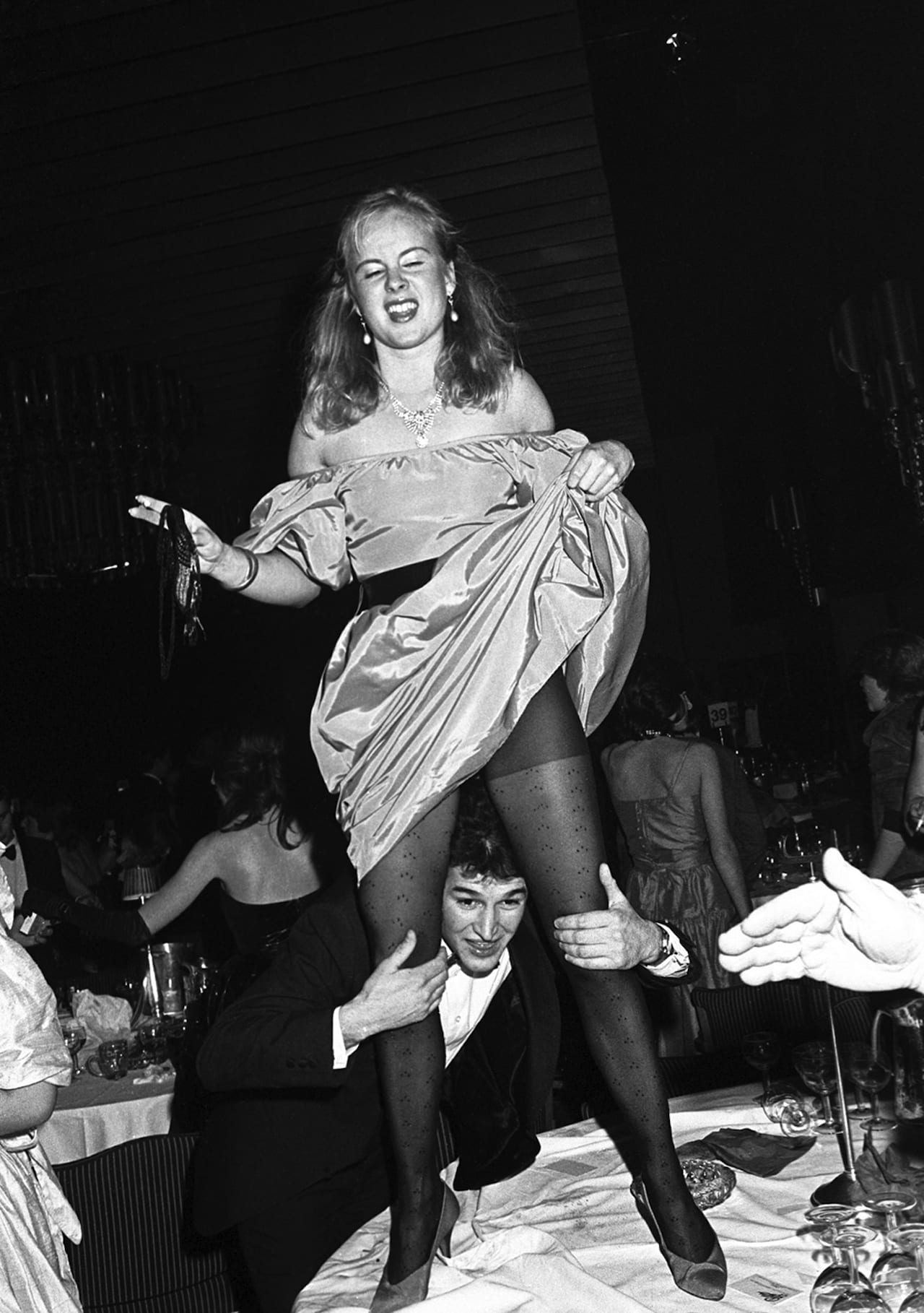
“I had access to what felt like this secret world,” says Dafydd Jones, who has worked as a social photographer since the 1980s for publications such as Tatler, Vanity Fair, The New York Observer, The Sunday Telegraph, and The Times. “I was taking pictures of elites that nobody had seen before. It was Thatcher’s Britain, a period of celebration for those that had money. People described it as the ‘last hurrah’ of the upper classes.”

In 1981 he won a photography competition run by The Sunday Times magazine with a set of photographs of “Bright Young Things”, named after the earlier group of hard-partying aristocrats immortalised by novelist Evelyn Waugh and photographer Cecil Beaton. Tatler editor Tina Brown hired Jones off the back of it, commissioning him to photograph the Hunt Balls, society weddings, and debutante dances that were a mainstay of the upper-class publication. Now Jones has put together a collection of his work for Tatler from 1981-89, titled The Last Hurrah and currently on show at The Photographers’ Gallery and put out as a publication by Stanley Barker. 

3 August 2018

Photobooks of the year (so far)

Foam founder Marloes Krijnen, curator Yumi Goto, and photographers Rob Hornstra, Mark Power and Mariela Sancari highlight the photobook that have impressed them most so far in 2018 – including Senta Simond’s Rayon Vert, Christian van der Kooy’s Anastasiia, and John Myers’ The Portraits

2 August 2018

On show at Foam – Senta Simond’s Rayon Vert

“Tu sais qu’est-ce que c’est le rayon vert?” Marie Rivière’s listless character Delphine asks, her legs swinging, in Éric Rohmer’s 1986 film Le Rayon Vert [The Green Ray]. The film – a portrait of its main character’s halting search for summer romance – was based on Jules Verne’s 1882 novel of the same name. While in theory its title refers to an optical phenomenon – in which the appearance of the sun as it rises or falls beyond the horizon creates a brief flash of green, and with it a supposed moment of mental clarity for all those who see it – in reality its subject matter is far more elusive. “I related the ‘rayon vert’ phenomenon to the process of photography – this special and quick moment that happens rarely,” Swiss photographer Senta Simond explains, referring to her project of the same name. Her series, which will be published by Kominek and shown at London’s Webber Gallery soon, adds a new, compelling layer to the meteorological event/Jules Verne/ Éric Rohmer mix of references. Indeed, Simond, a former student of ECAL, University of Art and Design Lausanne, from which she graduated last summer, first encountered the concept via the 1986 film.

2 August 2018