
Photobook

Out of the Shadows: The untold story of people with learning disabilities in prison

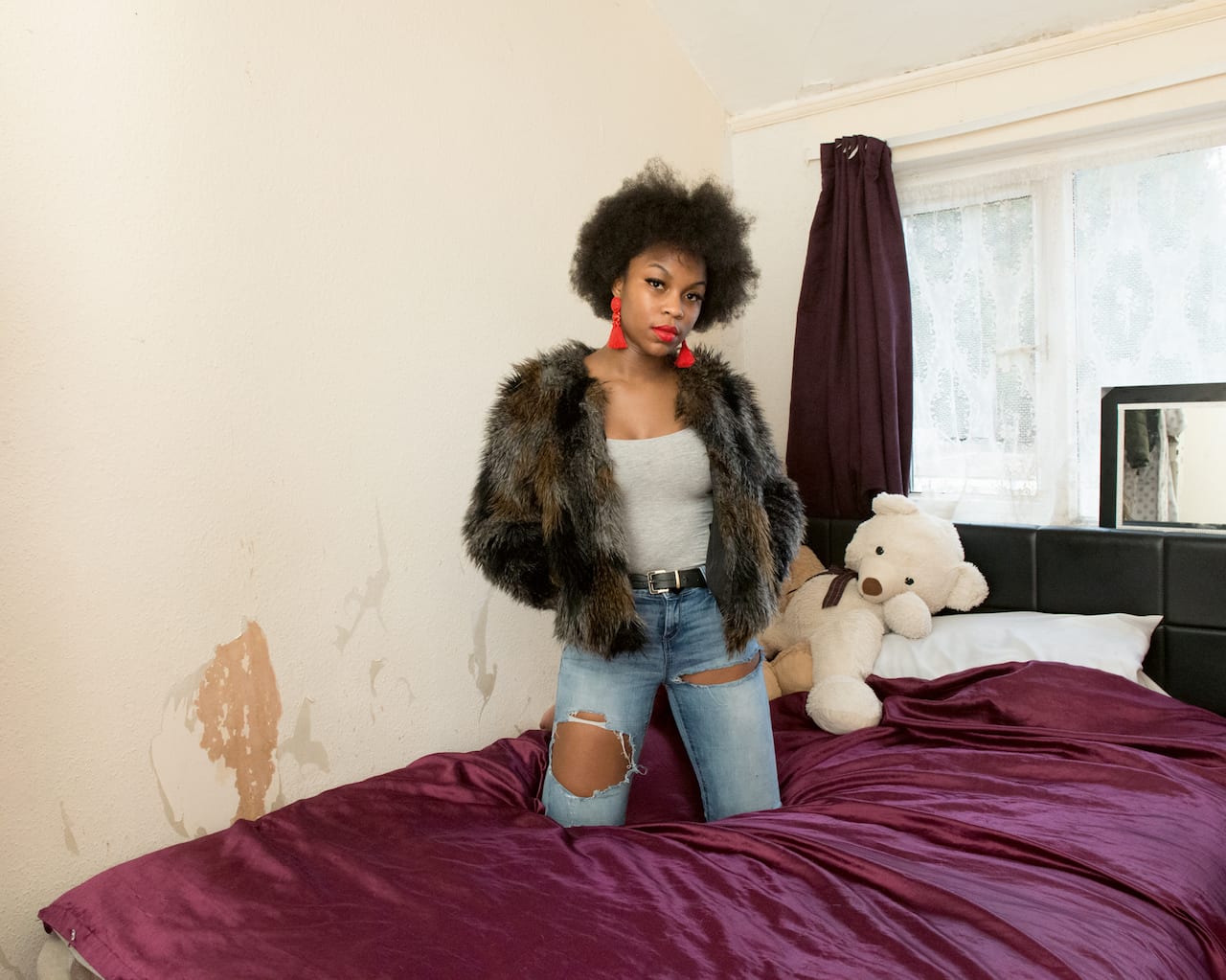
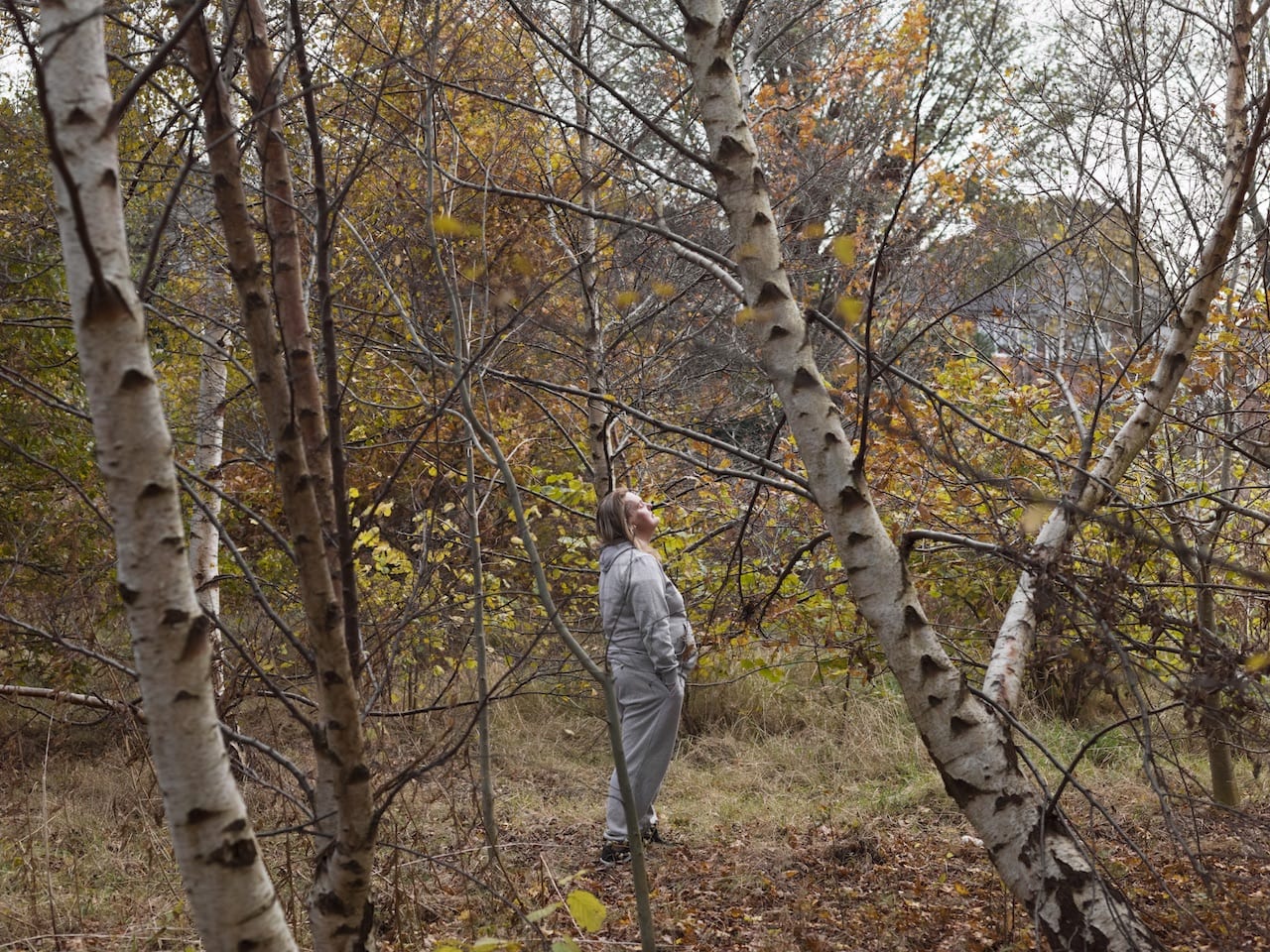
It is estimated that 7% of the prison population in the UK has a learning disability, compared to around 2.2% of the general population. A study by Prison Reform Trust in 2008 found that people with learning disabilities are seven times more likely to come into contact with the police, five times more likely to be subject to control and restraint, and three times more likely to suffer from anxiety or depression, and spend time in solitary confinement.

These numbers are estimates rather than straight statistics because there is no system in place to screen, identify, and record whether a prisoner has a learning disability. In a research paper from 2005, psychologist John Rack estimated that around 20% of prisoners have some form of “hidden disability” which affects their performance in education and work settings. It’s worryingly disproportionate, and it begs the question – if prisons don’t have systems in place to even identify these people, how can they begin to give them the support they need to survive in a prison environment?
21 November 2018

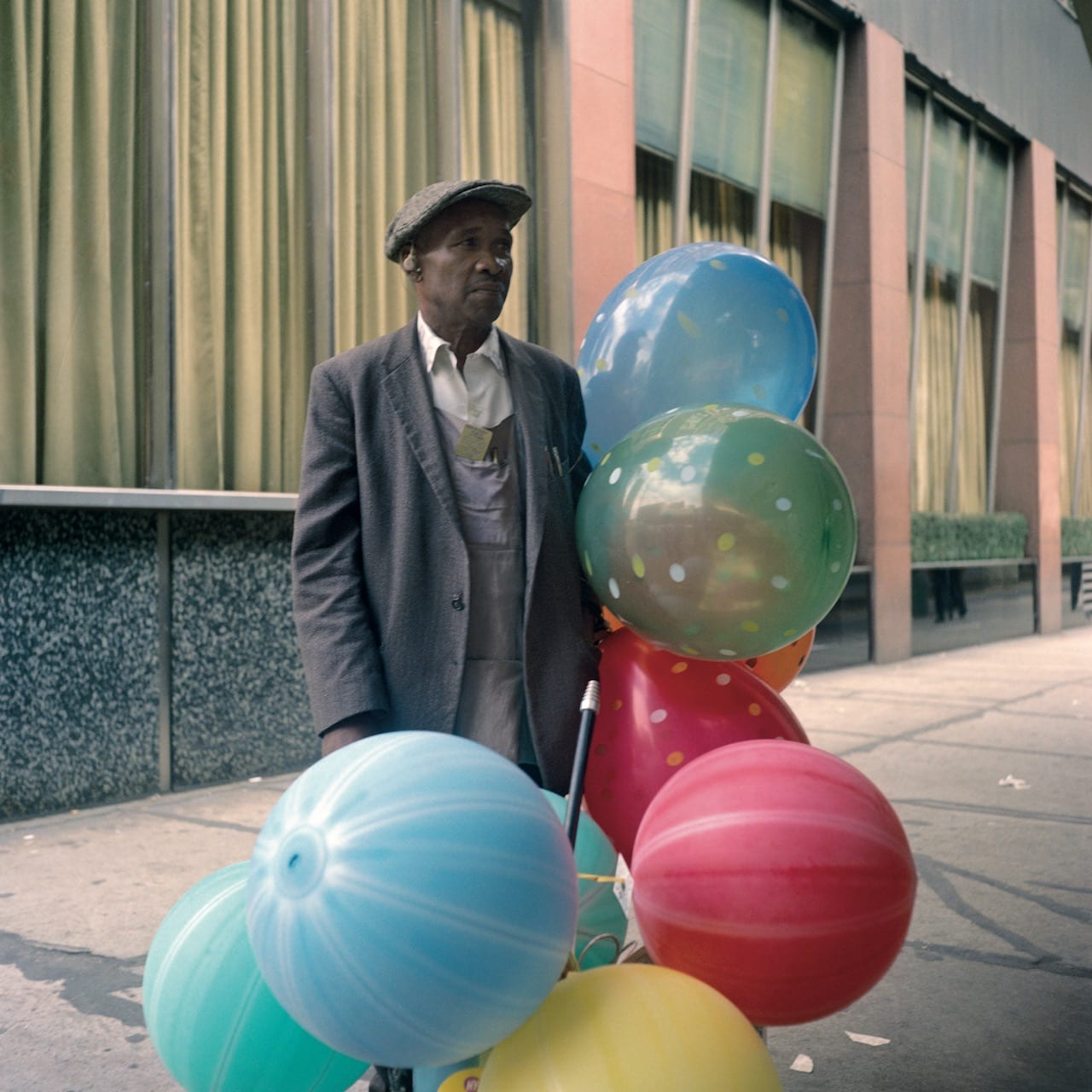
Vivian Maier: The Color Work

Since its discovery in 2009, Vivian Maier’s work – and her life – has attracted global attention. It been exhibited all over the world, featured in mainstream media outlets, and circulated in multiple books and films. Even so, many details of the American street photographer’s life remains a mystery.

We know that she worked as a nanny for 40 years in Chicago, and that she liked to spend time walking the streets, taking photographs with her Rolleiflex camera – with and without the children she was looking after. We also know that Maier took more than 150,000 photographs, many of which remain unseen, mostly of the people and architecture in Chicago, New York and LA, but also of herself, and her young charges. 

19 November 2018

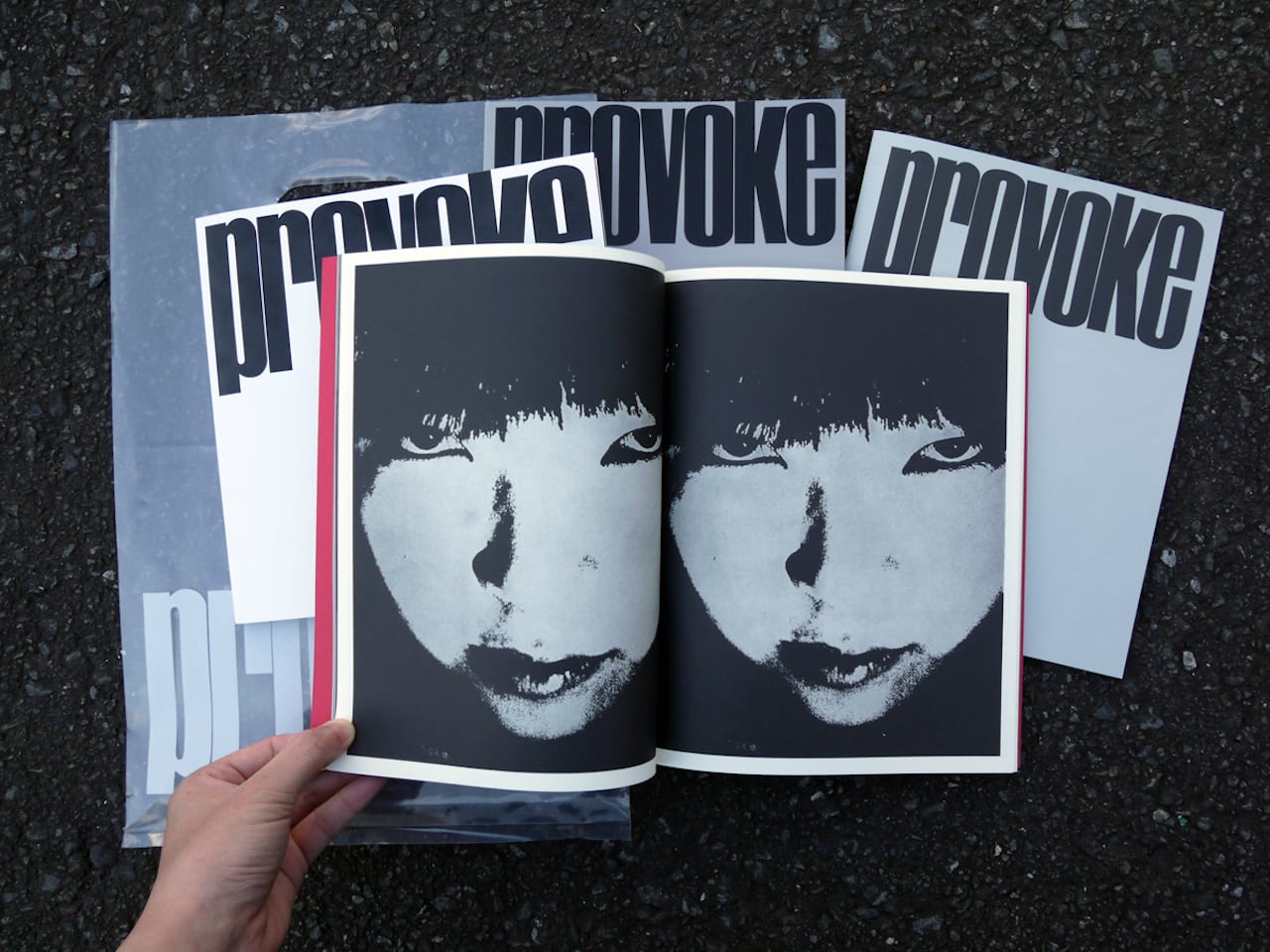
50 years since PROVOKE: reprinting the radical Japanese photo magazine

“How to fill the gap between politics and art? This is both an old and a new problem,” writes Takuma Nakahira, in the afterword to PROVOKE no.1, published 50 years ago this month. Led by some of Japan’s best-known photographers and art critics – including Takuma Nakahira, Koji Taki, and iconoclast Daido Moriyama, who joined from the second issue – the magazine stemmed from the anger and discontent that they felt towards the post-war world. Though it survived only three issues, and was criticised at the time, it is now widely recognised as a ground-breaking publication in the history of contemporary Japanese photography.

The magazines were printed in 1968 and 1969, both turbulent years for politics which featured the May 1968 riots in Paris; the assassination of Martin Luther King Jr and the anti-Vietnam protests in the US; the end of the Prague Spring. In Japan, 1968 was the year that a string of violent student uprisings forced many of the top universities to close.

16 November 2018

Roll up, roll up for the Martin Parr Foundation membership scheme

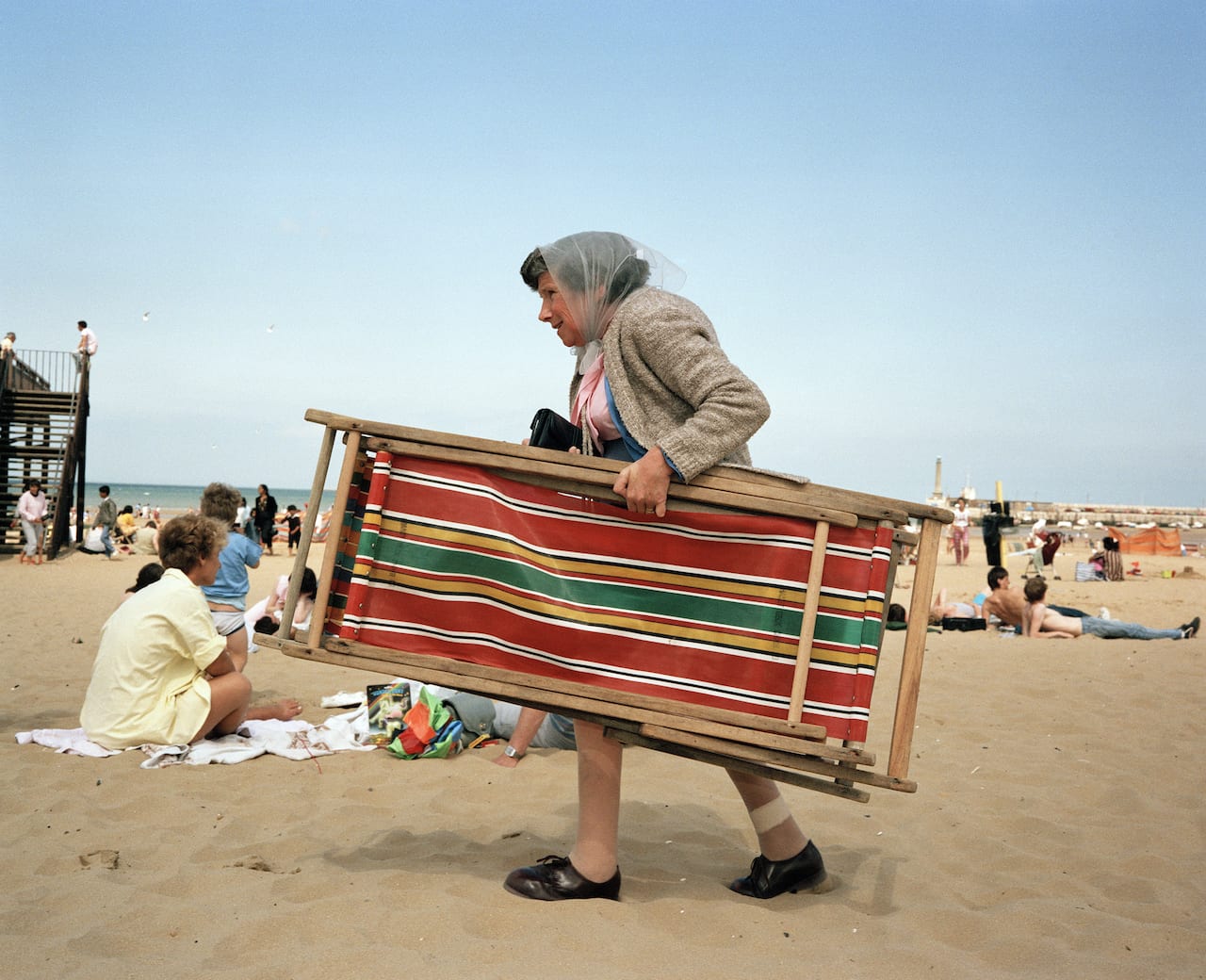
Would you want Martin Parr to take your portrait? You might say its a brave soul who goes in front of his penetrating lens, but it’s part of a portfolio of benefits the Martin Parr Foundation is launching in its Membership Scheme.

Parr set up the Bristol-based Foundation in 2014 to house his archive, but in October 2017 it opened to the public in a purpose-built space, offering free access to much more – a rolling programme of exhibitions, a large photobook library, and a growing collection of prints. Parr’s used the opportunity to hone in on British and Irish photographers, as well as work taken in the British Isles by others, and put the focus on their documentary work – an area which he believes is still underrated.

14 November 2018

Mistral: The Legendary Wind of Provence

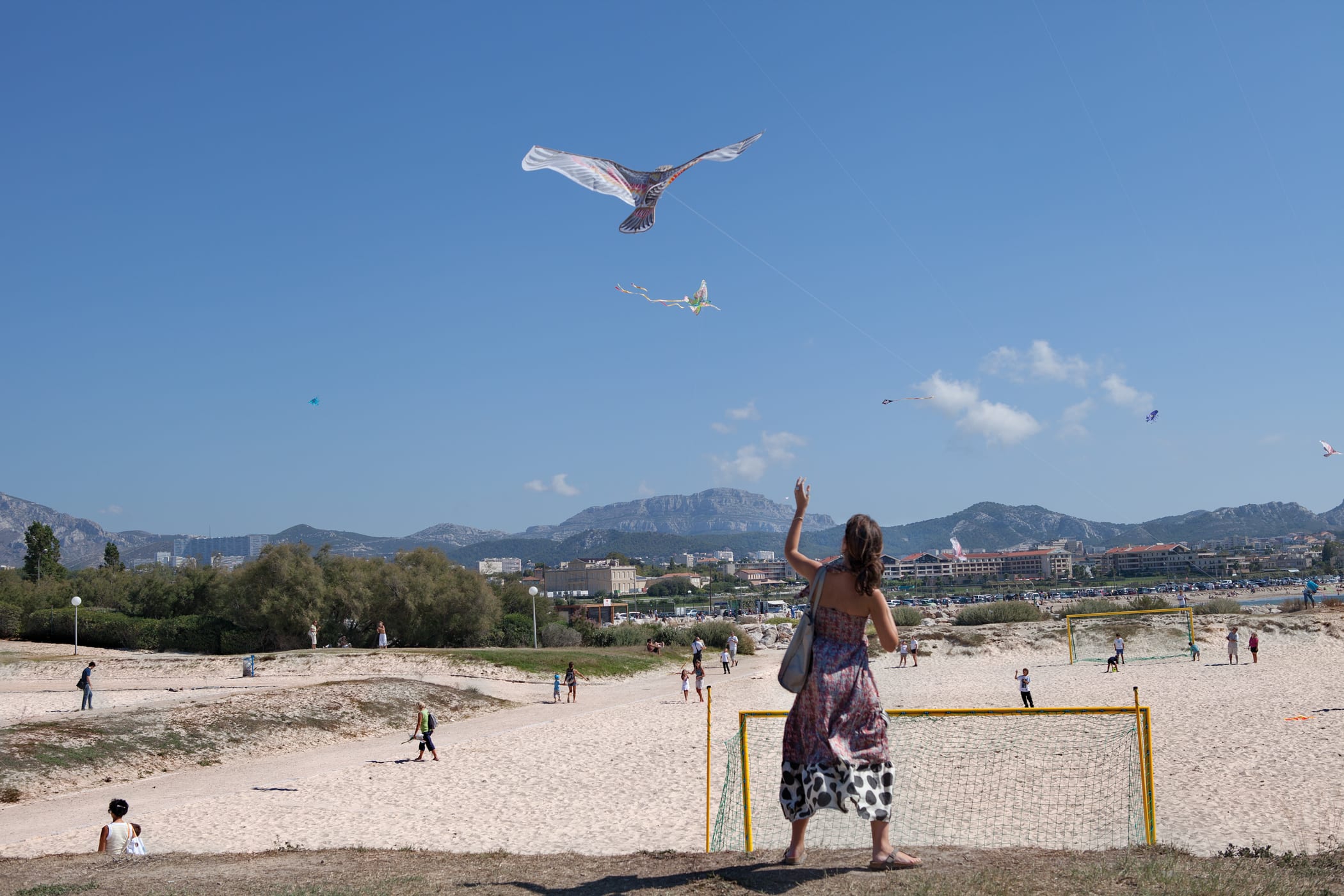
To the people of Provence, the Mistral is a local menace. It regularly ruins weddings, steals hats and scarves with ease and, at its worst, this epic wind has the strength to sweep up metal chairs and smash them into neighbouring windows. Even so, says Rachel Cobb, “I think maybe they actually like it”. “What I feel is that it’s a source of pride among the Provincials, a way of defining the region,” she adds. “They can withstand it, and they’ve learned to live with it.”

Cobb’s new book, Mistral: The Legendary Wind of Provence, is a record of the 20 years she spent hunting the wind. She has holidayed in the south of France for 40 summers now and, though she has been victim to the perils of the strong gales, she’s also found it inspirational – as have many other artists and writers. “I’m energised by it,” she says. “At night, when you hear it stir, you can feel the energy in the air.”

12 November 2018

Pixy Liao’s Experimental Relationship charts a decade of love

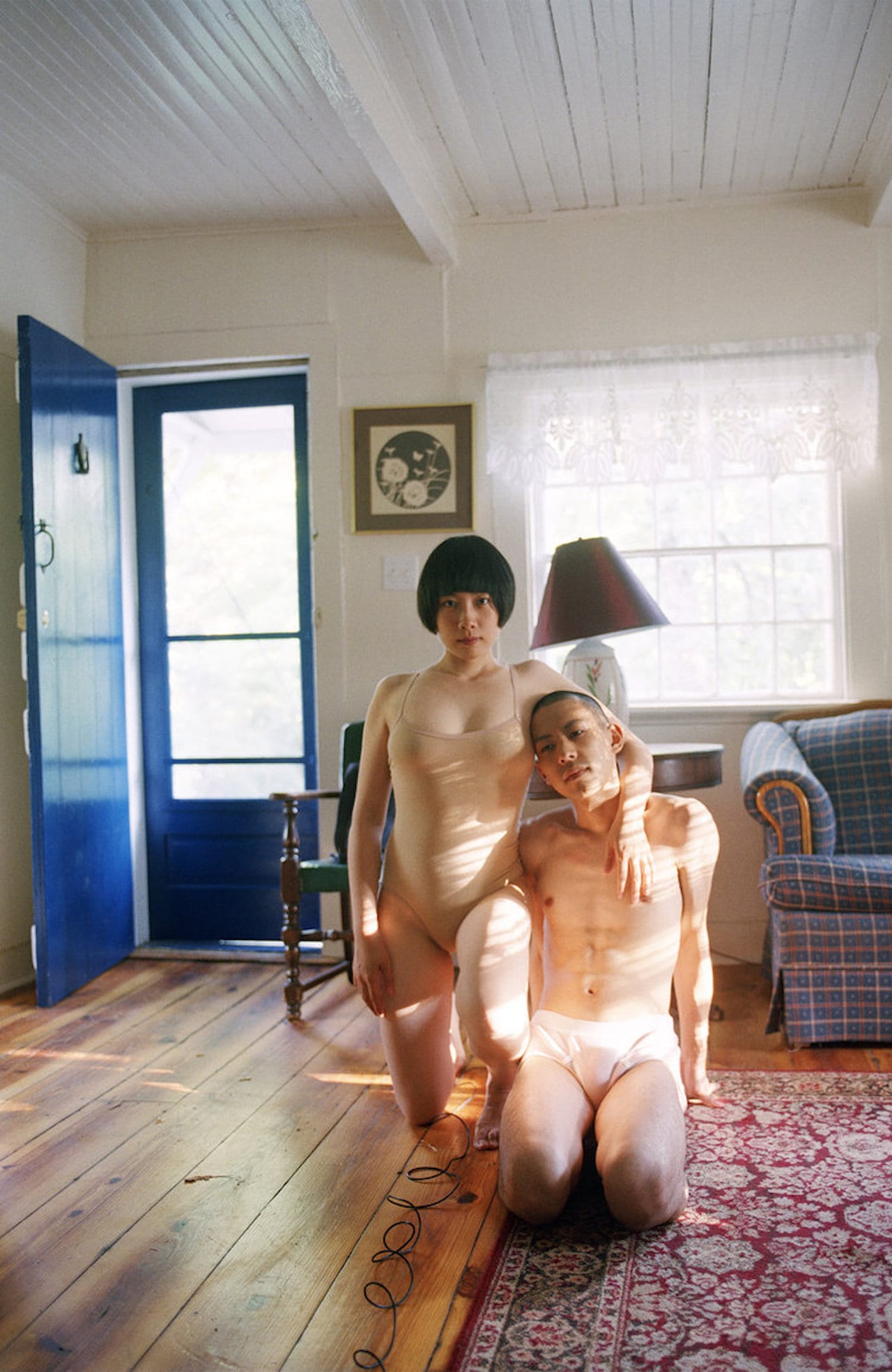
Last year, after 10 years of creating hundreds of images for a project about her relationship, Pixy Liao decided it was finally time to create a book. “I’m not a very productive photographer, so I always felt like I didn’t have enough images” she says, “but ten years felt like the right time”.

As a woman brought up in China, Liao always thought she would end up with an older man who would look after her and protect her. But while studying for an MFA in photography in Memphis, Tennessee, she met Moro, a Japanese musician five years her junior. Being with Moro challenged her own views on how a man or woman should behave in a heterosexual relationship, and so she began to explore this through photography with a project titled Experimental Relationship.

9 November 2018

Winners announced for the 2018 Paris Photo/Aperture Foundation Photobook Awards

Out of nearly 1000 submissions, the winners for this years Paris Photo/Aperture Foundation Photobook Awards, established in 2012 to celebrate the photobook’s contribution to the narrative of photography, have been announced at Paris Photo.

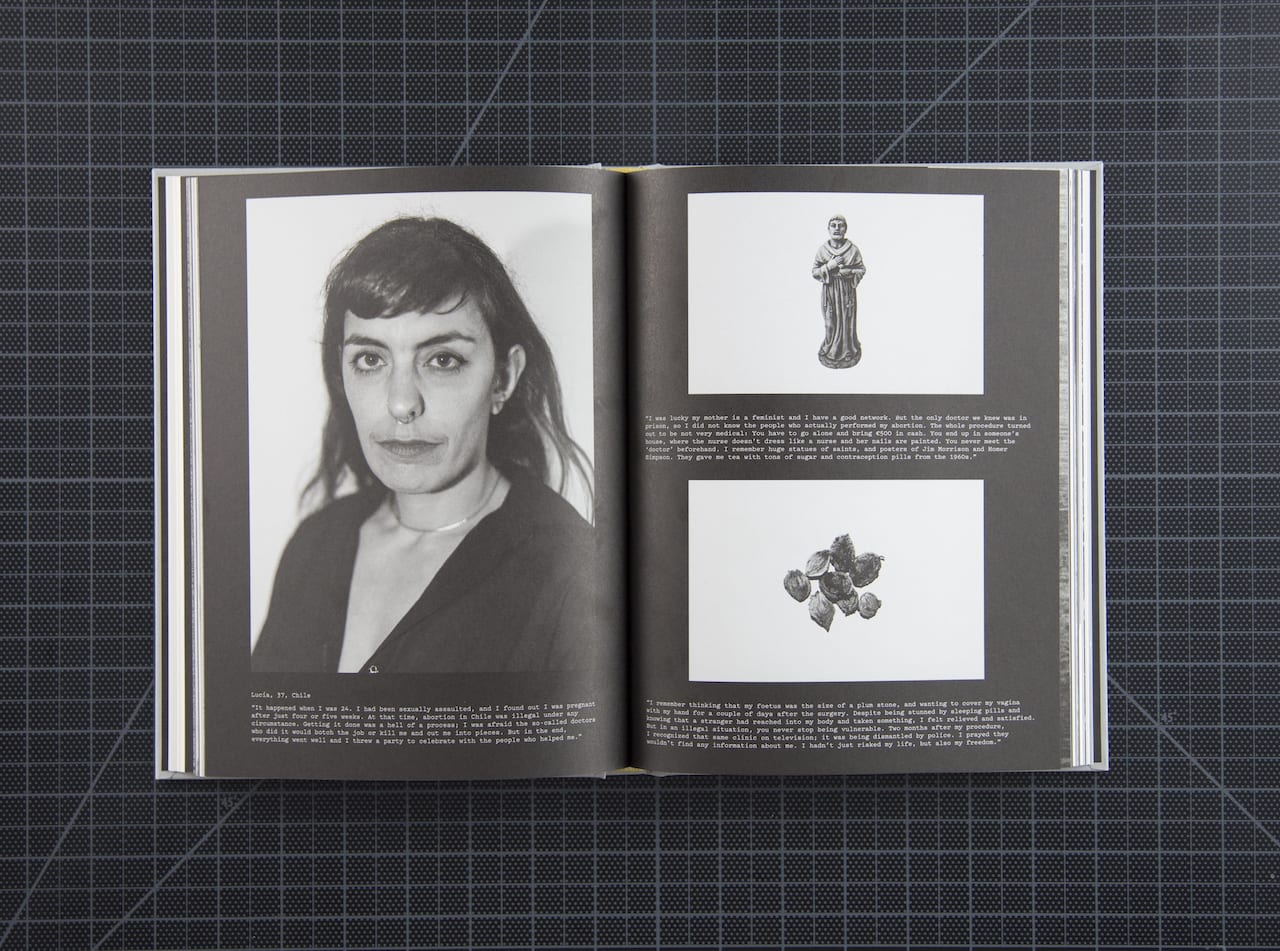
The Photobook of the Year award went to Laia Abril, for part one of her long-term project, A History of Misogyny, Chapter One: On Abortion (Dewi Lewis). The project is not about the experience of abortion itself, but about the repercussions for women who do not have access to legal, safe or free abortions, forcing them to consider dangerous alternatives that cause physical and mental harm.

9 November 2018

Partying on the edge of disaster

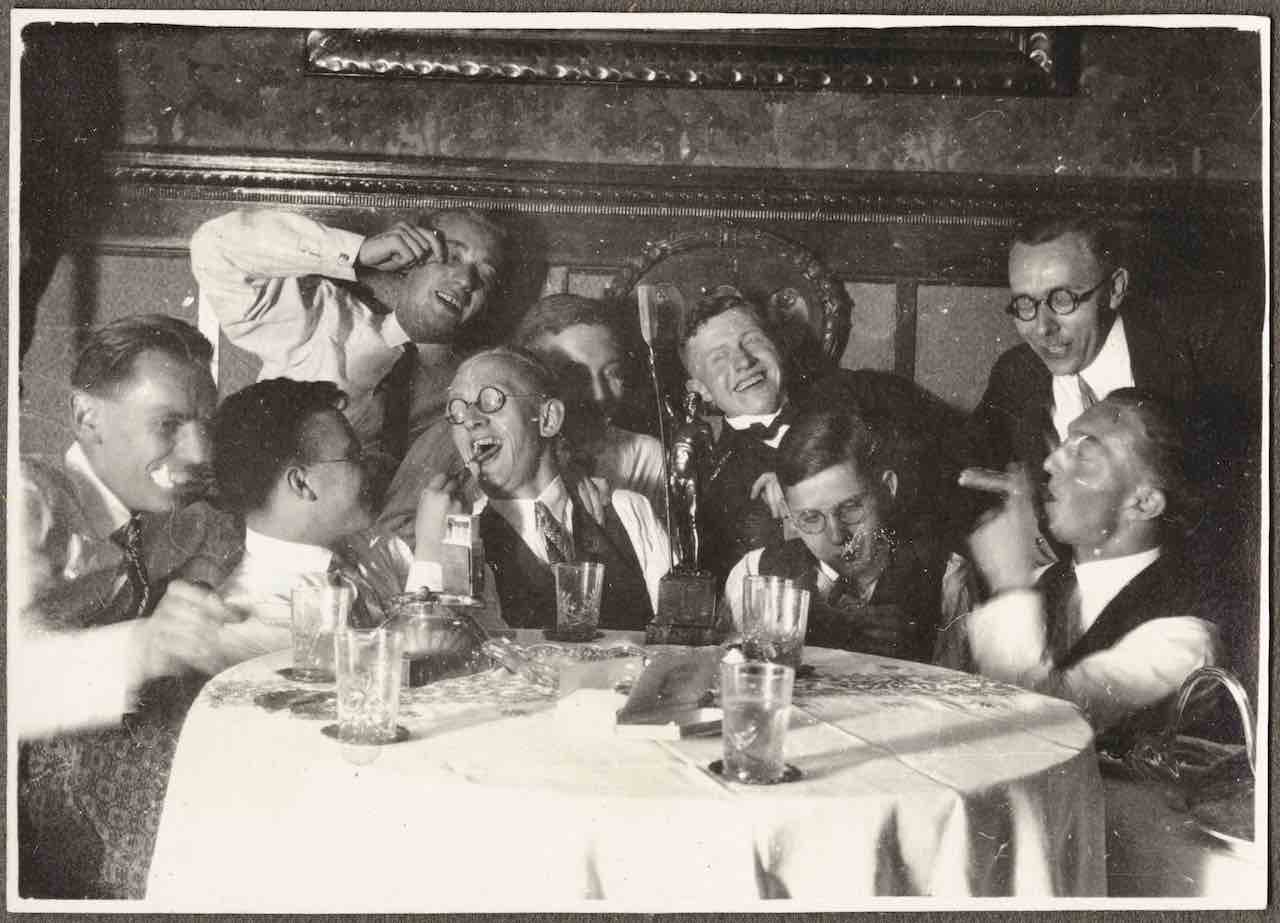
In 1919, a year after the end of World War One and the start of the Weimar Republic in Germany, $1 was worth 48 Marks. By early 1922, $1 bought 320 Marks; by late 1922, $1 bought 7,400 Marks. By 1923, $1 bought 4,210,500,000,000 Marks. “Lingering at shop windows was a luxury because shopping had to be done immediately,” said the artist George Grosz at the height of this hyperinflation.

“Even an additional minute could mean an increase in price. One had to buy quickly. A rabbit, for example, might cost two million marks more by the time it took you to walk into the store. The packages of money needed to buy the smallest item had long since become too heavy for trouser pockets. I used a knapsack.”

7 November 2018

Paul Reas’ Fables of Faubus

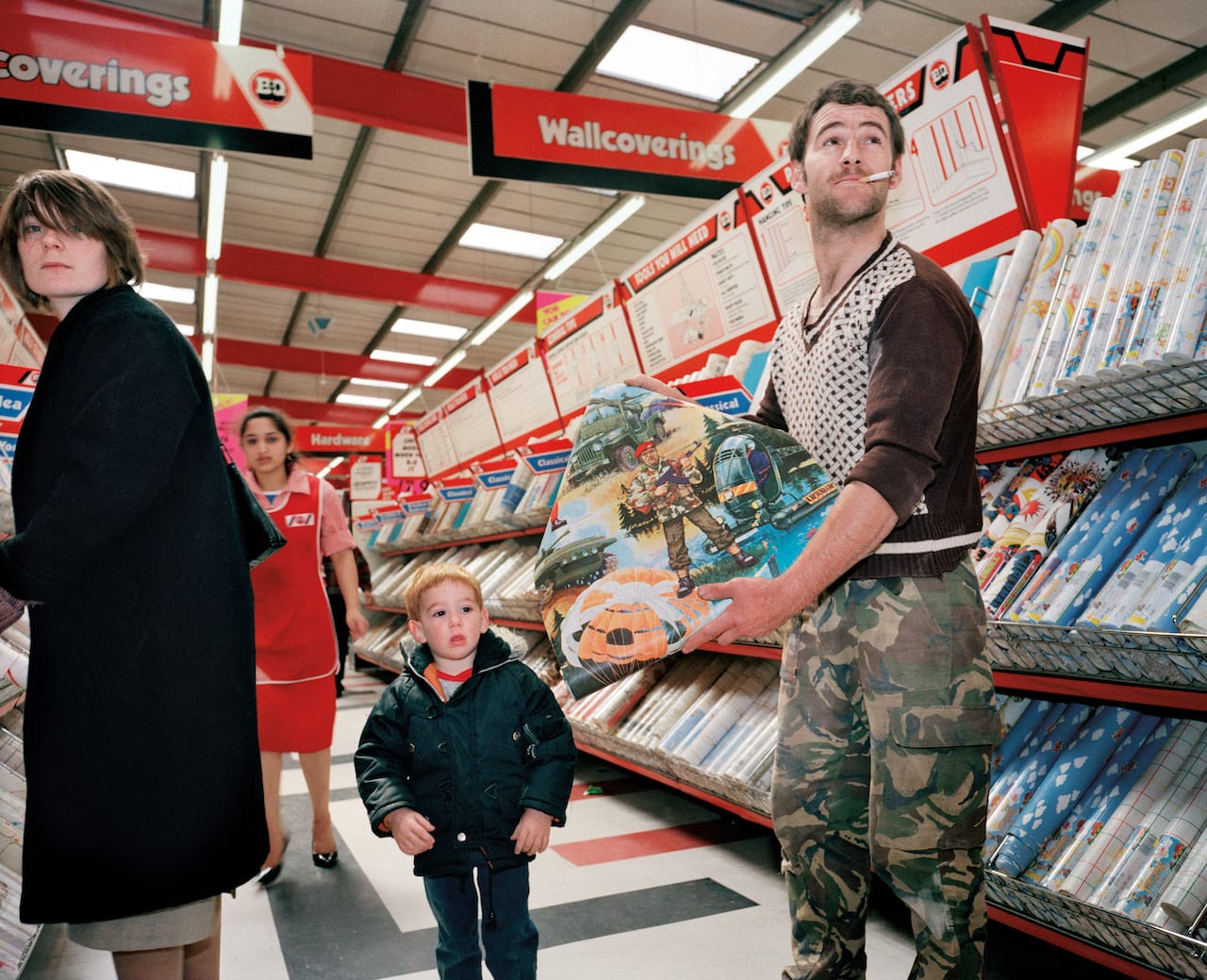
If you don’t get the reference, it’s a curious title for a photobook – Fables of Faubus, the 30-year retrospective by British documentary photographer Paul Reas. But if you’re a jazz fan you’ll know it’s taken from a song by Charles Mingus, written after Arkansas governor Orval Faubus decided to bar the integration of Little Rock Central High School in 1957.

To Mingus, and many others, Faubus stood for a dark force holding back progressive social change. For Reas, the title suggests the metanarrative that runs behind the many stories he’s shot in the UK on heavy industry, consumer culture, the heritage industry, and more – namely, the disenfranchisement of the British working class, “the years of decline of industry and the fall out from that, communities being de-centred and levelled”.

6 November 2018