Interviews

Ones to Watch: Justine Tjallinks

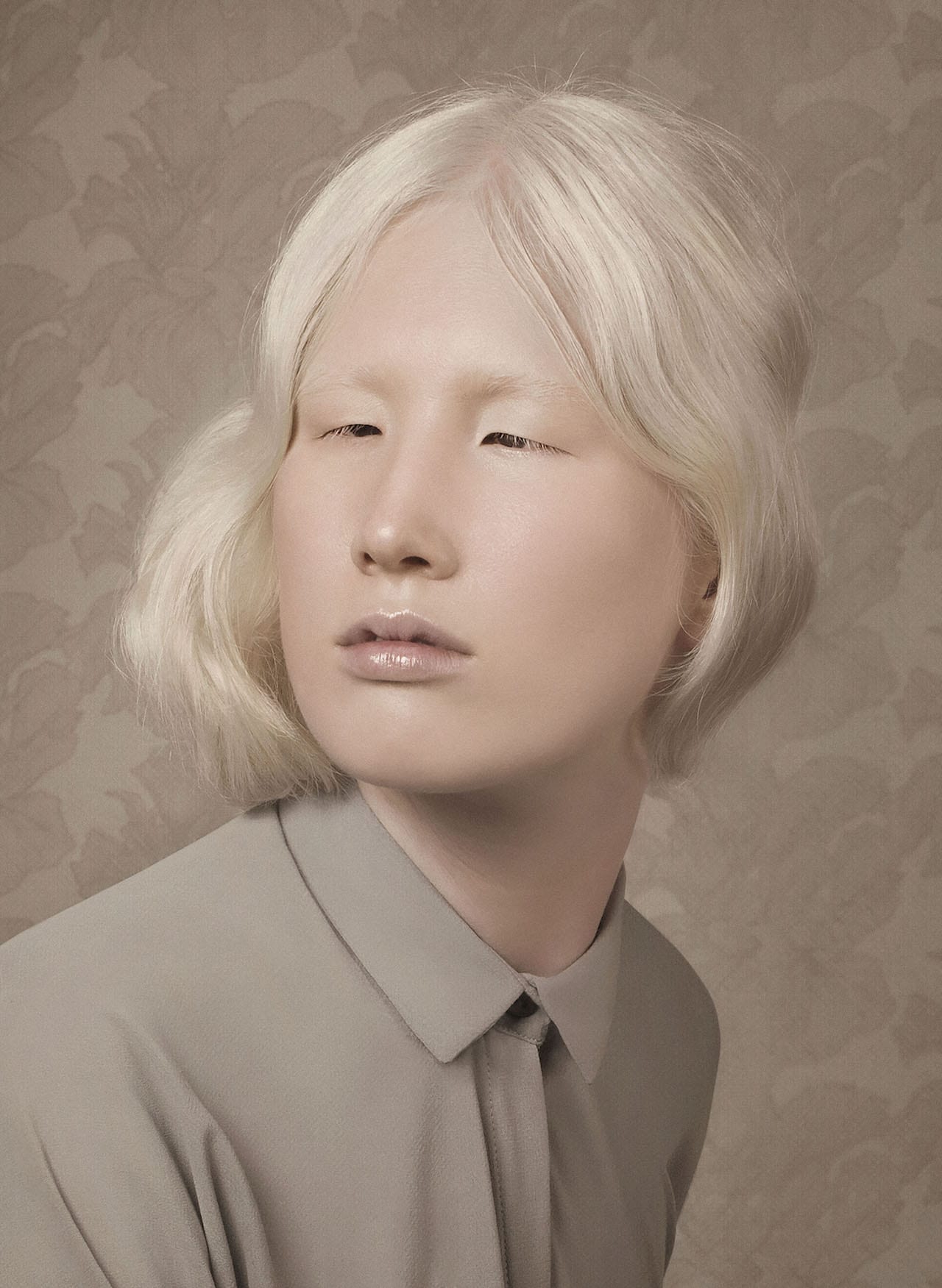
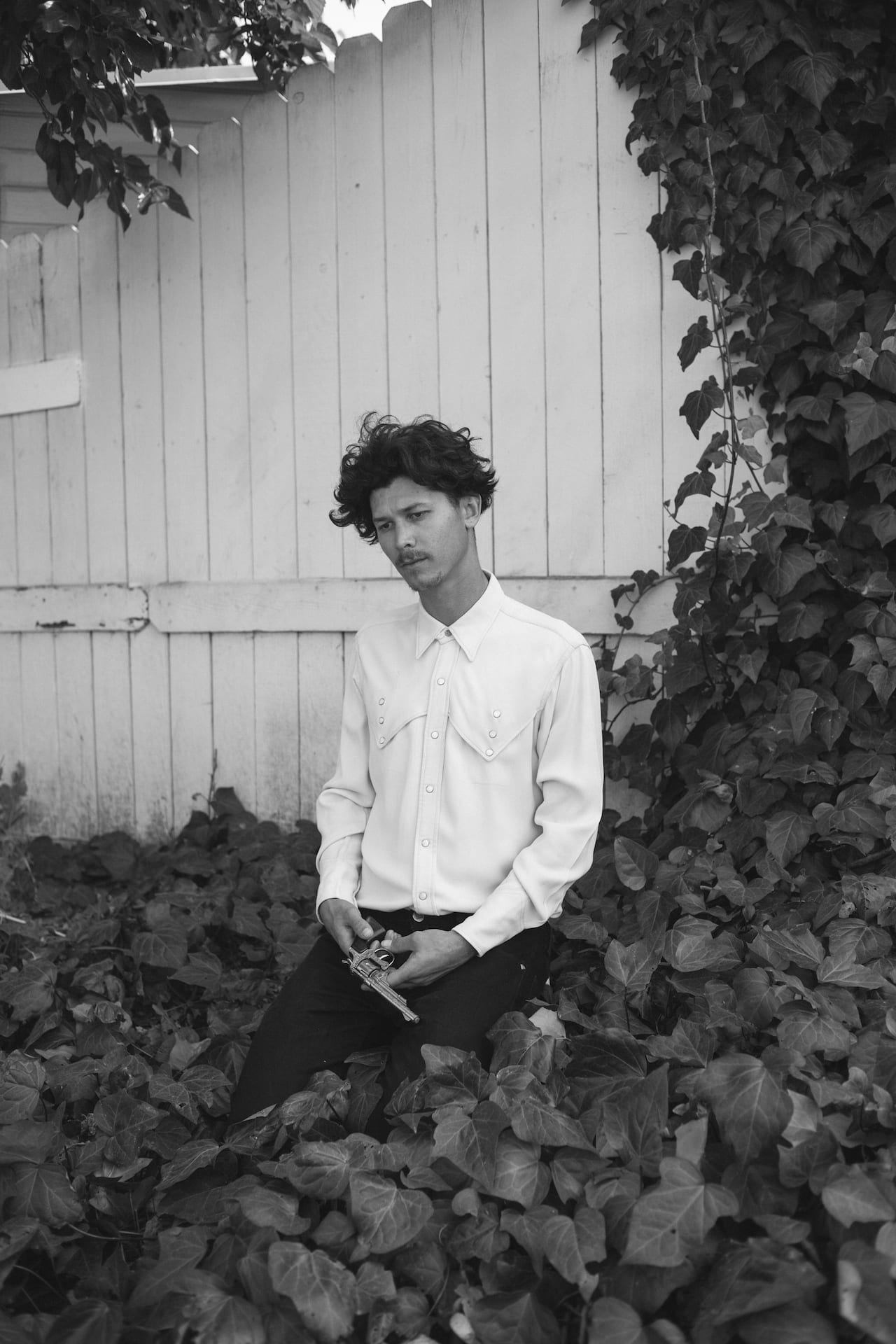
It was while working as an art director that rising talent Justine Tjallinks decided she wanted to make her own images. Born in a small village in the east of the Netherlands, the 32-year-old moved to the Dutch capital to study at the Amsterdam Fashion Institute before immersing herself in the commercial world, working on several leading fashion publications.

20 June 2018

Q&A: Nelli Palomaki explores the experience of being a sibling

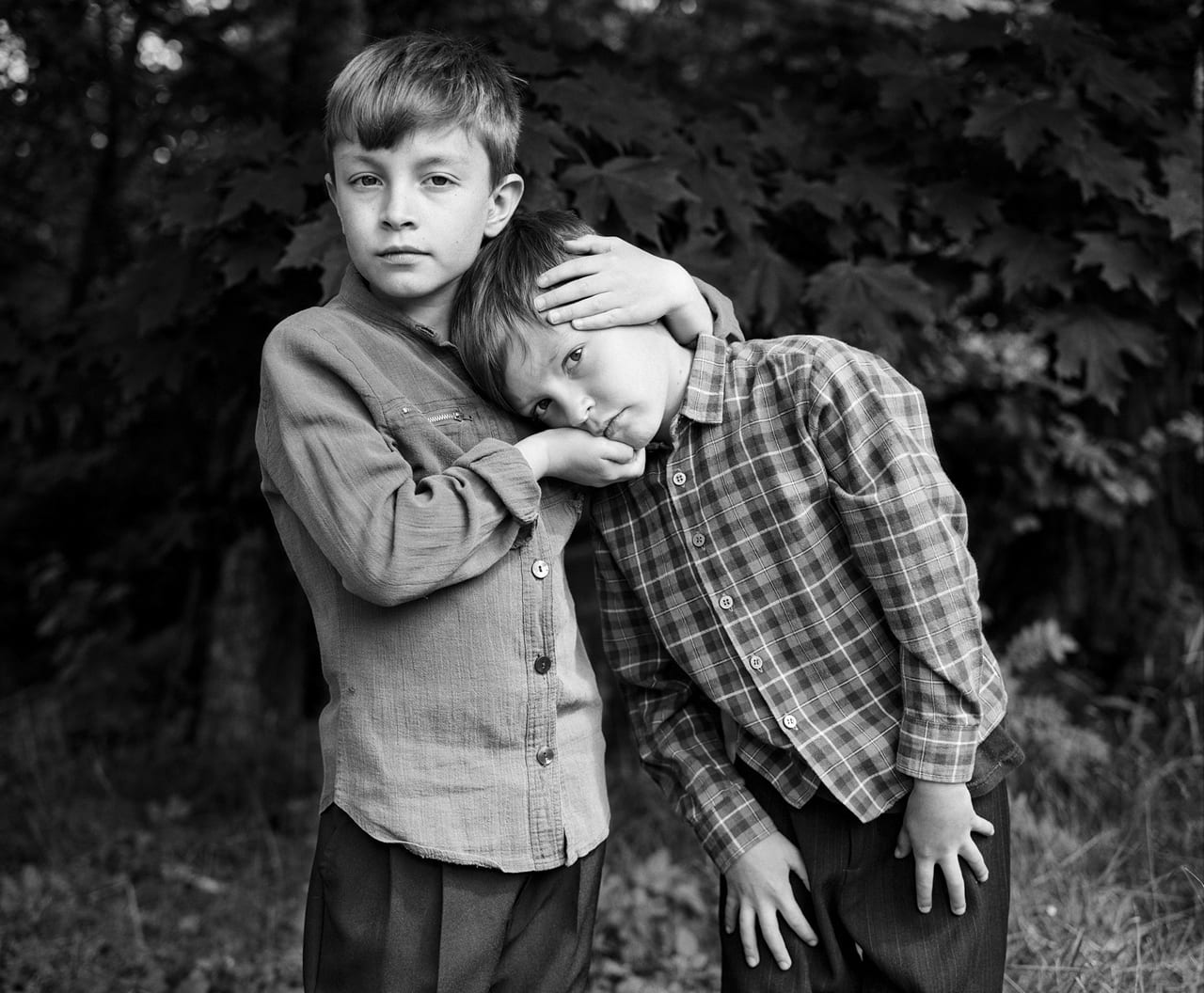
Palomäki specialises in taking photographs of children and young people, and says her work deals with growth, memory, the problematic ways we see ourselves, and – crucially – our mortality. “We fight against our mortality, denying it, yet photographs are there to prove our inescapable destiny,” she has written. “The idea of getting older is heart-rending.” Palomäki is currently showing new images, depicting siblings, titled Shared. BJP caught up with her to find out more about this project and her work in general. 

20 June 2018

Tomer Ifrah’s portrait of Kazakhstan’s first planned city

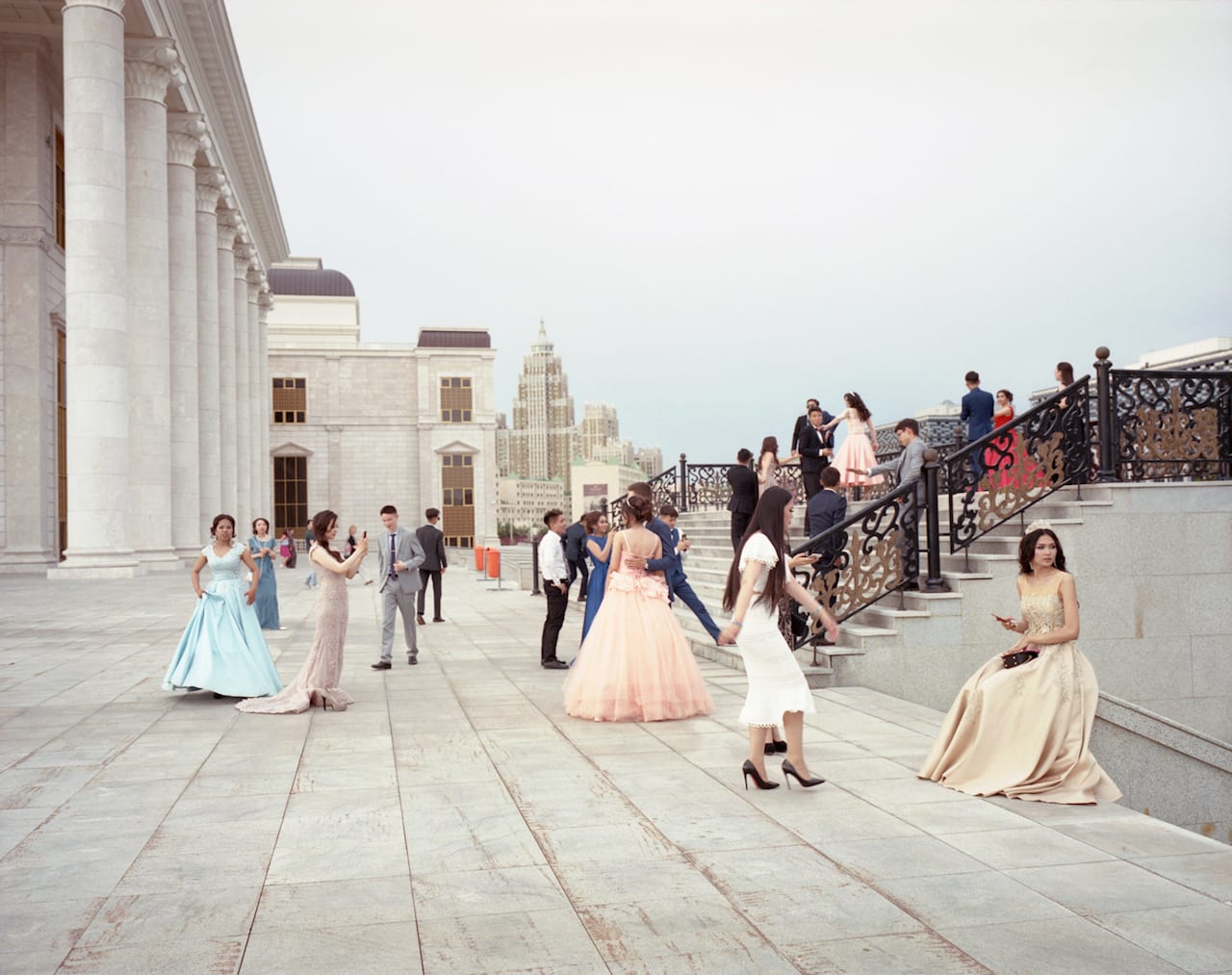
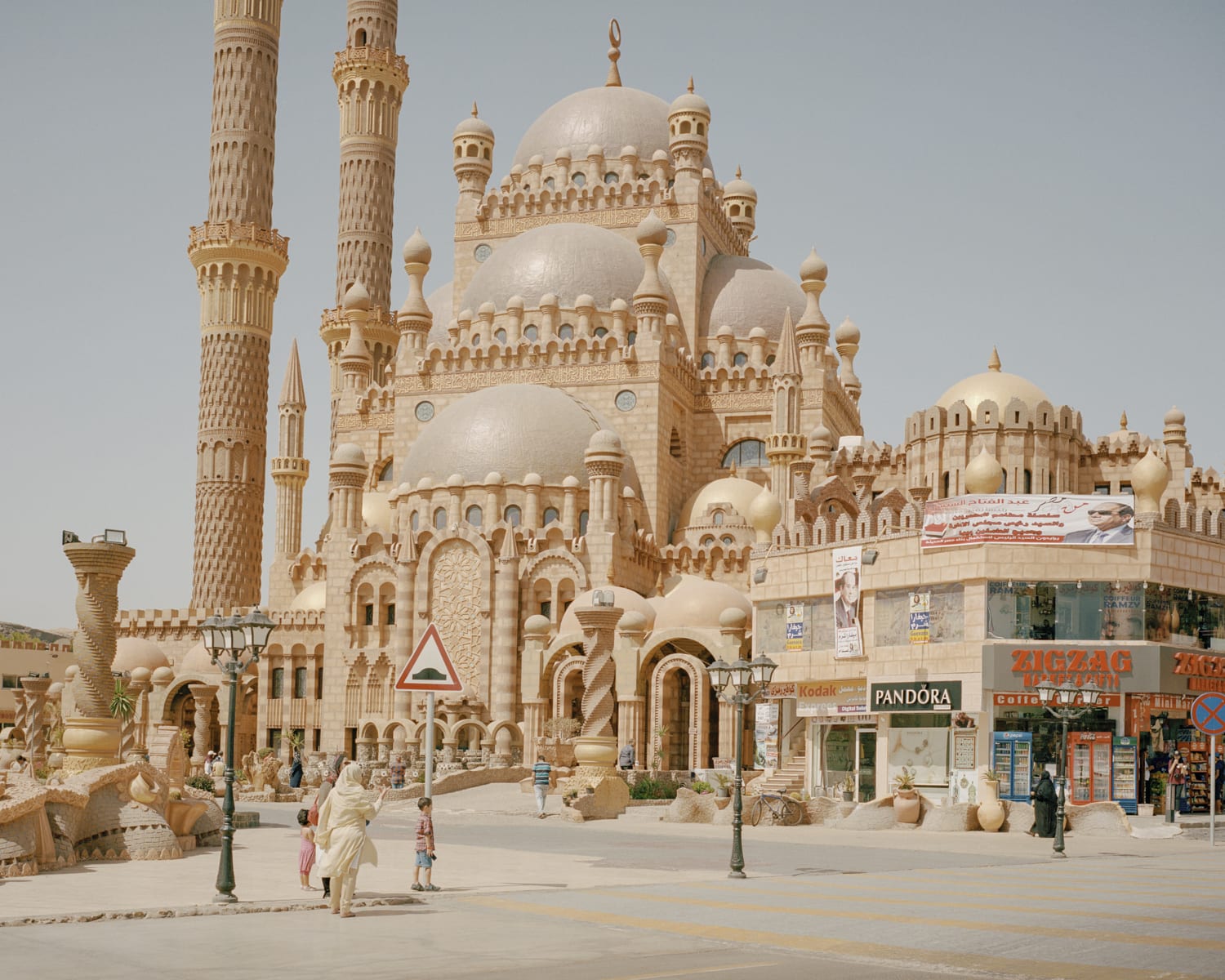
Out of a 1200km-stretch of grassland in northern Kazakhstan, glistening skyscrapers shoot up into the landscape. Among the impressive buildings rising out of the otherwise sparse terrain are two identical golden towers, a fantastical presidential palace, and a looming centrepiece that blossoms into a large golden sphere. It packs quite a visual punch, but what’s most impressive is that it’s all been built in just 15 years.

Astana became the capital of Kazakhstan in 1997, and has since developed into one of the most modern cities in Central Asia. It’s futuristic buildings are designed by world-famous architects such as Norman Foster and Zaha Hadid, their work paid for via the country’s recently-discovered oil reserves.

20 June 2018

Camerawork magazine’s Radical Vision on show at Four Corners

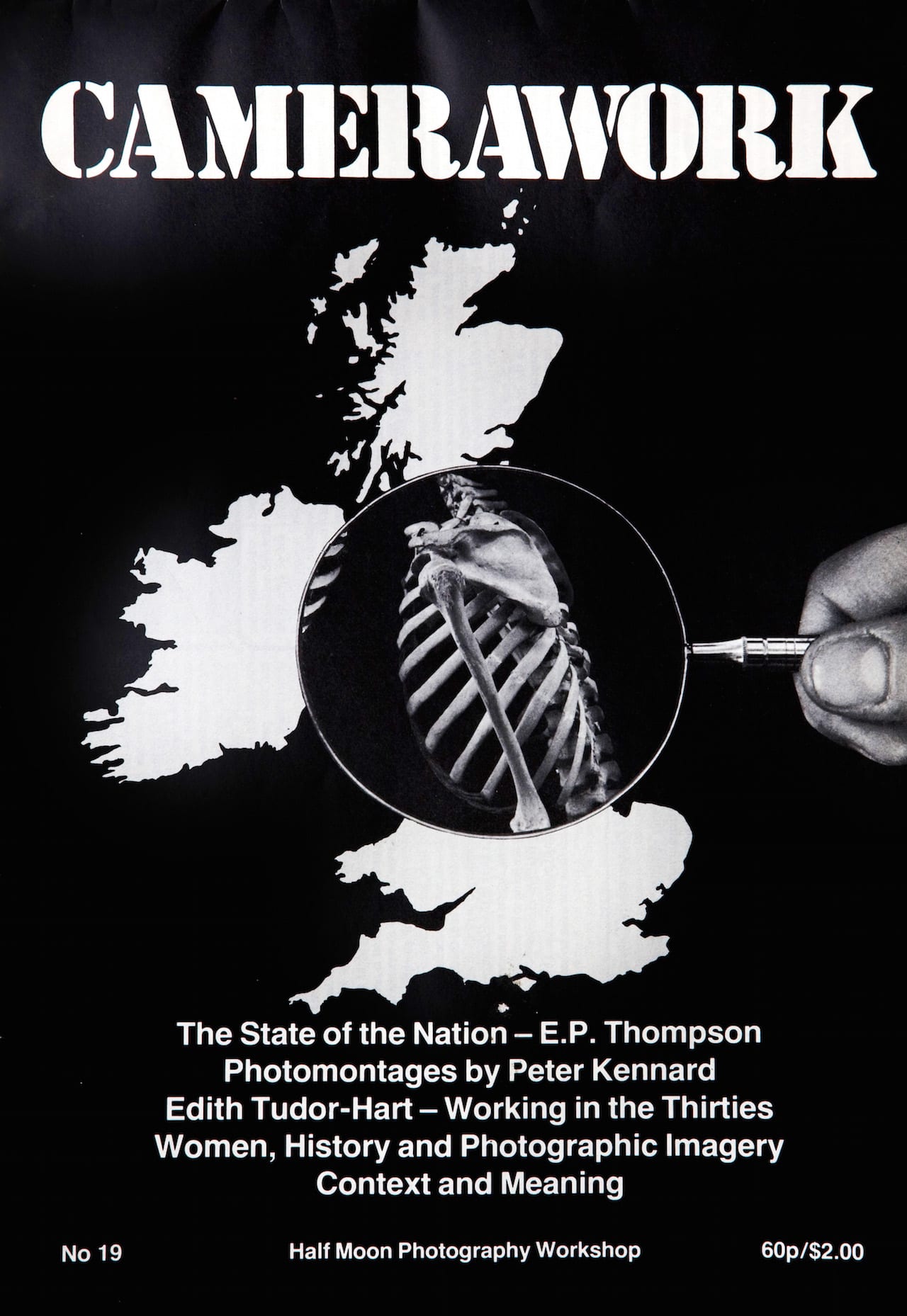
“They had this amazing enthusiasm; a very creative enthusiasm,” says Peter Kennard, the well-known photomontage specialist and early member of the radical photography collective Half Moon Photography Workshop. “Camerawork contained all the different debates that were going on in photography at the time, but it was practical as well. The whole thing was about democratising photography.”

Radical Visions, a new exhibition at Four Corners in East London, reveals the lesser-known history of Camerawork magazine and its creators, the Half Moon Photography Workshop. The exhibition coincides with the launch of the Four Corners Archive, which has made all 32 issues of the magazine publicly available to view online.

The collective’s aim was to demystify the process of photography, and to use it as a tool for social change and political activism. The first issue of Camerawork, The Politics of Photography, published in February 1976, was stark black-and-white litho print on a broadsheet format – sheets of A2 paper folded to A3, then to A4 – and sold for 20p. It was pulled together over an all-night session fuelled by bagels and coffee at the Half Moon’s first studio in Chalk Farm.


19 June 2018

Women by Women at Newcastle’s BALTIC Centre for Contemporary Art

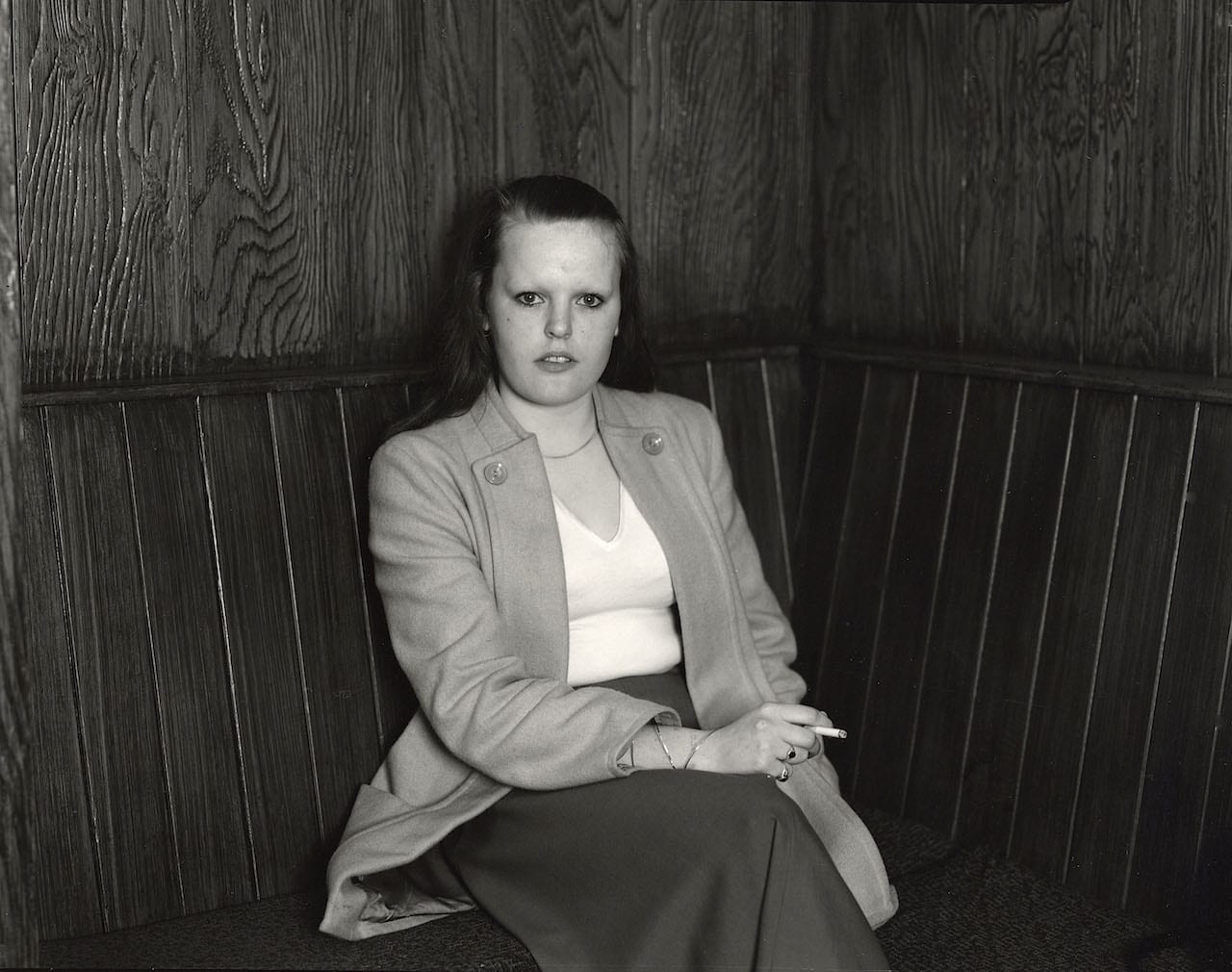
“I think women photographers are very good at building relationships with their subjects” says Sirkka-Liisa Konttinen, co-founder of Amber, a film and photography collective based in Newcastle that aims to capture working-class life in North East England. “They are more interested in the personal stories, and through these they get a much more intimate look into their subject’s lives.”

Women by Women is a major presentation of the work of five female photographers working in the North East from the 1970s – 2000s. Curated by Konttinen, the photographs are drawn from projects originally commissioned by Amber, and the exhibition forms part of Idea of North season at the BALTIC Centre for Contemporary Art in Newcastle.

“The North is often associated with the male more than the female, in terms of what has been documented,” says Konttinen. “I thought it [the show] would make a strong statement about our collection being more balanced than is perceived by the outside world. It’s the idea of bringing women into the picture of the whole concept of the North.”

15 June 2018

Time Folds for Vanessa Winship at Barbican Art Gallery

“It asks, inevitably, questions about who we are. Who we are in Britain, or who we are in the world. It asks questions about legacy, my own life, and cycles; the very folding of time,” says Vanessa Winship of her latest project, the ongoing series And Time Folds. “It’s difficult to say exactly what it is about because I don’t really know what it will end up being,” she adds.

Winship was the first woman to win the prestigious Henri Cartier-Bresson Award back in 2011, and she now has a major solo show opening at London’s Barbican Art Gallery on 22 June, also titled And Time Folds. It features over 150 photographs including previously unseen projects and archival material; it also includes her newest series, a mixture of “completely different, random formats” and found objects, inspired by her granddaughter and “how she frames herself in the world in relation to seeing, hearing and touching”.

12 June 2018