
Fine Art

Carolyn Drake’s collaborative project Internat

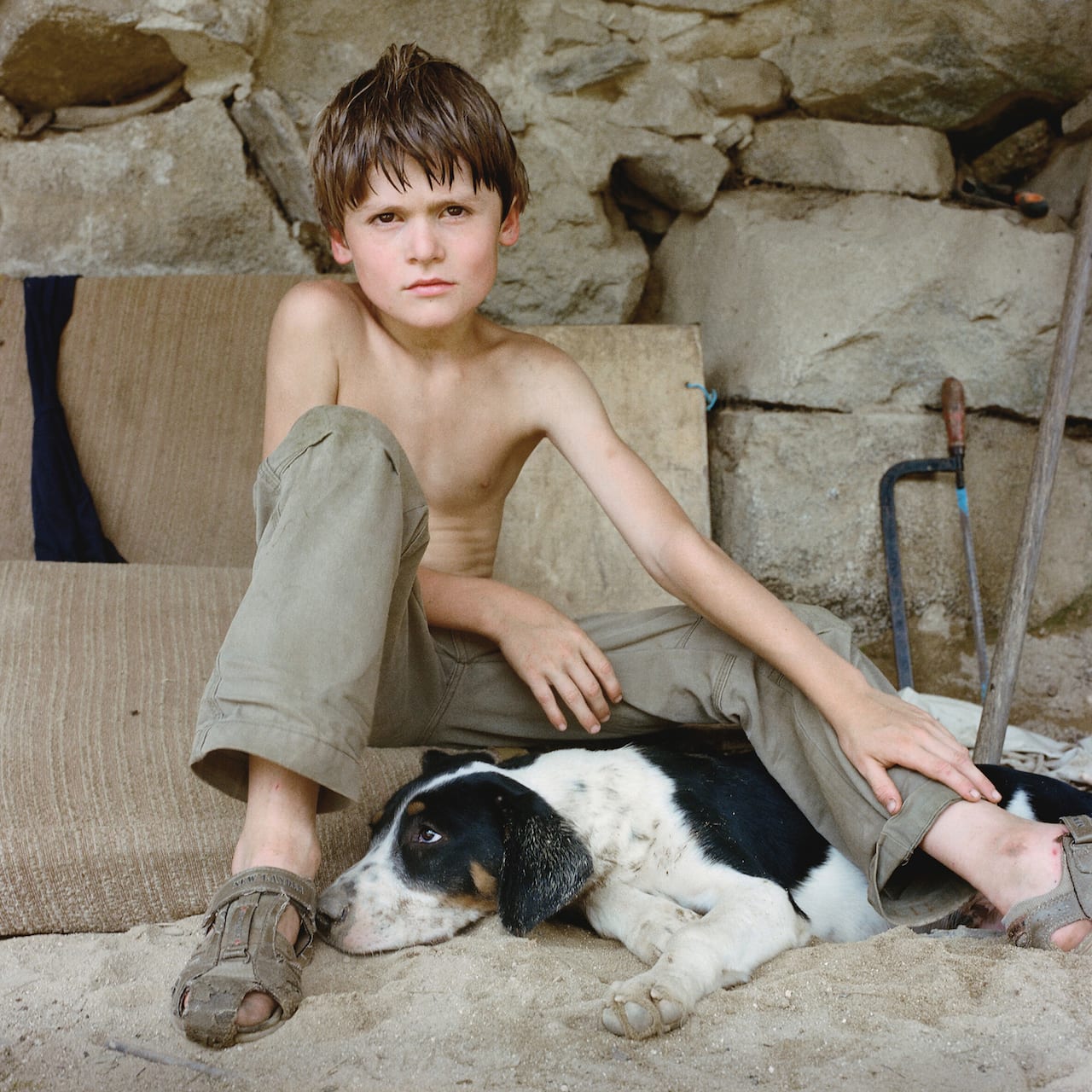
Carolyn Drake first visited Ukraine more than a decade ago, as part of a year-long Fulbright fellowship investigation of changing notions of gender in the former USSR. Coming of age at the end of the Cold War, and with preconceptions about the region, she “saw it as a chance to step out of my present frame of reference, as a way to look at the malleability and impermanence of beliefs,” she recalls. Searching for expressions of female identity in the West of the country, she met the hosts of a church-run orphanage, who directed her to an older institution nearby called Petrykhiv Internat. Tucked away in a forest on the outskirts of Ternopil, it was a state-run boarding house, where around 70 girls marked as ill or disabled had been sent to live. Labelled abnormal, they had been deemed unfit to live beyond the home’s towering walls. That first trip took place in 2006; eight years later, she returned, eager to find out what had become of the girls and their home. “I expected to show up and ask someone on the staff how I could find the girls,” she says. “But when I arrived, I found most of them were still there, now in their twenties.
26 February 2018

Jason Evans’ Flower Power celebrates colour and community

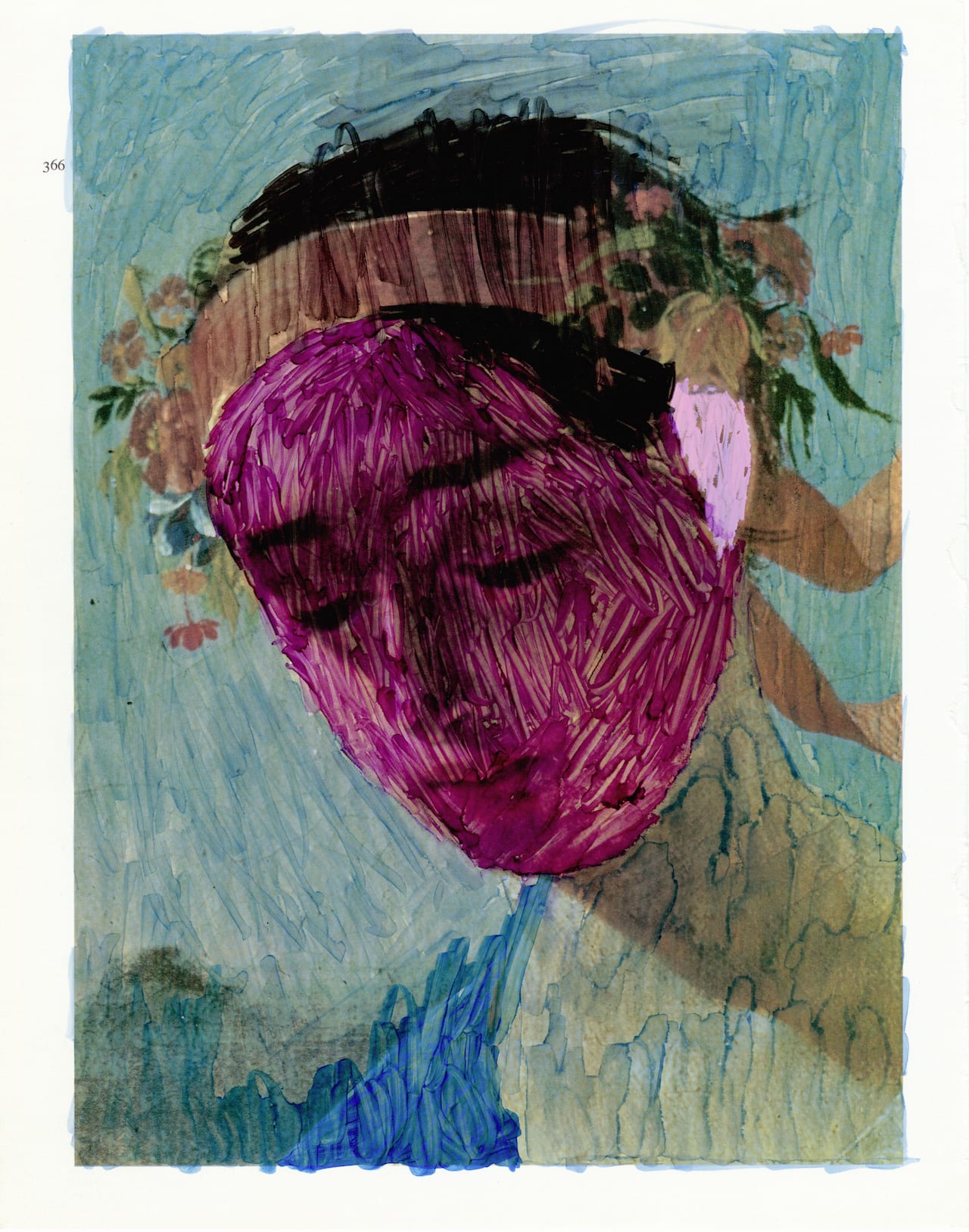
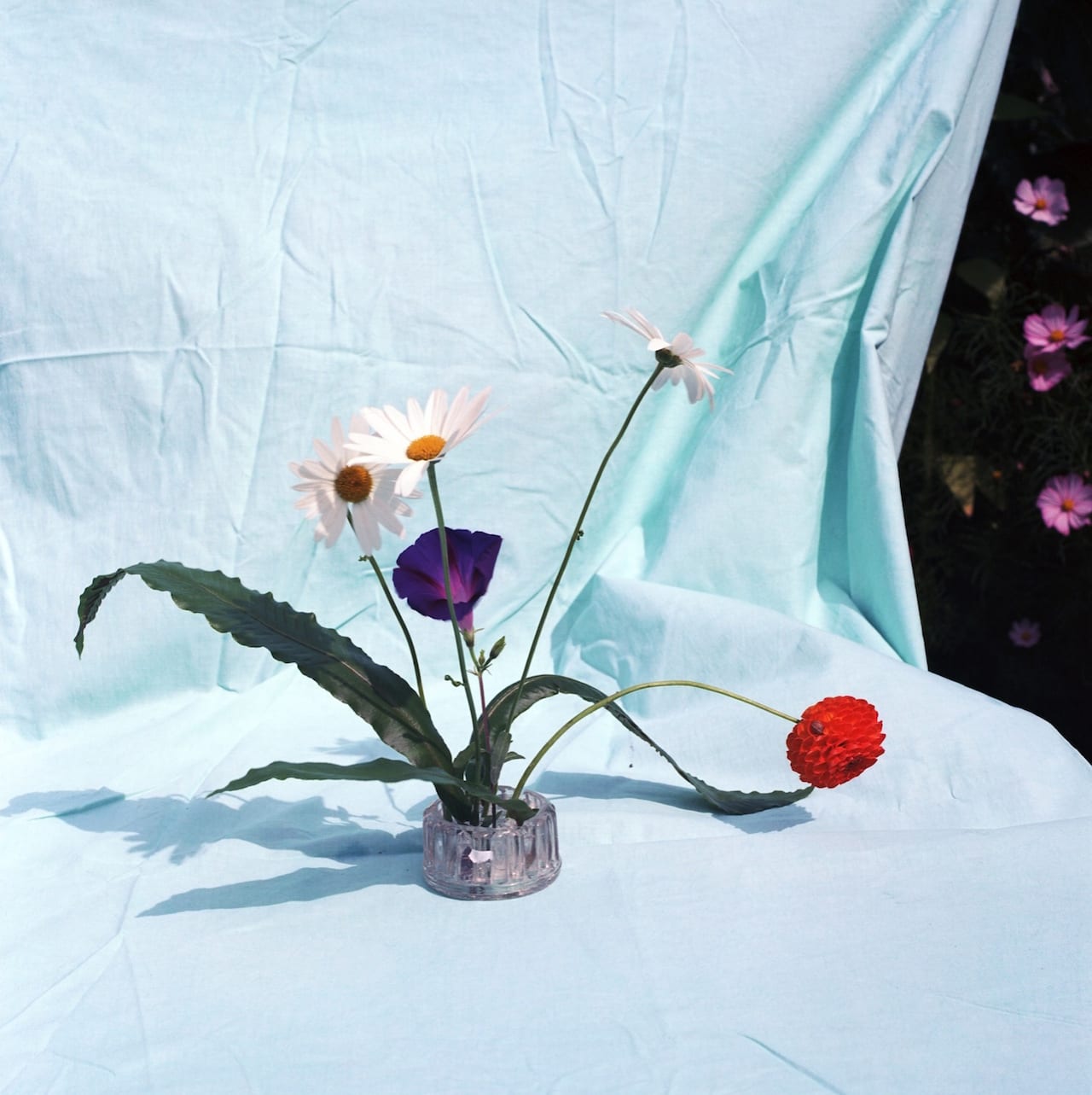
“The Garden Gate Project has a reputation in my neighbourhood,” says Jason Evans, who has just published a zine with participants from the Margate-based charity. “Established almost 20 years ago for people with learning difficulties and/or mental ill health, the Garden Gate Project is visited by various members of the community for a range of seasonal activities.” He was volunteering there two years ago when the organisers realised he was a photographer, and invited him to come up with ideas for the programme, which centres mainly on Horticultural Therapy. His first project with GGP was Tool Shed Dark Room, which saw Evans improvising with participants “without mains electricity or an enlarger to make photograms using materials from the garden”.

23 February 2018

Post-Soviet visions from a new generation of image-makers

What does Eastern Europe look like 25 years after the fall of Communism? And how do young image-makers there see it? Calvert 22 is investigating, with an exhibition titled Post-Soviet Visions: image and identity in the new Eastern Europe. Curated by Ekow Eshun, creative director of Calvert 22 Foundation, and freelance writer and curator Anastasiia Fedorova, the exhibition includes work by 14 emerging photographers born in Eastern Europe and Russia – Armen Parsadanov, David Meskhi, Dima Komarov, Genia Volkov, Grigor Devejiev, Hassan Kurbanbaev, Ieva Raudsepa, Jędrzej Franek, Masha Demianova, Michal Korta, Patrick Bienert & Max von Gumppenberg, Paulina Korobkiewicz, and Pavel Milyakov.

20 February 2018

New talent stars at Paris’ Circulation(s) festival

“It is a very progressive, very independent festival. It’s not part of the city’s art establishment. It’s dynamic, because the organisers are working way out on a limb,” says Susan Bright, ‘godmother’ of the Circulation(s) festival of young European photography, which takes place in Paris from 17 March-06 May

20 February 2018

World Press Photo MD Lars Boering on the 2018 contest

This year, he says, all the images have been thoroughly checked before the shortlists have been announced, let alone the winners. “All the checking is already done – all raw files, where the images were shot, everything,” he tells BJP. “We know how important it is that everything can be trusted, and we keep asking questions until we are satisfied. We wouldn’t announce the shortlists unless we were.”

14 February 2018

The definitive Brassaï show, curated by ex-MoMA star Peter Galassi

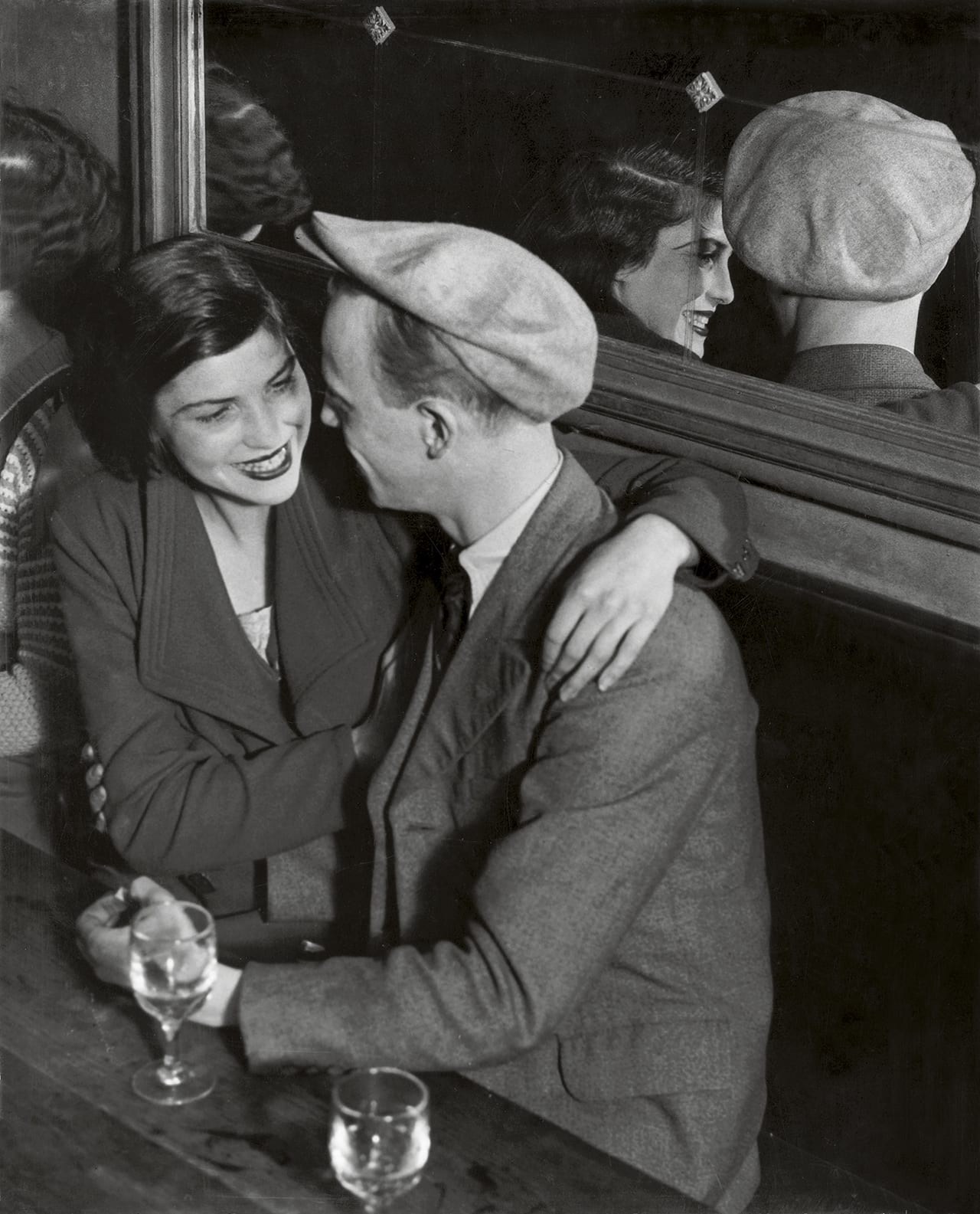
It would be an understatement to say that the legacy of Gyula Halász – better known by his pseudonym, Brassaï – has been the object of extensive research and countless curatorial  projects. Yet the Fundación Mapfre, the private institution that has shown the highest devotion to photography in Spain, has entrusted Peter Galassi, the former chief curator of photography at Museum of Modern Art, to conduct what will probably be the definitive exhibition about the Hungarian-French photographer at its Barcelona gallery, the Garriga i Nogués exhibition hall (19 February to 13 May). The exhibition could be considered to be Galassi’s biggest curatorial endeavour so far since he retired from MoMA, and the catalogue, published by Fundación Mapfre, can attest to the pertinence of this major survey of Brassaï.

12 February 2018

Africa Is No Island

Marrakech is a hub of arts-related activity this February. On the 24th, 1-54 Contemporary African Art Fair launches its first edition on the continent, and on the same day the Museum of African Contemporary Art Al Maaden opens a special exhibition and programme, Africa Is No Island. Curated by Afrique in visu, the latter exhibition is a physical embodiment of everything the photography platform has been working towards since it was started a decade ago online with the mission to develop a professional network for photographers across the continent and the wider diaspora.

12 February 2018

Antoine Bruy and Petros Efstathiadis win the 2018 Prix HSBC

“The works selected here have all run up against a more or less bitter-sweet reality, and their authors have liberally arranged, glued, assembled, masked and cut out the components of that reality in order to present it to us as something different, eminently subjective, and decidedly moving,” writes Raphaëlle Stopin, artistic advisor for the 2018 Prix HSBC. She’s writing of the 12 photographers shortlisted for two top prizes, which this year have gone Antoine Bruy (France, 1986) and Petros Efstathiadis (Greece, 1980). The other shortlisted photographers are: Olivia Gay (France, 1973), with the series Envisagées; Karin Crona (Sweden 1968), De la possibilité d’une image; Elsa Leydier (France, 1988), Platanos con platino; Sandra Mehl (France, 1980), Ilona et Maddelena; Shinji Nagabe (Brazil, 1975), Espinha; Michele Palazzi (Italy 1984), Finisterrae; Walker Pickering (USA, 1980), Esprit de corps; Marie Quéau (France, 1985), Odds and ends; Brea Souders (USA, 1978), Film electric; and Vladimir Vasilev (Bulgaria, 1977), T(h)races.

8 February 2018

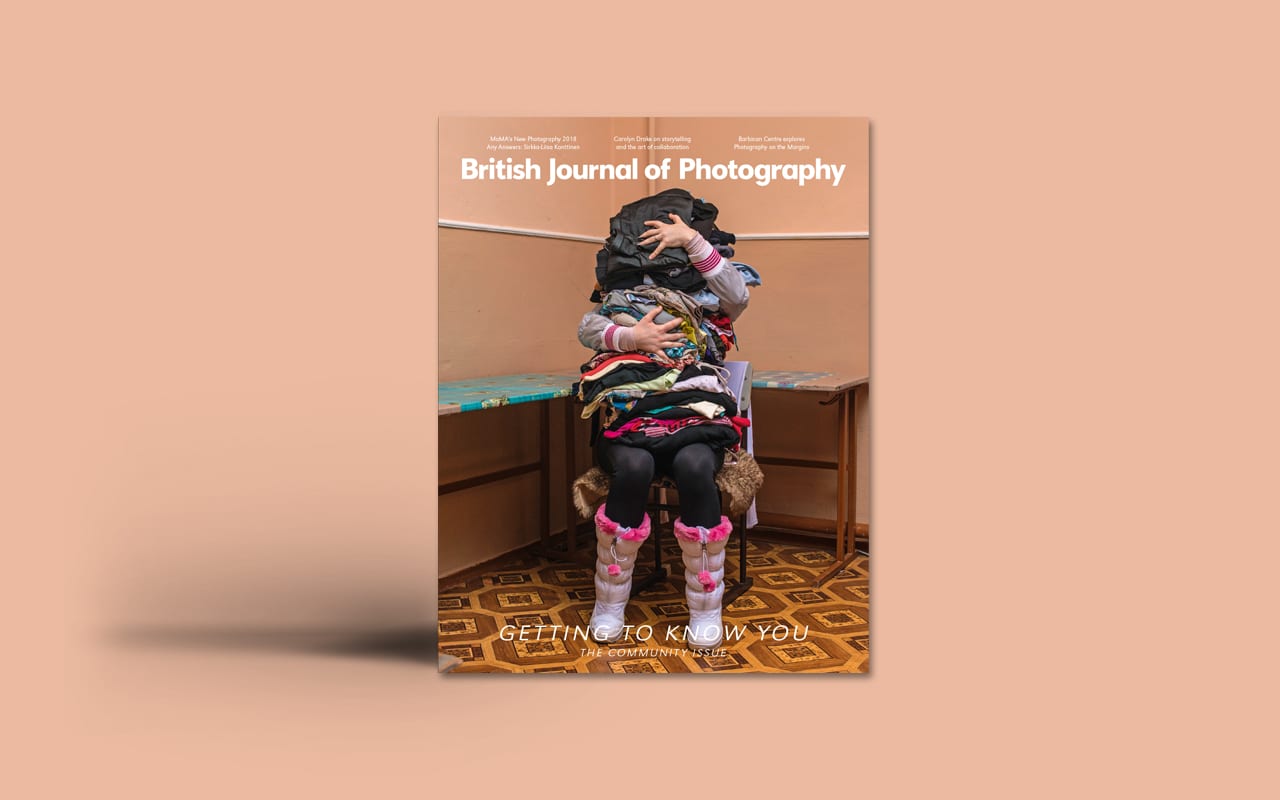
BJP #7869: The Community Issue

Last month BJP focused in on group work; this month we’re looking at a different kind of collaboration – projects in which photographers engage in a two-way dialogue with their subjects. One of the best – and the best-known – examples is Jim Goldberg, who works with subjects such as teenage runaways and migrants to tell wide-sweeping stories of marginalisation and economic disparity. Using an eclectic mix of photographs, archive materials and video, and both marking up himself and invites his subjects to write on, he creates complex montages guided by his sense of “intimacy, trust and intuition”. Incorporating the perspectives of the communities and subcultures he represents, his work is informed by his own background in a blue-collar family in New Haven.

7 February 2018

Aaron Schuman goes Homeward Bound at this year’s JaipurPhoto festival

“It’s amazing how such a seemingly simple, common and universal concept as ‘home’ actually becomes incredibly complicated and difficult to pin down, once you really start to consider it on a personal level,” says Aaron Schuman, curator of this year’s JaipurPhoto festival in India, which is themed Homeward Bound. After discussing with the festival’s artistic director, Lola MacDougall, he discovered that JaipurPhoto was originally established as an “open-air travel photography festival”, a label he was initially wary of. For him, the term travel photography “generally alludes to a type of imagery that’s often rather simplistic, generic, stereotypical or predictable”, he says – but he liked 2017 edition of the festival, which was guest-curated by Federica Chiocchetti and themed Wanderlust.

1 February 2018