
Fine Art

Being: New Photography 2018 at MoMA from 18 March

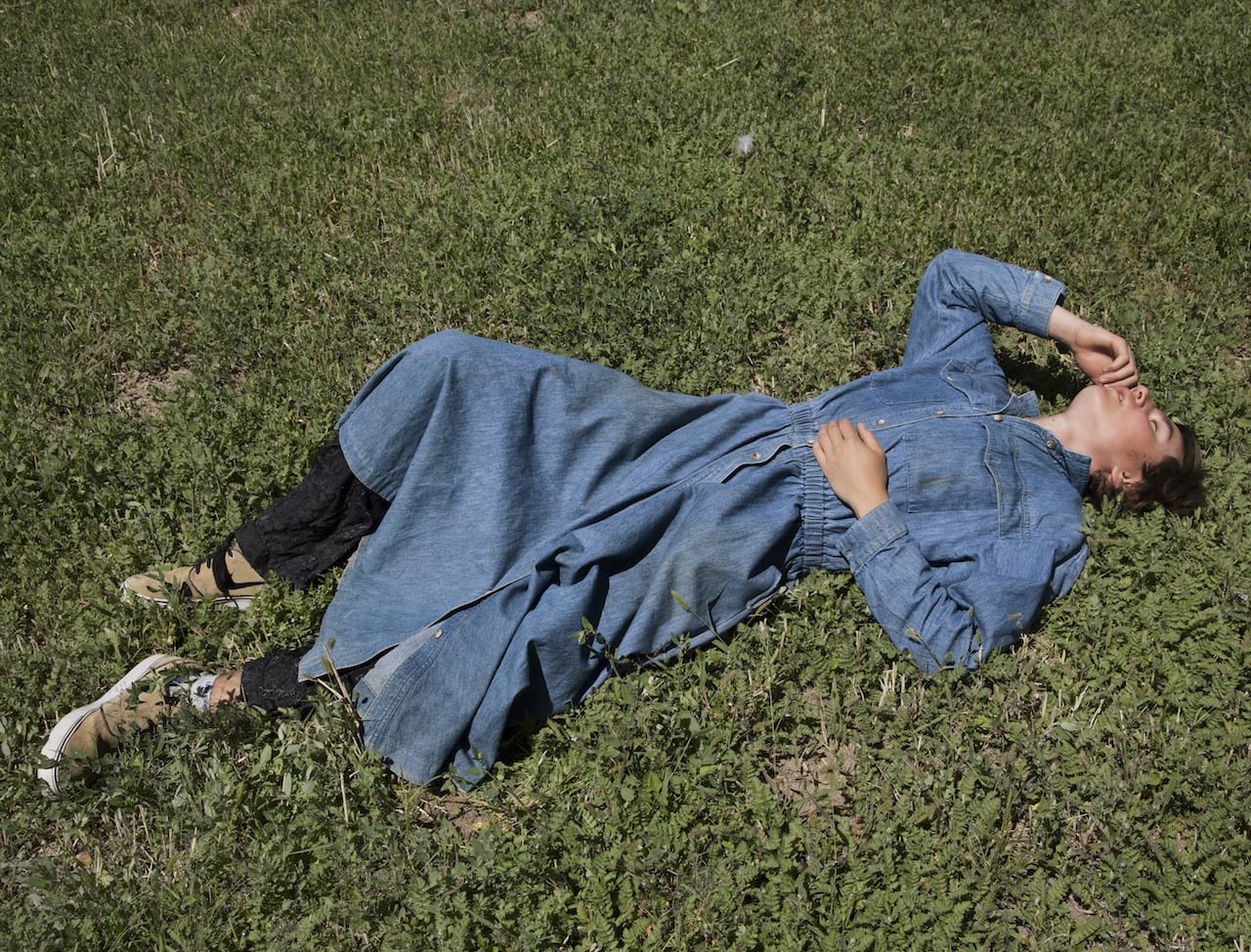
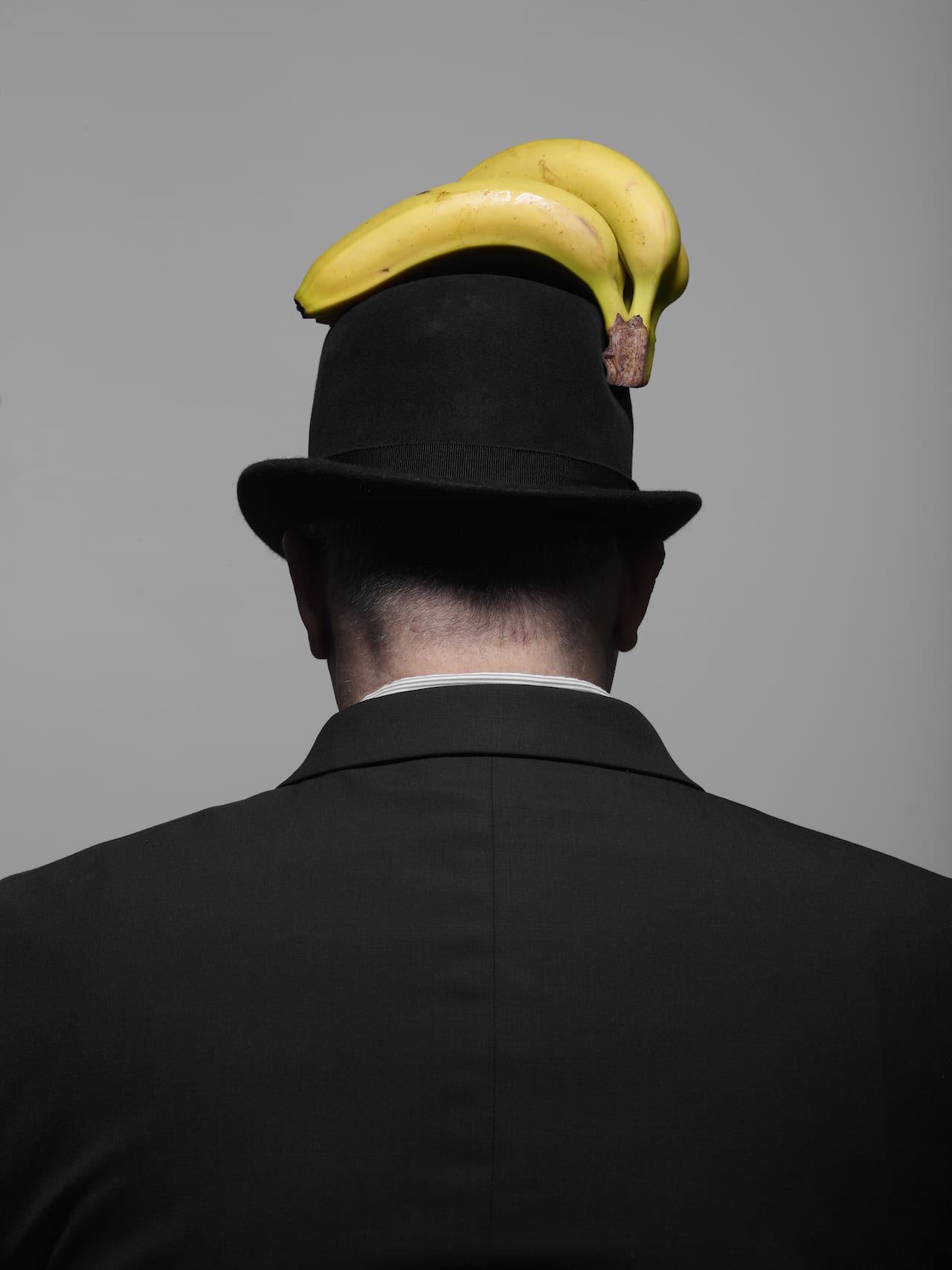
When New York’s Museum of Modern Art first introduced its New Photography series, it did so to locate contemporary work in a dedicated space, often providing the selected image-makers with the opportunity to get their foot in that most revered of doors. The inaugural exhibition opened in August 1985, curated by the late, great John Szarkowski, and over the following 32 years, these shows have remained true to their moniker, tracking some of the most exciting developments in new photography in its myriad forms – be that in books, on screens, in posters or through zines. As the years brought evolved types of media, it fed artists’ appetites both for new ideas and for fresh means by which to execute them. MoMA’s latest instalment, Being: New Photography 2018 (18 March–19 August), is a deft demonstration of how effectively such collections can reflect a moment in contemporary consciousness. Being presents 17 artists working in photo-based media around the world, and “all the works in the exhibition take on charged and layered notions of personhood and subjectivity,” explains Lucy Gallun, its curator and the assistant curator of MoMA’s department of photography.

15 March 2018

Obituary: Pete James, Curator of Photography Collections at the Library of Birmingham, 1958-2018

Peter James was an instrumental figure in British photography, establishing an outstanding collection of photography at the Library of Birmingham over his 26-year career at the institution, and researching and curating exhibitions at the V&A, National Portrait Gallery, Somerset House, Birmingham Museum and Art Gallery, Ikon Galley, the Library of Birmingham, and many more. He was also a modest and affable man, universally known as Pete and as at home over a curry as in a lecture hall delivering an academic paper. As Hilary Roberts, research curator at the Imperial War Museum, put it in a tribute on James’ Facebook page: “Pete has been a wonderful friend and exceptional colleague for more years than I can remember. His contribution to the world of photography cannot be overstated. It was a privilege to work with him and I will miss him more than I can say.”

14 March 2018

Paper Journal goes into print for its fifth anniversary

“The idea for Paper Journal came about during my final year of studying photography at Westminster,” says founding editor Patricia Karallis. Though studying she was also working as a picture editor for a small online arts and culture magazine at the time, and had found that she really enjoyed the research aspect of the role but also had “many ideas in terms of content that didn’t quite fit where I was working at the time”. The answer was simple – she decided “to start my own platform”. She launched Paper Journal online in 2013, with the aim of showcasing photography, fashion and culture in an exciting way. Featuring photography from unknown or new image-makers alongside more established names, Karallis says, “we love to promote new photography and I think that’s been a really strong point for us, and one that draws readers back to the site.”

13 March 2018

Daniel Shea wins the Foam Paul Huf Award 2018

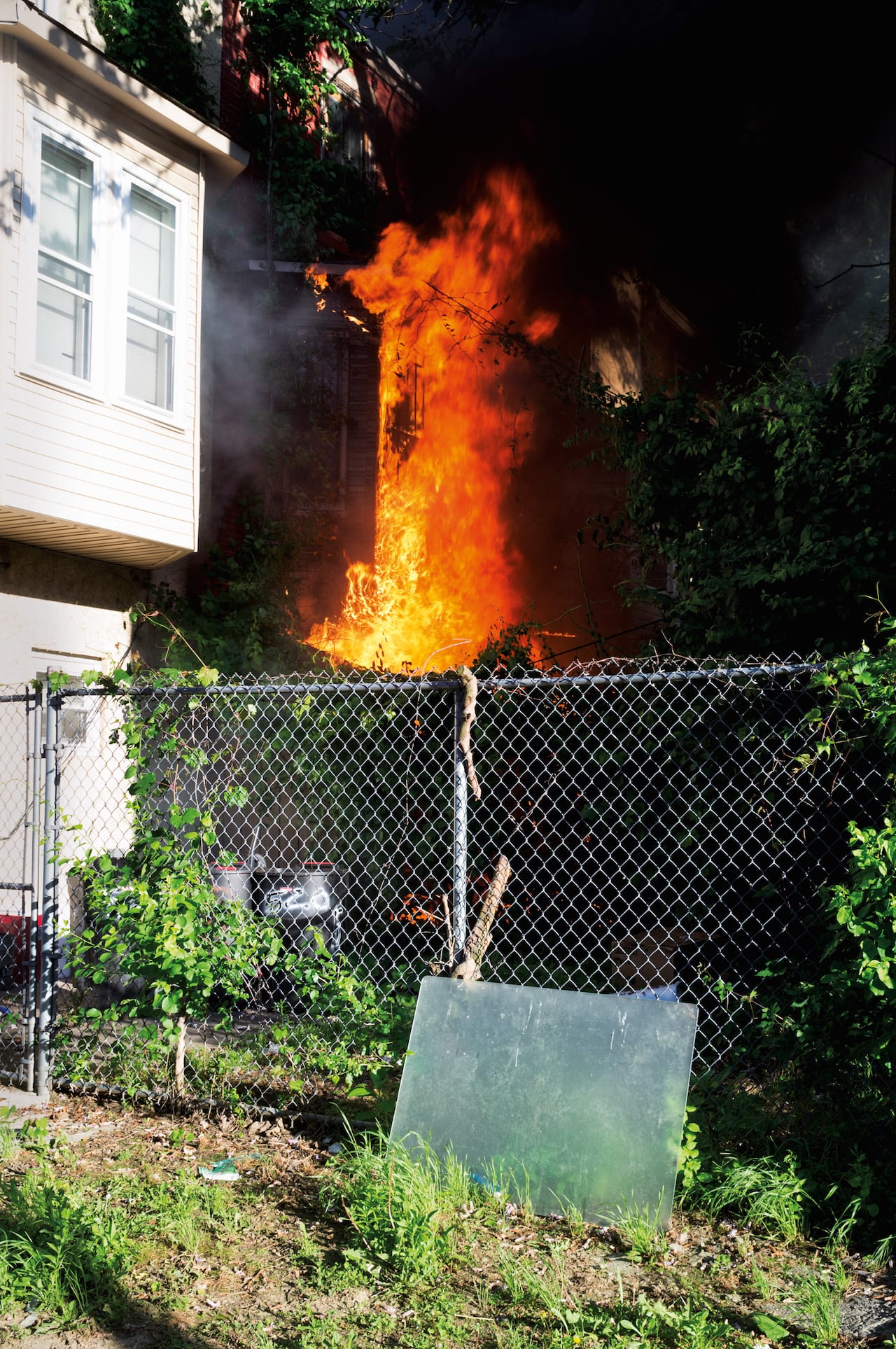
“I’m a bit at a loss at the moment; to say that I’m honoured feels like an understatement,” says photographer Daniel Shea, who has won the 12th Foam Paul Huf Award. “I’ve been following this award and Foam for a long time, and I feel incredibly honored, grateful, lucky, and humbled by this opportunity.” Shea has won the prize with his series 43-35 10th Street, described as a reflection on late capitalism and its effects on New York City. He wins €20,000 and a solo show at the Foam Fotografiemuseum in Amsterdam, which will take place in Autumn this year.

8 March 2018

ICP’s 2018 Infinity Award winners

Bruce Davidson has won a Lifetime Achievement prize in this year’s ICP Infinity Awards, which will be formally presented on 09 April. Best-known for his two-year project on the poverty-stricken residents of East 100th Street, Davidson joined Magnum Photos in 1958 and showed his work at the Museum of Modern Art in 1963. His work often documents social inequality, and includes iconic series such as The Dwarf, Brooklyn Gang, and Freedom Rides.

27 February 2018

Carolyn Drake’s collaborative project Internat

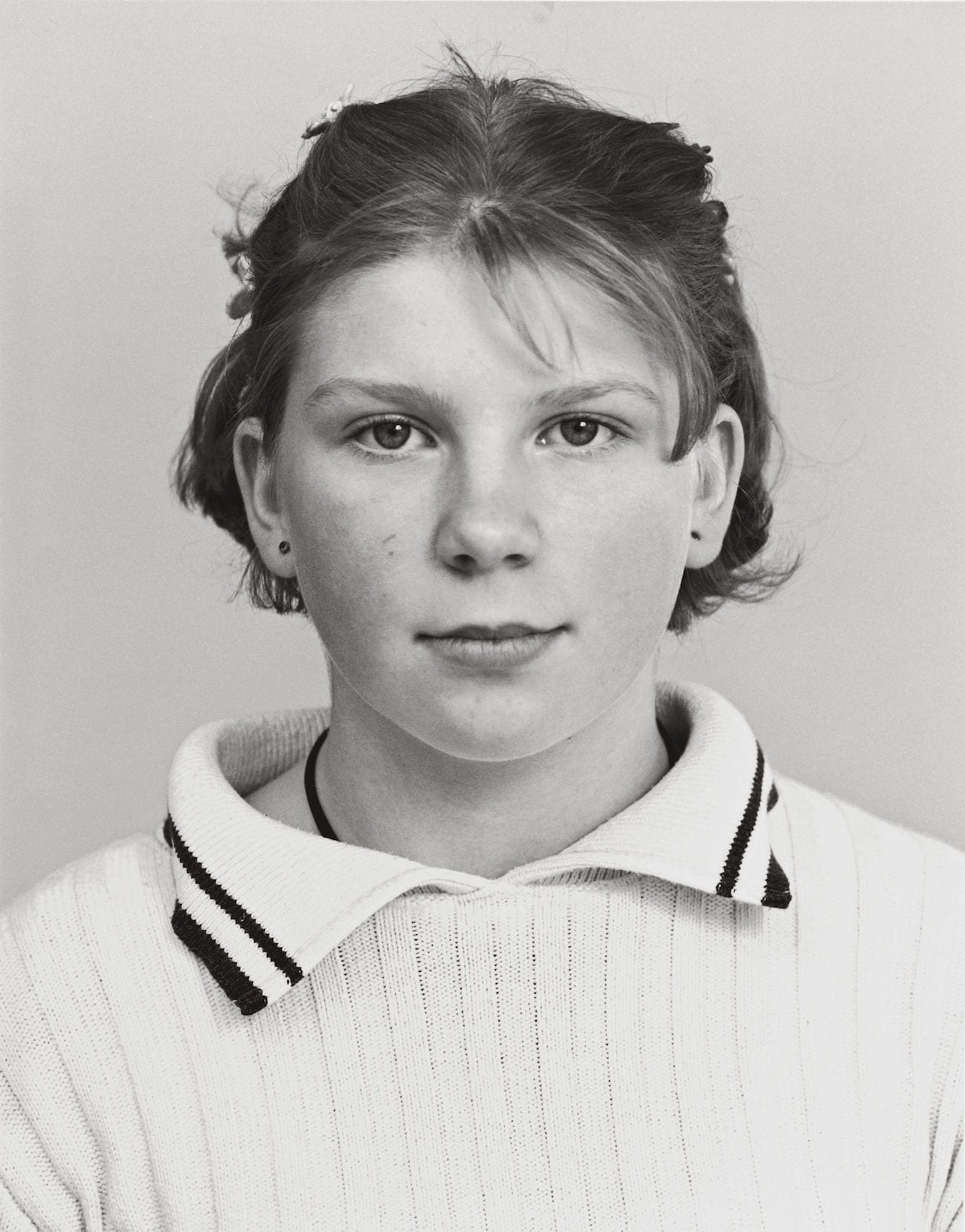
Carolyn Drake first visited Ukraine more than a decade ago, as part of a year-long Fulbright fellowship investigation of changing notions of gender in the former USSR. Coming of age at the end of the Cold War, and with preconceptions about the region, she “saw it as a chance to step out of my present frame of reference, as a way to look at the malleability and impermanence of beliefs,” she recalls. Searching for expressions of female identity in the West of the country, she met the hosts of a church-run orphanage, who directed her to an older institution nearby called Petrykhiv Internat. Tucked away in a forest on the outskirts of Ternopil, it was a state-run boarding house, where around 70 girls marked as ill or disabled had been sent to live. Labelled abnormal, they had been deemed unfit to live beyond the home’s towering walls. That first trip took place in 2006; eight years later, she returned, eager to find out what had become of the girls and their home. “I expected to show up and ask someone on the staff how I could find the girls,” she says. “But when I arrived, I found most of them were still there, now in their twenties.

26 February 2018

Jason Evans’ Flower Power celebrates colour and community

“The Garden Gate Project has a reputation in my neighbourhood,” says Jason Evans, who has just published a zine with participants from the Margate-based charity. “Established almost 20 years ago for people with learning difficulties and/or mental ill health, the Garden Gate Project is visited by various members of the community for a range of seasonal activities.” He was volunteering there two years ago when the organisers realised he was a photographer, and invited him to come up with ideas for the programme, which centres mainly on Horticultural Therapy. His first project with GGP was Tool Shed Dark Room, which saw Evans improvising with participants “without mains electricity or an enlarger to make photograms using materials from the garden”.

23 February 2018