
Fine Art

Arles: Les Rencontres d’Arles 2018 programme

It’s the biggest and best-respected photo festival in the world – it’s Arles and it’s back from 02 July-23 September, with a special opening week from 02-08 July. With the blessing of the French Minister of Culture François Nyssen – who declares that “Arles wouldn’t be Arles without photography” in her welcome to the festival – the 49th year of the festival is lead by director Sam Stourdzé, who took over its organisation in October 2014. As you might expect, the momentous events of May 1968 are commemorated at Arles this year, with a group of exhibitions titled Run Comrade, The Old World is Behind You. Considering events such as the student demonstrations and strikes in France, and the assassination of Robert F Kennedy that year, this section includes shows such as 1968, What a Story! which uses previously unseen images from police archives, Paris Match and Gamma-Rapho-Keystone. Elsewhere Arles looks to the future with a group of shows titled Augmented Humanity which includes work by Cristina de Middel & Bruno Morais, Matthieu Gafsou and Jonas Bendiksen; and in the Emergences section, which includes the ten photographers included in the New Discovery Award this year.

2 July 2018

Steffi Klenz’s lively still life Staffages

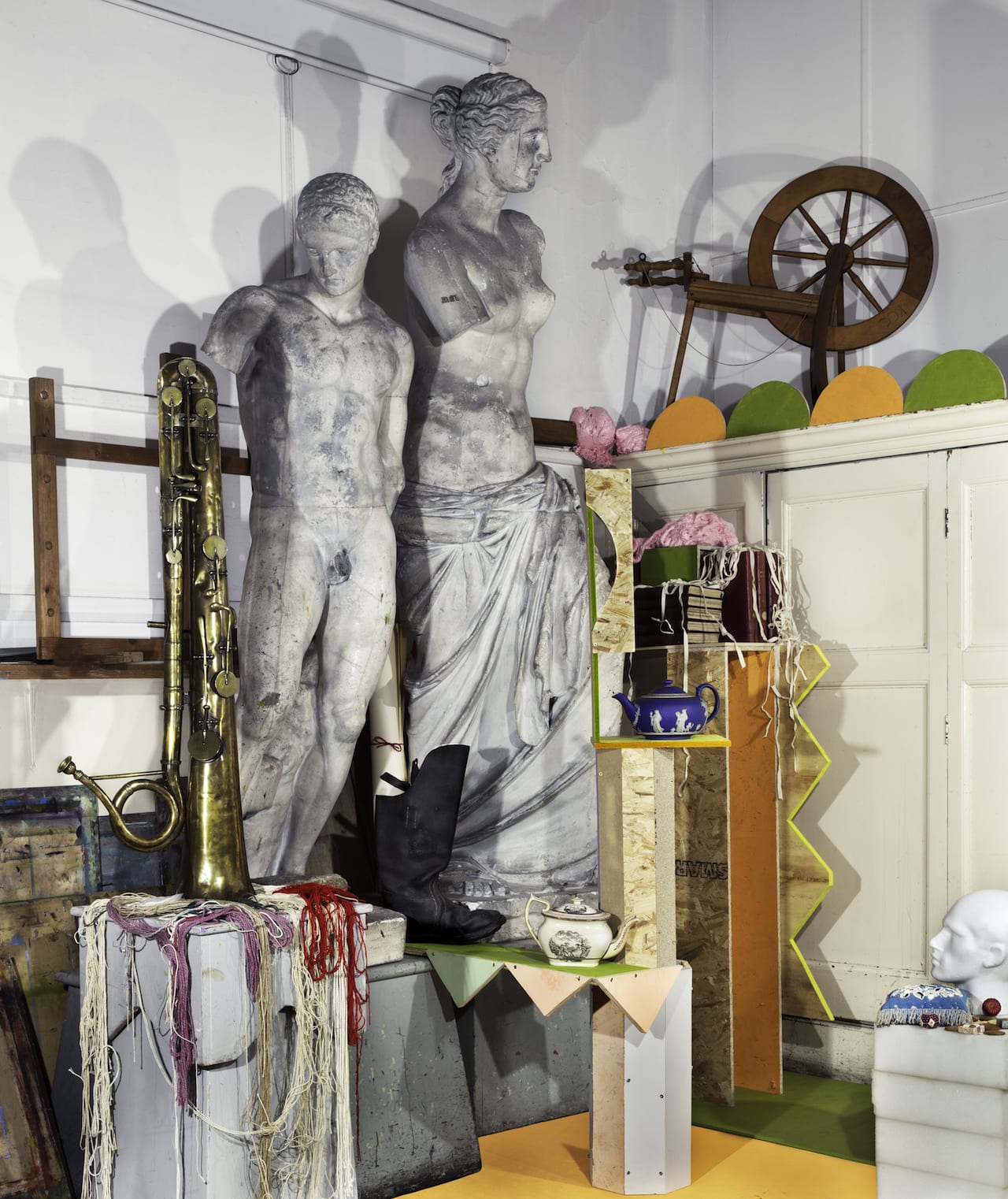
In the late 1700s and early 1800s, painters sometimes included ‘staffages’ in their work – human and animal figures that weren’t the primary figure, but which added life to the work. ‘Staffage’ means ‘accessories’ or ‘decoration’ in German, and was used to describe figures that had no specific identity or story, but which were included for compositional or decorative purposes.

It’s the name German-born artist Steffi Klenz has chosen for her latest series, which was commissioned by Tunbridge Wells Museum & Art Gallery and features objects from its collection. Researching the museum’s collections catalogue, Klenz got interested in museum theory – the idea that objects are given equal status through the way an institution registers, describes, displays and cares for them, and gain their value through the way they represent our shared stories.

28 June 2018

Greg Halpern’s dreams of California in ZZYZX

“It’s hard to know when to stop,” says Gregory Halpern. “I remember putting my camera away on a trip home and being relieved it was out of sight. I never feel that way, so that was clearly a sign. I haven’t kept track, but I shot maybe 700 to 1000 rolls of film.”

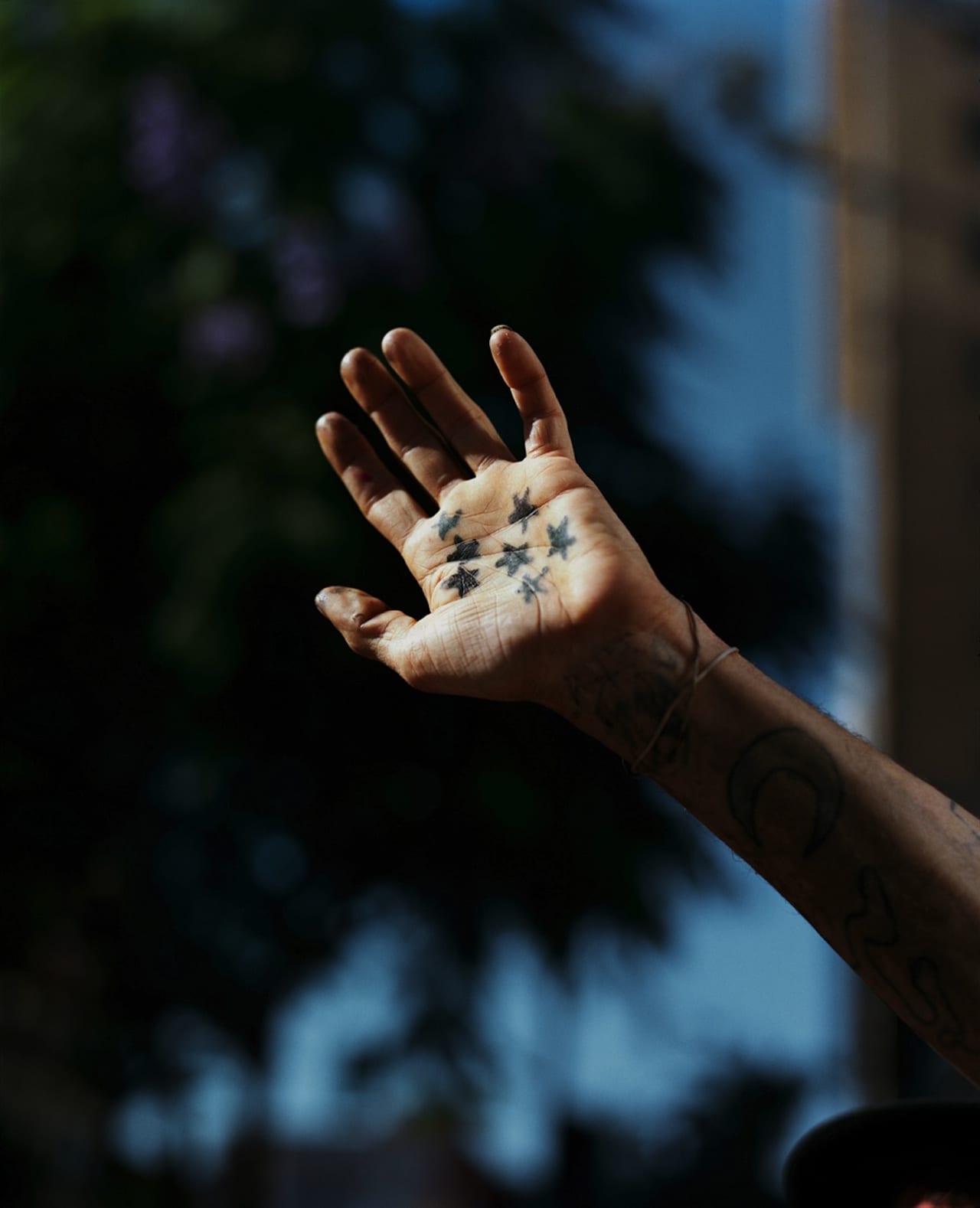
He’s talking about ZZYZX, which he’s worked on for five years, partly supported by a Guggenheim fellowship. Shot in Southern California, starting out on the eastern fringes of the state then moving slowly westwards towards Los Angeles and the Pacific, it’s named after an ‘unincorporated community’ in the Mojave desert, and has a similar sense of the outsider. The opening picture shows a gnarled hand, with a callus on the thumb and dirt in the fingernails, outstretched to show seven stars tattooed on the palm. The next shows stark black trees in the desert in the wake of a fire.

27 June 2018

Ones to Watch: Lua Ribeira

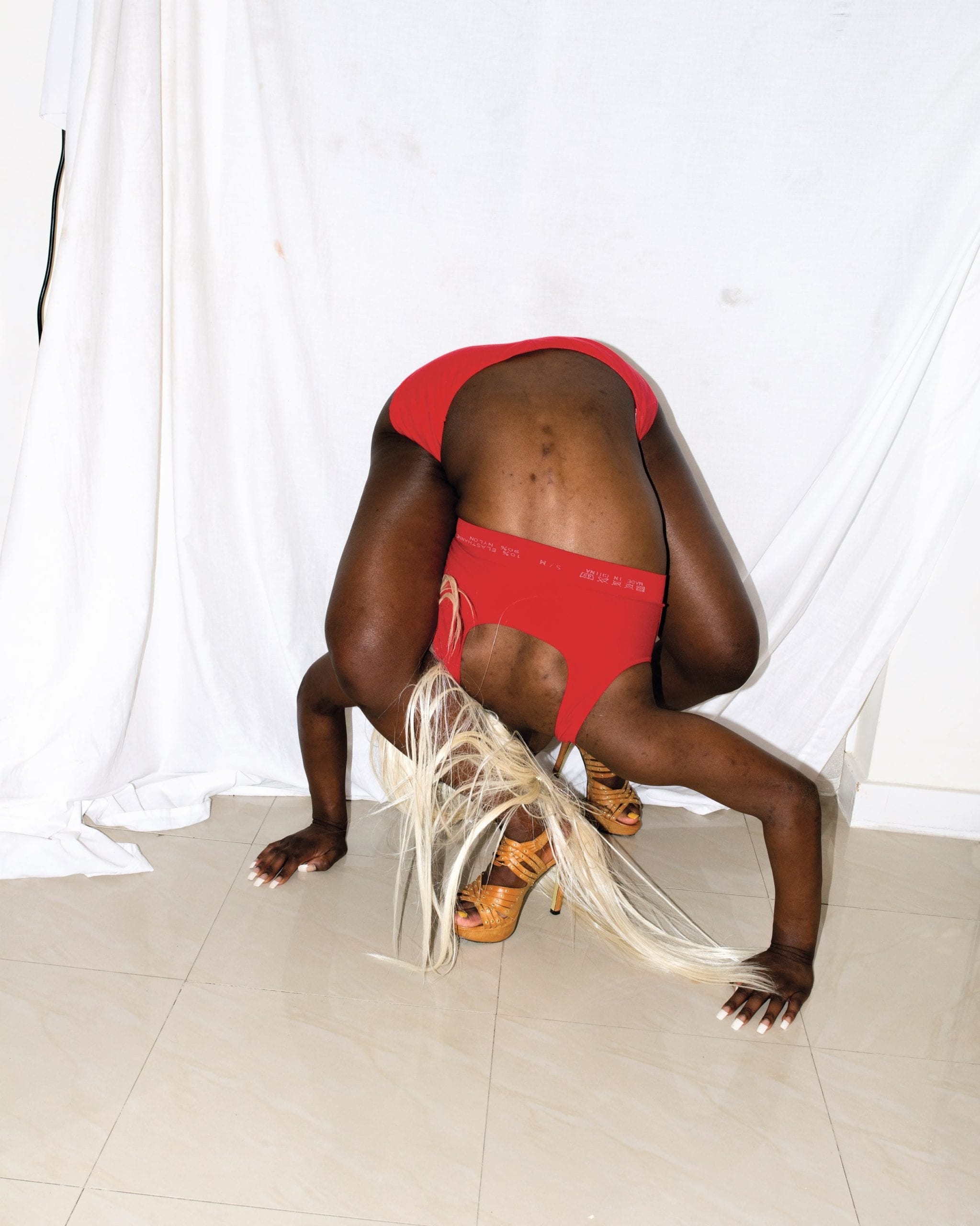
Since graduating from the documentary photography course at the University of South Wales last year, Lua Ribeira has gone from strength to strength. In addition to the Firecracker Grant, which she was awarded in 2015 while still a student, her work was recently selected by Susan Meiselas to appear in Raw View magazine’s Women Looking at Women issue. She is also making a name for herself commercially and with editorial clients such as Wired; her images have been shown at international festivals, including Photo España in 2014 and Gazebook Festival in 2015, and she has also been awarded a Jerwood Photoworks Grant for future projects in 2018. Thus far, Ribeira is best known for Noises in the Blood, an ongoing investigation into Jamaican dancehall culture,

27 June 2018

Magnum Photos’ international new wave of Nominees

Magnum Photos just completed its annual AGM and has announced five new photographers are to join as Nominees – Rafal Milach (Poland), Sim Chi Yin (Singapore), Lua Ribeira (Spain), Gregory Halpern (USA), and Lindokuhle Sobekwa (South Africa).

Under Magnum’s system, photographers first join as Nominees, before graduating to become Associates a couple of years later. After a spell as Associates, they then become full Members – a status which confers life-time membership of the world-famous agency. Magnum has also announced that previous Nominees Sohrab Hura (India) and Lorenzo Meloni (Italy) have become Associates.

27 June 2018

Obituary: David Goldblatt, photographer, 1930-2018

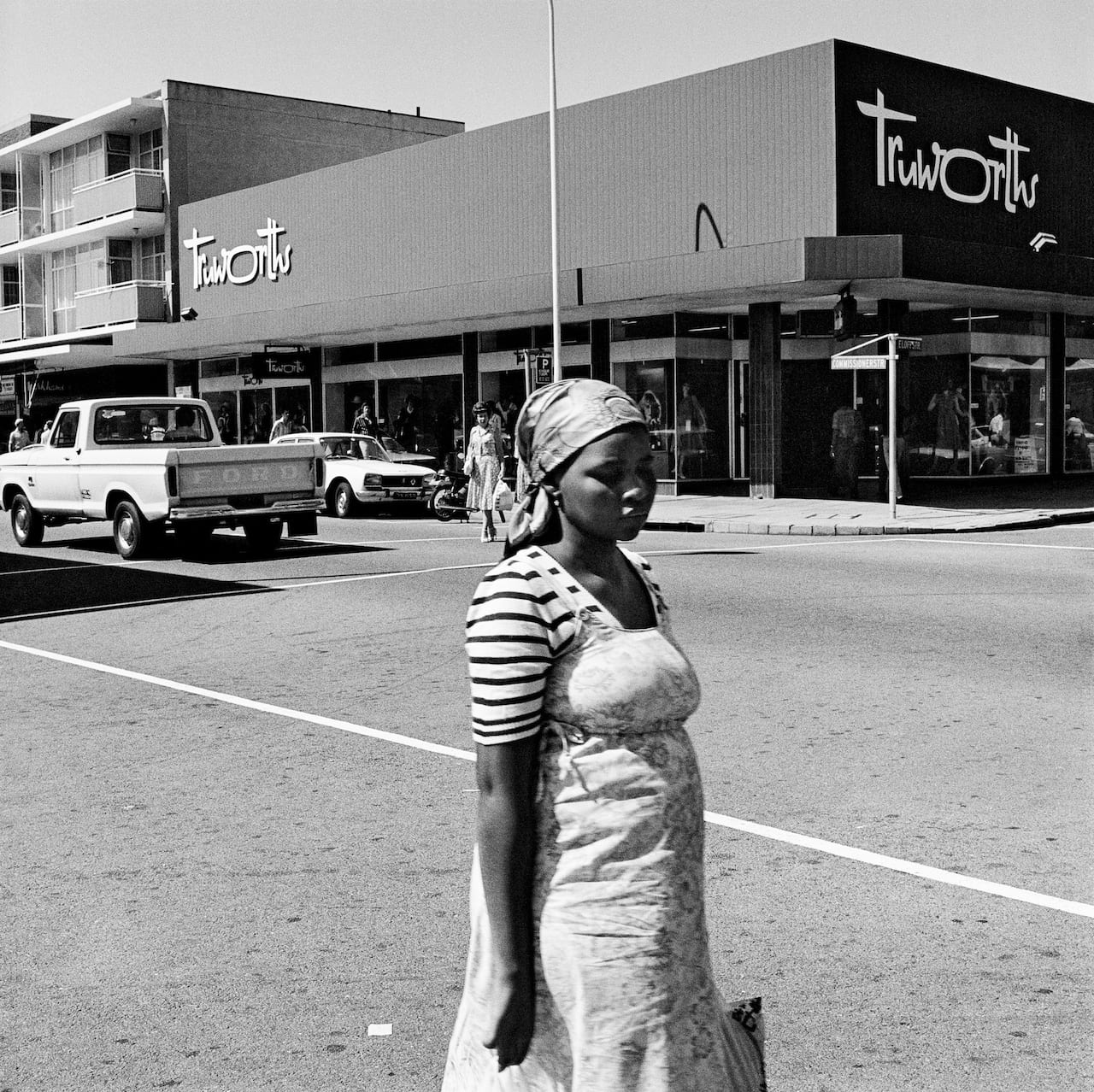
“I became interested in photography in the late 1940s and began to look at magazines such as Life, Look, and Picture Post,” David Goldblatt told Colin Pantall, writing for BJP in 2013. “In the early 1950s, I tried to become a magazine photographer. I sent my pictures to Picture Post and got rejected. Then, when the African National Congress became active in their struggle against apartheid, Tom Hopkinson, the editor of Picture Post, contacted me and asked if I could make something. So I went to an ANC meeting and photographed everything I saw. That was in 1952.

“I shot and I shot and I shot and then I realised that I was using a long roll of film – film that had failed to engage on the sprocket of the Leica I was using. It was an incredibly basic mistake. But the other thing I realised was that I wasn’t really interested in what was happening around me.

“After the ANC meeting, I discovered I had to understand what I was competent in and what I was interested in. That took some years to probe, until I could get to the underbelly of the society that underlay South Africa. And to understand it visually, I also had to get a grasp on the history of the country. So I did a degree, which included courses in English and economic history. This taught me how to think and understand what was happening around me.

“My father died in 1963. I was 32 with three children and a family, but I sold the shop [the family business] and, with a couple of Leicas and the capital to keep on going for a year, I became a full-time photographer.”

26 June 2018

Ones to Watch: Justine Tjallinks

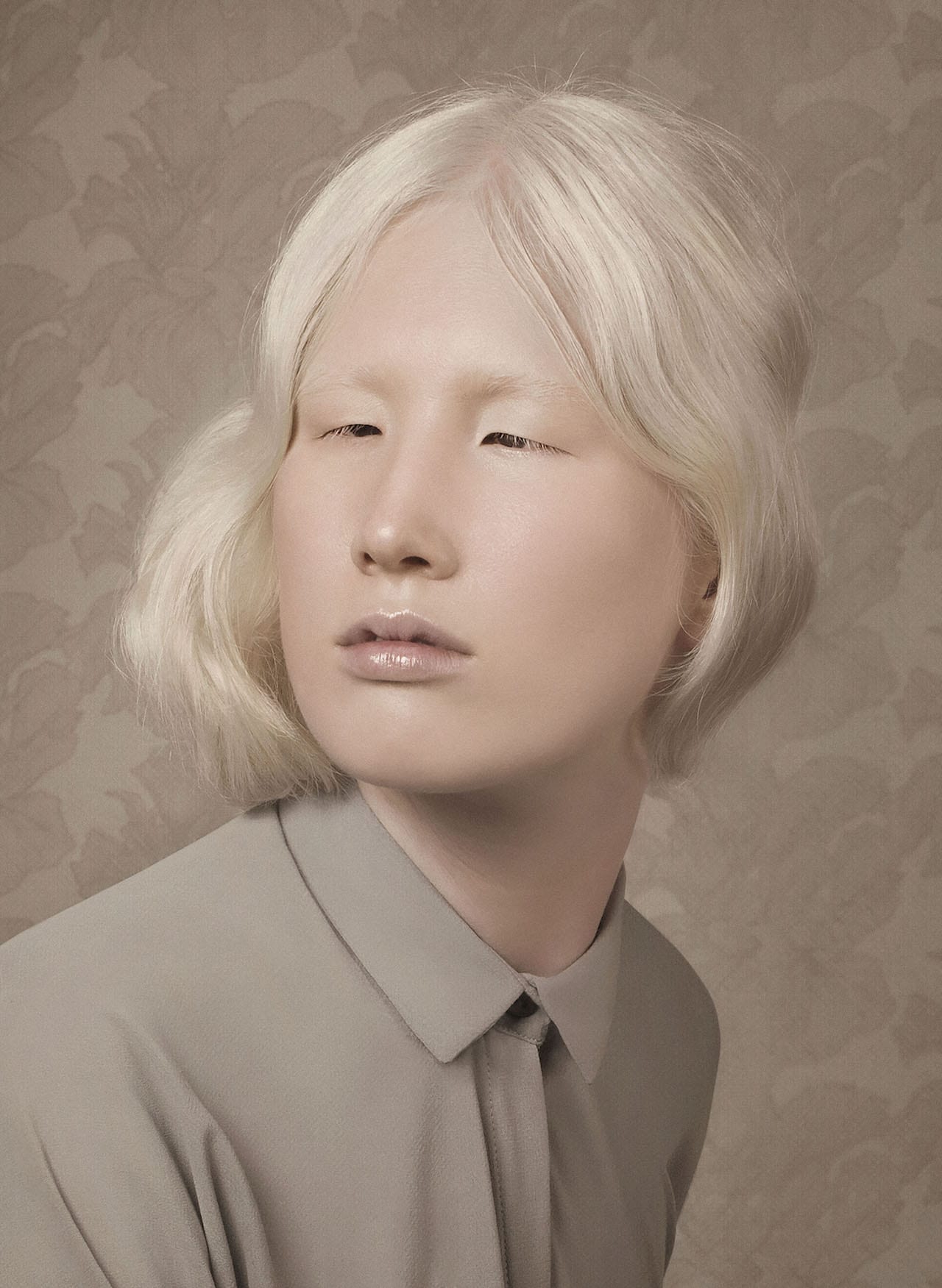
It was while working as an art director that rising talent Justine Tjallinks decided she wanted to make her own images. Born in a small village in the east of the Netherlands, the 32-year-old moved to the Dutch capital to study at the Amsterdam Fashion Institute before immersing herself in the commercial world, working on several leading fashion publications.

20 June 2018

Q&A: Nelli Palomaki explores the experience of being a sibling

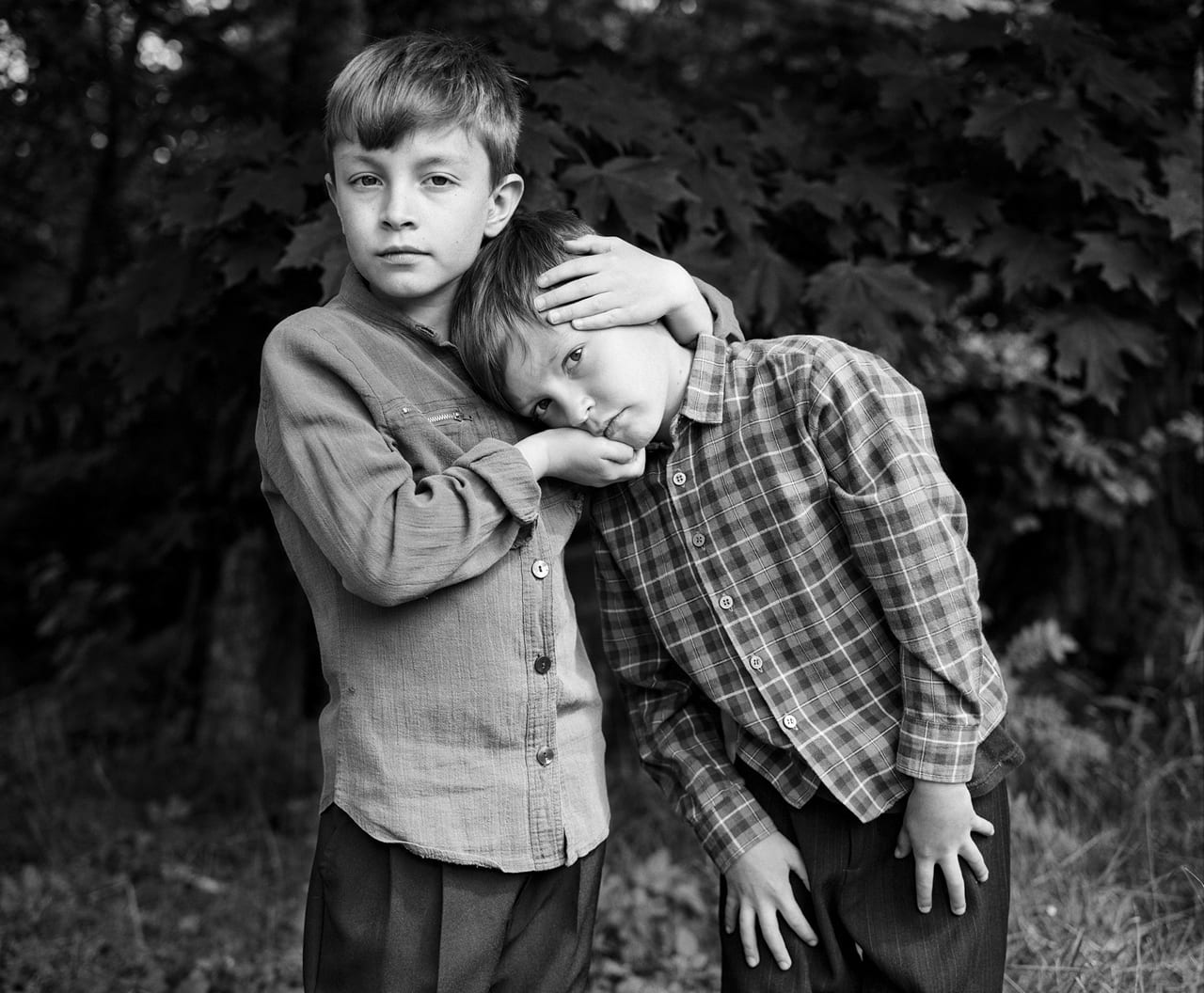
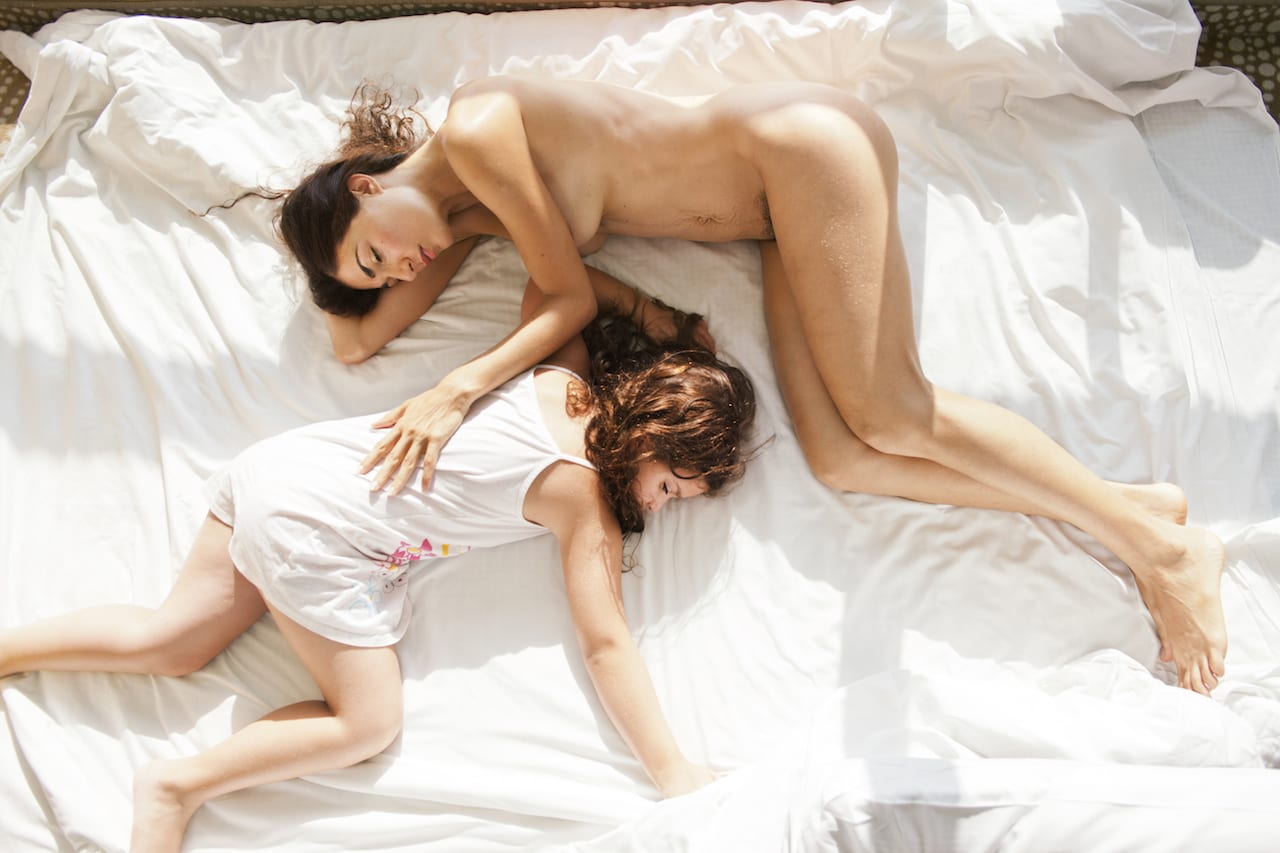
Palomäki specialises in taking photographs of children and young people, and says her work deals with growth, memory, the problematic ways we see ourselves, and – crucially – our mortality. “We fight against our mortality, denying it, yet photographs are there to prove our inescapable destiny,” she has written. “The idea of getting older is heart-rending.” Palomäki is currently showing new images, depicting siblings, titled Shared. BJP caught up with her to find out more about this project and her work in general. 

20 June 2018

Portrait(s) festival on show in Vichy

Nelli Palomäki, Justine Tjallinks, Denis Dailleux, Mark Seliger, Thomas Sauvin, Gilles Coulon, Mattia Zoppellaro and The Karma Milopp are all showing work in the Portrait(s) Photography Encounter – a festival devoted to pictures of people. Based in Vichy, France, the festival is now in its sixth year, and has been overseen this time by artistic director Fany Dupêchez.

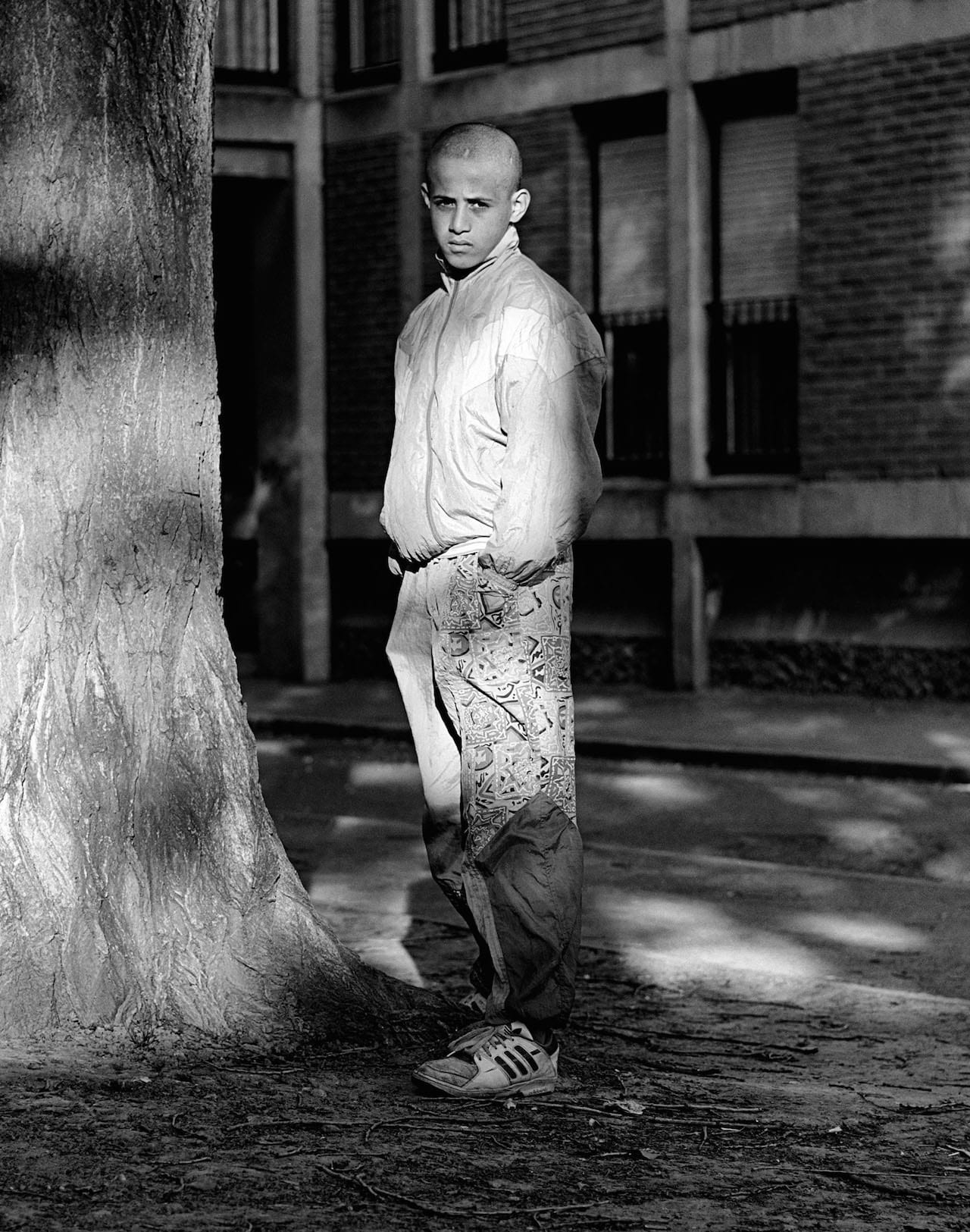
Dailleux’s images were shot from 1987-1992, and show children based in the working class suburbs of Persan-Beaumont, Northern France; the images Sauvin is showing are also from the archives, but were taken by amateurs in China, and rescued by the French artist after the negatives were sent to the Beijing Silvermine to be melted down.

20 June 2018