

For our very first OpenWalls award, we are inviting both emerging and established photographers, from…
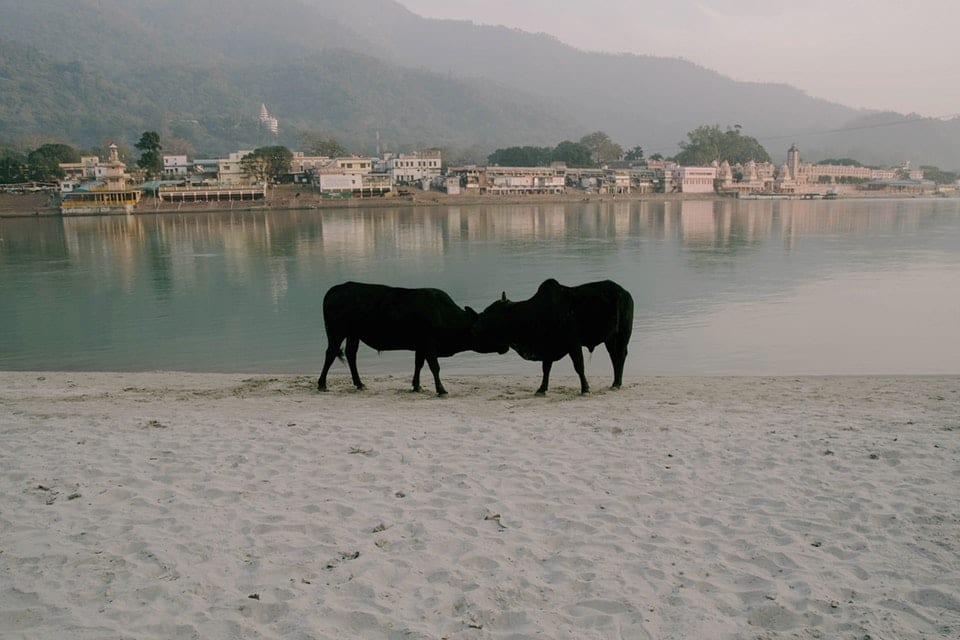
For our very first OpenWalls award, we are inviting both emerging and established photographers, from…
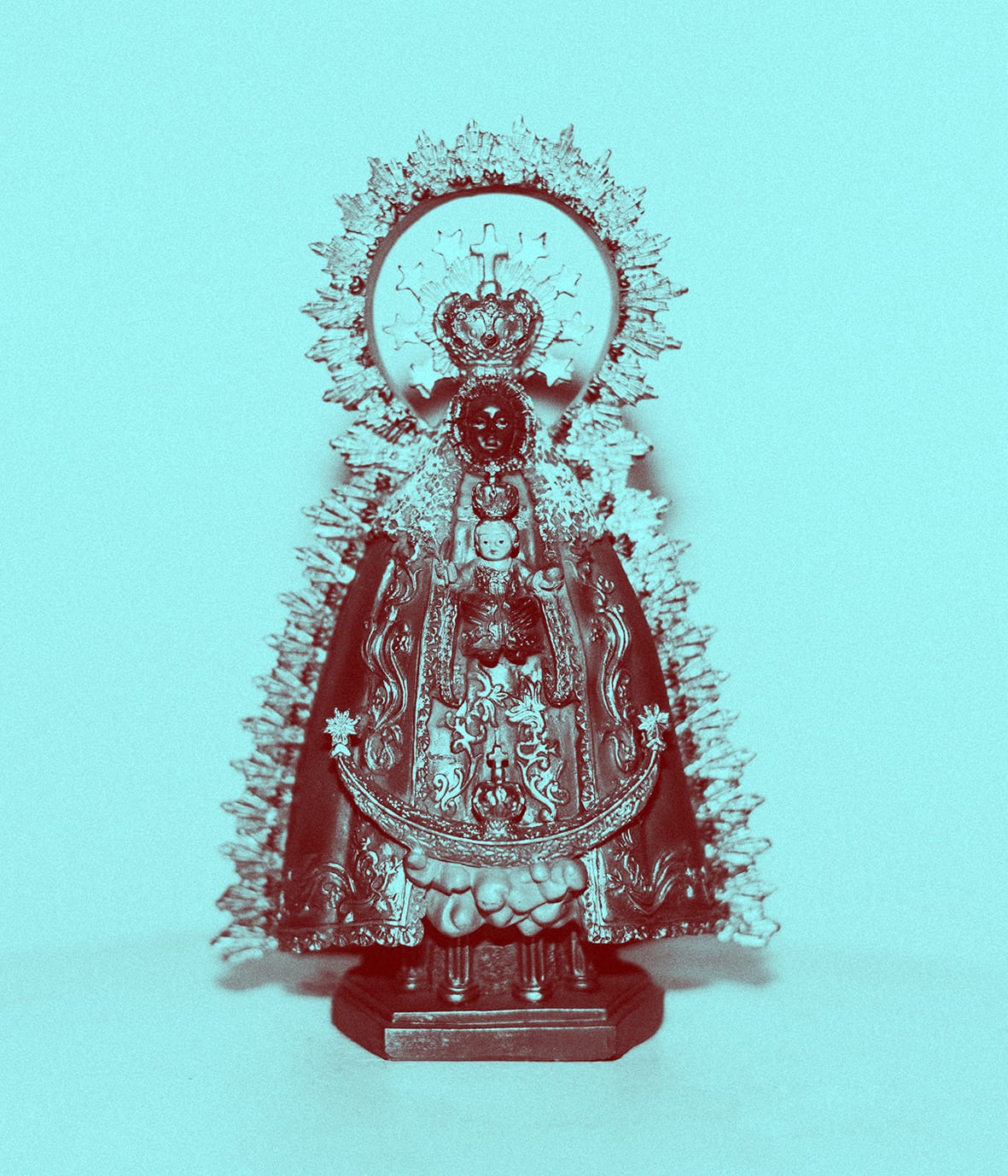
“In the EU today, we take women’s rights for granted,” says Marina Paulenka, director of Organ Vida, a three-week international photography event held annually in Zagreb. Founded in 2008, the festival has always been driven by political context, and this year, for its 10th edition, its all-female team have chosen to emphasise female-identifying perspectives from around the globe.
“In a time of post-capitalist global turmoil, technological advancements, with the strengthening of rightwing extremism, the growing influence of religion that limits women’s rights again, and the semblance of democracy in the 21st century, we are facing a situation in which women must fight anew for the rights that had been won long ago,” Paulenka insists.
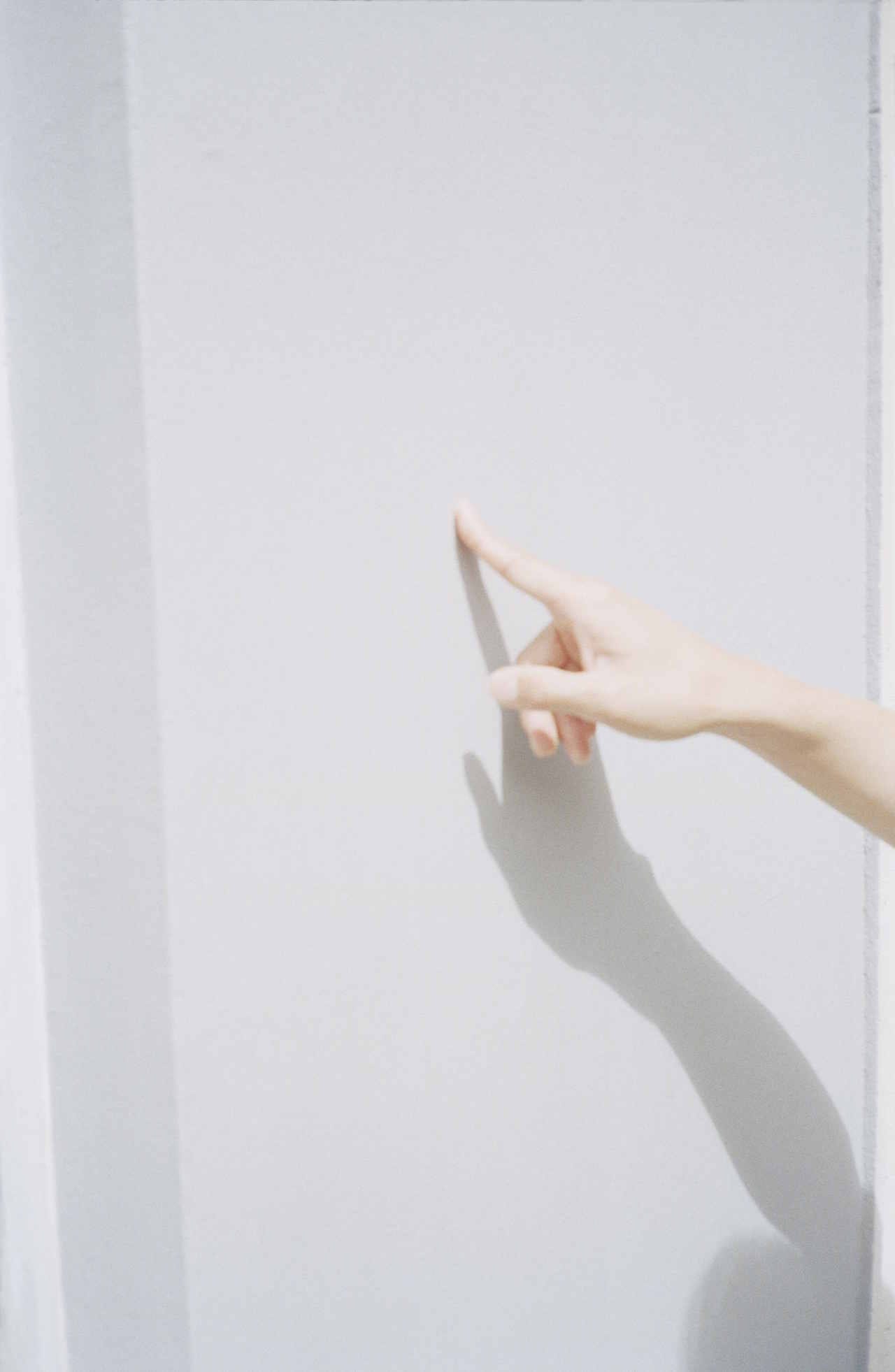
Photography is generally accepted as a medium representing reality or the idea of that revealing what you see before you, onto a two-dimensional plane. Multiple Planes, an exhibition organised by Thai New Wave Photography, uses its platform to construct works, in terms of its materials, processes and notions, that relate to photography through atypical dimensions. “It’s a place where you can expect to see inventive works,” says curator Mary Pansanga.
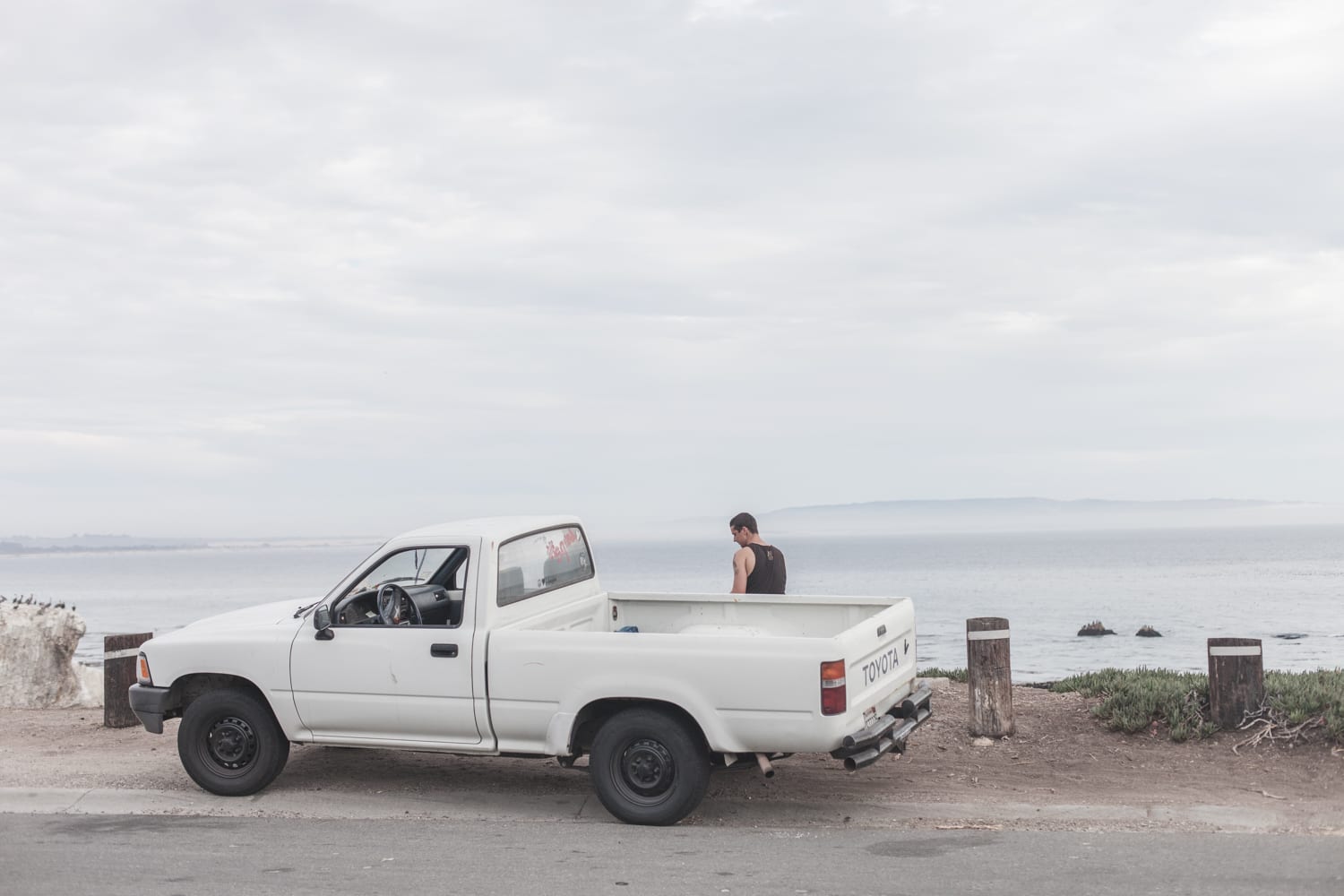
Christopher Bethell’s work comes from a desire to explore his identity, making his personal reflections…
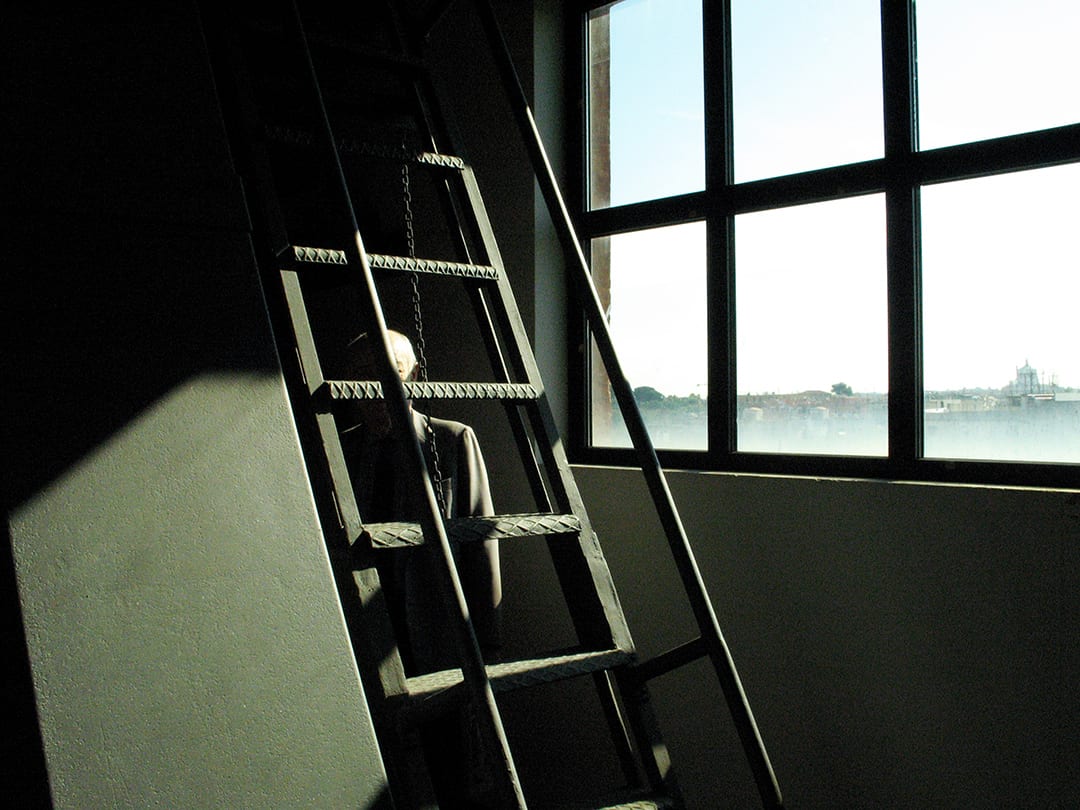
Rome-based photographer Francesca Pompei is our first OpenWalls Editor’s Pick photographer, having been selected by…
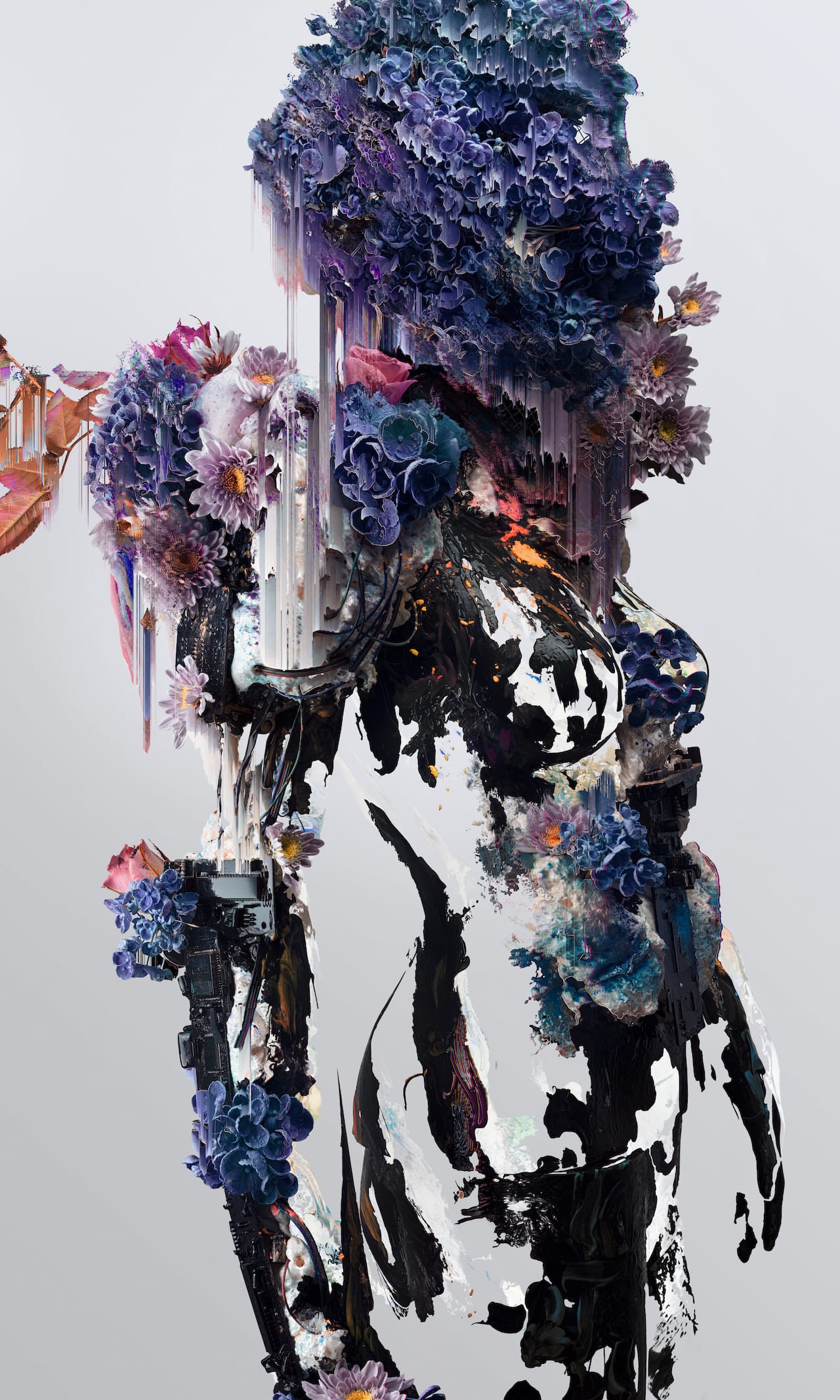
Seven European festivals make the best of their locations and the late-summer timing to show off al fresco programmes this September – Visa Pour l’Image, Getxophoto, BredaPhoto, Festival Images Vevey, Landskrona Foto Festival, Guernsey Photo Festival, and Brighton Photo Biennial
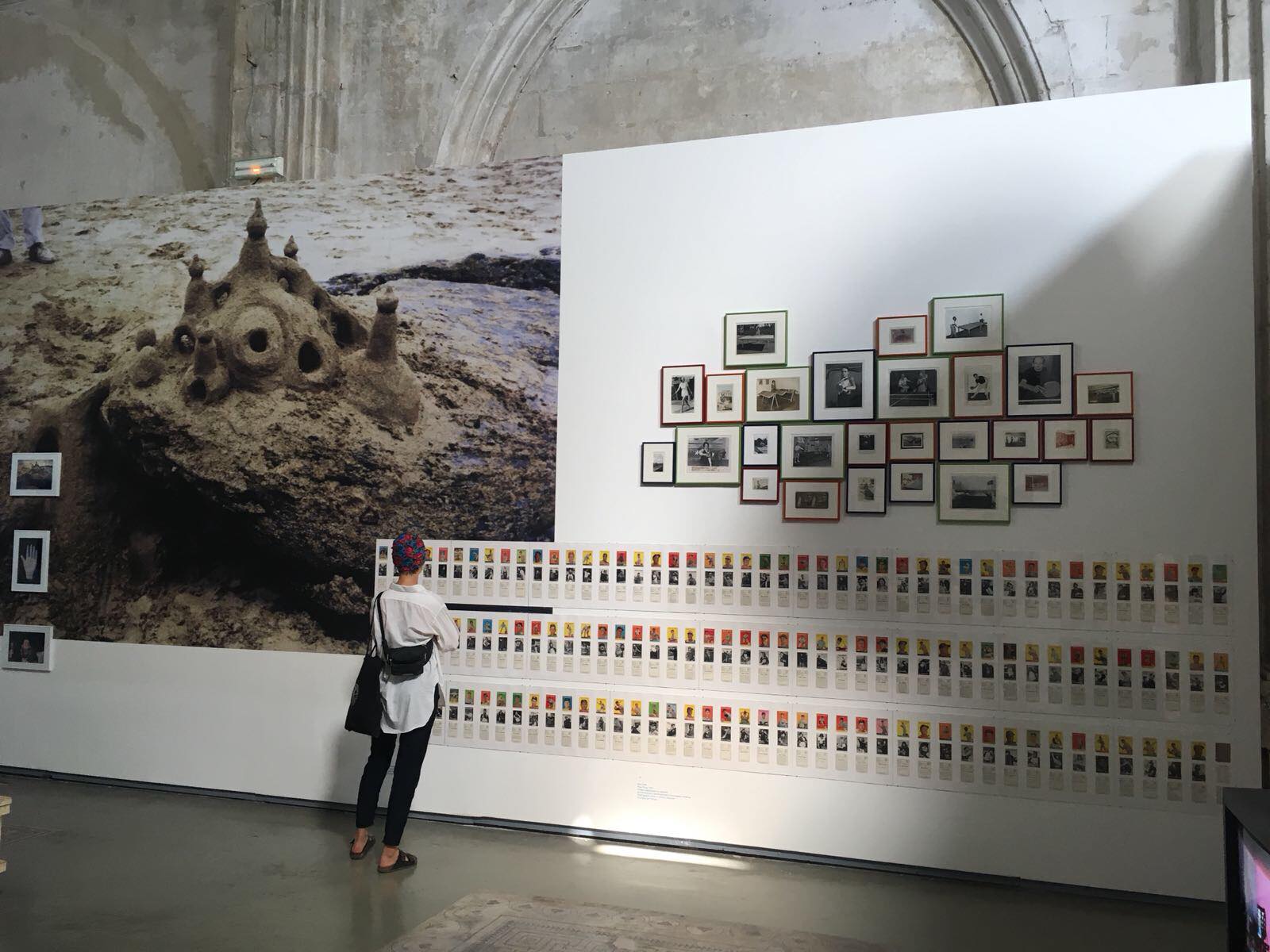
Our very first OpenWalls exhibition is now on show in Arles, featuring 50 works chosen to…

Internet penetration in Kenya has grown so rapidly over the past decade that the country has been dubbed the “Silicon Savannah”. In 2009, a submarine fibre optic cable linking Mombasa to the rest of the world was launched, and construction of “Kenya Vision 2030” is now underway – a £11.2bn, 5000-acre technology city expected to create around 60,000 jobs in the IT sector.
Household tech names such as Google, Intel, Microsoft, Nokia, and Vodafone all have a presence in Kenya, and, says 27-year-old German photographer Janek Stroisch, “young entrepreneurs are seizing this opportunity as a chance to make change”. “Hundreds of youths have used the internet to launch start-up companies to try to create jobs for themselves,” he adds, “because sadly there aren’t enough to go around.”
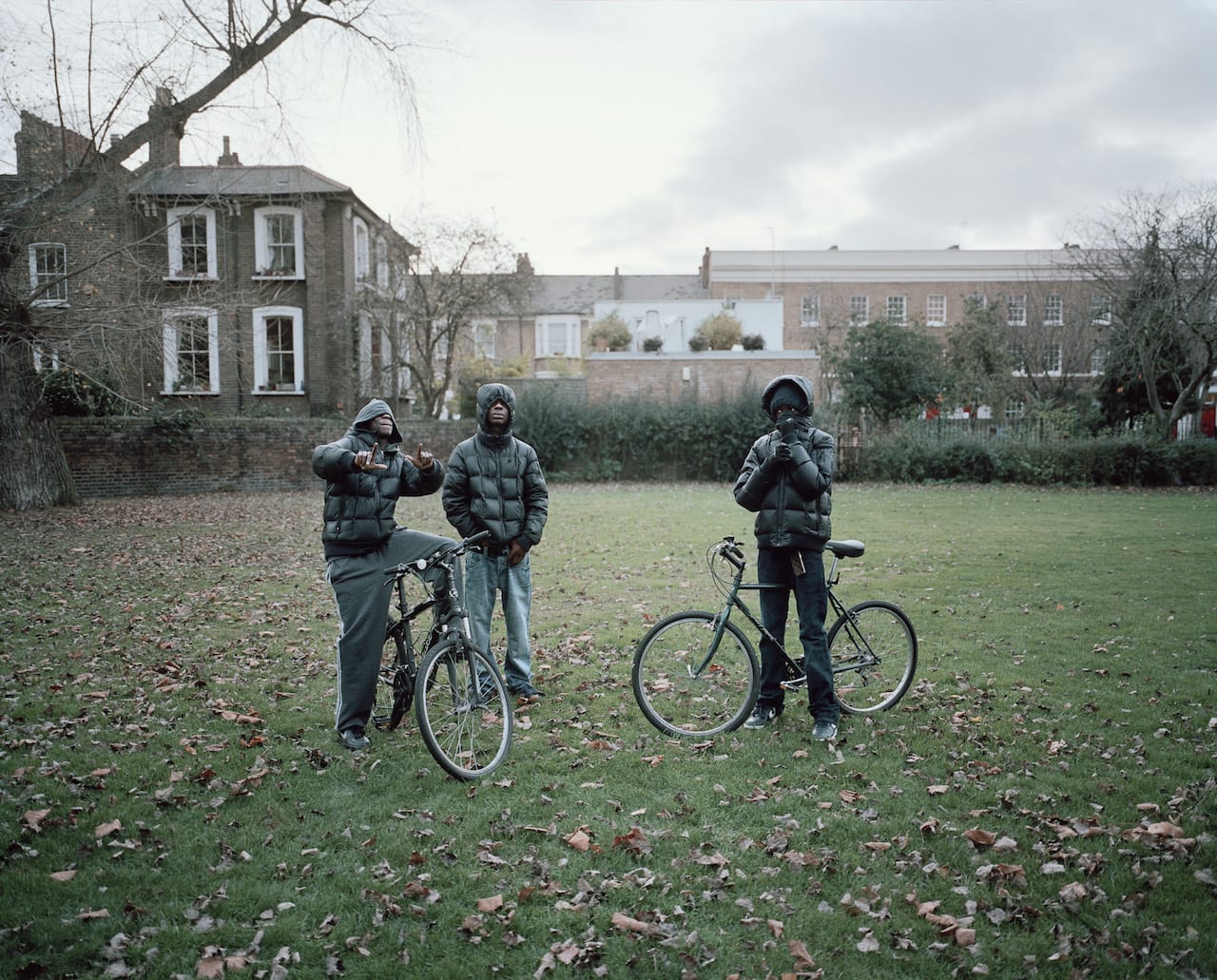
“The new interest in street photography over the last decade and a half is perhaps the single biggest global movement photography has seen in its 170-year history,” says Nick Turpin, creative director of Street London, the third annual edition of the festival dedicated to street photography, taking place at D&AD’s new east London space from 17 to 19 August.
The three-day event, hosted by Hoxton Mini Press, includes guest speakers, shoots, panel talks and, of course, a street party on the Saturday night. There is also an opportunity for photographers to pitch for a 10-minute slot on stage, the Spotlight sessions, where 12 successful applicants will present their projects to an audience for constructive feedback. The theme for discussion this year revolves around how street photography is being redefined by photographers who have emerged from other backgrounds, including photojournalism, art photography and portraiture and how this has influenced them today. There is also a conscious view to look to contemporary expressions of genre.
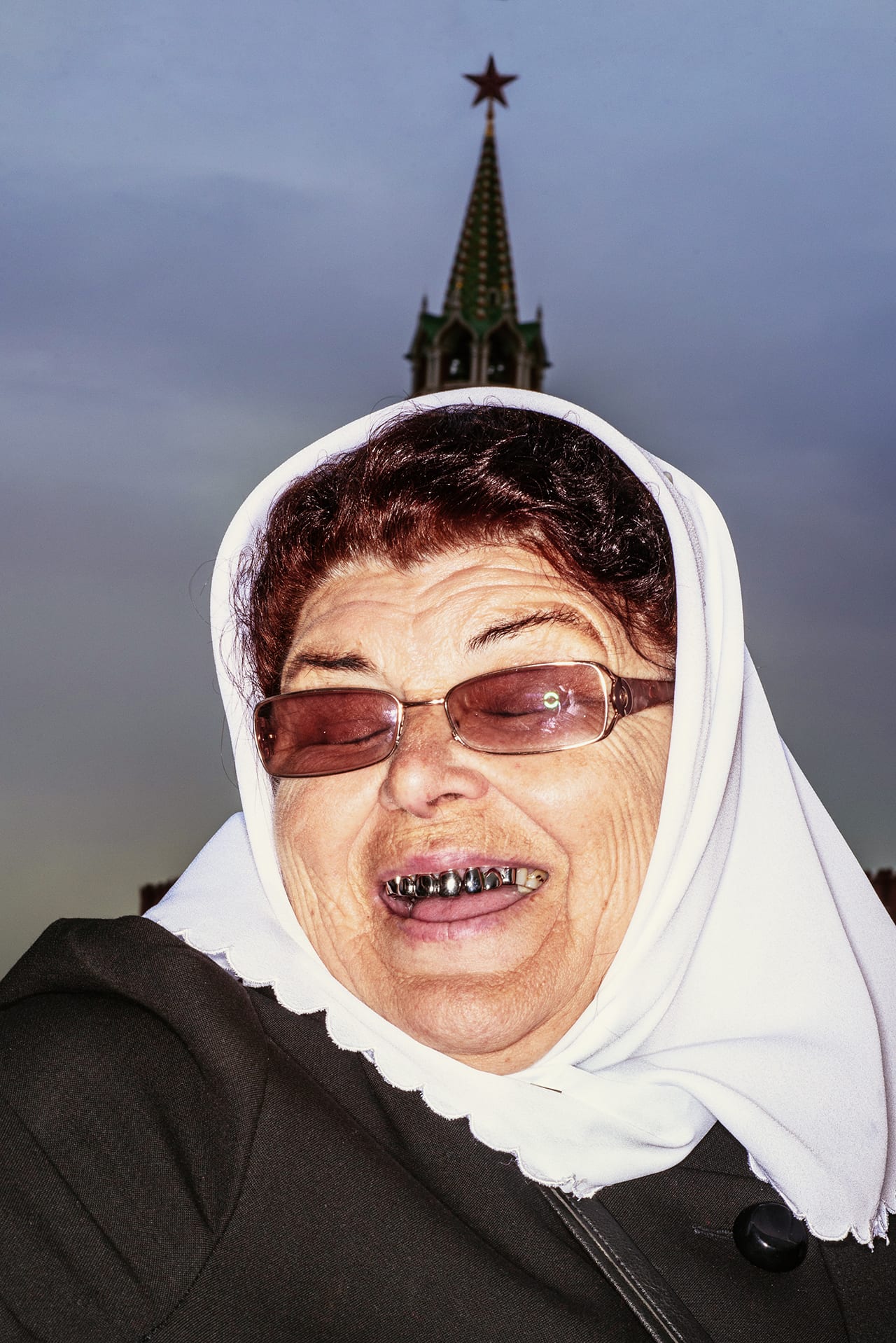
“If you live in Russia, you’re taught to love your family, and love your nation. It’s part of your life and education, we even have classes teaching patriotism at school,” says Alexander Anufriev, whose new project takes a closer look at what makes a modern Russia.
The idea for Russia Close-up came while he was studying at The Rodchenko Art School in Moscow, and starting to feel disillusioned with documentary photography. “At the time, it was important for me to tell stories and for them to be the truth, but it started to feel like a little bit of a lie,” he explains. “Even if you’re trying to be totally objective, it is always a bit subjective.
“I stopped shooting for six months, and I was about to quit photography, but then I thought, ‘What if I tried to be completely subjective?’ So I cropped the images very tightly, and included only the elements I wanted to show. It was a farewell to convention.” Unconventional it may be, but the series has already had some success, exhibited in Cardiff, Sydney, and Saint Petersburg, and winning third place in the Moscow Photobookfest Dummy book award.