

Photographers including Sally Mann, Jeff Jacobsen and Charles Harbutt discuss the tensions between analogue and digital
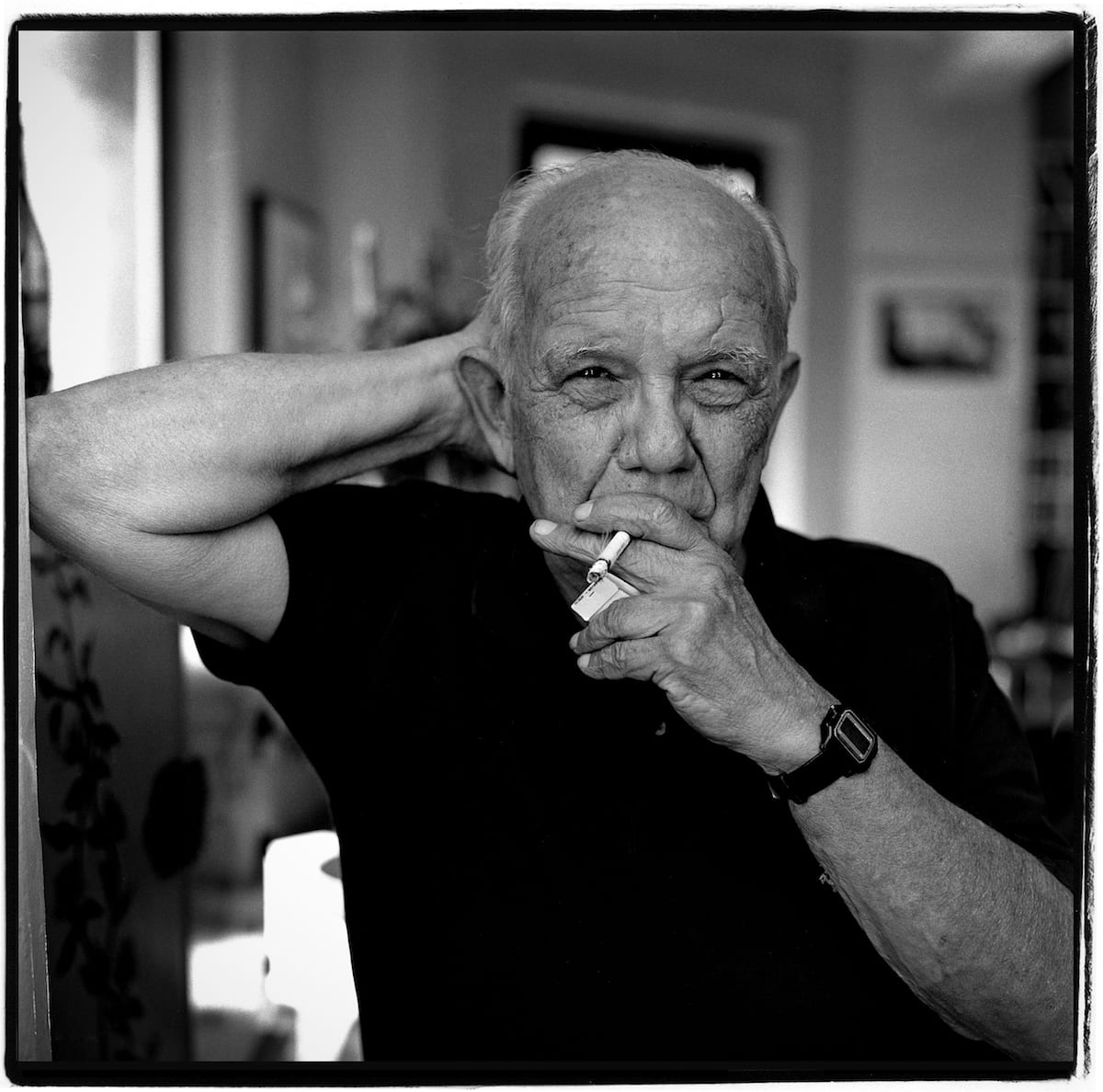
Photographers including Sally Mann, Jeff Jacobsen and Charles Harbutt discuss the tensions between analogue and digital
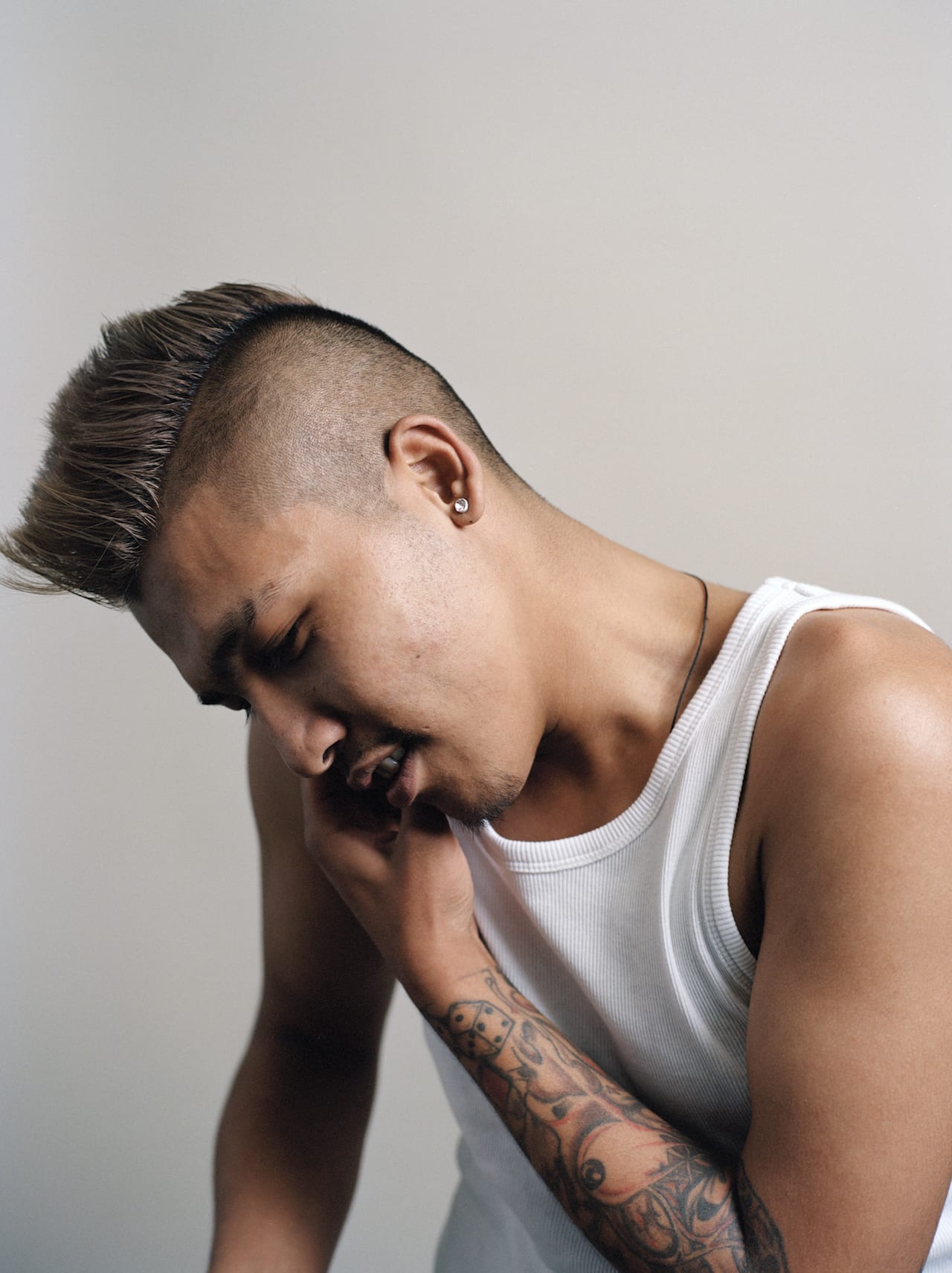
In Aldershot, a town in Hampshire, England, there is an old 1930s Art Deco theatre called the Empire. Since its renovation several years ago, it operates mainly as a Nepalese community centre. On the top floor there is a restaurant and a temple; downstairs is a function room, where groups of Nepalese men meet up every so often to play xbox, table tennis and traditional Asian games like carrom.
Aldershot is home to the largest Nepali community in the UK and, because of its close proximity to an army base, Gurkha families make up a large proportion of the population. The Gurkhas are Nepalese soldiers who were recruited into the British Army following the Anglo-Nepalese war in the early 19th century. Over 200,000 Gurkhas fought for Britain in both world wars, but they were unable to settle in the UK until 2004. Since then, after a campaign famously championed by the actress Joanna Lumley, the population of Nepalis in the UK has increased from 6,000 to an estimated 100-150,000.
British-Nepali photographer Nina Manandhar’s most recent project, Gurkha Sons, questions the challenges and benefits of coming from a Gurkha family in the UK. The group she photographed calls themselves the k-BOYZ – the “k” standing for Kaprukka, the Nepali word for “frozen stiff” as that’s how they feel when they go out on their motorbikes in cold British weather. Manandhar asks how living in the UK informs their sense of identity, and most importantly, where home now lies for them
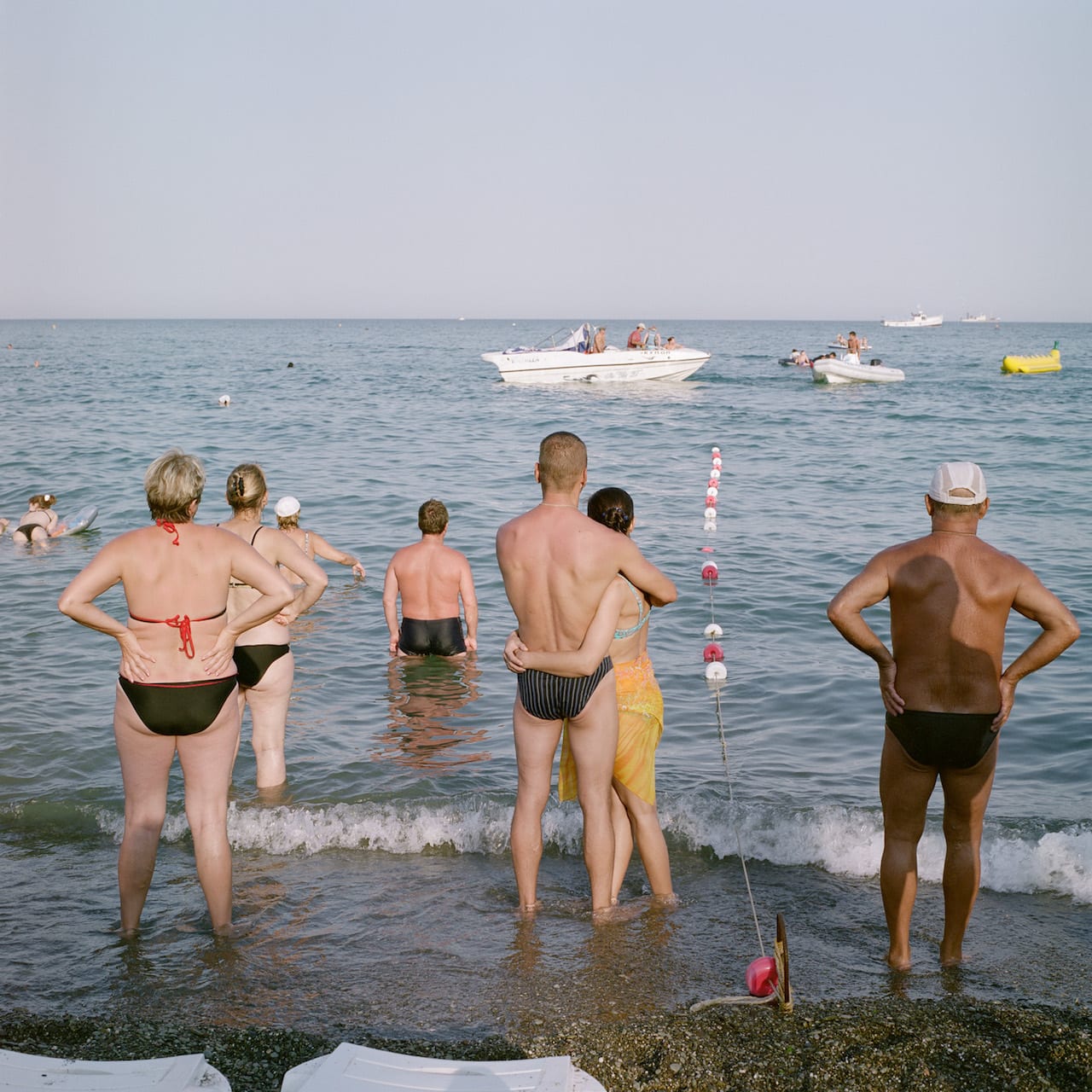
Stakle recently won the New East Photo Prize organised by Calvert 22 Foundation, with a series titled Heavy Waters. Shot in Crimea in 2011, the series shows towns and villages scattered along the coast on the Crimean Peninsula – an area that was at the time part of Ukraine, but which became part of Russia after the Ukraine-Russia crisis in 2014. To date, Crimea remains an internationally unrecognised part of Russia. Crimea was one of the most popular resorts of the Soviet Union but, says Stakle, “being on the crossroads of trade routes has always been risky”. “Since times immemorial, the Crimean Peninsula has been coveted by different countries, near and far,” he writes in his introduction to the series.
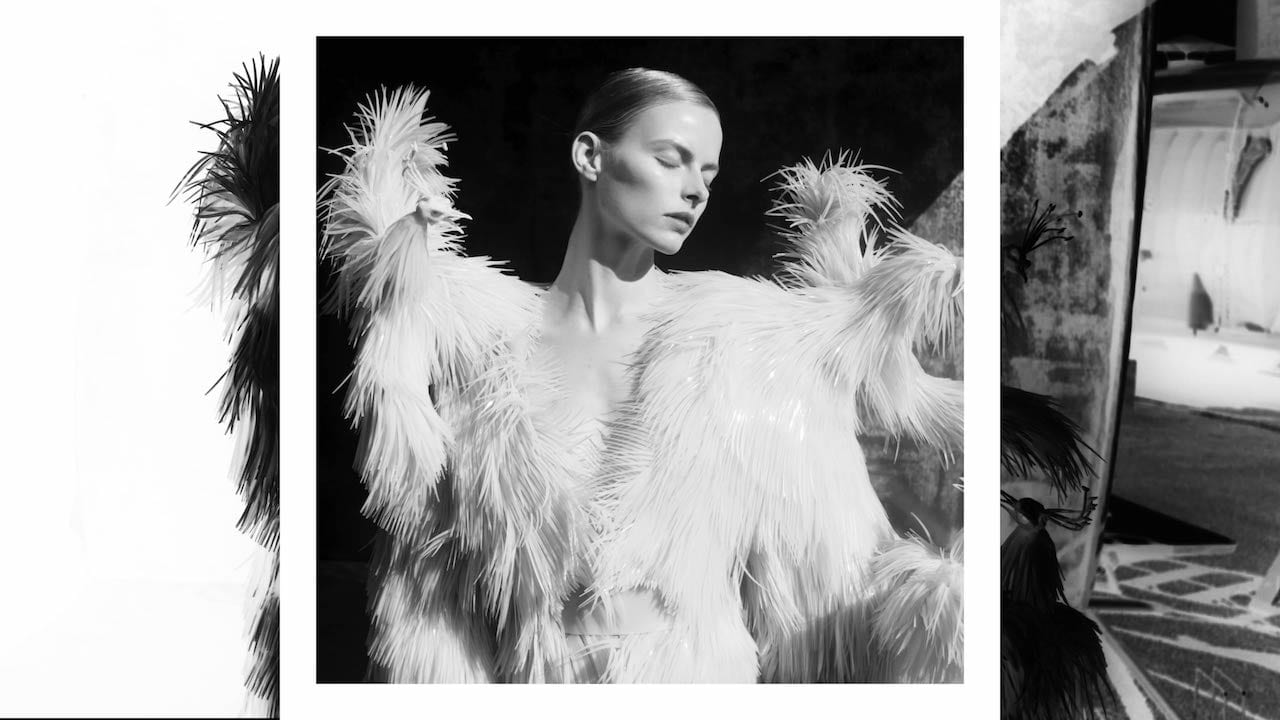
Fashion photographer Sølve Sundsbø was awarded an Emmy in 2011 for his direction of a series of short films, shot for the website of the The New York Times Magazine. The series, 14 Actors Acting commissioned by Kathy Ryan, was acclaimed as a “new approach”, but the Norwegian photographer claims he simply “dabbles” in film.
“I’m not proficient or even adequate yet,” he says. “But film is a way of rejuvenating the work I’ve already done. It’s like a little vitamin boost.”
Sundsbø’s photography career has been meteoric. Four months into a course at the London College of Printing, he attracted the attention of Nick Knight, and became his assistant for the next four years. Now he’s a regular in Italian Vogue, Visionaire and W magazine. His commercial clients include Chanel, Hermès, Nike and Yves Saint Laurent and, outside the fashion world, Royksopp, Friendly Fires and Coldplay have all chosen his work for their album covers.
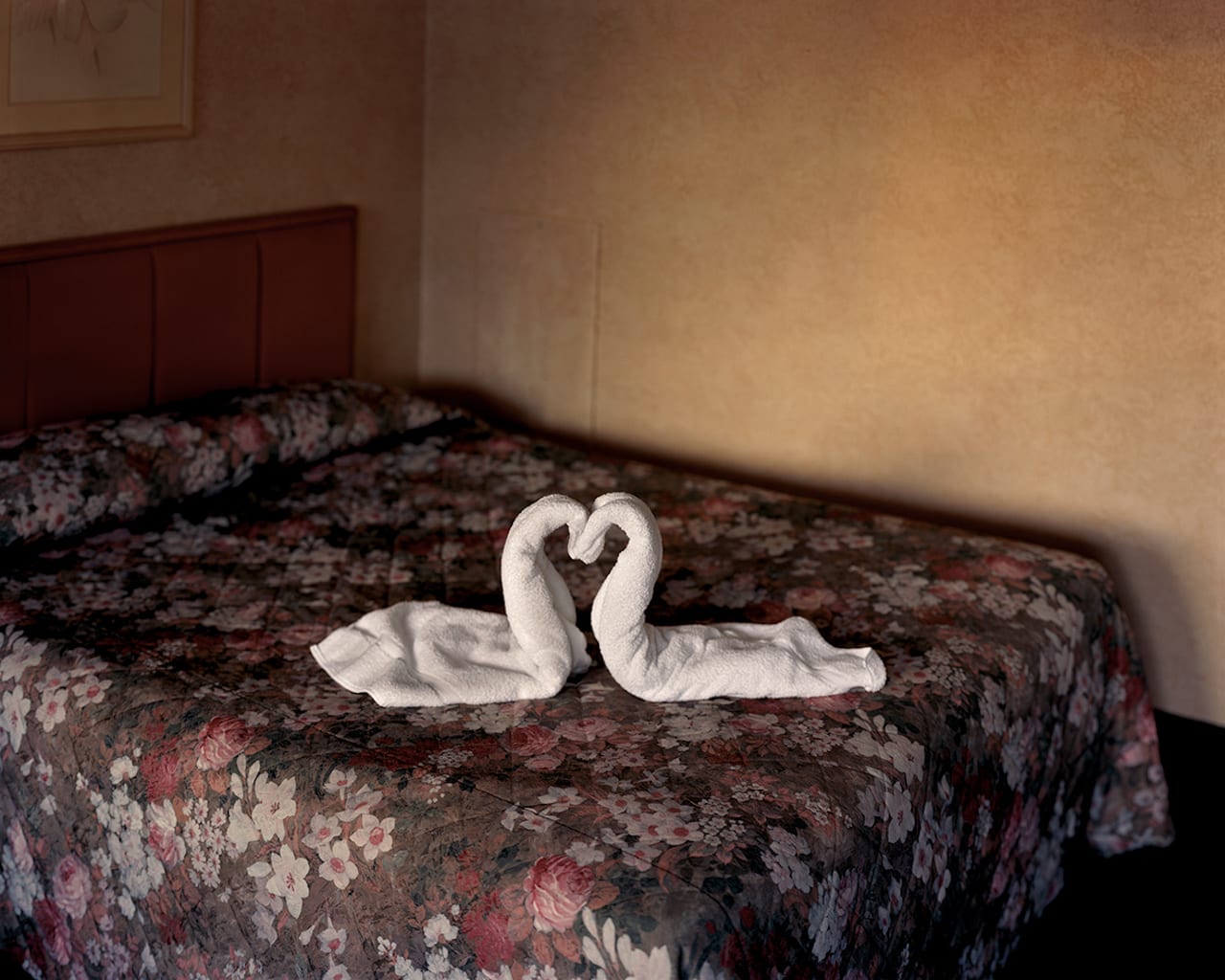
Alec Soth’s first book, Sleeping in the Mississippi, was so sweeping in its epic statements, it seemed that Soth had nothing left to photograph. What could he do next? The answer is Niagara, a portrayal of the town that has traditionally been the romance capital of North America. In Niagara, Soth sets out to capture the grand passion of life, to do for love and marriage what Sleeping in the Mississippi does for the American Midwest.
“Niagara is part of American mythology. It’s a place of romance, where people go to get married,” says Soth. “But when I got there my view of the place totally changed. The American side is economically devastated. It’s bleak.” As Mack Books republishes Alec Soth’s classic book, BJP revisits our review first published in 2006
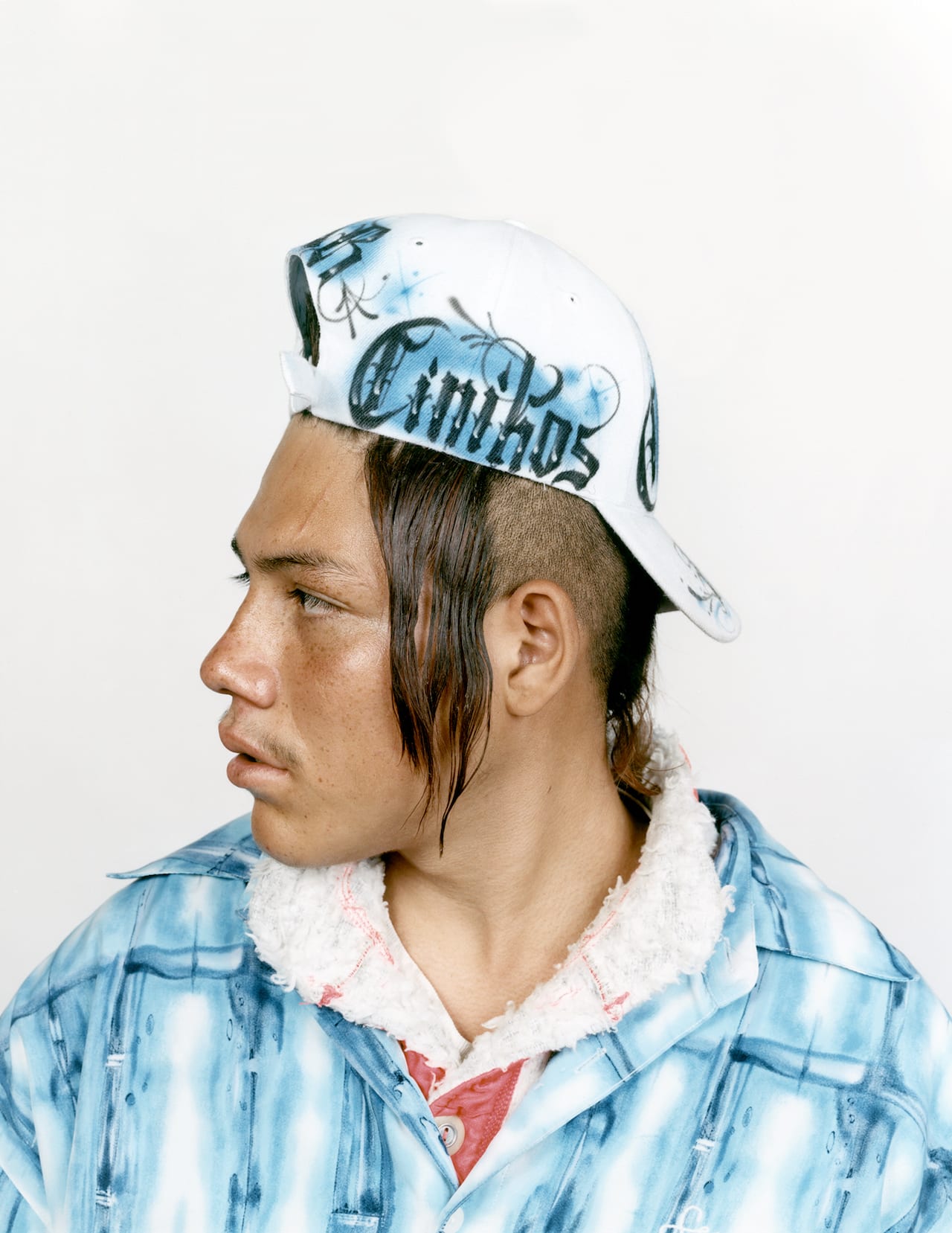
Diversity has never been hotter in the fashion industry. This year, more non-white, plus-sized, and transgender models have walked the runway than ever before, and a record number of black women have appeared on the covers of glossies worldwide. Alessia Glaviano, senior picture editor at Vogue Italia and director of the Photo Vogue Festival thinks we owe it to the internet. “I believe that nothing would have happened, or not this fast, in terms of inclusivity, if it wasn’t for social media,” she says. “It’s a progressive platform for talking about race, identity, sexuality, and disability.”
But diversity isn’t just a trend, it’s a reality. Years before #diversity began to take off, forward-thinking publications such as Vogue Italia were already poking holes in the industry’s representation problem, with initiatives such as the July 2008 “all black” issue. Vogue Italia is known for being adventurous, for setting a standard for cutting-edge fashion photography. Over the years has given artistic freedom to commissioned photographers such as Steve Meisel, Ellen von Unwerth and Miles Aldridge, who have shot stories unlikely to be seen elsewhere, engaging with themes such as plastic surgery and domestic violence.
“It’s been in our DNA since the beginning,” says Glaviano. “We’ve always been really engaged and committed to this part of fashion that can be very strong and influential.
“I’ve never believed in boundaries and labelling things,” she adds. “No one cares that Michelangelo was commissioned to create the Sistine Chapel. What they care about is the final result.”
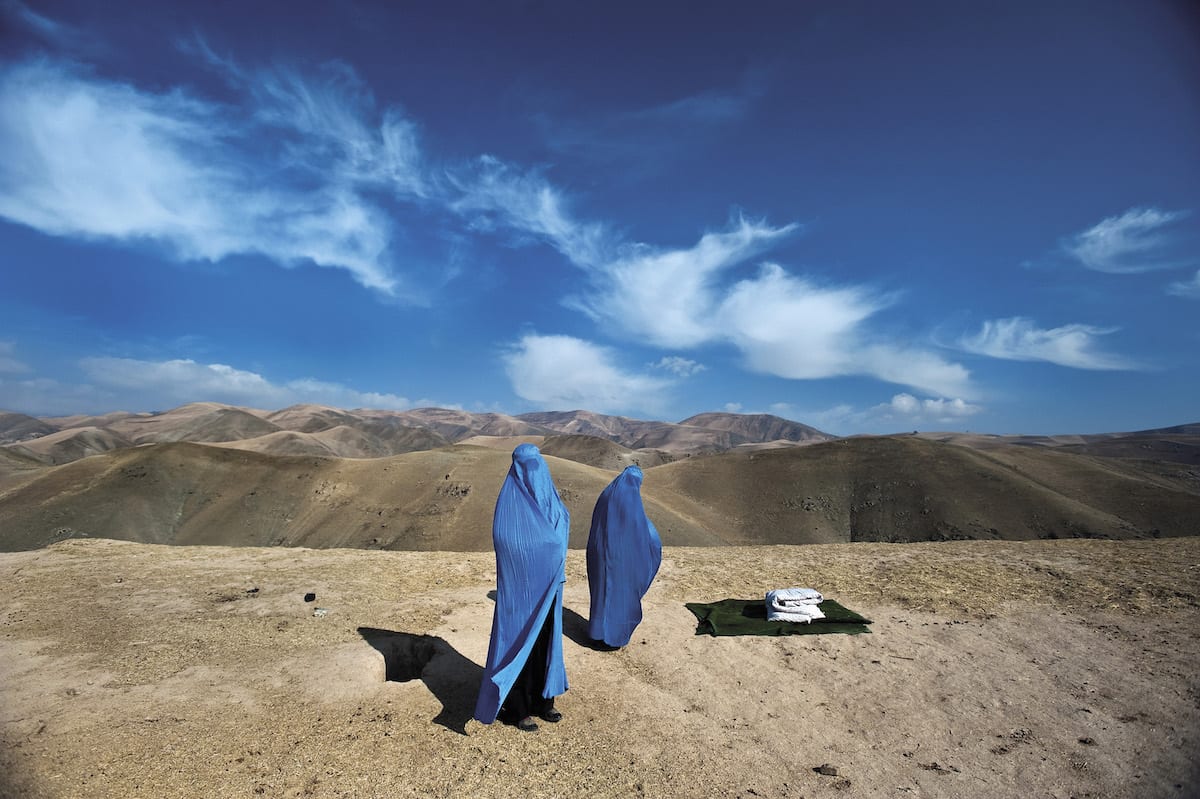
Renowned for her fearless coverage of conflicts, Addario reflects on the experience of documenting a silent epidemic of epic proportions
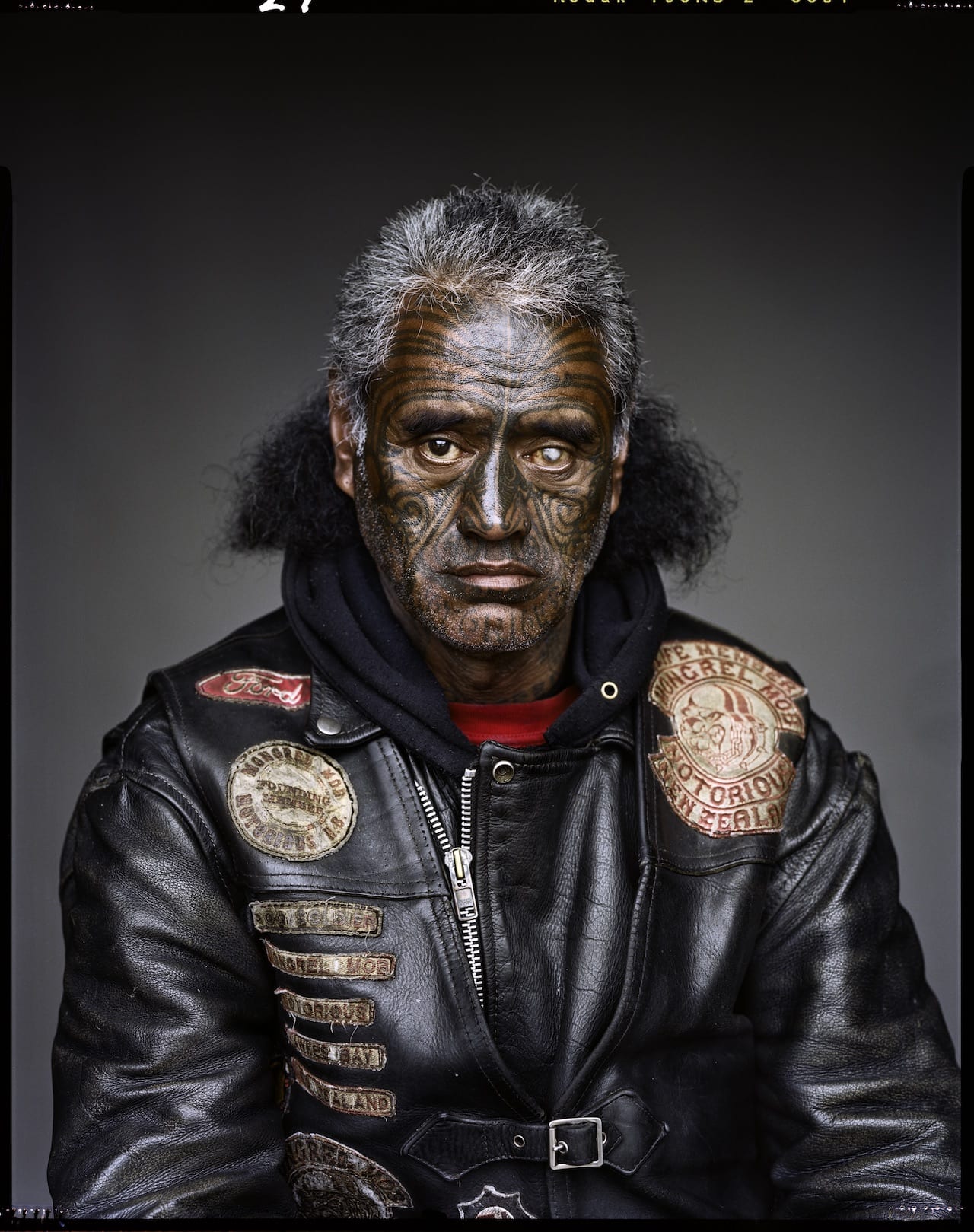
Arresting. Exquisite. Gripping. Chilling. Disgraceful. Unacceptable. These are all words people have used to describe portraits made by Jono Rotman. Created over the last decade, his project Mongrelism presents an intimate look at members of the Mongrel Mob – New Zealand’s largest, most notorious gang. Though he is looking at a subculture as an outsider – a domain regularly mined by photojournalists – Rotman eschews a traditional documentarian approach to his subject matter. In so doing, the project’s scope extends beyond the Mob itself to touch upon issues related to New Zealand’s charged colonial past and self-professed biculturalism, the politics and ethics of portraiture, and the intersections of seemingly disparate human experience.
The New Zealand-born photographer explains that since childhood, “I always felt certain violent and uneasy forces within my country”. In Lockups (1999-2005), Rotman photographed the interiors of prisons and psychiatric hospitals throughout New Zealand, exploring the medium’s ability to convey the fraught “psychic climate” embedded in these state-controlled institutions. The works are eerily devoid of people, a deliberate decision made, says Rotman, “because I wanted to encourage a direct, personal interaction with the spaces. With prisons, for example, as soon as you introduce people into the picture, it becomes easy to think, ‘Here’s the storyline: this place is for those sorts of people. And I can fit it all into my established worldview’.”
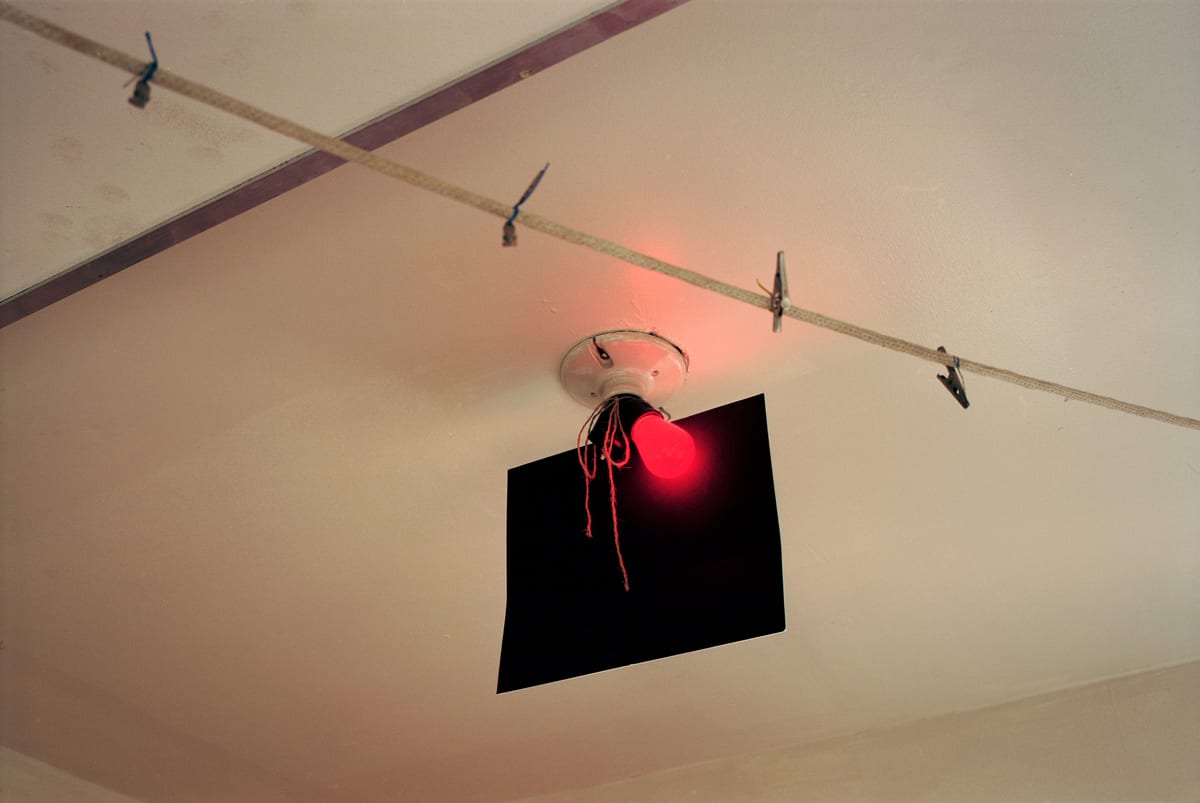
“The chap with the well-greased hair should be wanted never to touch photographic materials after combing his hair”
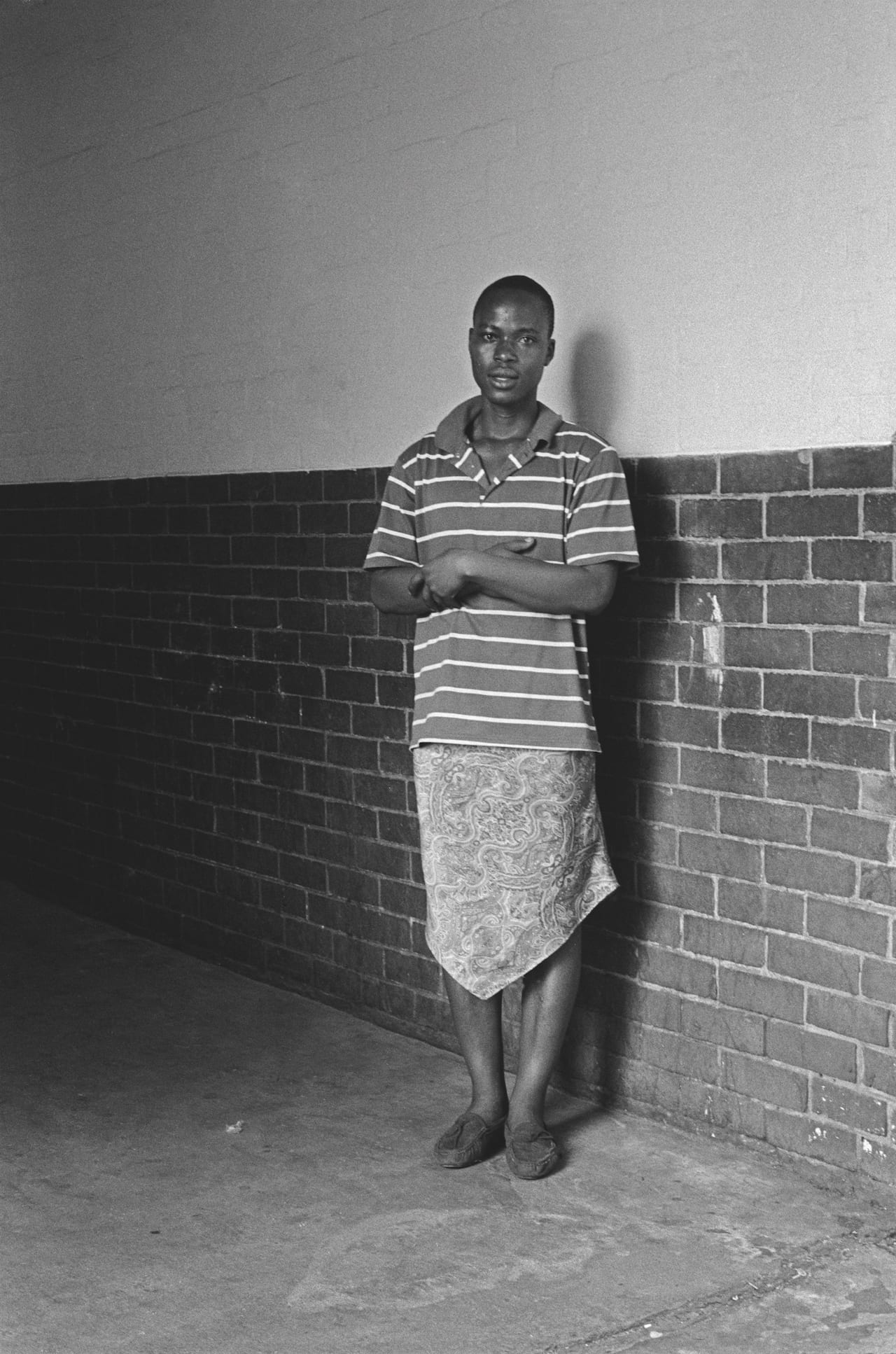
“I have still never seen the first work I made as a photographer,” says Sabelo Mangleni, who started his career as a delivery boy for a local photographer in his hometown in Driefontein, four hours drive east of Johannesburg. The photographer he worked for had been asked to shoot a wedding but, unable to attend herself, asked Mangleni to cover it – sending him off with a camera around his neck and a crash course in photography. After the wedding the newlyweds quickly picked out the images they wanted to remember their day with – so quickly, Mangleni never got to see them.
Still, the experience of looking for a good photograph and working with people from within a community, got him hooked, and in 2001 Mangleni moved to Johannesburg and joined the Market Photo Workshop. Set up by renowned documentary photographer David Goldblatt in 1989, this well-respected organisation supported young black photographers during apartheid South Africa.
It was an excellent start in photography, but arriving in Johannesburg, Mangleni felt alienated. “I couldn’t understand what people were saying,” he says, describing the struggle to communicate with people in English, which he was still learning at the time. To avoid speaking, he channelled his feelings into photographs of the buildings and architecture, which lead to his first, and ongoing, series Big City.