

“It would be cool for someone of the next generation who is fat and self-conscious to see my work and think that they can also take self portraits”
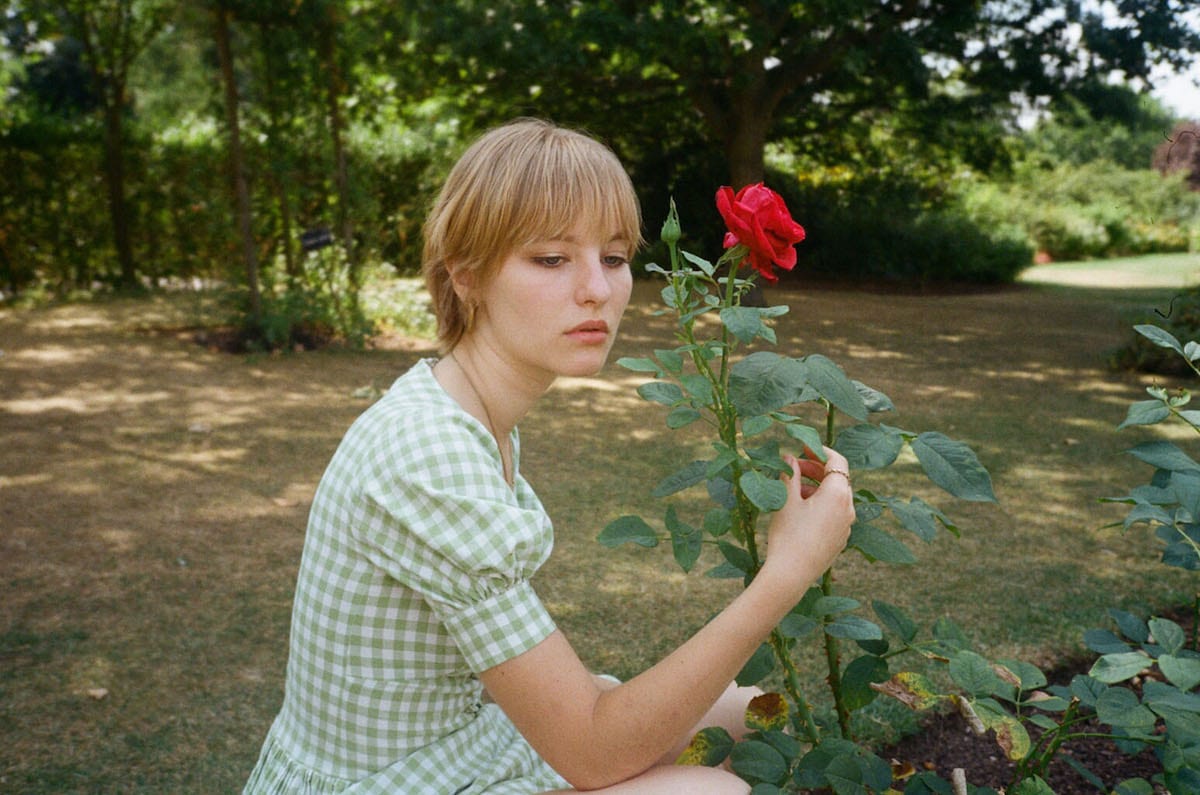
“It would be cool for someone of the next generation who is fat and self-conscious to see my work and think that they can also take self portraits”
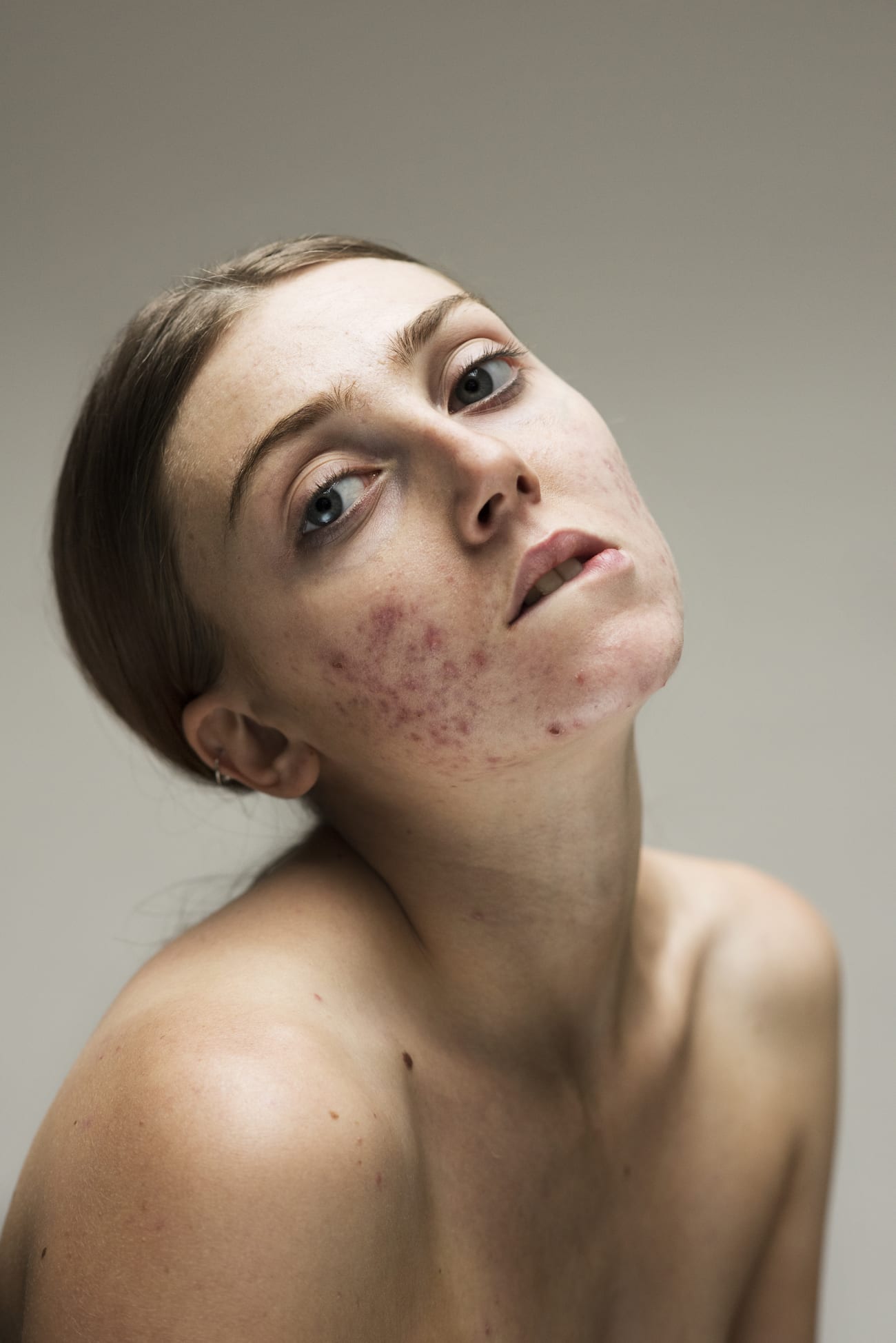
“Getting the train to the studio was nerve wracking; it felt like people stared at my uneven tones and blistered face. After the photoshoot I went to meet my Mum for a drink. I did not cover my skin up, I let it breathe and felt myself do the same”
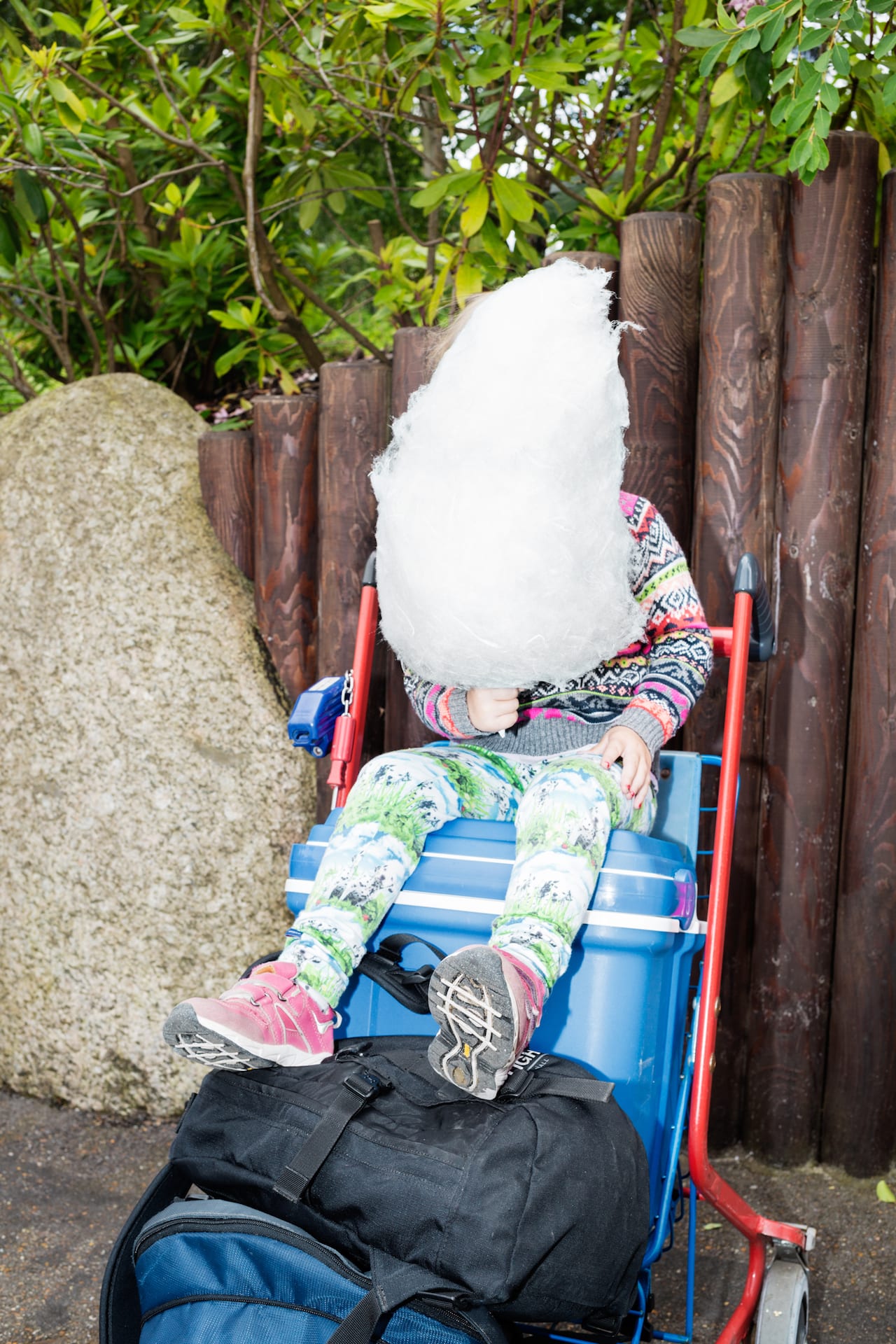
In the yearly World Happiness Report, Denmark, along with its Nordic neighbours, continuously ranks in the top three spots. But what is it about the Danes that makes them so happy? “After three years, I still don’t really have an answer,” says Giulia Mangione, whose new book, Halfway Mountain, seeks to uncover this very question. Mangione started the project in 2014, as part of a photography course she was taking in at the prestigious Danish School of Media and Journalism. Her experience as assistant photo editor at Calvert Journal and interning at MACK Books had helped her “develop a taste for documentary photography” and photobooks, she says, and, after showing a dummy of her project to Corinne Noordenbos – a celebrated educator and former tutor of contemporary photographers such as Rob Hornstra and Viviane Sassen – she decided to expand on it.
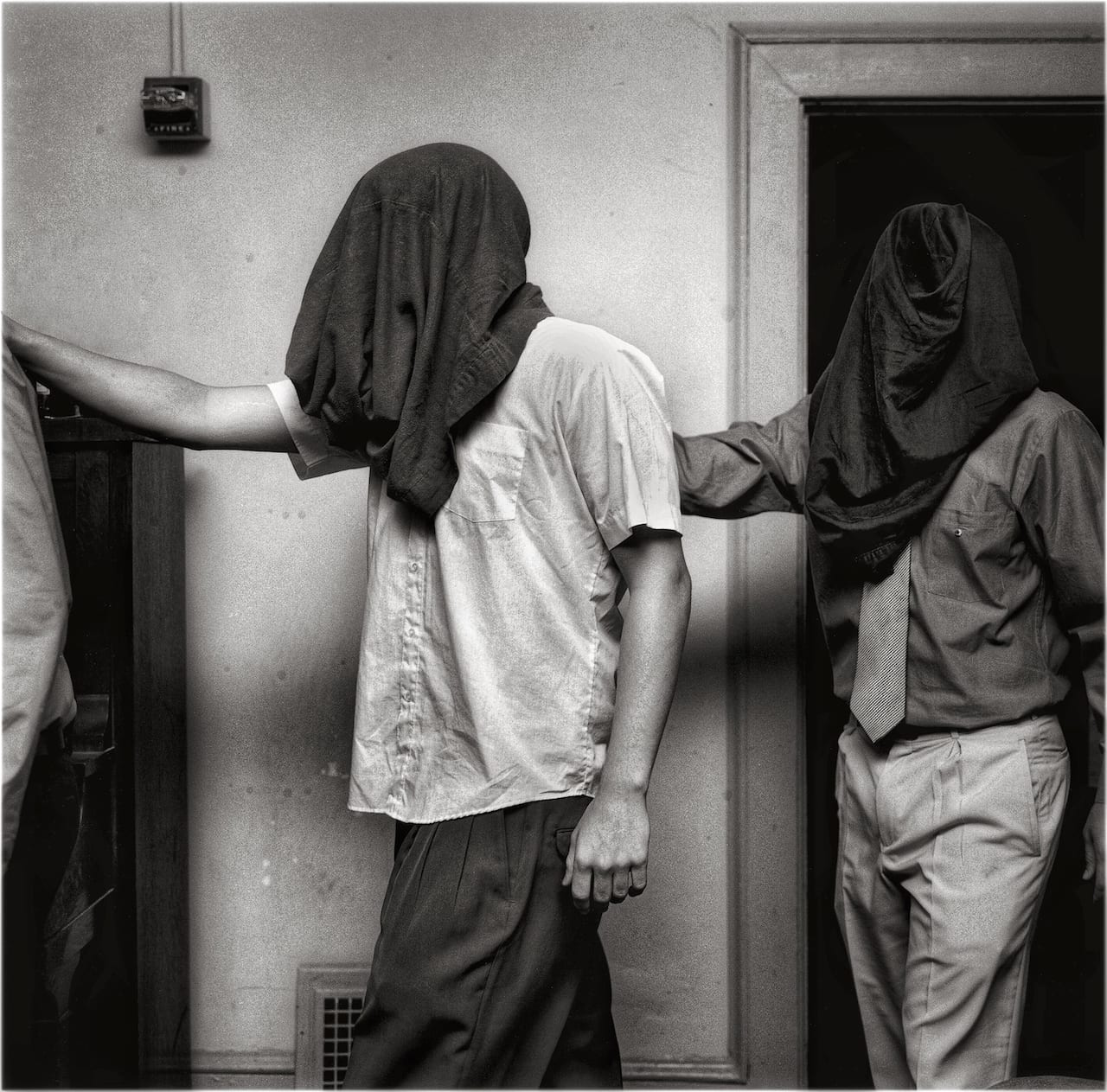
“I’ve waited a long time to bring this book out and between Donald Trump and #MeToo, I don’t see how it could possibly be a better moment,” says Andrew Moisey from his office at Cornell University, New York, where he is an assistant professor in art history and visual studies. The book, The American Fraternity: An Illustrated Ritual Manual, is published by Daylight, and is looks at the secretive, ultra-masculine worlds of the fraternity houses that dominate US university life.
The image we now have of fraternities is very different from how they were when they first set up in the late 1700s. The initial male collegiate organisations were literary societies, where university students gathered to debate politics. Many had mottoes and names in Greek lettering, such as the first and perhaps more poignant Phi Beta Kappa in Williamsburg, Virginia.
Over the years these gave way to social societies in more universities around the US, recruiting members according to their race, religion and social status. Their exclusivity, need to differentiate and tradition of privacy were traits that gradually reached extremes in the modern day, and have now earned them a reputation of encouraging misogyny, bullying and elitism.
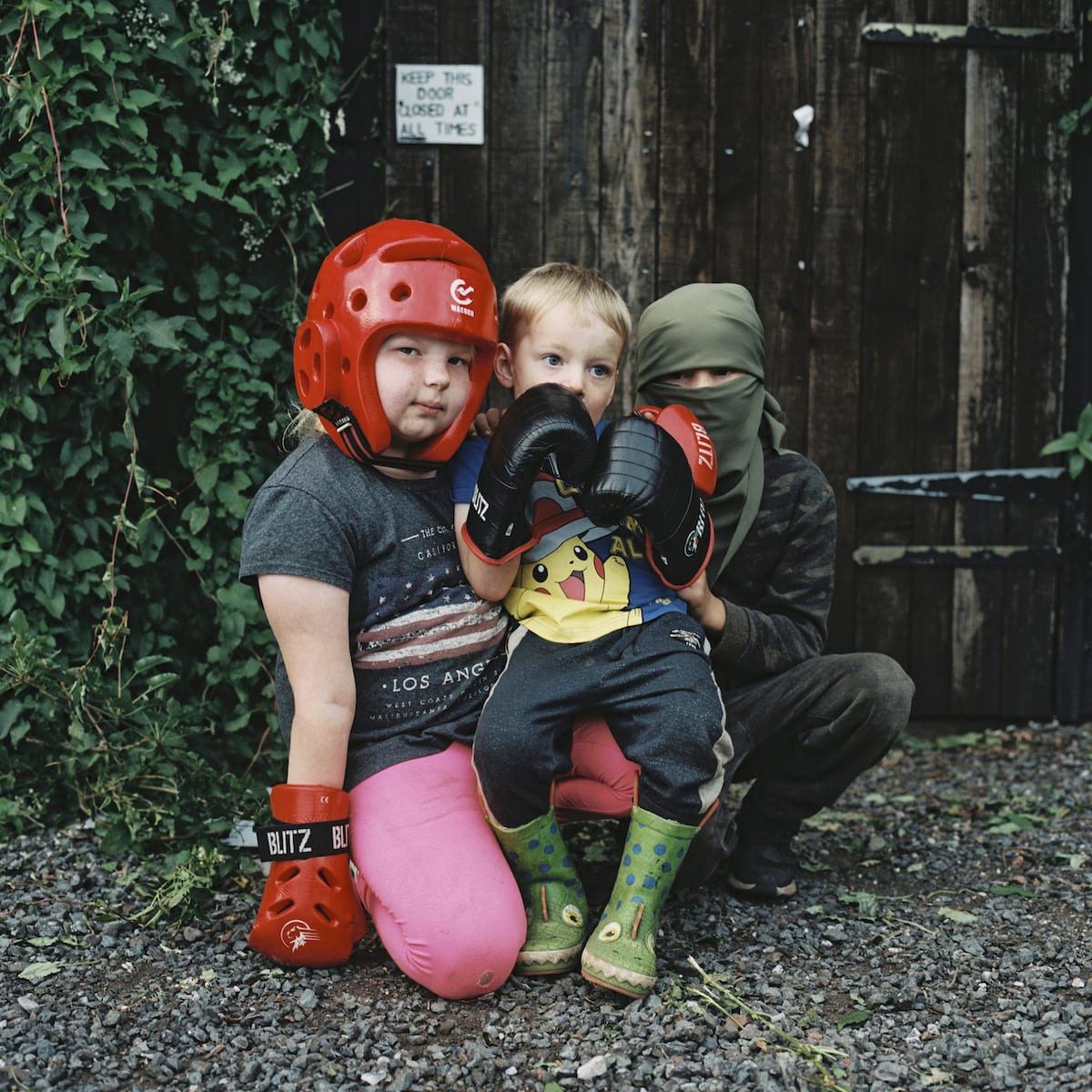
Winner of BJP’s Fractured Stories commission, Adam is currently based at the Preston New Road site working on an ongoing project
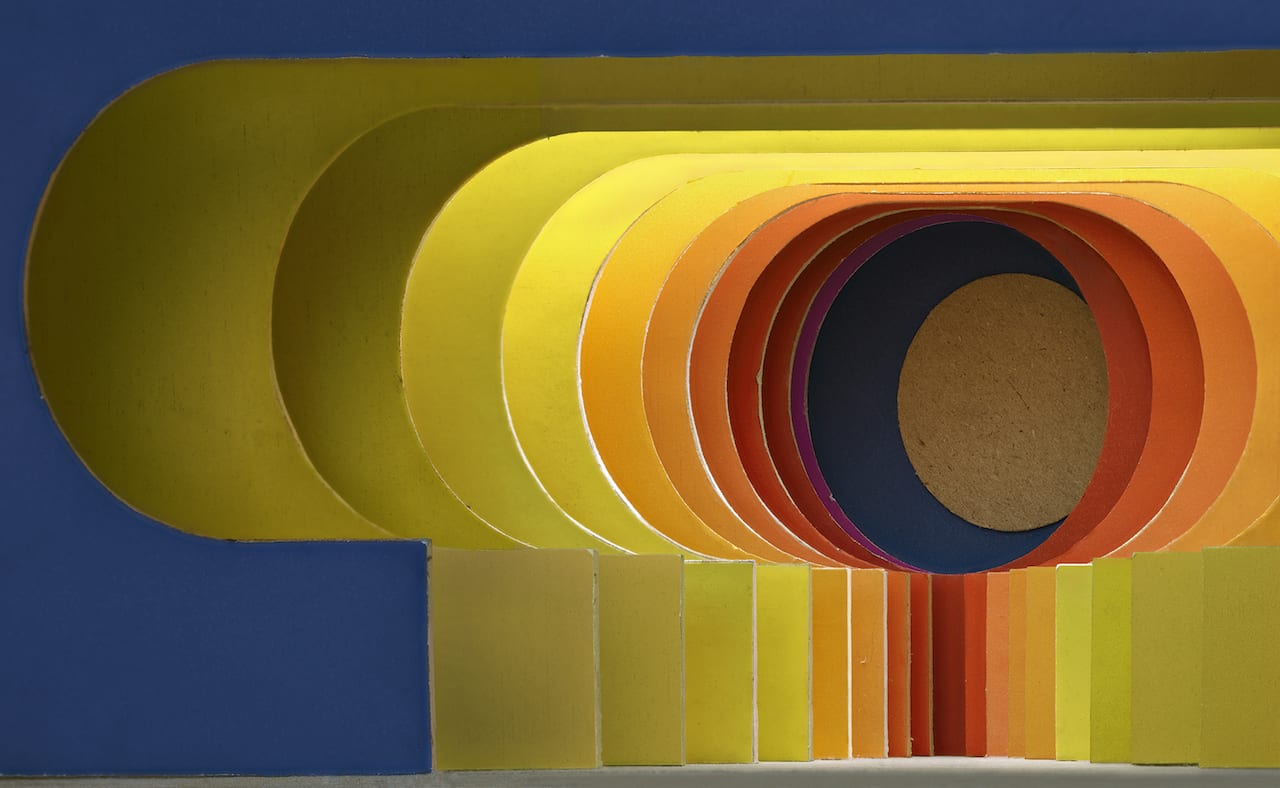
Thomas Demand is known for building and photographing three-dimensional models that are made to look like real rooms. Often loaded with political significance, his recreations include the kitchen in which Saddam Hussein cooked his last meal, the location of a failed assassination attempt on Hitler, and the interior of the Daiichi nuclear power plant in Fukushima after the 2011 earthquake forced workers to evacuate.
Recently his work has taken a new turn, and he has become more interested in other people’s models than his own. In Model Studies, Demand photographs discarded structures made by famous architects such as John Lautner.
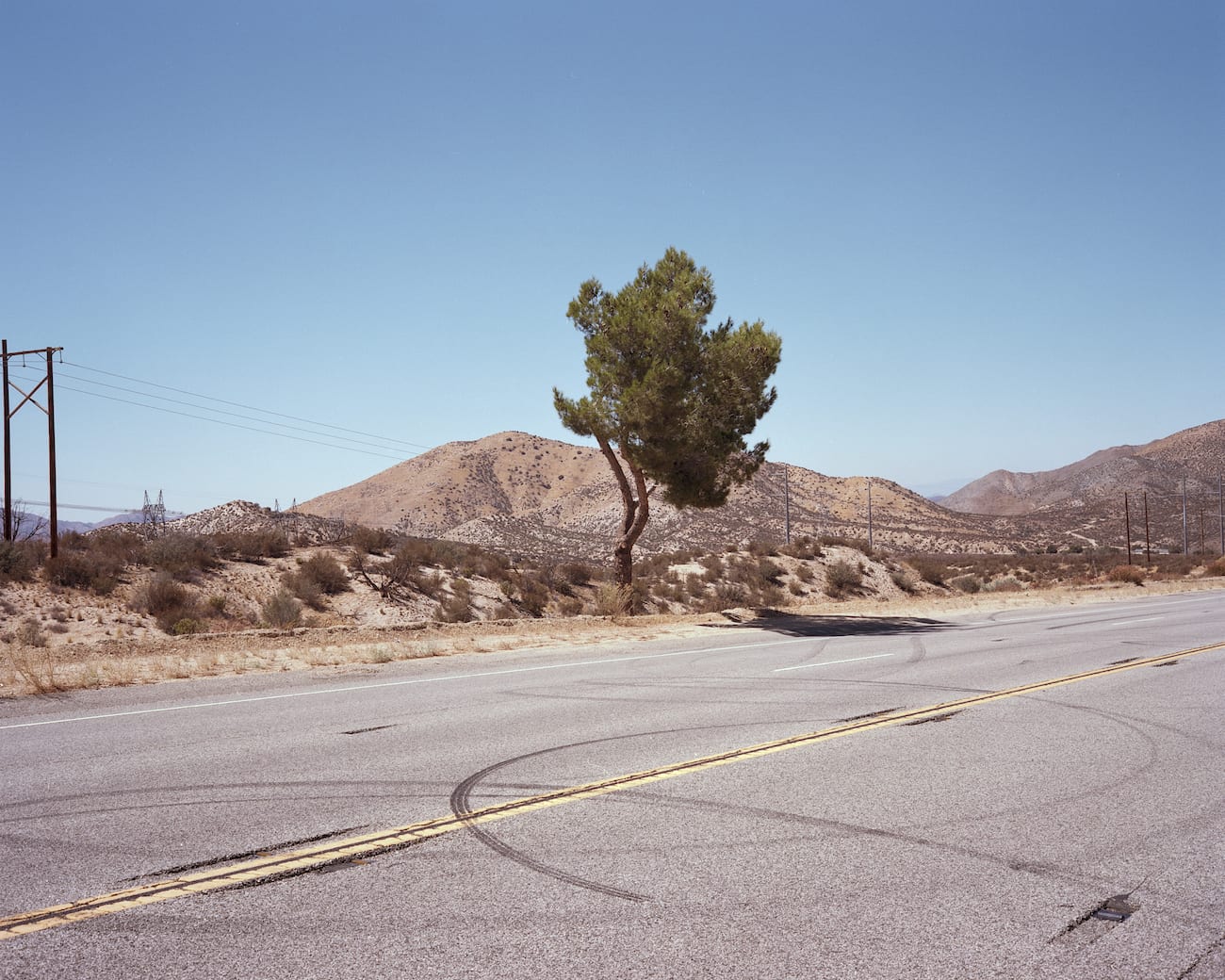
Clément Chapillon spent 10 days immersed in the Californian wilderness. The work he created embodies his journey as much as the people and places he encountered along the way
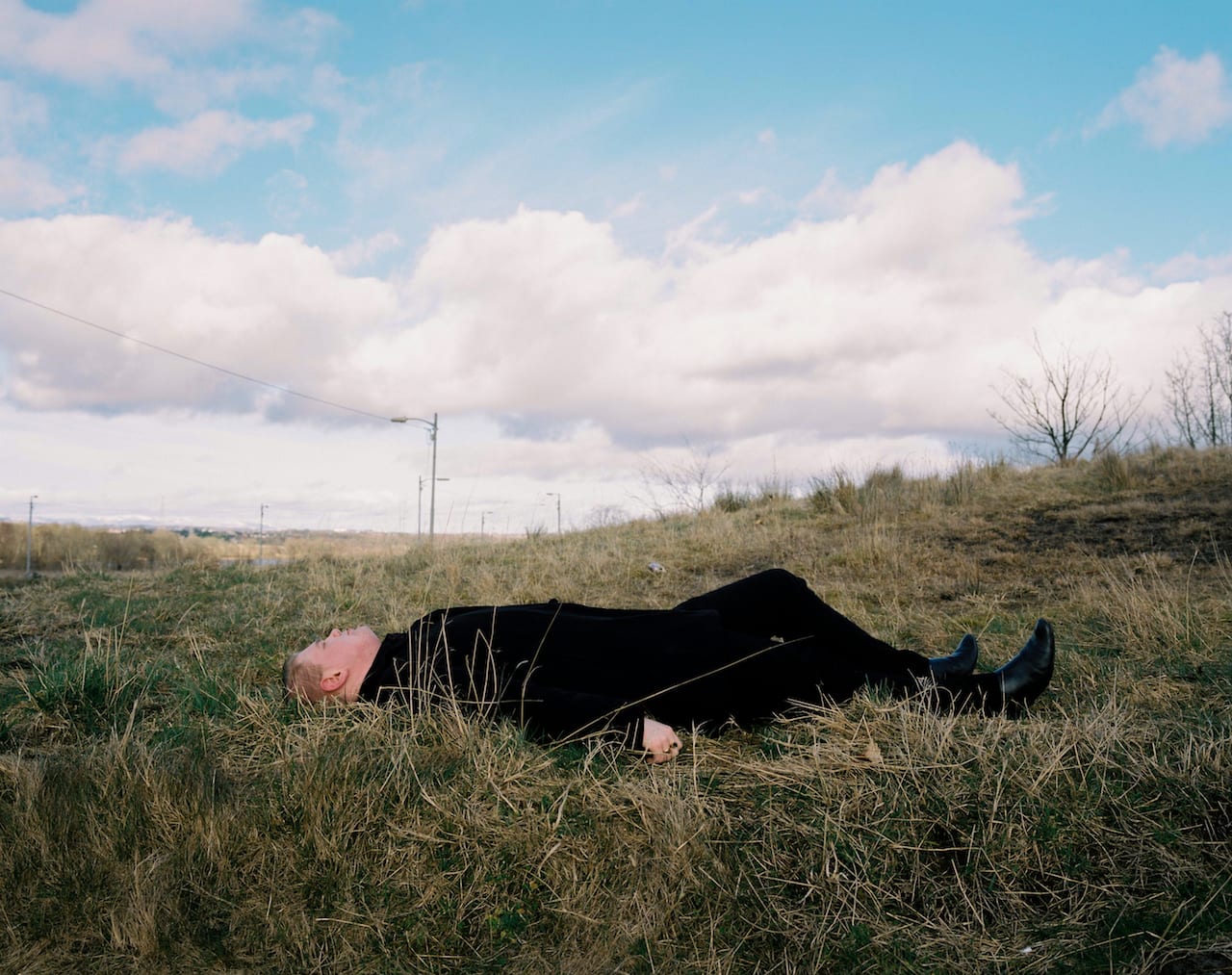
Invisible Britain, a forthcoming book of portraits, shows people who have been left out of the media narrative and left behind by government policy – people who for whatever reason fell on hard times, and found there was little or no support, beyond what they might be able to set up for themselves. Running through the book are references to austerity, the programme of public spending cuts introduced in the UK after the recession, and the impact it’s had on the people here – whether it’s in the lack of support for the full-time carer Greg, who ended up committing suicide, or the patchy probation offered to Matt, who’s spent the last decade falling in and out of prison. The spectre of Brexit also looms, and the uncertain future, but all too obvious intolerance, it’s brought in its wake.
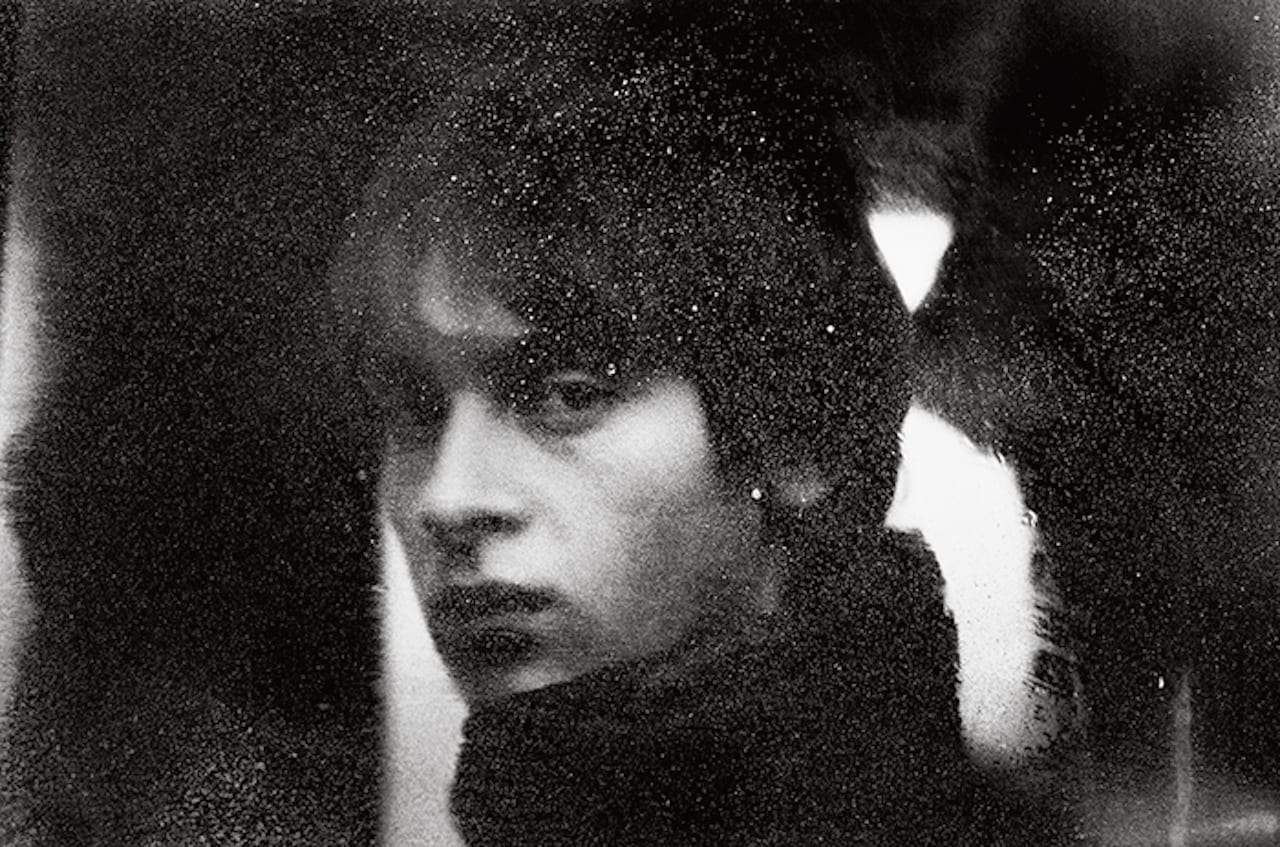
While most photographers value their time behind the camera, Alexandra Catiere’s love for the craft lives in the darkroom. “For me, the beauty of a picture doesn’t lie in the beauty of the subject matter,” she says. “I’m more interested in pushing the boundaries of printmaking, and how far you can go from reality.”
Catiere always knew she wanted to become an artist, and in photography found a craft that was both independent and experimental. “Taking pictures is fascinating, but for me, it’s not enough,” she says. When she was 21, she built a darkroom in the bathroom of her house in Minsk, Belarus, where she spent most of her time developing photographs of still lifes, seeing how far she could push a gelatin surface.
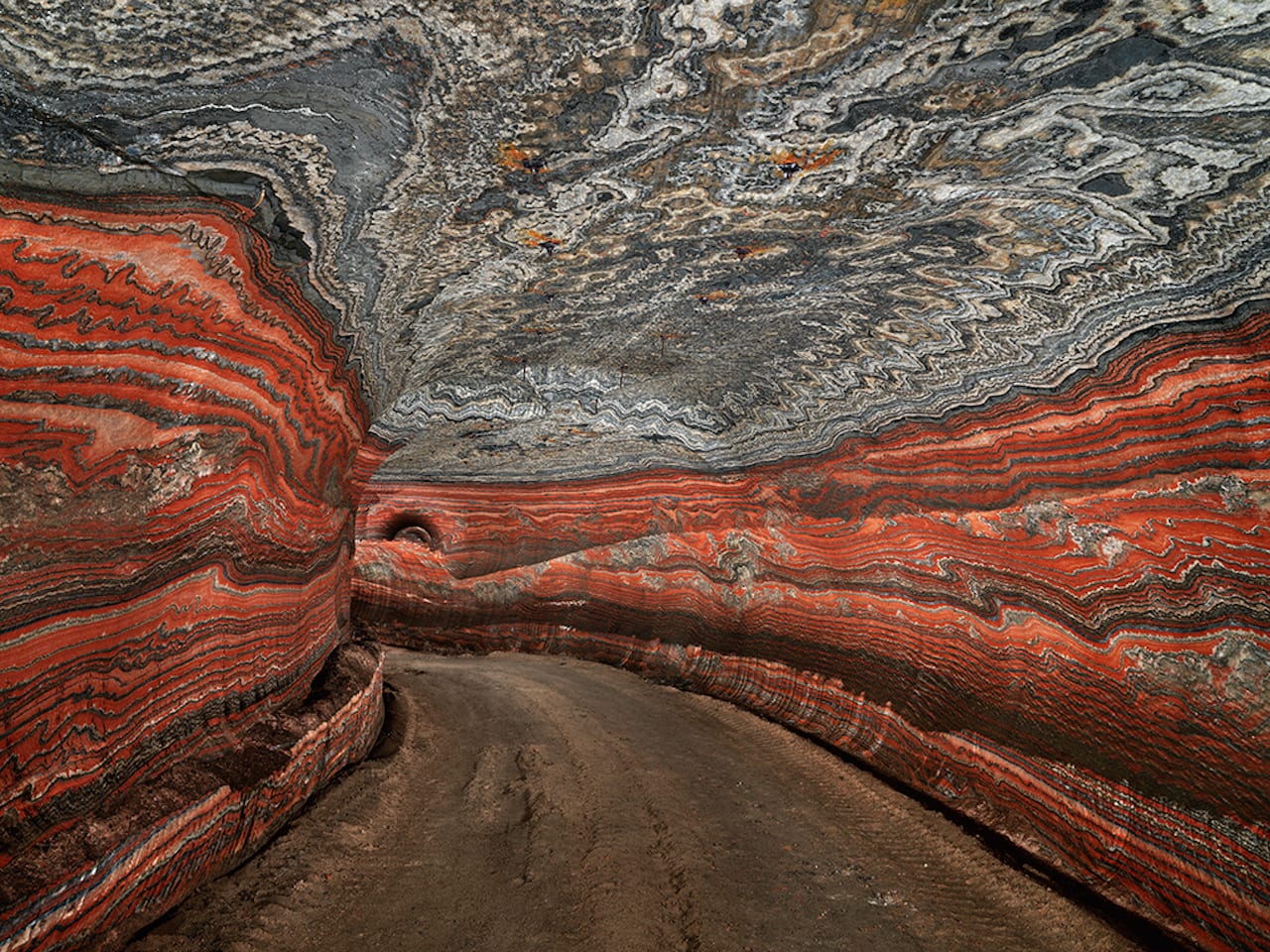
“Most people would walk by a dump pile and assume that there’s no picture there,” says global industrial landscape photographer Edward Burtynsky. “But there’s always a picture, you just have to go in there and find it.” Born in Canada in 1955, Burtynsky has been investigating human-altered landscapes in his artistic practice for over 35 years, capturing the sweeping views of nature altered by industry; from stone, to minerals, oil, transportation, and silicon. “Of course, it’s important to me to make sure that my pictures are attractive to the eye,” he says. “But beneath the surface there’s always a bigger, deeper environmental issue.”