

Vogue Italia’s picture editor picks out Monica Alcazar Duarte’s The New Colonists as one of her top five of 2017 – and throws in one more selection for luck
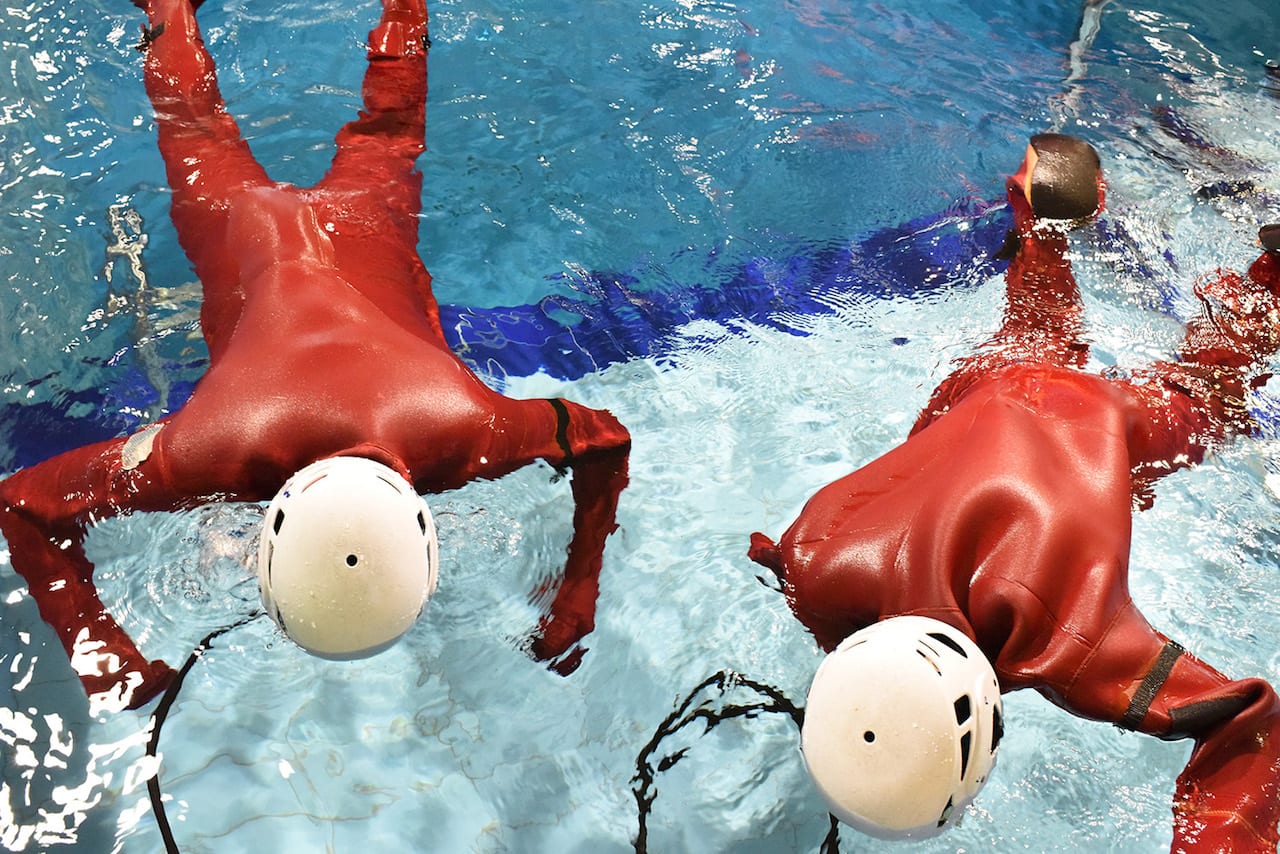
Vogue Italia’s picture editor picks out Monica Alcazar Duarte’s The New Colonists as one of her top five of 2017 – and throws in one more selection for luck
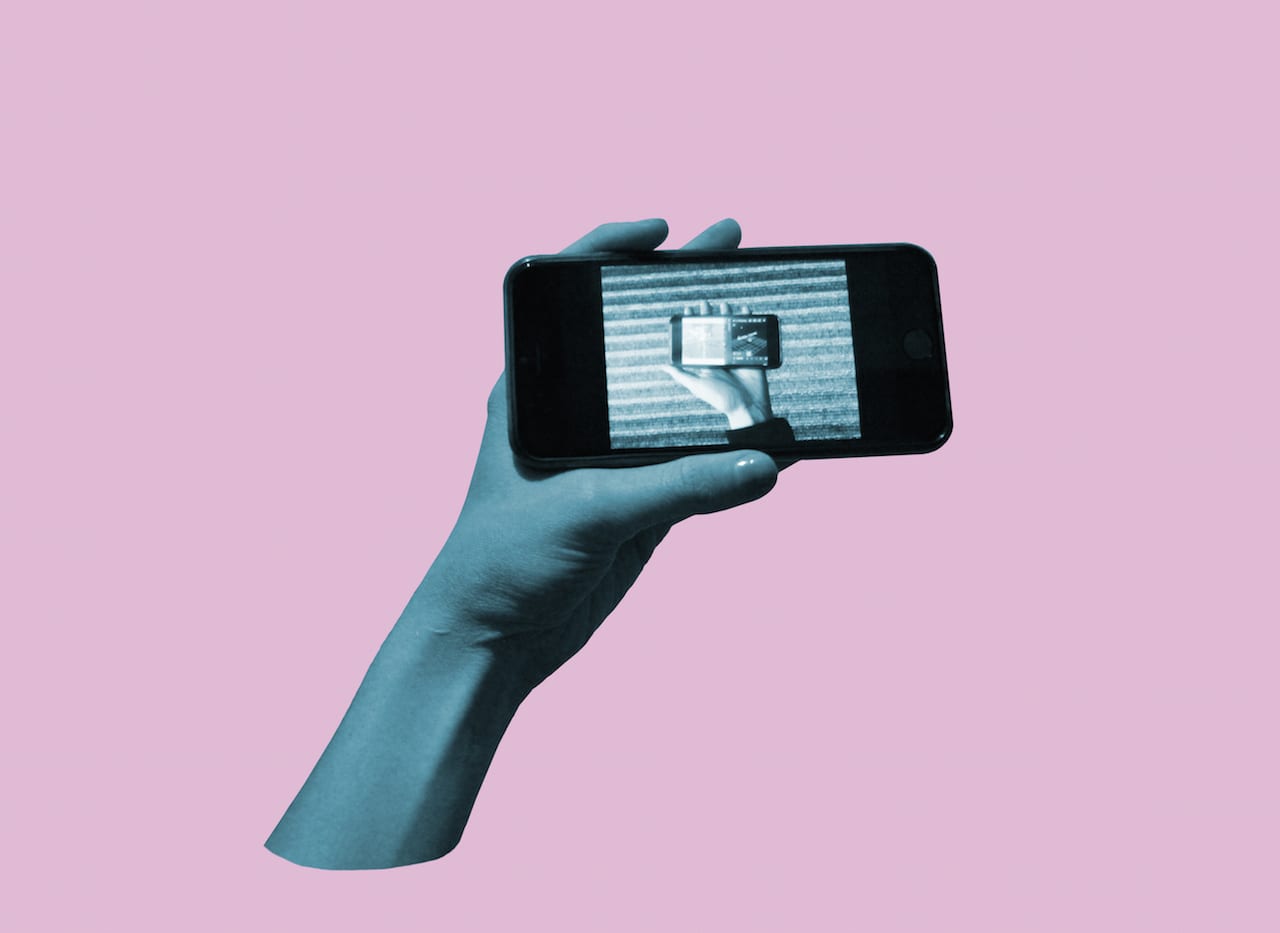
The London Art Fair is back, with its Photography Focus Day on 19 January and the Photo50 group show curated by a collective the first time – the Hemera Collective curatorial group, which currently includes Jaime Marie Davis, Ashley Lumb, Helen Trompeteler and Kay Watson. The Hemera Collective has put together a show called Resolution is not the point. which gathers photography and lens-based media artists from nine countries, including Larry Achiampong, David Birkin, Qiana Mestrich, and James Tylor & Laura Wills. The exhibition also includes work by several collectives, one of its points of enquiry is the way in which photography is encouraging artists to collaborate as it evolves, “as they push conceptual and technical boundaries of image-making, reaching beyond their own specialisms and drawing on the circulation of images, knowledge, and resources”.
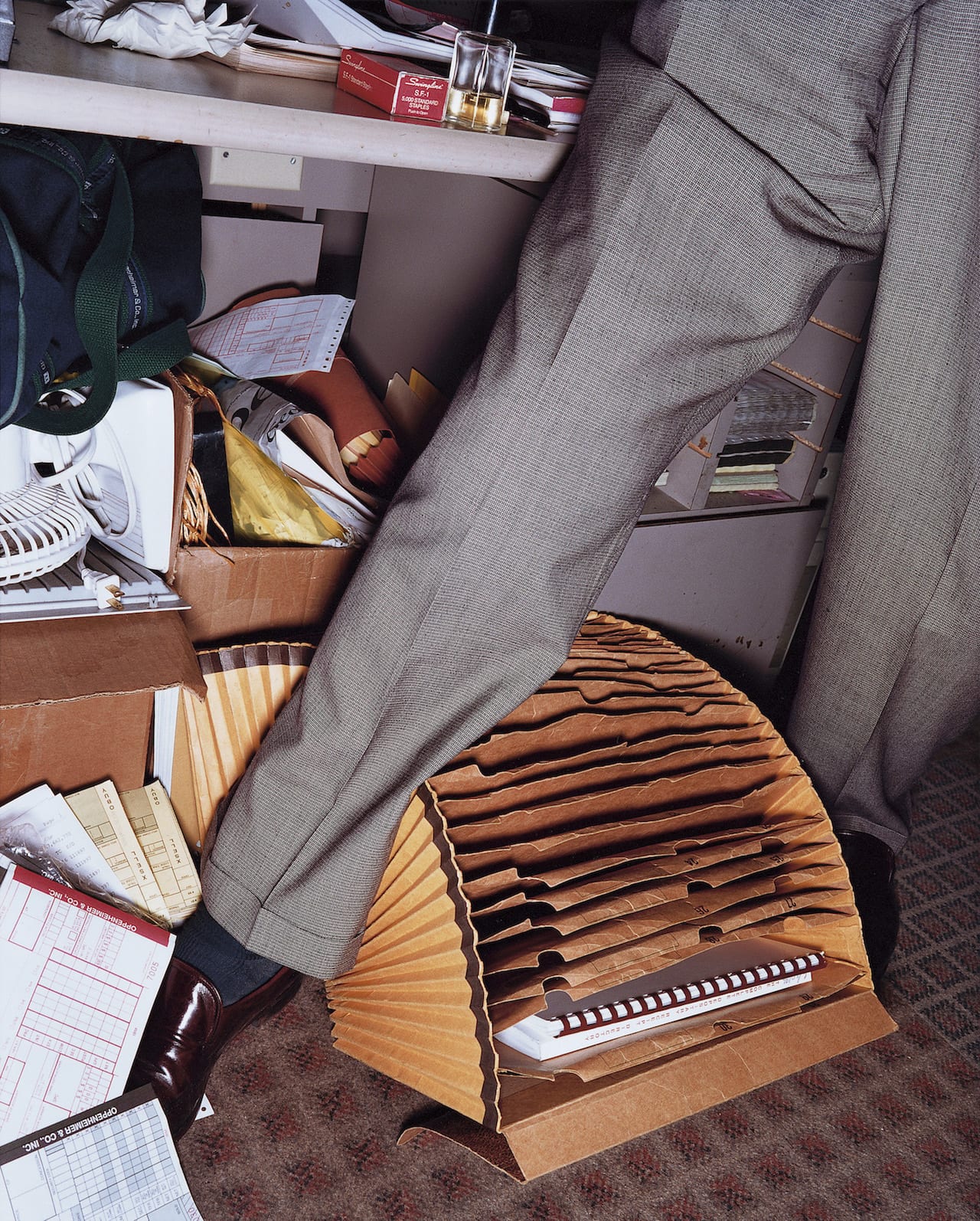
With so much to see condensed into one city over the course of five days during Paris Photo (09-12 November), you’d be tempted to skip round the 149 galleries lining the elegant, glass-topped halls of the Grand Palais in a couple of hours, or even miss the main event altogether, as many do. That would be a mistake. You won’t get a better snapshot of what constitutes saleable photography in 2017, from the blue-chip North American dealers such as Gagosian, Pace MacGill and Howard Greenberg, to the work of younger artists championed by the likes of Project 2.0, Trapéz and Taik Persons. And eavesdropping on the sales patter can be a real an eye-opener.
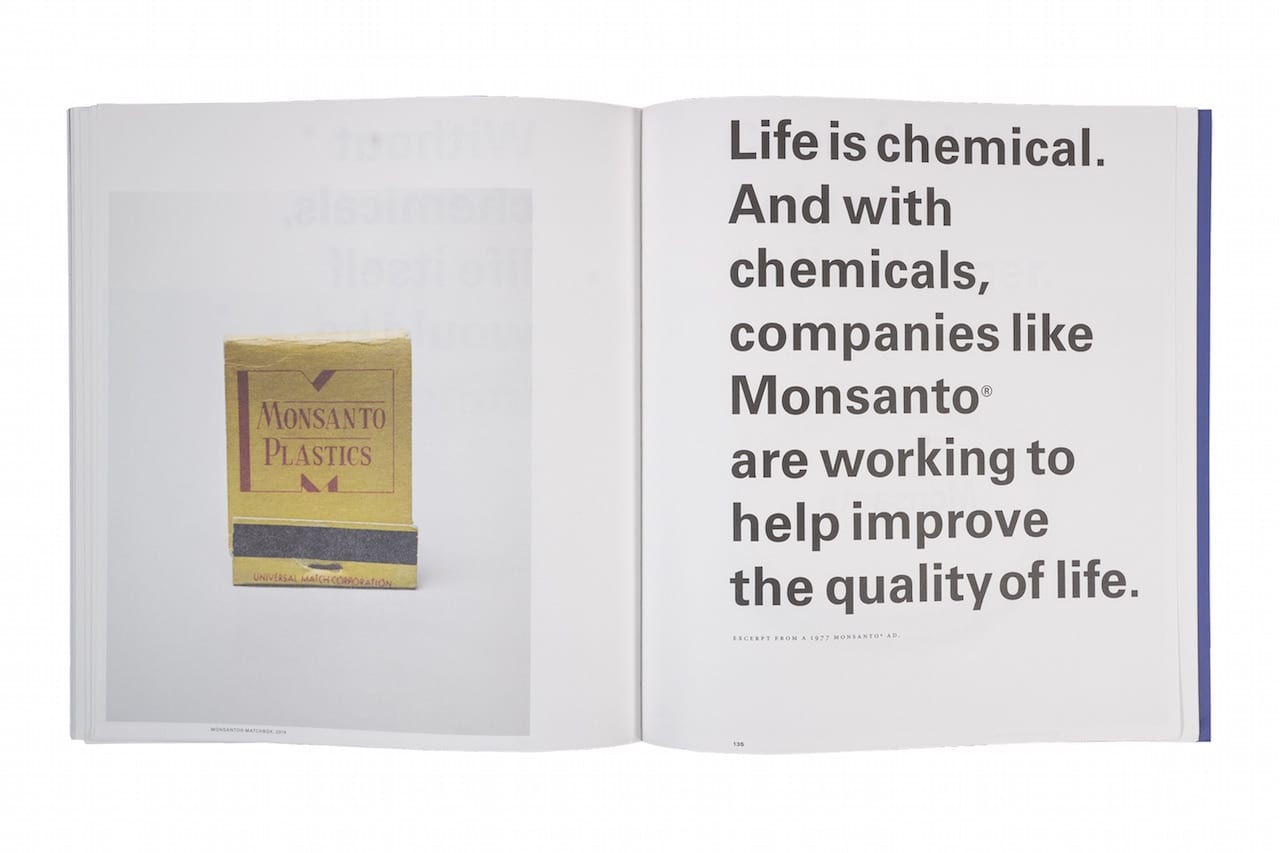
“Asselin’s Monsanto® is a courageous, investigative project that connects evidence-driven photography and visual research to the democratisation of knowledge; it’s important that this book exists in physical form, as a document, and not just in the virtual world,” says Cristiano Raimondi of Mathieu Asselin’s photobook Monsanto®. A Photographic Investigation. Raimondi is head of development and international projects at the New National Museum of Monaco and an invited curator for Platform 2017 at this year’s Paris Photo, but he’s speaking as a jury member for the 2017 Paris Photo-Aperture Foundation PhotoBook Awards because Asselin’s book has just won the prestigious First PhotoBook prize.
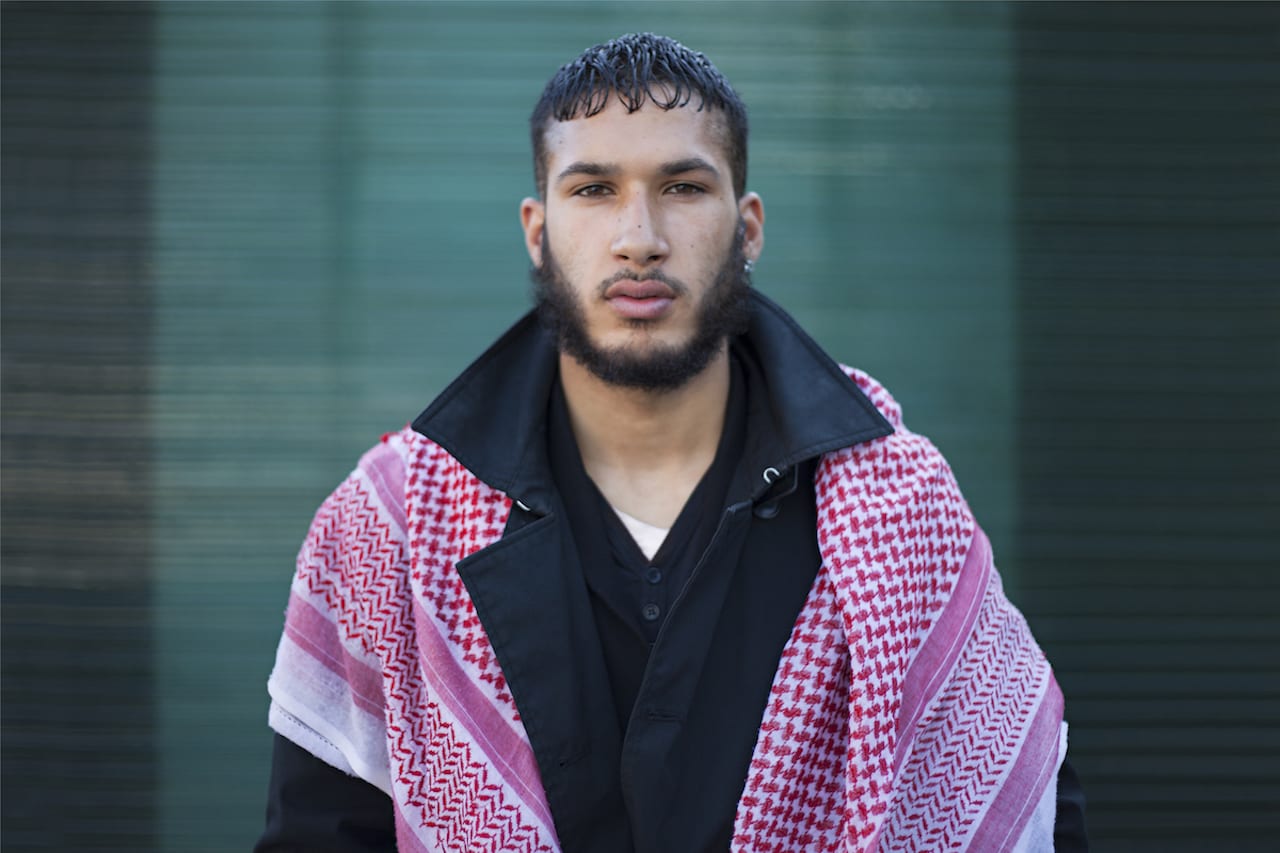
“When 9/11 happened, I was four, so obviously I didn’t really know what was going on. But in terms of now, of how Muslims are portrayed in the media, I think it’s a very one-sided story. We’re all terrorists, evil, who want to take over this country. I mean, thinking back now, I was only four, so all I’ve experienced is that this country hates me.” So says one of the sitters in Mahtab Hussain’s You Get Me?, a series of portraits shot over nine years in Birmingham, Nottingham and London. It shows young, working class, British Asian men, a group which has been negatively depicted in the media since 9/11 but which Hussain hopes to portray in a more nuanced way.
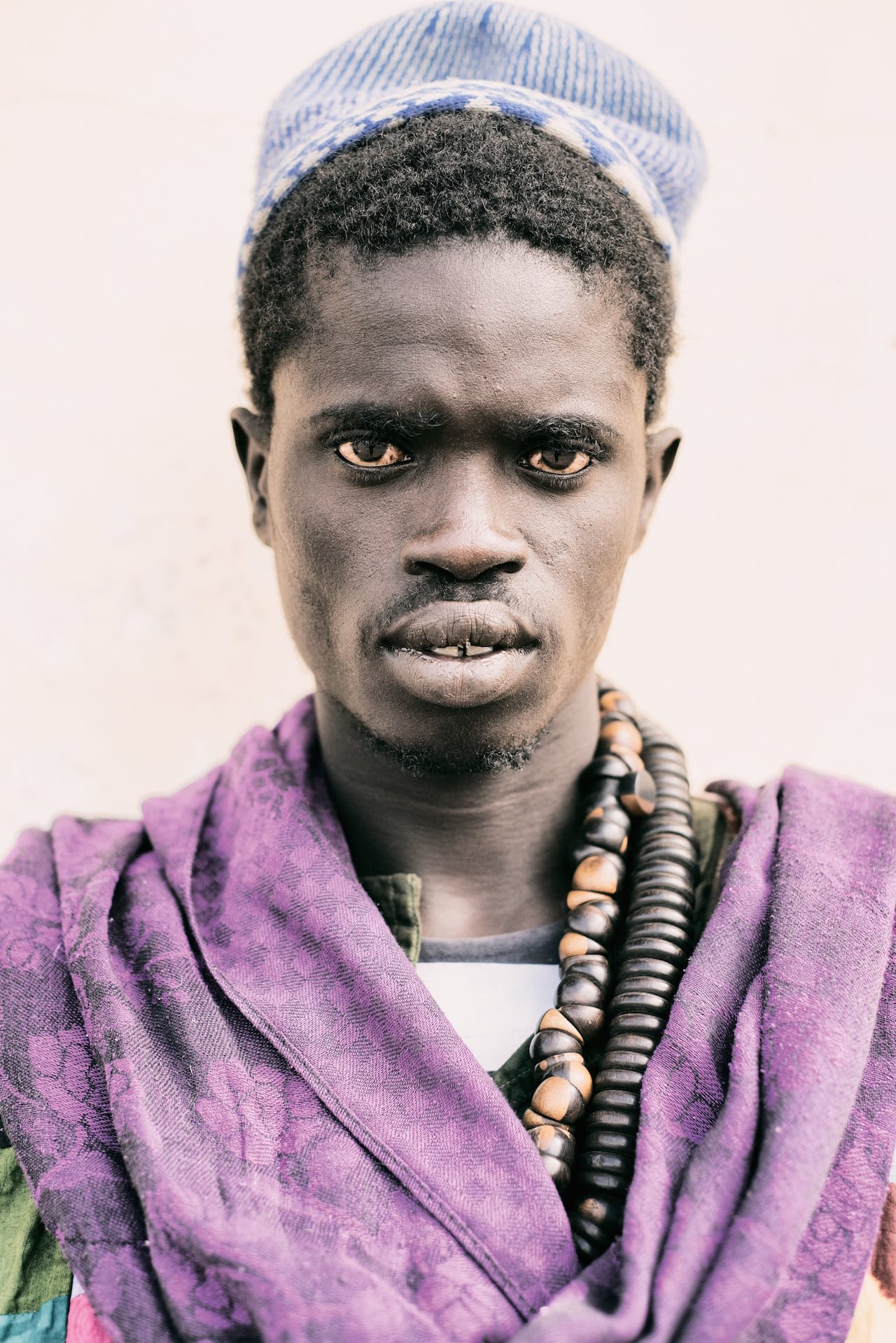
Born in 1983, Emmanuelle Andrianjafy grew up in Madagascar and worked as an engineer in France before moving to Dakar in 2011. Relocation to Senegal proved quite a shock. “It’s very energetic, very hectic, very loud,” she told BJP for the June Ones to Watch issue. “It’s very different to where I’ve lived before. It’s by the sea but it’s not peaceful; the landscape is harsh and dry. I was tempted to not deal with it and just stay at home.”
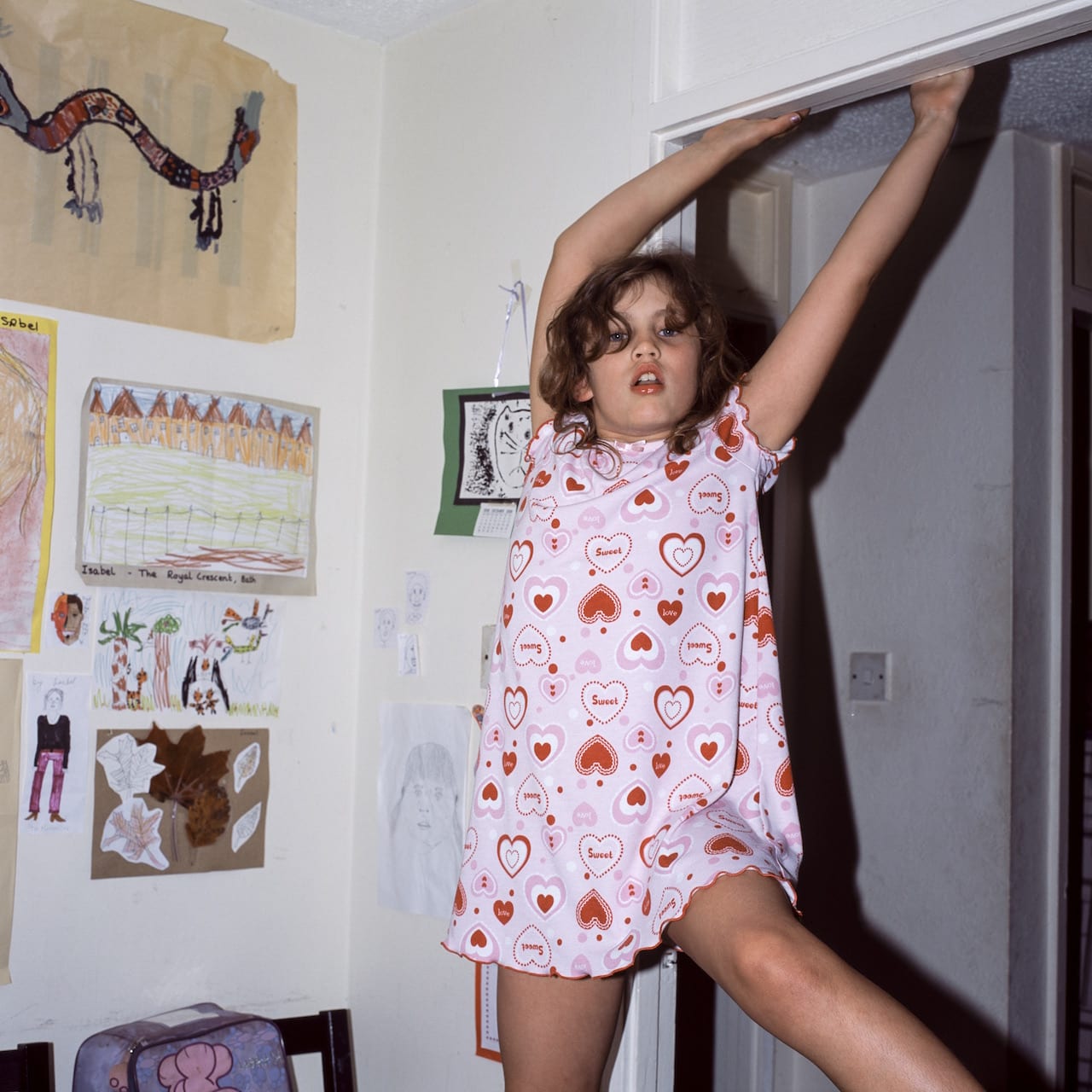
Colin Pantall began photographing his daughter, Isabel, in the delivery room moments after she was born. From then on, “it was just constant”, he says. Previously, the pictures he took were architectural, environmental, sometimes historical; but becoming a father re-oriented him entirely. The transition wasn’t effortless. In the early days his experience of fatherhood was spiked with feelings of claustrophobia and intense anxiety – fear of Isabel’s death, fear of his own. A sense that he could easily become obsolete.
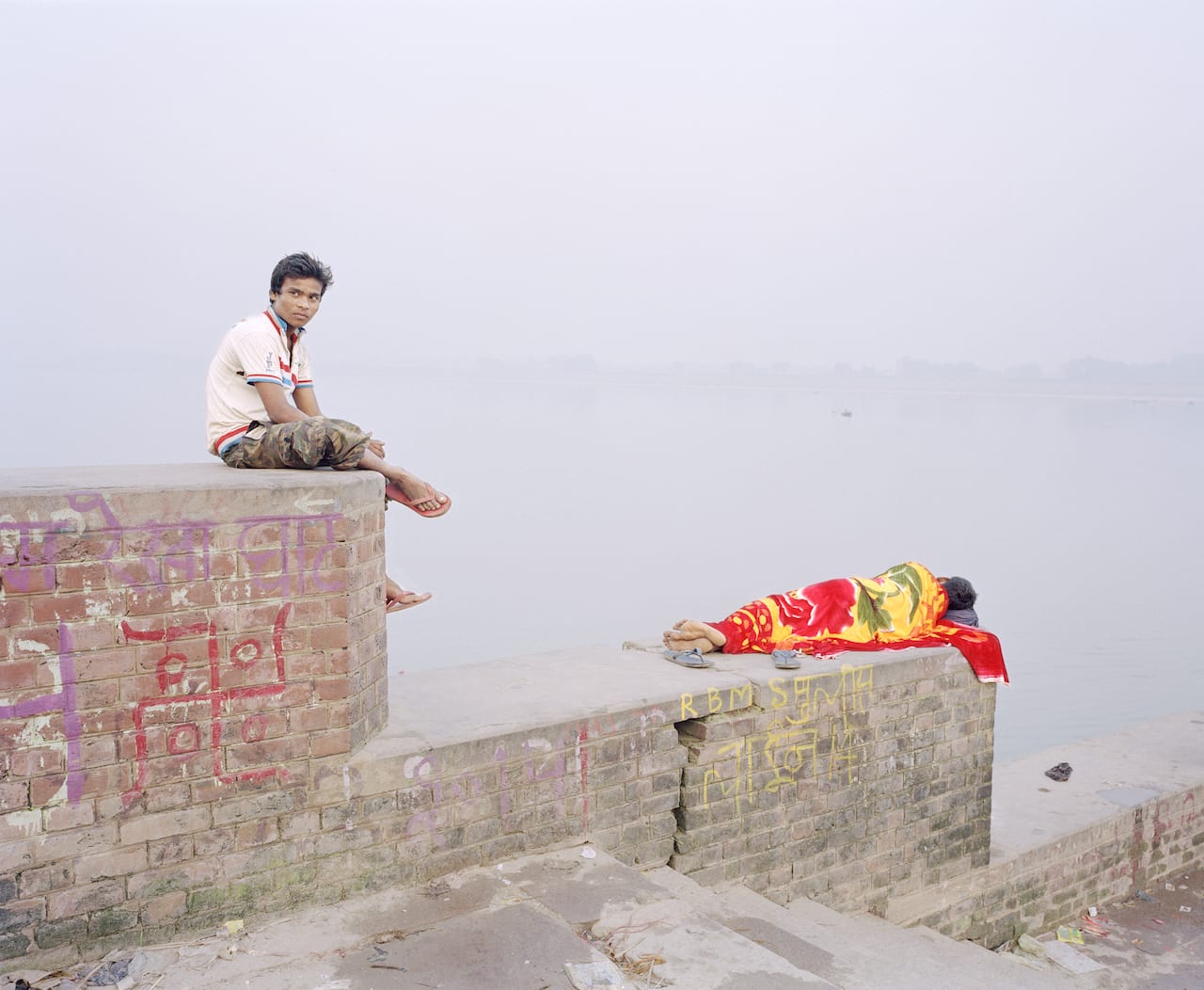
The last time we spoke to Vasantha Yogananthan he was preparing to release chapter one of his hugely ambitious seven-part project A Myth of Two Souls. A project that he started in 2013 with his first trip to India, the collection is a photographic re-imagining of one of the most significant Hindu texts, the epic poem Ramayana. Dating back to the 4th century, the Ramayana still holds tremendous significance in India, with its allegorical, mythical stories helping convey concepts such as love, duty, violence, loyalty and divinity. Yogananthan had always been familiar with the Ramayana growing up – his Sri Lankan father told him stories from it during his youth in Grenoble, France, and he picked up comic book adaptations of it as a teenager. But it was only when he visited India that he realised just how interwoven the analogies presented in Ramayana are with the experience of everyday life on the subcontinent, and just how thin the line can be between mythology and reality.
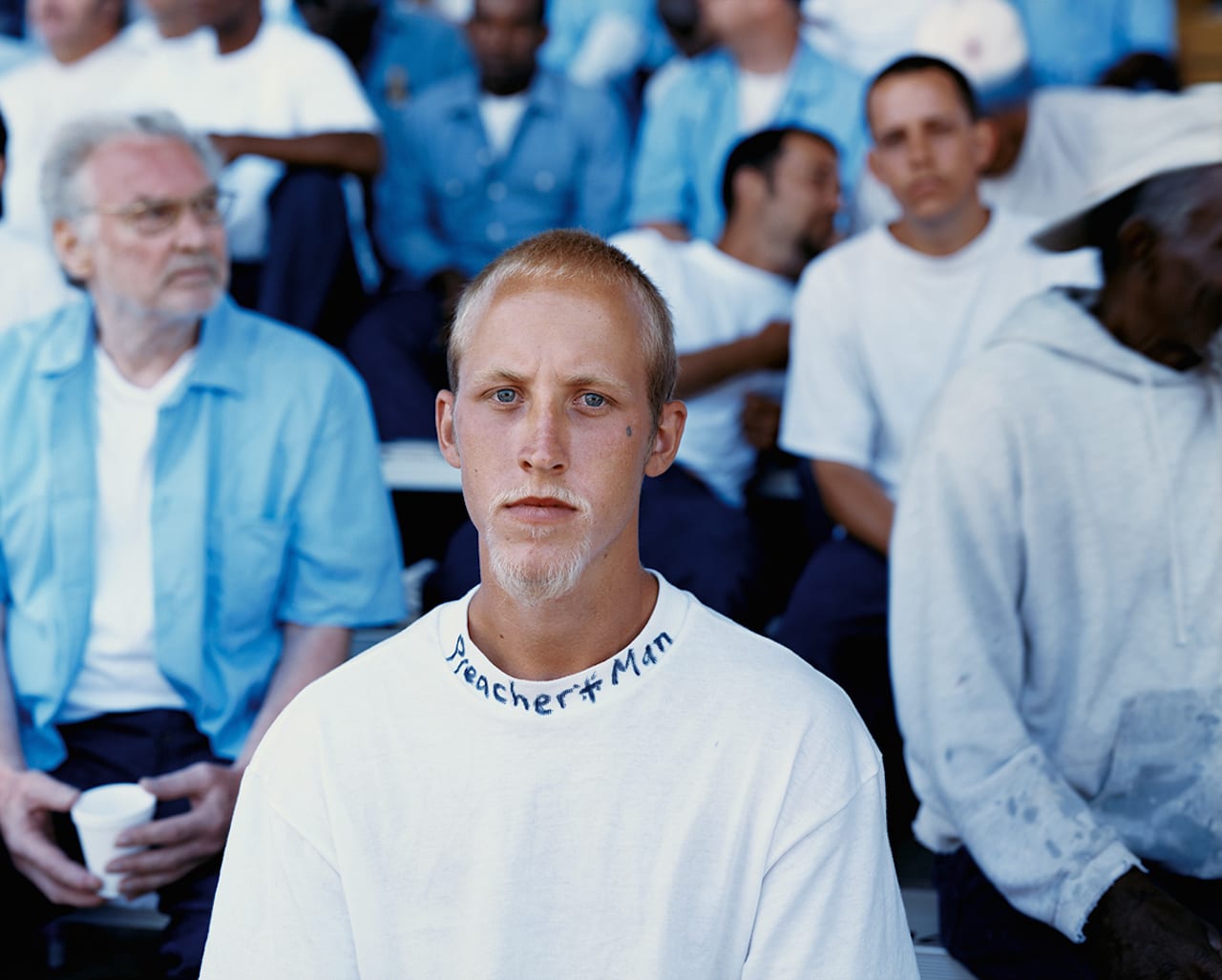
Sleeping by the Mississippi has been ranked with the great representations of the United States, including Walker Evans’ pictures of the depression, Robert Frank’s harsh vision of the 1950s and, more recently, the colour work of Joel Sternfeld. As Alec Soth’s seminal work goes on show in London and is given a handsome reprint by MACK, we revisit an interview with him from back in 2004 – when the series first came out.
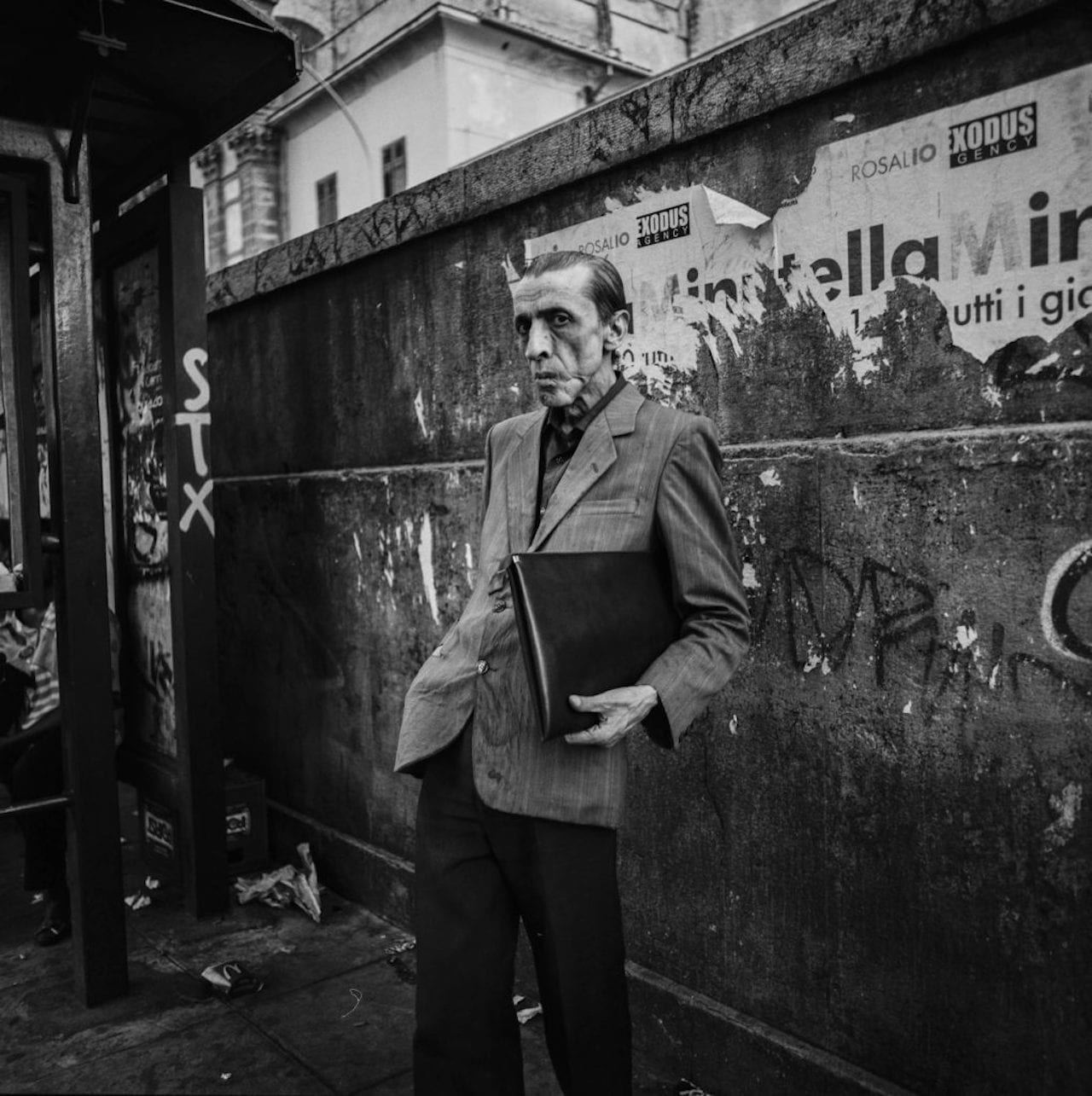
Tormented by a traumatic past and challenged by a difficult present, Sicily is still haunted by the destructive presence of Cosa Nostra. In Terra Nostra, Mimi Mollica shows this problematic entanglement, focusing on the legacy of the Mafia in Sicily. Born and raised in Palermo, Mollica says the series was a labour of love on his homeland, and he tells BJP how he created it, and how he got into photography in the first place.