

In the first of our interviews with BJP International Photography Award 2019’s judges, we meet…

In the first of our interviews with BJP International Photography Award 2019’s judges, we meet…
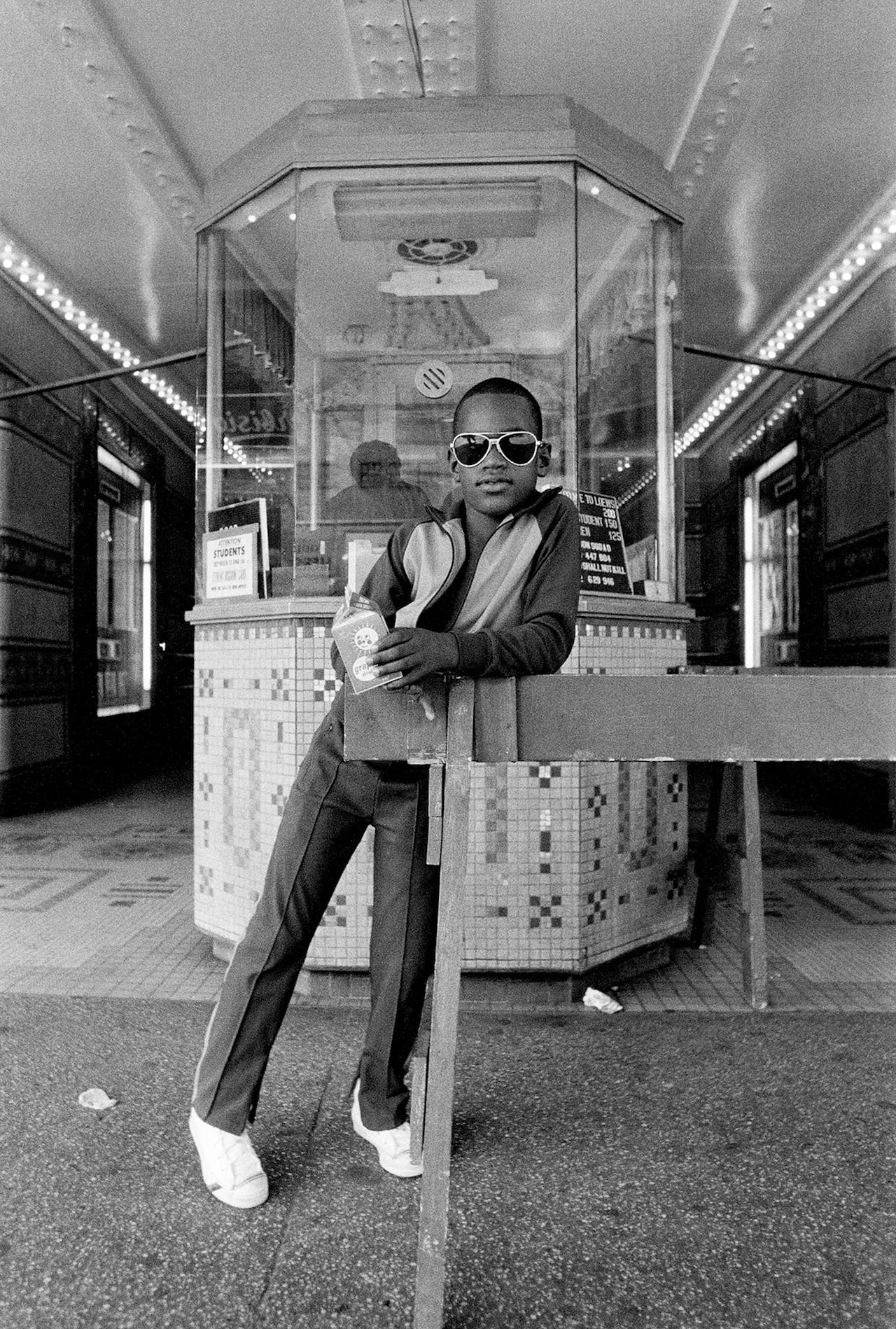
For over 40 years, American photographer Dawoud Bey has been photographing people from groups too often marginalised in the USA, seeking out stories overlooked by conventional and stereotypical portrayals.
Born and raised in New York, Bey began his career in 1975 at the age of 22. For five years he documented the neighbourhood of Harlem – where his parents grew up, and which he often visited as a child – making pictures of everyday life. This series, along with three more of his projects, is on show this month at the Stephen Bulger Gallery in Toronto, Canad
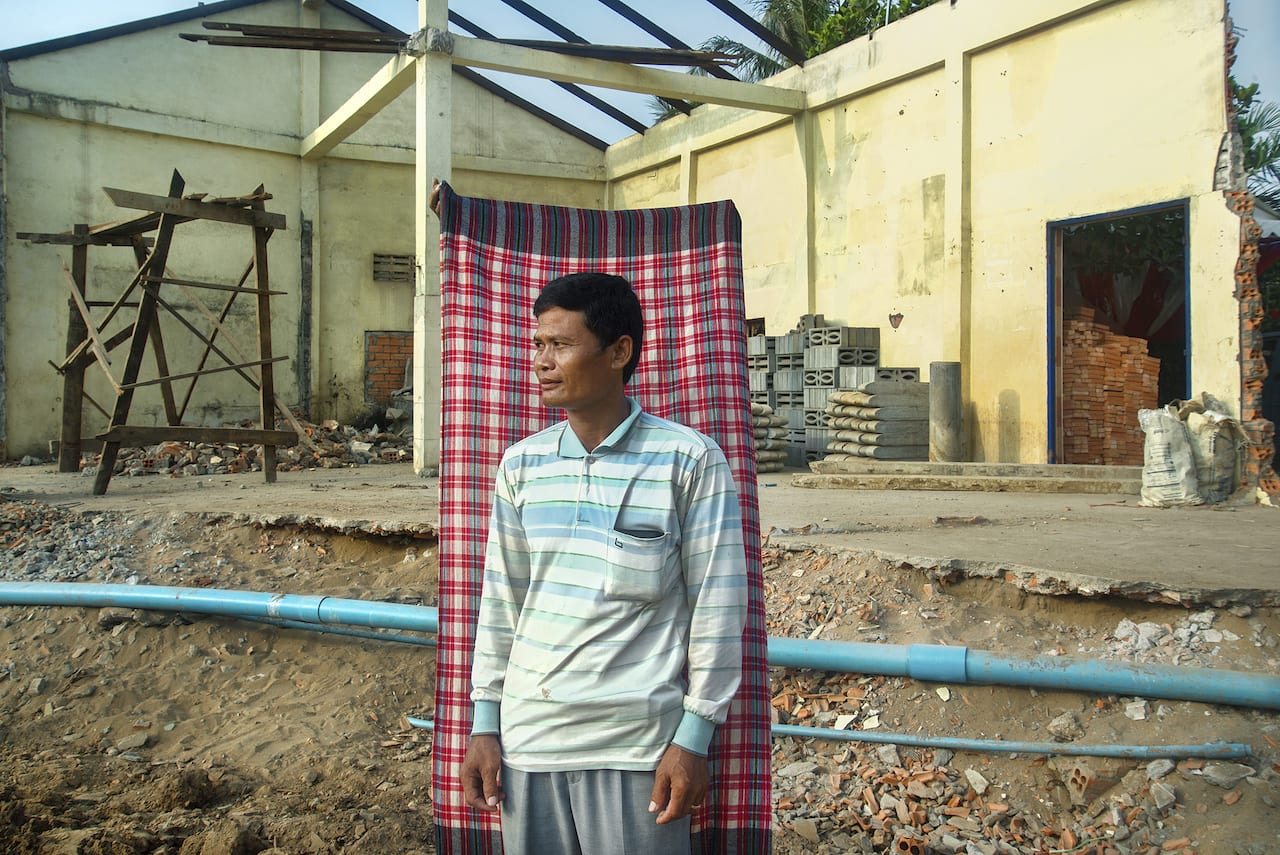
“One of our long-term aims is to help encourage the development of uniquely Asian approaches and perspectives to photography,” says Jessica Lim, director of the Angkor Photo Festival. “There is certainly more than enough talent in Asia for this to happen. Think of it as a postcolonial response that is very long overdue.”
Angkor Photo Festival returns for the 14th time to Siem Reap in Cambodia, a city known as “temple town” as it lies at the gateway to the magnificent ruins of Angkor Archeological Park. Several exhibitions will be dotted around the city, including one that will travel around on a tuk-tuk. The programme also includes artists talks, workshops, photo book displays and free daily portfolio reviews.
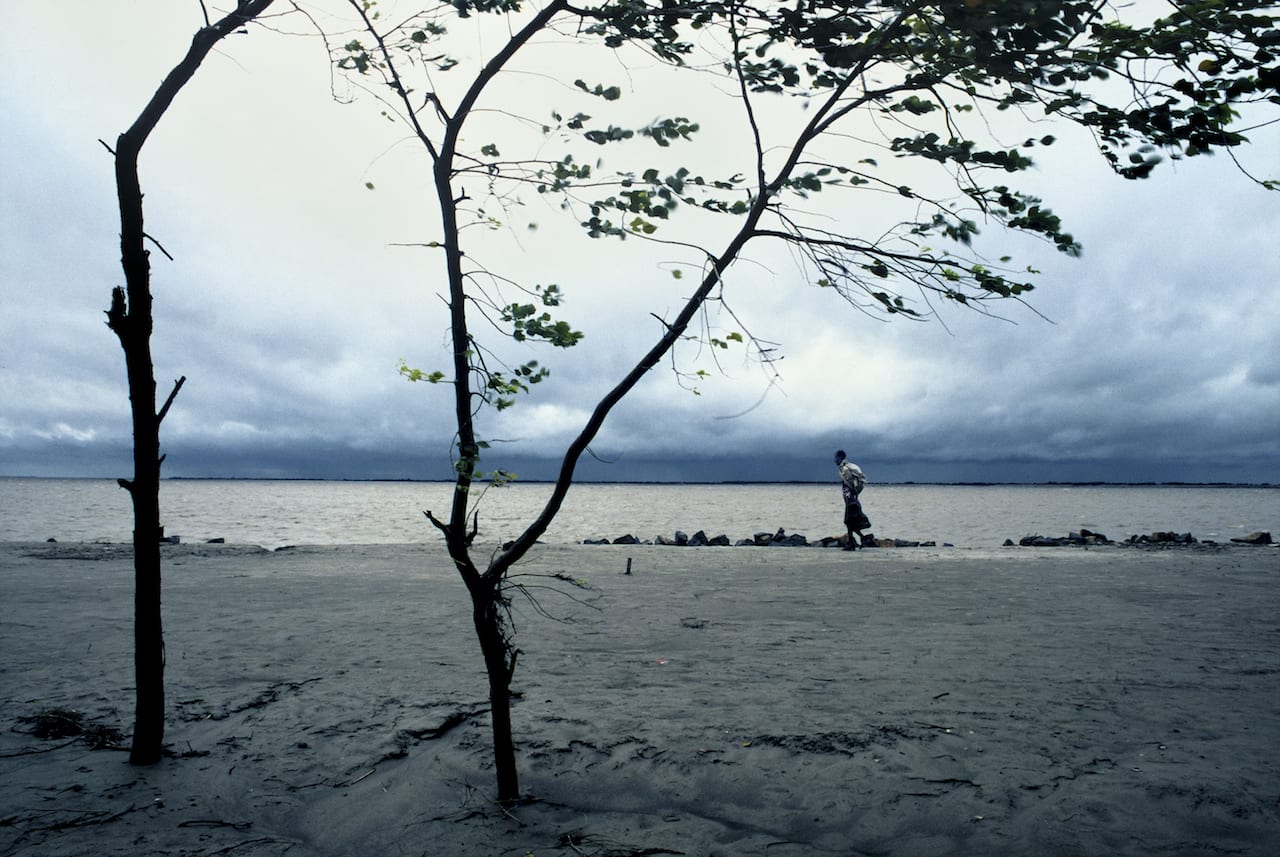
Acclaimed Bangladeshi photographer Shahidul Alam hit the headlines for all the wrong reasons this autumn, when he was arrested in Dhaka on 05 August for making “provocative comments” following widespread protests against government corruption. After over 100 days in jail he’s now been freed on bail, and back in the media for his images – which is now on show in London. He’s included in the third FIX Photo Festival, which is open until 01 December in London, and also includes work by Magnum Photos’ Chris Steele-Perkins, Zaklina Anderson, Robert Clayton, Christian Nilson, Mercedes Parodi, Helen Petersen, Einar Sira, Chloe Rosser, and more, plus a symposium on women in photography.
“I was trained as a sculptor, and this was the first time I had used the camera,” wrote Jacqueline Hassink in the Financial Times in 2011, of her breakthrough project The Table of Power. Between 1993 and 1995 Hassink contacted forty of the largest multinational corporations in Europe, asking to photograph their boardrooms. “I wanted to find a table that symbolised modern society’s most important value: economic power,” she writes. Nineteen refused, while the remaining 21, in Britain, the Netherlands, Germany, France, Switzerland and Italy, eventually agreed.
The book was published in 1996; it was the first time that photographs of these places had been made public, and in the spring of 2009, after the global recession, Hassink decided to revisit the boardrooms. With The Table of Power 2, she examined how boardroom design, revenue and employee numbers had changed over the intervening years.
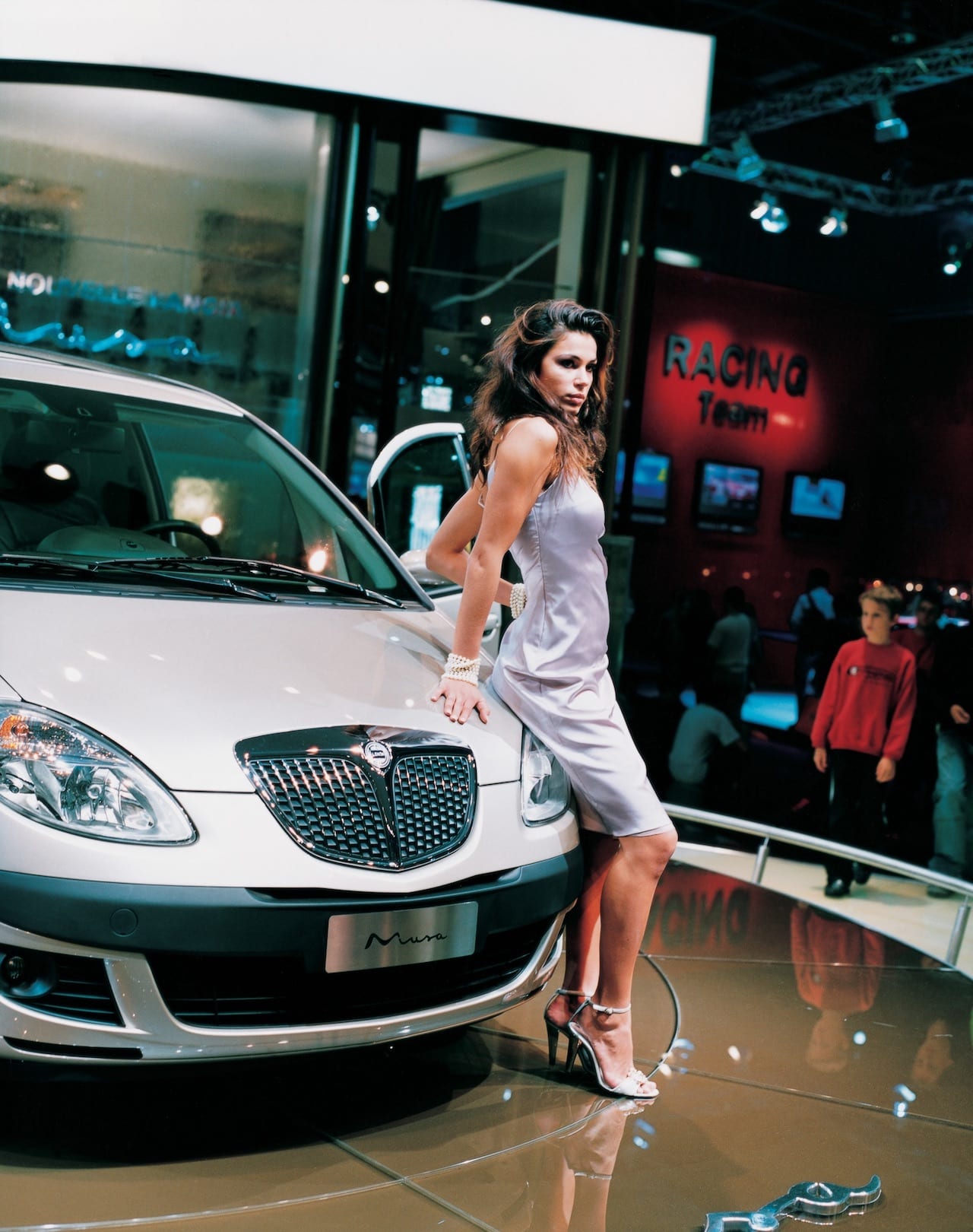
Hassink, who has died aged just 52, was born in Enschede, the Netherlands, on 15 July 1966. She trained to be a sculptor at the Royal Academy of Art in The Hague, and then at the Trondheim Academy of Fine Art in Norway, but after graduating in 1992, presented herself mainly as a photographer, publishing nine books – including another celebrated title, Car Girls, in 2009. It was shot over five years at car shows across seven cities in three different continents, including New York, Paris, Geneva, Tokyo, Detroit, and Shanghai, focusing in on differing cultural standards on ideals of beauty on the women paid to pose with the cars.
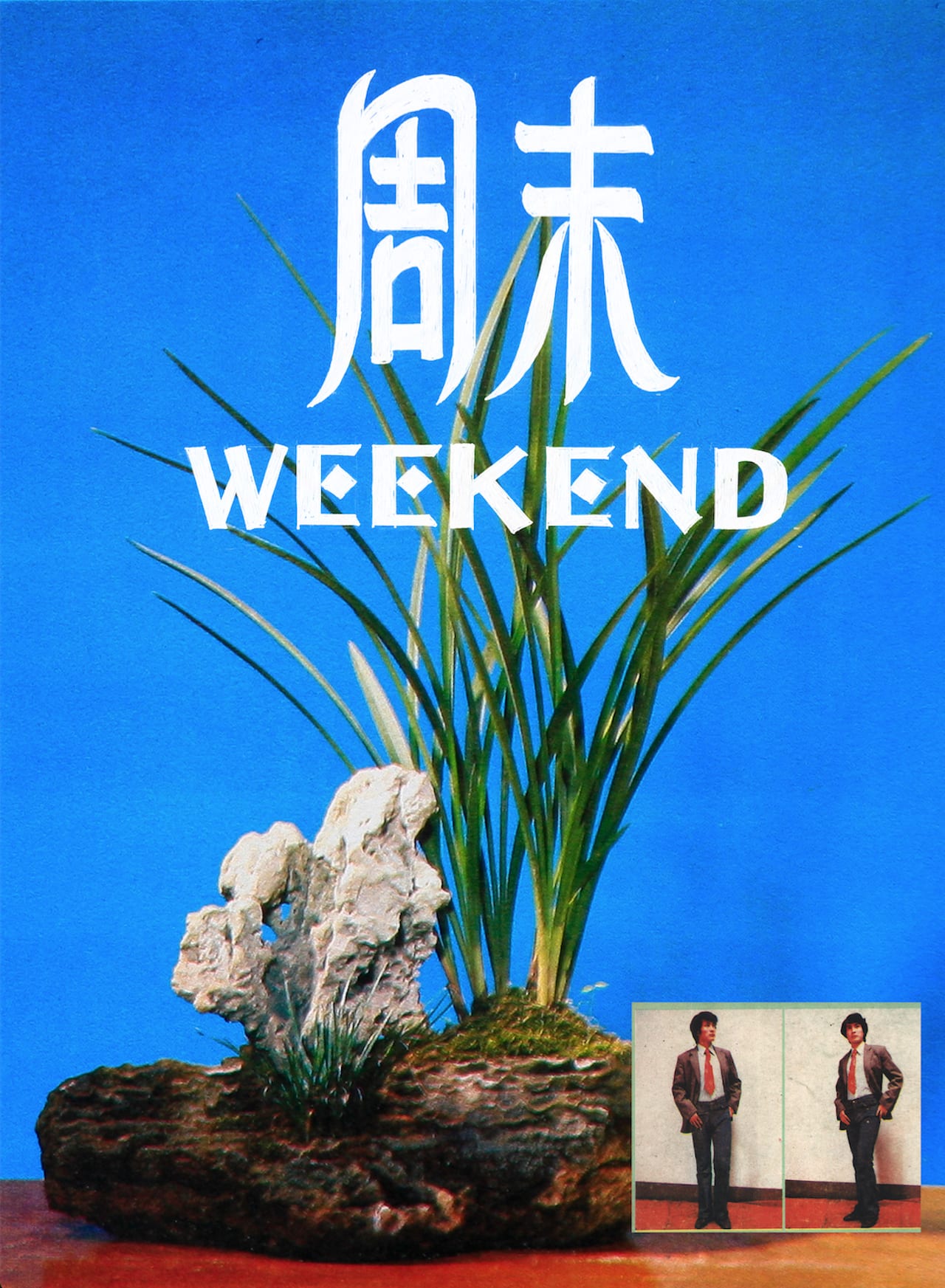
Chinese photographer Lei Lei has won the Jimei x Arles Discovery Award, giving him 200,000 RMB plus a spot in Arles’ prestigious Discovery Award exhibition and competition next summer. Born in 1985 and now living in Beijing and Los Angeles, the photographer won with the project Weekend, which uses archive images to consider history, nostalgia, and personal identity. Lei Lei’s previous projects include Hand-coloured, a joint series with French artist Thomas Sauvin which also features archive images, and which was exhibited at the Festival Images Vevey and previously published on bjp-online in December 2017.
Lei Lei was picked out from the 10 photographers shortlisted for the Discovery Award, all of whose work is currently on show in Citizen Square in Jimei, South East China. The other photographers included by the curators Dong Bingfeng, Li Jie, Chelsea Qianxi Liu, Holly Roussell and Wang Yan were: Coca Dai (1976), Hu Wei (1989), Pixy Liao (1979), Lau Wai (1982), Shao Ruilu (1993), Shen Wei (1977), Su Jiehao (1988), Wong Wingsang (1990), and Yang Wenbin (1996).
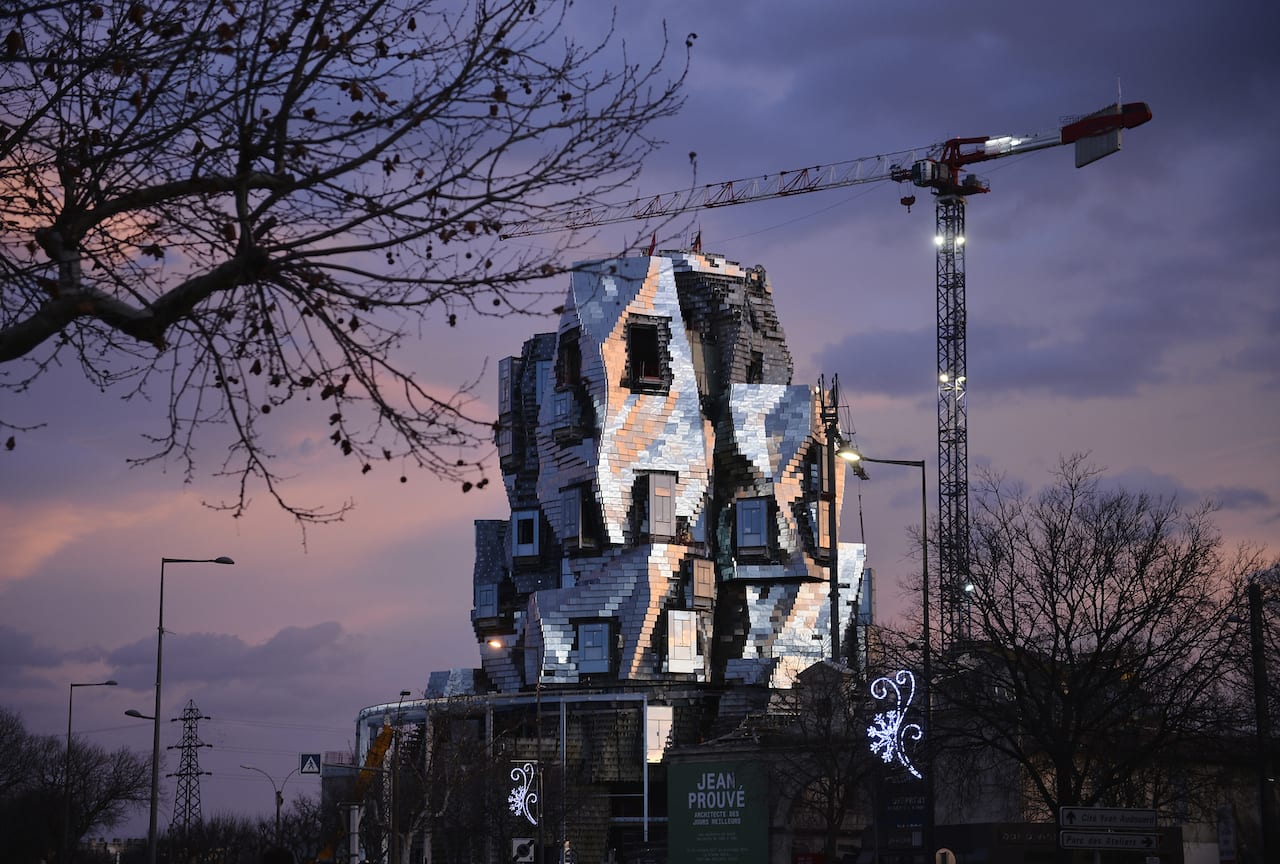
Its opening has been pushed back to 2020, but the LUMA Arles complex is taking shape in the French town celebrated for its prestigious Les Rencontres d’Arles photography festival.
Set on the site of the former SNCF rail yard long used for exhibitions by Les Rencontres, LUMA Arles will be an interdisciplinary arts centre aimed at supporting and producing exhibitions, research, education and archives. It is backed by Swiss collector Maja Hoffmann, whose LUMA Foundation has been involved with Les Rencontres d’Arles since 2013. LUMA Arles will occupy a 20-acre site when it’s complete, and the arts centre will be the centre-piece.
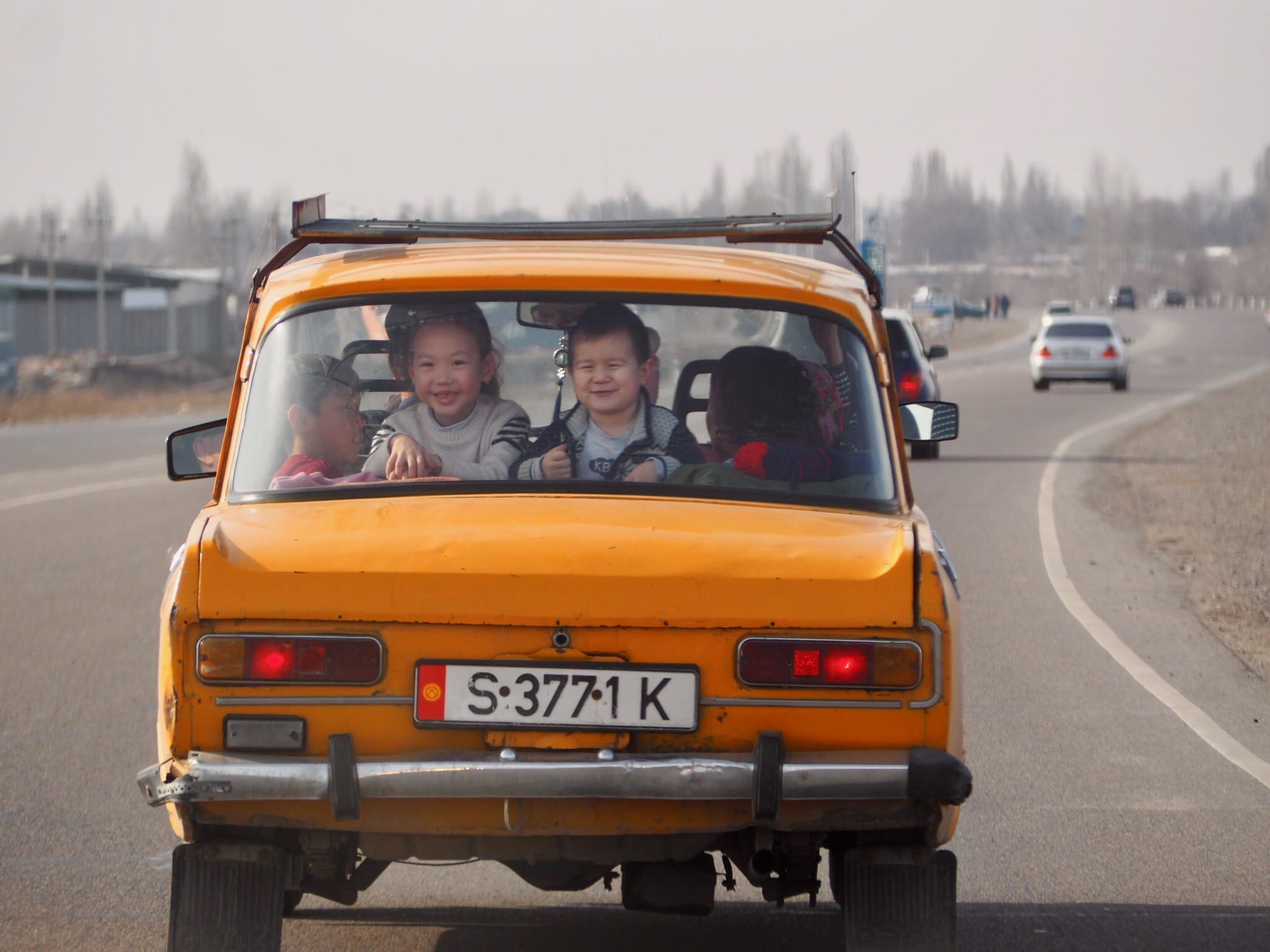
For Toby A. Cox, one of our first Portrait of Humanity People’s Choice Winners, photography…
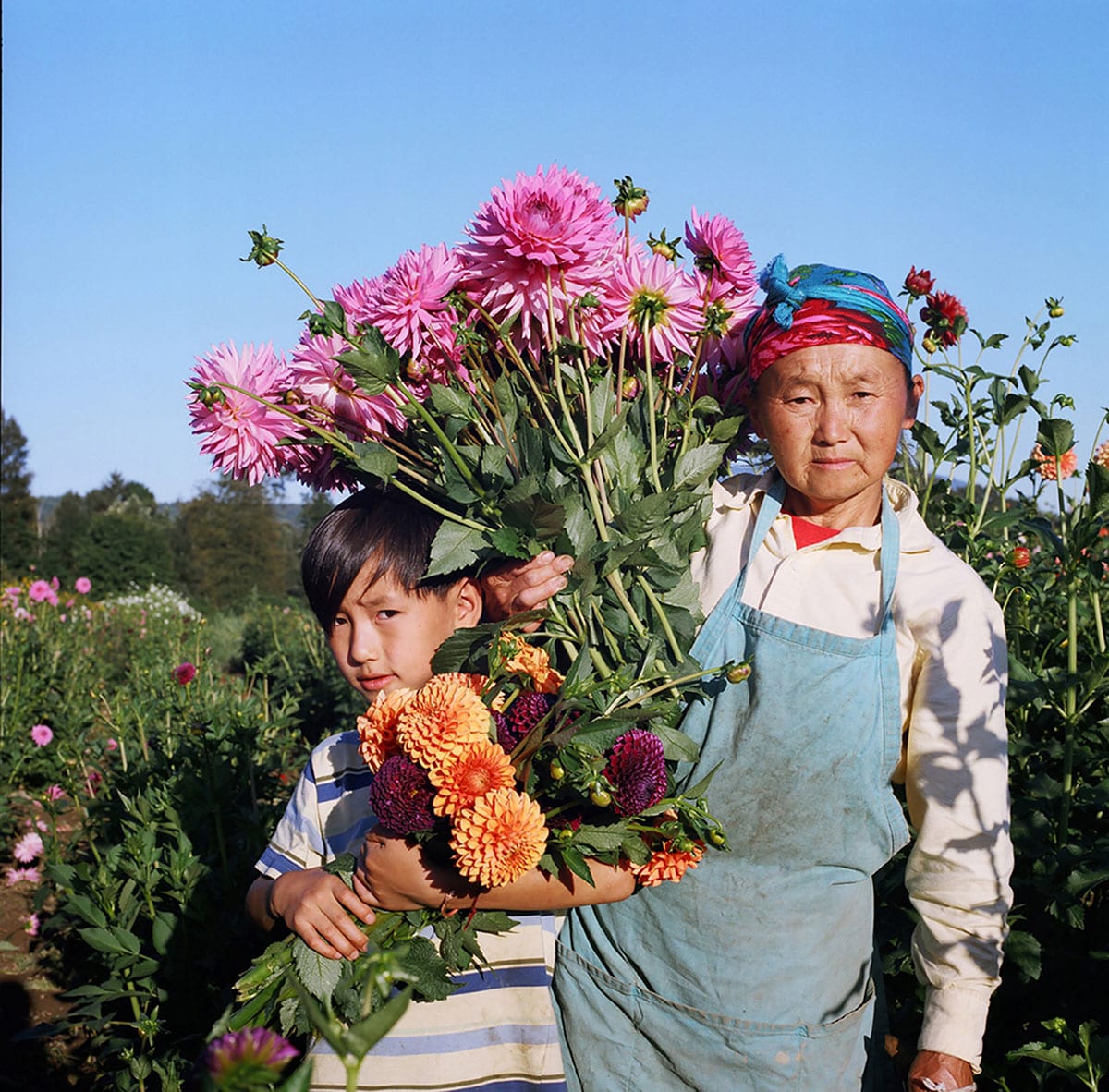
US-based photographer Anna Mia Davidson was voted as our People’s Choice Winner, after The Guardian…
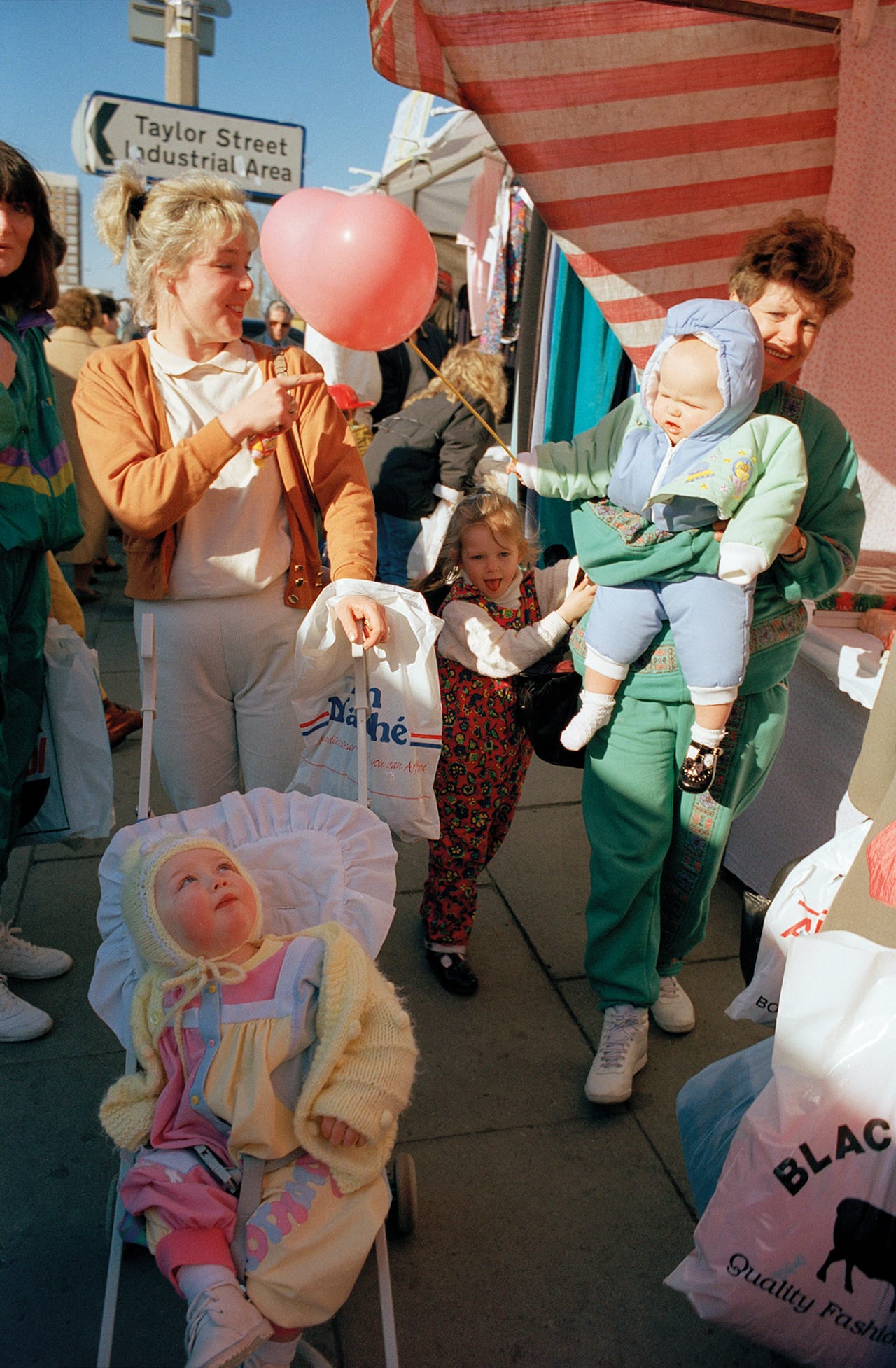
Almost every Saturday between 1978 and 1999, Tom Wood travelled from his home in New Brighton by ferry and bus to Great Homer Street market, just outside Liverpool city centre in the North West of England. He would spend the morning there photographing the mothers and daughters, kids dressed in matching blue and lilac tracksuits, teenagers chatting away with their curly hair swept up into side-ponies, and grandmothers haggling for of a string of pearl necklaces or a second-hand coat. In the afternoon he’d travel on to either Everton or Liverpool football ground, then back on the bus and ferry, taking pictures every step of the way.
”God knows how many photographs I took,” he says. “When I first began photographing in Liverpool I was just overwhelmed by the people and the place. It was an exciting place to be, I fed off the energy there.”