

“People always ask me why I stopped photographing people,” says Anthony Hernandez, who in the…
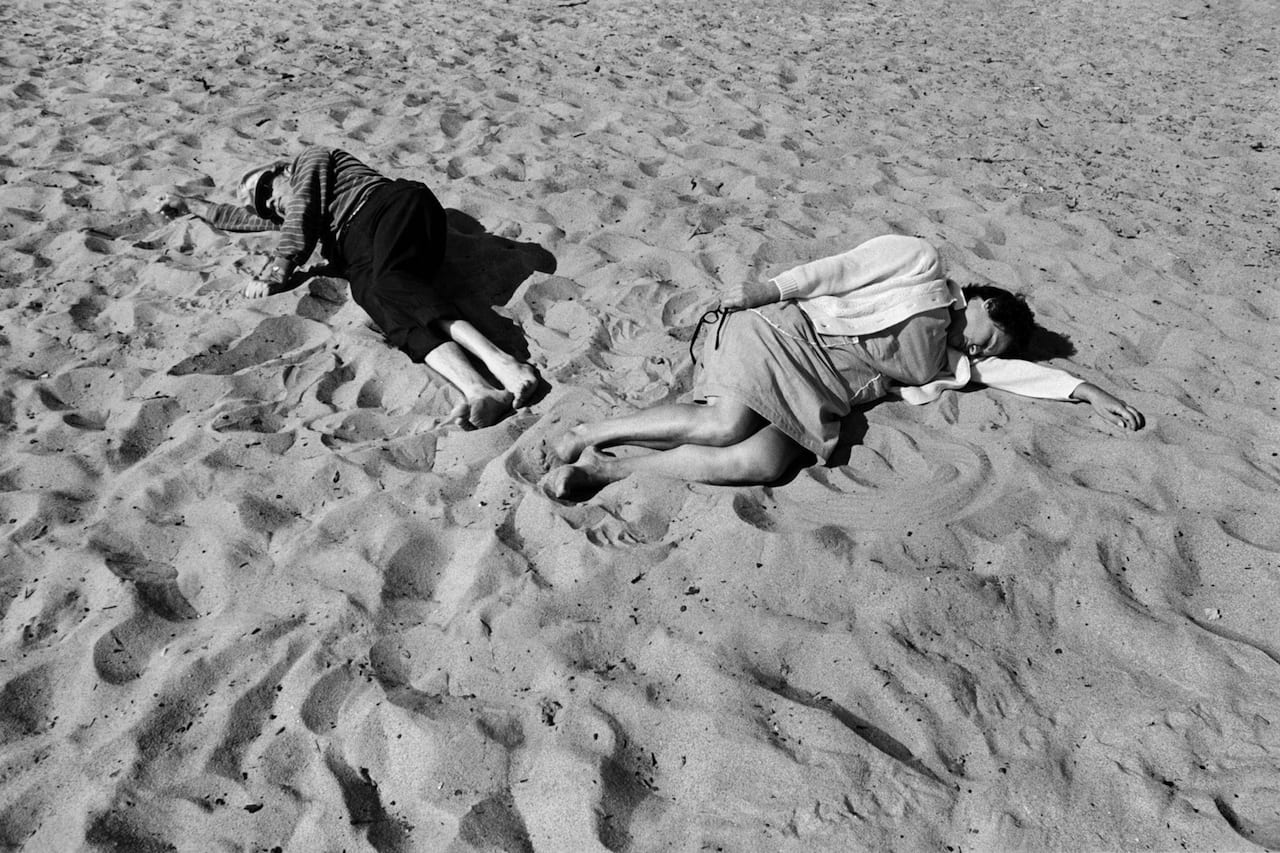
“People always ask me why I stopped photographing people,” says Anthony Hernandez, who in the…
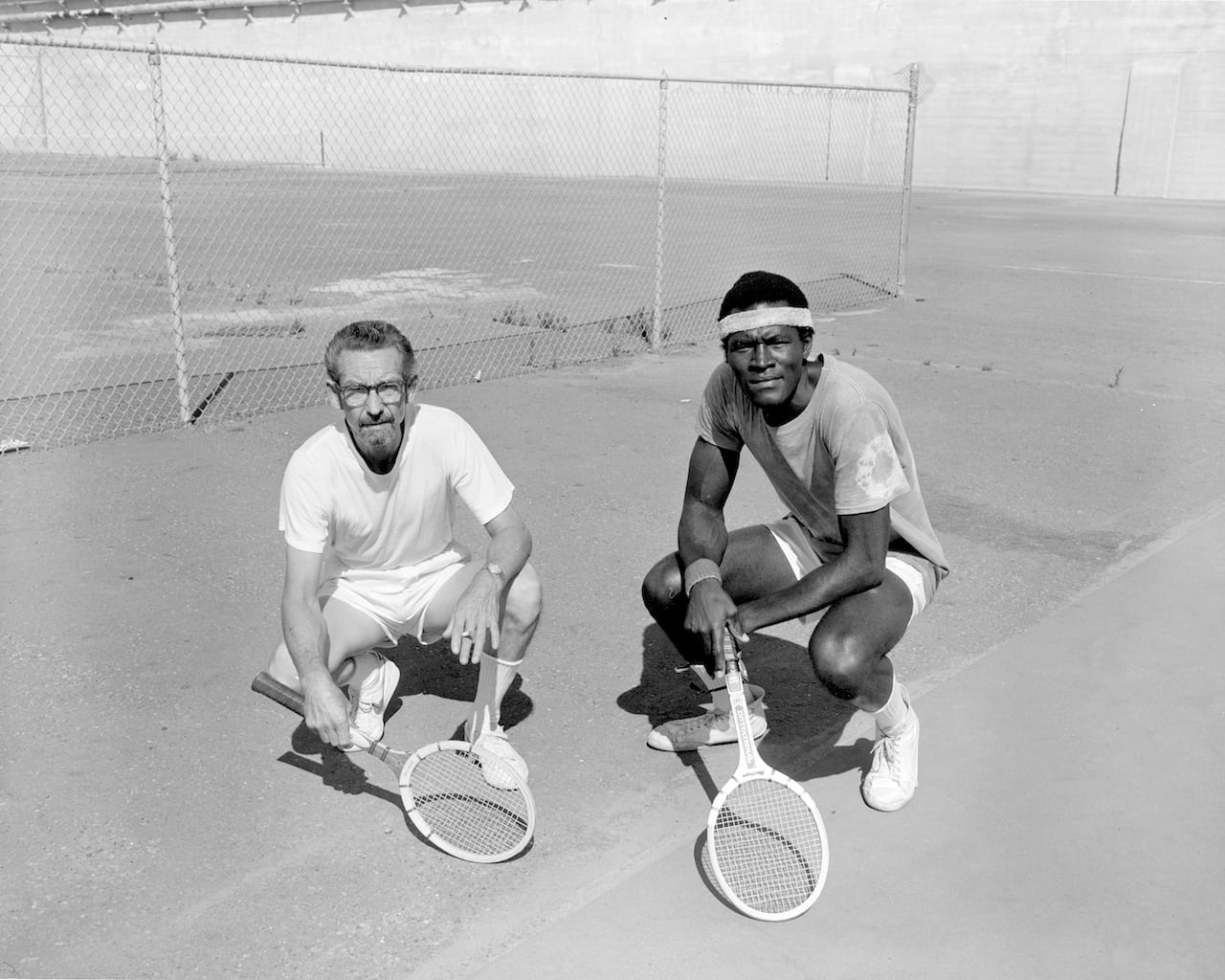
In 2011 Nigel Poor, a professor of photography at the California State University, began volunteering at the San Quentin State Prison, just north of San Francisco, as a photo history instructor in the prison’s college programme. Two years later, she moved over to work with incarcerated men in the existing prison radio station, but concurrently pulled on her background in photography.
In an exercise Poor calls “mapping”, she asked prisoners to annotate famous photographs. Works by Lee Friedlander, David Hilliard, Stephen Shore and others were pored over by prisoners, resulting in text-laden replicates. These creative brainstorms have been preserved, and now hang on wires sandwiched between glass as works of art, in the first room of an exhibition on show at the Milwaukee Art Museum until 10 March, titled The San Quentin Project: Nigel Poor and the Men of San Quentin State Prison.
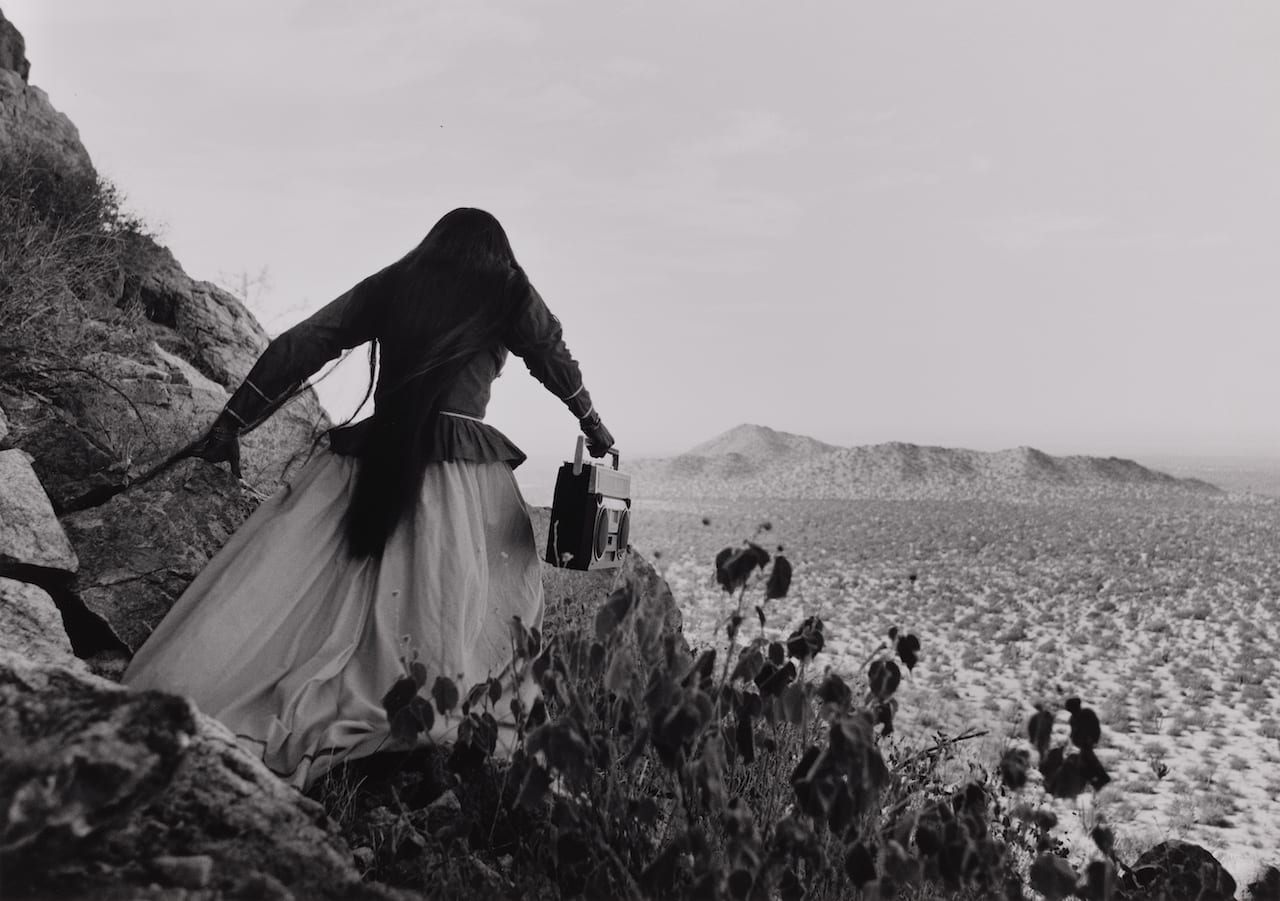
Behind a shop vitrine, a human skull, wearing a helmet adorned with a swastika, grins. Next to it, an animal – apparently taxidermic – stands rigid on the floor. The silhouette of a pair of legs belonging to a passer-by on the street reflects in the glass. Above this desultory display, a banner stuck to the top of the window reads, “Mexico… ¡quiero conocerte!”. In this single photograph, taken in 1975 in Chiapas, Graciela Iturbide projects her vision of Mexico: a country of political, religious, social, cultural and economic pluralities and tensions. A place where contrasts present themselves at every turn – sometimes harmonious, sometimes tense.
It is this multilayered image of Mexico that Iturbide has slowly peeled back and revealed through her photography over the last five decades. She has travelled extensively across her own country, between urban and rural landscapes, living with different communities, and moving from the physical to the transcendental, the ancient to the contemporary, witnessing and experiencing the juxtapositions intertwined in Mexican culture.
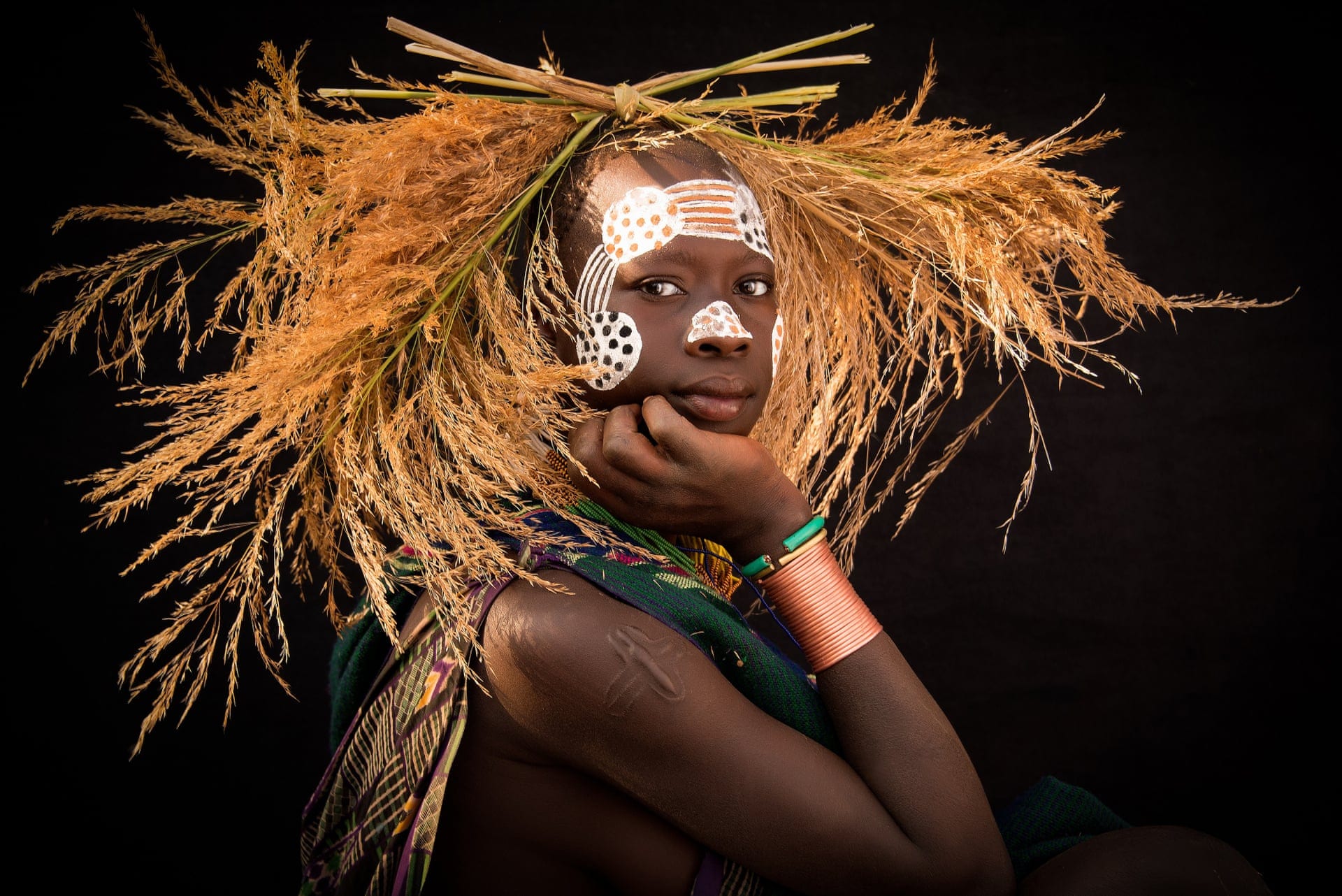
Portrait of Humanity is a unique photography award. Seeking images that capture life across the…
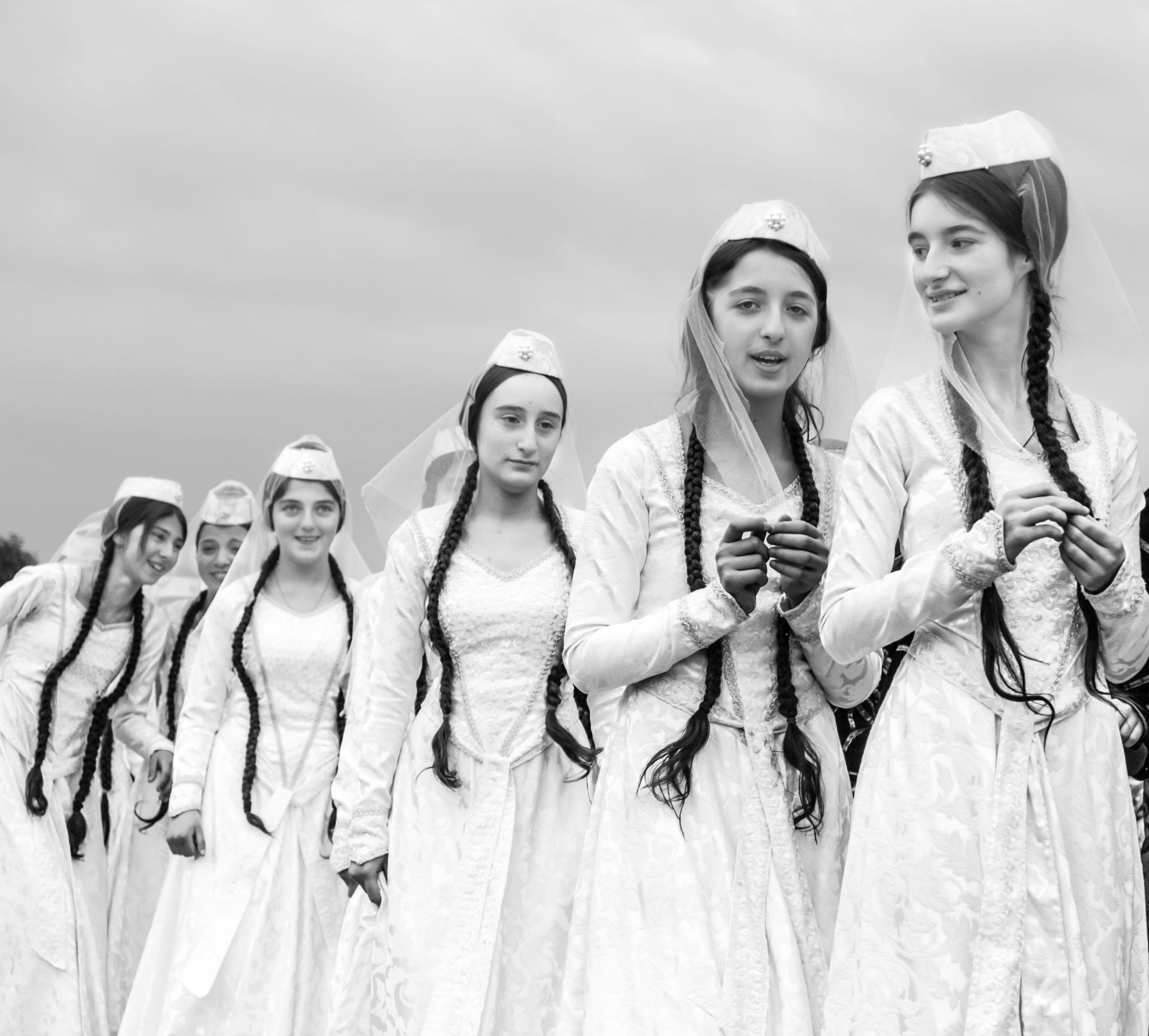
Our followers voted Iranian photographer Hossein Fardinfard’s image as their favourite of the recent Guardian…

In the second of our interviews with BJP IPA 2019’s judges, we meet Sarah Allen.…
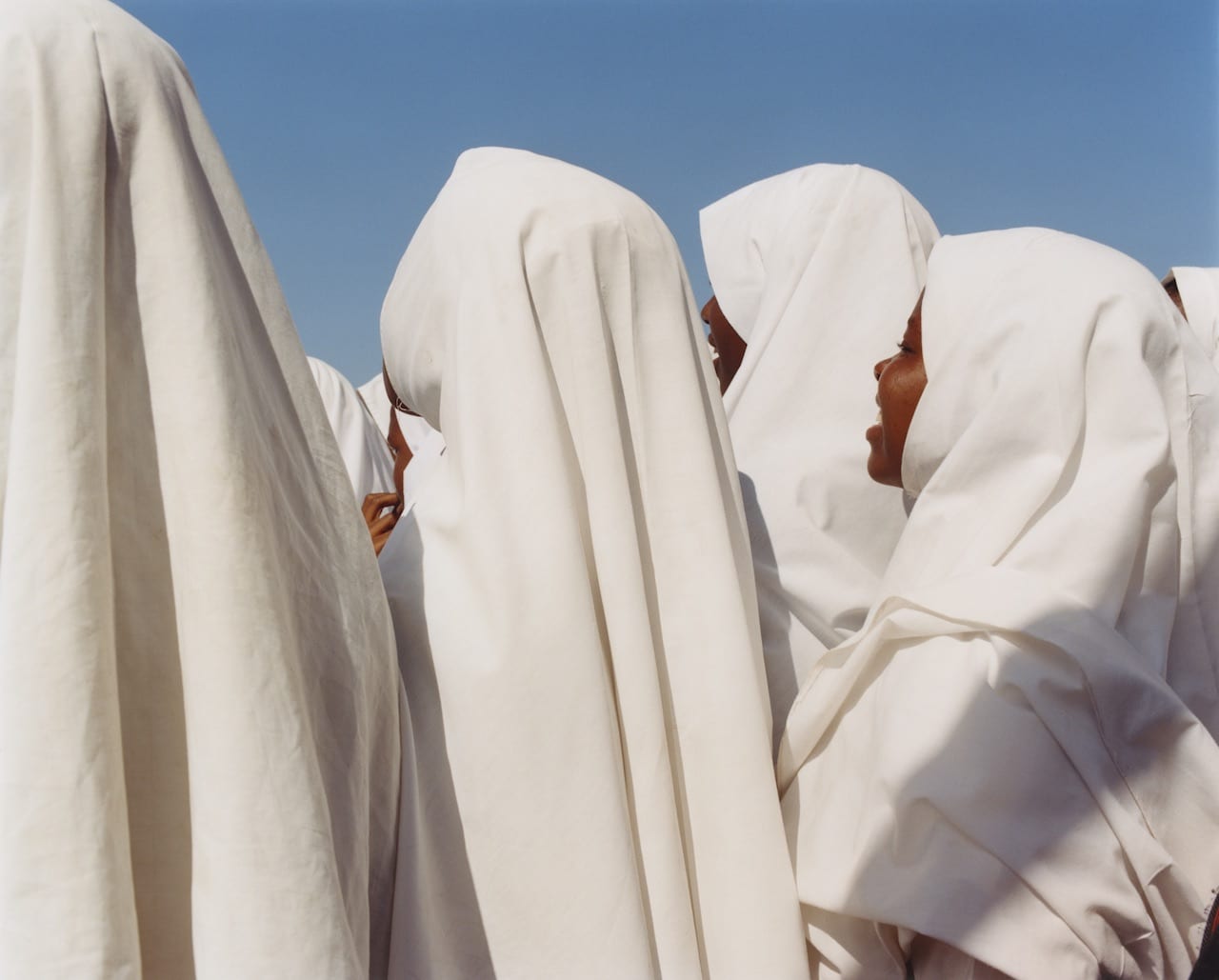
In 2010, when BJP first came across Jamie Hawkesworth, he’d just been shooting in Preston Bus Station along with Adam Murray and Robert Parkinson from the Preston is my Paris zine. Picking out passersby who caught his eye in the rundown but celebrated Brutalist transport hub, Hawkesworth’s images were published in a free newspaper and given to the disadvantaged teenagers who used the buses. They helped save the bus station from demolition, but they also helped launch a stellar career, with Hawkesworth signing up with the prestigious London agency MAP soon afterwards.
Fast-forward to 2018 and Hawkesworth is a celebrated fashion photographer, who’s shot ad campaigns for Alexander McQueen and Marni, and editorial for publications such as Vogue Italia, W, and Purple. He’s also got an exhibition on show in London, a blue painted fence, which shows off his film, drawings, and writing, as well as new photographs from Kenya, Louisiana and Romania. Despite his success he’s still very much the same man BJP first met eight years ago, down-to-earth and modest, with a refreshingly breezy approach to his many talents.
Of his drawings, for example, he says it’s just a case of “having room to get out there and explore, of being open to chance”. “I found myself giving it a try, thinking ‘Oh I’ll just try some charcoal’, and it went from there,” he says. “The great thing about charcoal is it’s easy to get it on [the paper] and see where energy takes you.”

BJP-online Loves Maria Sturm’s You don’t look Native to me, Jean-Vincent Simonet’s psychedelic images of Tokyo, Roger Melis’ photographs of East Germany, Dawoud Bey’s exhibition Places in History, and the fact that MACK’s First Book Award is now open-entry
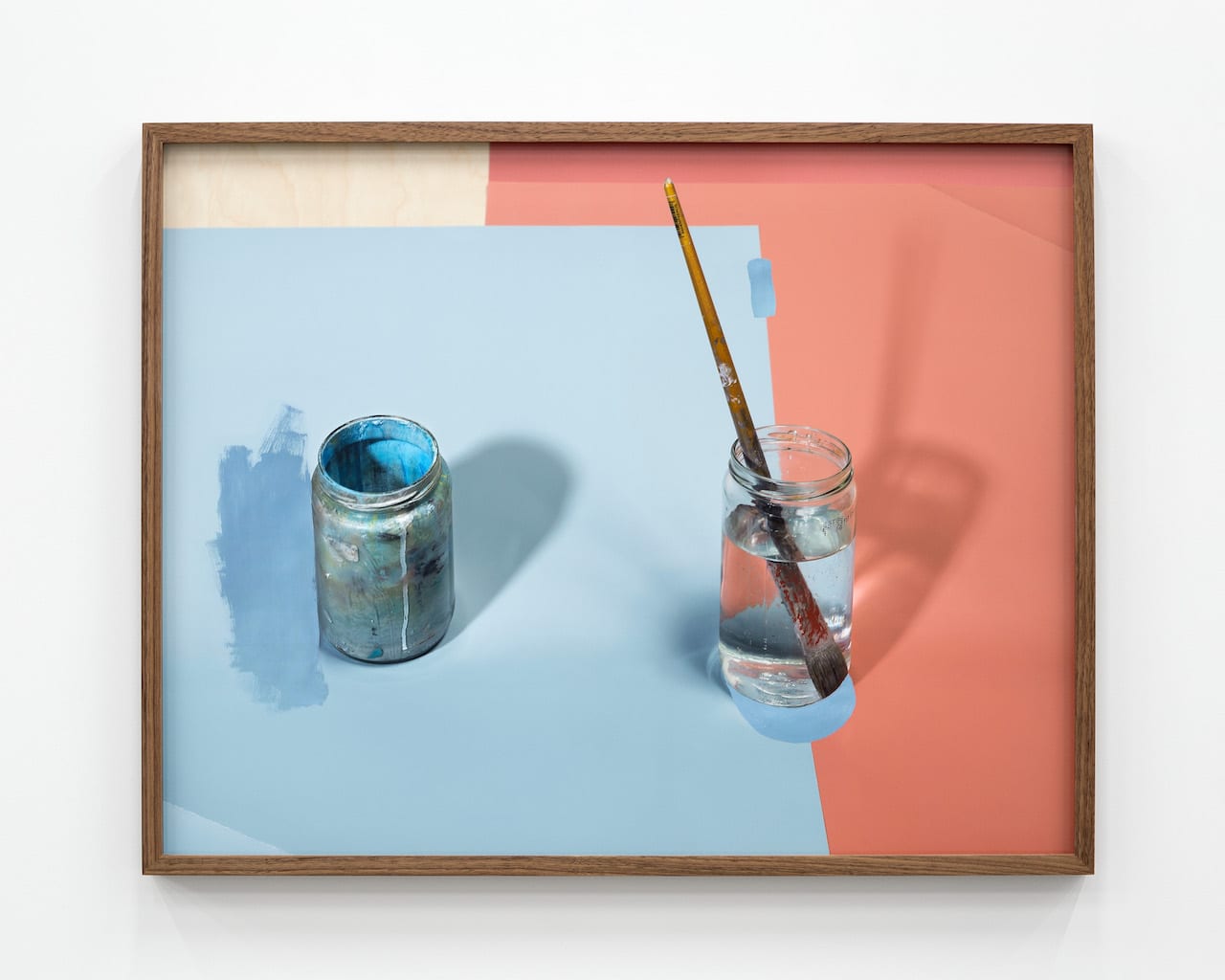
“Your memory isn’t like a file in your hard-drive that stays the same every time you revisit it. It actively changes,” says John Houck, whose images, just like our memories, can be deceptive. His pieces are made cyclically, by photographing and rephotographing objects, paintings, and sheets of folded paper, adding and removing elements with each iteration. “It’s a way to get at the way in which memory is an imaginative act,” he says.
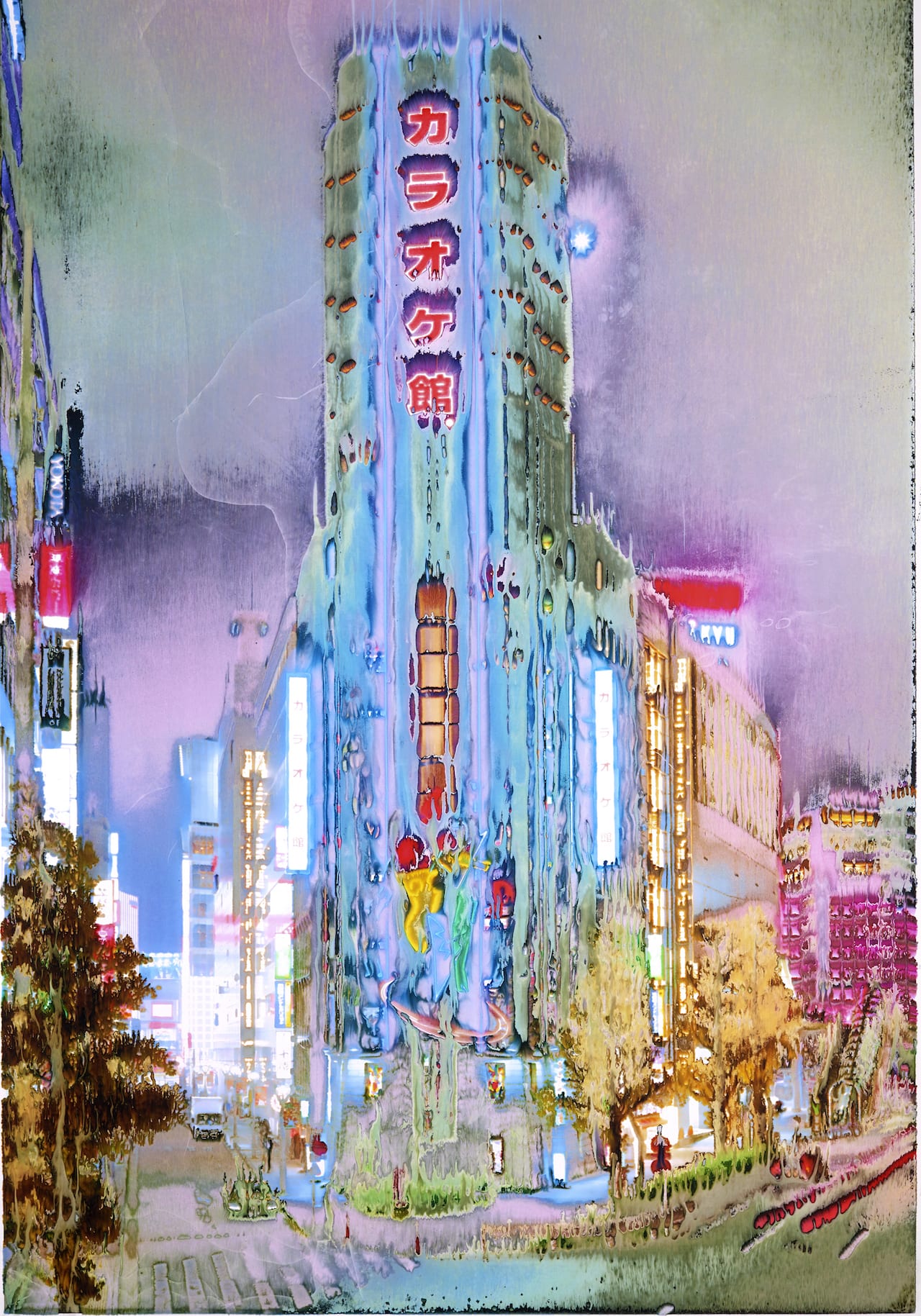
“I love how the city is in perpetual metamorphosis. It’s always moving and glowing,” says Jean-Vincent Simonet, who visited Tokyo, Japan for the first time in 2016, and quickly decided he would shoot at night. “Giving a liquid feeling to the photographs made sense to me. It reinforced the psychedelic experience of being in the city”.
People in Japan describe Tokyo as a “living entity” – not just because of the earthquakes and typhoons that regularly stir the capital, but because it is a city in constant flux. At all hours of the day and night, streams of people and cars rush down its huge neon streets, which sprawl out like tributaries into pedestrianised roads, stacked 10 stories high with shops, restaurants and karaoke bars. Vibrant city centres seem to emerge right off the back of darker inner-city suburban streets, which are all connected by colossal highways, and an elaborate train network that dwarfs most other capital cities’.