
Exhibition

If Slovenia Were

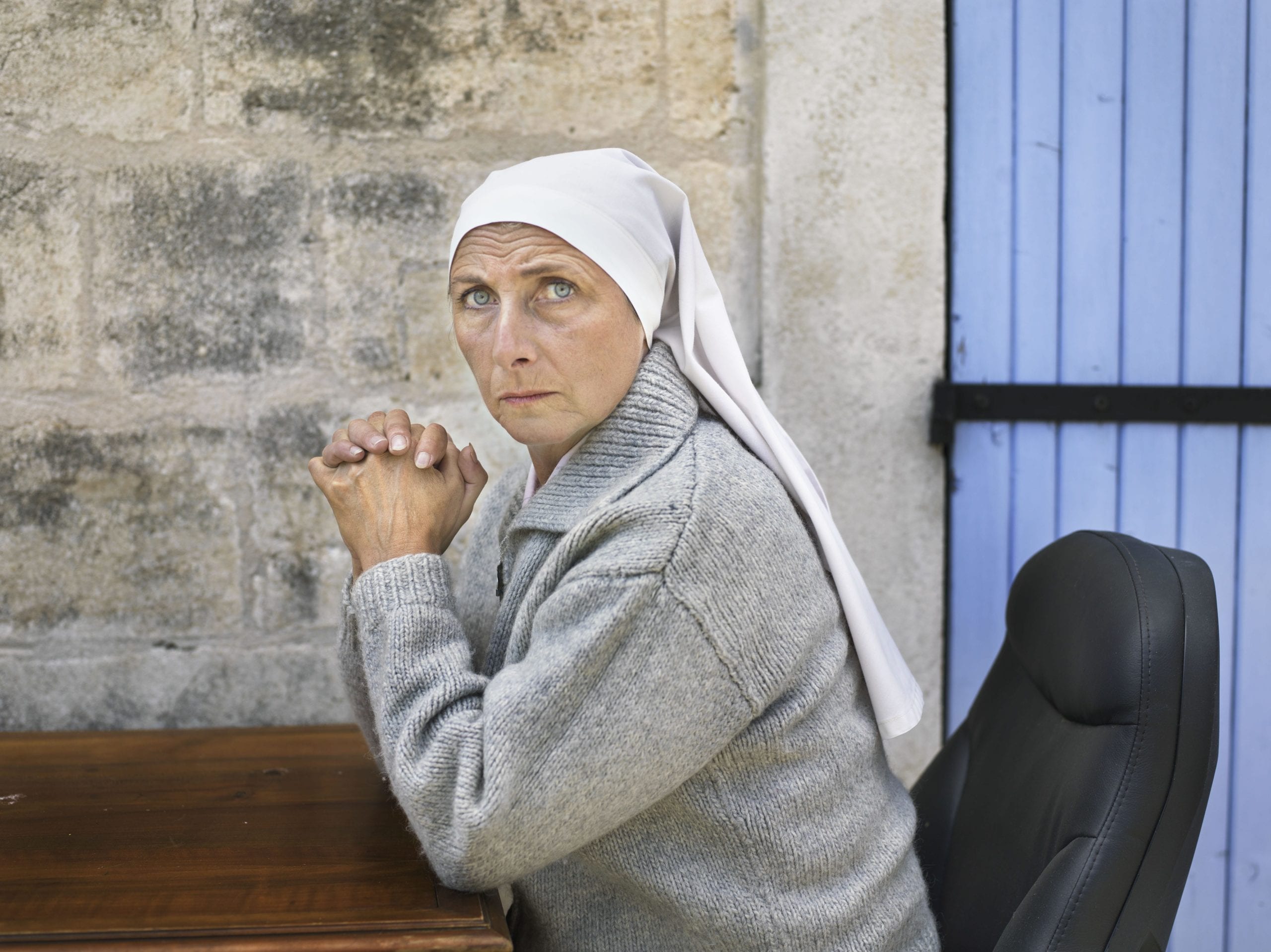
“What lies behind this project is my particular, unique attachment to Slovenia,” writes Klavdij Sluban, a French photographer of Slovenian origin and curator of If Slovenia Were. “It is an exceptional project in as much as it was born out of the desire to share a stretch of a photographic journey with a group of young Slovenian photographers, quite apart from any institutional, educational or other structures.”

Stemming from a desire to keep in touch with the country of his roots, Sluban began the project with an open call, selecting 18 young Slovenian photographers to take part. Each responded freely to the theme, and have been working on their projects for the past three years, developing them in meetings with Sluban on his occasional visits to the country. The resulting projects include series on expatriates who have emigrated elsewhere, photographers’ personal interpretations of Slovenian family life, and introspective series dealing with the artists’ private experiences.
22 November 2018

Vivian Maier: The Color Work

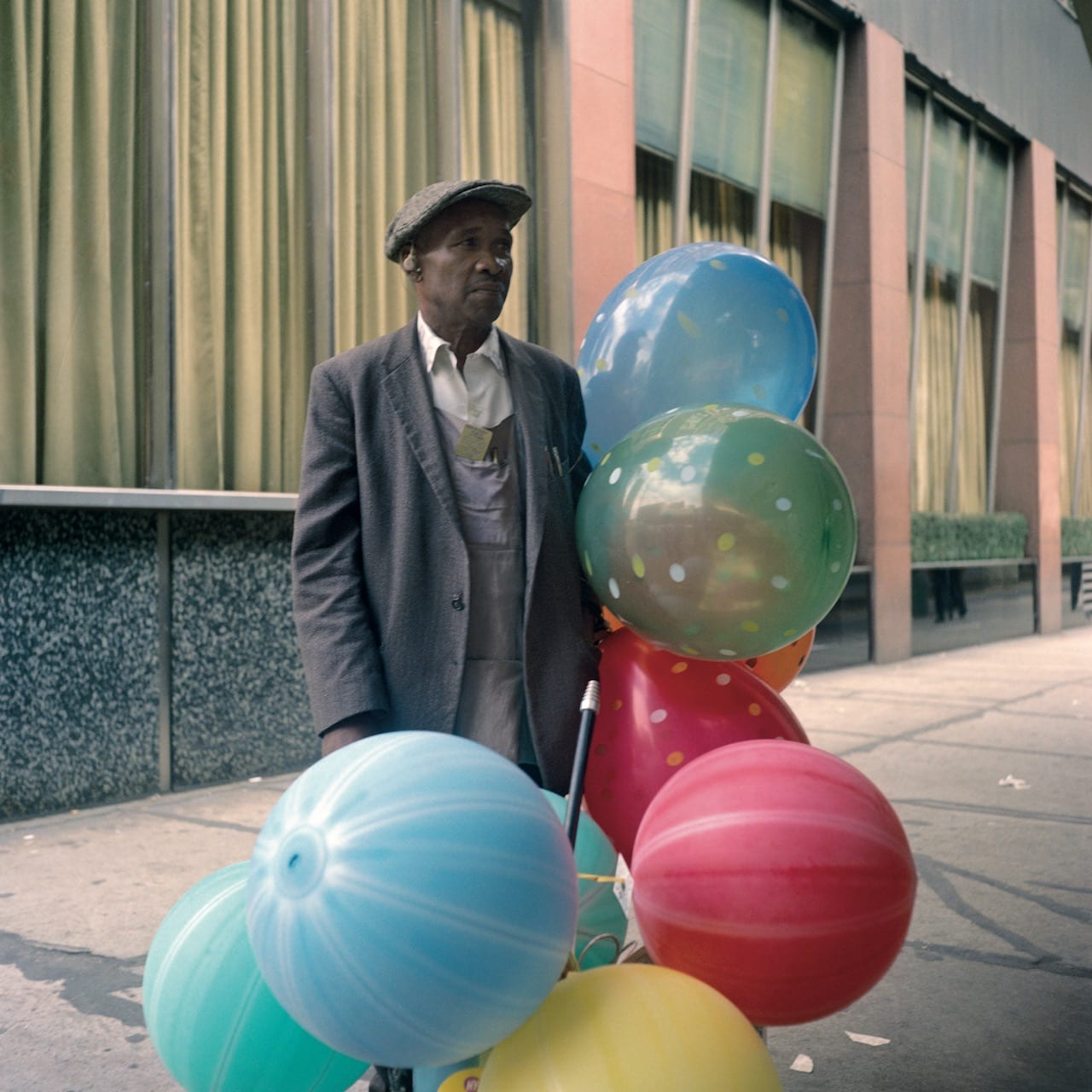
Since its discovery in 2009, Vivian Maier’s work – and her life – has attracted global attention. It been exhibited all over the world, featured in mainstream media outlets, and circulated in multiple books and films. Even so, many details of the American street photographer’s life remains a mystery.

We know that she worked as a nanny for 40 years in Chicago, and that she liked to spend time walking the streets, taking photographs with her Rolleiflex camera – with and without the children she was looking after. We also know that Maier took more than 150,000 photographs, many of which remain unseen, mostly of the people and architecture in Chicago, New York and LA, but also of herself, and her young charges. 

19 November 2018

Q&A: Sole Satana’s From a Bad Place

Although it is Spanish photographer Sole Satana’s latest body of work, From a Bad Place was conceived several years ago, during a difficult time when she was struggling with anxiety and depression.

Closely related to her personal life, Satana’s photography tells a very subjective story about her take on everyday life. Her images will be on show at the Centro Parraga in Murcia, Spain, as part of a collaborative project between the gallery and collective UnderPhoto. Now in its second edition, the project aims to bring together emerging creators who offer a “deeply personal representation of reality”.

From a Bad Place will be exhibited alongside photography from Satana’s partner in life and work JD Valiente, a BJP One to Watch this year. The couple met when they were teenagers and have been together for 14 years. They often now collaborate on joint projects, such as the story Dead Meat, but this show, titled Parentésis, is made up of two solo series.

19 November 2018

Any Answers: Quentin Bajac

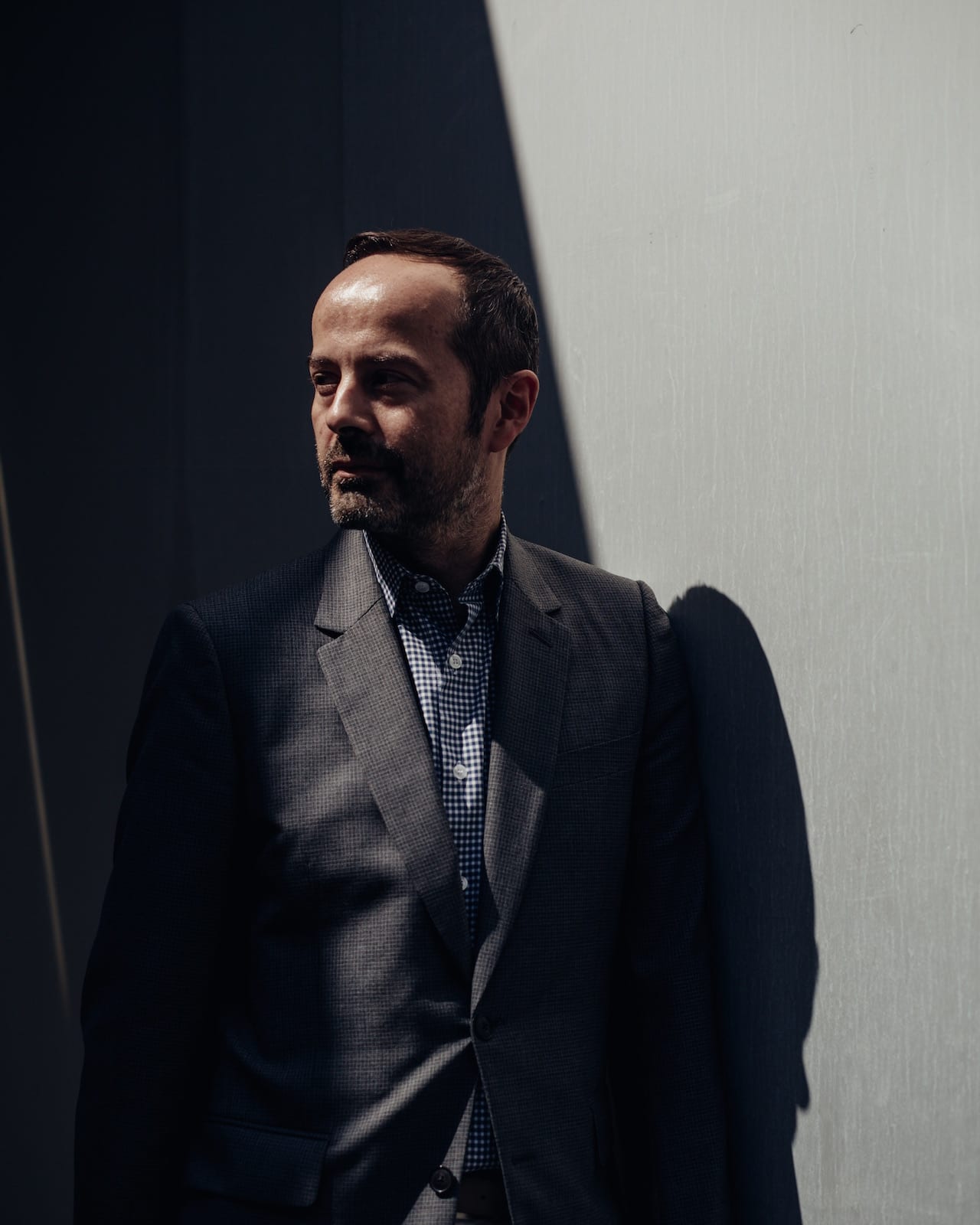
The Parisian curator Quentin Bajac has spent the past two decades working in three of the world’s leading cultural destinations – starting out at the Musée d’Orsay, he moved to Centre Pompidou, and then the most coveted post of all, chief curator of photography at MoMA in New York. Here he shares his insights into photography and life with BJP editorial director Simon Bainbridge

16 November 2018

50 years since PROVOKE: reprinting the radical Japanese photo magazine

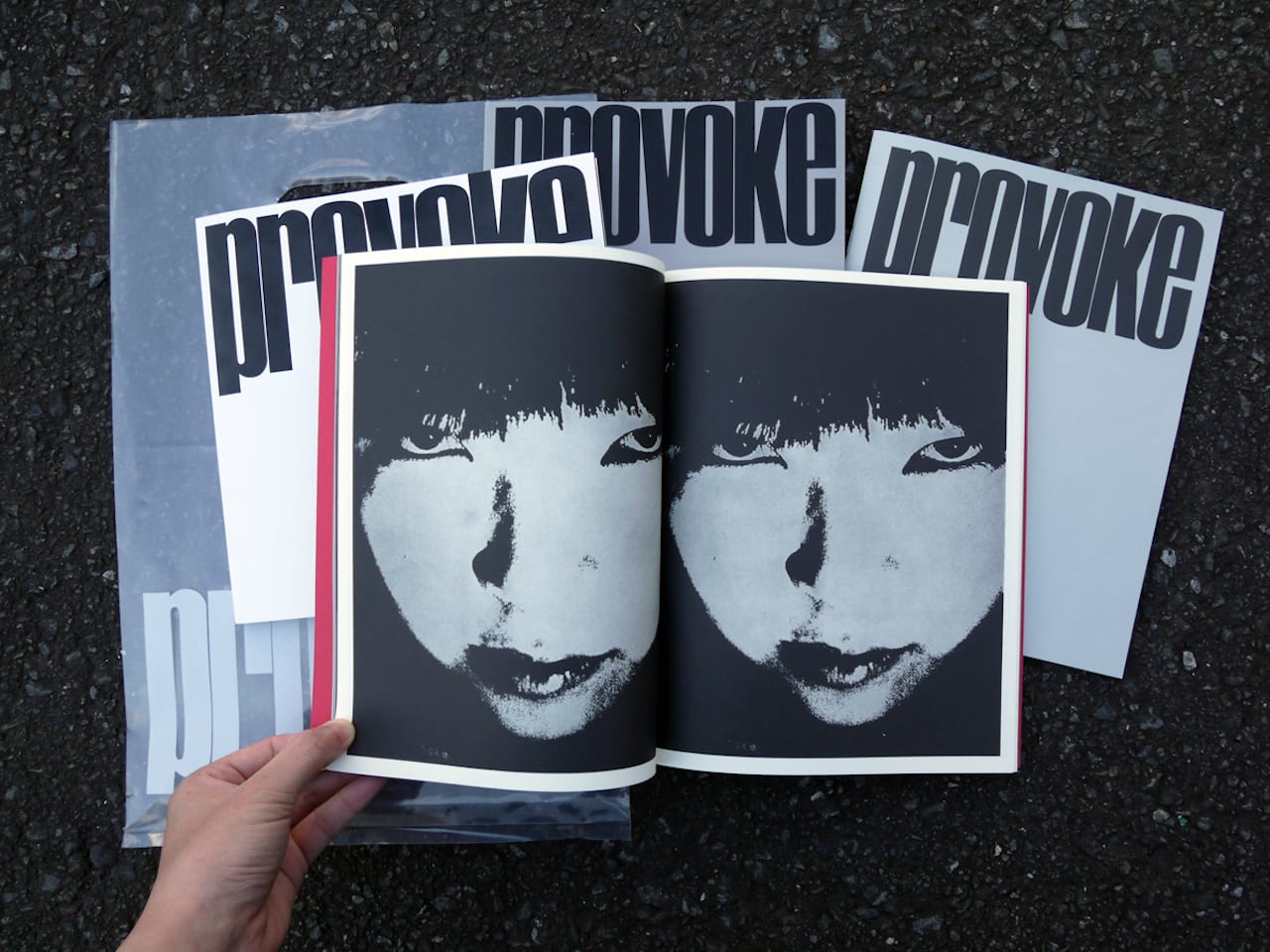
“How to fill the gap between politics and art? This is both an old and a new problem,” writes Takuma Nakahira, in the afterword to PROVOKE no.1, published 50 years ago this month. Led by some of Japan’s best-known photographers and art critics – including Takuma Nakahira, Koji Taki, and iconoclast Daido Moriyama, who joined from the second issue – the magazine stemmed from the anger and discontent that they felt towards the post-war world. Though it survived only three issues, and was criticised at the time, it is now widely recognised as a ground-breaking publication in the history of contemporary Japanese photography.

The magazines were printed in 1968 and 1969, both turbulent years for politics which featured the May 1968 riots in Paris; the assassination of Martin Luther King Jr and the anti-Vietnam protests in the US; the end of the Prague Spring. In Japan, 1968 was the year that a string of violent student uprisings forced many of the top universities to close.

16 November 2018

31 women to watch out for

Now in its second year, the PHmuseum Women Photographer Grant has a simple premise – to recognise and award world-class photographers, who also happen to be women. Judged this year by a prestigious panel including Magnum photographer Alessandra Sanguinetti and The Photographers’ Gallery senior curator Karen McQuaid, the Grant has two main sections – The Women Photographer Grant and the New Generation Prize for those under 30 years of age. BJP takes a look at those who have made the shortlist.

15 November 2018

Roll up, roll up for the Martin Parr Foundation membership scheme

Would you want Martin Parr to take your portrait? You might say its a brave soul who goes in front of his penetrating lens, but it’s part of a portfolio of benefits the Martin Parr Foundation is launching in its Membership Scheme.

Parr set up the Bristol-based Foundation in 2014 to house his archive, but in October 2017 it opened to the public in a purpose-built space, offering free access to much more – a rolling programme of exhibitions, a large photobook library, and a growing collection of prints. Parr’s used the opportunity to hone in on British and Irish photographers, as well as work taken in the British Isles by others, and put the focus on their documentary work – an area which he believes is still underrated.

14 November 2018