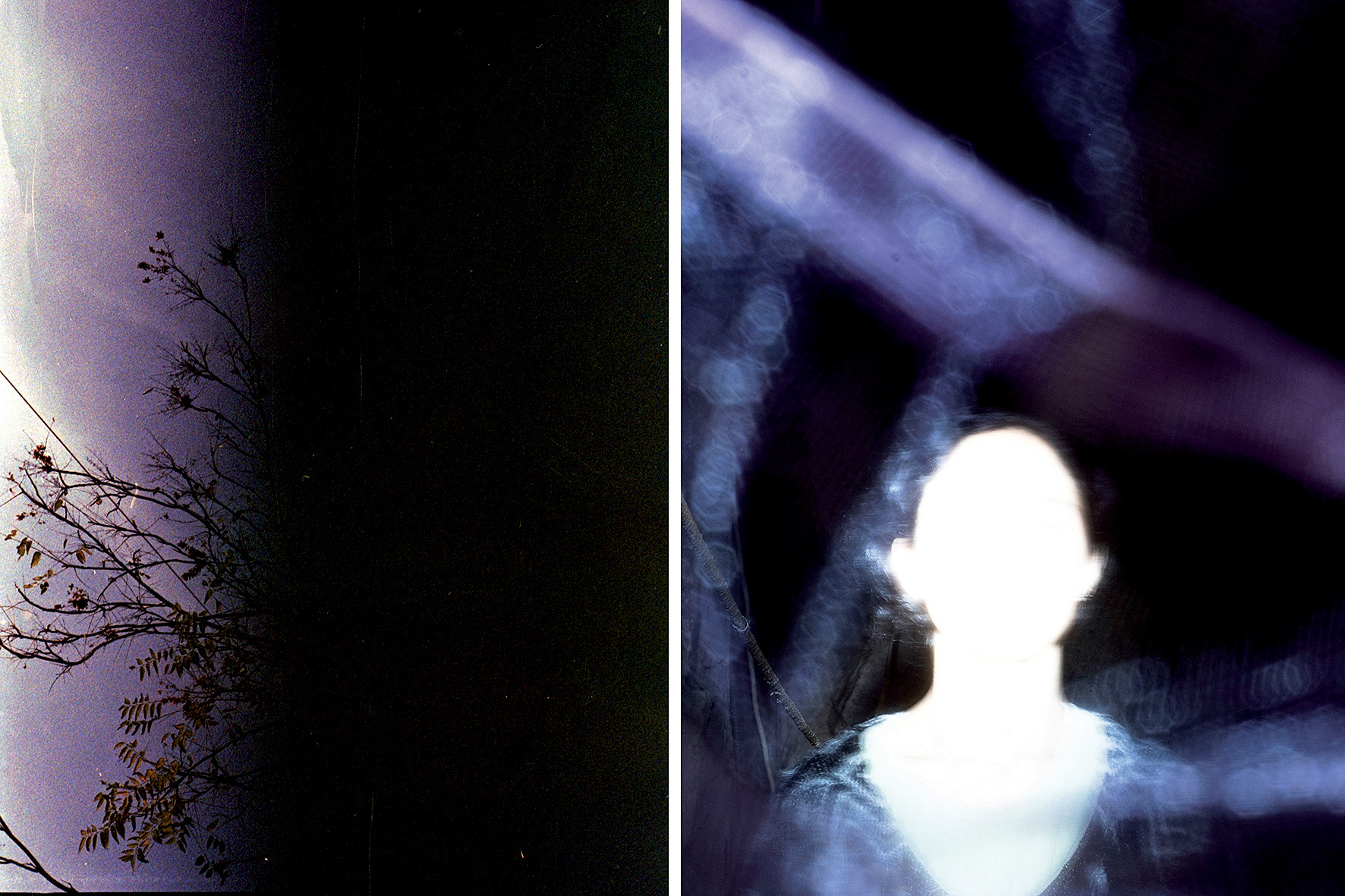

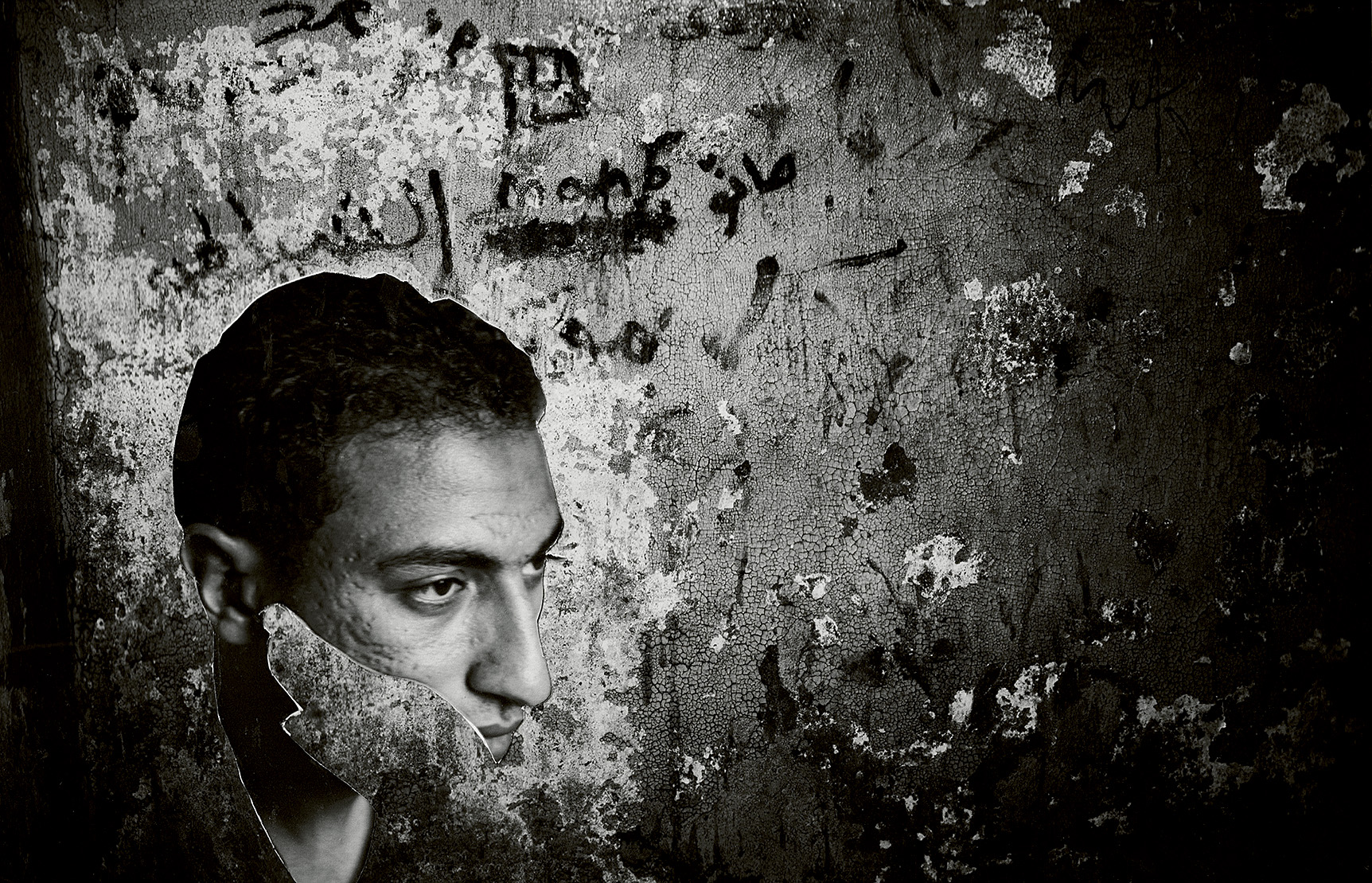
Image © Mahmoud Talaat.
An ambitious initiative by Laura El-Tantawy, Platform 2020 seeks to shift documentary photography’s centre of gravity away from the West. Interview by Raquel Villar-Pérez
Platform 2020 is an online educational space for documentary photographers across Africa and the SWANA region, founded in 2025 by Egyptian photographer Laura El-Tantawy. Built around accessibility, representation and community, the initiative seeks to create new pathways into documentary practice, while centring photographers whose voices have too often been sidelined within mainstream photography education.
Raquel Villar-Pérez: Can you introduce Platform 2020 and explain what inspired it?
Laura El-Tantawy: The seed was planted during Covid, when everything stopped, and online became the world we inhabited. I realised there was something incredibly liberating about education coming to people rather than people having to travel to it. I began imagining an online community centred around learning, conversation and staying connected.
It all became more urgent over the past few years, particularly as events unfolded in Gaza and across the region. I noticed how people from Africa, the SWANA region and the diaspora were being spoken about rather than spoken to. Their voices were flattened, simplified or misrepresented, and I felt it was impossible to ignore. Many photographers in the region I come from cannot afford the cost of established photography programmes. It became clear to me that an educational platform that was economically accessible needed to exist.
RV-P: Was there a particular moment in your own career when you realised this kind of platform was missing?
LE-T: Looking back, there were many moments. When I studied photography in the United States and later in Europe and the UK, I rarely encountered photographers who looked like me, came from my region or shared similar experiences. That absence matters because references shape how you imagine your own possibilities.
I also remember meeting an editor early in my career who looked at my work from Egypt and said, “You’re a Muslim woman who speaks Arabic. Why don’t you photograph Muslim women?” I understood where the suggestion came from, but it wasn’t what I wanted to talk about. I felt I was constantly being directed towards stories that fit other people’s expectations.
Platform 2020 is partly a response to these experiences. I want to rebalance the conversation by creating space for photographers from the region to become the references themselves.
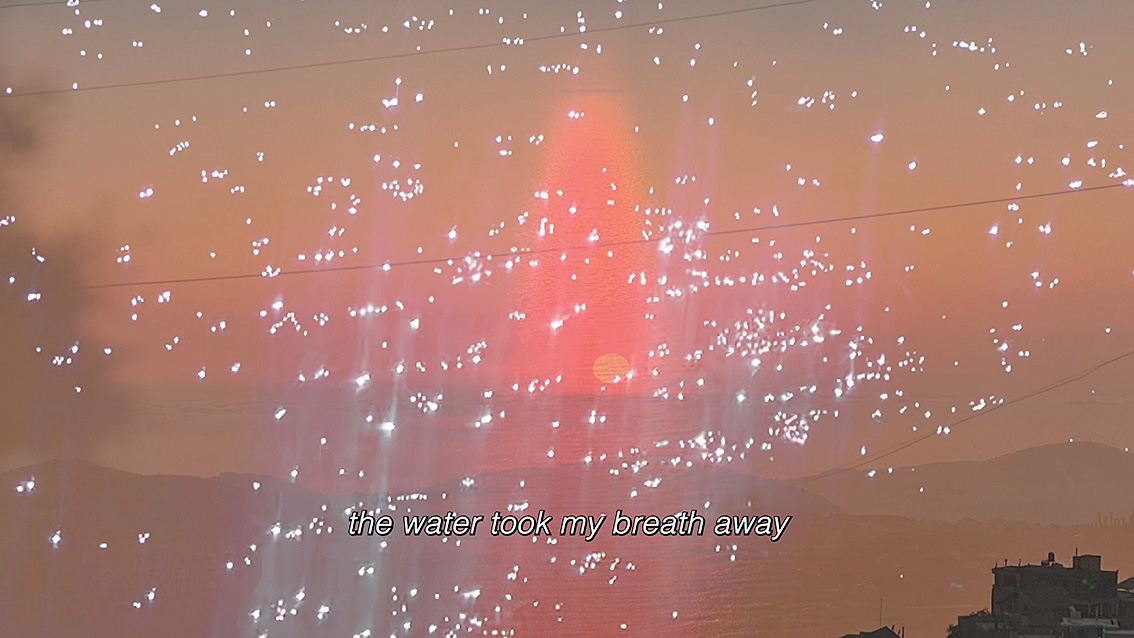
“Photography is profoundly shaped by identity. Our images don’t emerge from nowhere; they’re informed by our families, education, politics, culture and history” – Laura El-Tantawy
RV-P: Platform 2020 promises “world-class education” while “bringing the far away near”. What does this mean in practice?
LE-T: People often assume that online education is of lesser quality because it’s cheaper or remote. I wanted to challenge that assumption. The idea is to provide the same level of education someone might receive in a prestigious workshop or programme, but without requiring them to travel, obtain visas or spend thousands. ‘Bringing the far away near’ is really about reversing the direction of travel. Instead of asking photographers to move towards centres of power, we’re bringing education to them.
RV-P: Who is Platform 2020 for?
LE-T: First and foremost, it’s for photographers across Africa and the SWANA region who haven’t had access to these opportunities, whether because of economics, geography or other barriers. But I also hope photographers from elsewhere will join. I would love people from Europe or North America to encounter voices they haven’t seen before, discover new work and engage with perspectives that have often been overlooked. The point isn’t exclusion, it’s expanding the conversation.
RV-P: Why was it important to focus on Africa and the SWANA region rather than creating a global platform?
LE-T: Because this is the world I know. I don’t believe I have the authority to build educational programmes around regions whose histories and cultures I don’t fully understand. My own work has always been grounded in lived experience. Even during the Arab Spring, when neighbouring countries were experiencing revolutions, I never felt it was my place to leave Egypt and tell someone else’s story. The same philosophy guides Platform 2020.
Originally, I referred to the region as Africa and the Middle East, but I later changed that to SWANA because ‘Middle East’ is itself a colonial term. Language matters. If we’re trying to rethink representation, then we also have to rethink the language we use.
RV-P: Belonging sits at the heart of Platform 2020. How does that translate into education and mentorship?
LE-T: Platform 2020 creates space for photographers to explore questions around identity. Photography is profoundly shaped by identity. Our images don’t emerge from nowhere; they’re informed by our families, education, politics, culture and history.
The SWANA region has also been profoundly shaped by colonialism, conflict and migration. Those histories continue to shape identity today. I want participants to feel they can examine those complexities openly, among people who understand those experiences from within. It’s about creating a place where people feel they belong, not because everyone shares identical experiences, but because their perspectives are recognised as valid.
RV-P: The platform also emphasises lived experience and photographers telling their own stories. Do you see that as part of a wider shift in documentary photography?
LE-T: Absolutely. For a long time, the industry’s instinct was to send outsiders to tell stories from elsewhere. That model isn’t disappearing completely, but it can no longer be the only model. We’re not saying outside perspectives aren’t valuable. We’re saying local voices deserve equal space within the conversation. I describe it as shifting the centre of gravity.
When [her book] In the Shadow of the Pyramids was published, many readers responded because it offered a perspective from an Egyptian photographer. That viewpoint existed because I lived those experiences. Imagine multiplying that across countless communities. Platform 2020 isn’t trying to replace existing conversations. It’s adding new voices to the chorus and allowing them to initiate conversations rather than simply respond.
RV-P: Accessibility is clearly central to Platform 2020. Beyond affordability, how are you thinking about issues such as language and different cultural understandings of documentary photography?
LE-T: It’s something we’re still developing, but it’s incredibly important. The region is linguistically diverse – including Arabic, French, Turkish, Farsi and more – and if we’re serious about creating a platform for people from these communities, then language can’t become another barrier.
At the moment, our talks are delivered in English, but we’re exploring live translation, subtitles and AI-assisted translation to broaden access. The website is available in several languages, and in one-to-one mentoring, I’ll often switch into Arabic if that’s where someone feels most comfortable expressing themselves. I don’t think we’ve solved it yet, but we’re committed to making the platform as inclusive as possible.
Accessibility is also about confidence. Many participants already have technical skills; what they often lack is belief in their own voice. Many photographers tell me, “This story is too personal. Why would anyone else care?”. Much of the mentoring begins by saying, “If it’s deeply important to you, it’s likely to resonate with someone else”. That’s where documentary photography starts.
RV-P: What does the programme itself look like?
LE-T: Initially, I imagined Platform 2020 simply as an educational platform, but it’s becoming much broader. Photography remains at its heart, yet photography doesn’t exist on its own. We live in an increasingly complex cultural landscape, so photography has to engage with literature, music, history, politics and other forms of storytelling.
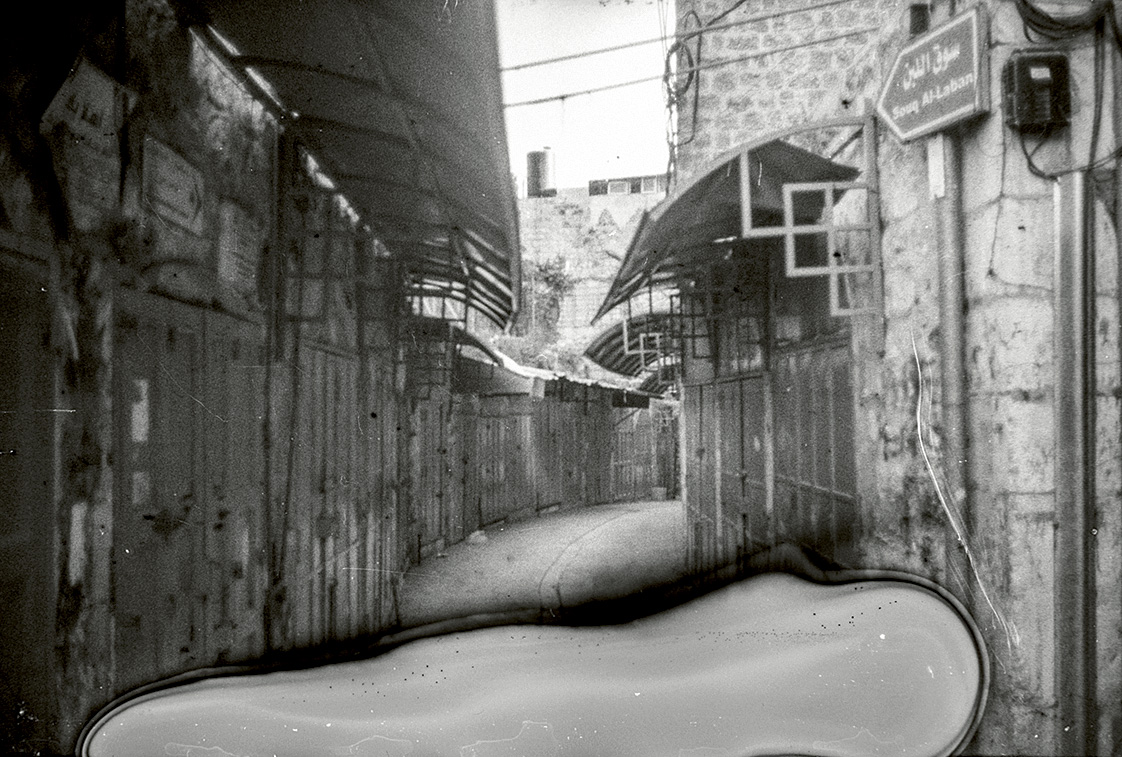
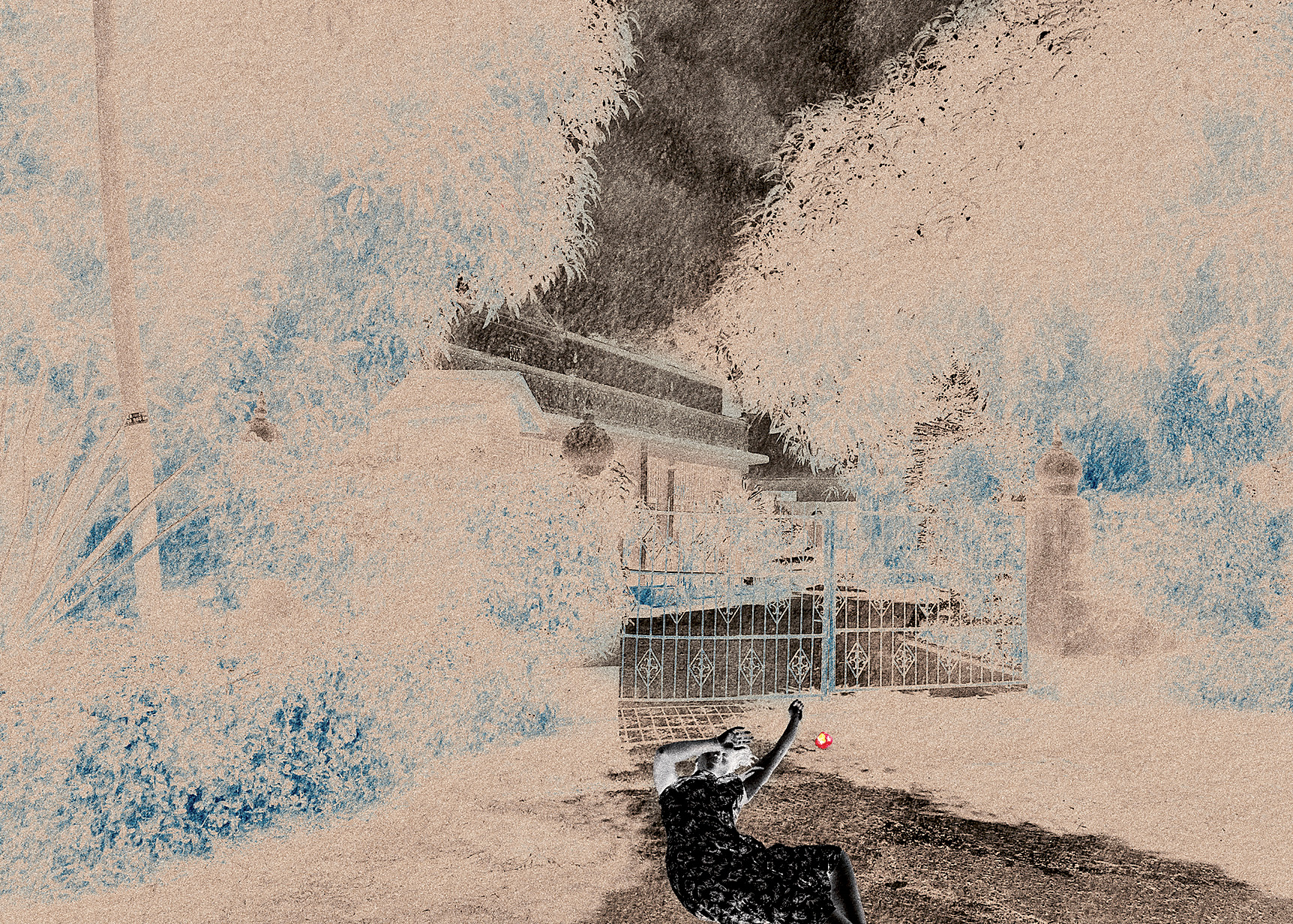
One of our first mentorships, Point Zero, was inspired by Nawal El Saadawi’s Woman at Point Zero. We asked participants to reflect on the issues shaping their lives today and explore them photographically. The programme wasn’t simply about making pictures; it was about thinking critically about why those pictures needed to exist.
We’re also launching an online residency with No Wahala magazine, exploring interconnectedness. It brings photographers from across Africa and the SWANA region into conversations about displacement, borders, survival and belonging.
The open call, To Make in a Time Like This, emerged from a question I ask myself; how do you continue making meaningful work when the world feels so overwhelming? Rather than prescribing answers, we wanted to create a space where photographers could explore that uncertainty together.
RV-P: We’re living through a moment saturated with AI-generated images and endless visual content. What still defines meaningful documentary photography?
LE-T: More than ever, it’s trust. There was a time when we accepted photographs at face value. Now I question almost everything I see online. Is this real? Was it AI-generated? Was it manipulated?
This uncertainty makes documentary photography even more important. Its value lies in credibility, in photographers who engage seriously and responsibly with the world, through integrity, transparency and accountability. Audiences have responsibilities too. We can no longer consume images passively. We have to question them, verify them and understand where they come from.
RV-P: Looking ahead, where do you hope Platform 2020 will be in five years?
LE-T: I’d love to see it become a genuine community hub; a place people return to throughout their careers. Eventually, I’d like to develop a sophisticated year-long online programme that rivals the quality of established photography schools while remaining accessible to people who would otherwise never have those opportunities. But growth must happen thoughtfully. Photography itself is constantly evolving, and the platform must evolve with it.
What excites me most is the possibility that photographers across the region will see Platform 2020 as somewhere they belong, not simply somewhere they take a course.