

From the series The Dice Was Loaded from the Start © Valeria Arendar and Eleana Konstantellos.
In The Dice Was Loaded from the Start, Valeria Arendar and Eleana Konstantellos trace and reconstruct a history of espionage in Mexico.
From the glamorous exploits of James Bond to the quiet calculations of George Smiley, popular culture has fashioned the spy into a fascinating character. Cinema and fiction in particular have created an imaginary of espionage defined by secrecy, power and shifting identities. But little is known about how intelligence work is actually conducted, particularly outside the West. The Dice Was Loaded from the Start is an ongoing project by Mexican photographers Valeria Arendar and Eleana Konstantellos which traces the infrastructures of espionage in Mexico at the height of the Cold War.
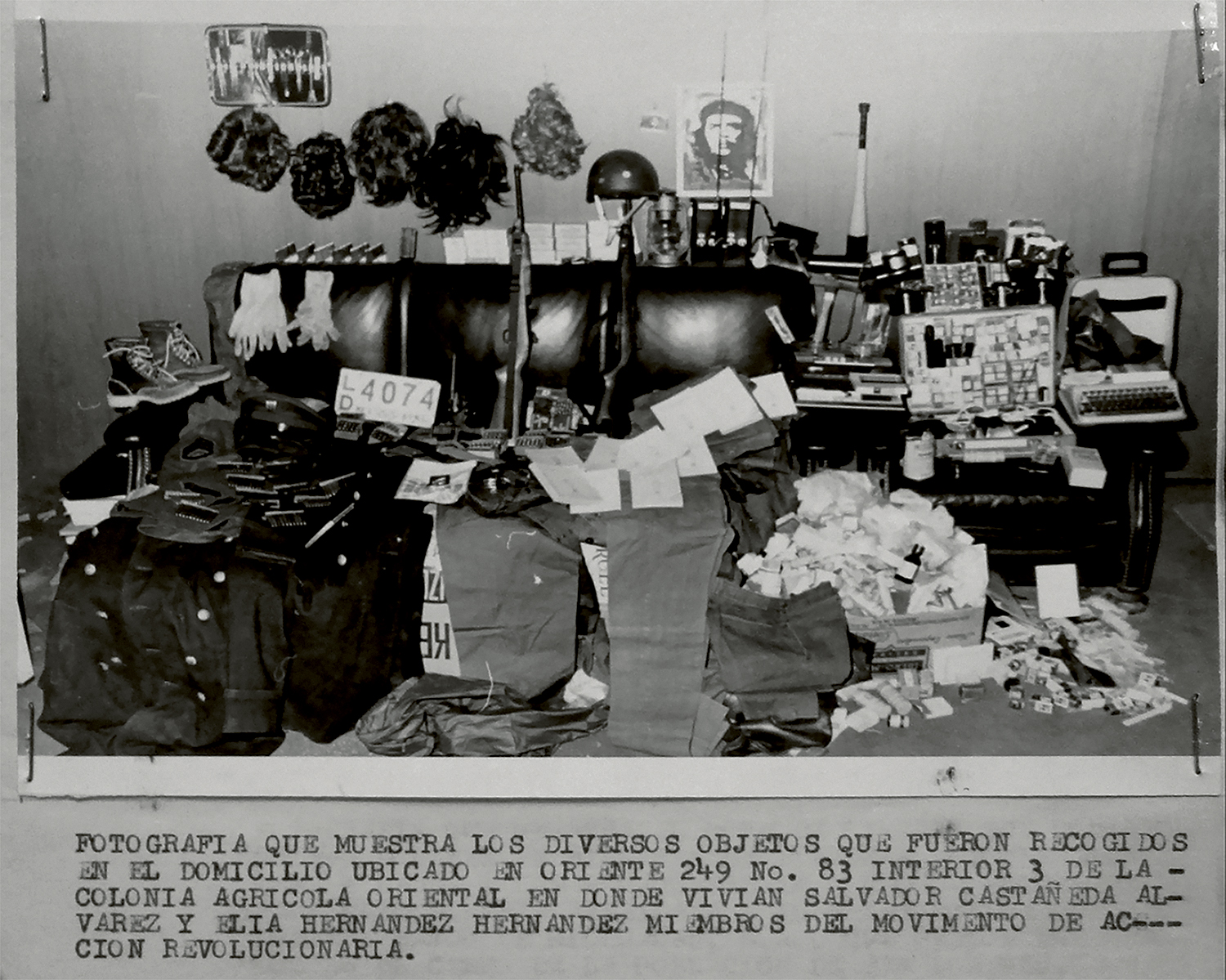
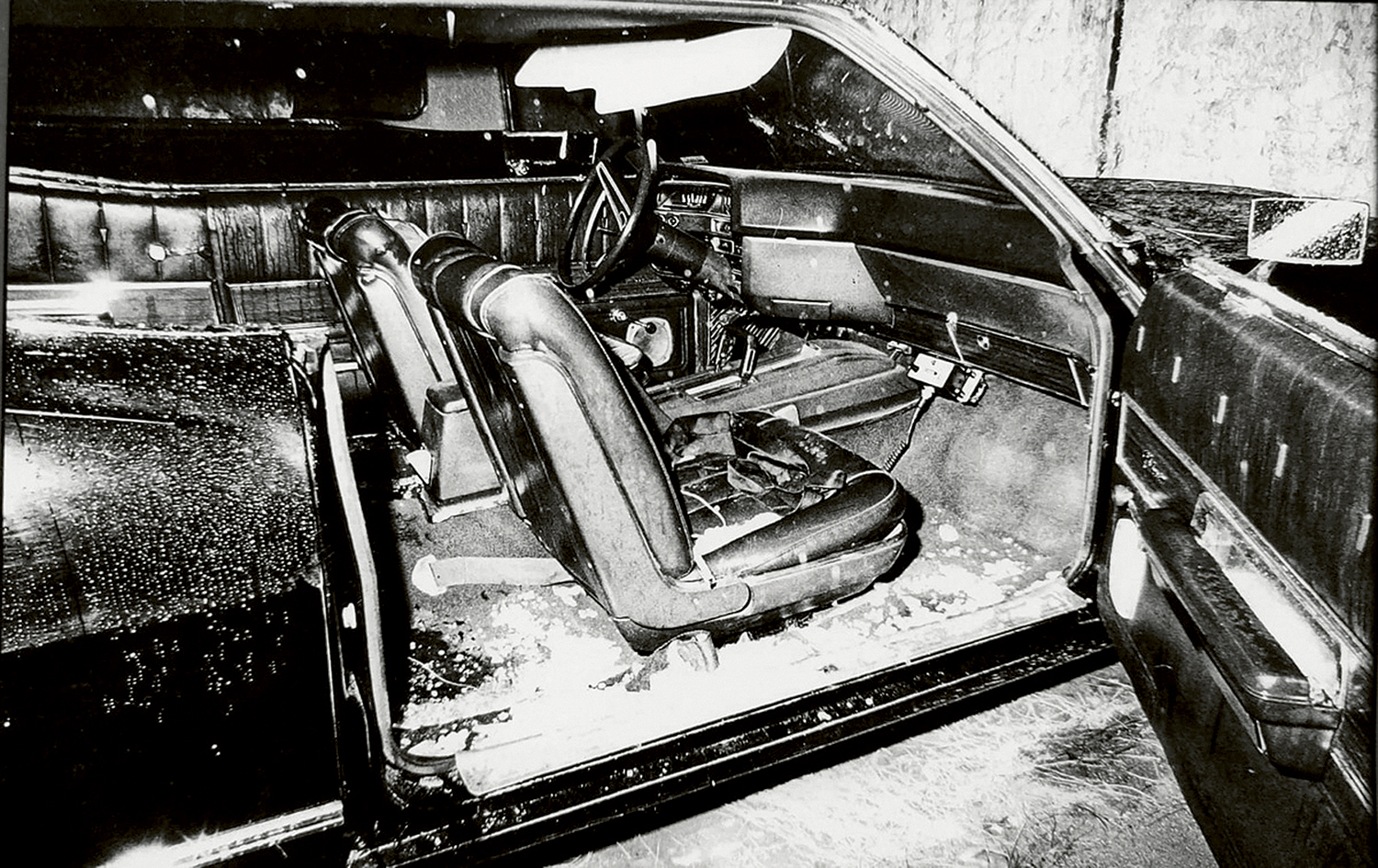
Collating archival images, forensic still lifes, unfamiliar apparatuses and staged photographs, The Dice Was Loaded from the Start weaves together the fragmented narrative of Mexico’s role in the Cold War. The geopolitical tension between the United States and the Soviet Union sucked in the rest of the world, from the aftermath of World War Two until the dissolution of the USSR in 1991. Both superpowers sought to expand their spheres of influence and advance competing capitalist and communist ideologies through proxy wars, expanding nuclear arsenals, and the Space Race pursuit of technological supremacy.
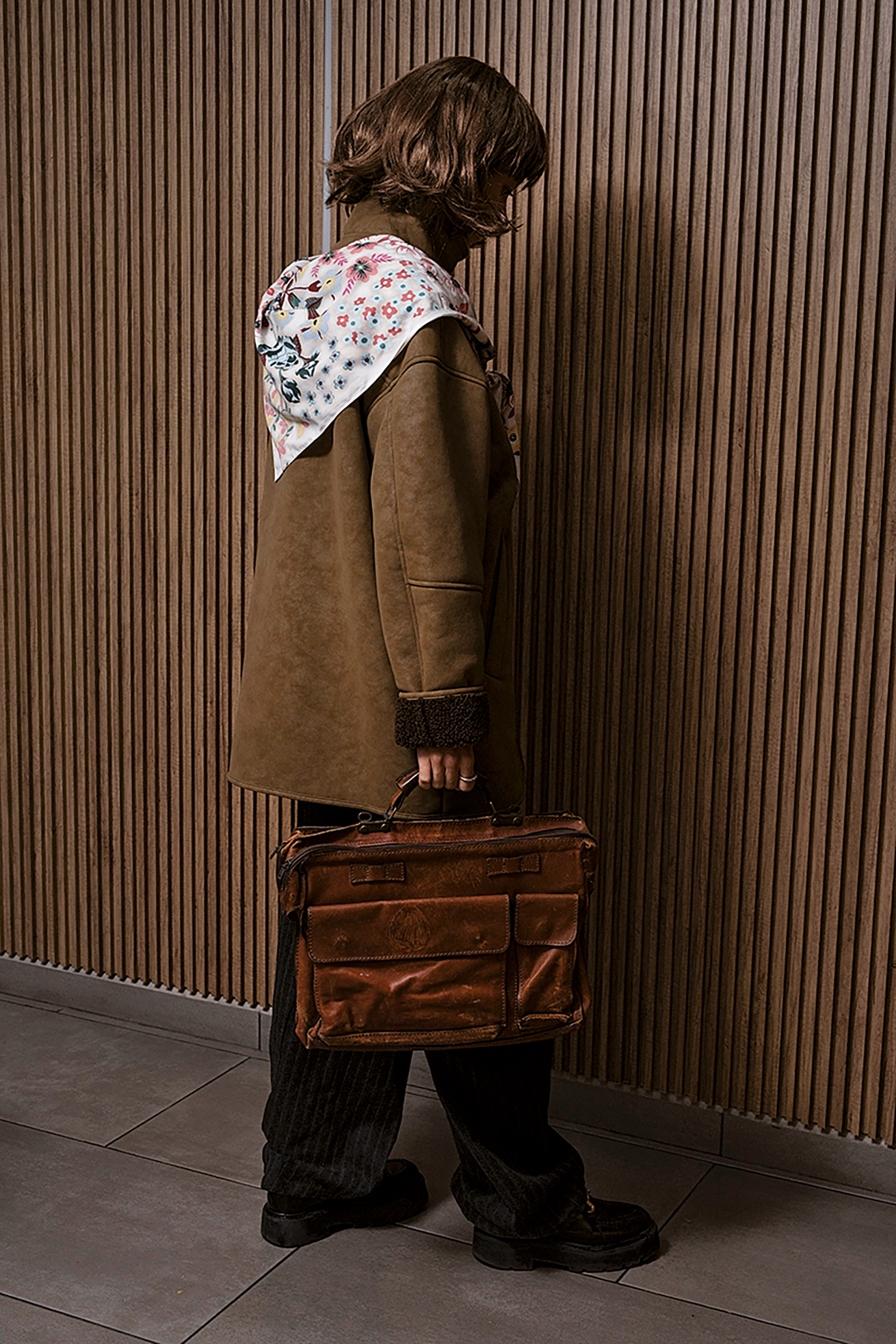
“Photography is always a secondary character in espionage, and we realised it would be interesting to incorporate the medium itself, to create a kind of meta-project through analogue photography and all its different components”
– Eleana Konstantellos
These efforts relied on expansive espionage networks, intelligence agencies and covert operations. And by maintaining diplomatic relationships with the United States and the Soviet Union, including hosting both countries’ embassies in its capital, Mexico became a crucial node in the CIA and KGB’s work.
Arendar and Konstantellos first encountered the history of espionage in Mexico while researching political events from the 1970s and 1980s. Both artists have individual practices rooted in the history and politics of 20th century Latin America, grounded in their own family histories. Arendar’s heritage is Russian, Argentinian and Mexican, while Konstantellos’ is Greek, French and Mexican; their joint project subtly acknowledges these intertwined stories with an image depicting their families’ passports.
Their shared interests made the history of espionage in Mexico fertile ground for a collaboration. It is also an important untold story. Despite the extensive presence and influence of two of the most powerful intelligence agencies, little is known about what happened in Mexico. Operation LITEMPO was a powerful covert operation run by the CIA in the country, for example, and, according to the artists; “It is even said that all Mexican presidents who were in charge of the country between 1958 and 1988 were recruited by the US Intelligence Agency (CIA).”
Arendar and Konstantellos’ project sits in the blurry boundaries of fact and fiction. It is grounded in extensive records produced by the Dirección Federal de Seguridad (Federal Security Directorate), now held at the Archivo General de la Nación (General Archive of the Nation). Commonly known as the secret police, the Dirección Federal de Seguridad was created with the support of the CIA and operated for more than 35 years.
“There are millions of records, most of them ridiculous and registering people’s daily routines,” says Arendar. “For example, if you travelled to Cuba… you were automatically labelled a communist, a subversive, and needed to be under surveillance. I think the accumulation of all these seemingly innocuous files created an atmosphere of paranoia within Mexico’s so-called democracy.”
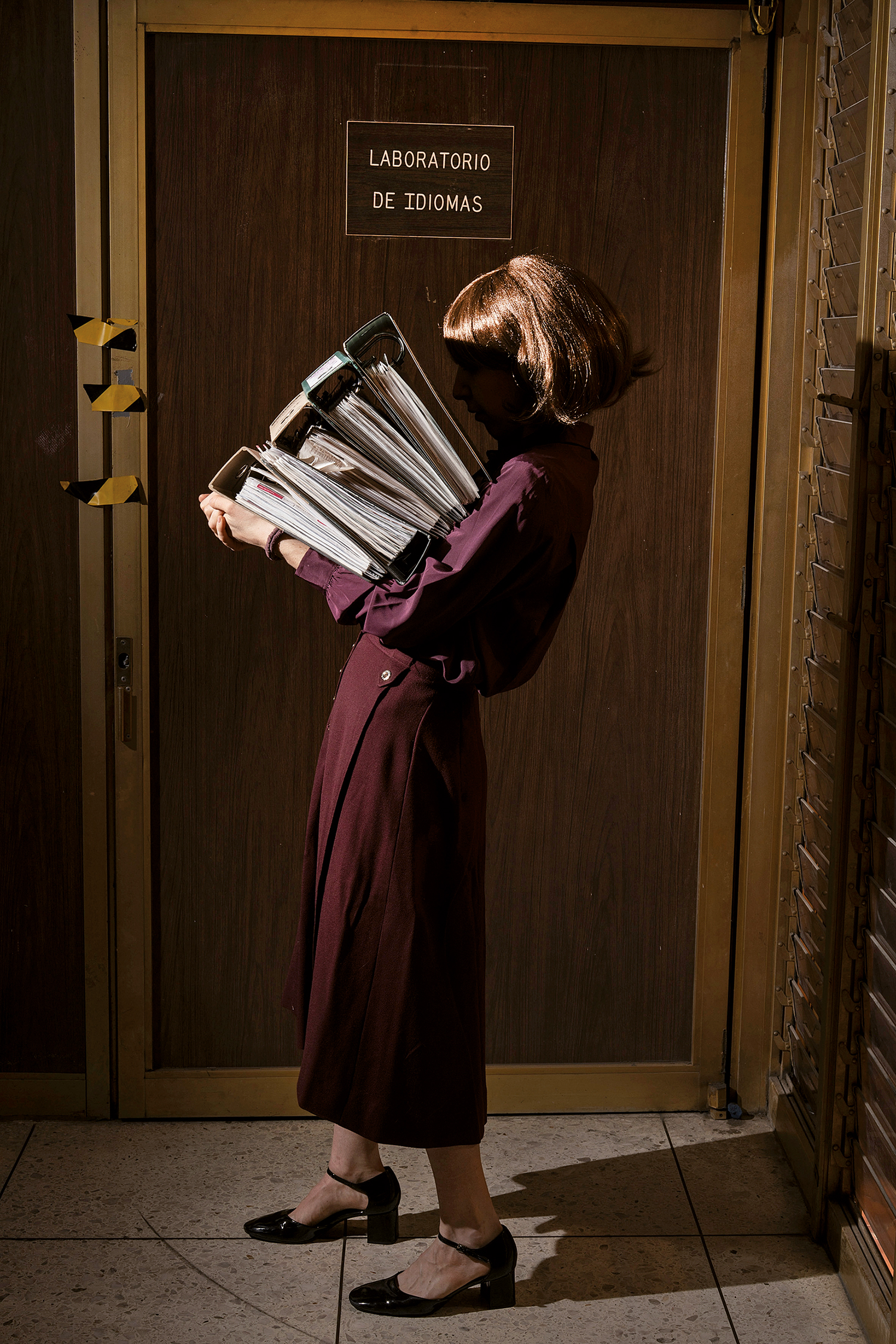
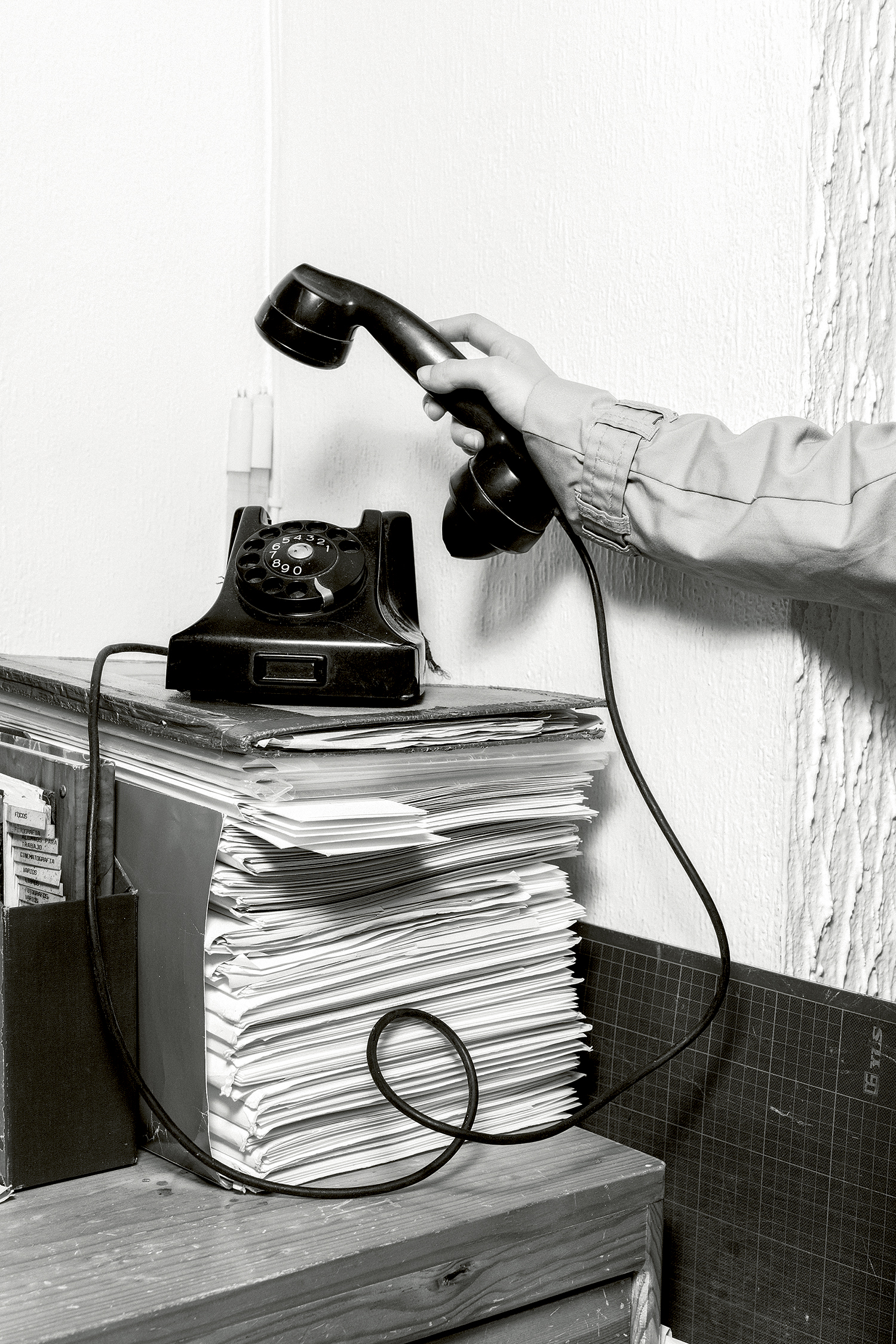
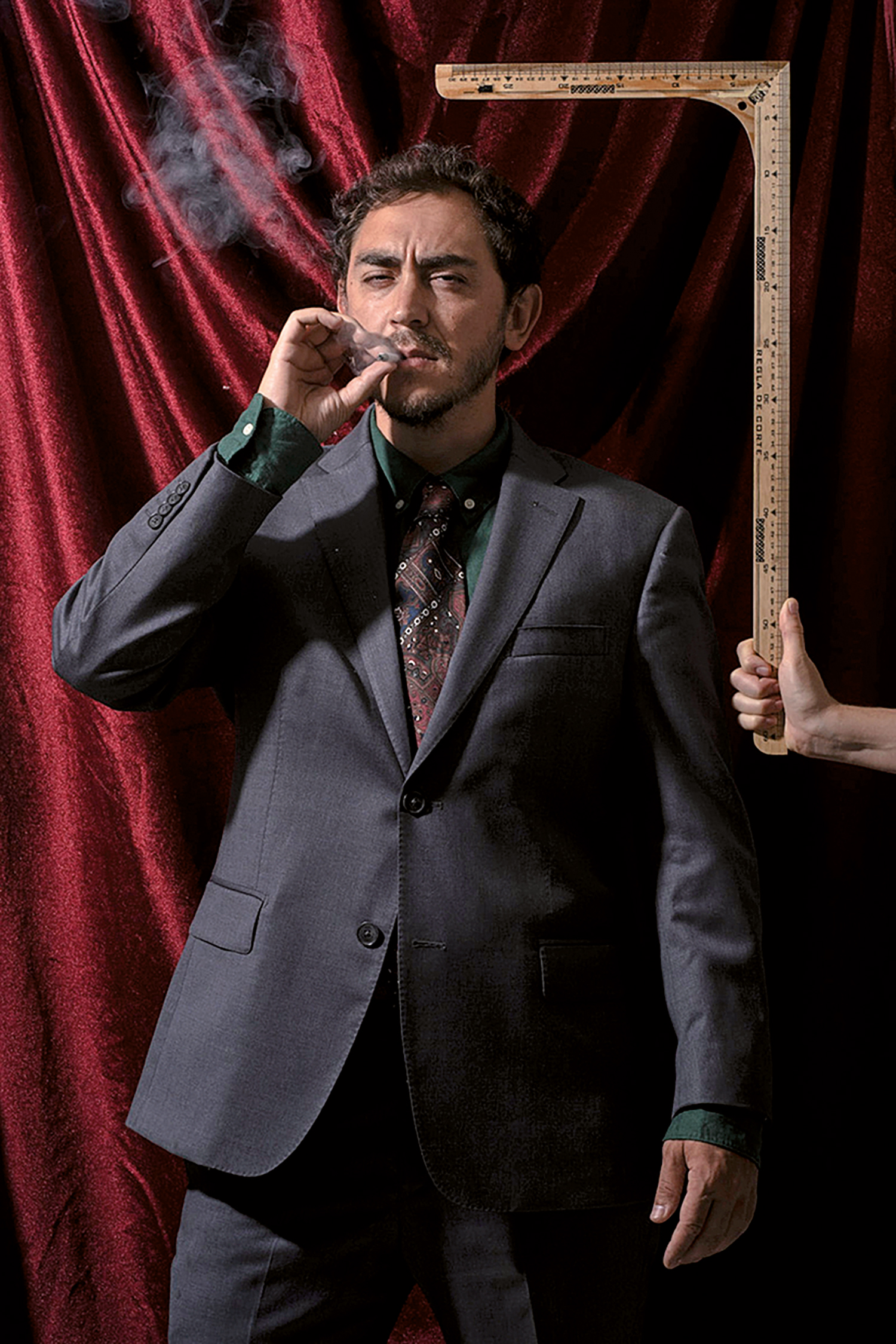
The duo’s findings in the Archivo General de la Nación inform one of their photographic approaches – staged visual interpretations of the contexts surrounding the archival records, which they present in dialogue with historical images. Combining sharp humour and play, the artists reflect on the Mexican government’s extreme obsession with tracing citizens. In one of the photographs, we see a young man smoking in a business suit, for example, while his height is being measured with an L-shaped ruler.
“We approached the project as a kind of game, and that’s really what’s behind the practice,” says Konstantellos. “The staging, the fiction, dressing up and stepping into different roles, as a way of trying to understand the gaps in the official histories – and, in a sense, filling them.”
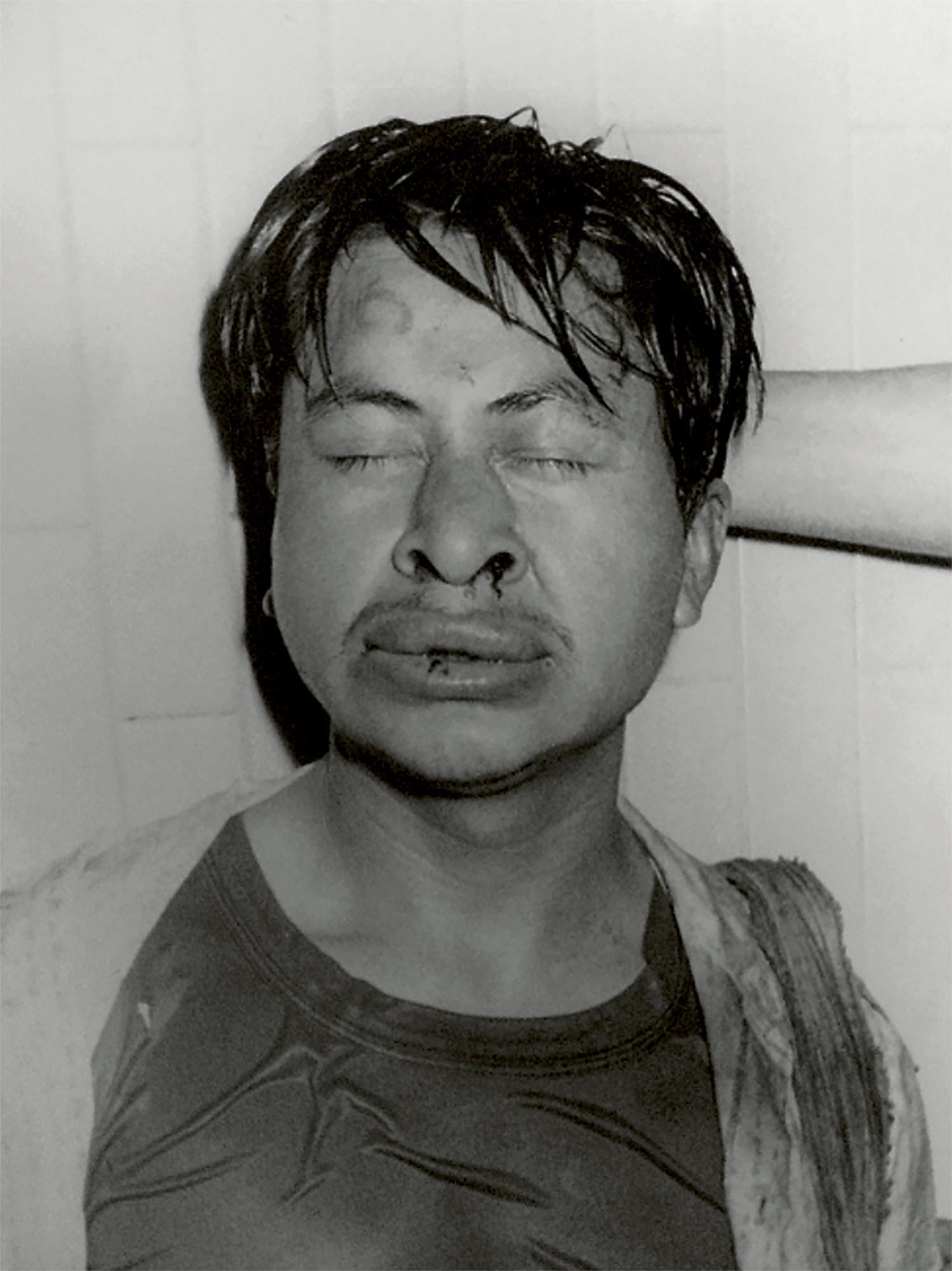
Elsewhere Arendar and Konstantellos let the archive speak for itself, inviting viewers to interpret the wider histories it suggests. “A lot of the files might seem overwhelming and make you wonder, what did they use them for?” says Konstantellos. “Often, the information in them turned into torture, disappearances, and a whole host of things that are much more intense – things that we often omit, that we don’t quite know how to handle within the project, because they are very delicate.”
An image of one of the students killed during the 1968 Tlatelolco massacre reflects on the relationship between surveillance, state violence and enforced disappearance. In the lead-up to the Summer Olympics in Mexico City, numerous non-violent demonstrators took to the streets, protesting authoritarian rule, political repression and social inequality. Framed by Mexican President Gustavo Díaz Ordaz as a ‘communist conspiracy’, the demonstrations were met with military force. Soldiers and police opened fire on unarmed civilians.
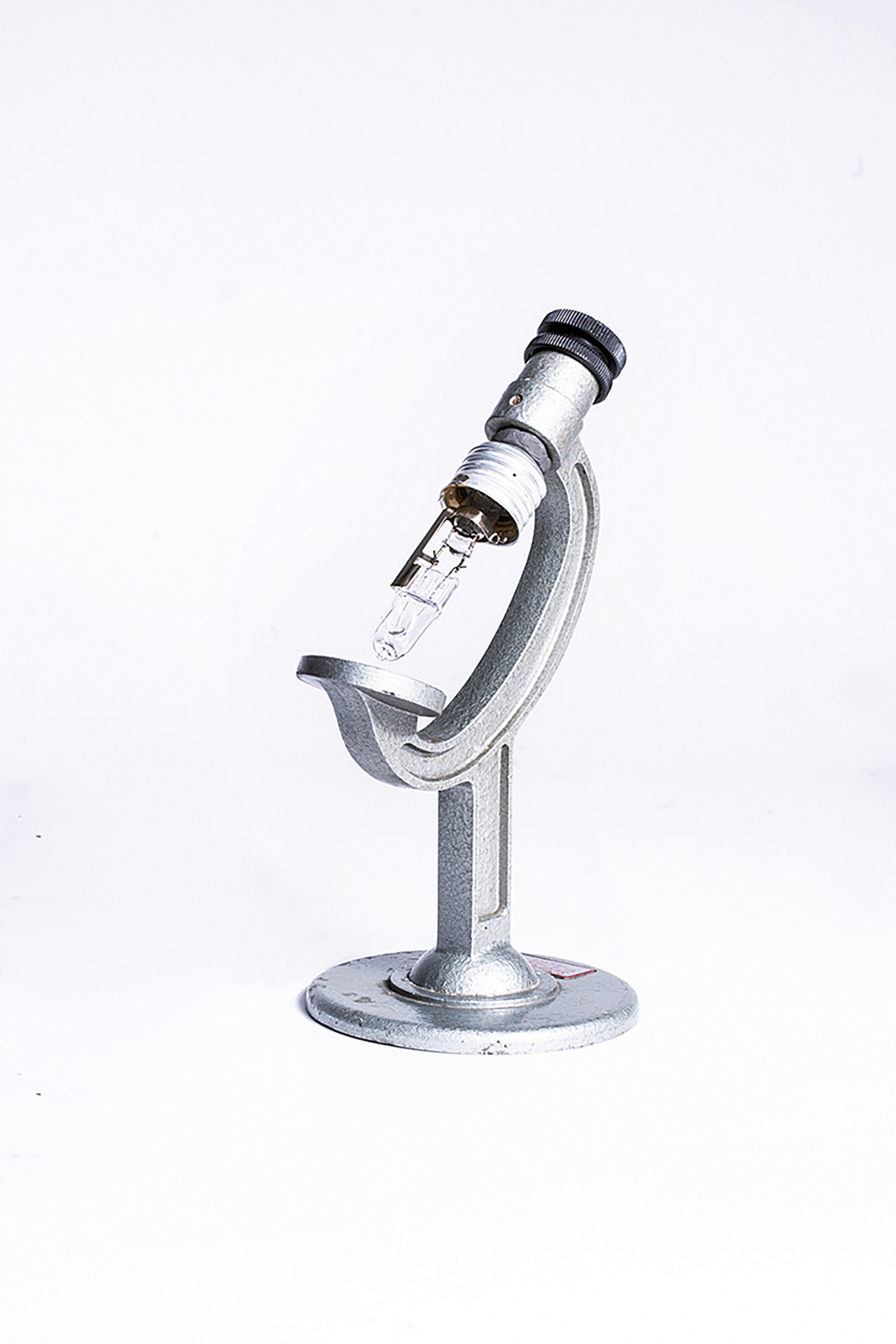
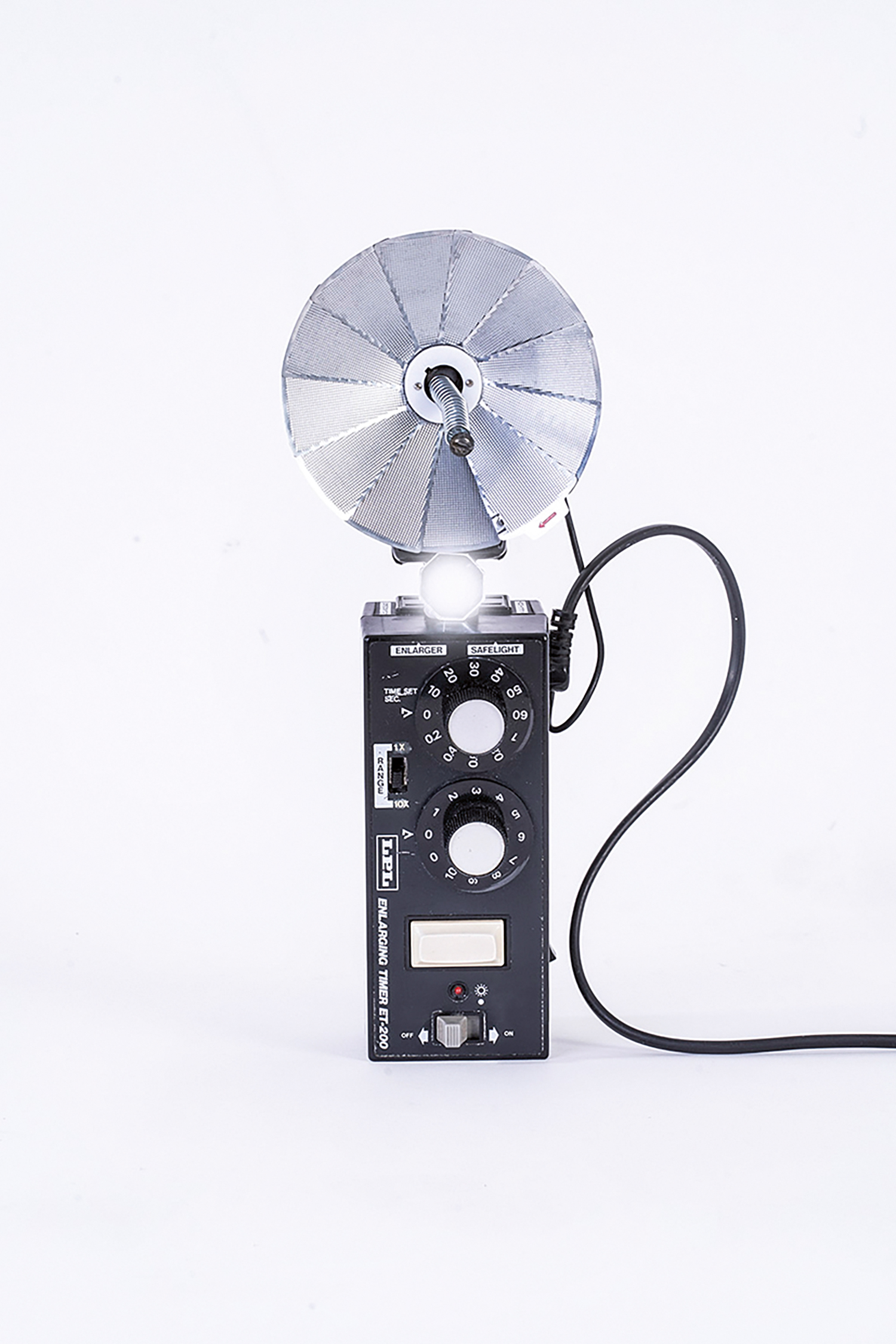
Arendar and Konstantellos’ second photographic approach focuses on espionage kit. Combining technology associated with analogue photography, and research into the collection of the German Spy Museum, the artists have created a catalogue of surveillance tools that might have been used by the KGB in Mexico.
“Photography is a fundamental part of espionage,” says Konstantellos. “It is direct proof that someone entered a house at a particular time, or that an exchange of information took place. Photography is always a secondary character in espionage, and we realised it would be interesting to incorporate the medium itself, to create a kind of meta-project through analogue photography and all its different components.” Set against cold, sterile backdrops in greyscale or dramatic scenes lit through chiaroscuro, these images evoke the political tension, secrecy and anxiety of the time.
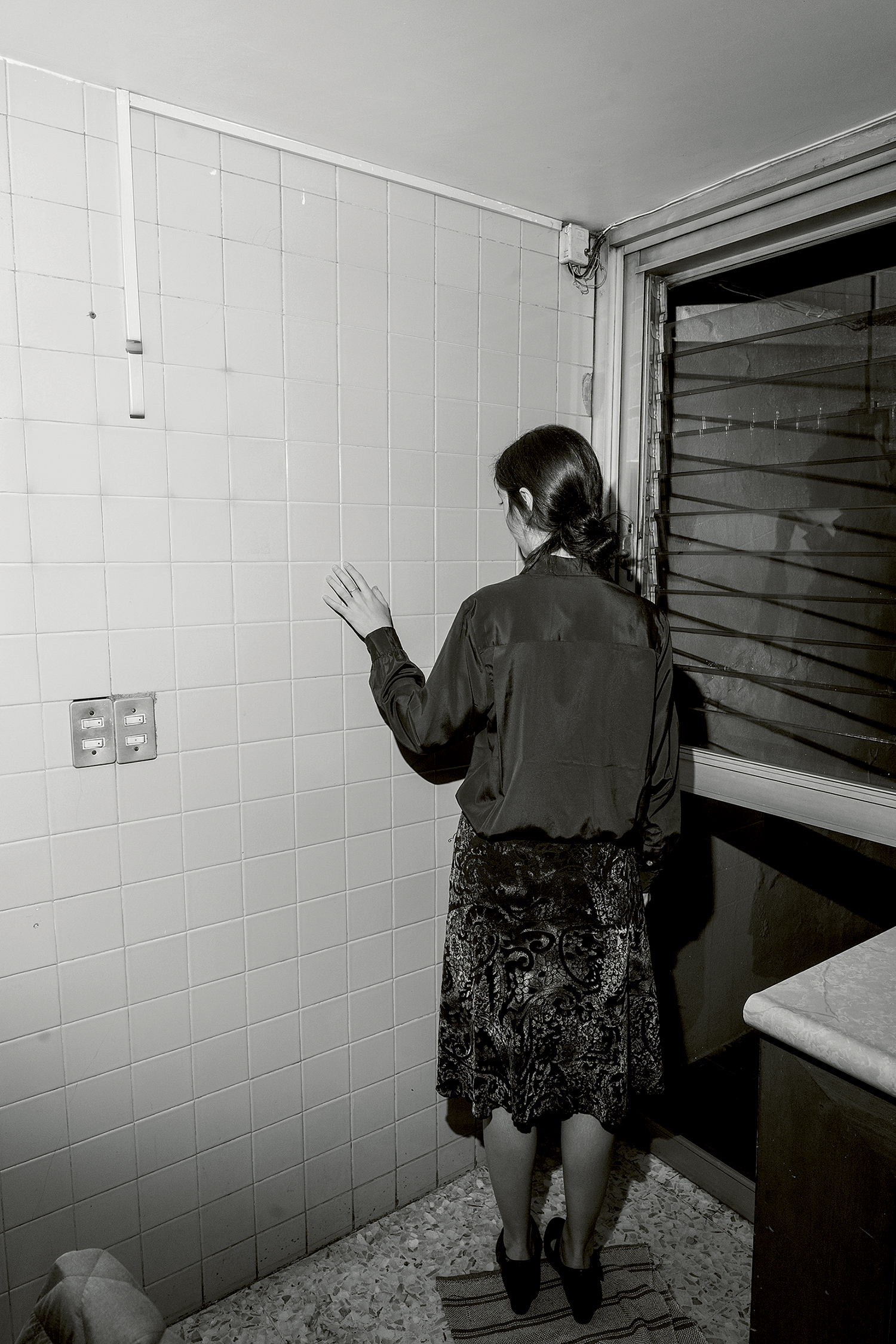
More recently Arendar and Konstantellos have shifted their attention from the most familiar features of espionage – namely gadgets and men. There were also covert networks of intelligence-gathering in Mexico, they point out, within which women worked. “After a pause, we returned to the project and decided to focus on the role of women within this ecosystem,” says Arendar. “We didn’t want to be two women photographing more male spies, as Hollywood has done, so we decided to approach the project through a gender perspective. The structures that made espionage possible included secretaries, receptionists, telephone operators, the wives of diplomats and so on – all roles that remained largely invisible. We call them the unconscious army of espionage.”
Women carrying briefcases, women handling and passing documents, women climbing staircases, women moving files from one place to another, women listening in, women at hairdressing salons, women at home. All but one look away in the images, emphasising the secondary role women have occupied in histories of espionage – but paradoxically casting them as indispensable. After all, the most effective spies are ones you never know about.
“The gradual disappearance of faces accompanies a shift in the project,” the artists explain. “Individual identities cease to be the centre of attention, giving way to a reflection on those anonymous presences that sustain the system from the margins.”
And in this another meta-layer emerges – Arendar and Konstantellos both perform for the camera, and so their authorship disappears. The viewer is left to wonder who is photographing whom. “Our physical resemblance plays into this ambiguity, and we want this uncertainty to be part of the experience of the images,” they explain.
The Dice Was Loaded from the Start reflects on past events but in doing so it also speaks of persisting methods. Konstantellos claims the relevance of these topics nowadays, especially around surveillance. “They still raise the same key questions,” she says. “Espionage is one of the most current issues we’re experiencing, and being able to discuss it from the perspective of the past helps people gain some distance and reflect on it.”
The project also invites us to consider how espionage mutates and morphs, and how we are all implicated in it. In one photograph, two women sit beneath hooded hairdryers, apparently listening intently. This image fictionalises the lives of diplomats’ wives and their possible roles in intelligence, but of course there are parallels with the everyday. “We’ve all gone to the hairdresser and eavesdropped,” smiles Arendar. “You don’t set out to do it, but it has become normal.
“Another example is on the subway. You glance at the person’s phone sitting next to you and see a conversation, then you find out something you shouldn’t have. It is interesting how these small acts very much echo espionage.”
The history of photography has long been accompanied by binaries of fact and fiction. But while photographs are often interpreted in terms of evidence, The Dice Was Loaded from the Start positions them as tools for speculation and reconstruction. Ultimately, it aims to give visual form to histories that the archives cannot fully reveal. Fictionalising these histories does not imply reaching definitive answers, but recognising the unrecorded possibilities of the past. “What’s interesting about fiction is that it also helps us think about future worlds,” say the artists. “In that sense, it helps us to rethink the past to envisage a better future.”BJP