


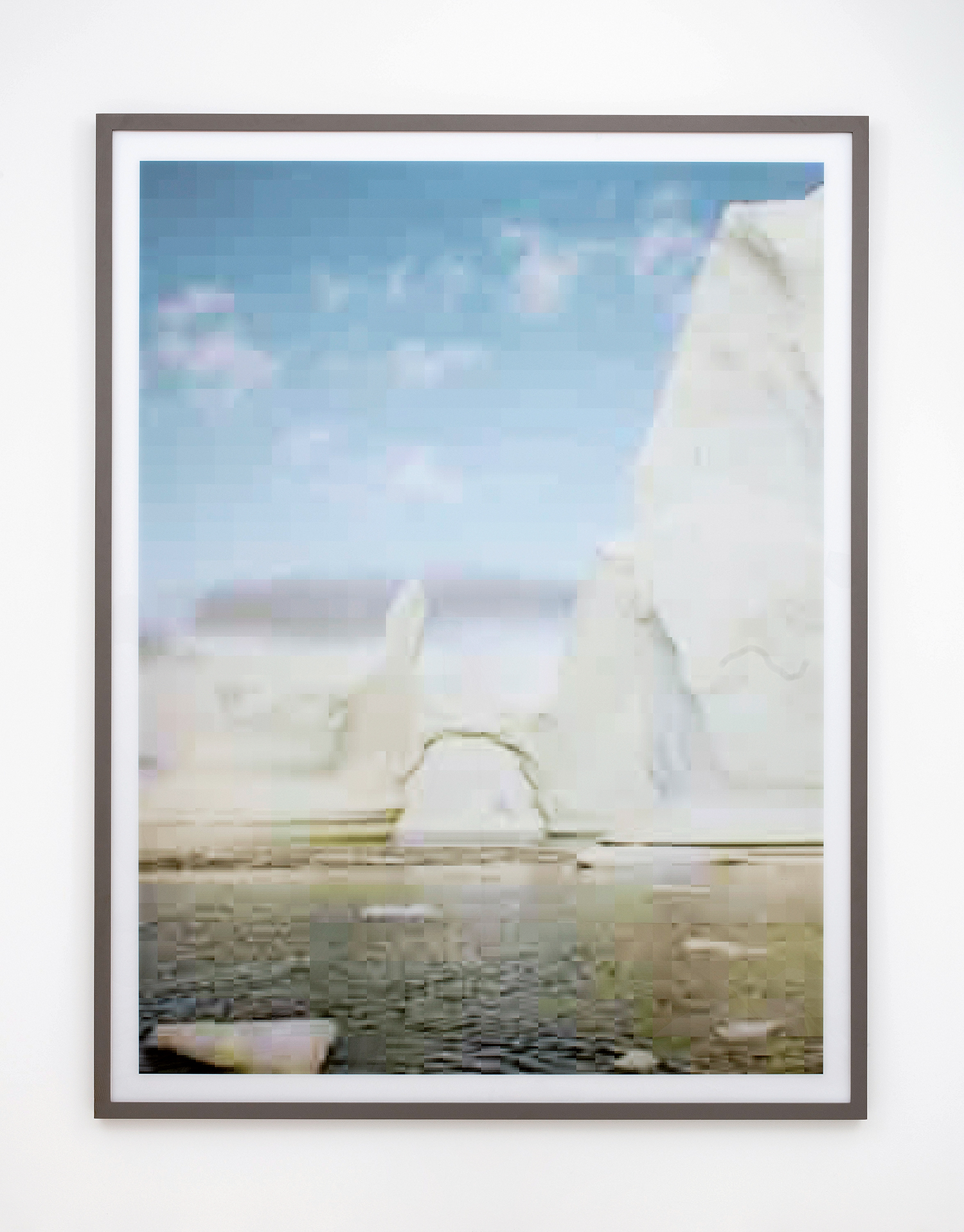
jpeg ib02, 2007 © Thomas Ruff/Artists Rights Society (ARS). Courtesy of New York/VG Bild-Kunst, Germany.
As France marks the bicentennial of photography, Paris Photo considers the history and future of a constantly evolving medium
When was photography invented? France is drawing a line in the sand at 1827 when, between 04 June and 18 July, Nicéphore Niépce fixed an image of the view from a window in his country estate. The nation is celebrating the bicentennial from September 2026 to September 2027 and the first major event in the calendar is Paris Photo; the history and technology of image-making will thread through the fair. “Paris Photo presents a panorama of photography, from the 19th century to the latest experimentations with digital art. This year even more, we will highlight the diversity of photography practices through 200 years of history,” says Florence Bourgeois, director of Paris Photo. “There will be a focus on the historical thread of the medium.”
The fair will feature a retrospective by Thomas Ruff, a contemporary artist renown for his work investigating the nature and technology of photography; his installation will include works from Sterne (‘Stars’, 1989–1992), made with images from the European Southern Observatory, and from Jpegs (2004–2009), pixelated images of landscapes, modern technology and historical events. Florian Ebner and Damarice Amao, from the Centre Pompidou/Musée National d’Art Moderne, have been invited to curate a show on the development of photography, meanwhile, drawing on the institution’s collection with Julie Jones, director of the Maison Européenne de la Photographie. And the booths will include more galleries presenting prints from the early years of image-making.
“We look at the history of photography from a contemporary point of view,” explains Anna Planas, artistic director of Paris Photo. “To mark the bicentenary, our entrance statement will be dedicated to the work of Thomas Ruff, across a wall of nearly 40 meters long at the entrance of the Grand Palais. The installation will highlight Ruff’s engagement with the medium and its evolving technologies offering an exploration of the grammar of photography.”
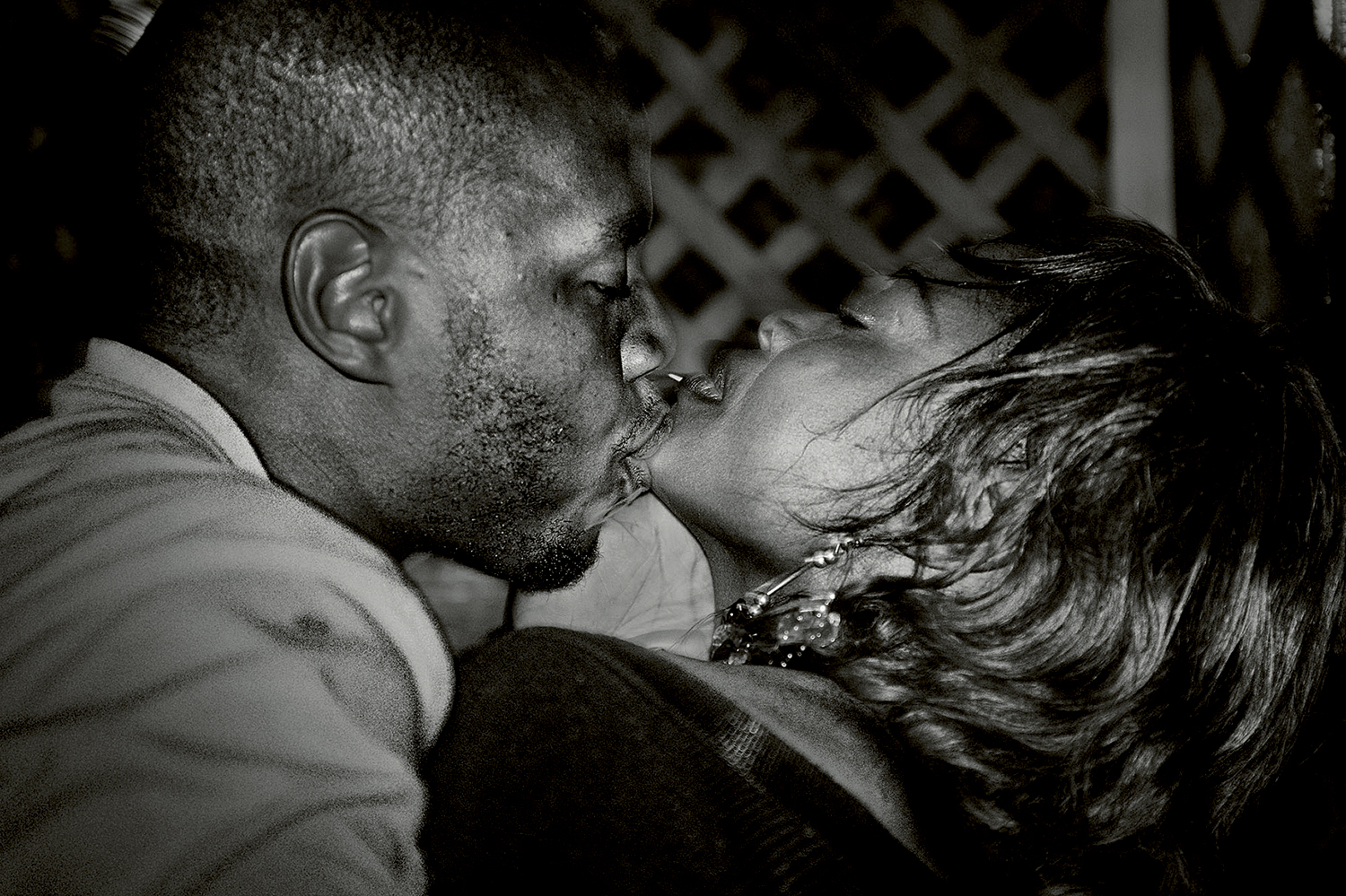
“This year we will welcome galleries and publishers from 38 countries – the fair is becoming more and more open” – Anna Planas
Other presentations will also consider photography as a medium. Galerie Christophe Gaillard is bringing a solo display by Isabelle Le Minh, for example, a contemporary artist who highlights the new properties of digital images; London’s Large Glass “will confront historical work with contemporary in a show where each artist is paired with a historical figure, connected by places of significance or shared themes,” says Planas. The Voices sector, which is curated by Francesco Zanot and Zasha Colah and dedicated to contemporary image-makers, will explore an emerging paradox – conceived as a tool to preserve that which would otherwise vanish, photography is being celebrated just as its traditional form appears unstable, transformed and challenged by processes altering its nature and status.
Titled La Disparition (‘The Disappearance’), Voices will include work by Léonard Pongo, a Belgian-Congolese artist who plays with the limits of visibility. Pongo’s work was presented in the 2026 Venice Biennale and, says Planas, the 2026 Voices curators bring insight into both photography and the contemporary art landscape. “Francesco is a photography curator and researcher,” she explains. “Zasha comes from the contemporary art world. This is something we also really enjoy, opening up to curators from outside photography.”
The Digital sector will be curated by Marco De Mutiis, digital curator at Fotomuseum Winterthur in Switzerland, and editor of the 2025 publication The Lure of the Image. Bringing the medium up to the present day, his selection also draws on a longer history of photography and of digital imaging. “Photography has been a continuously unstable, constantly changing medium,” he says. “And digital has fundamentally transformed it. But there is also a specificity of the image that has formed how we see the world. The Digital sector will include artists who show how photography has changed, from glitches and Photoshop to AI and machine learning, but we will also consider that ongoing history.”
Photography’s roots are in science, positivism and the drive for efficiency, he adds, “and we should always remember that the camera was invented in the time of the Industrial Revolution, a time of an ideology which was powerful in erasing other forms, and which still lies at the root of many neoliberal societies”. But there is also an alternative history of photographs linked with spiritualism, ghosts and the occult, he argues, more esoteric beliefs which are somehow resurfacing now.
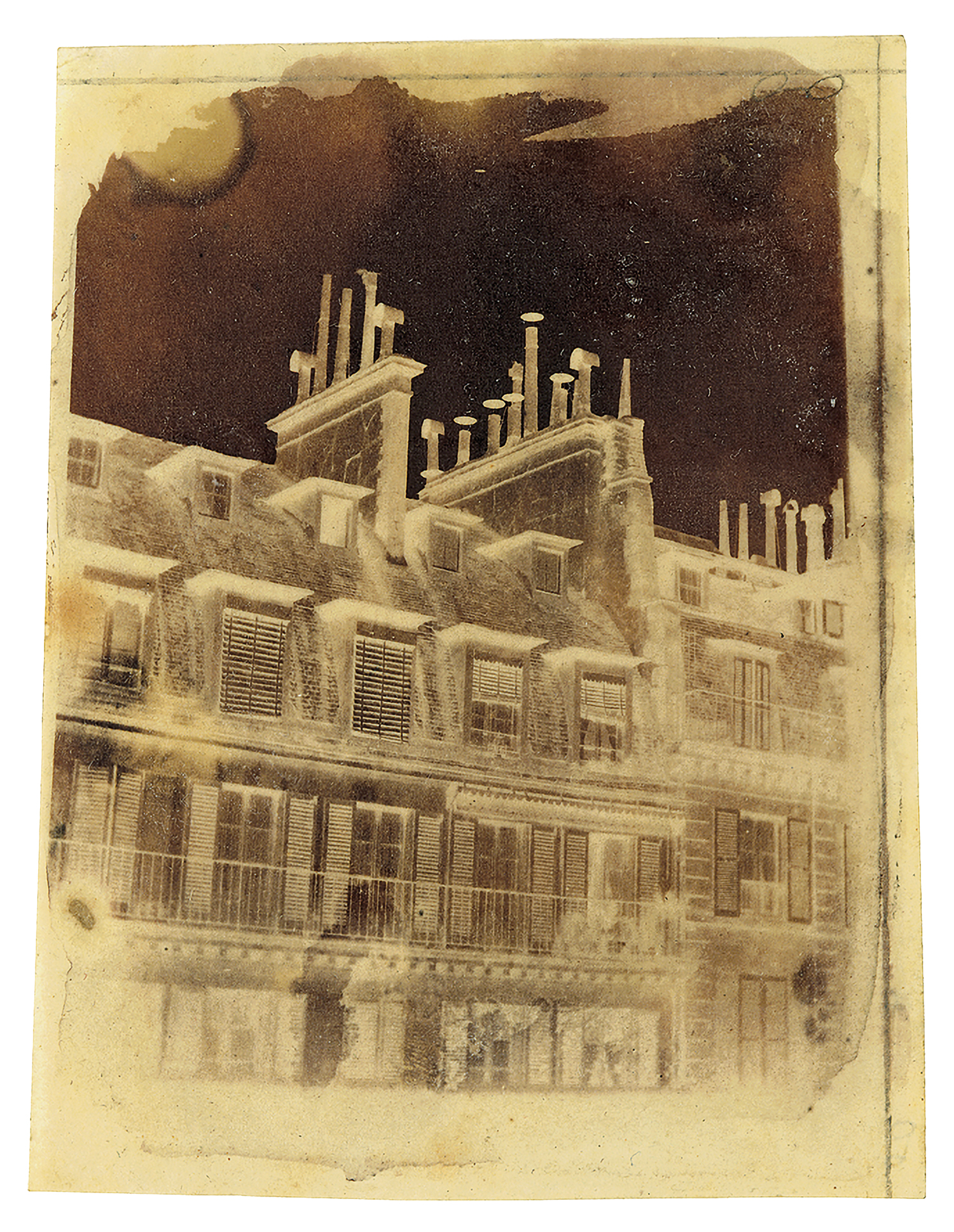
“I have been interested to see many artists now coming back to magic, perhaps as a way to escape the algorithm,” he says. “This algorithm seems to be dictating our lives, so forms that are subjective or embrace mystery and even magic are an escape from that, almost a refuge or resistance to this scientific eye.”
Elsewhere at Paris Photo other alternative histories will also be traced. An association of Argentinian galleries will show how photography developed in the country, for example, with Rolf Art presenting innovative artist Adriana Lestido, and Vasari bringing a group show – after last year devoting its booth to Julio Le Parc, the groundbreaking op artist now showing a major retrospective at Tate Modern.
The Emergence sector will include Randa Mirza, who photographs the south of Lebanon, and shows the destruction caused by Israeli attacks; it will also feature Nicolás Combarro, whose work considers concentration camps and how to depict them, in the absence of historical images. Over in the talks programme, Tina Campt, professor of humanities at Princeton University and author of books such as Listening to Images, and A Black Gaze: Artists Changing How We See, will be in-conversation with South African visual activist and photographer Zanele Muholi.
“We trigger as much diversity as possible,” says Planas. “This year we will welcome galleries and publishers from 38 countries – the fair is becoming more and more open, and the bicentenary may also have an attractive effect to the international community.”
“Through our conversation and book talks programmes, curated paths and specific presentations, we have the will to give a wide vision of photography today,” adds Bourgeois.