


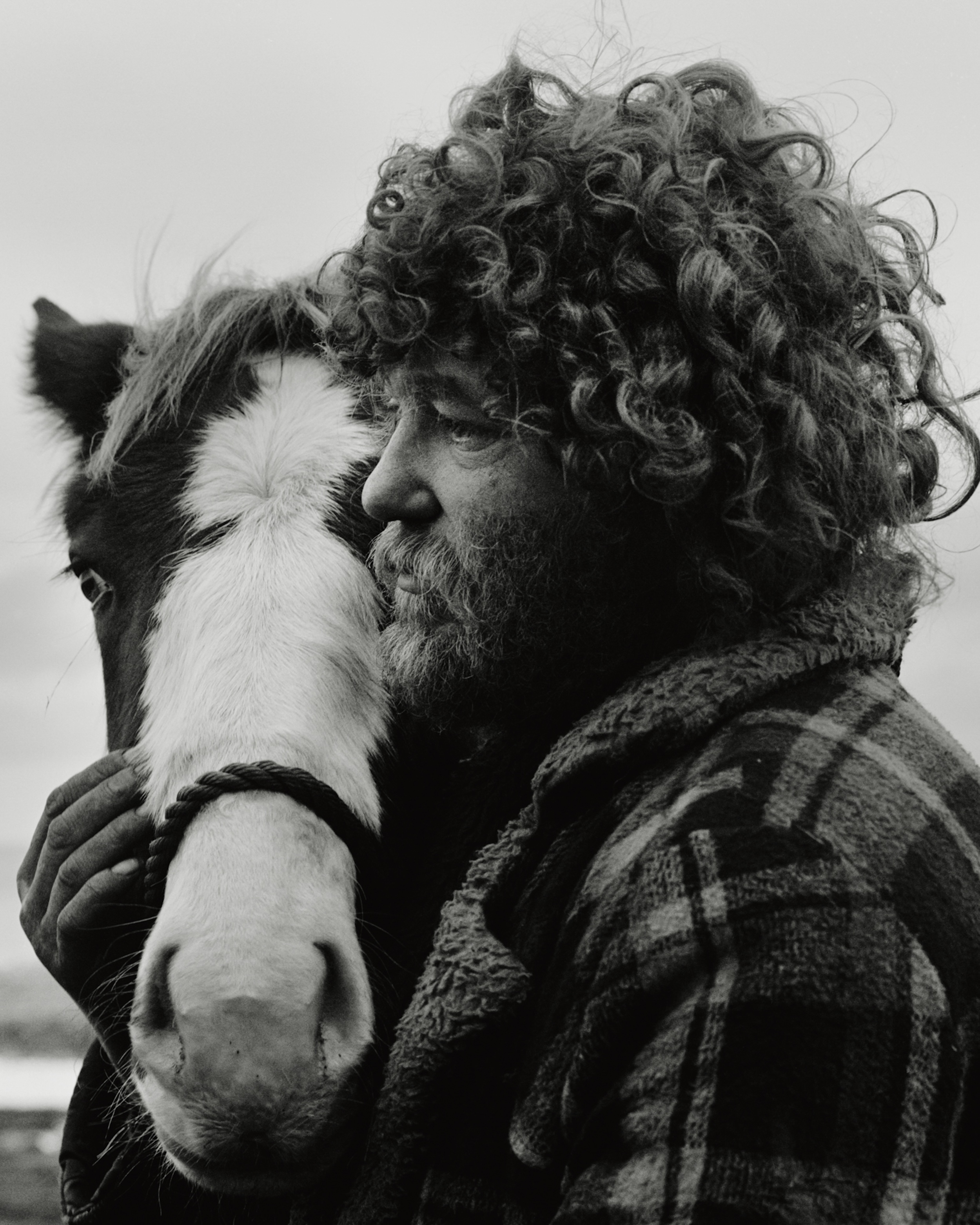
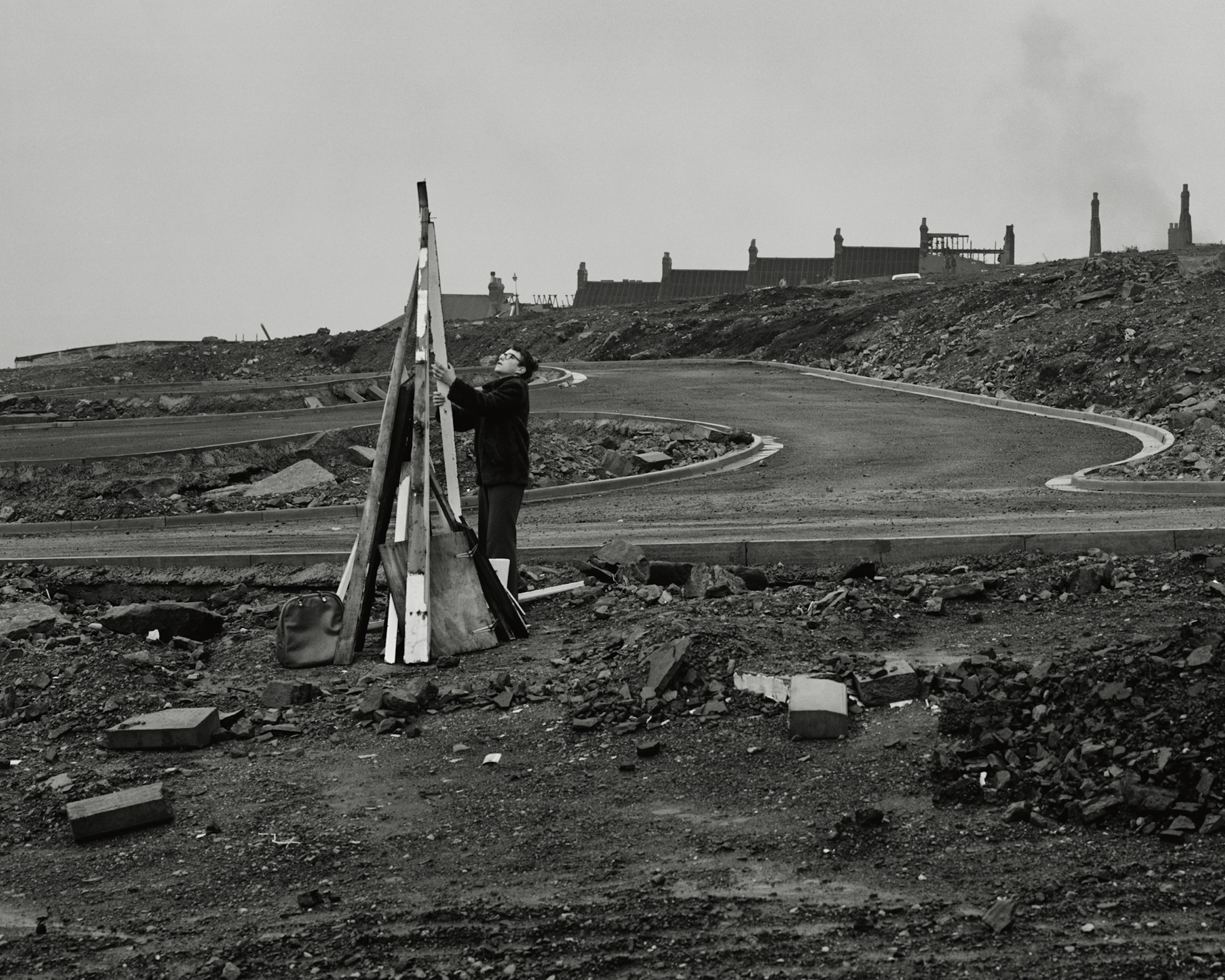
Seacoal beach, Lynemouth, Northumberland, 1983 © Thames & Hudson / Chris Killip Photography Trust / Magnum Photos
“To be given the keys to the archive is a privilege,” says Mark Holborn who, nearly four decades after editing Chris Killip’s seminal In Flagrante, was trusted by Killip’s son Matthew to make a new book of his work, North
When Mark Holborn sat down with a finished copy of North, the book he edited from Chris Killip’s archive, he was surprised. “I got an enormous charge off the book yesterday when I looked at it,” he says. “It’s almost visceral for me.”
He had seen proofs and PDFs throughout its production, but this was the first time he had turned the pages of the physical book before. “It’s like playing an album for the first time. You sit and go from beginning to end.”
There is more at stake here than the completion of another photobook. Holborn first worked with Killip almost four decades ago on In Flagrante, which was published by Secker & Warburg in 1988 and is now regarded as one of the defining photobooks of Britain’s post-industrial era. Killip died in 2020, so it was his son, Matthew, who gave Holborn full access to the archive – including photographs the editor had never seen, alongside those he has known for most of his adult life.
“For this one, I have a sort of duty,” Holborn tells me in a video call. “Killip is not here. To be given the keys to the archive is a privilege, which I have to qualify. I want to do him justice. This is not about the projection of my own fantasy of the North. It’s about my loyalty to him.”
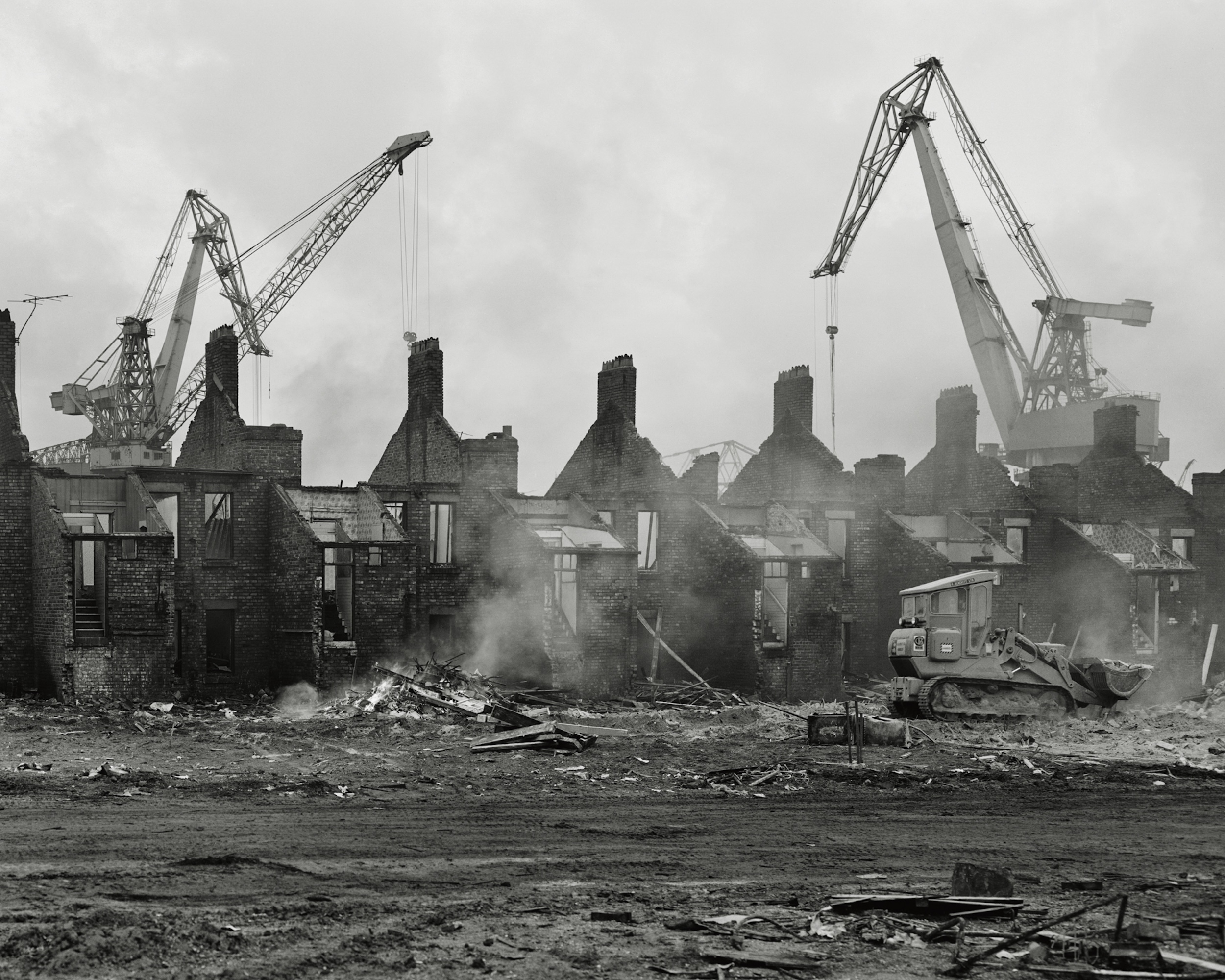
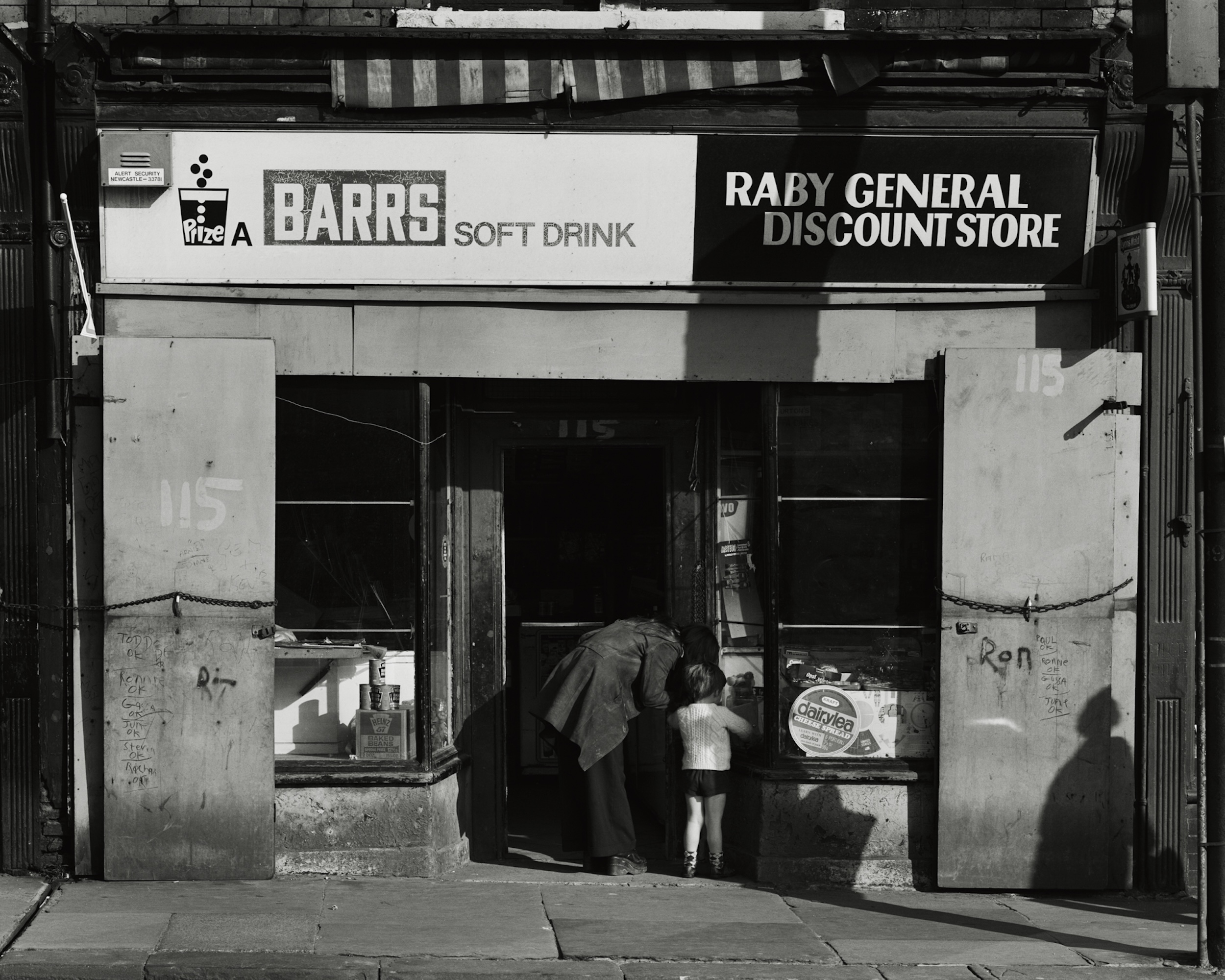
“The first thing you see in the photographs is that they’re remarkably elegant. Their elegance is almost in contrast to their subject matter.” Mark Holborn
North, published by Thames & Hudson, is neither a conventional retrospective nor a collection of Killip’s greatest hits. Comprising 224 photographs, many previously unpublished, it follows a single extended sequence.
It also comes less than four years after the publisher’s Chris Killip 1946–2020, which was conceived in conjunction with an international touring exhibition and organised around the breadth of Killip’s individual projects. Holborn says that book, which provides a definitive account of the photographer’s life and work, “will serve historians well in the future”. But his own editorial principle is almost its inverse.
“I was trying to find a structure that could contain a single flowing narrative,” he says, “because that is what interests me and that is the way I work.”
Project boundaries dissolve in consequence. Seacoal, Skinningrove, Huddersfield and photographs made across the North East meet within the same flow, while the main body of work is framed unexpectedly by early photographs from Killip’s native Isle of Man, and later images of pilgrimages at Croagh Patrick and Máméan in Ireland – what Holborn calls “stepping stones or border crossings” into and out of the sequence.
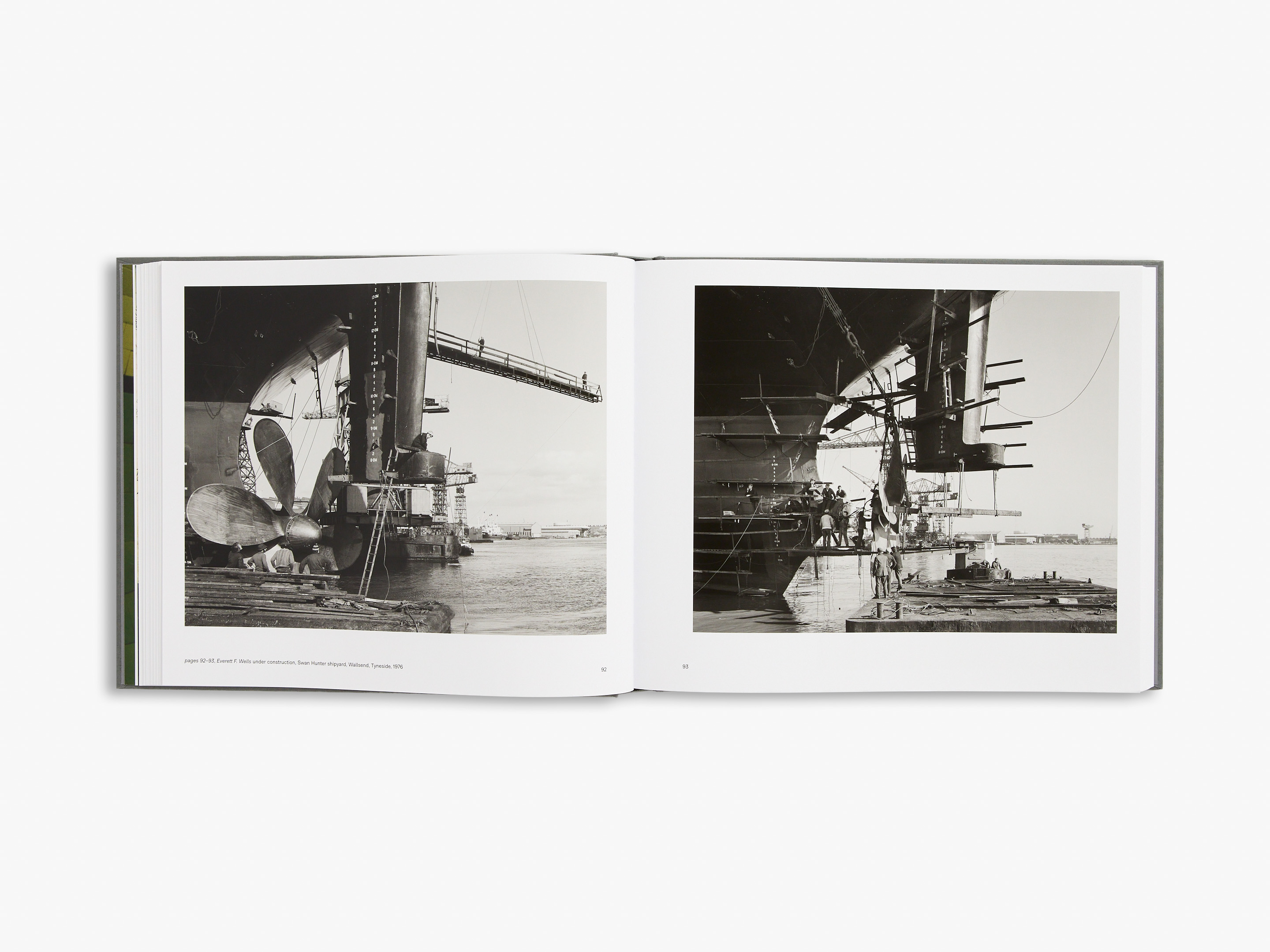
Bad editing jars, often imperceptibly, whereas good editing goes almost unnoticed. North takes us back in time to view not just what Killip saw, but what he discerned. The effect is a kind of magical sense-making. Holborn’s astute grasp of Killip’s work, together with the magic he brings to placing pictures together – pairs working in harmony, setting each other off, building a sequence to achieve a poetic coherence – allows us to become fully absorbed within the mind’s eye of the photographer.
Many darlings are killed along the way. Individual images give way to the whole. And while North never betters the concise, angry dignity of In Flagrante, it uses its 300 pages to convey Killip’s slow determination to map the margins – between city and country, the sea and land, industrial past and uncertain future – and his connection to the people caught in between.
The sequence also brings terrain to the fore. Killip is celebrated for the intensity of his encounters with people – children and teenagers, shipyard workers, fishing communities, families gathering sea coal from the beach at Lynemouth – but North makes clearer the continuity of the landscape around them. Streets and housing estates, beaches, shipyards and industrial structures cease to be backgrounds; people and place become part of the same historical description.
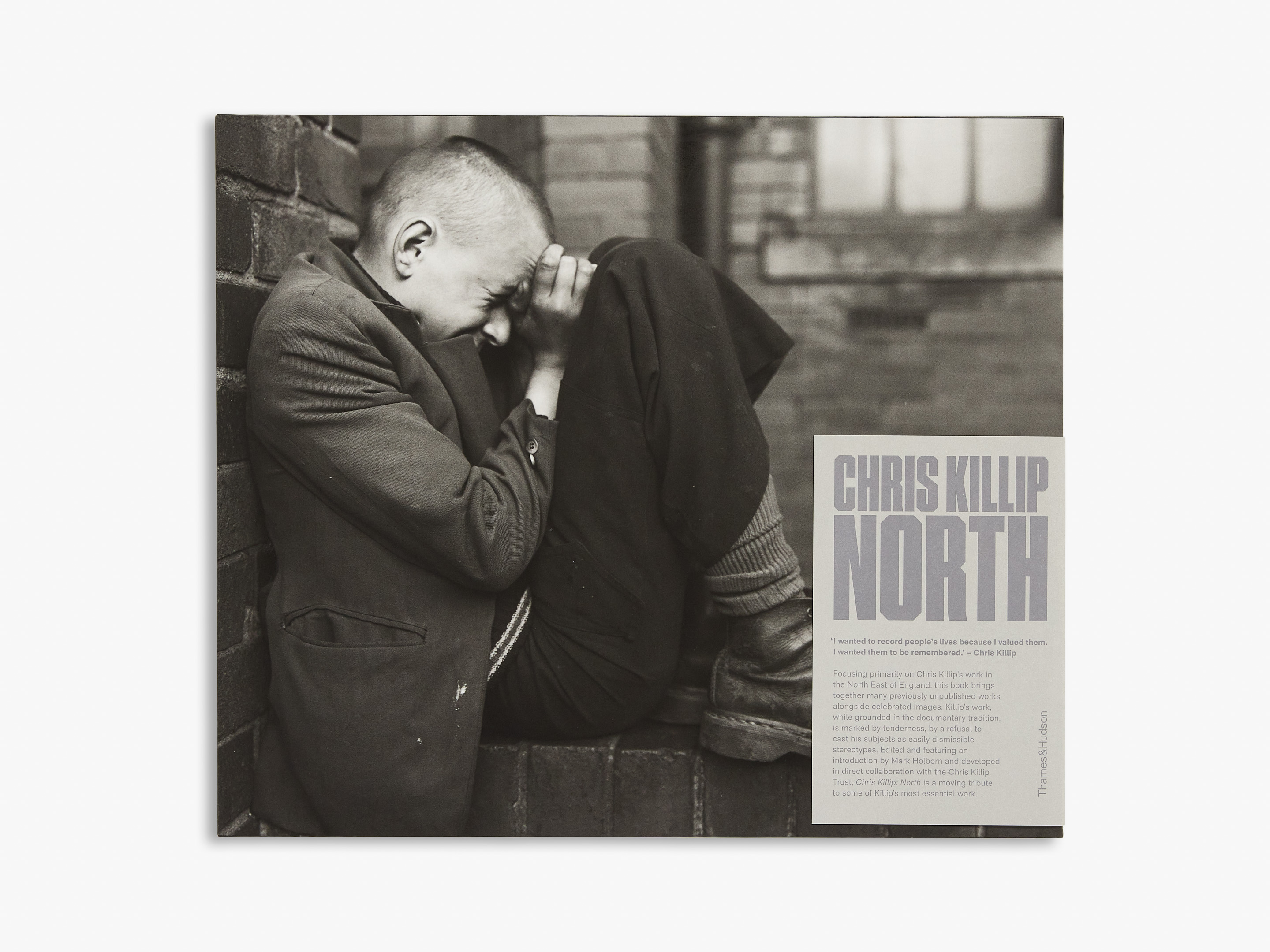
Holborn deliberately avoided many of Killip’s best-known pictures. “I was chasing something else, something altogether different,” he says. “I didn’t want this book to look like something you had seen before.” Only three photographs from In Flagrante appear, towards the end. “The inclusion of those three pictures was a huge concession on my part to what had come before.” One, Killip’s celebrated image of a boy on a wall in Jarrow, becomes “a coda of sorts”. There is, as Holborn writes in North, “both continuity and departure”
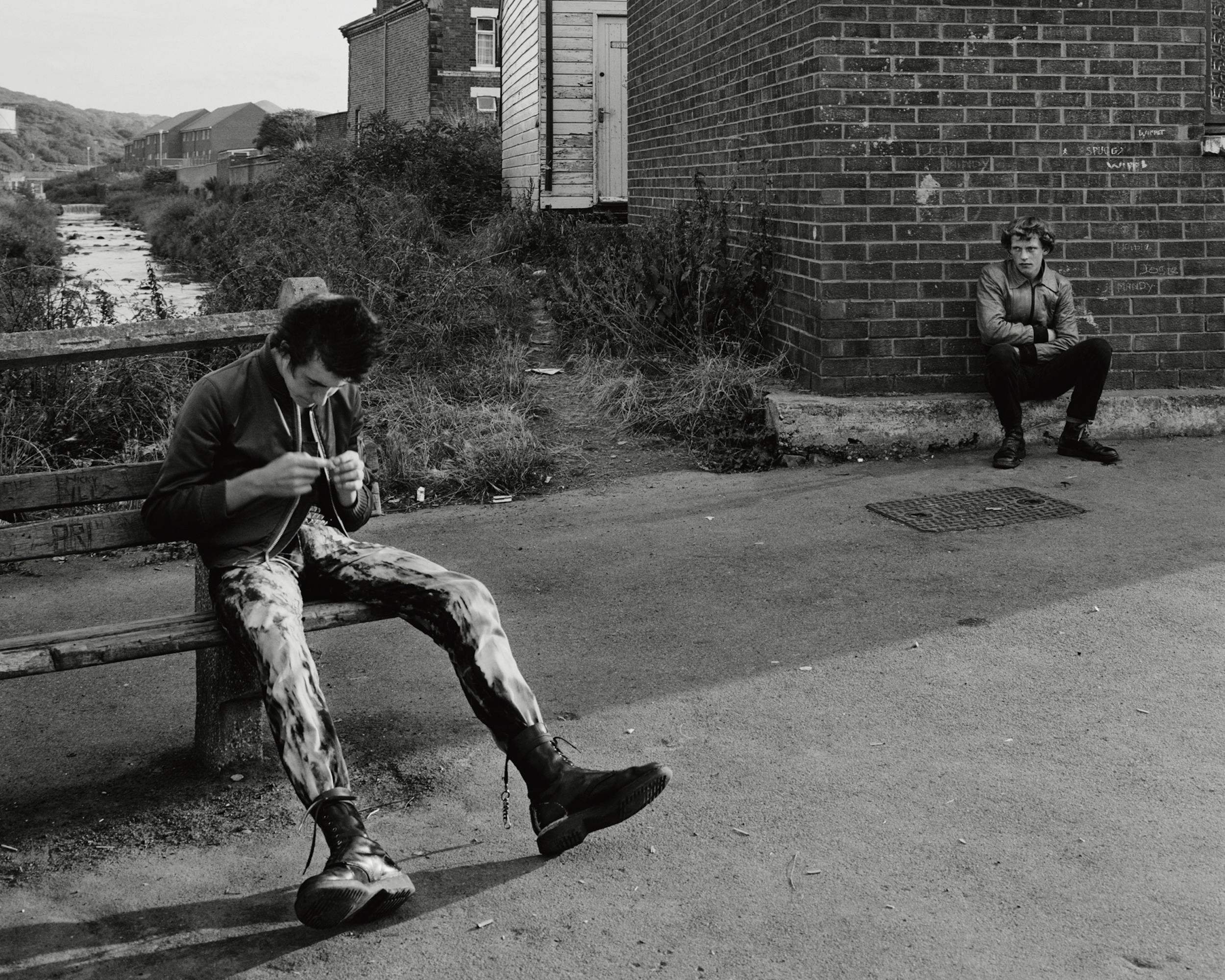
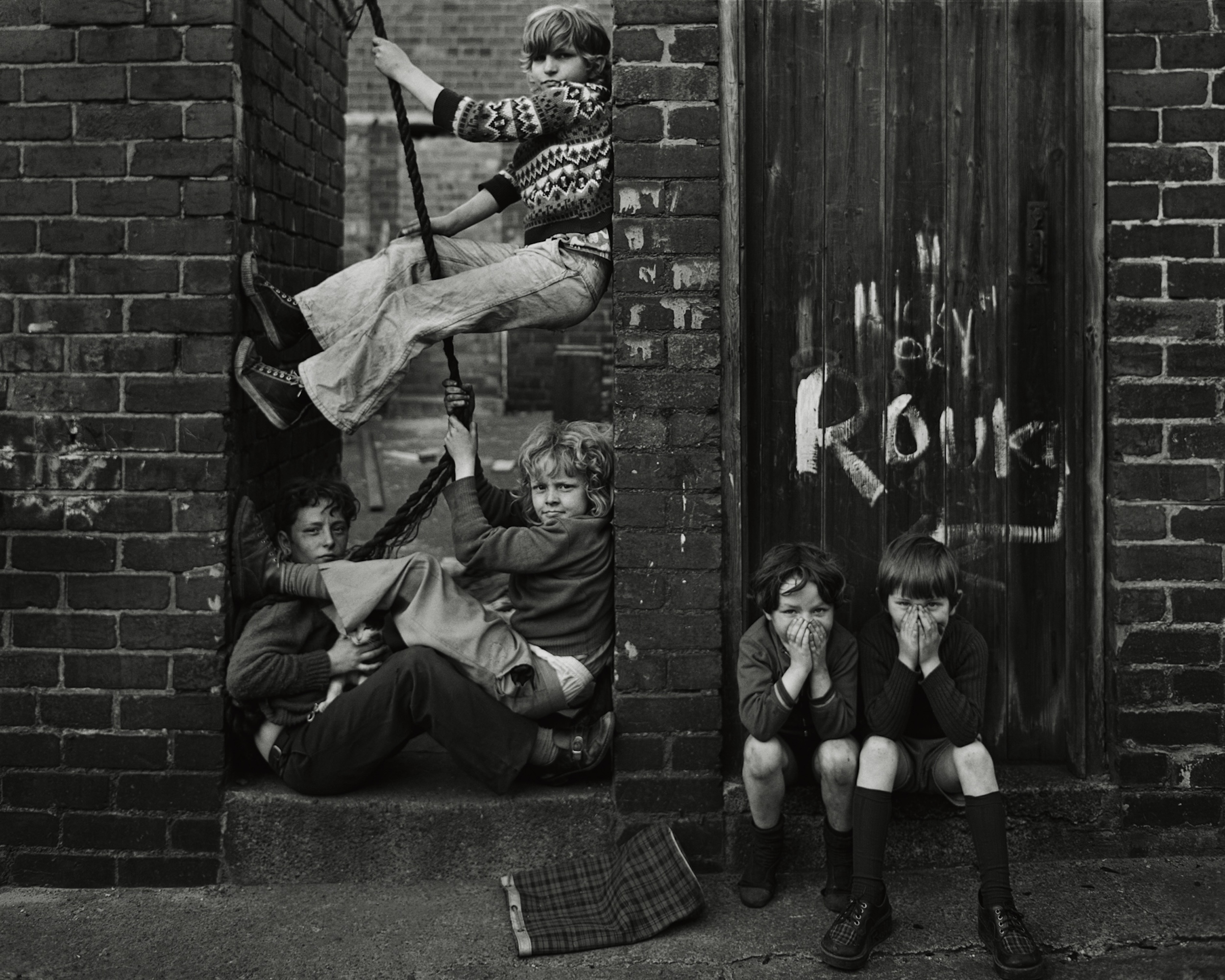
Such decisions place unusual emphasis on the editor, a role Holborn has occupied for more than four decades but which, when In Flagrante was made, was yet to be clearly defined. He began at Creative Camera before moving to New York in the early 1980s to work at Aperture, an experience which immersed him in a photographic culture operating on a different scale to Britain. His subsequent career has encompassed long collaborations with Don McCullin and Daido Moriyama; major projects involving the archives of Larry Burrows, Lennart Nilsson and NASA; and books with artists such as Lucian Freud. In America, he worked with figures including William Eggleston, Lee Friedlander, Richard Avedon and Irving Penn.
Most significantly for the Killip story, at Aperture he helped bring Nan Goldin’s The Ballad of Sexual Dependency into publication. “Nan was raw, authentic, and so it seemed to me totally obvious to publish The Ballad of Sexual Dependency,” he says. He adds that working with Killip seemed equally obvious.
The feeling was mutual. When David Godwin at Secker & Warburg offered Killip the opportunity to make a book – following his 1985 exhibition with Graham Smith, Another Country at the Serpentine – Killip specifically requested Holborn as editor. He later recalled that Holborn’s experience at Aperture, and his exposure to the best contemporary photography being published internationally, offered something he felt removed from, living in Newcastle.
Aperture “was a very good place to serve an apprenticeship”, Hoborn says. “I could bring that back, in a sense, which is one of the reasons I started to work with Killip. I think he was attracted to some sense of internationalism that I might have brought with me.”
Holborn had already tested some of the ideas that would shape In Flagrante. In 1986 he published Killip’s Seacoal photographs in Aperture magazine, running them across the gutter and giving them maximum height. “I loved the impact of the scale,” he recalls.
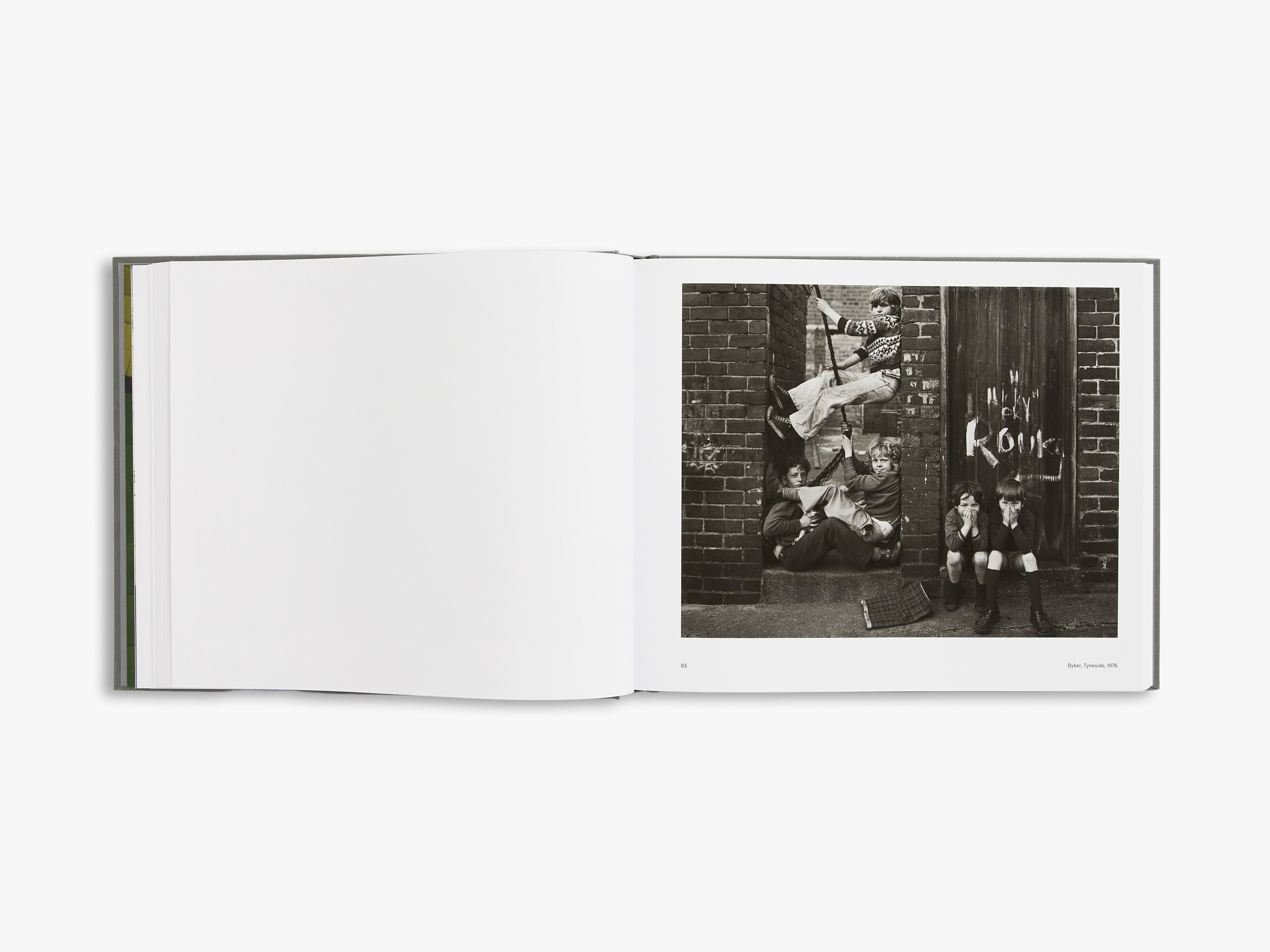
For In Flagrante, Killip arrived at Holborn’s London home with work prints and a preliminary dummy. They abandoned the dummy and began again, laying the pictures across the floor; Holborn subsequently constructed another dummy on his kitchen table using prints, card and tape. His description of their respective roles is disarmingly simple: “He was an artist. He made pictures. I absorbed them and arranged them.”
“Arranged” understates the intervention. The vertical format was Holborn’s decision; he resisted a large horizontal book because he feared it would resemble a “refined portfolio” (as Steidl would do nearly 30 years later with In Flagrante Two), in abrupt contrast to the photographs themselves. Instead, images frequently ran across the gutter.
“A portfolio of good pictures doesn’t have the right voltage,” Holborn says. “This is an angry book. It’s savage.” A contemporary Time Out review complained about the gutter running through Killip’s photographs. Holborn remains unapologetic: “Well, of course we did. That was very purposeful. It benefits from the scale, and the gutter serves it. It’s an attack; an assault on the images themselves. Without it, the book would be docile.”
For Holborn, editing a photobook is closer to editing film than arranging a portfolio. A sequence should become “cumulatively emotional”, controlling the reader’s experience of time, he says. “You move fast-forward, and you pause, and you slow down, and you accelerate… The looking at the book has its own time.”
Four decades on, what Holborn sees in Killip’s individual pictures is a similar tension between form and content. “The first thing you see in the photographs is that they’re remarkably elegant,” he says. “Their elegance is almost in contrast to their subject matter.”
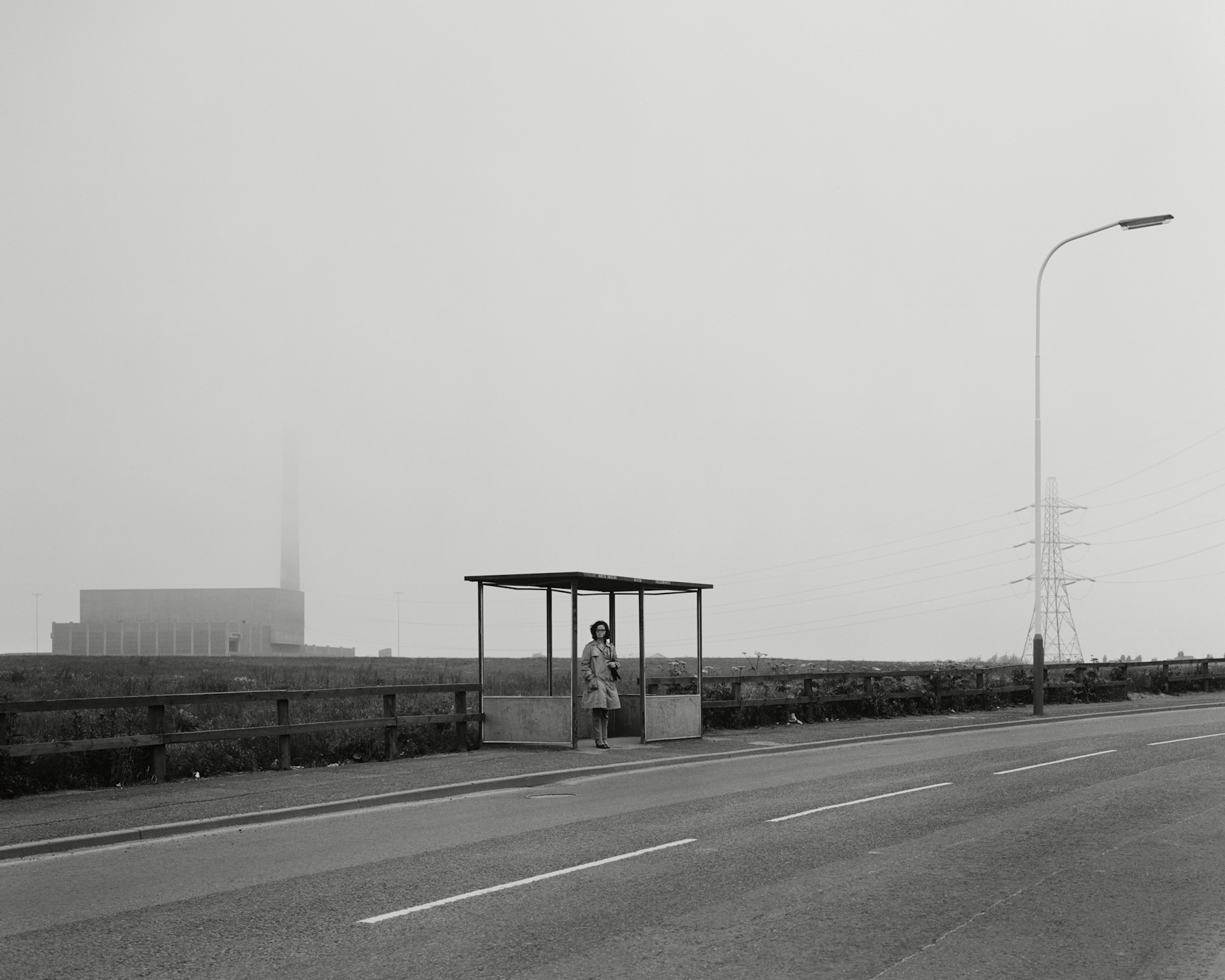
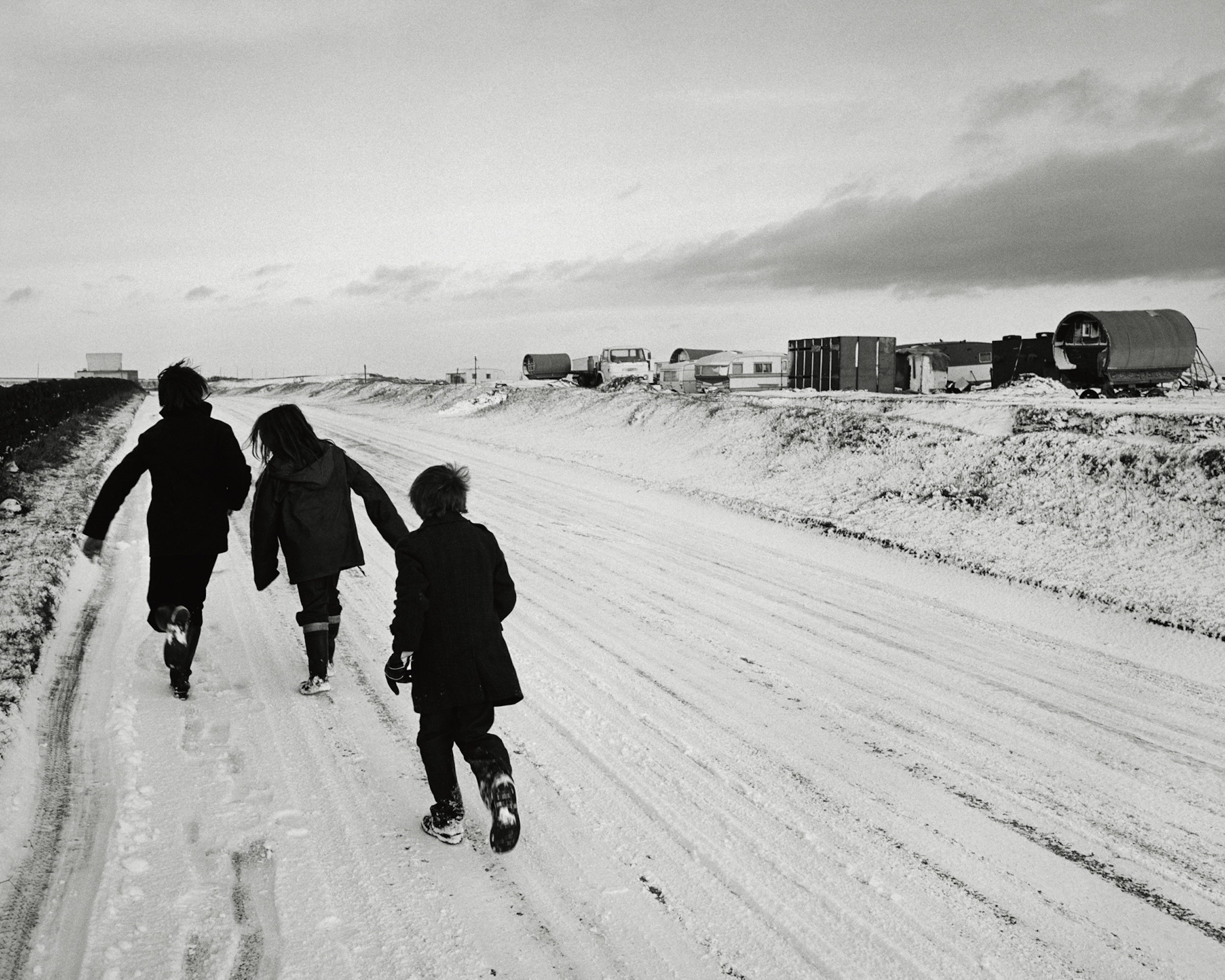
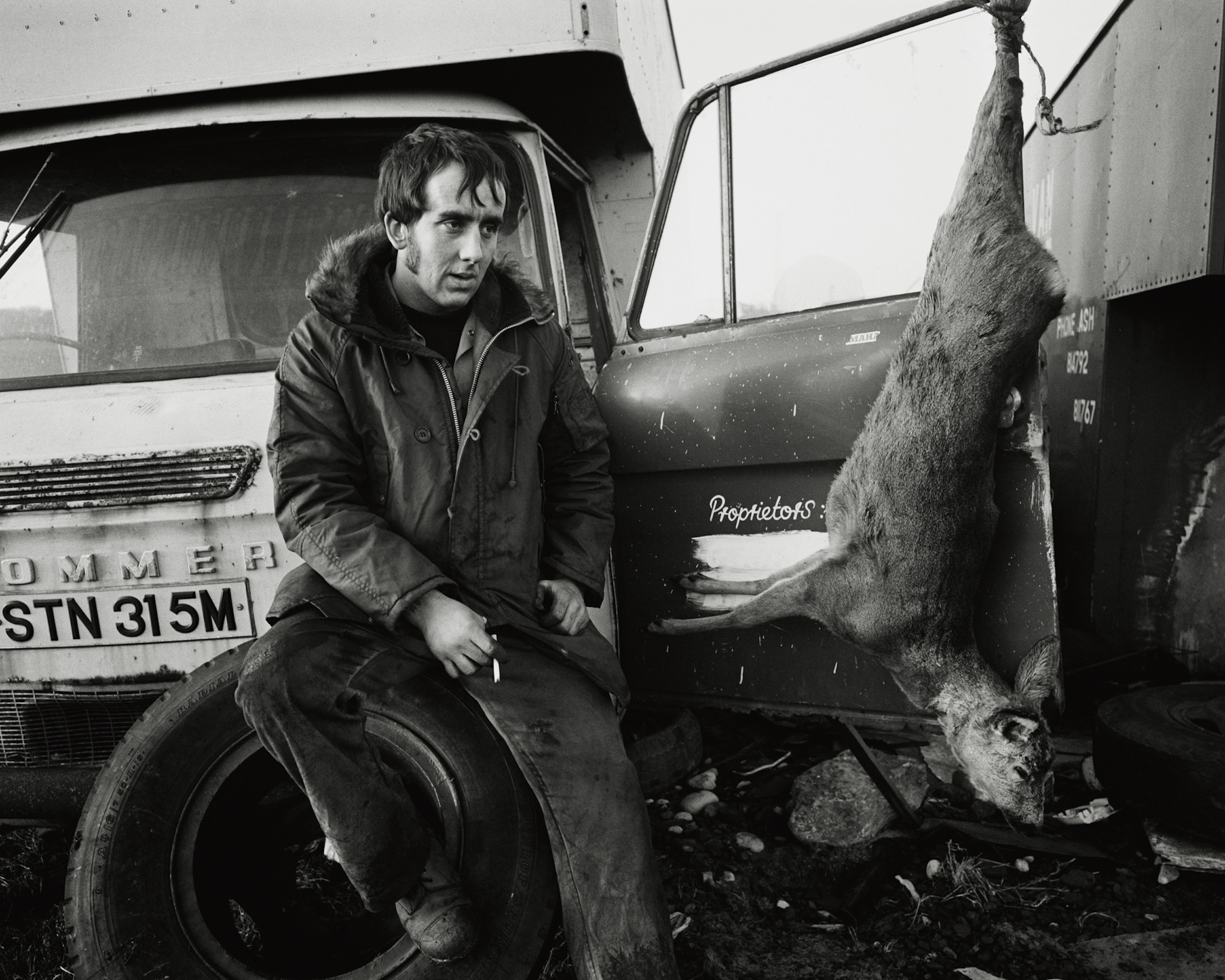
Killip’s slowly measured, formally controlled photographs possess what Holborn describes in North as a “pictorial grace”, sometimes so pronounced that it almost contradicts the stark reality being depicted. Yet what strikes Holborn equally is their tenderness. “It’s a very brutal world, and within this brutal world there are remarkable scenes of tenderness,” he points out. Children are held and embraced; dogs and puppies are handled affectionately; horses on the sea-coal beach are more than beasts of burden. “There is great picture-making, but within those pictures there is enormous humanity.”
That humanity complicates the familiar shorthand of Killip as a photographer of Thatcher’s Britain. The central photographs in North begin in 1975 and were made under Labour and Conservative governments alike; to reduce them to opposition to Conservative power, Holborn writes, is “far too simplistic”. What Killip was witnessing was a larger, more fundamental historical transformation.
“He was photographing a world that was passing as he photographed it,” Holborn says. “It was a world in transition, and the old world was decaying and collapsing all around.” The difference is that Killip and the original audience for In Flagrante were still living inside that transition. “At the time Killip was making it, he sensed it, but it was still there,” Holborn says. “Now it’s gone.”
Time has therefore altered the images as much as it has the places they describe. Holborn realised while working on North that the distance separating a young reader today from Killip’s North East is roughly equivalent to that separating the 1980s from the Second World War. Photographs that once described an unfolding present have become historical evidence, and some have moved beyond photographic history into collective memory; “When someone wants to find imagery of the north of England in the late 20th century, they will turn to Killip.”
North is an attempt to defamiliarise that familiar body of work – to return to the archive, remove many of the pictures through which Killip has come to be known, and construct another route through the landscape he photographed. Holborn describes the relationship between photographer and editor as a process of “osmosis”, in which each gradually absorbs the sensibility of the other. With Killip no longer present to approve or reject his choices, that relationship now depends on something more elusive.
“I’ve made a living with my eyes,” Holborn says. “How to look is how I’ve made my living for the last 40 or 50 years. I have to trust that.”
Chris Killip: North is edited by Mark Holborn and published by Thames & Hudson, priced £75 www.thamesandhudson.com