

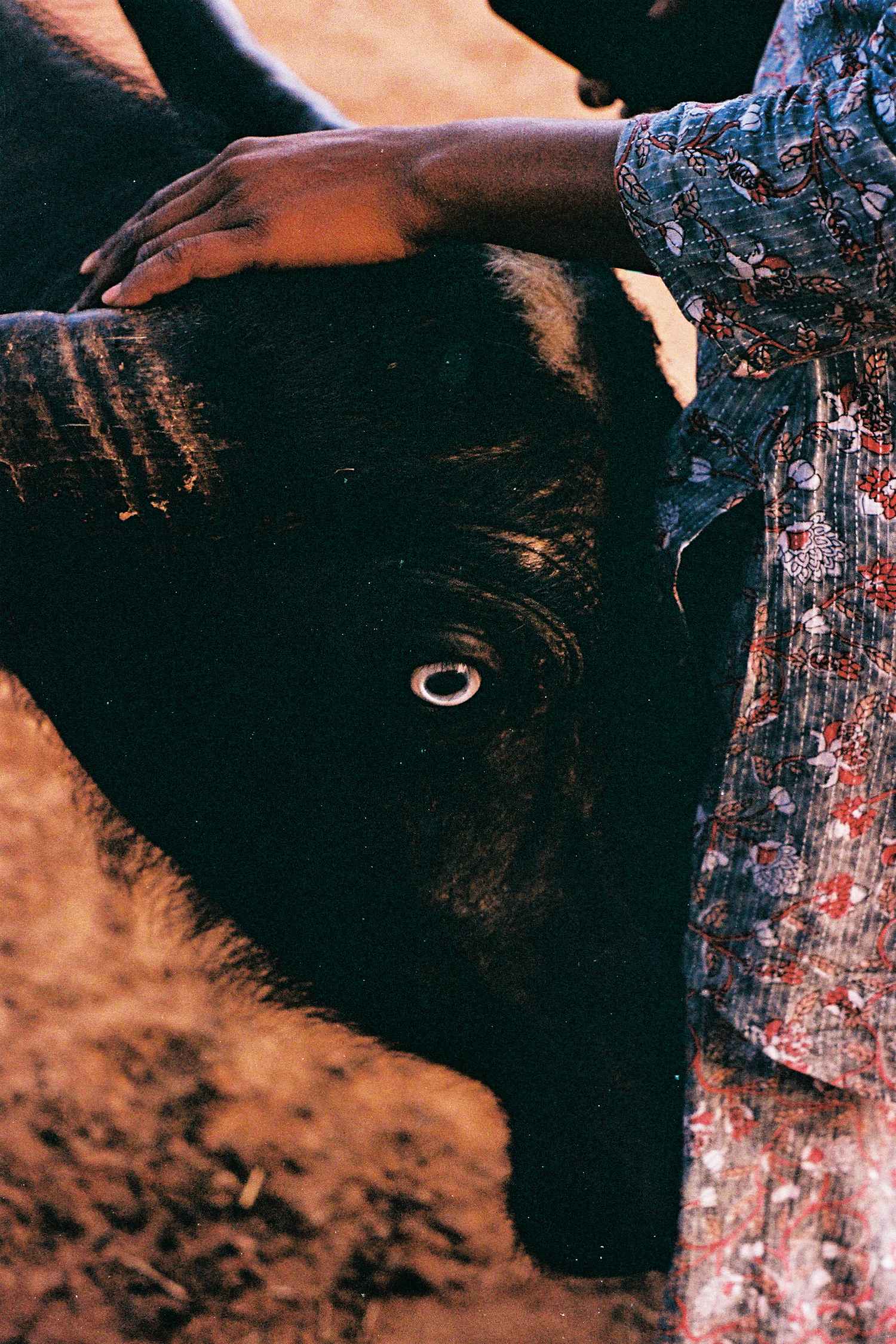
All images © Jaisingh Nageswaran
Every year, BJP publishes its Ones to Watch issue – our selection of the artists who epitomise the talent and creativity in international photography today, as nominated by a global network of curators, editors, and artists.
As we finalise this year’s list, to be published in Issue 7926, out this June, we’re revisiting the 2025 Ones to Watch. Today, Jaisingh Nageswaran, as nominated by Abhishek Khedekar.
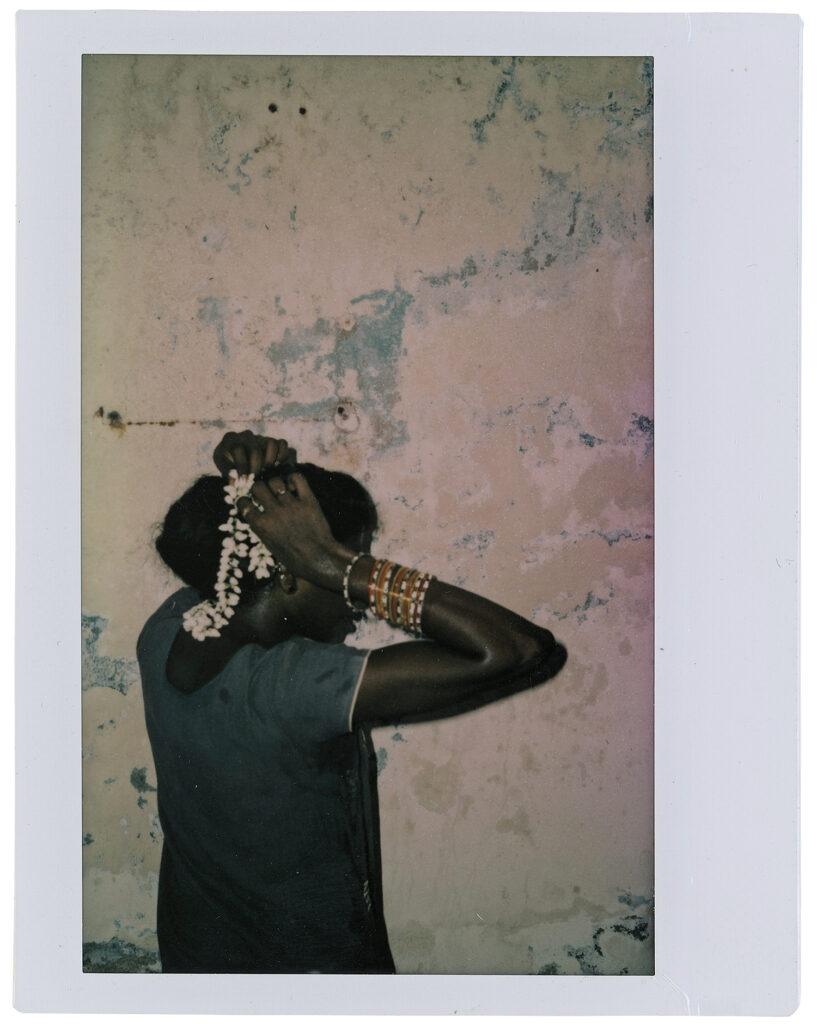
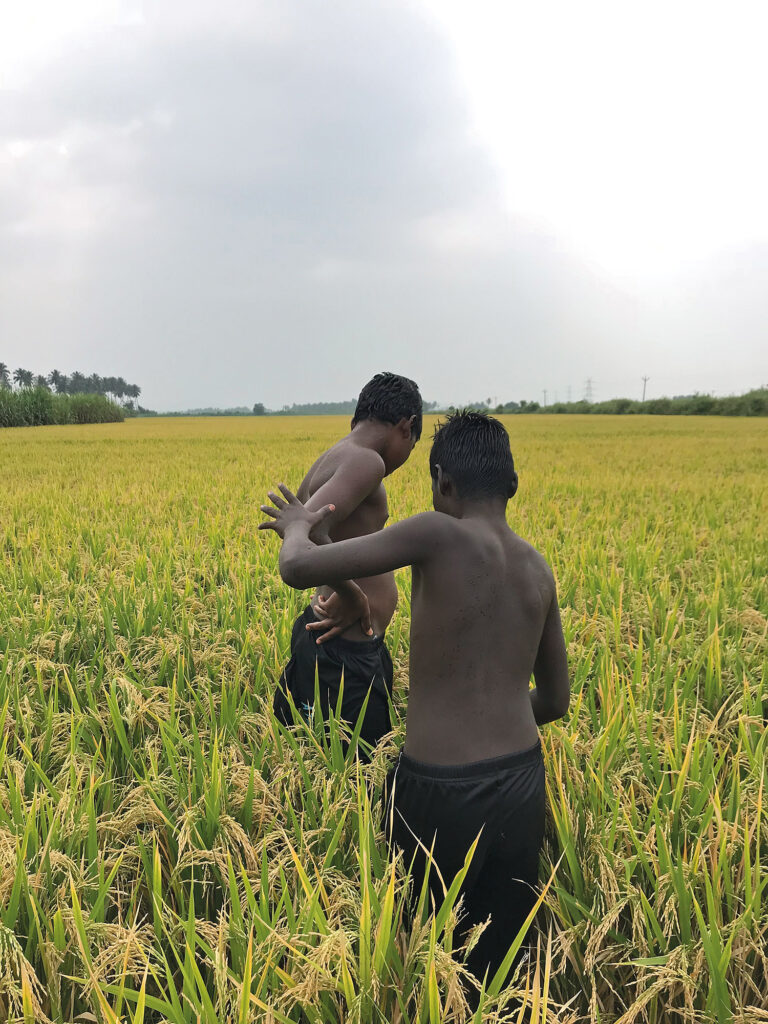
Born in rural Tamil Nadu, India, Jaisingh Nageswaran is a self-taught image-maker whose practice centres around questions of place and identity. Truth Dream, an early project he contributed to, depicts older members of the trans community in portrait studios, acting out their fantasy lives; The Lodge shows transgender and cross-dressing individuals in Tamil Nadu, shot on Polaroid so that each one could trust the process. Down by the River: Mullai Periyar revisits childhood memories and celebrates life by the river that Nageswaran grew up alongside. The Land That is No More shows his homeland in nostalgic black-and-white. I Feel Like a Fish is an innovative mix of mobile phone images, text and wet-plate collodion, and speaks of four generations of family history and resilience – it was made during lockdown, when Nageswaran felt compelled to look inward and document personal stories.
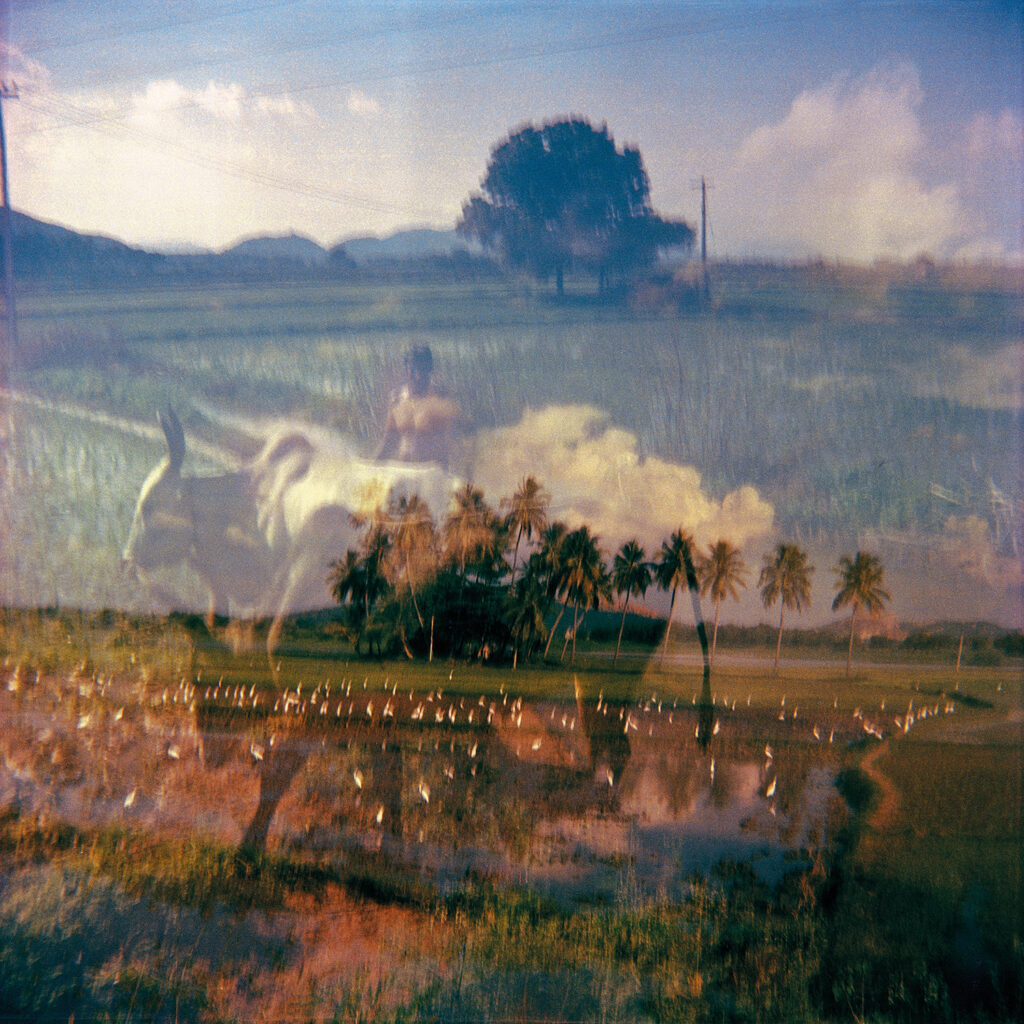
More recently, Nageswaran has turned the camera on himself and his homeland in Lizard’s Tail, which combines images into double exposures that suggest how memories mix and blend. “I’m always pushing my boundaries to change my aesthetics,” he explains. “Every story is different, so I want to use particular formats to tell particular stories. For Lizard’s Tail I wanted to slow down, to use analogue square format, not shoot 10,000 digital images. It’s almost 80 per cent done and I want to turn it into a book – I learnt about photography from the classic French and Japanese photobooks, so I always want to turn my projects into books.”
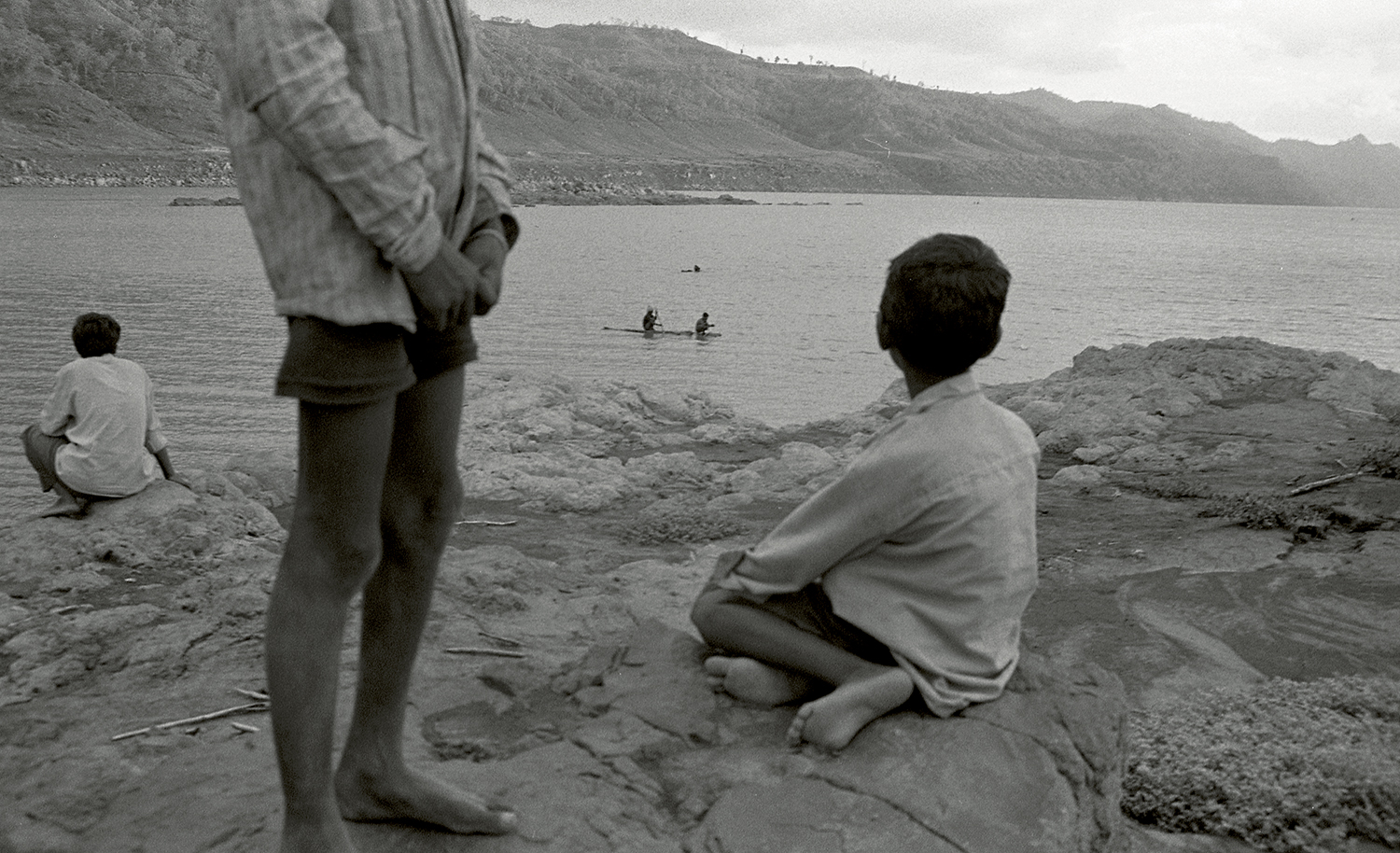
“I’m always pushing my boundaries to change my aesthetics. Every story is different, so I want to use particular formats to tell particular stories” – Jaisingh Nageswaran
Nageswaran holds an MA in mass communication studies but, discovering art-house films on campus, was drawn to making images as a mode of expression. Previously he had struggled in school, unsupported with his dyslexia and very shy as a result; shooting through intuition alone, he pursued photography as a hobby until a friend saw his work and declared him an artist. He was sufficiently encouraged to move to Mumbai, where he worked as a photographer and cinematographer in the Bollywood film studios. But his personal work “is my strength” so he kept making it, eventually hearing about the trans community back home and returning to make his own series.
His Dalit identity informs his practice; the ‘lowest’ caste in India, the Dalit story “is always told by others, and always shows us as victims and poor,” he says. Nageswaran highlights the injustices but also wants to tell other stories, to reframe the narrative in India and beyond. “I was inspired by Black history and Gordon Parks,” he says. “Parks said he chose a camera as his ‘weapon’ over a gun or knife, and this put me on a very straight path. At the beginning of my career I was always away from home, and this was very uncomfortable, but I felt like I was on my course. You google ‘Dalit’ and it’s always about pain and death, but I know people like my grandmother, who started a school. I wanted to work and reclaim.”
Nageswaran has been working for 25 years and has “sacrificed a lot over a long period of time” to establish himself; photography is very expensive, he points out, and there is little tradition of funding photography in India. He has prevailed by taking commercial work, as in his Bollywood career, and more recently by winning commissions from the Museum of Art & Photography in Bengaluru – which is privately owned, and the first of its kind in the country. He has also been supported by the Magnum Foundation and Angkor Photo Festival, and by mentors such as Sohrab Hura. Over the last few years things have become easier, he says, and he has been able to explore curation, organising an exhibition of work by 12 lens-based artists from Tamil Nadu for the fourth Chennai Photo Biennale.
In the future, he hopes to experiment with images that are more lyrical, even fictional, and to do something concrete back home, with a focus on classical Tamil poetry. Big cities have cultural centres but in rural India there are few opportunities, he points out, so he wants to build a small community space in his village where locals can share and encounter photography – or even just sit and talk.
“Jaisingh’s style is an ever-changing combination of documentary and experimental photography, continually shifting through techniques for each project,” says nominator Abhishek Khedekar, a New Delhi-based photographer, who was One to Watch in 2022. “He photographs his hometown as a means to engage and explore his personal history, related to identity, memory and change. As he reflects on his childhood memories, he tries to reconcile the opposing forces of the past and present while weaving a tapestry of visuals grounded in the essence of personal beliefs.”