
All images © Anthony Artis, courtesy of The Keepers of Black Photo
In Accra, artists, archivists, collectors, and scholars gathered for an inaugural symposium that asked how to preserve Black photographic history and what care truly looks like
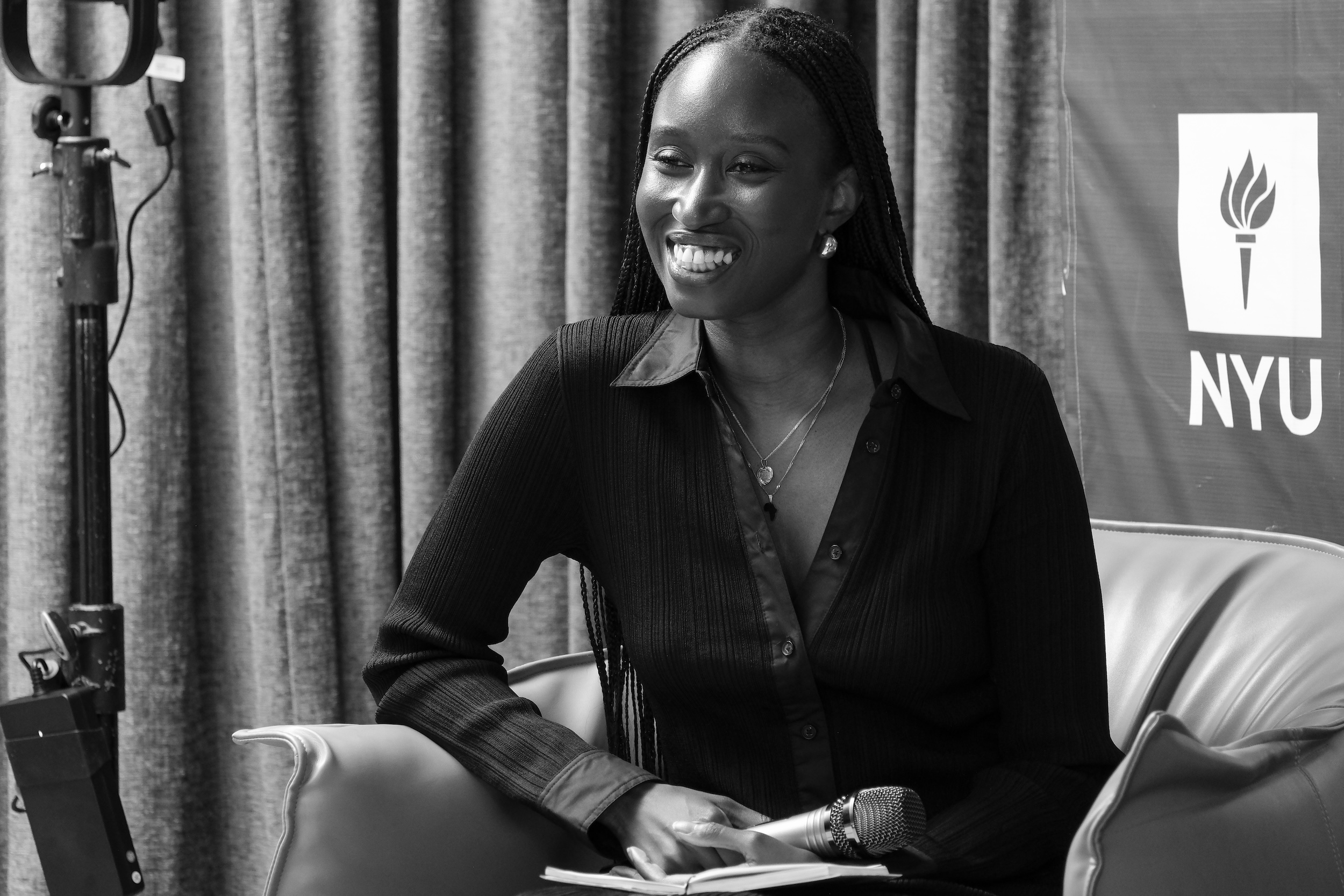
When Laylah Amatullah Barrayn and her co-organiser, NYU professor Dr Emilie Boone, were developing the title for their inaugural symposium on Black photographic archives, it was nearly titled To Collect & Collate: The Unsung Keepers of Black Photography.
However, the word “unsung” was scrapped in the preliminary stages. “We quickly had to ask ourselves,” Barrayn recalls, “unsung to whom? These keepers have always been known to their own communities.” That edit, while seemingly minor, was crucial to the organisers in rethinking what the archive means in contemporary culture. “It’s not just a formal space in a museum or an institution; it’s a living practice that happens across all spaces,” she explains to me.
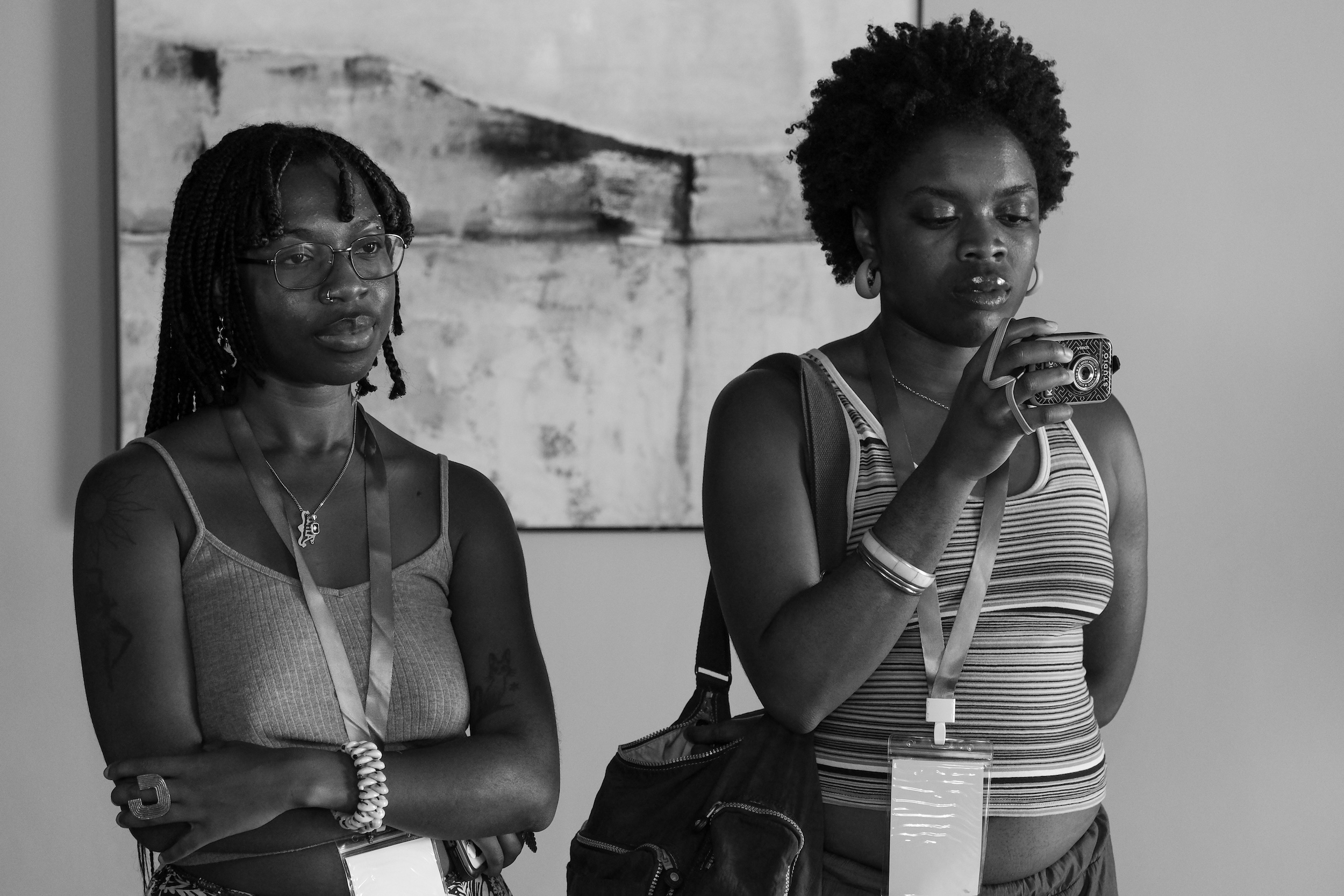
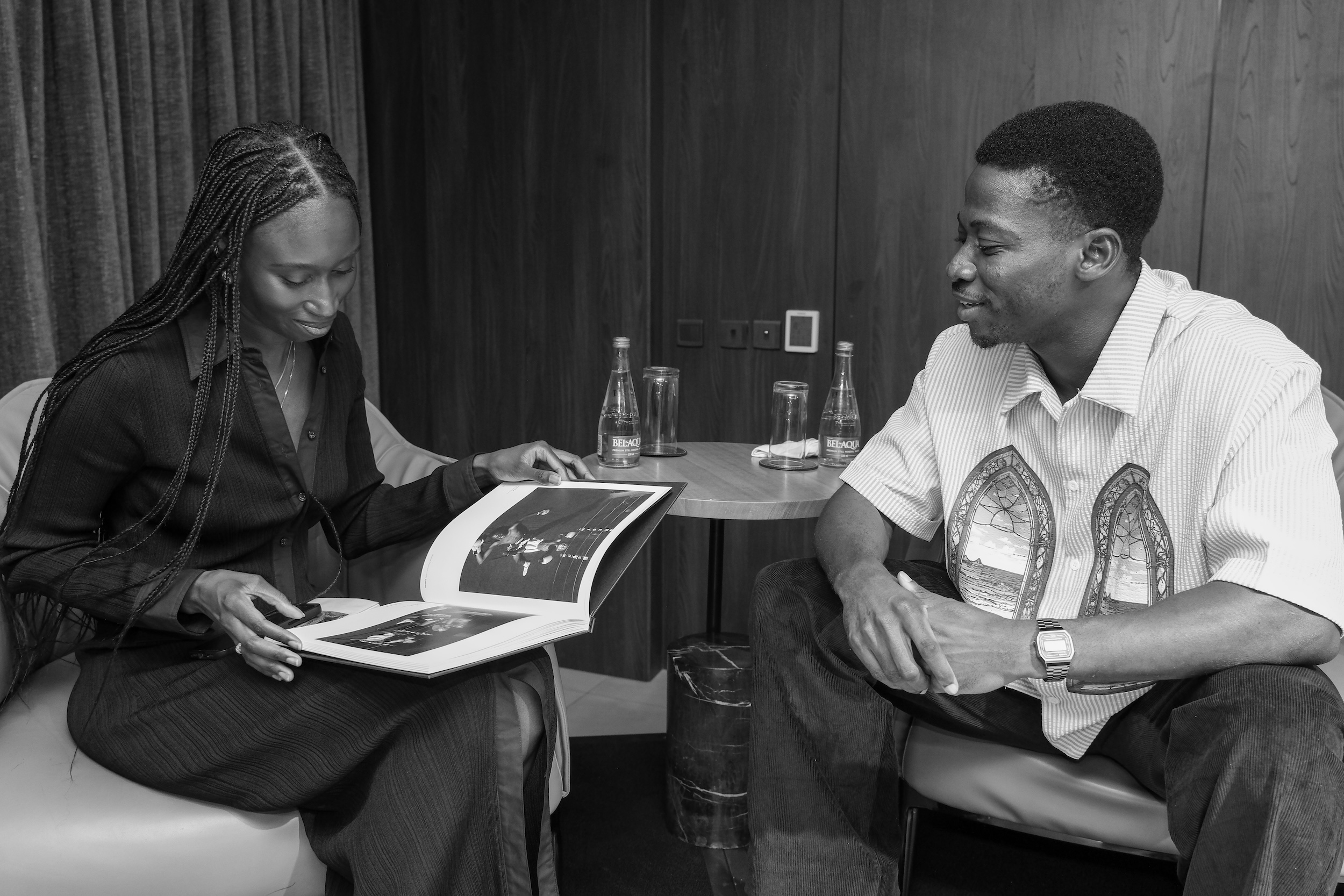
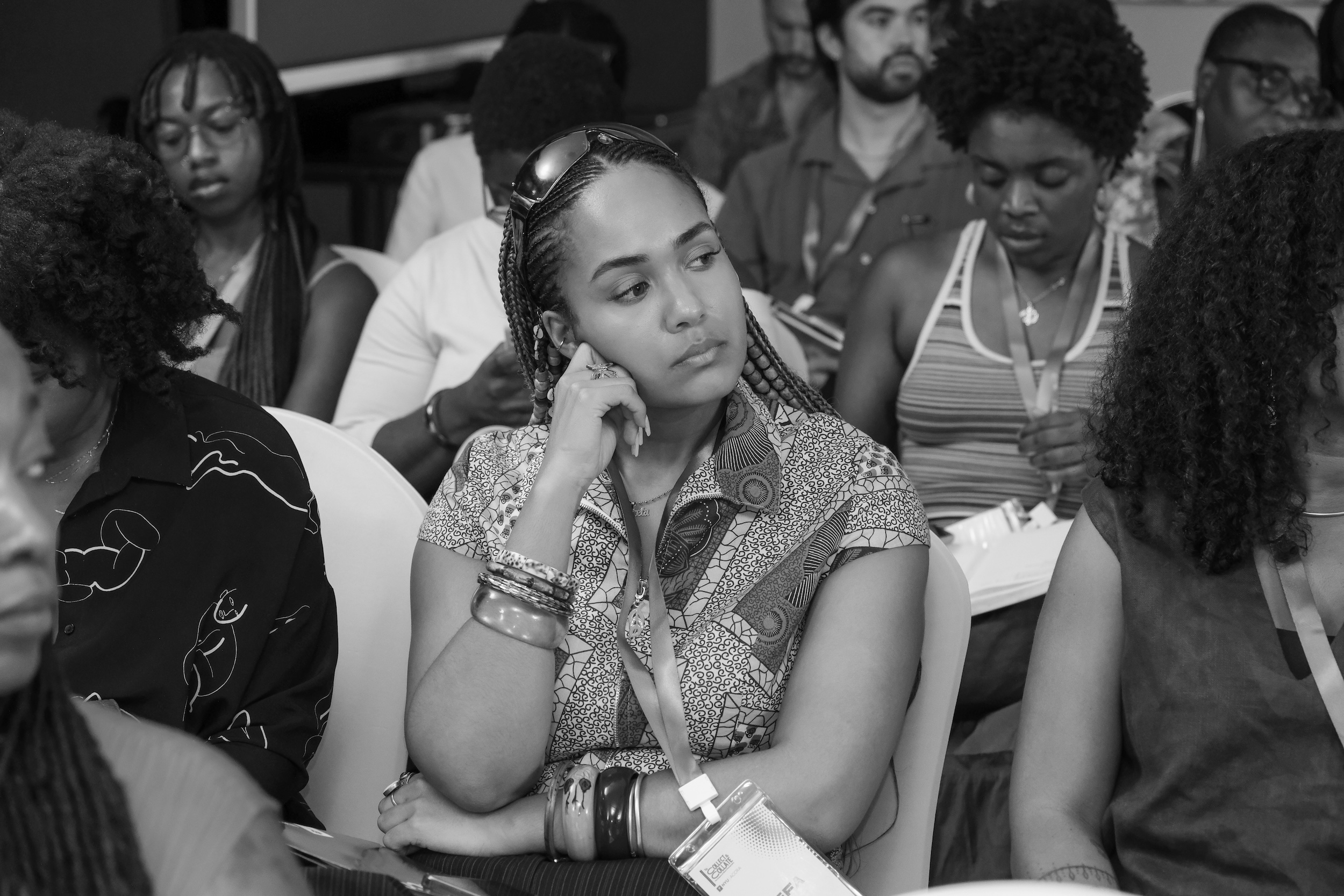
Hosted at NYU Accra, Ghana, between 10-12 March, 2026, the symposium brought together a range of people engaged in preserving memory, from academic scholars and art historians to community archivists and family members. Over three days, they gathered to honour the archive as an institution while examining its assumptions, ethics, past and future, specifically within a decolonial, African context. “For us, this ‘memory work’ is deep within the heritage of people of African descent,” Barrayn explains to me. “It hasn’t just been a hobby or a professional choice; it has been a crucial part of our survival for a very long time.”
Barrayn, a documentary photographer and professor at Rutgers University, has spent years thinking about the photographic archive and its myriad functions. For her, the photographic history and its archive are “simultaneously liberatory and violent.” Every iteration of how photography is produced,” she argues, “reveals the ways it was deployed as a tool.” The archive, then, is not a neutral repository but a record of “the psyche of a time: the concerns of the people, the problems they sought to solve, the gains they hoped to access, and the values they held dear.” It is this expansive nature of the photographic archive that underpinned the programme for the symposium which included presentations by renowned cultural workers, artists and academics, site visits to archives and research centres in the city and interviews conducted between panellists.
“As a co-organiser alongside Emilie Boone, my approach was less about filling slots and more about curating a vital conversation. I started with a ‘wish list’ of earnest practitioners, including Dr Kenneth Montague, Amy Sall, Paul Ninson, and Dr Leigh Raiford, whom I trusted to be the perfect thought partners for this convening,” shares Barrayn. “My goal was to bring together people who were not only active in scholarship, exhibitions and institution building but who were also deeply embedded in the community.”
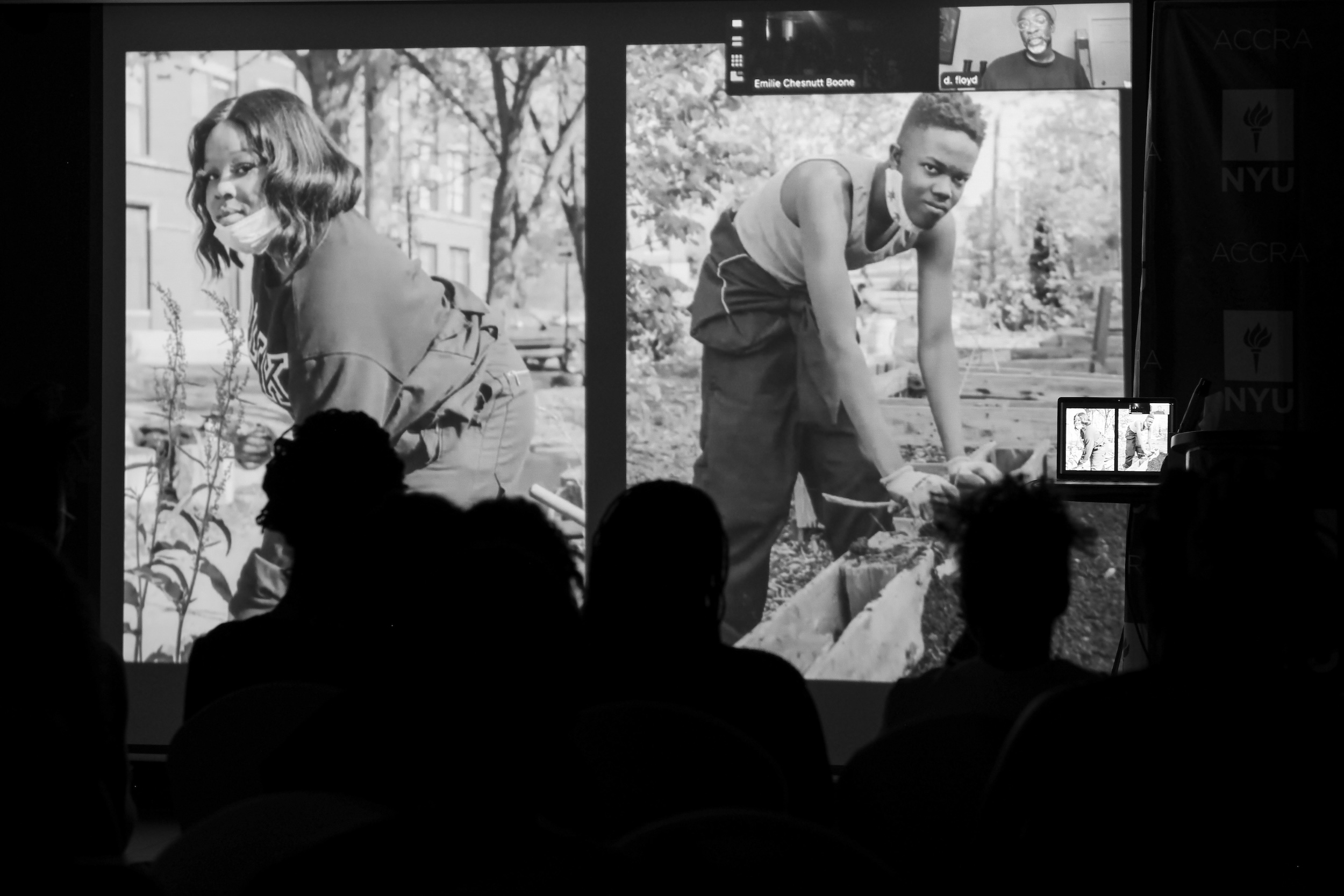
“So much of what we understand about ‘the archive’ is tied to formal institutions, which creates a degree of separation from the everyday person. We need to realise that archives live in our homes”
Conversations ranged widely, from debates over the ethics of compensating archivists to the discipline required to preserve archives faithfully. “Whether through private stewardship or the creation of new institutions like Dikan, the core takeaway of the symposium was the intersection of accessibility and ethics,” explains Barrayn.
For instance, in his presentation, Toronto-based collector Dr Kenneth Montague offered a model of collecting that was artist-driven rather than held captive by the market. He emphasised his role as one of stewardship and caretaking rather than of ownership. In another, Paul Ninson, founder and director of the Dikan Centre, spoke about his approach to institution-building, which centres on empowering a new generation of practitioners in the field of archives and preservation.
When reflecting upon To Collect & Collate, C. Rose Smith, a panellist and assistant curator of photography at the Memphis Brooks Museum of Art, shared how the symposium “served as an act of care.” Smith continued, “It helped connect the histories of African and Black American photographers and their steadfast dedication to representing their communities with dignity and pride.” While care is a salient feature of any archival process, Smith’s use of the words dignity and pride stuck out.
The archive, as discussed above, has historically been a site concerned with preserving Western ideals of beauty and culture, or with rigid, scientific categorisation, where care, although present, becomes something much more clinical, more concerned with perfection than affection or dignity. Affection may be too sentimental a barometer for what is often an academic practice. Still, it is one that underpins the archival efforts of younger, independent researchers, particularly those from non-Western heritage, who often began their archival journeys outside an institution or with the support of gracious librarians.
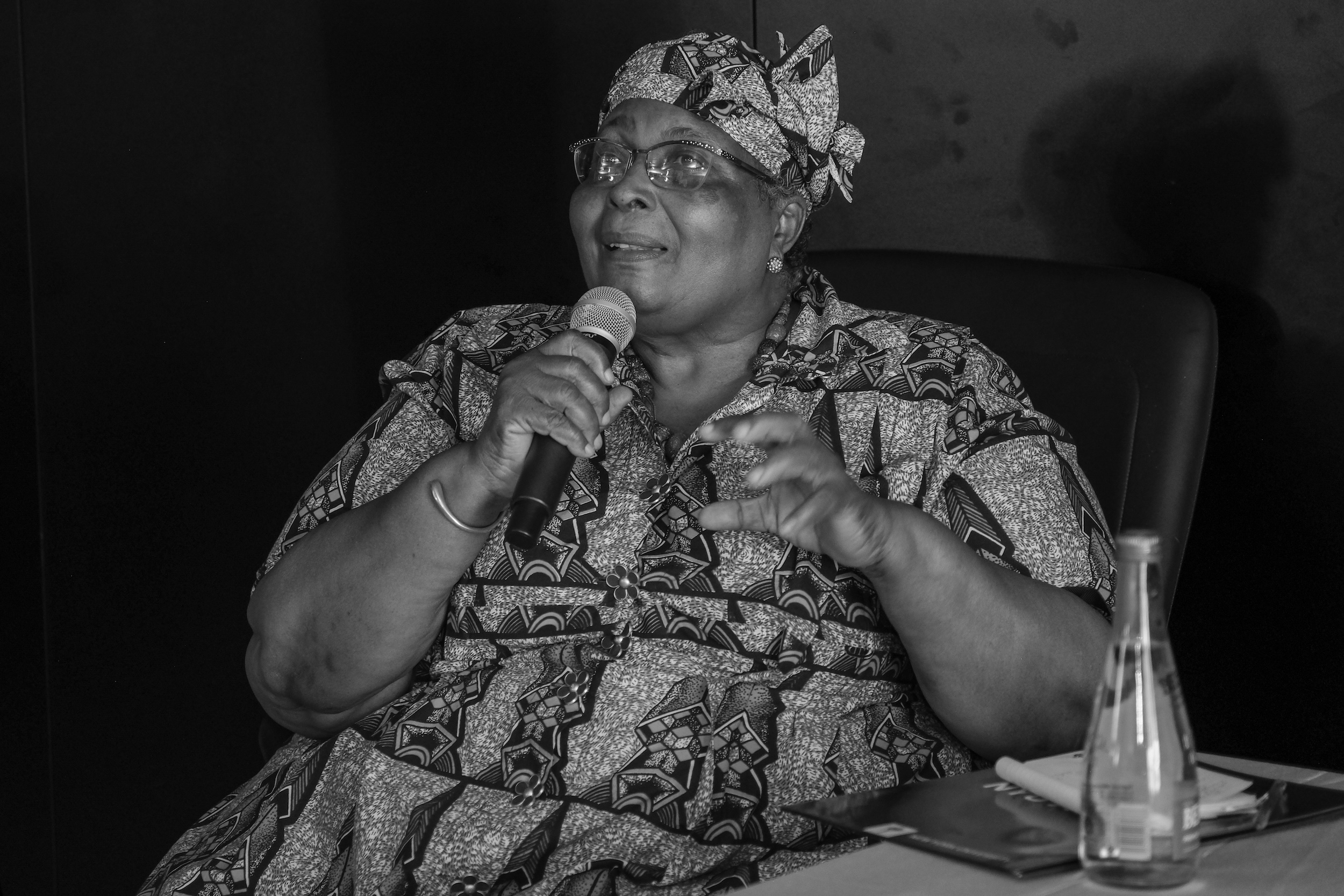
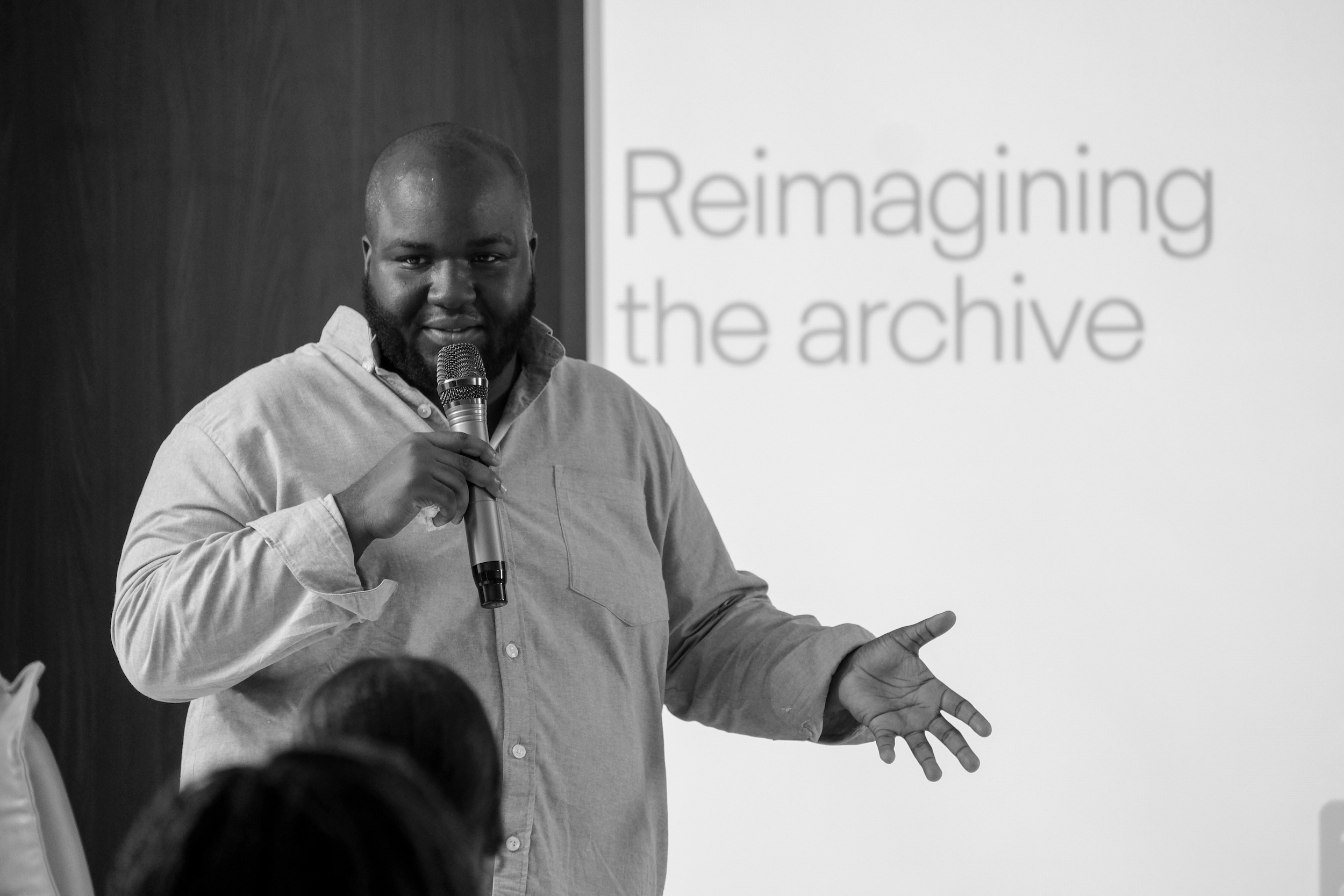
“I think the first step is to demystify the archive and help people understand how accessible the concept actually is,” Barrayan explains. “So much of what we understand about ‘the archive’ is tied to formal institutions, which creates a degree of separation from the everyday person. We need to realise that archives live in our homes. We may not call it that in the moment, but when we collect, care for, document, and preserve – even in small ways – we are archiving. Often, it’s the formal terminology itself that makes people feel like it’s something separate from their own lives.”
While many symposiums of this nature are held in European or American cities, the choice to host this vital discussion in Accra added a layer of meaning and responsibility for the Ghanaian artist, cultural historian, and symposium speaker, Rita Mawuena Benissan: “Having this gathering in Ghana felt especially important, as we are seeing more young archivists beginning to engage their own family and country’s archives and think deeply about what it means to preserve memory from within.” While optimistic, she raised hard questions on the ways practitioners, even in Africa, can unknowingly reproduce colonial frameworks in their methodologies. “For me, that was part of what made the symposium so meaningful,” she says, “it was not only about preservation, but also about care, reflection, and asking what it truly means to be a custodian.”
According to Barrayan, this constant “call and response” in which speakers and participants shifted between being the voice of authority and the curious respondent was crucial to the event. She shares how it “kept the energy communal and deeply connected, it wasn’t just about delivering information to an audience, but about a shared interrogation of the work between peers. It really mirrored the way memory work happens in our communities, as a dialogue, not a monologue.” The organisers are already looking toward a second iteration in Accra in 2028, with an explicitly Pan-African scope that extends to Latin America, the Caribbean, and Europe, and hope to release a podcast in the next few months featuring contributions from symposium speakers and discussing broader themes of Black photographic history and archiving.