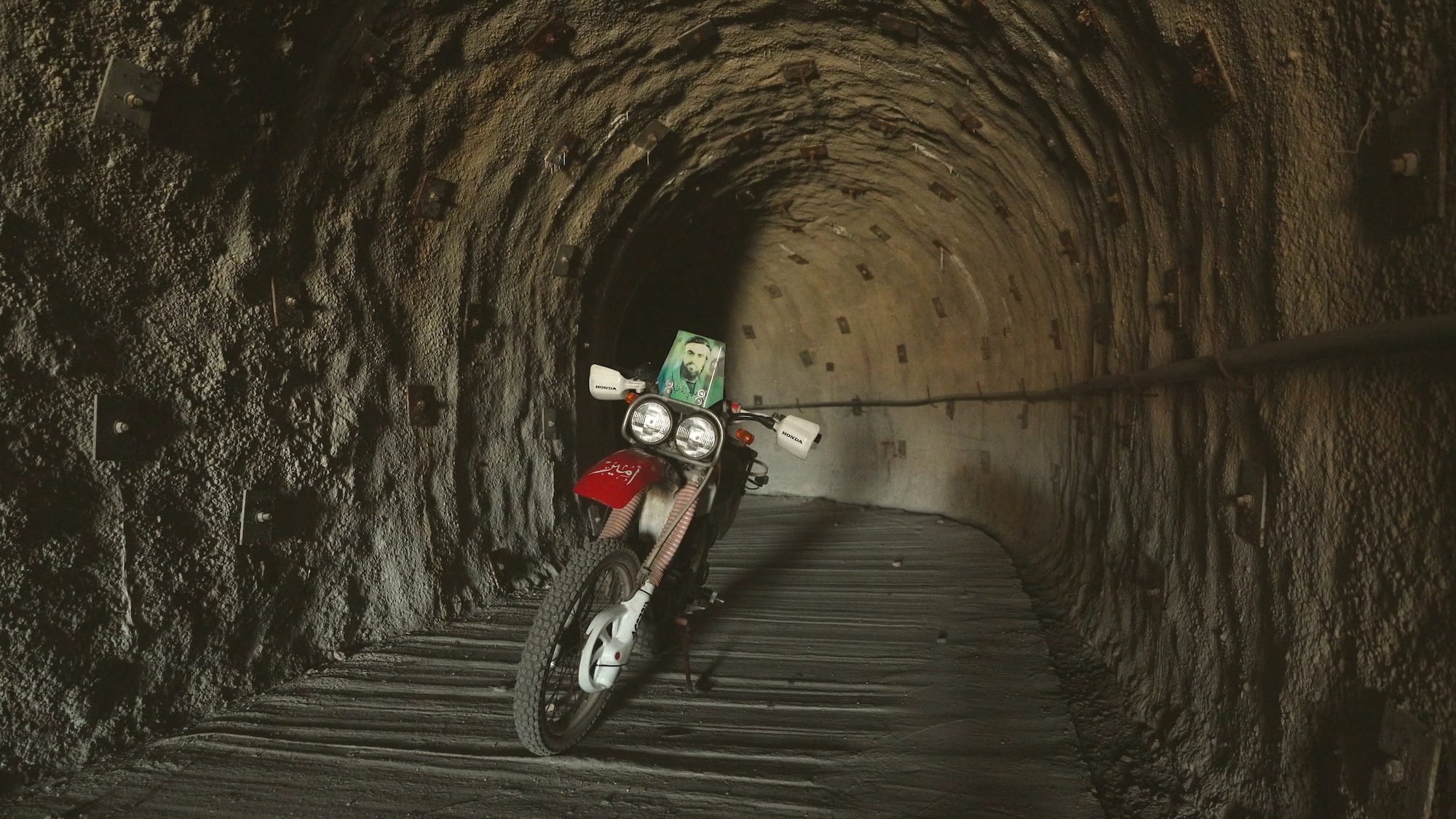


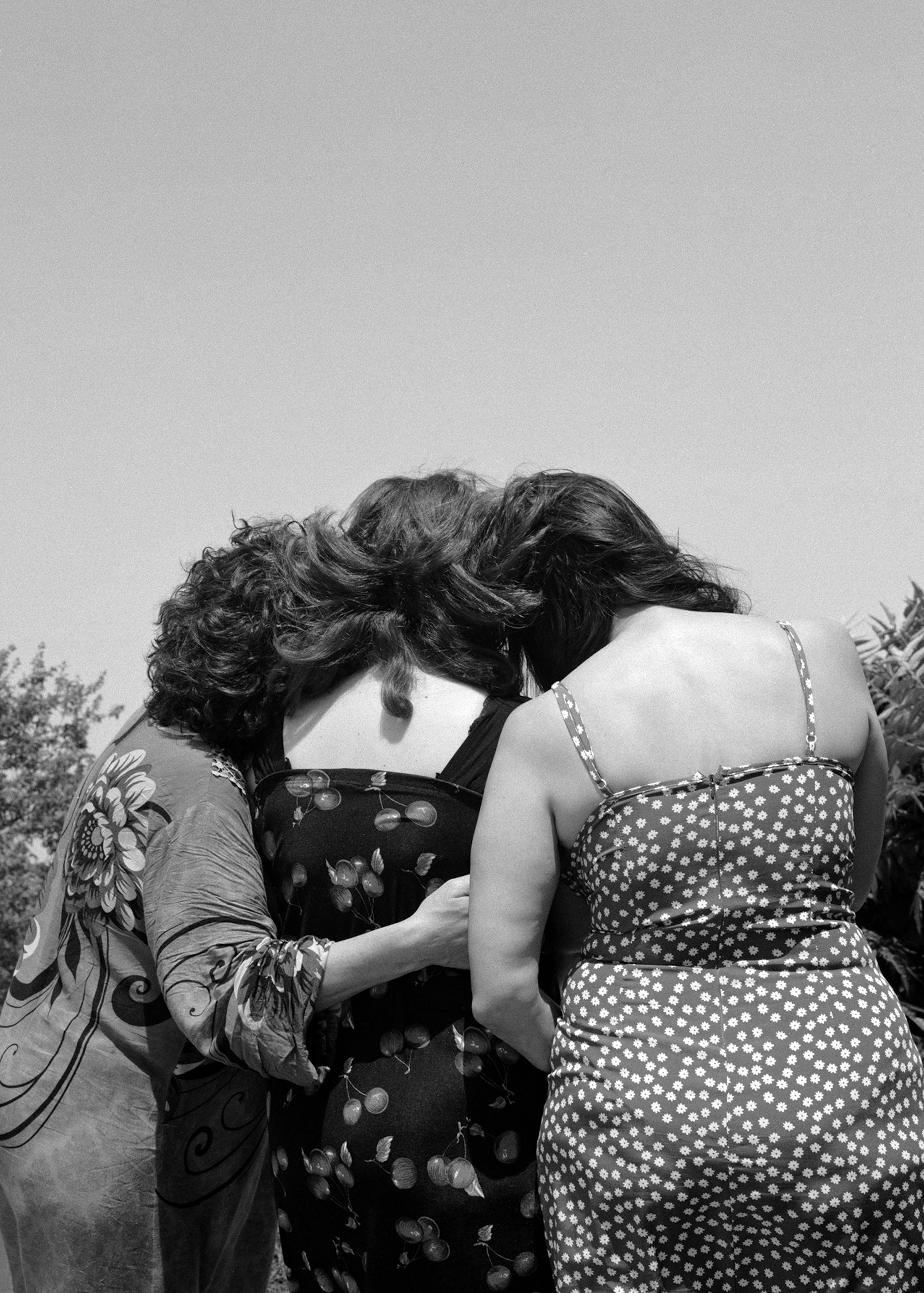
Image © Sara Kontar
Featuring newly-commissioned projects, Jaou Tunis Biennale is a major focal point for visual arts from the Global South and its diaspora, open from 23 October-22 November in the Tunisian capital then touring internationally
This October, the lens-based art world shifts its gaze toward North Africa as the 8th edition of the Jaou Tunis Biennale once again transforms the Tunisian capital. Running from 23 October to 22 November, the month-long festival arrives as a highly-anticipated focal point for global and diasporic visual culture, turning the historic city into what organisers describe as a “biennale-archipel” – an interconnected network of ideas, images, and geographies.
Founded in 2013 by the Kamel Lazaar Foundation, Jaou Tunis Biennale has long championed artists and lens-based practices from the Global Majority, bridging the Mediterranean to challenge eurocentric art narratives. This year marks a pivotal milestone for the bi-yearly event; for the first time in its history, Geneva’s prestigious Biennale de l’Image en Mouvement (BIM’26) leaves Switzerland to debut in the African continent. The Art Explora Foundation’s nomadic Mediterranean festival will also conclude its journey across the sea, anchoring its final destination in the heart of Tunis.
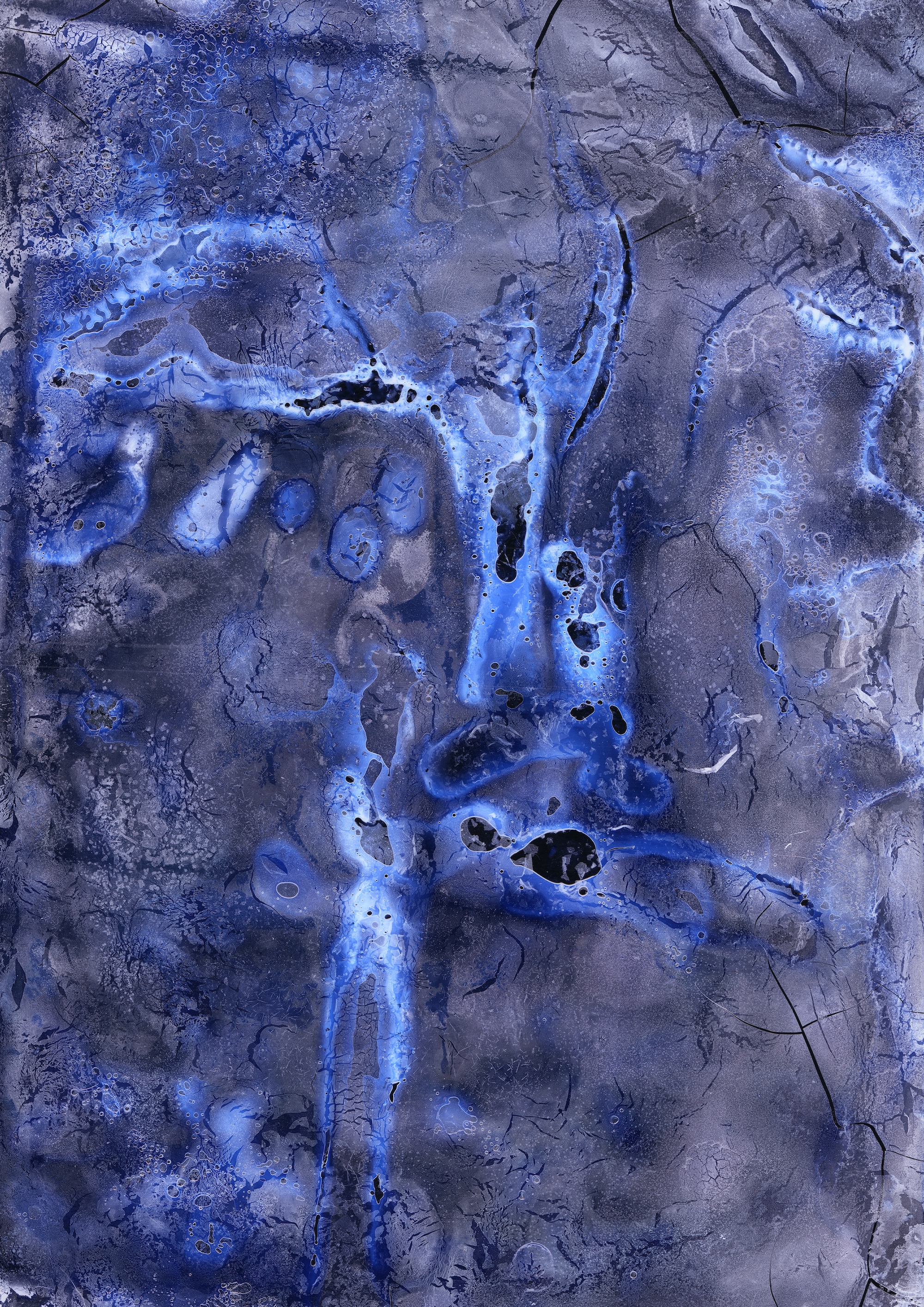
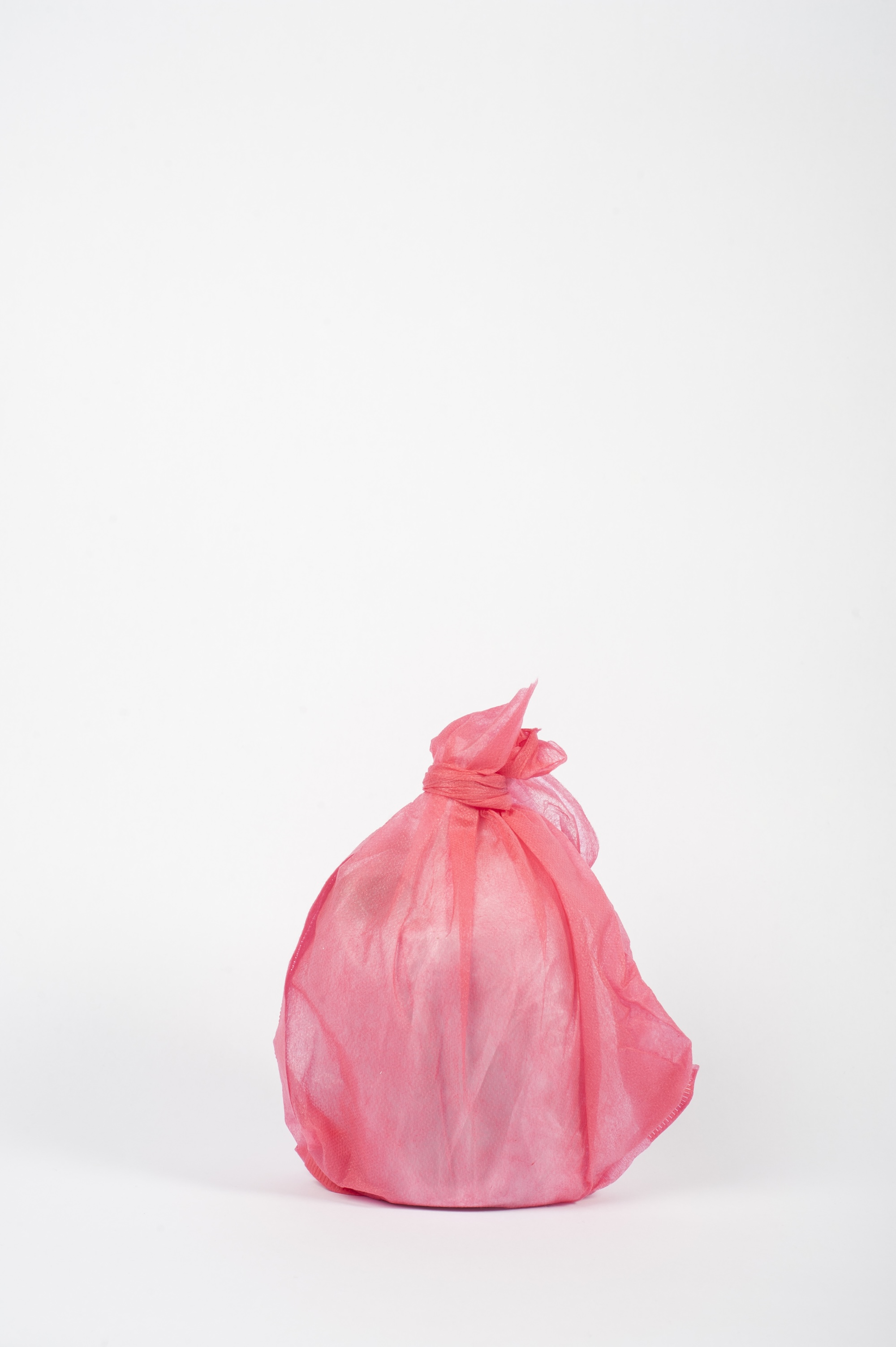
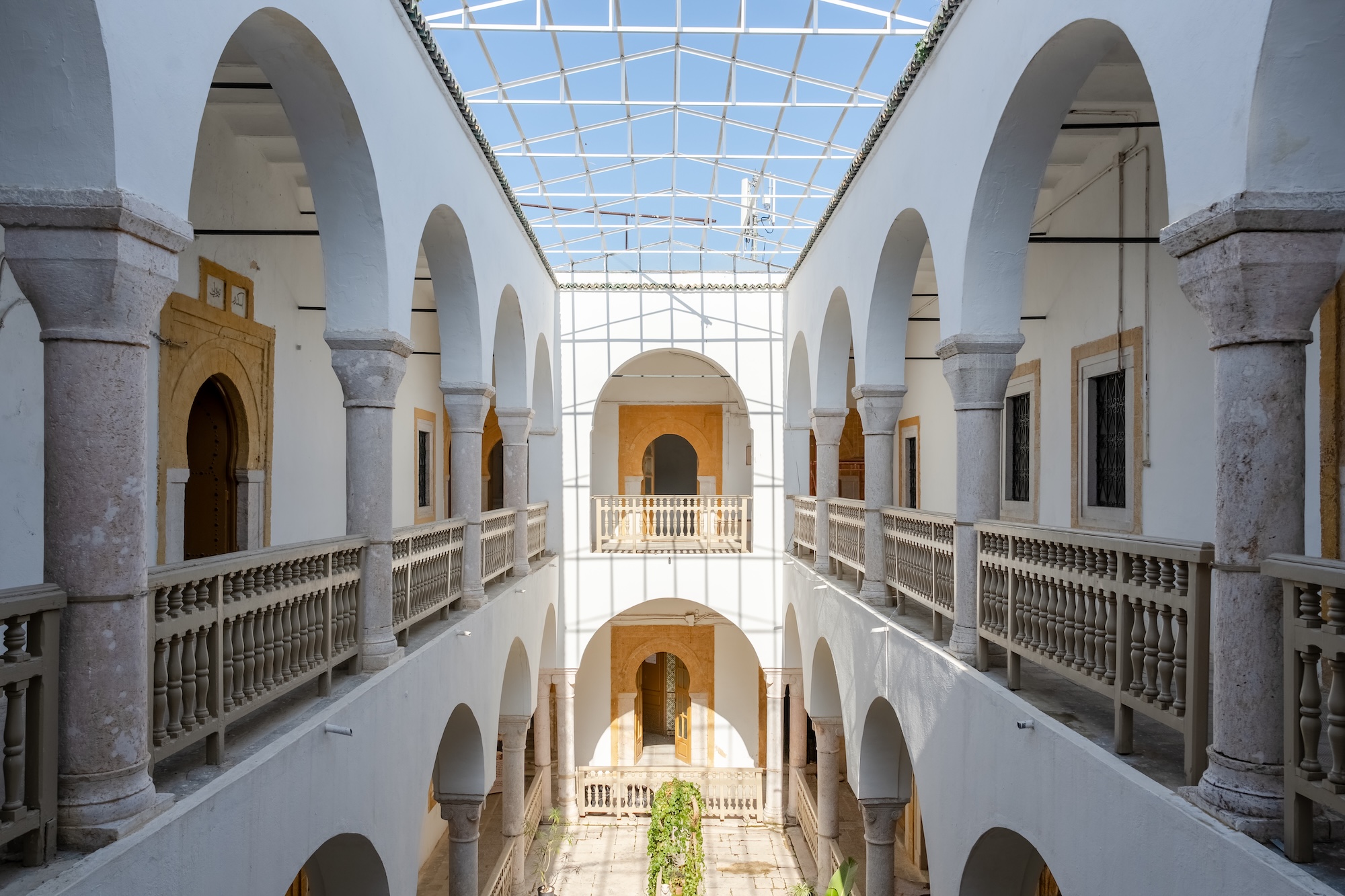
Co-curated by Lina Lazaar and Andrea Bellini, the centrepiece of this collaborative edition is the exhibition Becoming the Ocean. Housed inside the Quechlet El Attarine – a 19th-century Ottoman military barracks nestled within the UNESCO-listed Medina – the show draws inspiration from Khalil Gibran’s metaphor of a river that mistakes transformation for disappearance, reflecting on a world in which inherited structures are increasingly unable to respond to the crises they have produced.
Rather than asking how to preserve a world already slipping away, Becoming the Ocean asks which new iterations of memory and solidarity appear when we recognise that survival is dependent on interconnectedness, not independence. Featuring 16 newly-commissioned works from an international cohort of emerging and established artists across Africa, the Arab world, Latin America, and Asia, the exhibition builds a strong platform for female and MENA-region perspectives. Prominent participating names include Tabarak Allah Abbas, Hajra Waheed, Sarah Zeryab, and Younès Ben Slimane. Among the many exciting emerging artists exhibiting are Alaa Mansour, Liv Schulman, and Castiel Vitorino Brasileiro.
Through the malleability of the moving image, these artists confront critical systemic transitions, memory preservation, and alternative responses to societal crises. True to its colloquial Tunisian name – “Jaou“ loosely translates to “atmosphere” or “good vibes” – the biennale refuses to stay confined within traditional white cube gallery spaces. Rather, it roams free and becomes intertwined with the fabric of the city itself. Beyond the central military barracks, photography installations, audio-visual environments, and live performances are set in iconic local markers, including the Église Sainte-Croix, Cinema Rio, the Ancienne Bourse du Travail, and the B7L9 Art Centre.
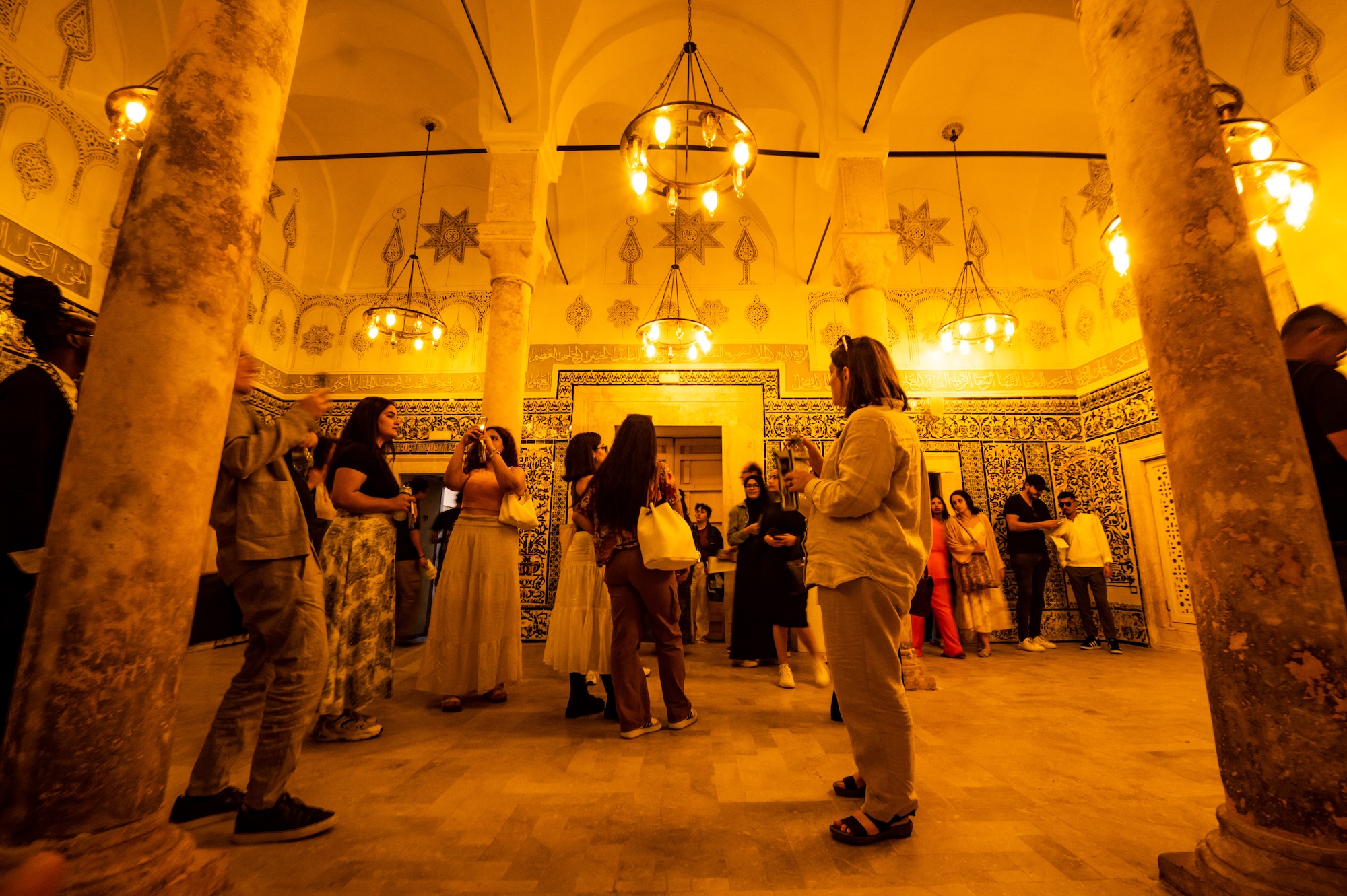
Complementing the core moving-image exhibition, an eclectic public programme will offer dedicated photography workshops for emerging talent, site-specific performances, and an international symposium addressing the future of Mediterranean cultural cross-pollination. BJP is also partnering up with British Council, to run a portfolio review on 26 October which starts at 2pm. Becoming the Ocean ventures beyond art installations too, with some of the exhibiting artists also joining panels to consider their work and their role within and responsibility towards their chosen medium and the world at large. Guest speakers include Mohammed el-Kurd and Shimon Basar.
Following its initial presentation in Tunis, Becoming the Ocean is slated to tour major art capitals including Venice, Brussels, Geneva and London (at Ibraaz), giving these newly-commissioned projects an international reach. For audiences looking to discover a glimpse of the visual arts from the Global South and its diaspora, Jaou Tunis 2026 promises an original, urgent, and deeply communal space. BJP will be sharing stories and highlights from Jaou Tunis as it unfolds.