

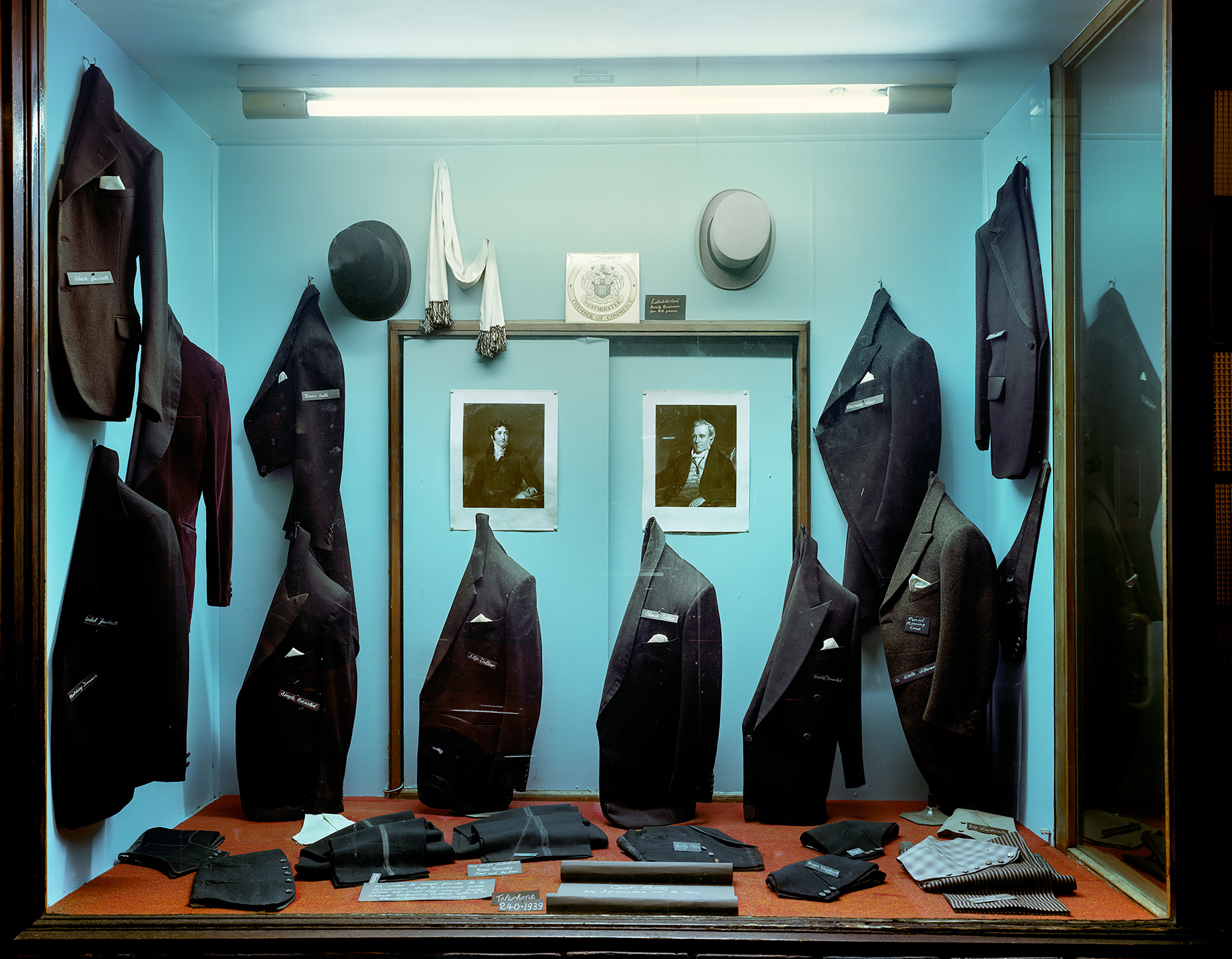
Window of Hill’s Gents Tailoring. Covent Garden, London. October 22, 1986 © Jim Dow
A new exhibition drawing on the Martin Parr Foundation’s collection reveals an eerie weird in the everyday
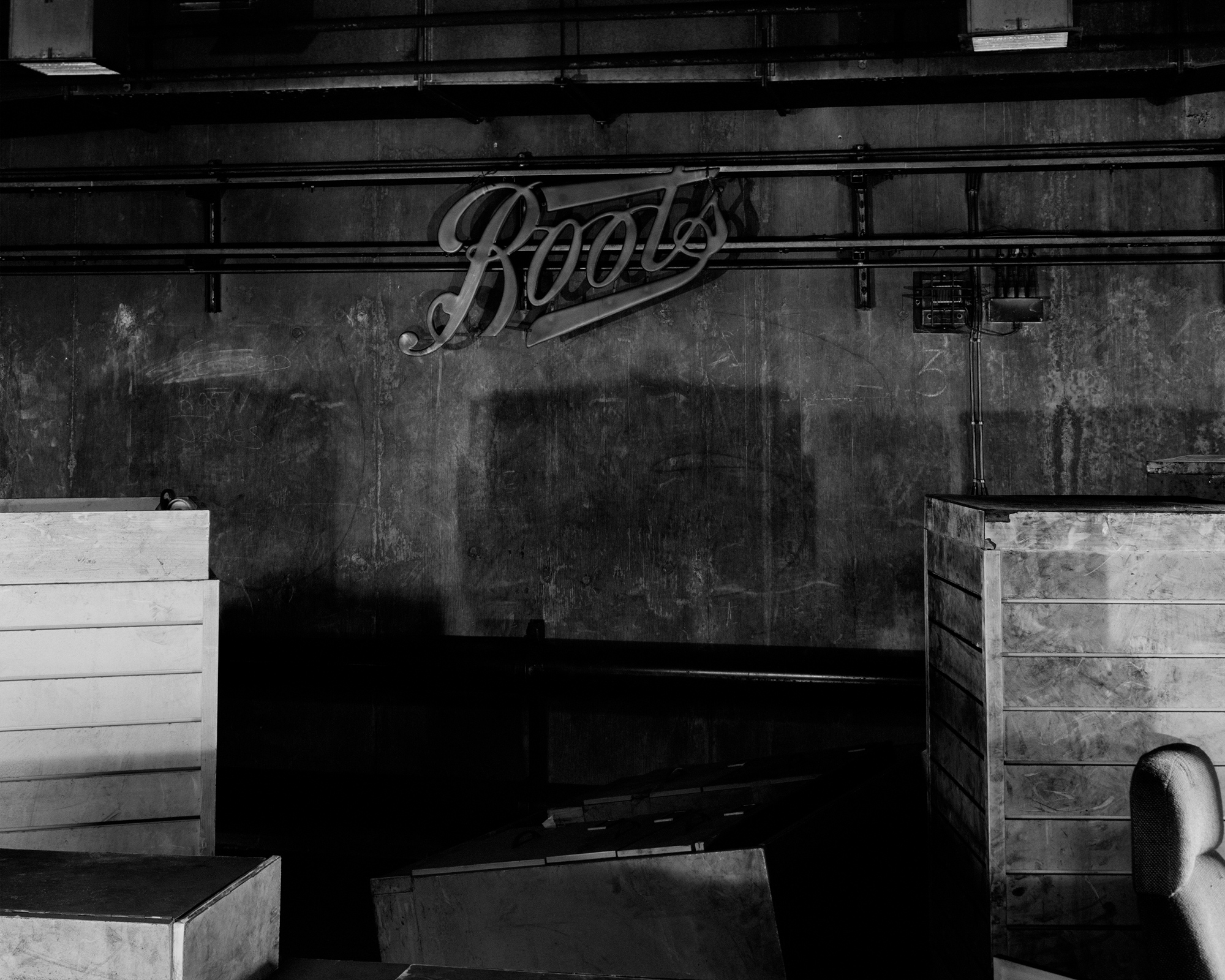
It’s not altogether clear what you’re looking at. There’s cosy familiarity in the curling typeface of the Boots logo, but the charred walls, upturned cupboard and exposed metal bones of the blackened building suggest a different story. The aftermath of something terrifying? Knowing that Sarah Pickering’s 2008 series Incident depicts simulated environments used by the fire service for training only enhances the eeriness. This is a documentation of fiction, the remnants of a nightmare rehearsed.
Pickering’s work will be on display in Dark Tales, a forthcoming show at Martin Parr Foundation (MPF) that digs into the MPF’s 5000-strong print collection to consider documentary photography’s gothic tendencies. Horror is the mood of the moment. Wild fires rage, AI chatbots take our jobs and a Frankenstein remake streams on Netflix. The birth of Gothic fiction in the 18th century – which delivered both Frankenstein and Dracula – coincided with the dawn of the Industrial Revolution; then as now, accelerated technological progress, medical advances and rapid urbanisation were changing life, work and what it meant to be a human.
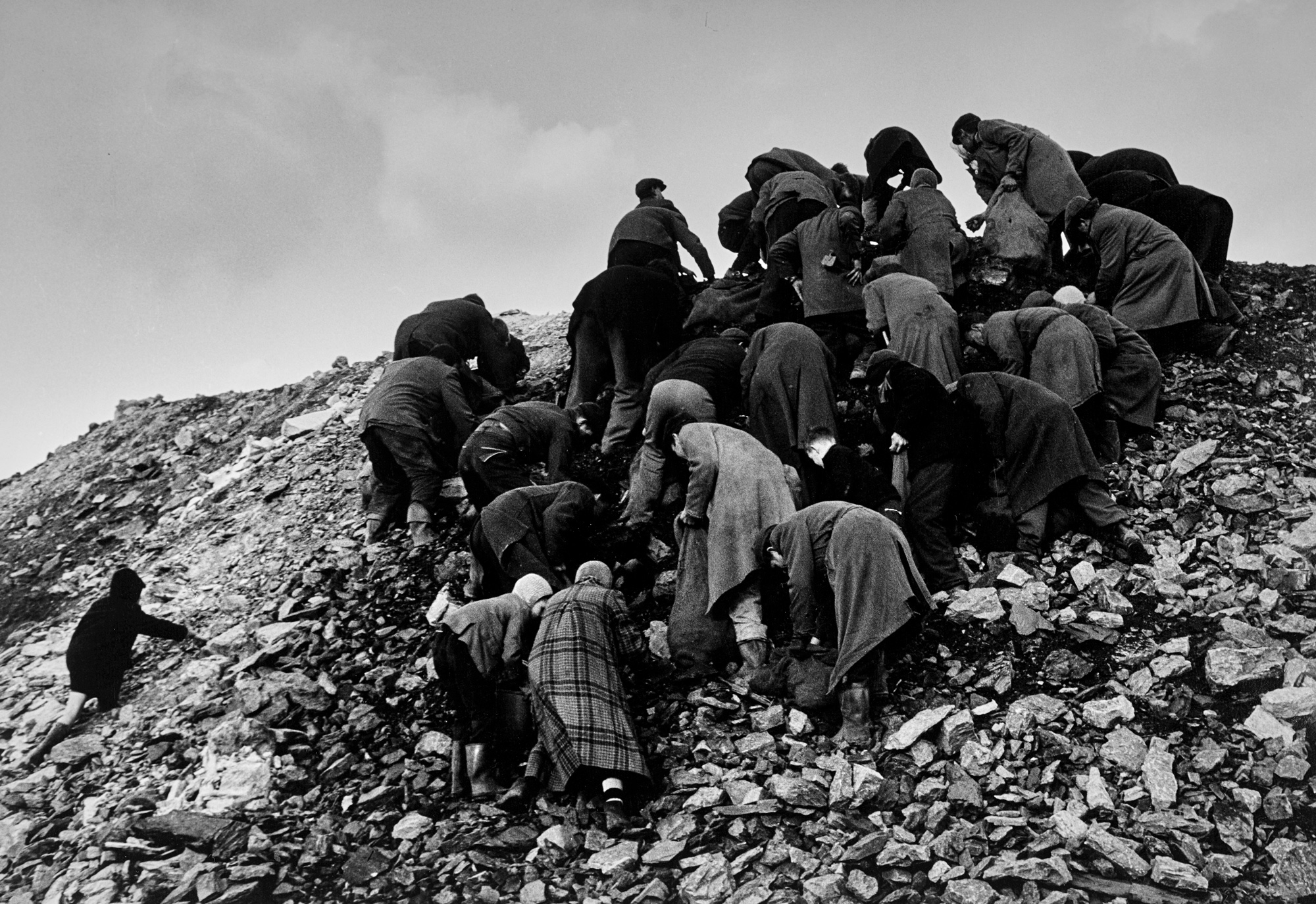
“None of these photographers would necessarily deem their work gothic,” curator Isaac Blease explains. “We’re using the gothic as a window to look at these works in a different context and see what meanings can be evoked.” Blease curated another exhibition from the MPF’s collection two years back, ONE YEAR! Photographs from the miners’ strike 1984 – 85, but where ONE YEAR explored what photographs can do, pragmatically – “how they were used as part of that resistance movement, but also used by the media to skew perceptions of the miners” – this time, Blease is looking at how photographs can make us feel.
“[Darkroom processing is] inherently gothic in the way that it memorialises.” Isaac Blease, curator, Martin Parr Foundation
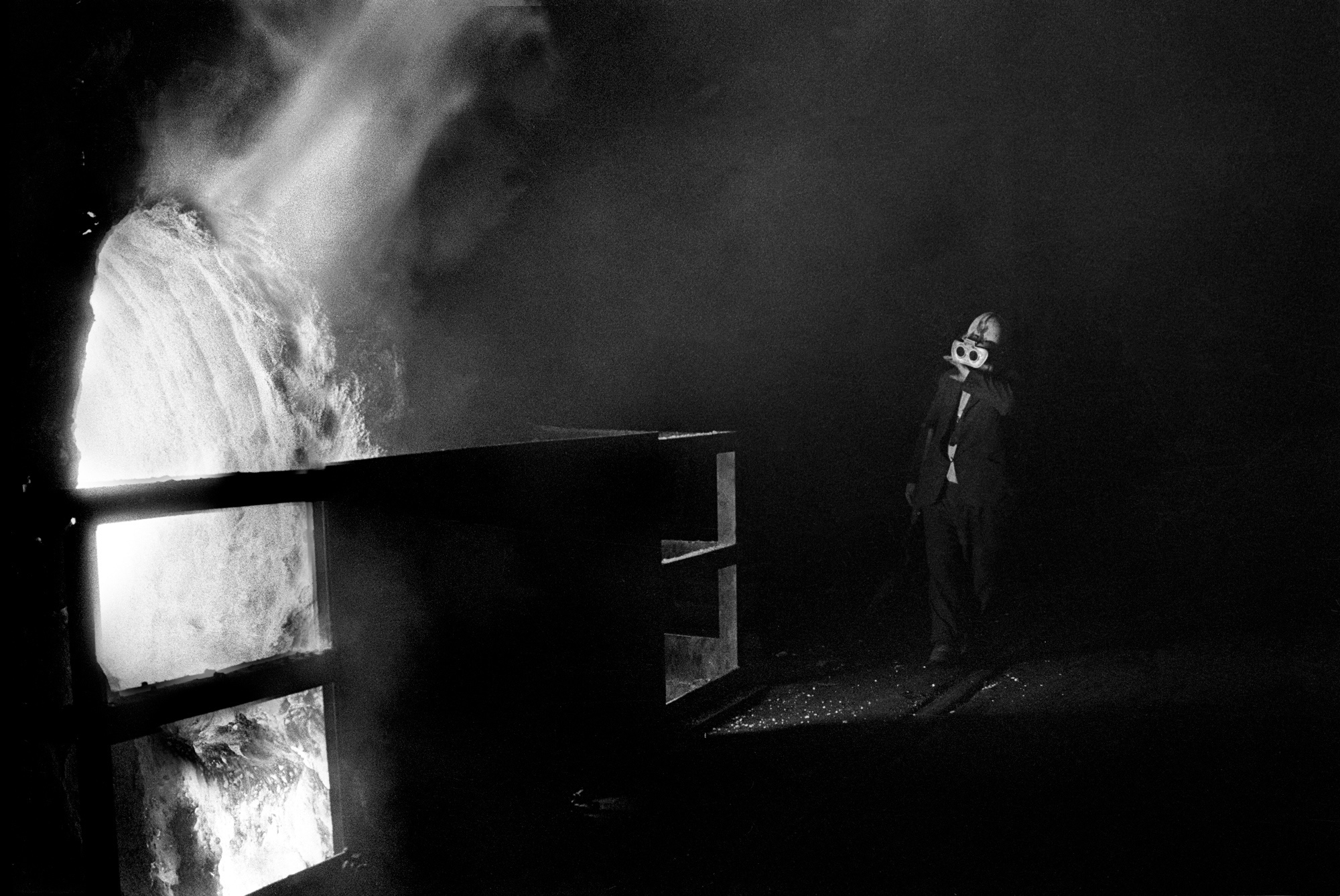
Adopting motifs from the Gothic literary tradition, the exhibition is divided into chapters, with a deliberately disrupted chronology. ‘The Castle’ sets the scene portraying “The land as a repository for things that happened in the past,” as Blease puts it. Bill Brandt and Lee Miller present a postwar Britain of rubble and smog, where the ghosts of the conflict still dwell. The mid-20th century marks a turning point, says Blease, in which “photographers weren’t just working under commission or purely as historical record makers, they also had their own subjective visions”. Janine Weidel’s extraordinary images of 1970s Stoke-on-Trent iron and steelworks help illustrate what he means; heavy industrial machinery looms like a mythical monster above diminutive human figures.
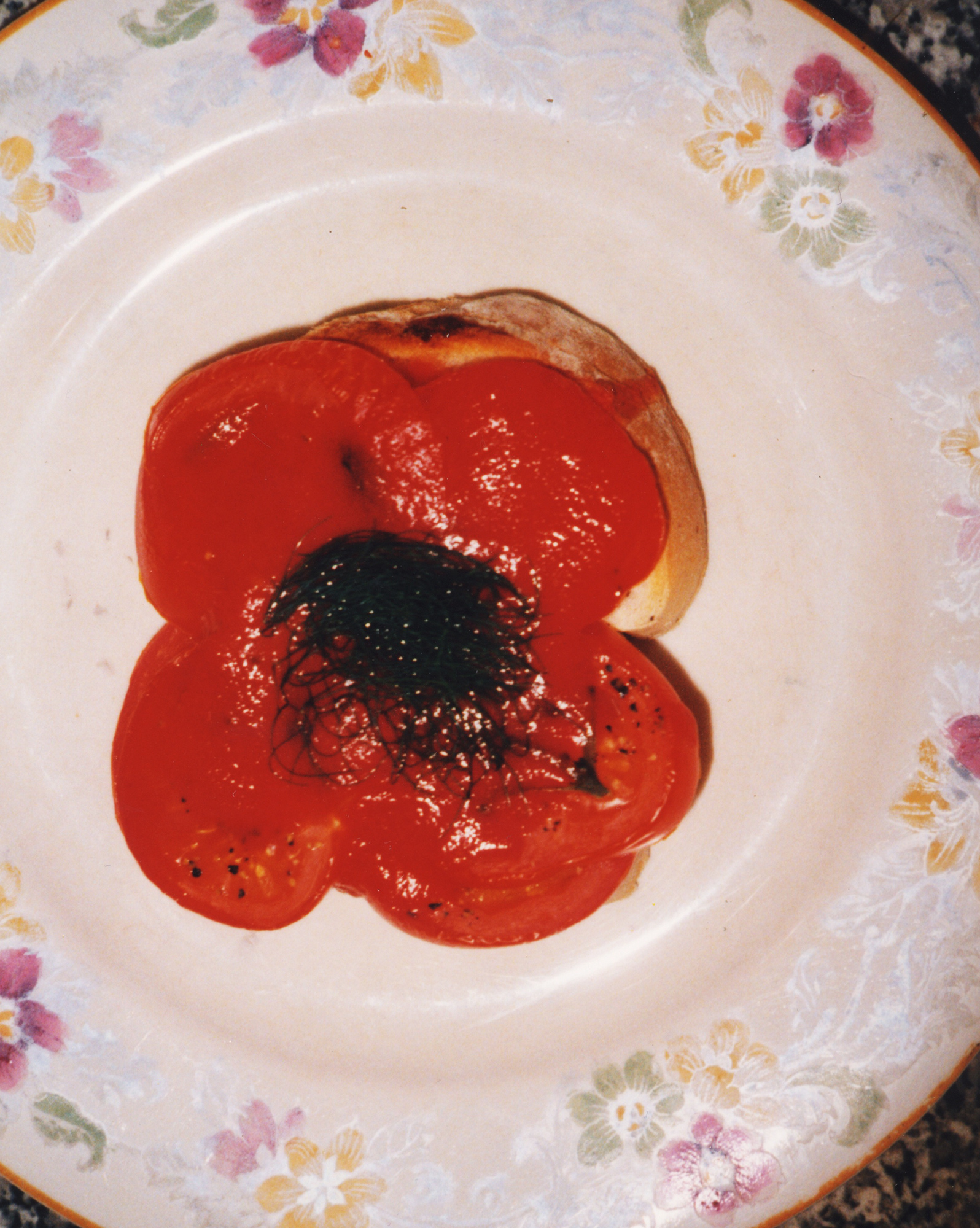
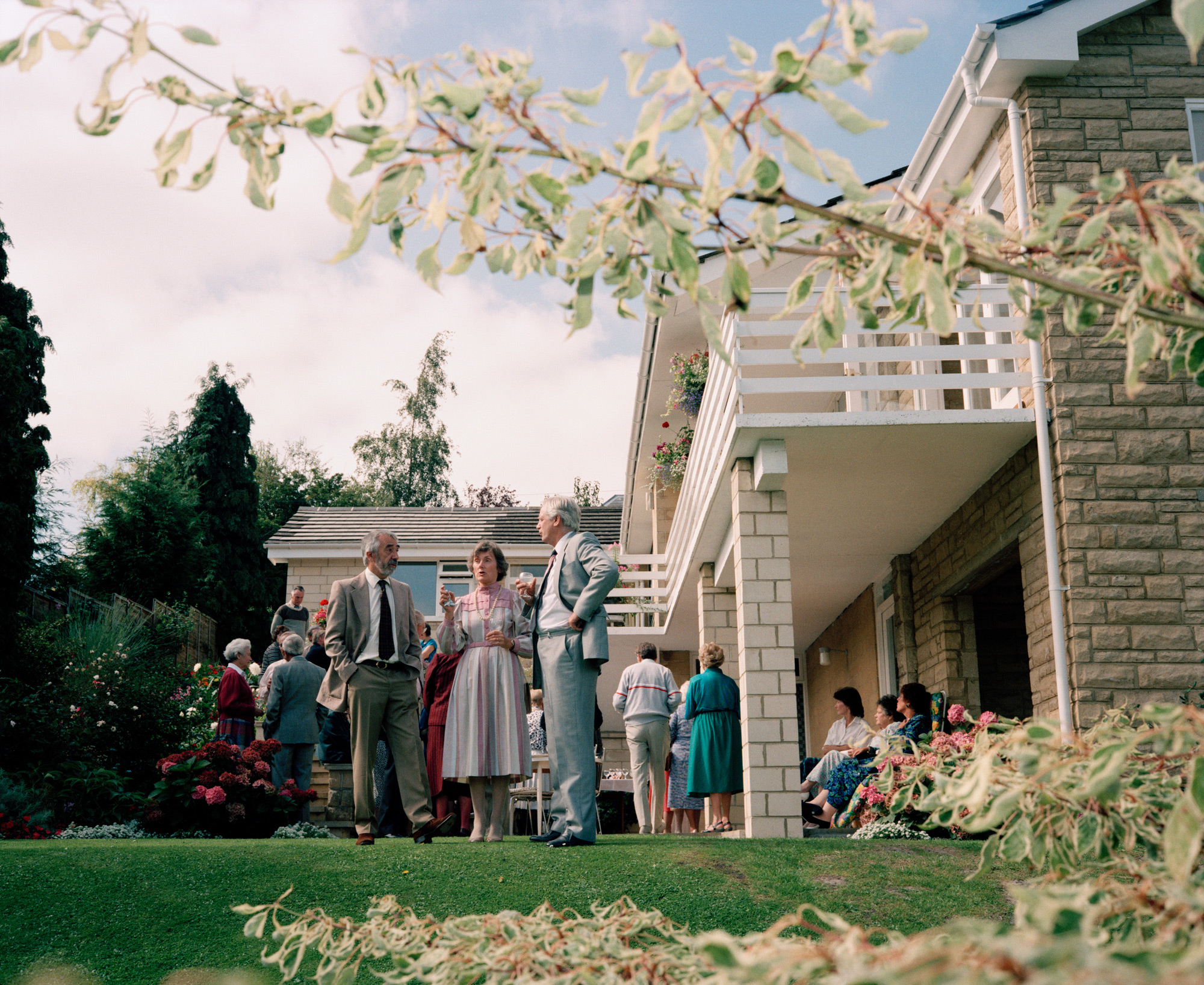
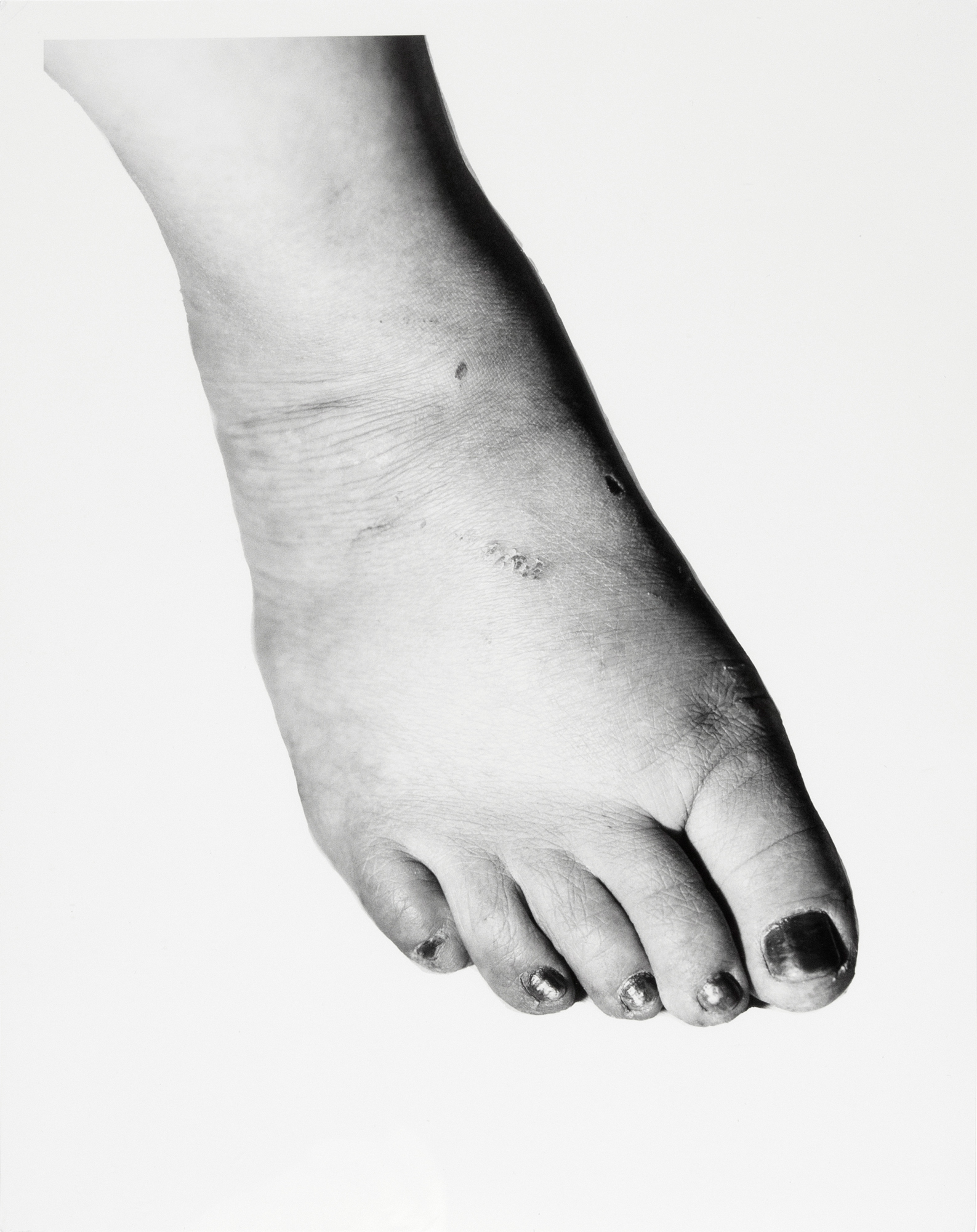
‘Domestic Bliss’ centres on the home, a place where repressed emotions resurface in unexpected ways. Anna Fox’s beautiful still lifes of increasingly bizarre dishes, fashioned for her by a Falklands veteran houseguest, manifest a PTSD in which trauma transforms the everyday into something incomprehensible. In disturbing the mundane, “the gothic can be playful as well as being dark,” Blease adds, and Martin Parr’s image of twee suburban Conservative supporters shows what he means; they people depicted are simply gathering in a garden but, shot from behind some low shrubbery, the frame suggests a ludicrous menace. Similarly, Jo Spence’s stark image of a disembodied foot has the sinister feel of a crime scene, but contains her characteristic undercurrent of wry humour.
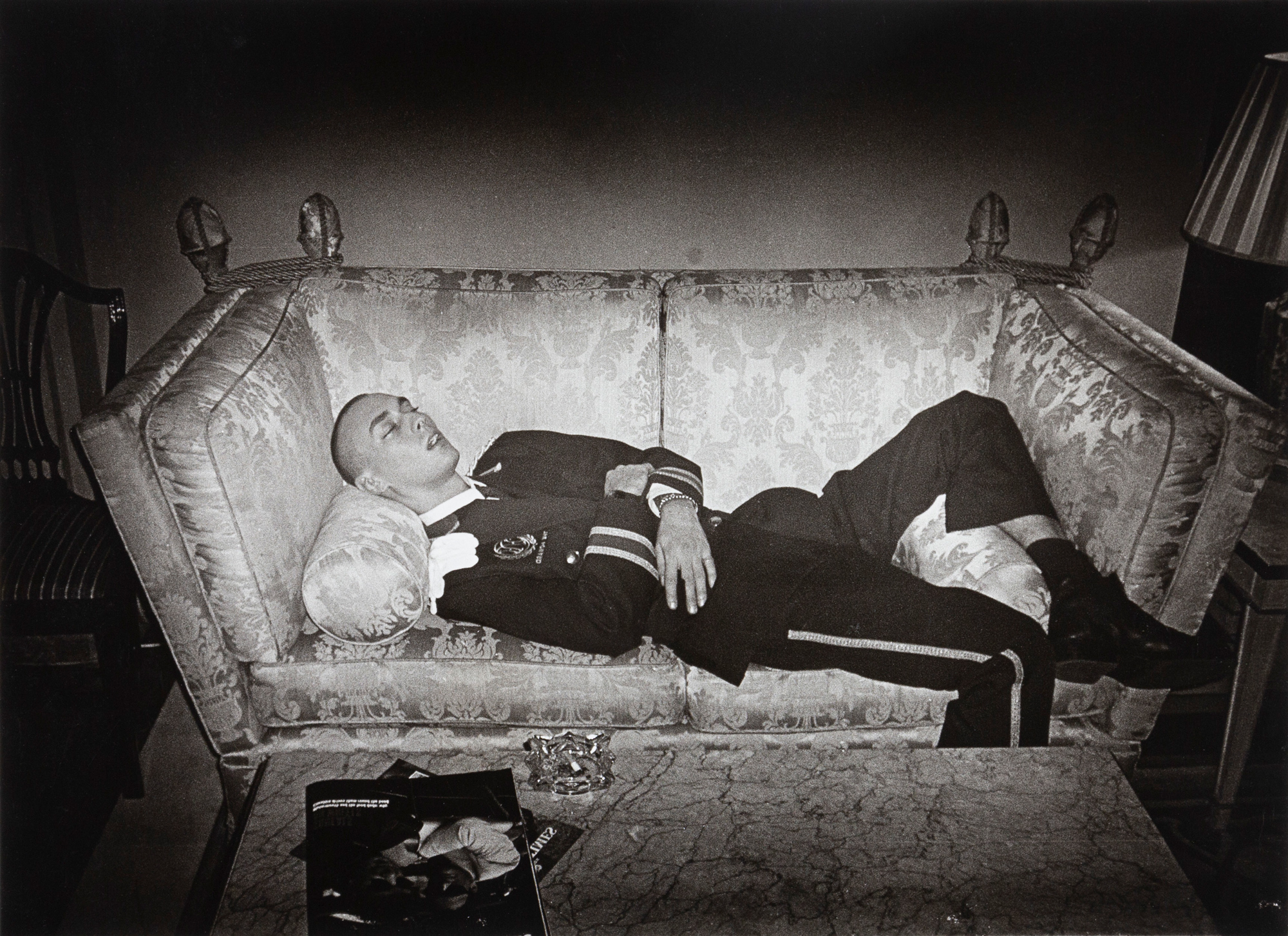
Chris Shaw’s photographs of his time as a hotel night porter appear in ‘Night Creatures’. The pictures, shot in the 1990s, touch on questions of labour, working in poorly-paid jobs on zero hour contracts, and an intense nighttime world; they are also “evocative in the blurring and overburning of the flash,” says Blease. Stretched out on a satin couch, Jordi the Lounge Lizard suggests a cadaver in an open casket in this context, the photographs lent new meaning in their interactions.
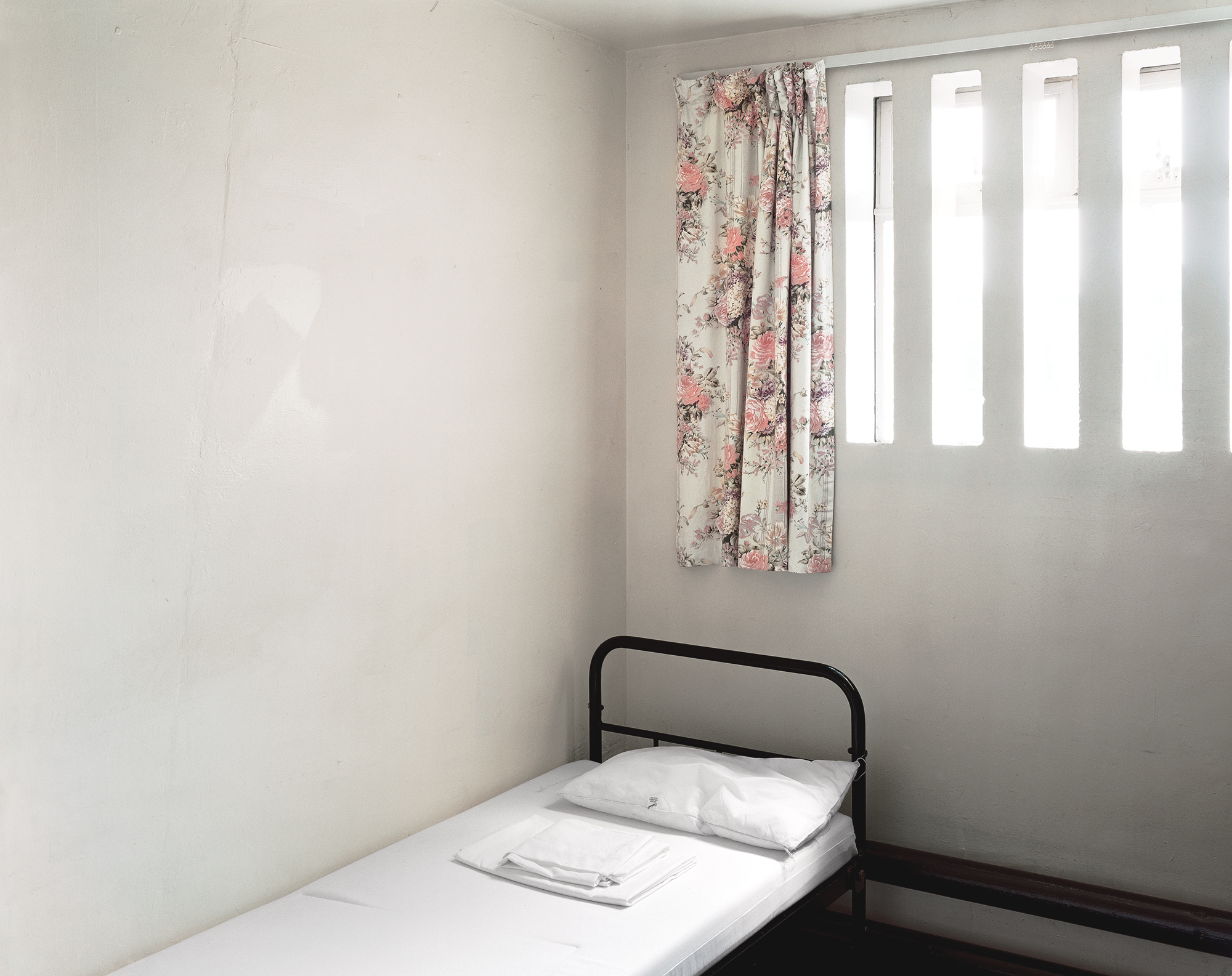
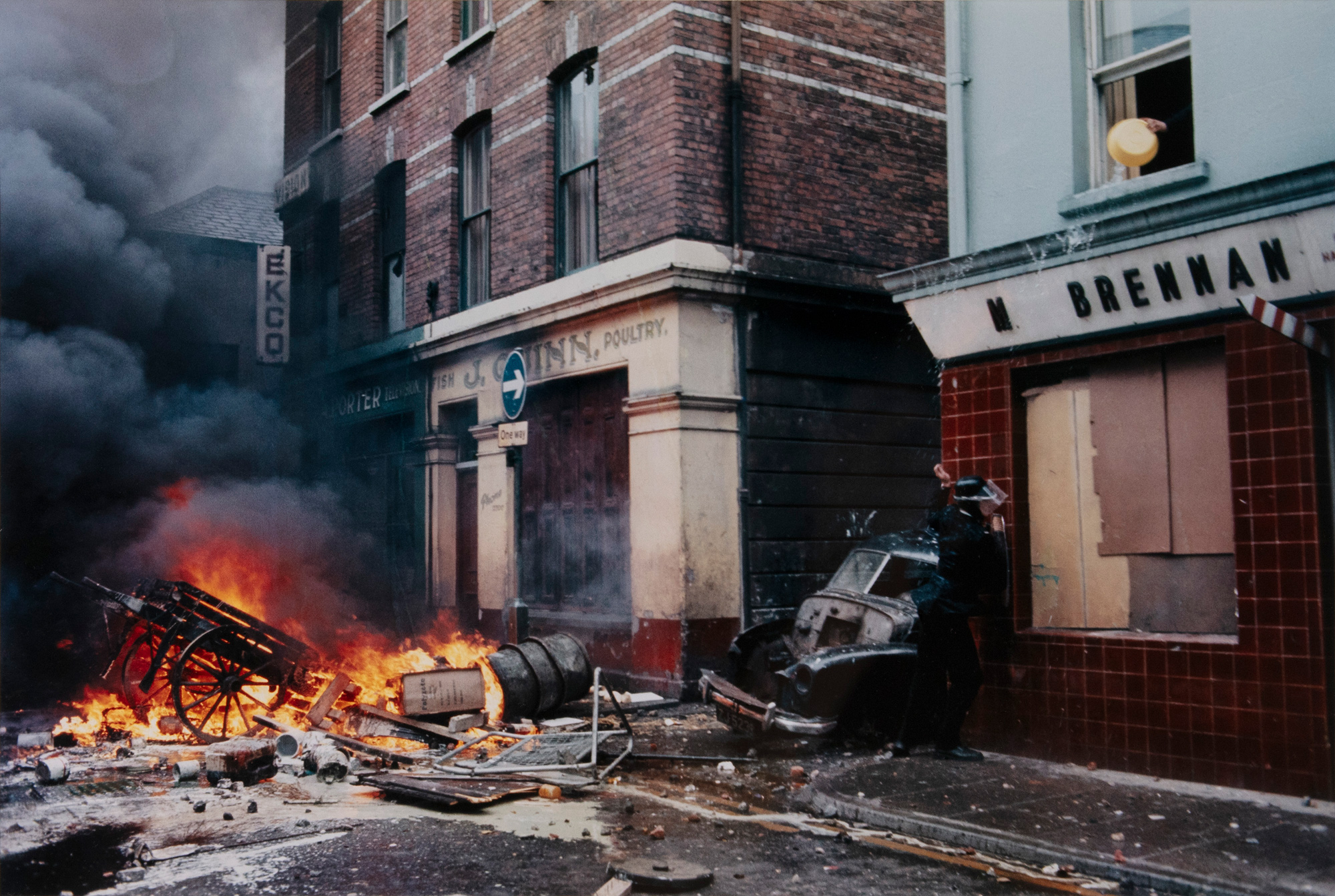
In ‘Double Take’, the chapter featuring Pickering’s Boots, things are never quite what they seem. The suits in Jim Dow’s image of an old-school Covent Garden tailors – anachronistic even in 1986 – seem to float, phantom-like. A bed with crisp white, neatly folded sheets and a floral curtain turns out to be a cell from the notorious Northern Irish Maze prison. Photographed by Donovan Wylie, this vision of a now-sanitised site of violence and incarceration makes us consider how troubling histories can seem to lodge in physical objects and spaces.
Blease believes photography is susceptible to this effect, given that it contains a ghostly trace of what was; darkroom processing chemistry is almost magical, alchemical, “inherently gothic in the way that it memorialises,” he asserts. “Things that are in the image are no longer there in reality afterwards.” The earliest subjects feared the camera would steal their souls, and photography was first popularised by spiritualists and showmen – who were attempting to prove the presence of otherworldly creatures, or to deliberately mislead.
The show’s title refers to documentary photography, acknowledging the genre that dominates the MPF collection but also complicating the idea of documentary as photographic realism. The selected images portray ‘real’ aspects of Britain but, in looking awry, reveal a hitherto unnoticed strangeness in them. Curating the show was an intense process which took Blease a year and a half, initially selecting images instinctively then as they related to his research in the Gothic literary tradition. In the last stretch, “it became much more about a kind of conjuring of atmosphere, metaphor or suggestion,” Blease explains, though that’s an explanation that remains enigmatic, because it’s hard to pinpoint what gives an image a haunted quality.
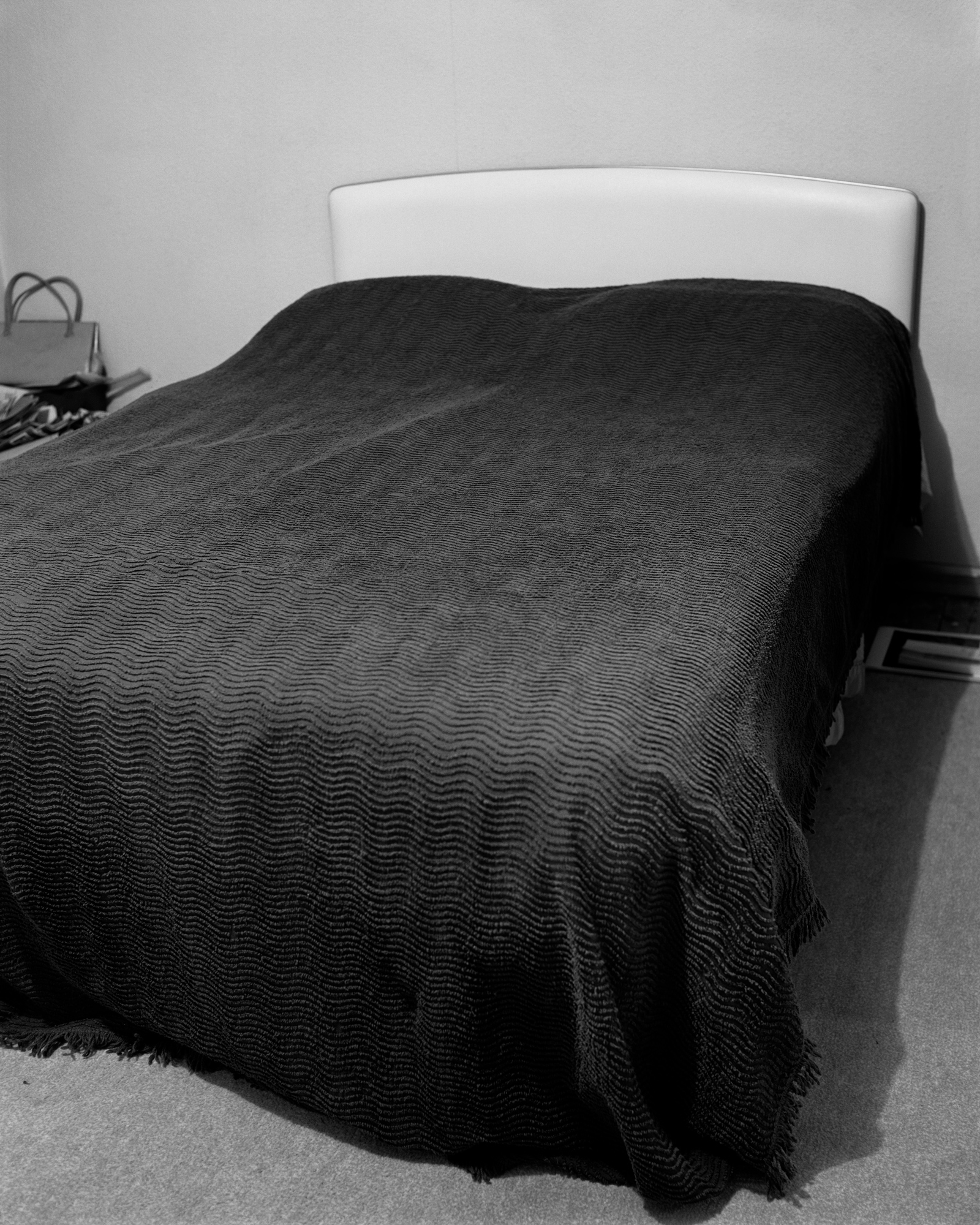
What is it about the otherwise average double bed in John Myers’ photograph that makes the bulging pillows look threatening? Perhaps the secret is in the mystery. Creative writers are told to ‘show, don’t tell’, and the photographs here do something similar, lingering in uncertainty. We tend to discuss photography in terms of light but the shadows have always been there, and they are always just as important.
Dark Tales: British Documentary Photography and the Gothic runs from 17 September to 20 December 2026 at Martin Parr Foundation, Bristol martinparrfoundation.org Dark Tales is part of the 2026 Bristol Photo Festival, more information on the full programme can be found at bristolphotofestival.org