


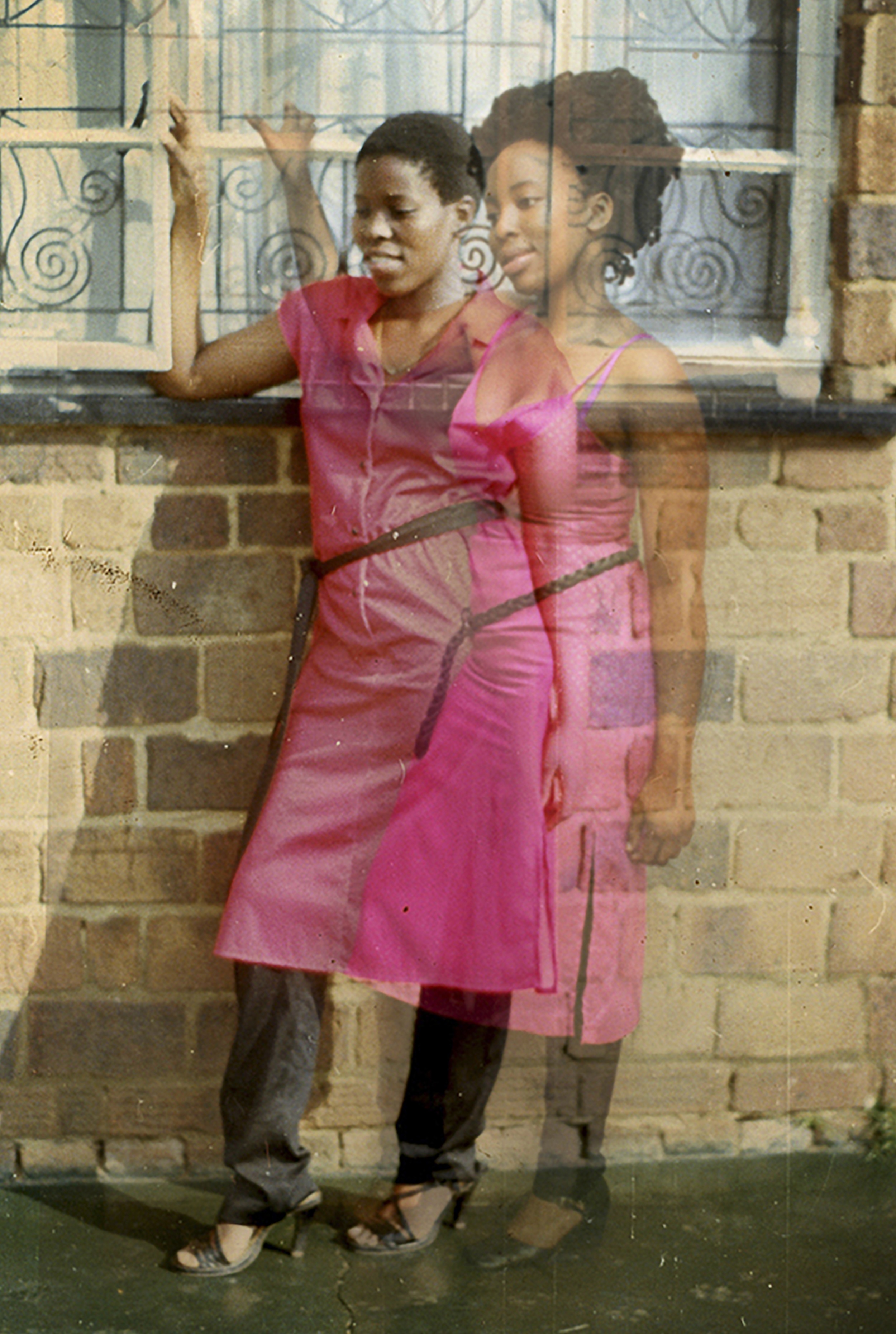
Setupung sa Kwana Hae II © Lebohang Kganye, 2013
Established in a picture-perfect historical city, Kyotographie photofestival pushes the boundaries on what can be shown, and for its 14th edition spotlights work made in South Africa
Each spring Kyoto is transformed by the bloom of pink cherry blossoms, bursting from branches to caress temples, pavilions and ornate townhouses, and drawing in visitors after a quiet winter season. Since 2013, spring in Kyoto has also marked the arrival of a different fixture, the Kyotographie International Photography Festival. Kyoto, a picture postcard-perfect symbol of isolationist pre-Meiji Japan, might seem an unlikely home for a radically contemporary international photography festival, but for co-founders and co-directors Lucille Reyboz and Yusuke Nakanishi, that is what makes Kyotographie so important.
The two artists met in Tokyo shortly before 2011, and cite that year’s earthquake and subsequent Fukushima nuclear disaster as a catalyst. “At the time, we felt an imbalance,” explains Nakanishi. “There was a lack of clarity around official information on radiation. We thought a photofestival could be the creation of a new media, showing what’s happening now in the world and in this country.”
The founders name Les Rencontres d’Arles as an inspiration, but Kyotographie has evolved its own distinct identity, driven by cultural considerations and market realities. “We wanted to create a stage for Japanese photography, which has more visibility overseas than here,” says Reyboz. “[In Japan] photographers cannot live from their work because there is little market, few collectors and very few magazines.”
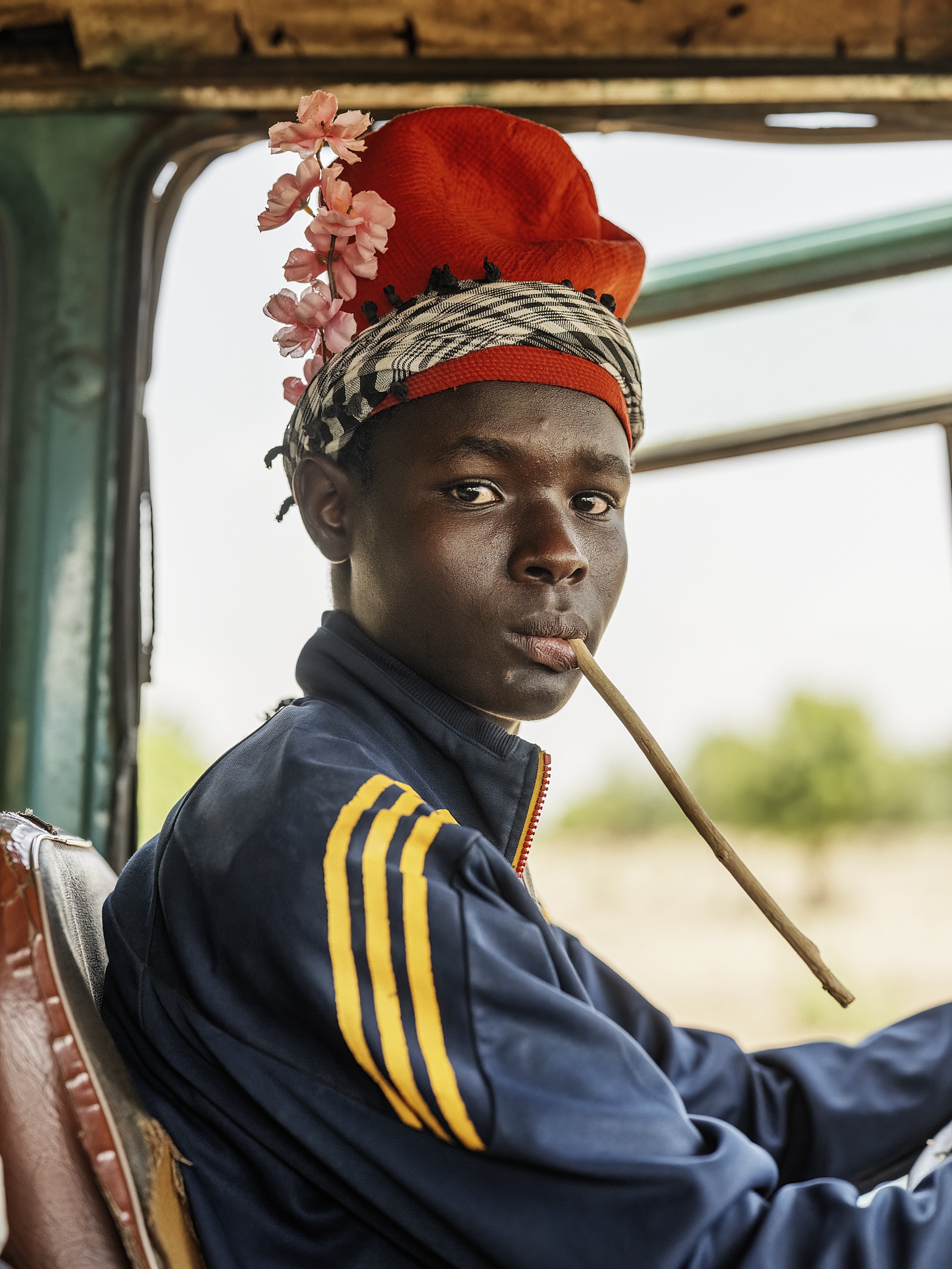
“The story of South Africa speaks to broader histories of oppression and erasure, and how photography has the capacity to record lived experiences that might otherwise be forgotten”
Each year Reyboz and Nakanishi select a theme, guiding their curation of 15 main exhibitions; this year’s theme, ‘EDGE’, explores the most pressing issues of our time. “The global situation imposed,” says Reyboz. “We are on the edge… We should question ourselves and where photography is going today.”
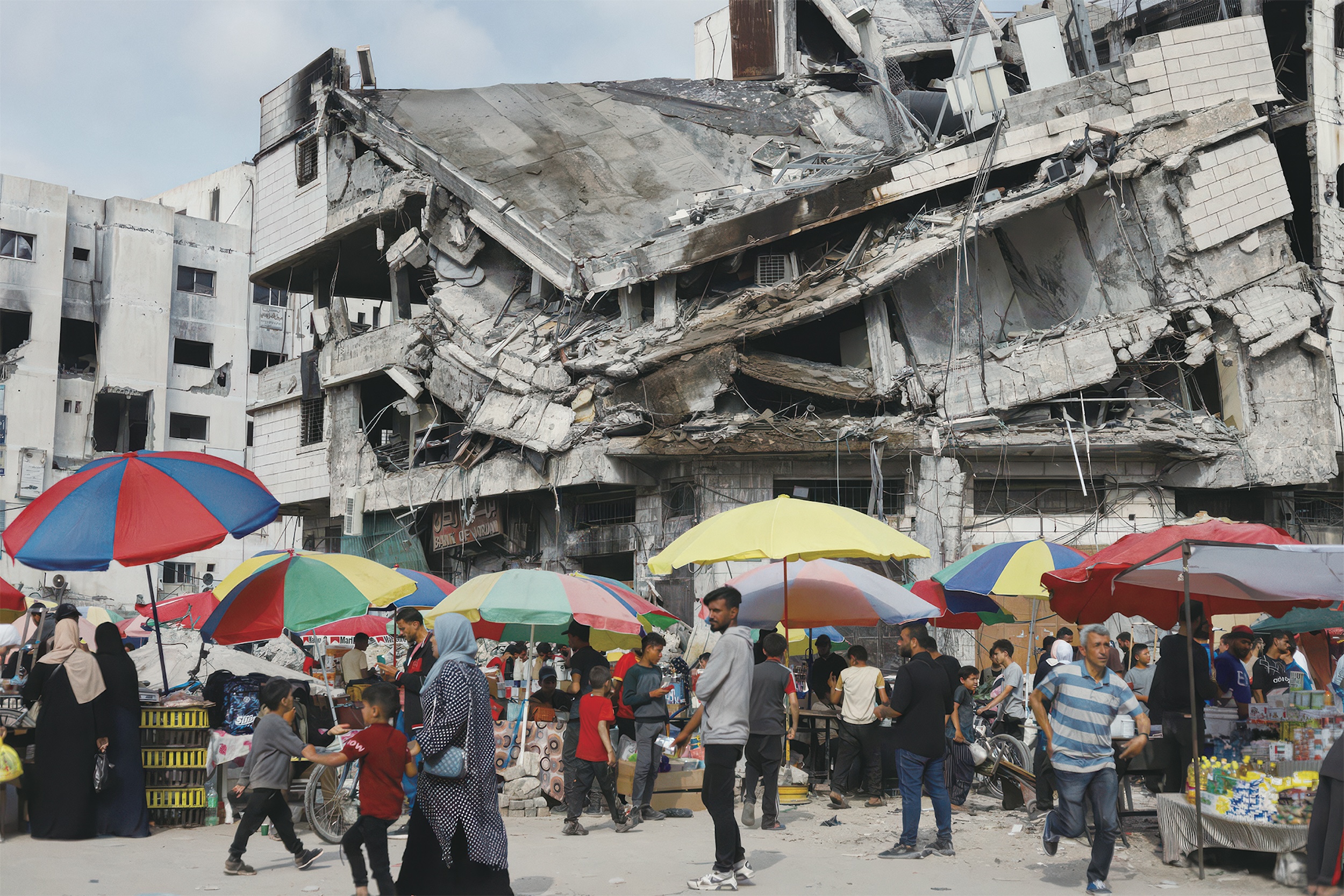
Reyboz, who grew up in Africa, says, “We have always highlighted African photography” but this edition marks a focused shift, centring South Africa via exhibitions of work by three generations of artists – Ernest Cole, Pieter Hugo and Lebohang Kganye. “Very few people here have an understanding of what happened in South Africa,” Reyboz notes. “There’s a tendency to turn a blind eye. The story of South Africa speaks to broader histories of oppression and erasure, and how photography has the capacity to record lived experiences that might otherwise be forgotten,” she adds. This perspective also informs the festival’s tribute honouring Palestinian photographer and activist Fatma Hassona.
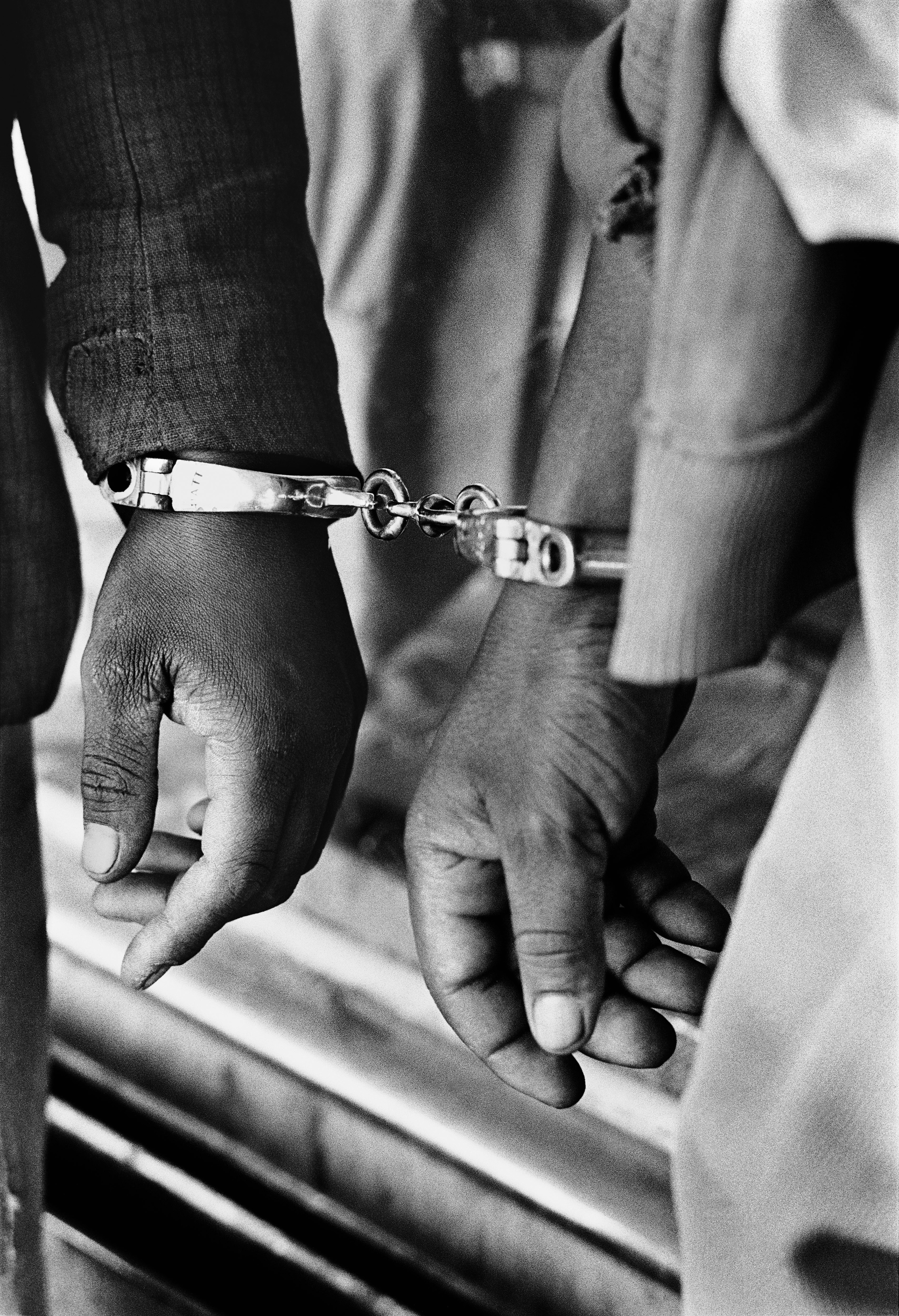
South Africa’s difficult past and burgeoning present are also explored in Photo book! Photo-book! Photobook!, a browsable display of publications curated by writer and curator Sean O’Toole, following a residency at Cape Town’s A4 Arts Foundation. The show brings together 250 publications from 1945 to today in chronological order, exploring both the country’s deep contradictions and formal innovations in the photobook medium. O’Toole highlights what he calls “edge publications”, placing state-favoured books such as Sam Haskins’ African Image – a sentimental portrayal of rural Black life – alongside Ernest Cole’s House of Bondage, a document of urban Black oppression. Both books were published in 1967 but offer “diametrically opposing” points of view, says O’Toole, adding, “One was immediately banned in South Africa. The other became highly influential”.
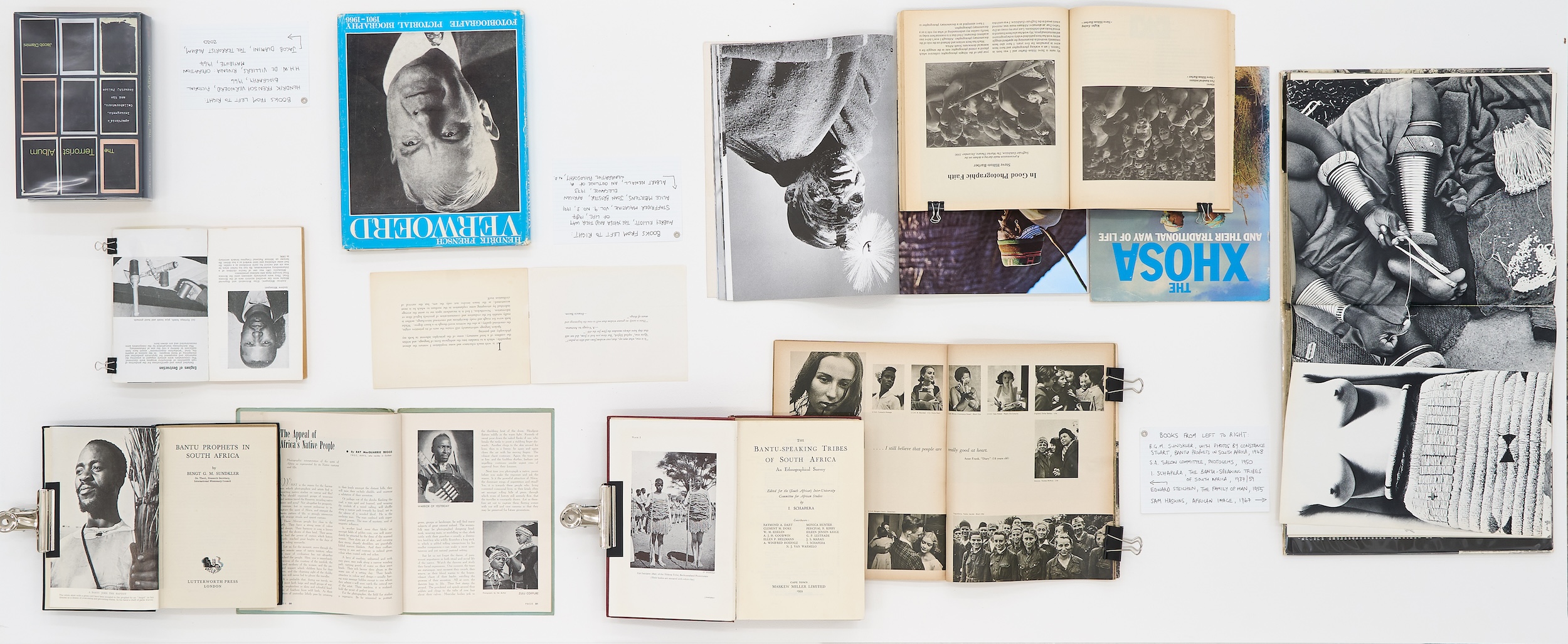
Many of the selected photobooks reveal how South Africa used photography to create damaging anthropological and ethnographic documentation; the essays in O’Toole’s forthcoming book on the project, launching at the festival, also examine the country’s explicit censorship, pervasive during the apartheid years. “During the 1960s and 70s, industrial furnaces [were used] to burn confiscated books,” he points out. “A number of photobooks were swept up in this, most famously Ernest Cole’s.”
Reyboz notes that ‘EDGE’ also explores “how we can jump to a brighter future”, offering insights into our world, but also photography itself. “We included programming that touches upon AI and also photographers and masters who were edgy with the medium, such as Daidō Moriyama,” she points out, reinforcing the festival’s DNA of uniting emerging and established photographers from both Japan and abroad.
Kyotographie will also present a solo exhibition by British artist Linder Sterling, fresh from her success at London’s Hayward Gallery, plus exhibitions by Dutch photographer Anton Corbijn, Kenyan artist Thandiwe Muriu, and French duo Yves Marchand & Romain Meffre, including new work made in Kyoto by Marchand and Meffre using AI. Further highlights include Ruinart Japan Award 2025 winner Sari Shibata’s work bridging Japan’s forests and France’s vineyards, and French artist Juliette Agnel’s colour series Susceptibility of Rocks, created in collaboration with Van Cleef & Arpels.
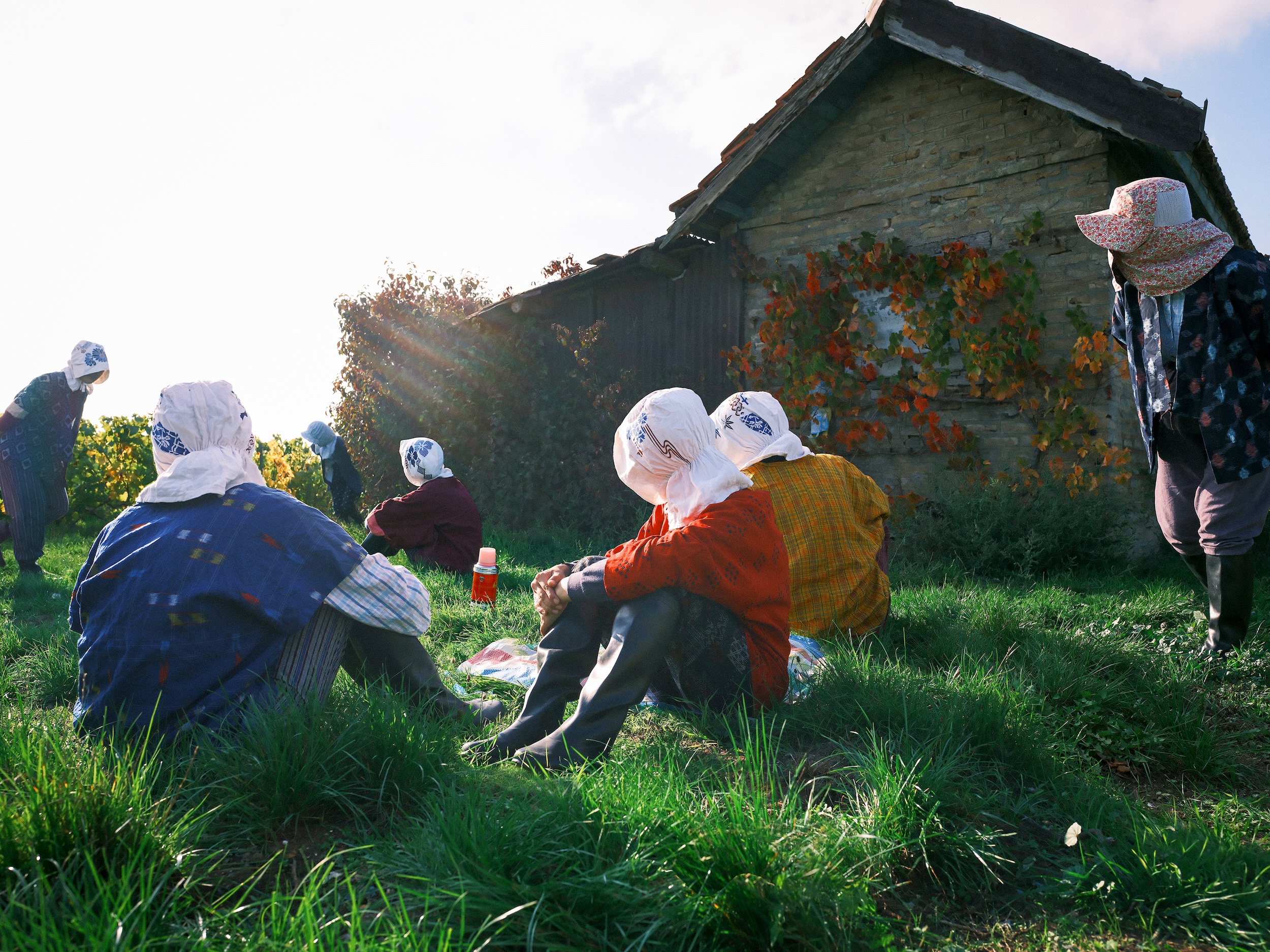
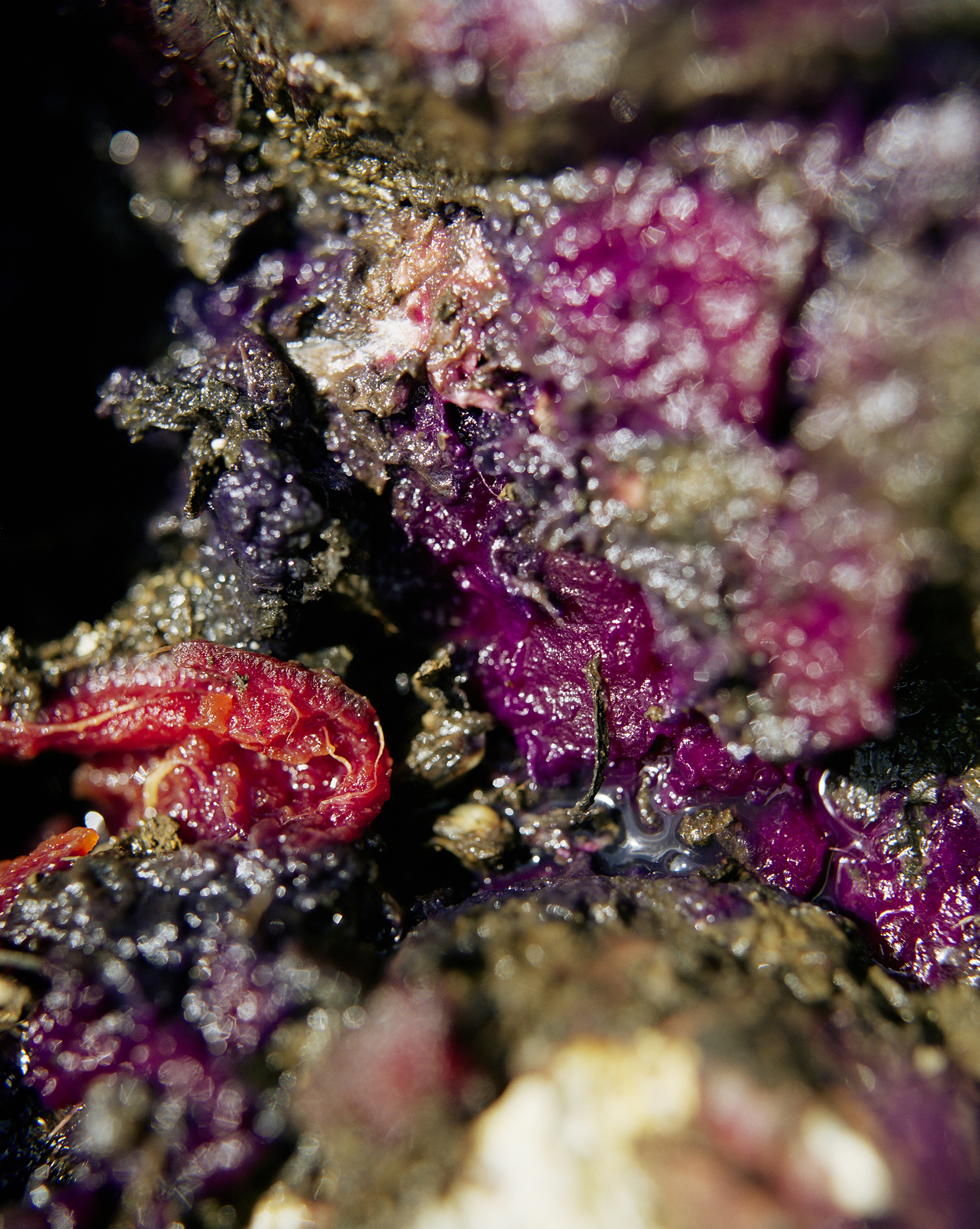
“Agnel has a very strong and spiritual relationship with nature and the elements, and a unique visual sense,” Reyboz says. “We’re going to show her work in an old house that used to be a school of philosophy, just on the border of the Emperor’s Palace, a space which will resonate with her work.”
Many of Kyotographie’s exhibitions are shown in heritage sites, where protections prohibit hanging on the wall; what could be a limitation has become a defining strength of the festival, which creates immersive, site-specific installations, experimenting with image display. “Year after year we push the scenography further,” says Reyboz. “There is dialogue between the artist, curator, architect, scenographer and craftsmen from the very beginning.”
This year, one of the exhibitions will take place in a dormitory for monks – long since abandoned and reclaimed by nature. “It’s a building that has been almost completely taken over by greenery,” Reyboz smiles. Reaching the 14th edition of Kyotographie, and having established the festival on the world stage, Reyboz and Nakanishi are also reflecting on what they have achieved. “After 14 years, we feel the festival has begun to open up new ways of seeing,” says Reyboz. “People are coming from all around the world to support the photography community.”
The 14th edition of Kyotographie International Photography Festival takes place across the city from 18 April to 17 May 2026