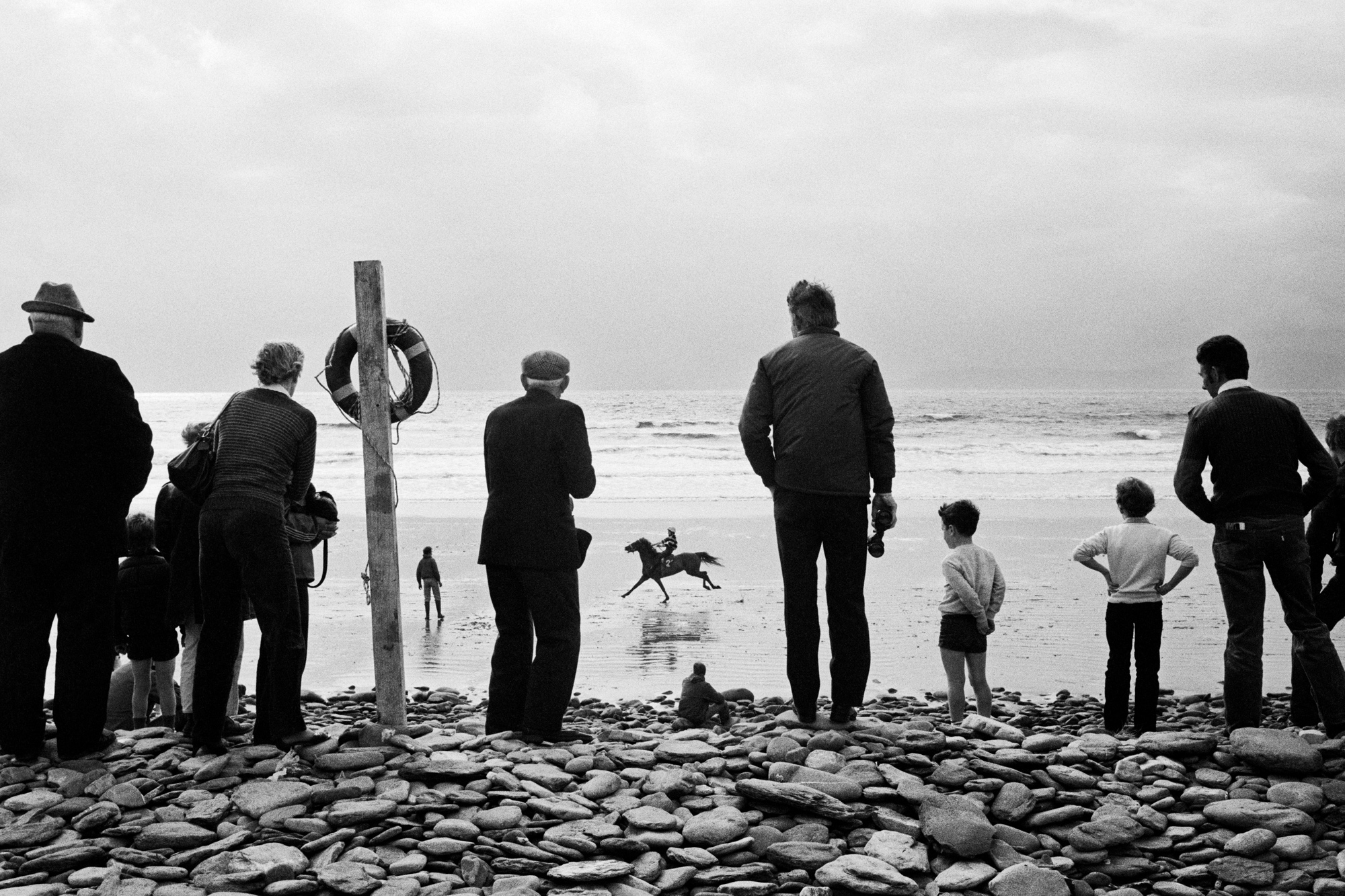

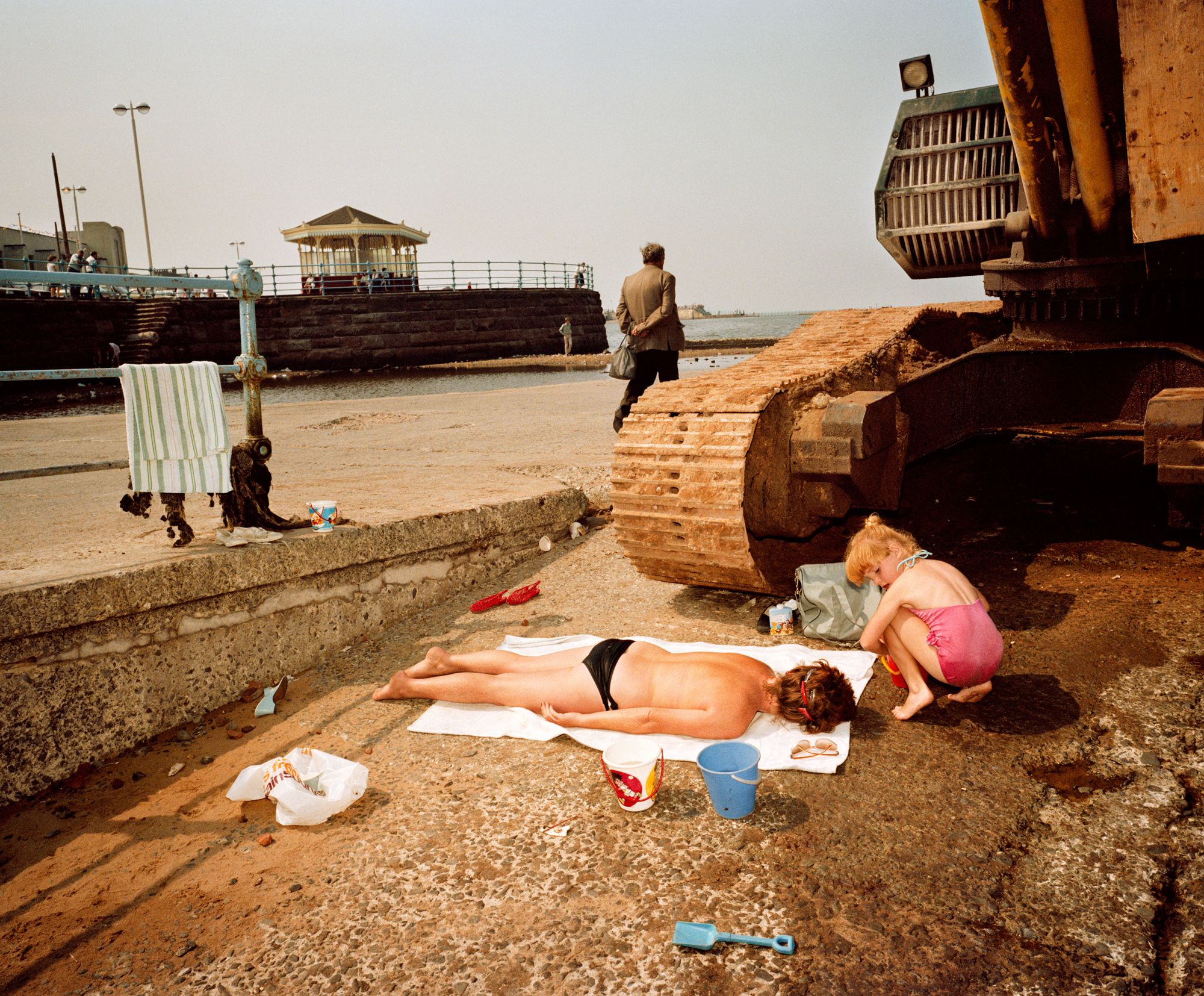
New Brighton, England. From ‘The Last Resort’ 1983-85 © Martin Parr / Magnum Photos
Martin Parr was one of the few photographers to transcend his medium, writes Simon Bainbridge, becoming not just an internationally-celebrated artist but an instantly-recognisable figure in wider popular culture
“If I’m knocking on the Pearly Gates and they say, ‘Okay, mate, what have you done? Just show us one book. See if you can get in,’ I’ll still go for The Last Resort.”
The quote comes from a public Zoom conversation I had with Martin Parr during lockdown in 2020, a time when daily announcements on rising death tolls became the new normal. It was the year before a cancer diagnosis would force him to contemplate his legacy with a new sense of urgency, but for now, Parr was in typically jocular mood. For someone used to an unrelenting, self-assigned work regime, constantly observing the outside world, making pictures from the everyday ordinary of other people, the enforced confinement should have gone badly. But he seemed to have met the situation with his usual mix of curious pragmatism. He was going through contact sheets from the 1980s, when he first burst to international attention with his startling colour pictures from the run-down seaside resort of New Brighton, and he was photographing birds through his window in a return to his first childhood obsession.
The initial prognosis wasn’t good, but he would have more time than at first expected. Enough time for another burst of energy photographing new projects, to make several more books, collaborate on a film and a biography about his life and work, and to consolidate the bricks and mortar of his legacy – the main focus of his last decade of work, his foundation in Bristol. And yet his death on 06 December, aged 73, came as a surprise. He’d been on a shoot in the Italian Alps just two days before.
“His sudden death came as a huge shock to all of us,” says Jenni Smith, director of the Martin Parr Foundation, speaking on behalf of the tight-knit team that worked with him. “Of course, we knew he was poorly, and he always joked about his eventual demise, but none of us were prepared for it to happen so soon. We all thought we had longer left with Martin. To us he seemed invincible.”
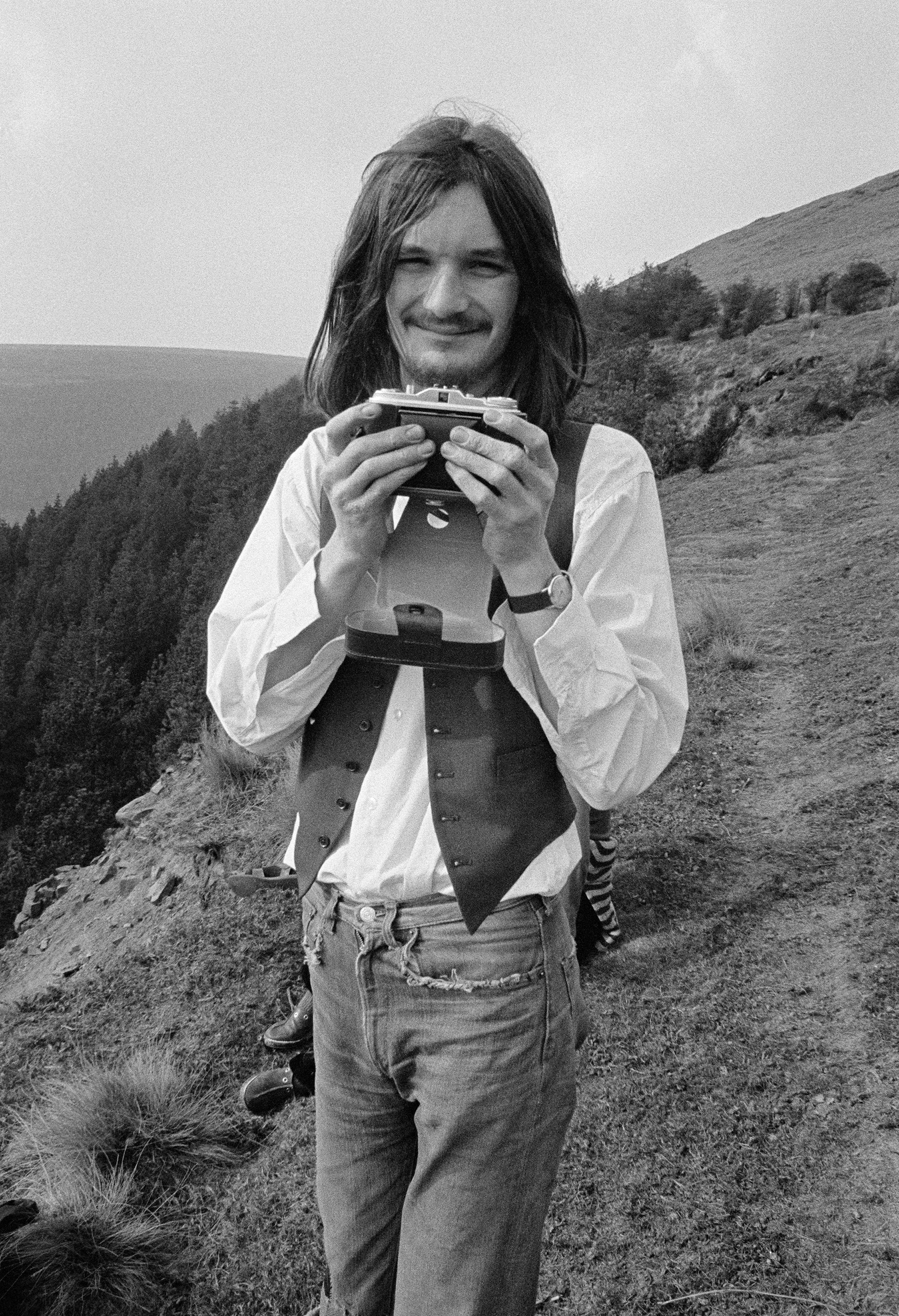
“If I’m knocking on the Pearly Gates and they say, ‘Okay, mate, what have you done? Just show us one book. See if you can get in,’ I’ll still go for The Last Resort.”
Parr accepted that The Last Resort would forever be his calling card. And, after his passing, the talking points returned to his position as an interloper from the Home Counties poking his lens around the detritus of a working-class seaside town in Merseyside. Few ever mention that he was living in Wallasey at the time, of which New Brighton is a suburb.
“If you think about the early days of Martin’s work, he was photographing the areas where he was living and working,” says Dewi Lewis, who has known Parr since the mind-1980s and published many of his books, including the first reprint of The Last Resort, which had initially been self-published in 1986. “When he was in Hebden Bridge, he was doing local stuff,” most memorably with the series, The Non-Conformists shot in Calderdale’s Methodist chapels, published by Aperture in 2013, some 33 years after it was completed. “And New Brighton was local.”
Time has smoothed the edges off The Last Resort’s very palpable rupture from the dominant humanist documentary tradition. Yet it’s easy to see how the photographs appeared different; not just because they were shot in colour with the clarity of medium format, both of which were more closely associated with commercial imagery, but because they were unromantic. “Our historic working class, normally dealt with generously by documentary photographers, becomes a sitting duck for a more sophisticated audience,” wrote David Lee in Arts Review when it was exhibited at Serpentine Gallery in London. “They appear fat, simple, styleless, tediously conformist and unable to assert any individual identity.”
Parr’s defenders argue that the ugliness in the pictures lay in the eyes of the beholders. “I was brought up in Rhyll in North Wales, which is very similar to New Brighton,” says Lewis. “I worked in the amusement arcades. I did all the summer jobs that you do in that sort of place. So I knew all those people. And I knew that there was no sense of it being exploitative.”
Neil Burgess showed the work at Open Eye Gallery in Liverpool, before the Serpentine exhibition, alongside Tom Wood’s photographs of New Brighton. “It was seen by some as taking the piss out of the working classes, which to a certain extent it was. But I don’t think the working classes gave a fuck, really. They came into the show and thought it was hysterical. We didn’t have any complaints from people who saw themselves in those pictures at all.”
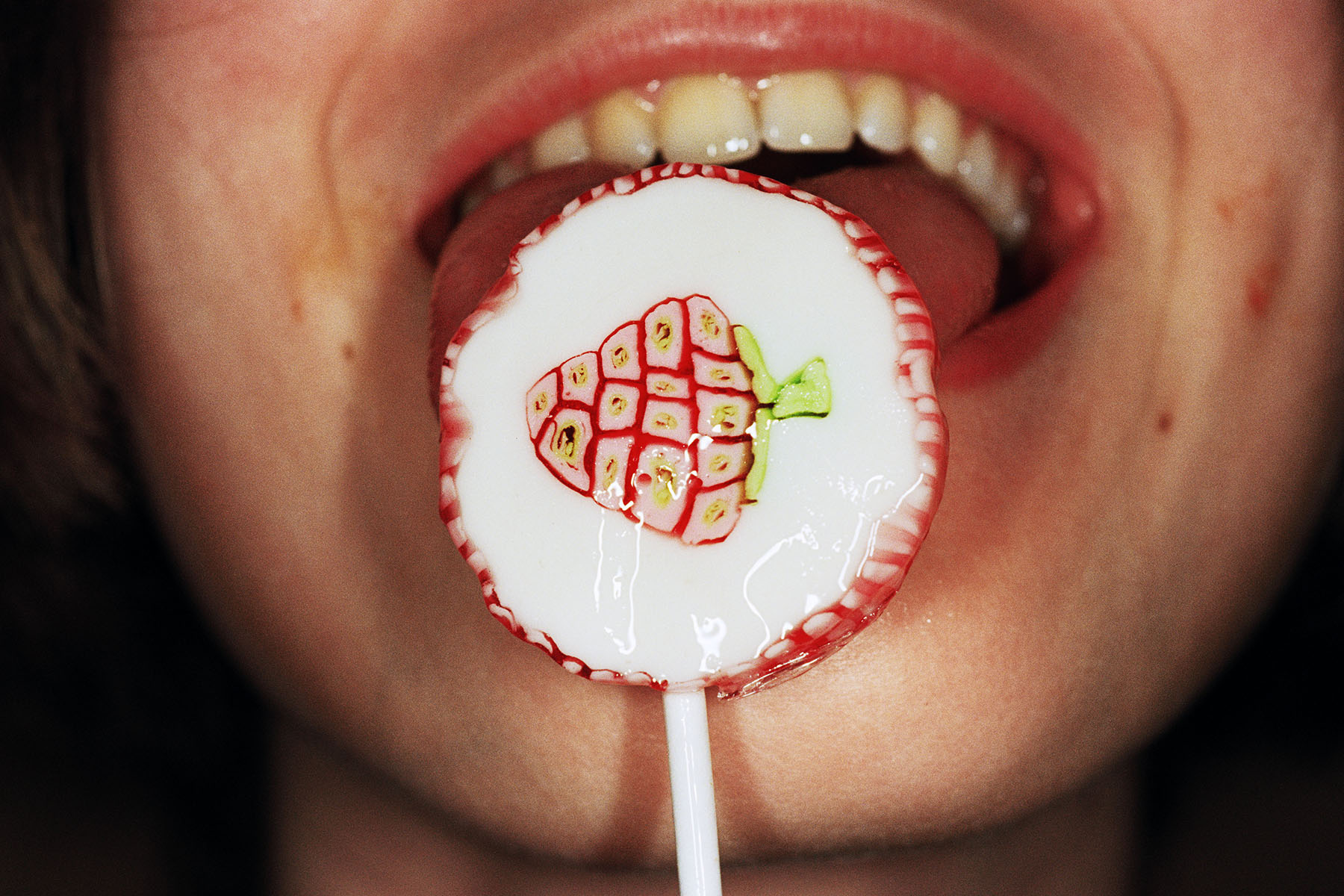
Parr remained grateful that the work was still being talked about decades later. The show at the Serpentine and then at Rencontres d’Arles festival in 1986 put him on a new trajectory towards the figure we know today. He is one of the few photographers to transcend his medium and become not just an internationally celebrated artist, but an instantly recognisable figure in wider popular culture. However, The Last Resort tends to overshadow the work he made over the next 15 years, when he was at his prolific peak, putting out an extraordinary series of books, including The Cost of Living, One Day Trip, Signs of the Times, Bored Couples, Small World and his magnum opus, Common Sense.
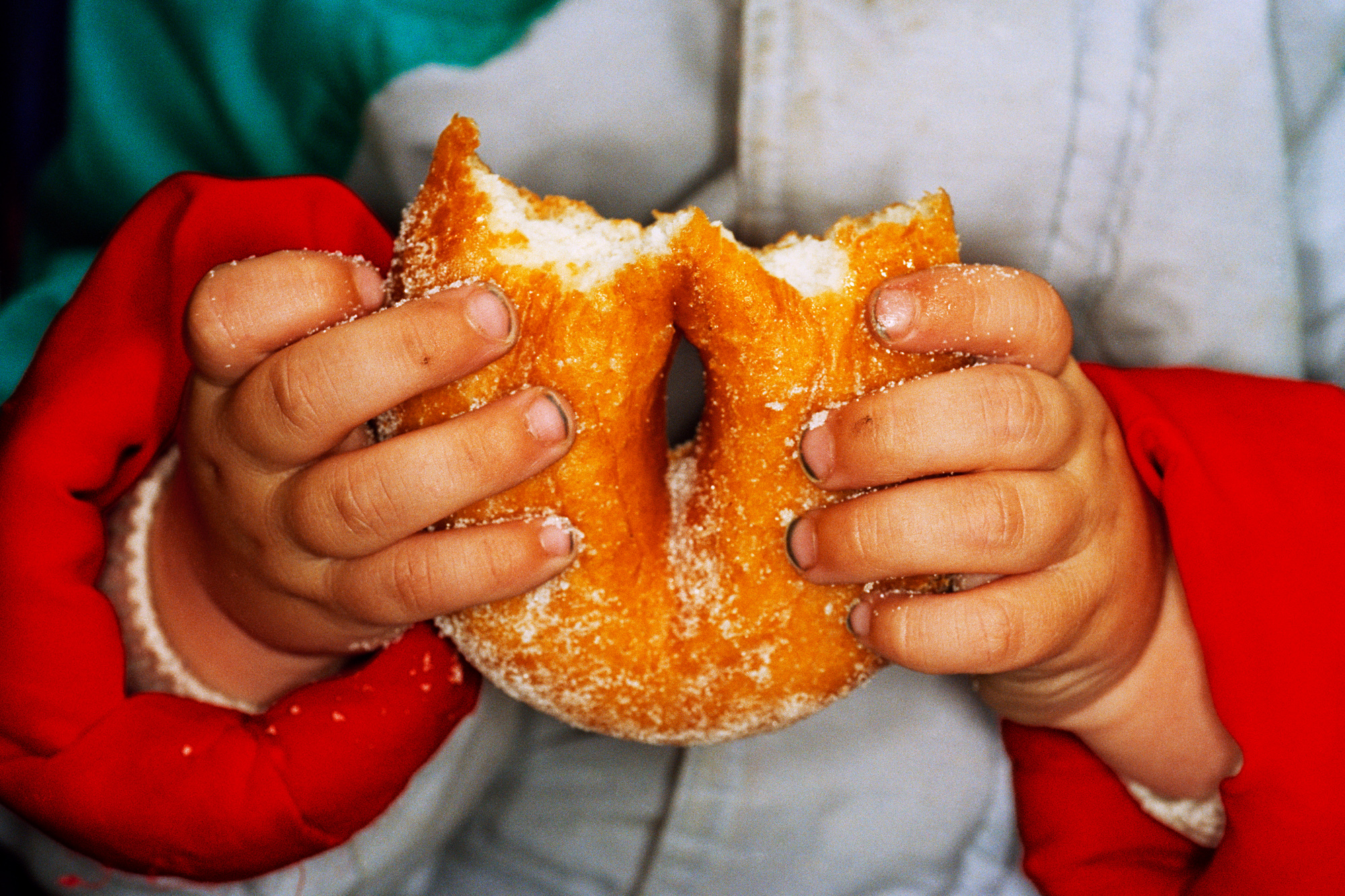
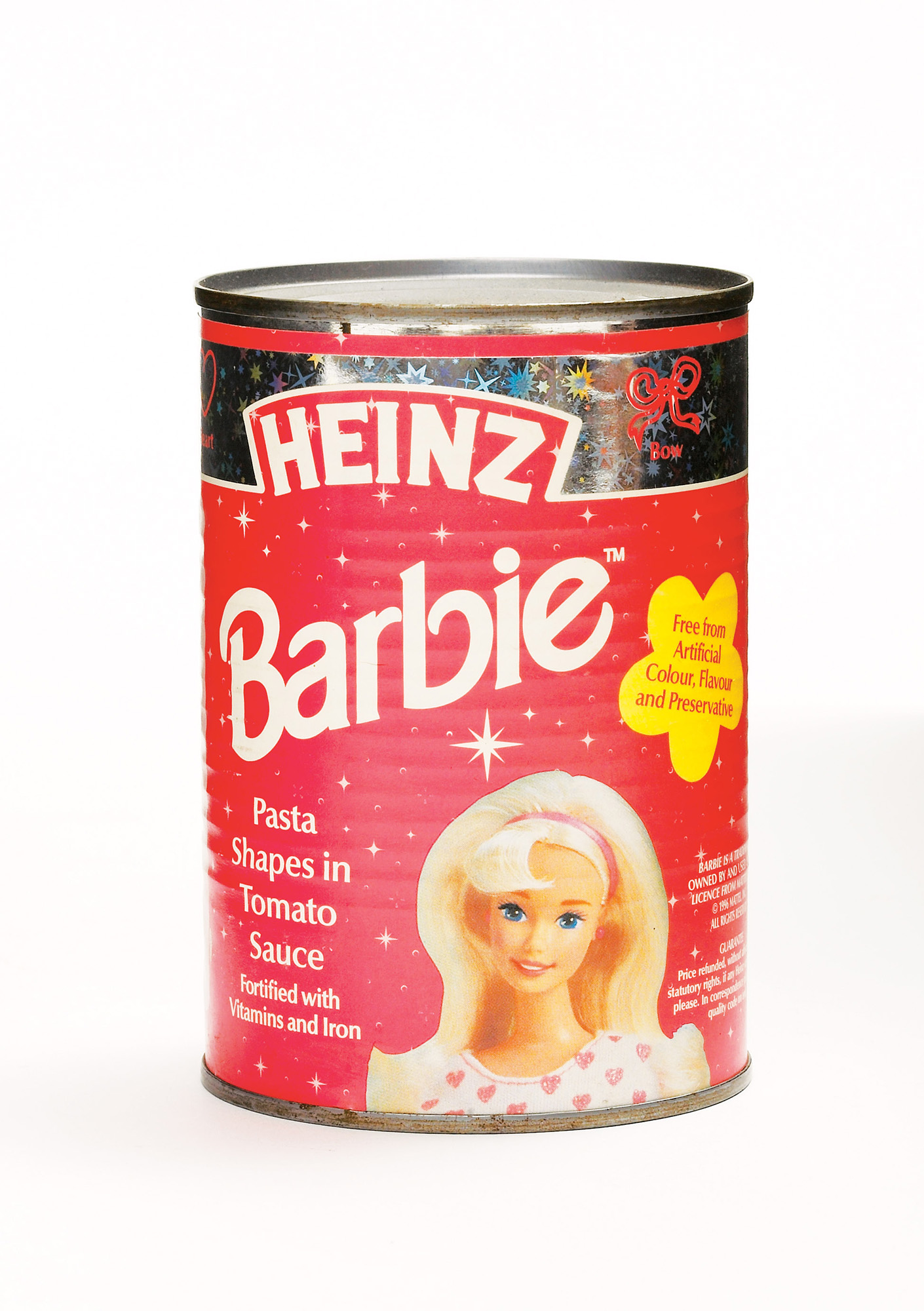
Published by Dewi Lewis in 1999, Common Sense was — and still is — a wildly original and audacious take on consumer culture, focused in extreme close up. It’s the book he said he’d be holding in reply at the Pearly Gates, in case they asked for another chance to get in. “It’s when I put together the experimentation I’d done with the macro lens,” he recalled in the Zoom talk in 2020. “One of the dangers of being me is that I get lazy and complacent and repeat myself ad infinitum, which I could do pretty easily. So the thing is to give yourself challenges. I’ve always used the beach as my experimental lab. I first started the medium format pictures in New Brighton. I then applied the macro lens to the beach. Then I thought I’d challenge myself and use a telephoto lens [for Beach Therapy, published in 2018] because in the world of art and documentary photography, it’s generally frowned upon.”
Lewis says that even Parr was unsure about Common Sense, and that it might have all been different. “He said that he had a new project that he wanted to show me, but he wasn’t quite there with it. He was still weighing up in his own mind whether it was something that he wanted to keep going on…. Before things really started taking off for him, around 1997 to 98, he was getting properly interested in book collecting. He turned to me at one point and said, ‘I’m getting a bit fed up with photography, but I really love books. I should go and open a bookshop.’ How serious he was, I’ve no idea. And within two or three months, he started making films. That must have also been about the same time that he was developing Common Sense. So, in a sense, it all ties in that he hadn’t quite worked out where he would go next with work.”
He persevered, and this time the world was ready to embrace the shock of the new. Alongside the book, Common Sense opened as a simultaneous exhibition in 41 venues around the world, from Janet Borden in New York, the first commercial gallery to fully represent him, to the Australian Centre for Photography and the House of Filmmakers in Moscow. Parr would be the first to admit that his very best work was now behind him, but he remained prolific, especially after becoming a full member of Magnum Photos in the mid-1990s, embracing a new role as an in-demand fashion and commercial photographer. Meanwhile, his public profile grew far and wide, much of it on the back of his 2002 retrospective initiated by Barbican Art Gallery and the National Media Museum, curated by Val Williams, which toured Europe for the next five years.
In this next overlapping phase of his career, Parr turned more of his attention towards curating and collecting. He was Guest Artistic Director for Rencontres d’Arles in 2004, and arguably that edition of the festival has never been bettered. The same year saw the publication of the first volume of The Photobook: A History, a serious and scholarly research project completed with Gerry Badger, challenging the dominant narrative of the medium. Parrworld opened at Haus de Kunst in Munich in 2008 featuring his collection of objects, postcards, prints by other photographers, and his vast archive of photobooks, later acquired by Tate and the Luma foundation.
For many in the photography community, this is his most important legacy. “Martin is the reason for the photobook revolution,” says Lewis. “Someone may have come later, but it’s really all down to Martin and his enthusiasm for the book form. And, if you think about it, who else could it be? He got it going.”
The sale of his photobook collection, for a middling seven-figure sum, helped pay for the focus of the third and last phase of his career, opening a foundation in Bristol supporting emerging, established and overlooked photographers who have made and continue to make work focused on Britain and Ireland. The Foundation’s collection holds more than 5000 prints, from postwar figures such as Marketa Luskacova, Charlie Philips, Tony Ray-Jones, Joy Gregory and Chris Killip, to emerging artists from the last 10-15 years, such as Clementine Schneidermann and Rene Matic. International photographers are represented with major works shot in the UK and Ireland, such as Eugene Smith’s Three Generations of Welsh Miners, alongside book maquettes which includes dummies made in the production of photobooks such as Chris Killip’s In Flagrante and Richard Billingham’s Ray’s a Laugh.
“In a strange way, Martin’s work has been slightly overlooked at the Foundation because he was so eager and excited to discover and promote the work of others,” says Jenni Smith. “We hope to spend time exploring Martin’s archive and exhibit more of his work in the gallery in the future. At the moment his Common Sense work is on display in the Foundation toilets, which he always found amusing. There is so much work that remains unseen. During Covid, Martin spent time revisiting his contact sheets and selecting new images, so scanning those negatives feels like a good place to begin that exploration.”