
All images © Durimel, 2025
The twin brothers are working on a long-term book project reimagining a homeland rooted in Black beauty and belonging, on the back of their project Lundambuyu’s Mobility Program
Jalan and Jibril Durimel’s story started on the internet. The twin-brother photographers – born in Paris, raised in Miami until age 12, with a stint in Saint Martin, the Caribbean – began making videos together on YouTube with their channel Those Damn Twins. The experience taught them basic editing and visual storytelling, coupled with an early experience working alongside their mother who tried to launch a fashion blogger reality show in Saint Martin and which exposed them to Tumblr, fashion, and the aesthetics of online style communities. The influence of dreamy, romanticised visuals from the digital and editorial fashion worlds remain as an echo in their work, though today, their images seem grounded in something slightly more human and emotive.
“Our whole life with cameras has been based on admiration and imitation,” says Jalan Durimel. “At first, it was about copying the things we loved – comedy YouTube, fashion blogs, film photography – until we realised we were really just trying to find out what our image could be.”
The Durimel brothers – known collectively as Durimel – have built a practice defined by self-teaching, collaboration, and an ongoing search for creative autonomy. Their work, which merges fashion, portraiture, and cinematic composition, has grown from an instinctive fascination with moving images into a mature visual language that foregrounds warmth, colour, and diasporic identity.
“We didn’t study photography formally,” says Jibril. “We went to a community college in Los Angeles to study cinema, mostly to get back into the US, and then learned photography from friends who were studying at ArtCenter. Each of them gave us one piece of the puzzle, and we taught ourselves the rest.”
“If we can’t see where we’re from, maybe we can invent a homeland”
That informal education helped the brothers forge a style unburdened by documentary conventions. “Because we didn’t go to photo school, we didn’t get too obsessed with reportage or journalistic truth,” says Jibril. “Our lens was always through cinema, where fiction is welcome. We were more interested in creating worlds that invite imagination.”
Their earliest experiments in Los Angeles were inspired by the analog revival of the early 2010s. After discovering medium-format film on Tumblr, they met British photographer Tyrone Lebon at a Q&A, a pivotal encounter that introduced them to darkroom printing and led to their first editorial work for i-D Magazine. “We sent him our images, and he gave us feedback,” Jibril recalls. “Eventually, he introduced us to the team at i-D, and we got our first commissions, profiles on Rejjie Snow and Keith Ape.”
As their editorial work developed, the brothers began reflecting on how their itinerant upbringing shaped their outlook. “Being exposed to so many cultures has been a gift,” says Jibril. “When you’ve actually seen the world, your vocabulary for images widens. What we used to see as displacement, we now see as a tool for maturation.”
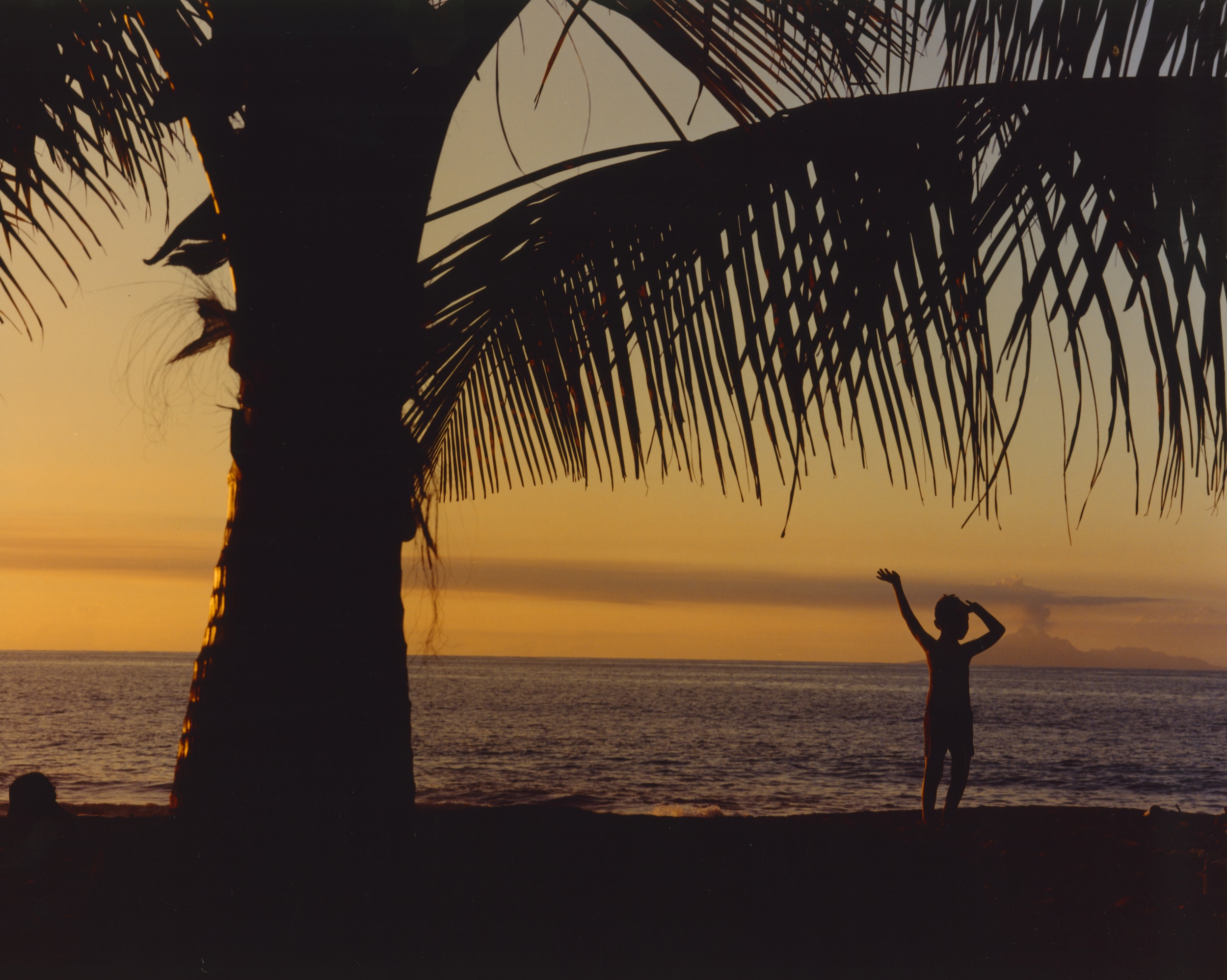
In 2017, revisiting their family photos from the Caribbean proved transformative. “We realised that what moved us wasn’t just other people’s aesthetics,” says Jibril, “but the warmth and sunlight we grew up around. We decided to use those techniques to tell stories about the Caribbean, about tropical identity. That’s when we stopped imitating and started defining our own voice.”
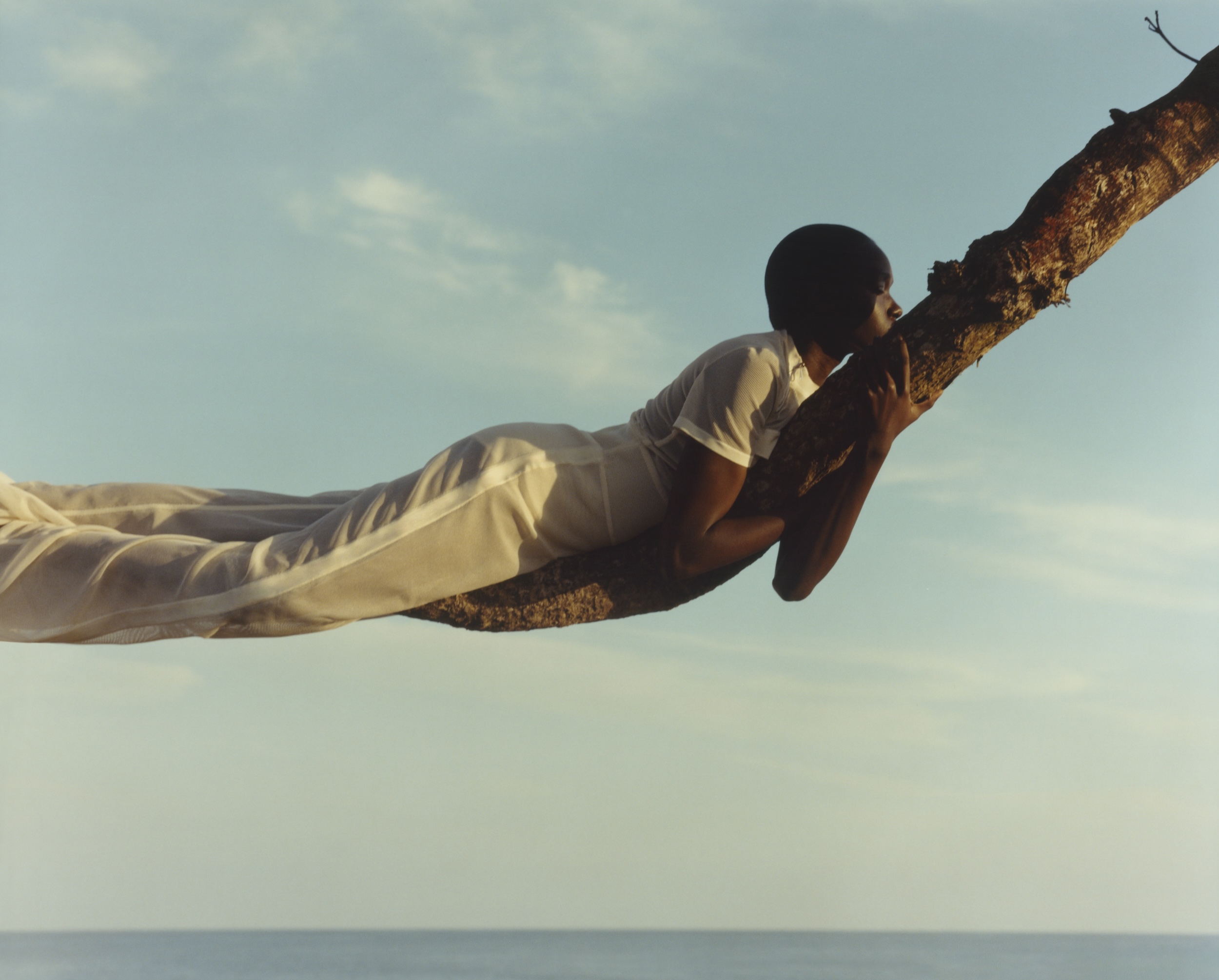
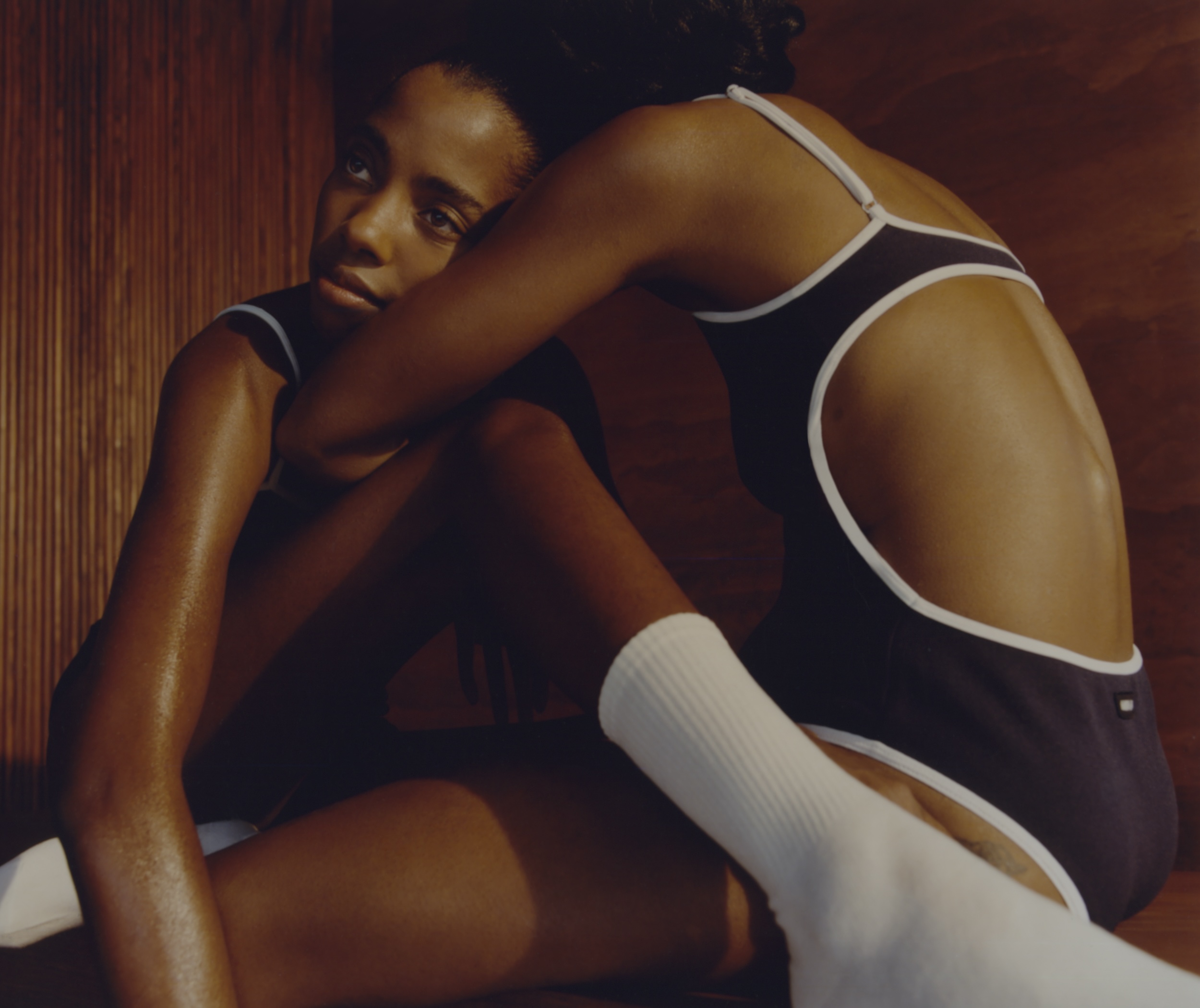
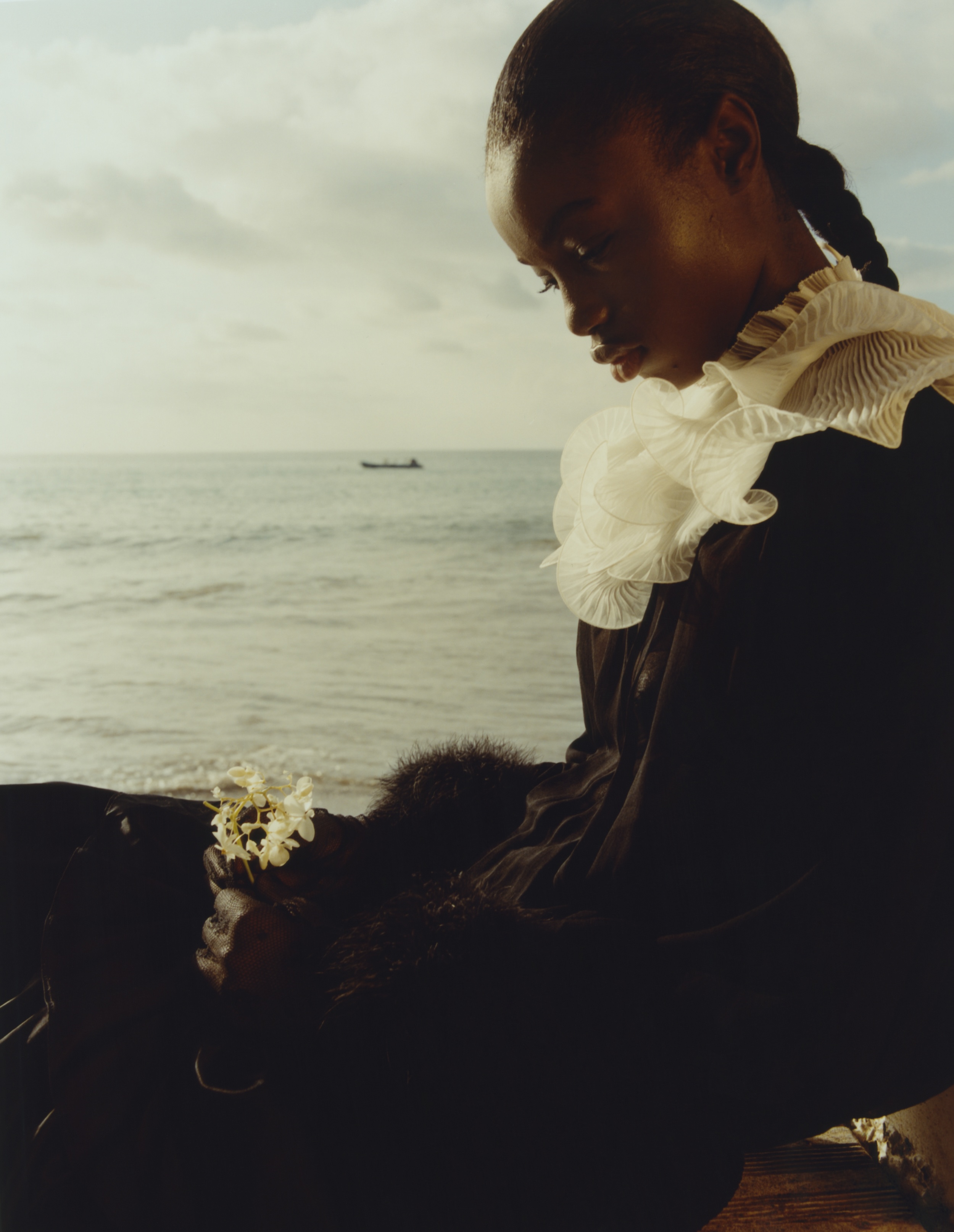
Movement has defined the Durimel blueprint and seems to continue to colour their visual worlds. Their subsequent move to Paris expanded their exploration of occidental design and African diasporas. “We were struck by the African presence in Paris,” says Jibril. “At first we thought we’d photograph the diaspora there, but after speaking to people we decided to go directly to Africa.” Travelling to Côte d’Ivoire and Senegal deepened their ongoing book project, Quiet as the Country (a working title), a long-term body of work that weaves portraiture, landscape, and costume into a fictional yet emotionally grounded world.
“We wanted to make a photo book based on a fictitious tropical republic,” Jibril explains. “If we can’t see where we’re from, maybe we can invent a homeland. Through that make-believe, we’ve learned a lot about ourselves.”
The project, which has been in progress for nearly nine years, began partly out of frustration with the commercial fashion system. “Fashion can be too hierarchical and too fast,” says Jibril. “It was limiting. The book became a cry for autonomy – a way to rediscover creativity without deadlines.”
The brothers now work with small crews, relying on natural light and minimal styling. “We love bare makeup and simple materials. Coconut oil, sunlight, the park at sunrise,” says Jibril. “We like to keep things light: a bag of clothes, a reflector, and our cameras. It’s about letting the image feel like it’s already happening.” That simplicity mirrors their broader creative philosophy: “We try not to over-manipulate,” says Jibril. “We want the photos to feel natural, effortless.”
Their latest project, Lundambuyu’s Mobility Program features Habiba Hopson as ‘Lundambuyu,’ a fictitious mobility trainer, it’s an ode to the able body. Here, the goal is beauty in the pursuit of dignifying our everyday lives, Durimel printed a limited run of 500 posters from the series that was shared for free at Climax Books in New York City, the first public reception of their work, on 27 October.
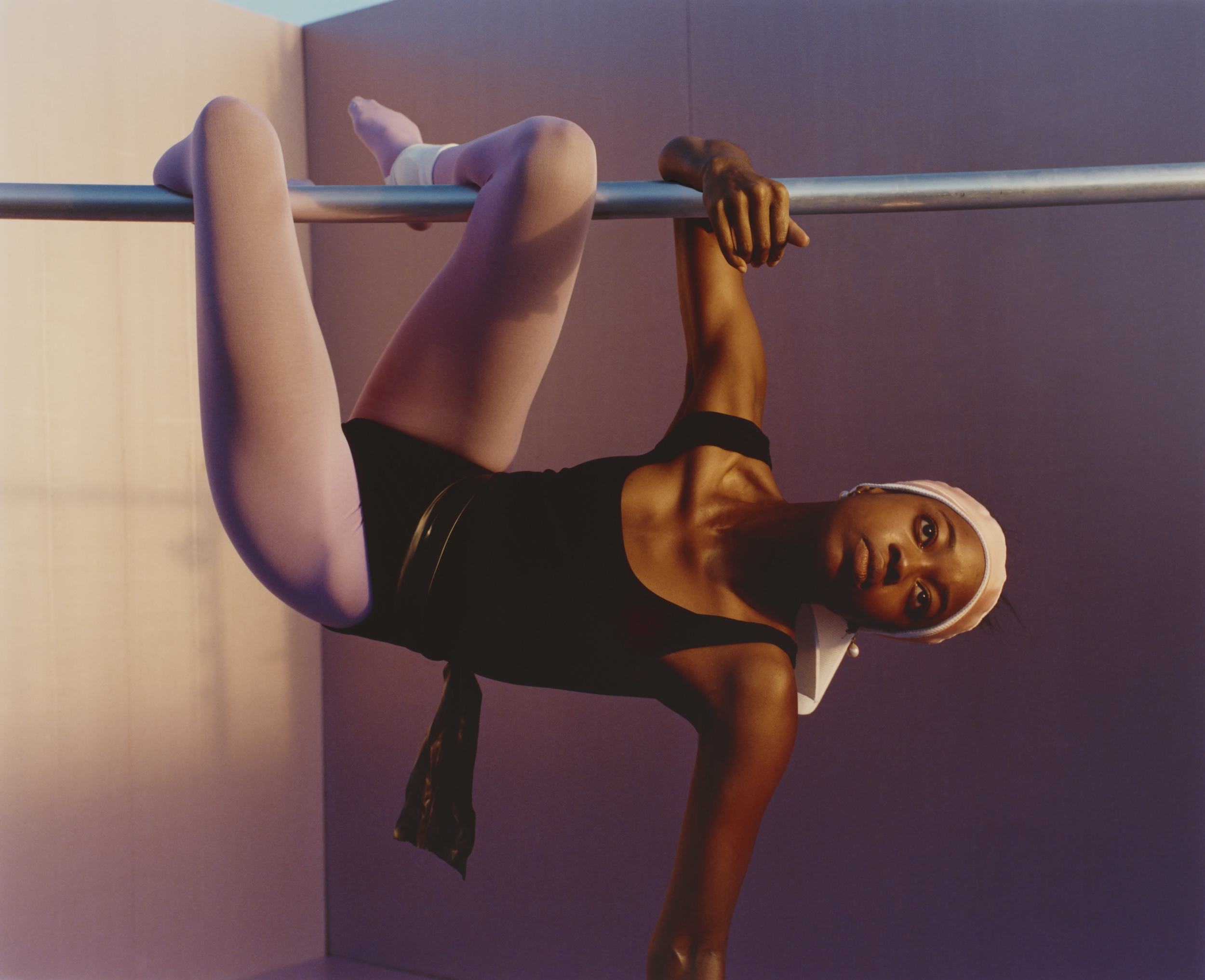
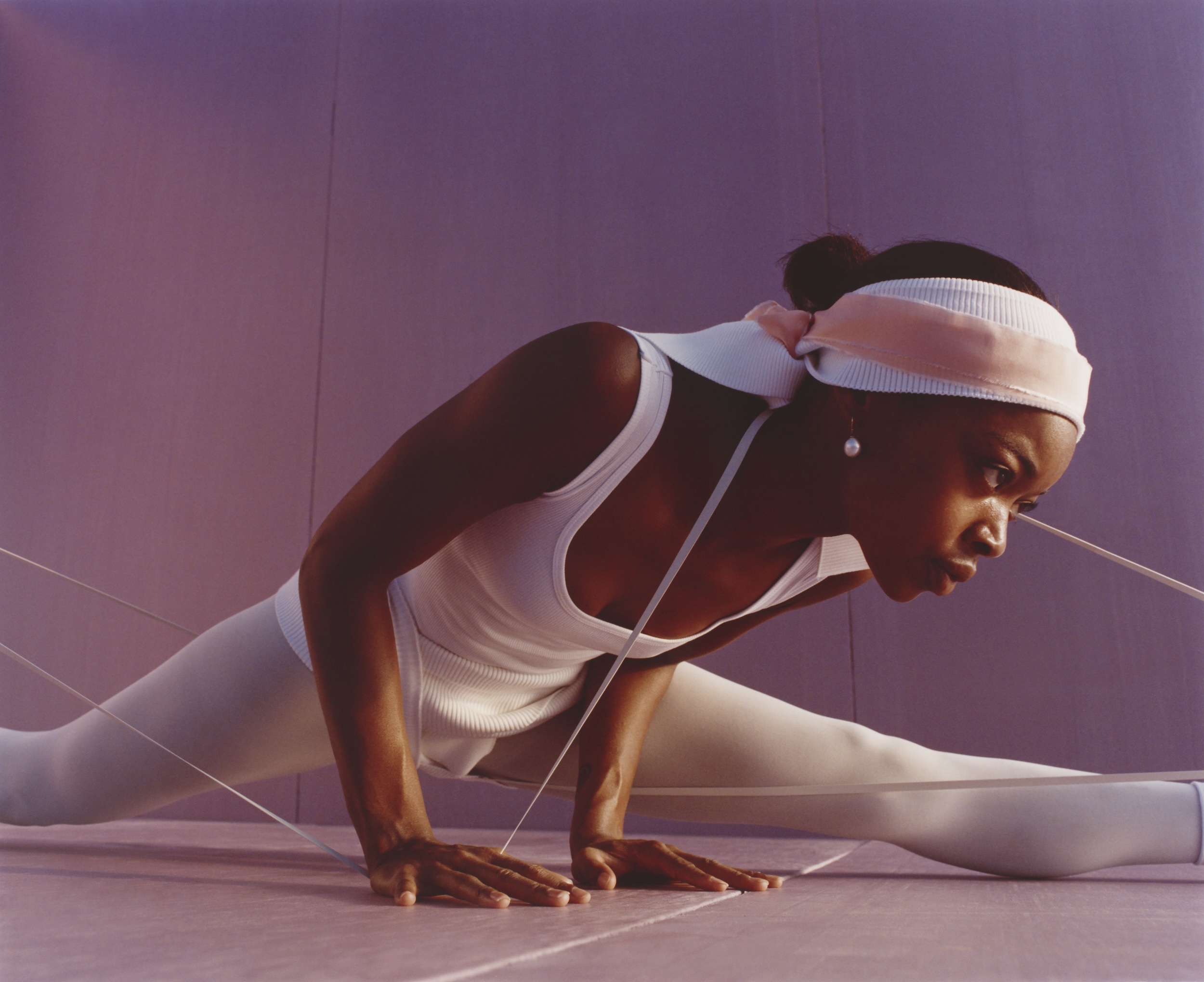
Nature itself has become an essential part of their visual and spiritual vocabulary. “We look at nature as the idea of God,” Jibril reflects. “The best art feels like God made it. When you look at a tree or stones in a river, there’s effortlessness. That’s what we try to achieve – something that feels organic, like it already existed.”
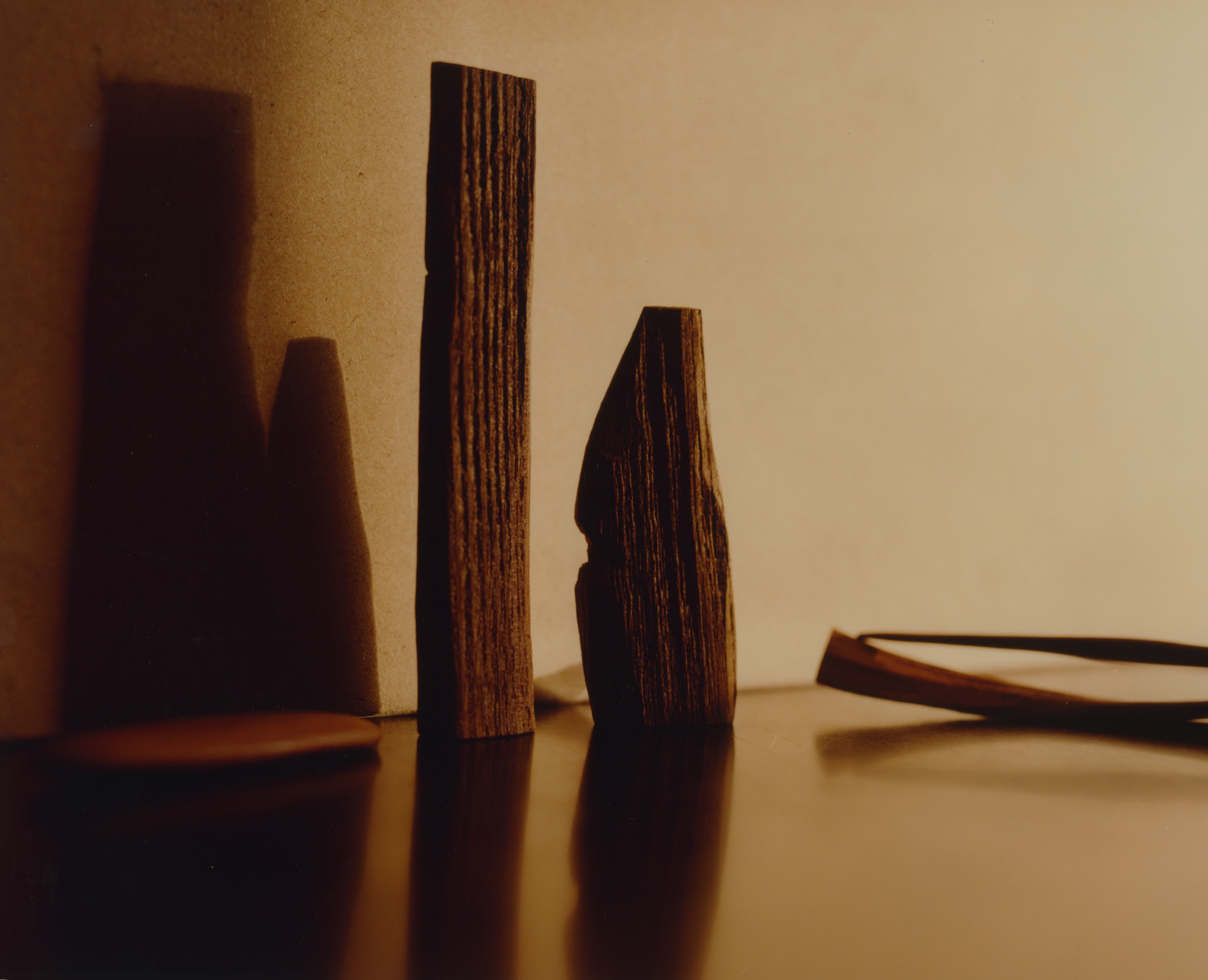
Recently, they have been experimenting with still lifes of natural concretions — stones that form without human intervention. They realised they were always drawn to the images that felt untouched. Jibril says, “that’s when it clicked. Even in our portraiture, we’re searching for that same natural expression.”
Despite their shared vision, collaboration remains a careful balance. As one can imagine, working with family can’t be a straightforward feat. “Working together is a social journey,” says Jalan. The brothers have had to learn how to communicate better, but admit “it’s something we’re still figuring out,”, says Jalan. Their process now gives each twin autonomy within their shared practice. “If one of us has an idea, that person leads the shoot,” Jalan explains. “The other assists completely. It’s about surrendering power so ideas can flow.”
Both brothers are also cultivating individual practices: Jibril has returned to drawing and draftsmanship, while Jalan is teaching himself music and songwriting. “Having our own outlets has been liberating,” says Jibril. “It makes the collaboration healthier.”
Now based in New York, they are continuing work on Quiet as the Country while seeking the right publishing and gallery partners, aiming tentatively for a 2026 release. “We don’t know exactly when,” Jibril admits. “But what the project has done for us – for our relationship, and for how we understand image-making – has already been enough.”
At the centre of their work is a commitment to transformation – a belief that art is not only about making something beautiful but also about becoming through the process. “Art is metamorphosis,” says Jibril. “Each project teaches us who we are. We just want to make something beautiful that makes people feel something.”