

Standout submissions for BJP’s competition to shadow Laura Pannack on an exclusive portraiture commission
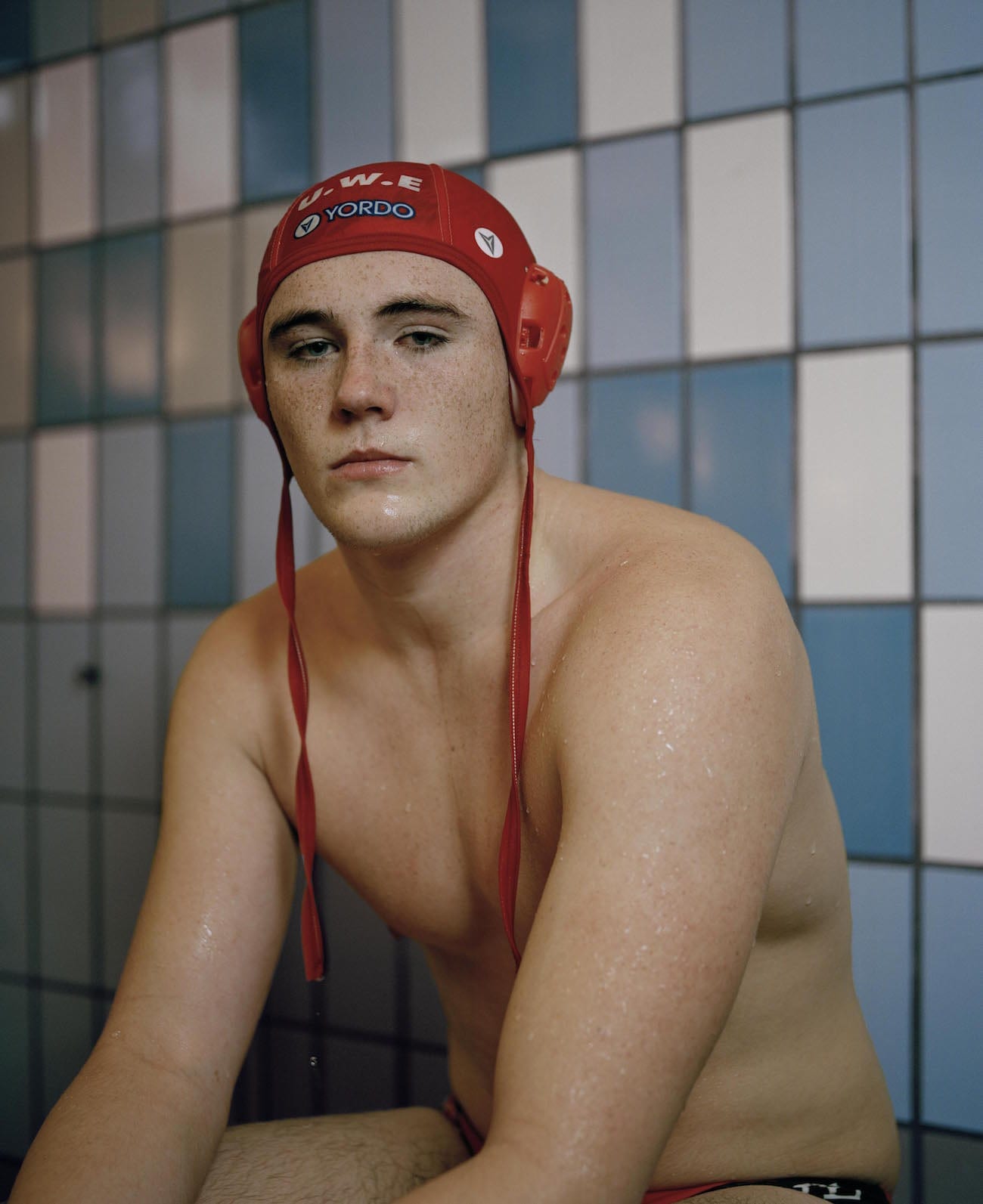
Standout submissions for BJP’s competition to shadow Laura Pannack on an exclusive portraiture commission
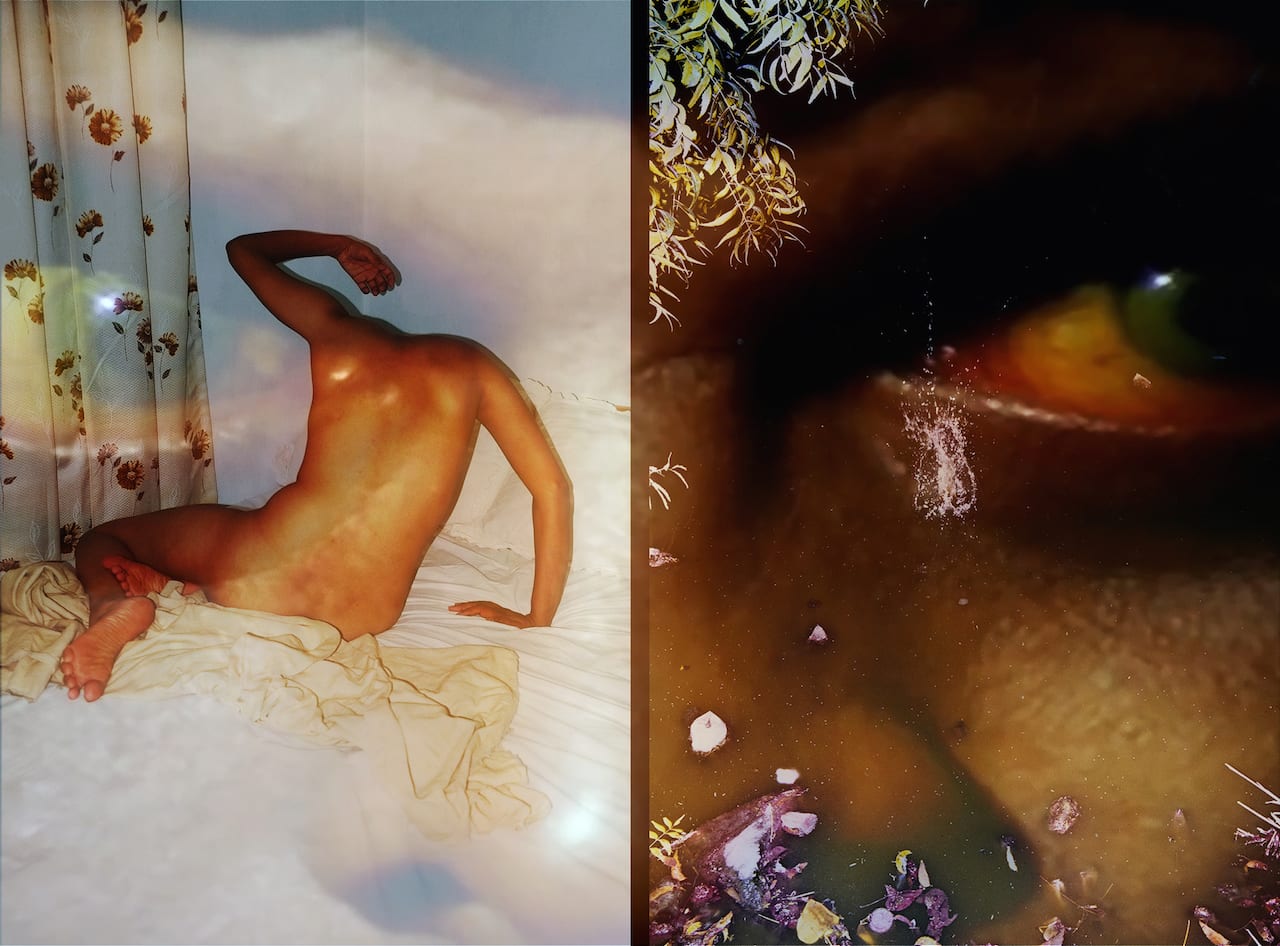
The Guardian’s photo critic picks out his top five of the year, including Sohrab Hura’s installation The Lost Head & The Bird at The Nines, London during Peckham 24
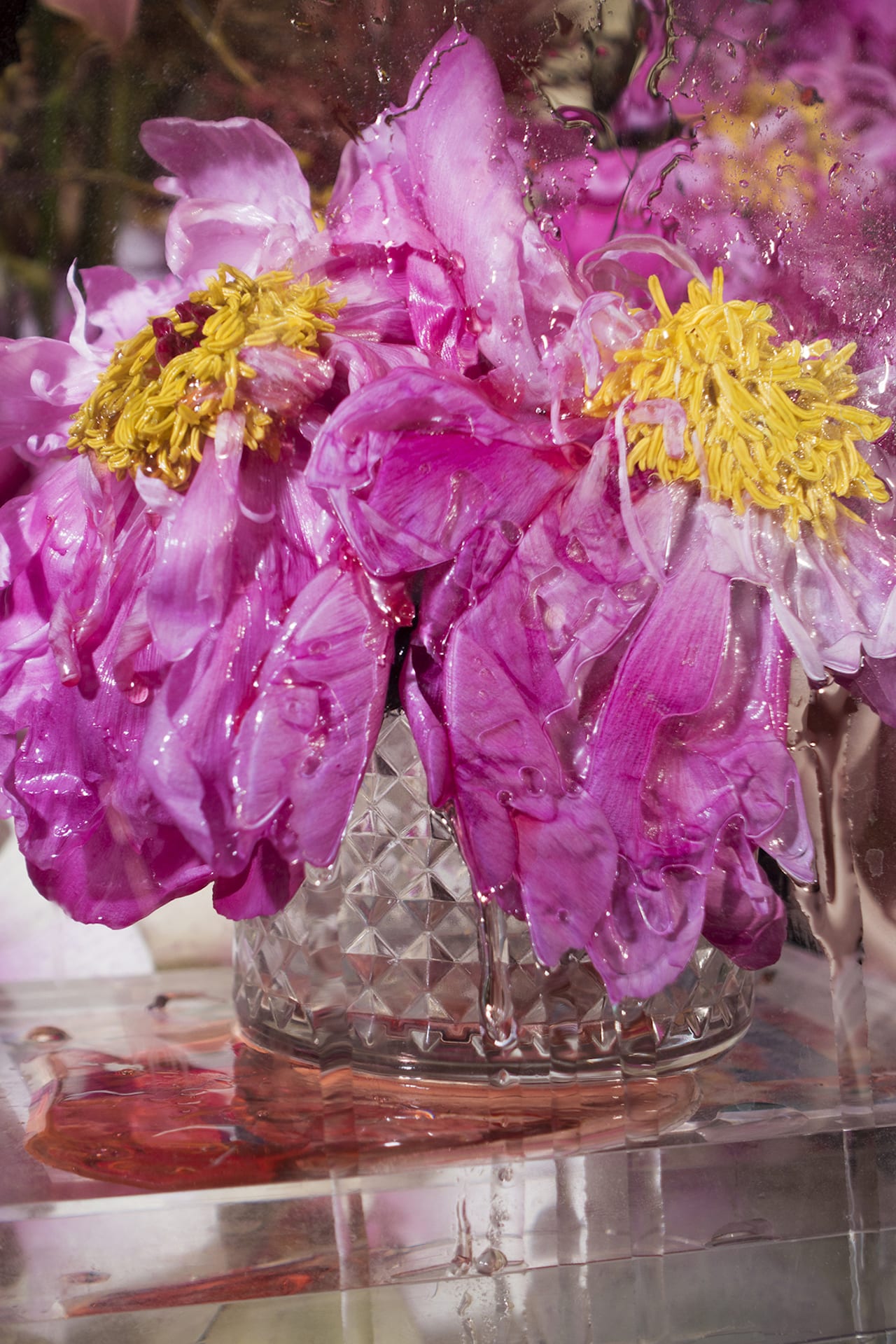
Tate Modern’s curator of photography picks out his top five of the year, including Maisie Cousins’ grass, peonie, bum show from TJ Boulting Gallery
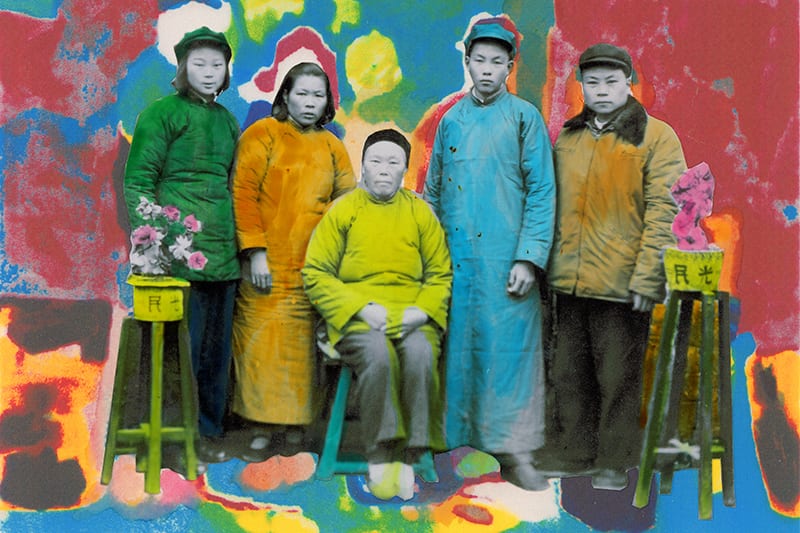
“I collect a lot of stuff, and sometimes I like to see it as raw material I could use to tell another story and do something new,” says Thomas Sauvin. Hand-colored, his project with Chinese animator Lei Lei, is a good case in point. A collection of 1168 images which have been scanned, reprinted and repainted in bright, deliberately artificial colours, it’s the opposite of the usual archive work. But it’s part of the Beijing Silvermine Archive, he says, a collection of negatives Sauvin first started up by salvaging strips from a recycling plant in the Chinese city.
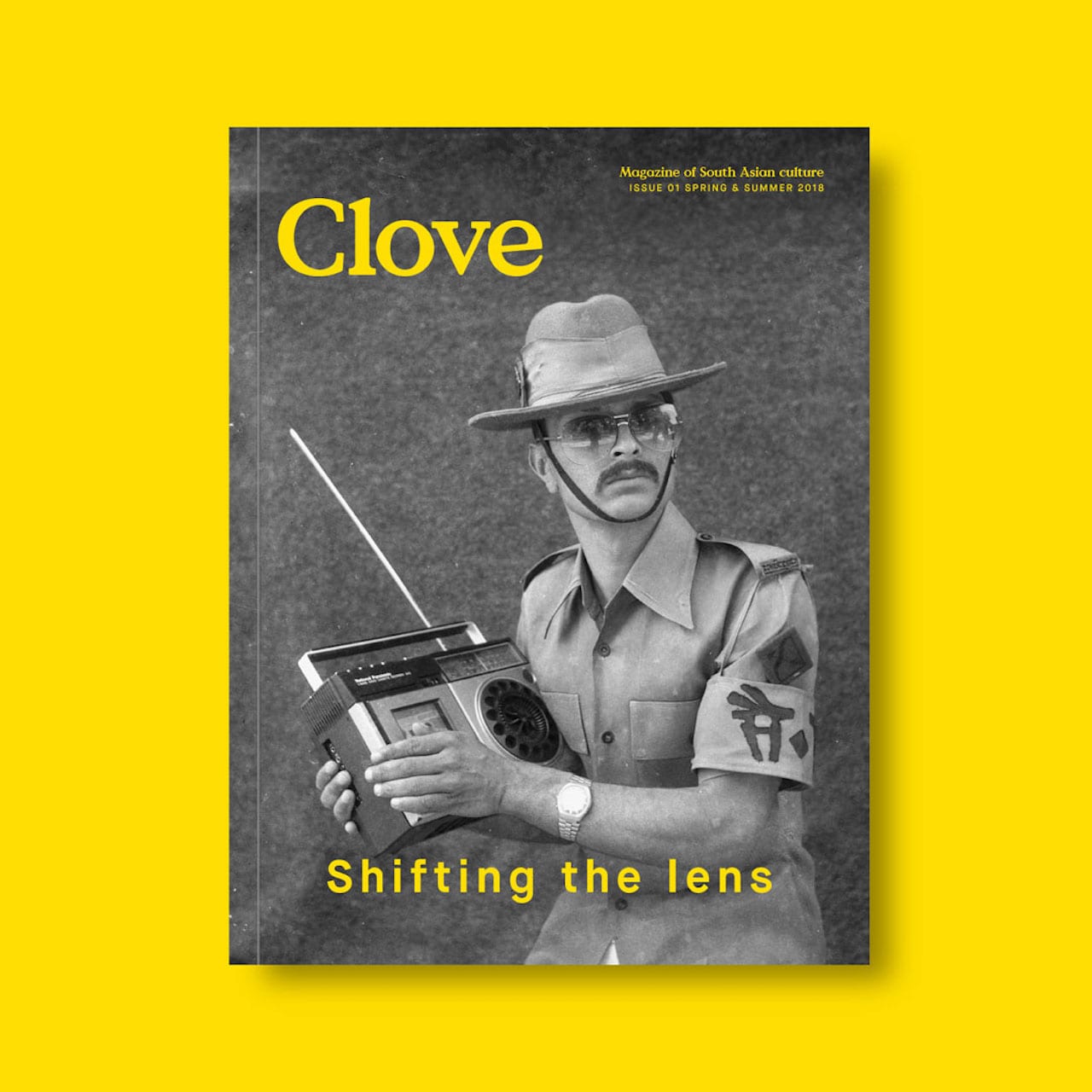
Launched on 11 December, a brand new biannual, Clove, has a refreshing take on art and culture. Founded by London-based, British-Indian journalist Debika Ray, the magazine focuses on creative work from South Asia and its global diaspora. “My impression was always that, in Western media, there was a narrow frame of reference when it came to covering parts of the world beyond North America and Europe,” says Ray, who until recently was senior editor at the architecture and design magazine Icon. “Stories from South Asia or the Middle East are often handled in a distant way, focusing on problems or crises and how people battle against odds to overcome things. I wanted to tell stories from those parts of the world in a way that were instead built on their own merit.”
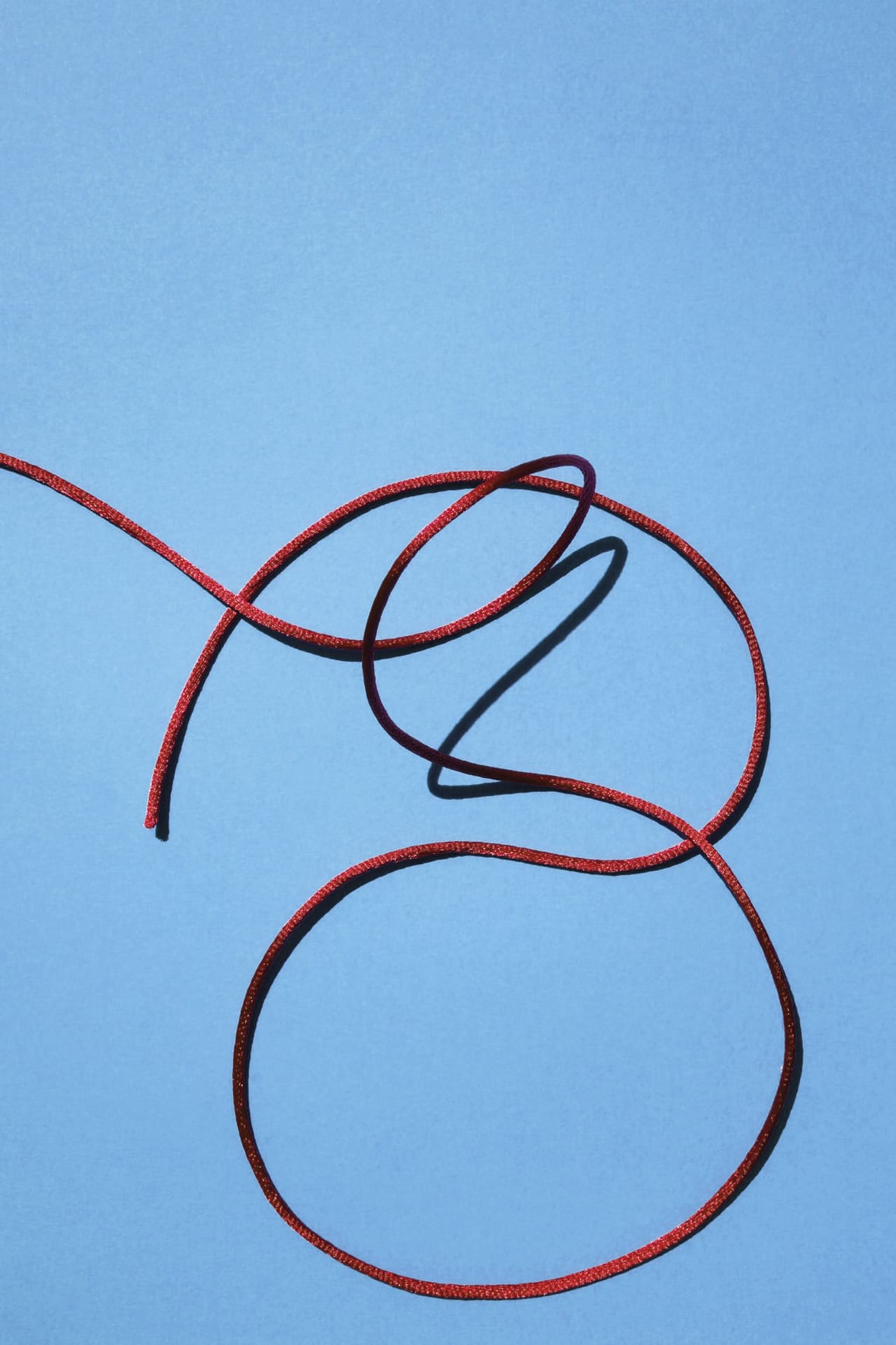
Jessica Backhaus’ A Trilogy was born out of intuition. After 2015’s Six Degrees of Freedom, a project that saw the Berlin-based artist confronting personal topics of “identity, family, origin and memory” she craved something new; something rooted in minimalism and abstraction that would be wholly artistic and natural. Published now by Kehrer Verlag, the resulting book is a triptych of sorts, in which Backhaus takes her experimental sensibilities to a place of lucid colour, playful collage, and radical reduction. “I felt a cycle was finishing,” she says. “After Six Degrees of Freedom I felt empty, but not in a negative way. It was liberating. That notion of emptiness and void made me listen to how I was feeling.”
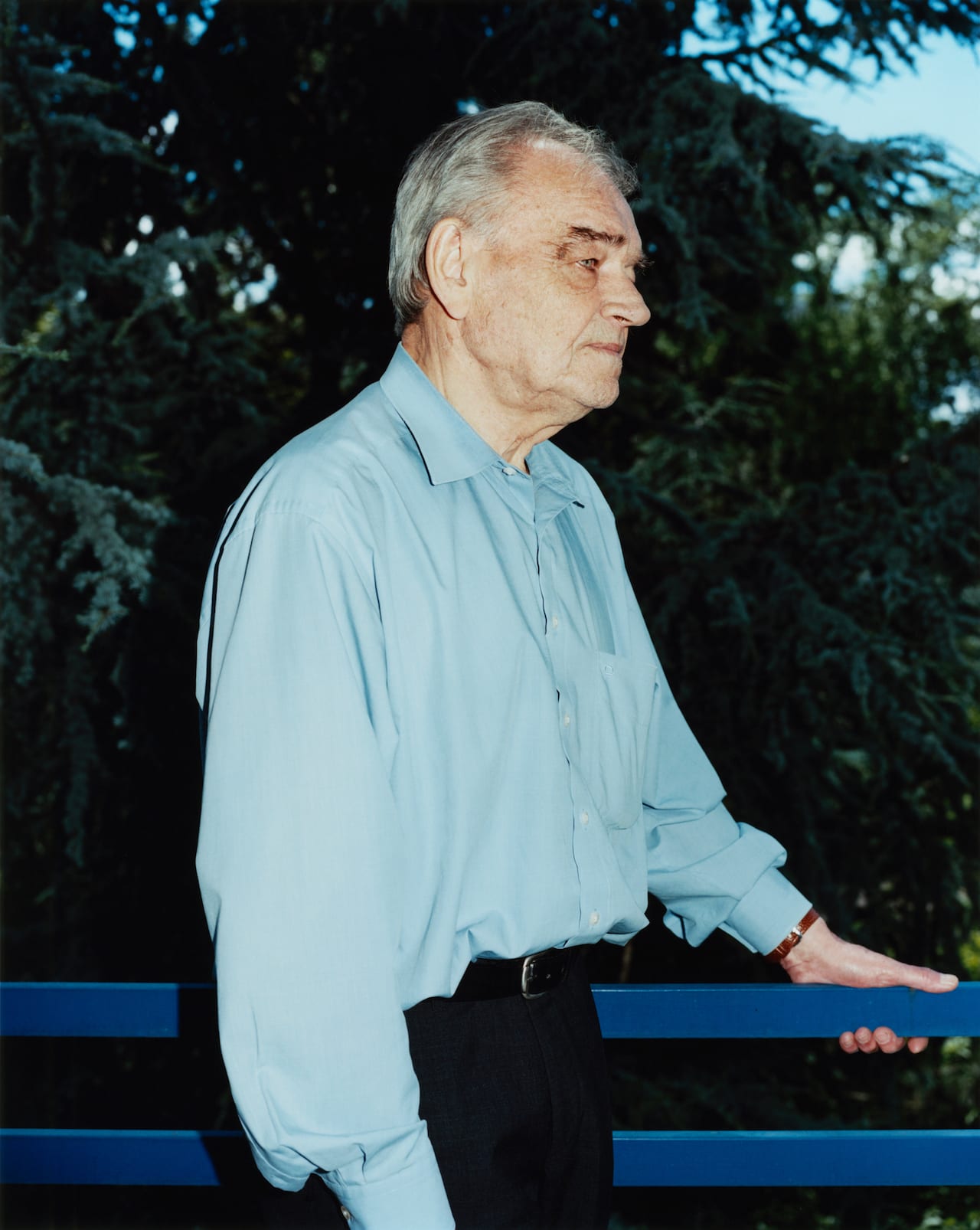
“I was born in 1968 in West Germany – that’s 23 years after 1945,” says…
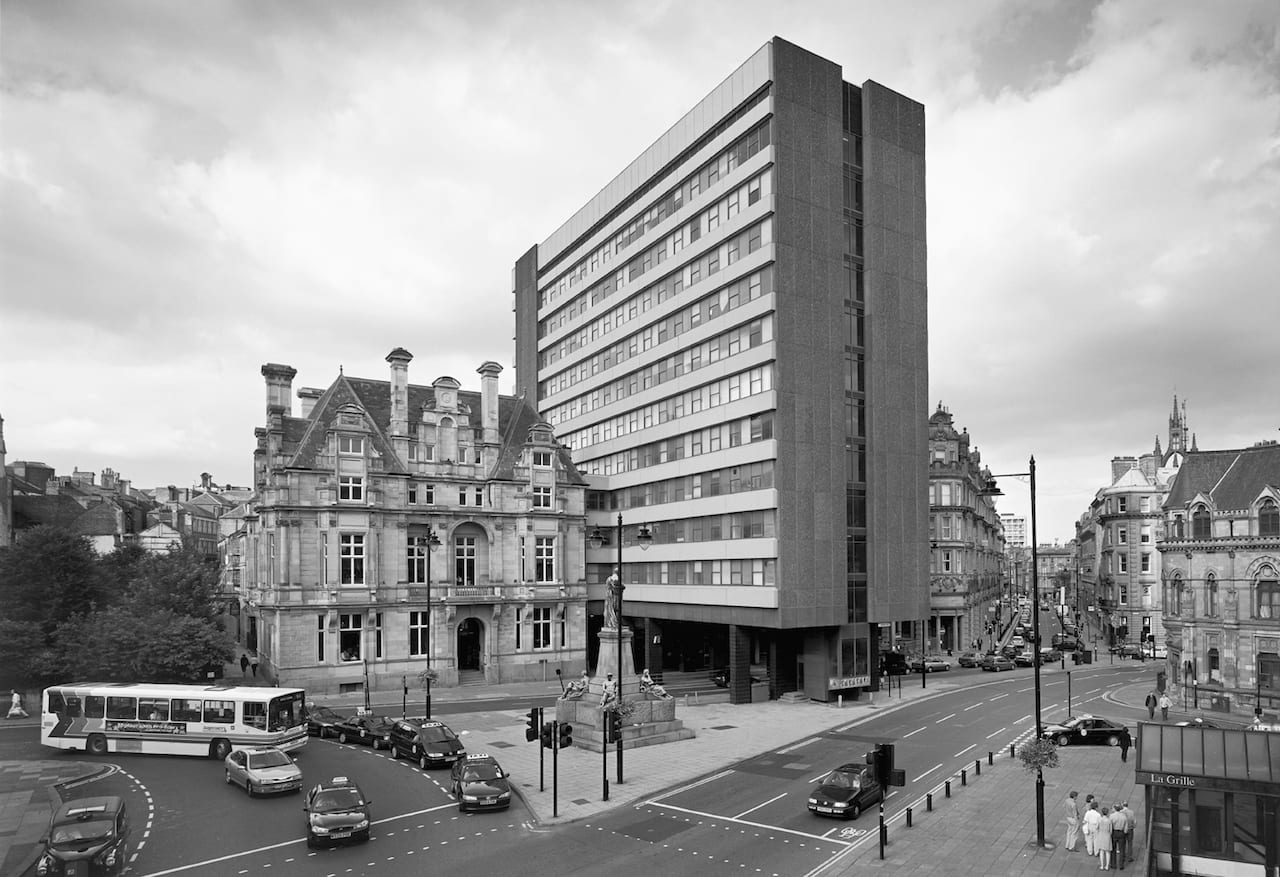
“The British Landscape…is a long-term ongoing project about the enormous changes that have taken place in the UK – the world’s first industrial society and the first to de-industrialise,” says John Davies. “Much of Britain’s infrastructure and the rapid expansion of industrial cities were created through the unprecedented growth of the Industrial Revolution. By the early 1980s, when I started this project, many of these large-scale industries and industrial communities were in terminal decline.”
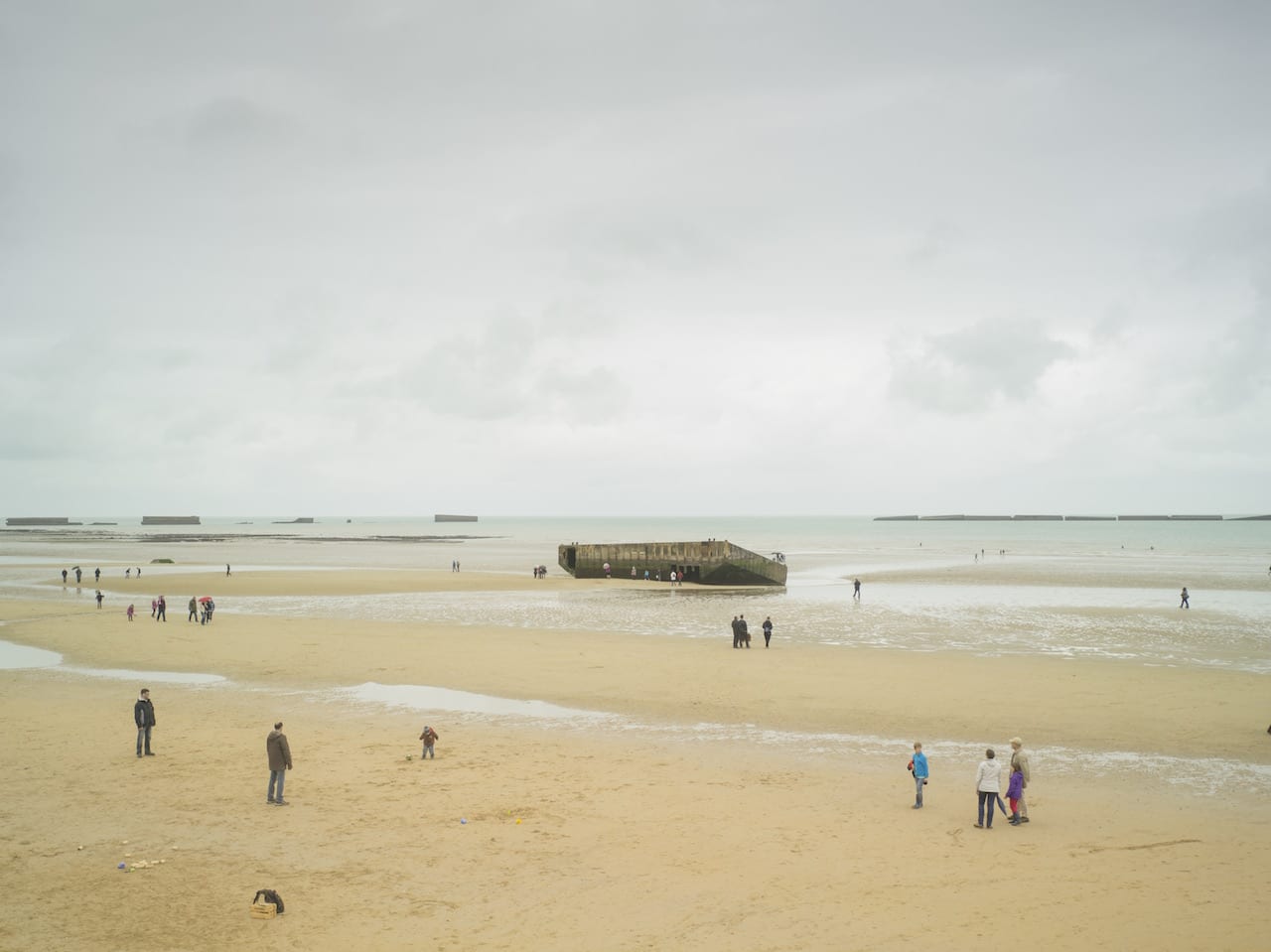
“Great storytelling is never merely about facts,” explains Donald Weber. “D-Day actually happened, and as such it can be studied in detail. As an historical event, however, it has the potential to vibrate myth. Together, quantifiable and relative aspects are defining the essence of storytelling which, in itself, is the ultimate art performed in War Sand.” Weber is referring to his latest project, born of the idea that sand is mnemonic and, for this photographer, it is a repository that has retained the war stories of his grandfather, a commando in the Canadian army. Shortly after publishing Interrogations in 2011, Weber says he “needed to recover from my experiences in Ukraine, where I documented all-too-real interrogations of suspected criminals”.
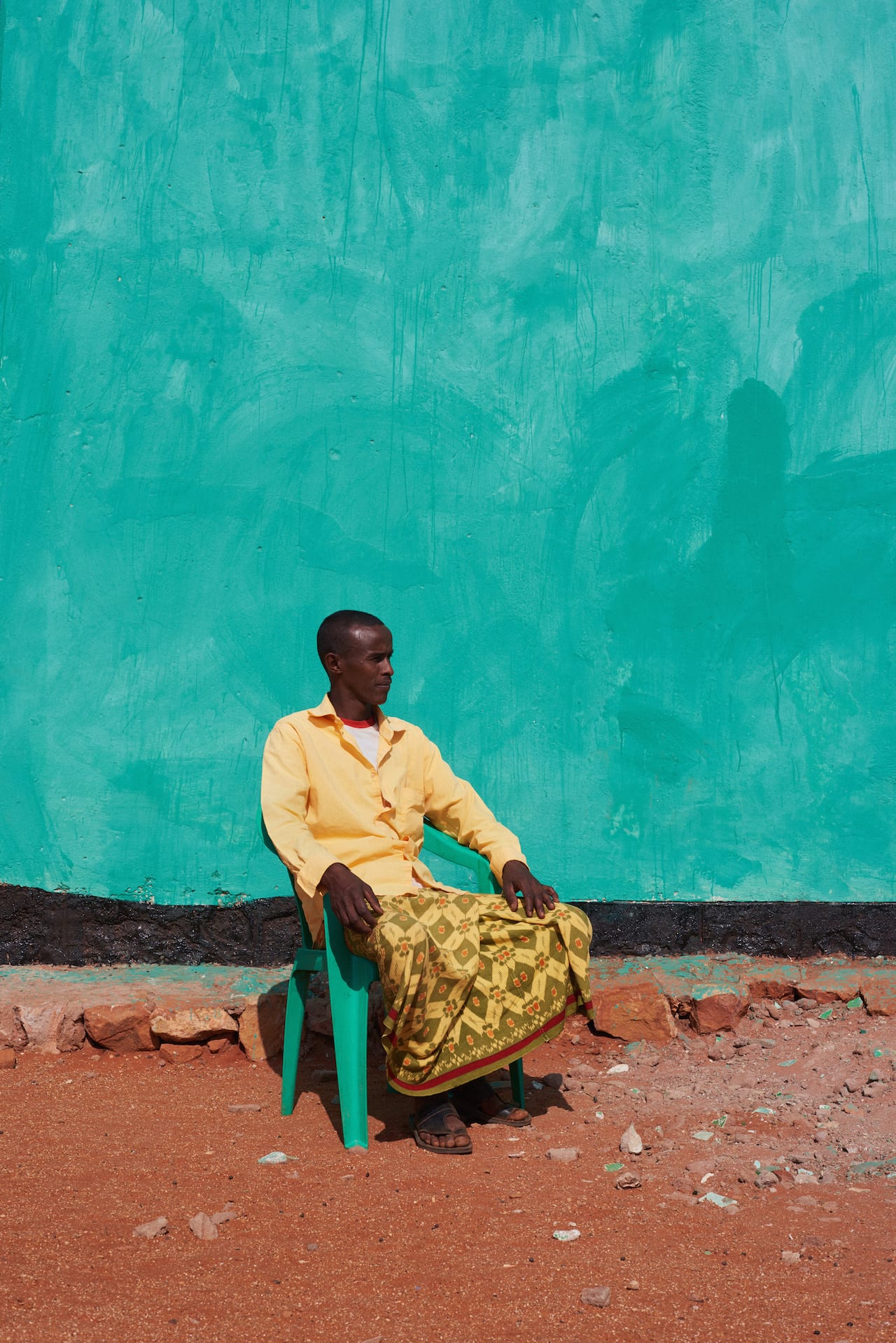
The visual language NGOs use to show the developing world is often sombre, designed to shock our senses by highlighting the desperate situations of communities fleeing persecution or natural disaster. Think of Ethiopia, for example, and the images that immediately come to mind are of a country plagued by drought and famine. What is less recognised is that the country, which stretches over the Horn of Africa, is also home to fields of lush agricultural land, and expanses of green nourished by mountainous lakes. But it was this vibrant image that Oxfam sought to convey in its 75th- anniversary collaboration with Annie Sloan paint, a brand more often seen on the pages of glossy interiors magazines. The idea for the collaboration came when Ellie Farmer, a film and photography producer at Oxfam, was on a trip in Sicily and noticed brightly-coloured refugee boats lined up on the beach. Spurred into thinking about the influence colour can have on storytelling, she approached Sloan – who in turn was inspired to create a new chalk-based product, referencing the colours of Ethiopia, in which Oxfam has an established aid programme.