

Gustavo Tavares has spent many years exploring the arctic, photographing the landscapes as a way…
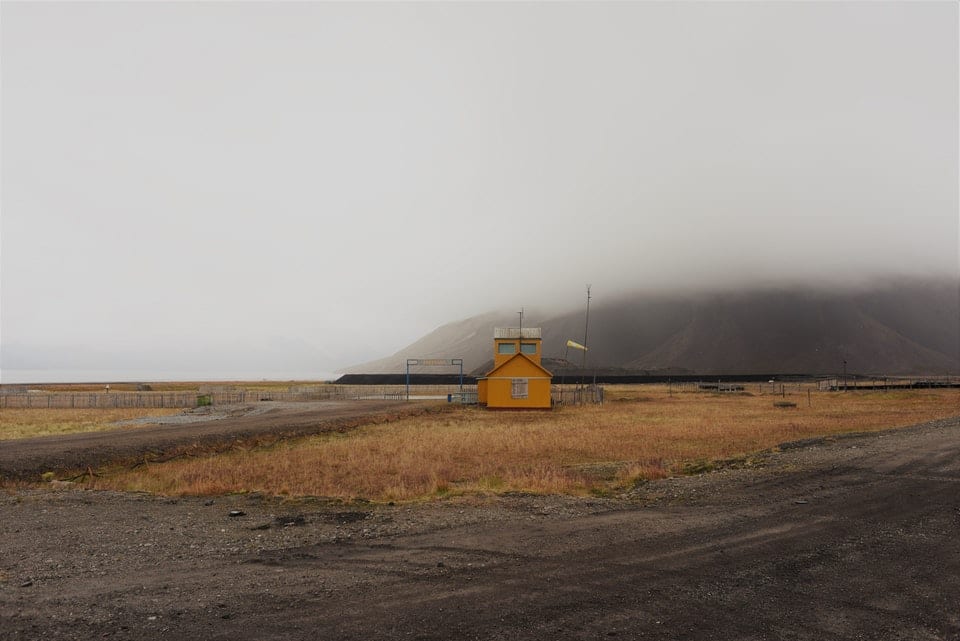
Gustavo Tavares has spent many years exploring the arctic, photographing the landscapes as a way…
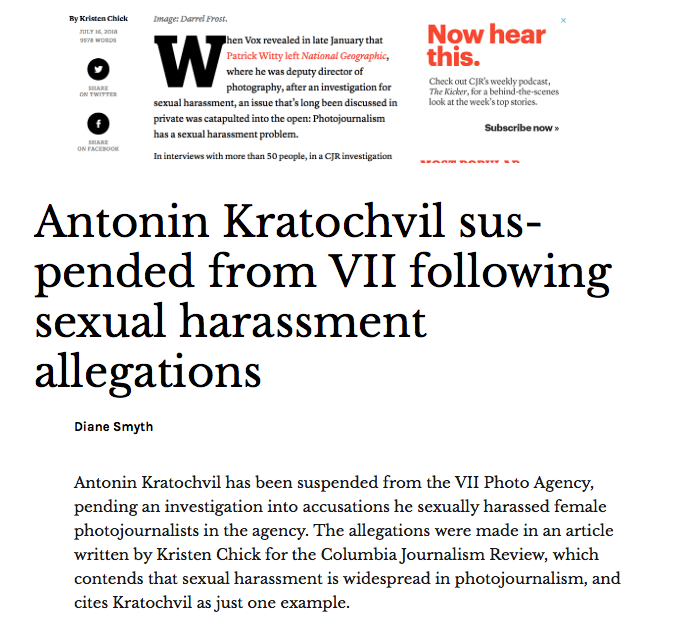
“We do see that our industry is male-dominated, world-wide – though not within NOOR,” say…

Has anything improved since Linda Nochlin’s 1971 essay Why Have There Been No Great Women Artists? The fact that women make up just 15.5% of the artists’ files on Wikipedia suggests not. According to L’Observatoire de l’Egalite, only 30% of the artists exhibited in galleries are women, even though more than 60% of art students in France are women.
Even so, there is some cause for optimism – as French photographer Vincent Ferrané points out. “Of the top 500 contemporary artists in 2017 [in France], only 14% of women,” he says. “But 30% of those were born after 1980.”
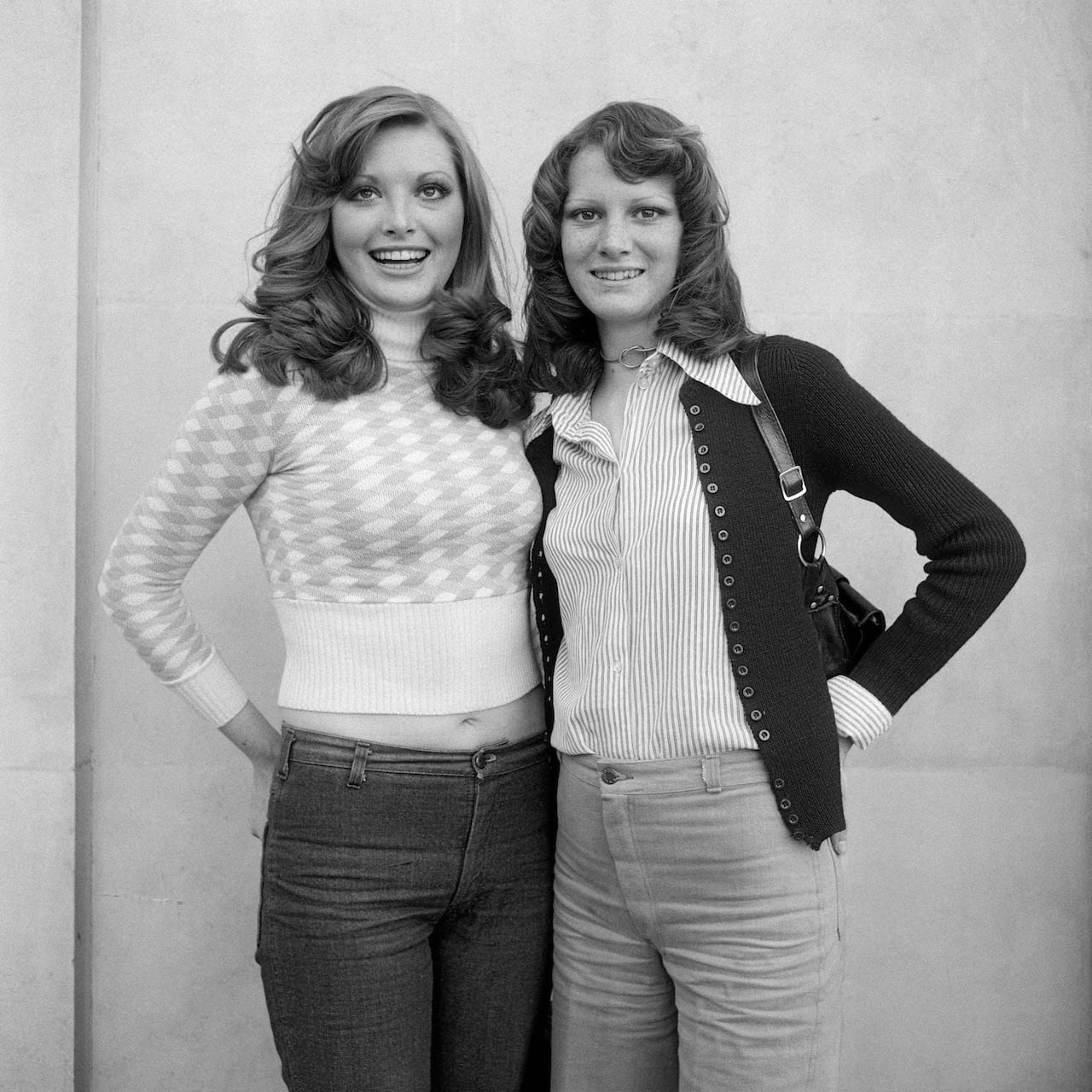
Founded in 1997 the Pingyao International Photography Festival is China’s most prestigious photo festival, featuring images from more than 50 countries each year in indoor and outdoor venues across the UNESCO-listed ancient city. This year it includes a huge exhibition called Distinctly, which is curated by Open Eye Gallery’s Tracy Marshall and which will travel to Merseyside in 2019 as one of the main exhibitions of LOOK International Photo Biennial.
Featuring work by 12 documentary photographers – Martin Parr, Chris Killip, Daniel Meadows, John Myers, Markéta Luskačová, Tish Murtha, Ken Grant, Paul Seawright, Niall McDiarmid, Robert Darch, Elaine Constantine, and Kirsty MacKay – the exhibition “takes a unique approach to the depiction of Britain and its distinct landscapes, industries, social and economic changes, cultural traditions, traits and events” over the last six decades says Marshall. “The exhibition looks at the gentle, the humorous, the starkness, the beauty, and the realities experienced and captured by the photographers around their lives living and working in Britain,” she adds.

“There is a term to describe the cultural ache that Koreans go through: Han. A complex intermingling of historical, collective and personal sorrow, acceptance of a bitter present, and a hope of a better future.” Introduced to the term by a North Korean defector, Herman Rahman decided to adopt it as the framing concept for his project of the same name.
Han traces the collective history of the notoriously closed regime of the Democratic People’s Republic of North Korea, relying largely on archival imagery and found text to probe at the borders of a near-impenetrable subject. The work is an interrogation, not only of the secrecy of the North Korean state, but also of the nature of photography itself.

Born in Barcelona in 1984, Arnau Rovira Vidal first learnt photography from his father, a keen amateur with a darkroom set up at home. Initially studying film-making at university, Vidal devoted himself to still images two years ago when he moved to Madrid, taking courses at EFTI Centro Internacional de Fotografía y Cine and LENS Cursos de Fotografía y Cursos de Vídeo. He now specialises in shooting fantastical buildings and architecture, and is already making a name for himself, showing his abstracted series RE-FORM at Spanish festivals such as Pa-ta-ta and Mirades, and publishing his series on the new wave of building in Ashgabat, Turkmenistan in titles such as Wired and GUP.
His new project, Fantasia Resorts, was shot in Orlando and shows the cartoonish holiday resorts of Disney World, a theme park which covers 65 square km and includes 33 different resorts.
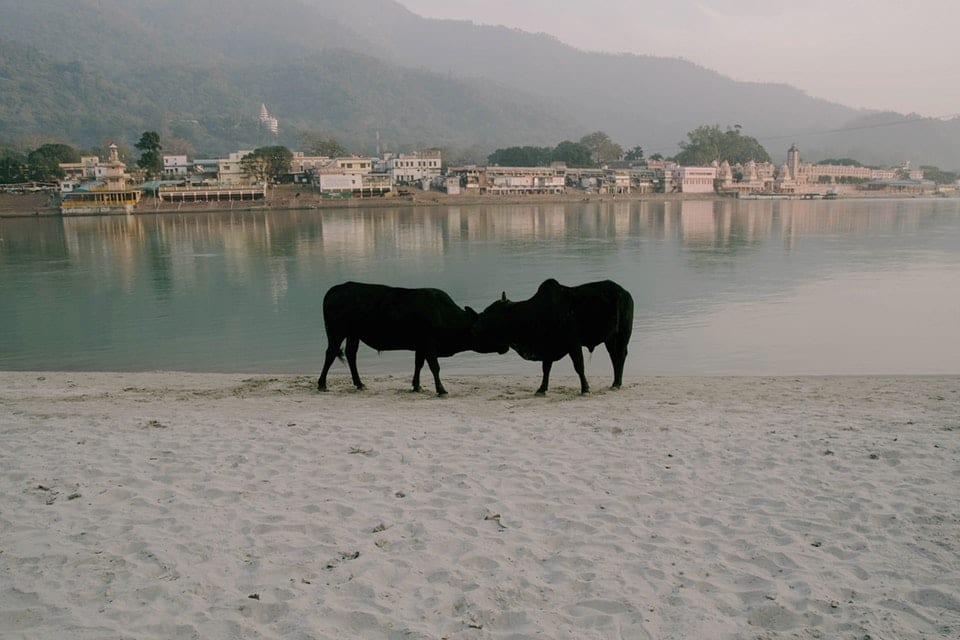
For our very first OpenWalls award, we are inviting both emerging and established photographers, from…
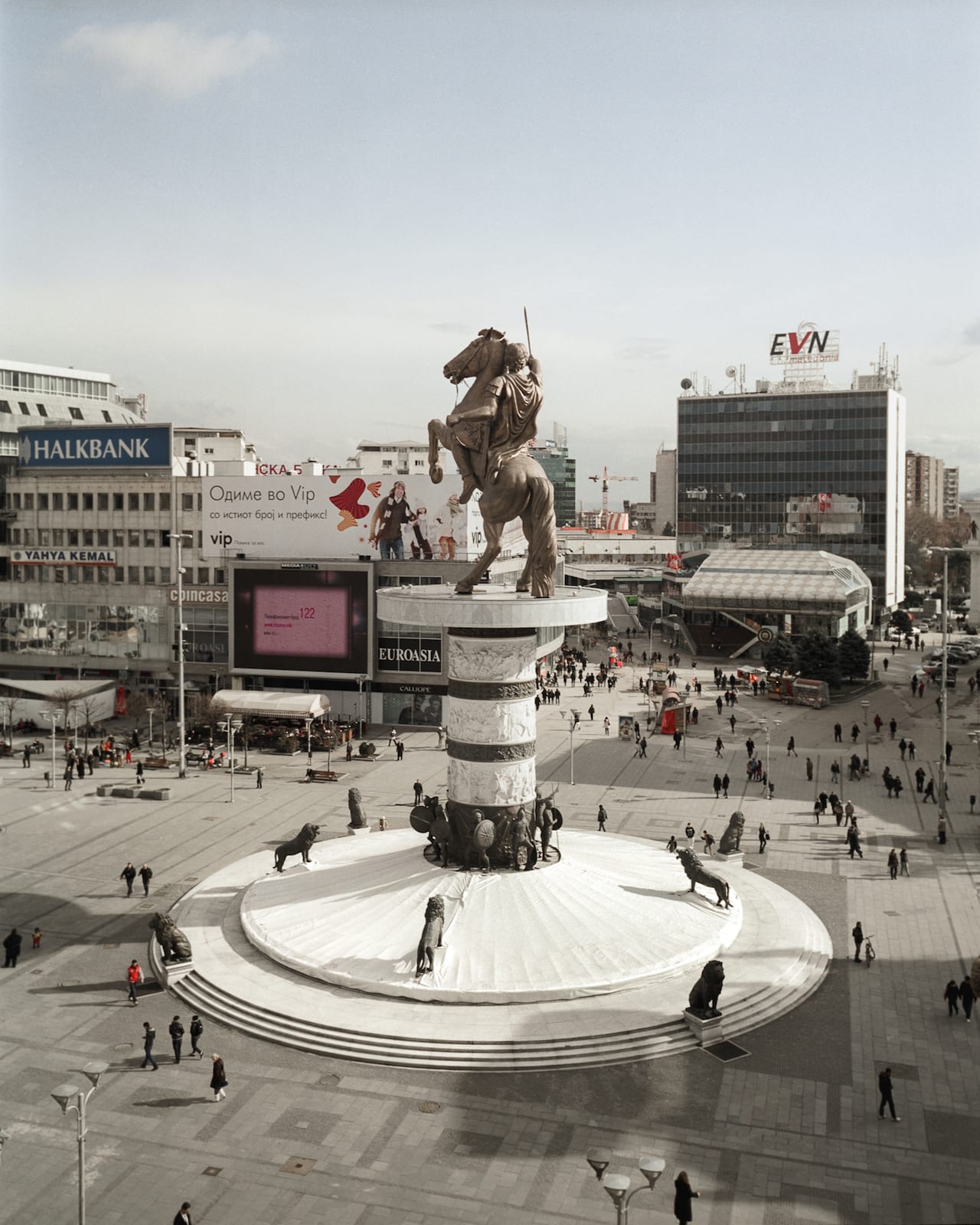
Pasko Kuzman wears four watches because he believes they help him travel through time. He’s an archaeologist who works in an office called Troy, searching for the burial site of Alexander the Great, and other elements of Macedonia’s Classical past.
Kuzman is one of the many characters Michał Siarek met while photographing Alexander, an exploration of Macedonian national identity by way of ‘Skopje 2014’. Set up in 2010 (and originally slated to end in 2014), the Skopje 2014 project hopes to make Skopje a tourist attraction by drawing on its history – Macedonia was once part of Ancient Greece, and shares its name with a Northern Greek province, but is now so far removed from its heritage that its neighbour lobbied for it to be called the Former Yugoslav Republic of Macedonia.
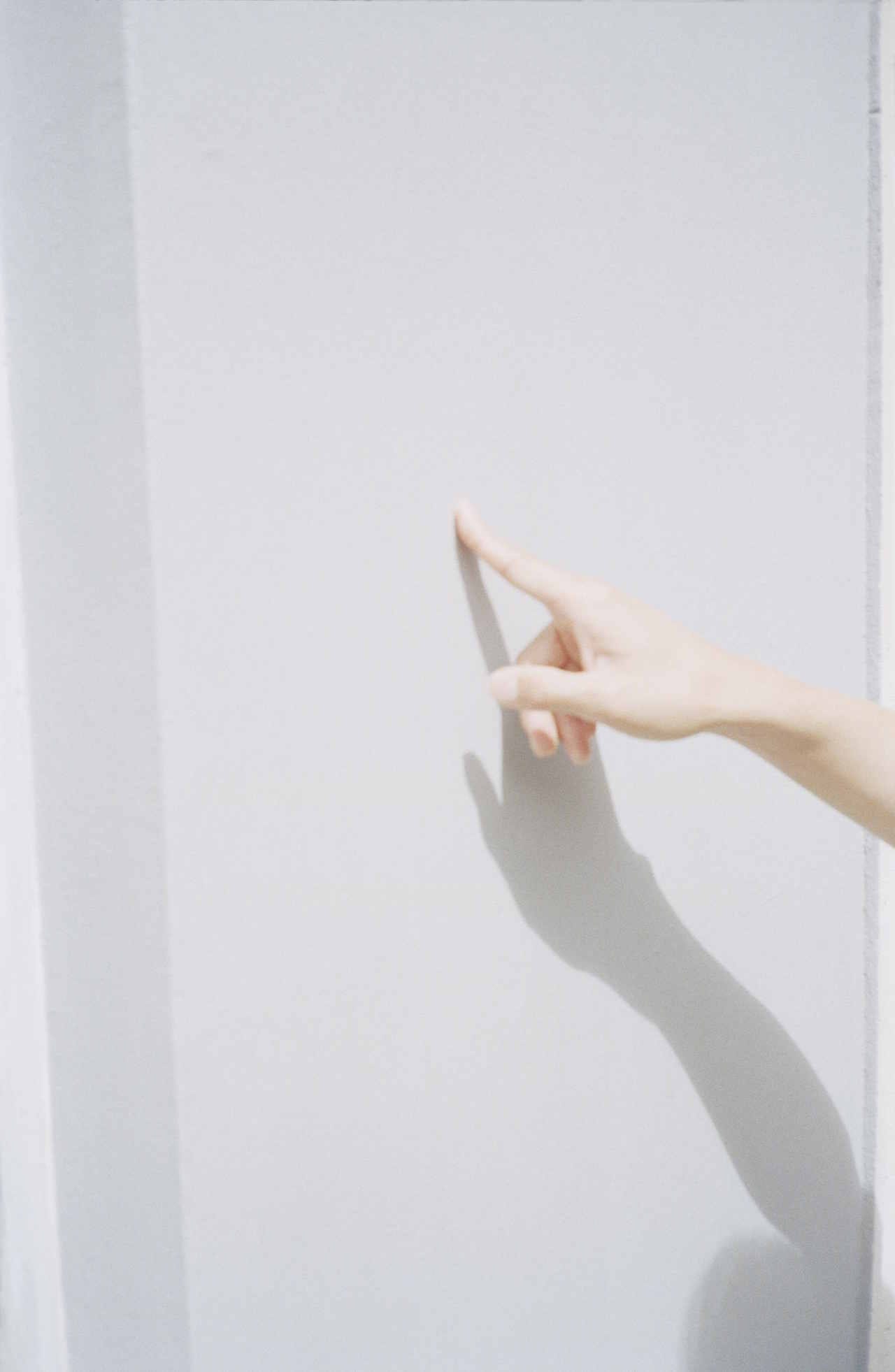
Photography is generally accepted as a medium representing reality or the idea of that revealing what you see before you, onto a two-dimensional plane. Multiple Planes, an exhibition organised by Thai New Wave Photography, uses its platform to construct works, in terms of its materials, processes and notions, that relate to photography through atypical dimensions. “It’s a place where you can expect to see inventive works,” says curator Mary Pansanga.
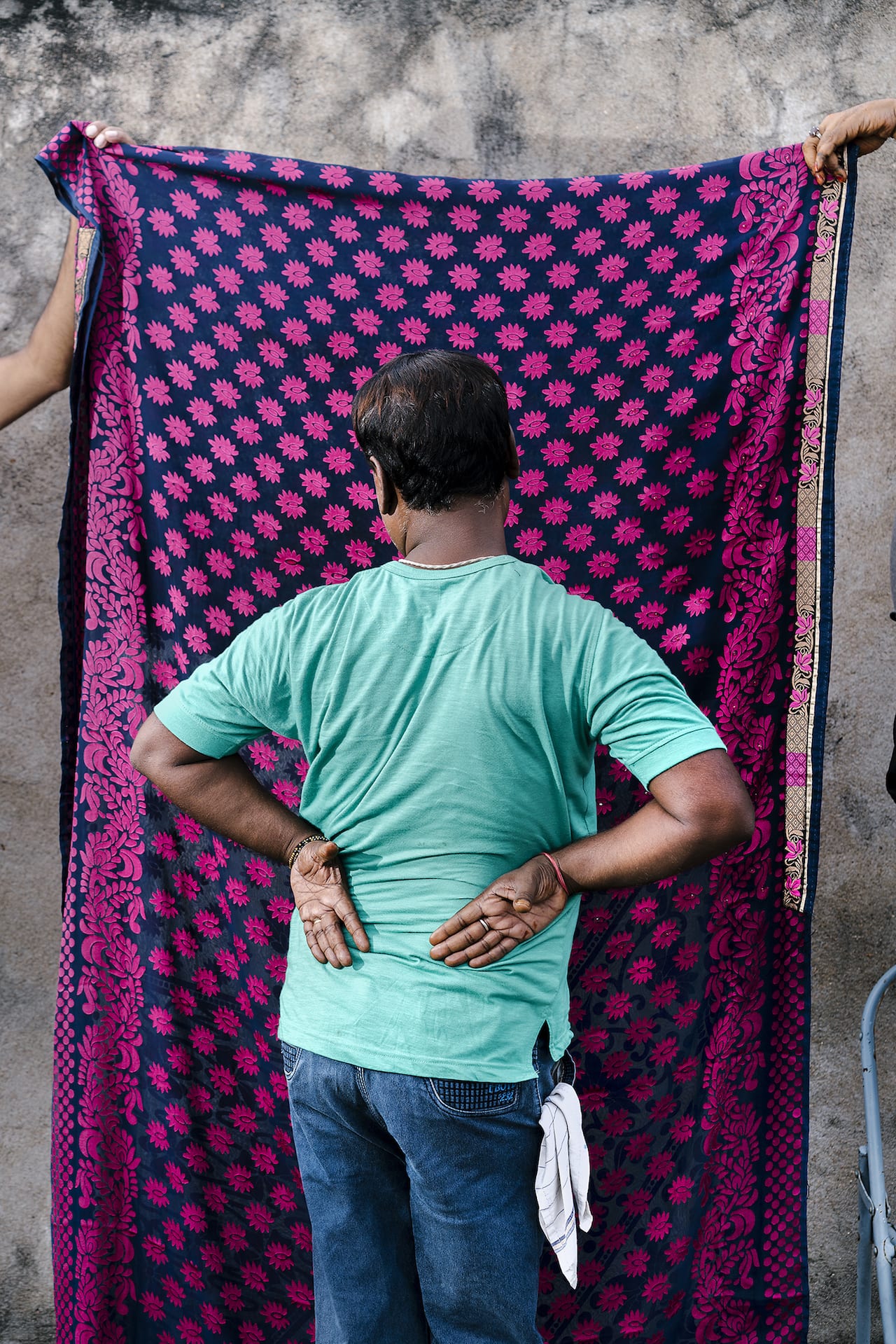
As the apps we use become a bigger part of our daily routines, the line between our digital and real lives is increasingly blurred. “But there’s a tension point where privacy comes in which makes everything even more complicated,” says VICE editor in chief Ellis Jones. How much of ourselves do we share publicly and how do we decide which pieces to share? Which labels do we use to describe ourselves? And how do we avoid others imposing labels onto us? These are a few of the questions posed in “The Privacy and Perception Issue”, VICE’s annual photography magazine.