
Q&A

Q&A: Adam Lach creates a wonderland out of small town Polish life

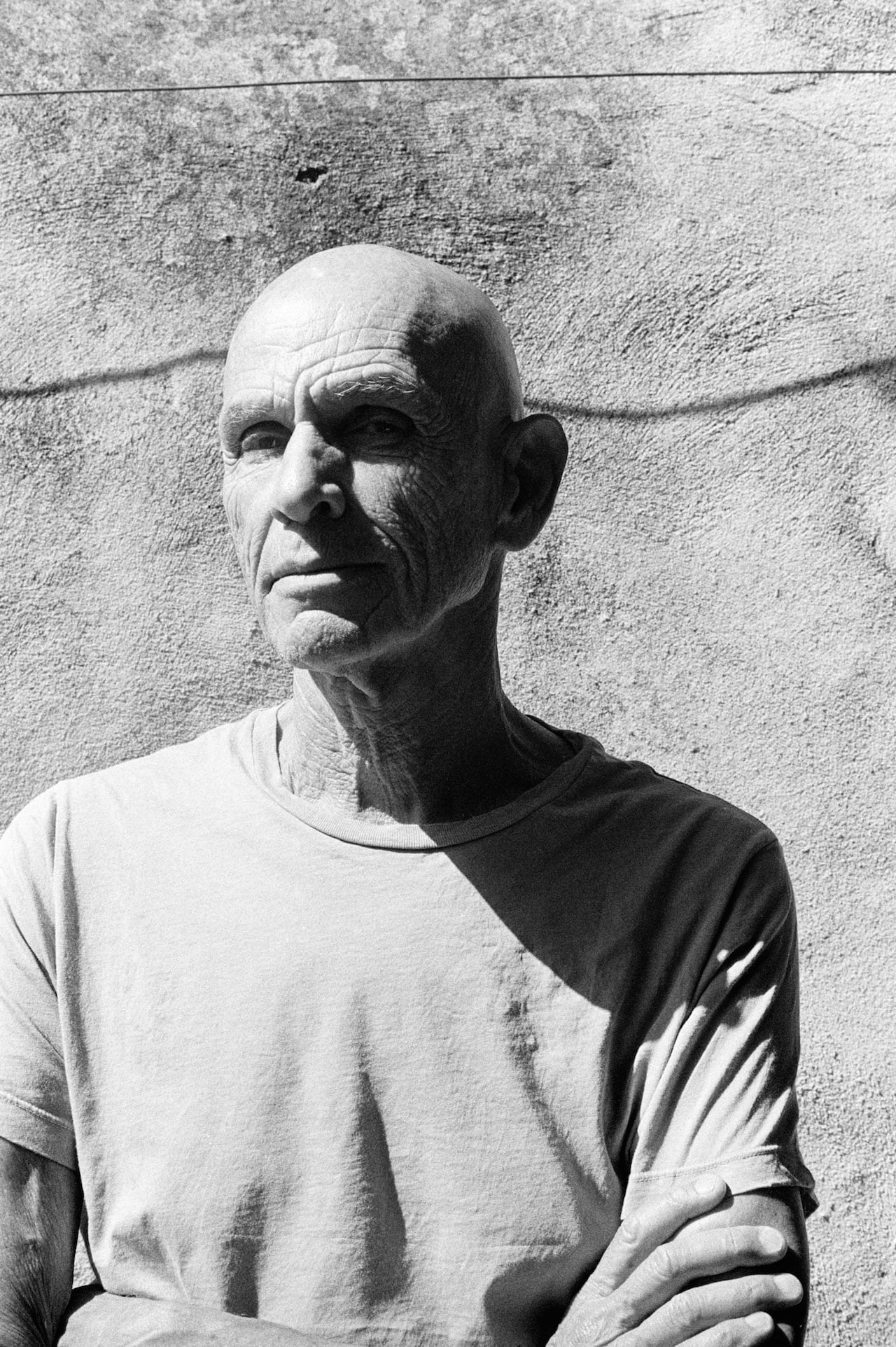
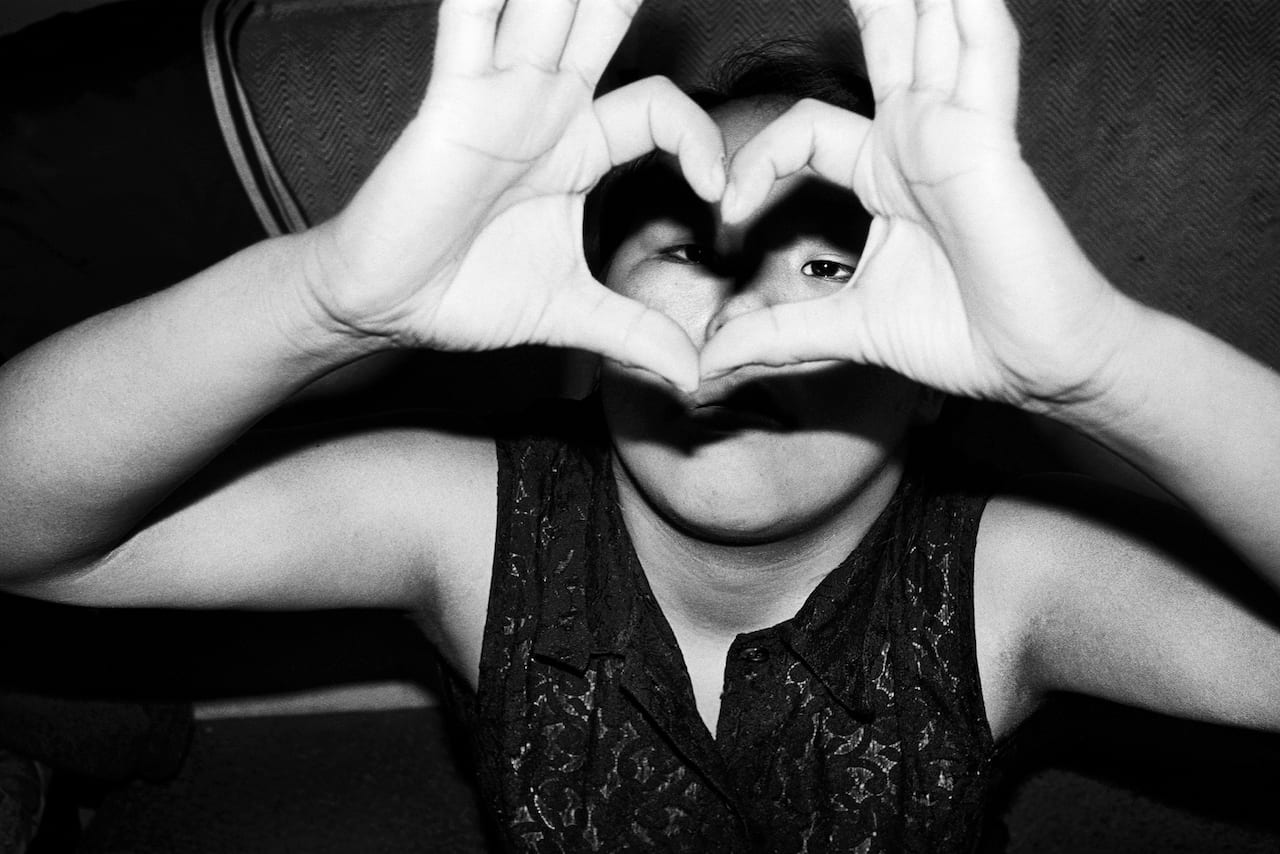
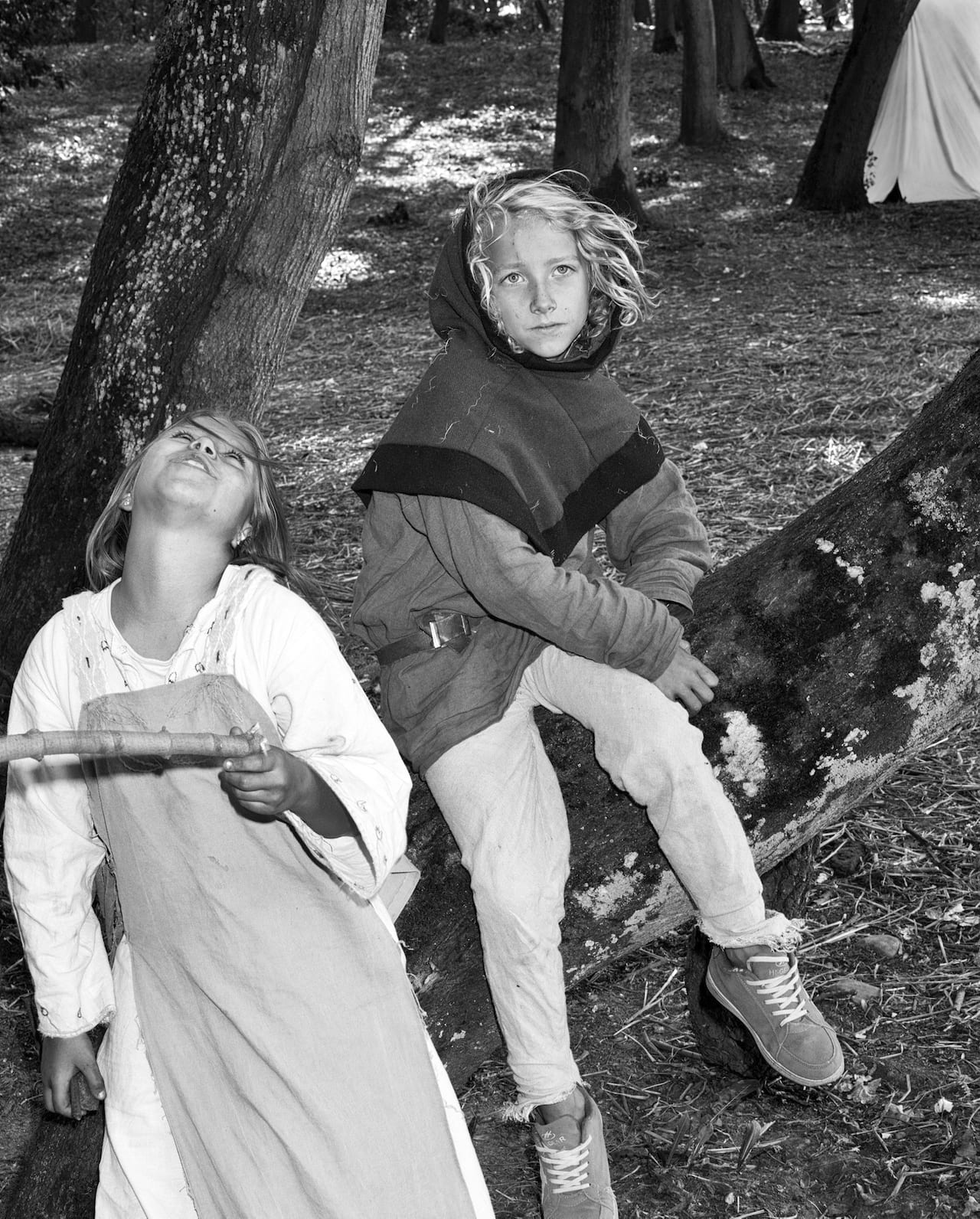
“Neverland came via my participation in the Wrzesnia Collection, a long-term photography project and ongoing photographic residency which is creating an ever-growing photo archive on the Wrzesnia Town and Commune. Every year, the Mayor of Wrzesnia Town and Commune invites one photographer, selected by the curator, to spend some time in the town creating a personal series of images that illustrates the district and its inhabitants. I had a very open brief, it was completely up to me how to portray the place. It’s an extraordinary little city, but it also seems very boring and calm on the face of it. I had to work like a journalist, cooperating with the local newspaper and researching every local event, initiative, meeting or story that could be interesting. All these events were an opportunity to meet the people, to spend some time with the community,” says Polish photographer Adam Lach
26 September 2017

Any Answers: Christian Caujolle

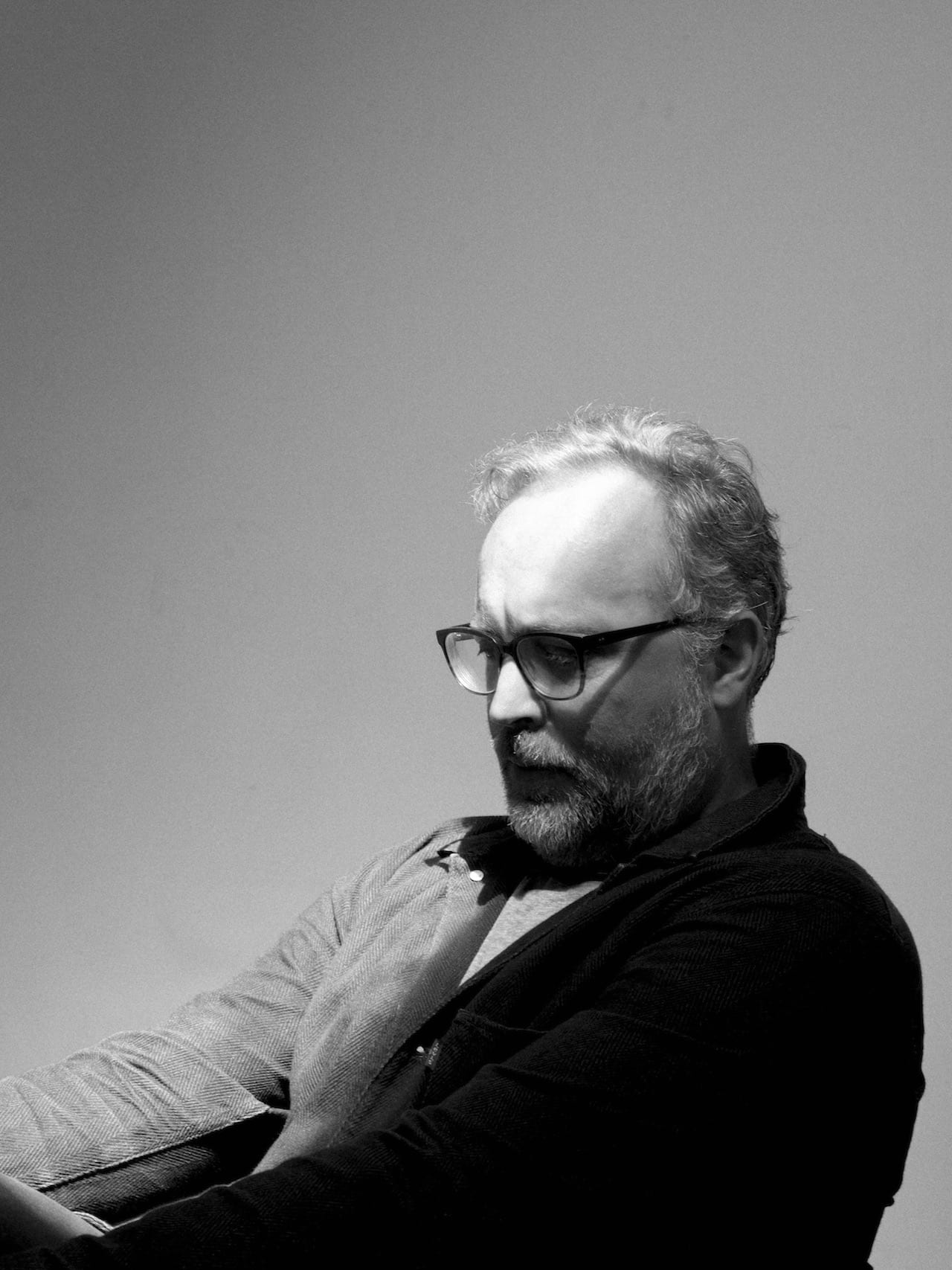
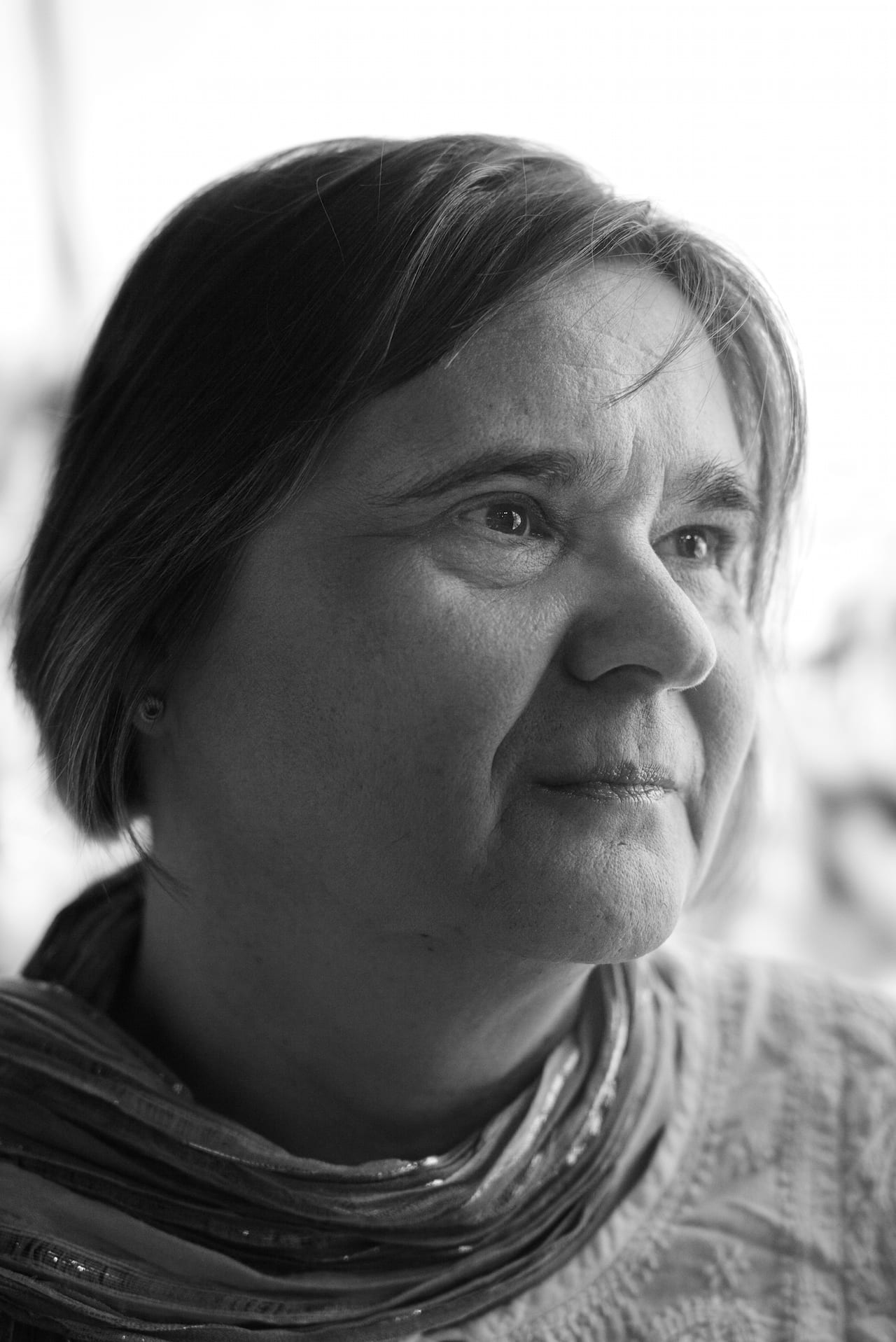
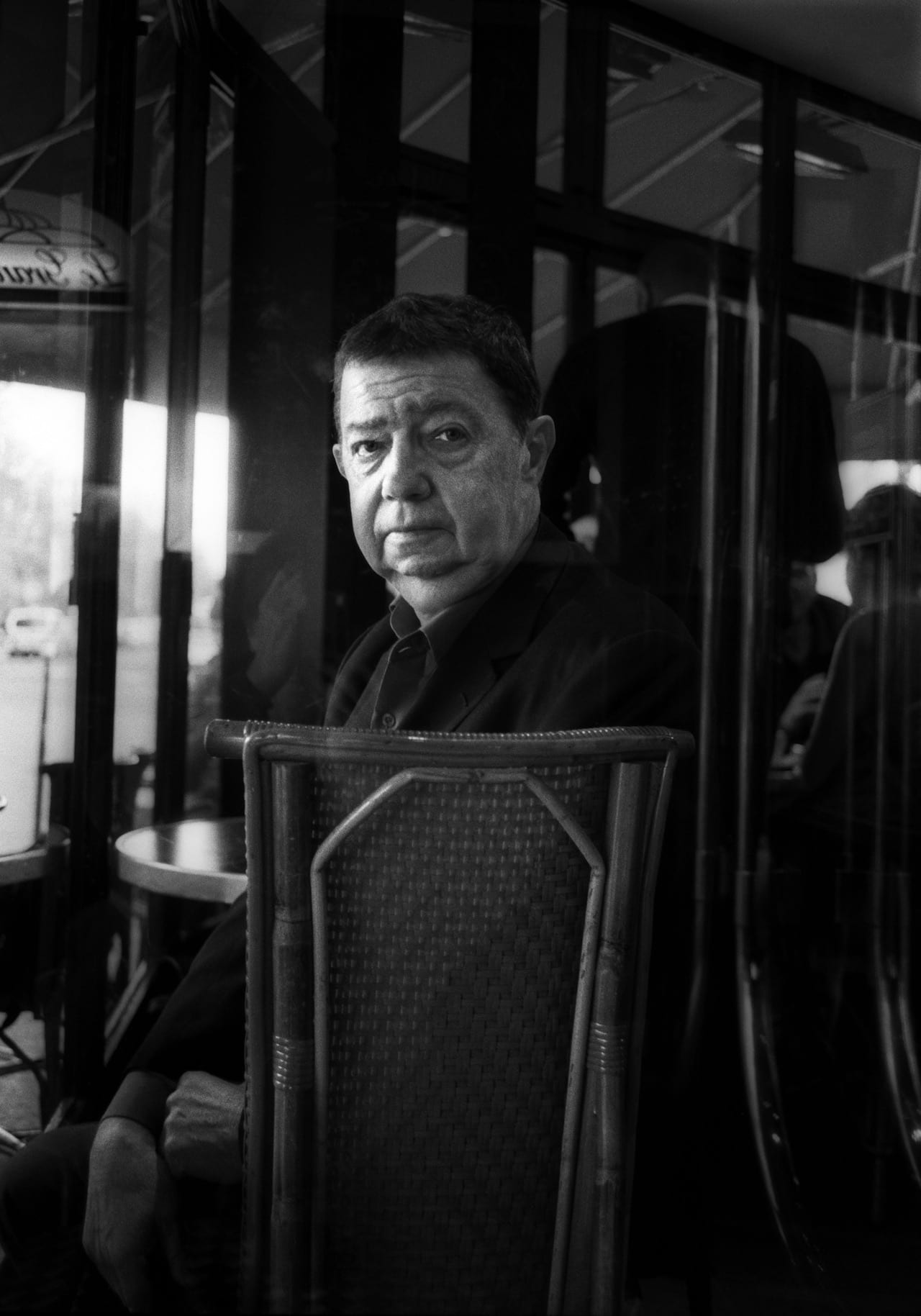
The chief picture editor of Libération between 1981 and 1986, Christian Caujoulle left to co-found Agence Vu’ and, a decade later, Galerie Vu’. He has curated and edited countless photofestivals, exhibitions, and books, and is associate professor at the ENS Louis Lumière school

21 August 2017

Any Answers: Donald Weber

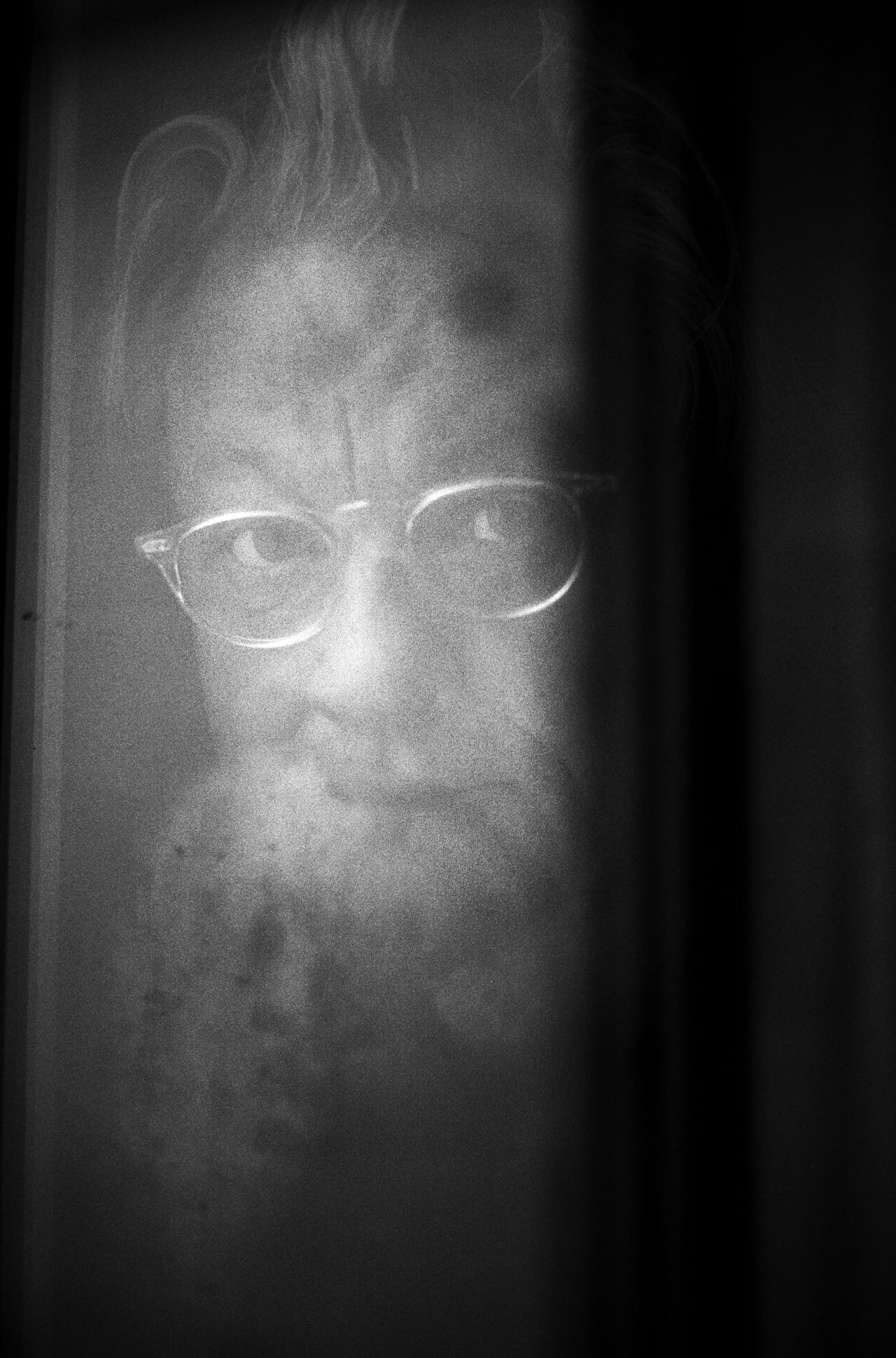
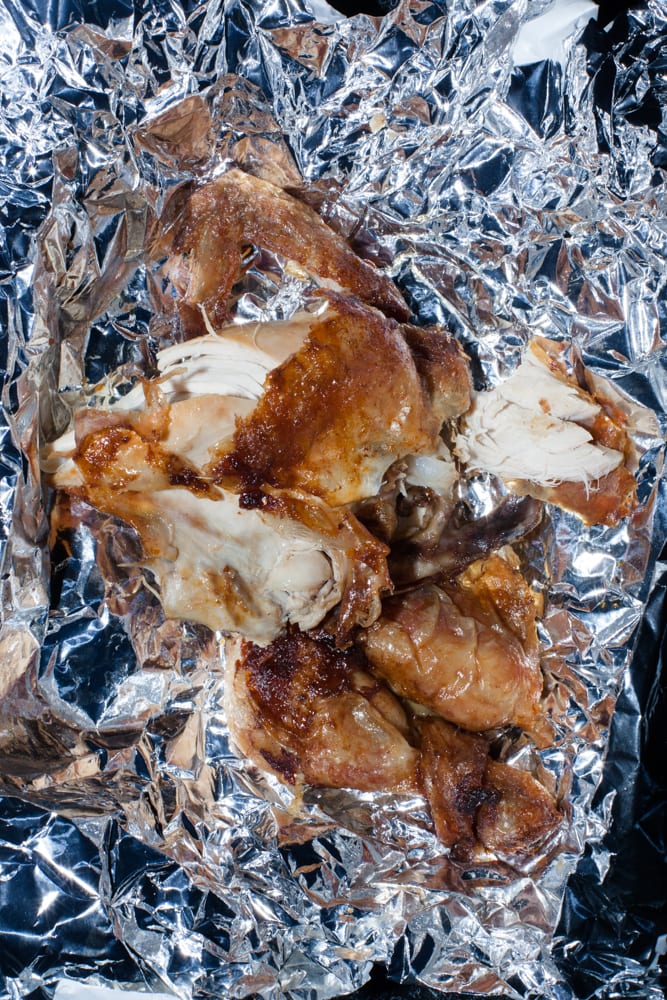
“I’ve just about had enough of photojournalism. What I find most disheartening is the staunch anti-intellectualism; an almost complete lack of self-awareness, with severe consequences in today’s world of ‘alternative facts’. We don’t trust what we see. Why is that?” asks Donald Weber, originally a trained architect but now a leading thinker with four photobooks to his name

14 August 2017

Political unrest in Thailand, in Harit Srikhao's Whitewash

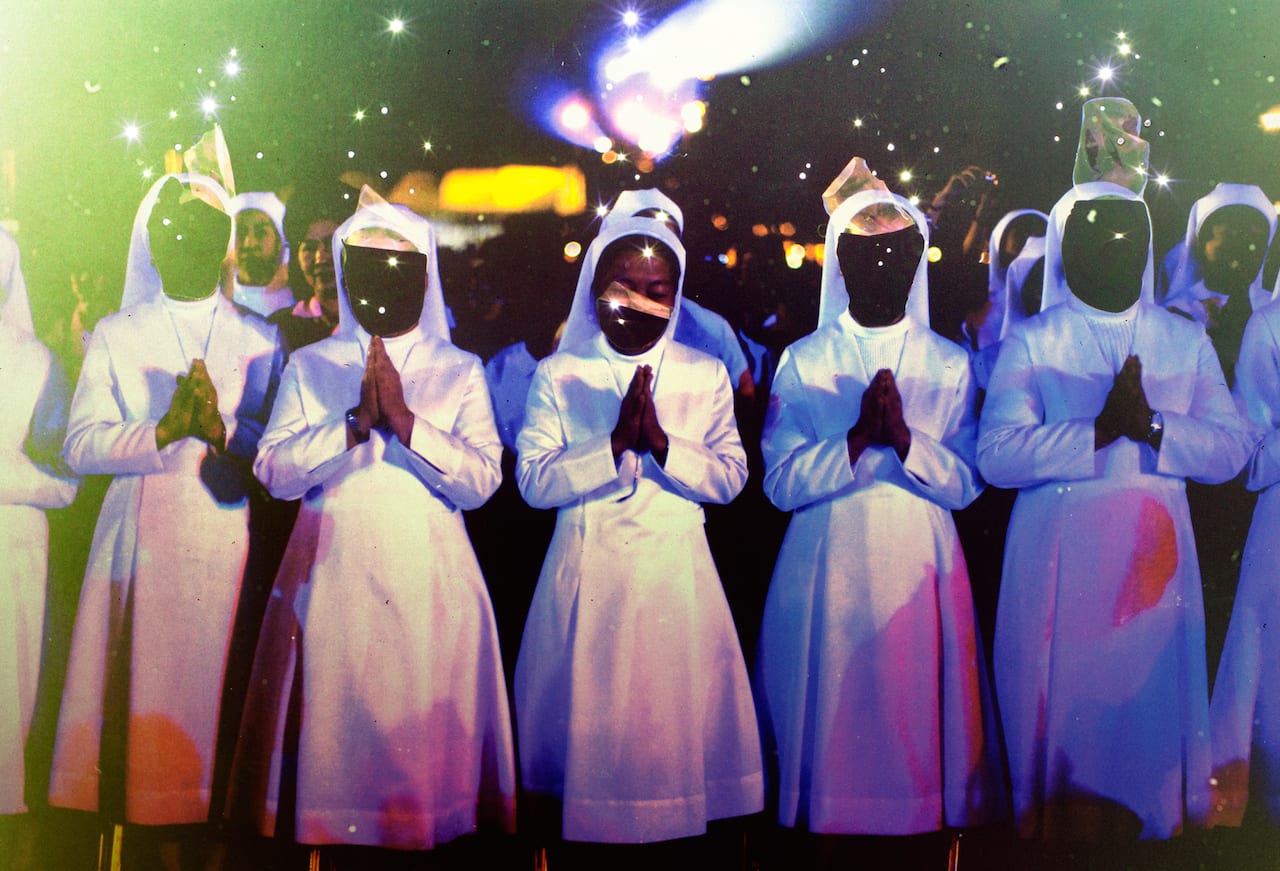
“Just a few days after the opening, soldiers entered the gallery and removed some of the photographs,” says Harit Srikhao, a runner-up in this year’s BJP Breakthrough Awards. The Thai photographer, whose series Whitewash uses the military crackdown in 2010 as its starting point, questions government control, censorship and propaganda. “You are able to talk about politics in public, but if you talk ‘bluntly’, you would be arrested,” says Srikhao.

4 August 2017

Any answers: Hilary Roberts

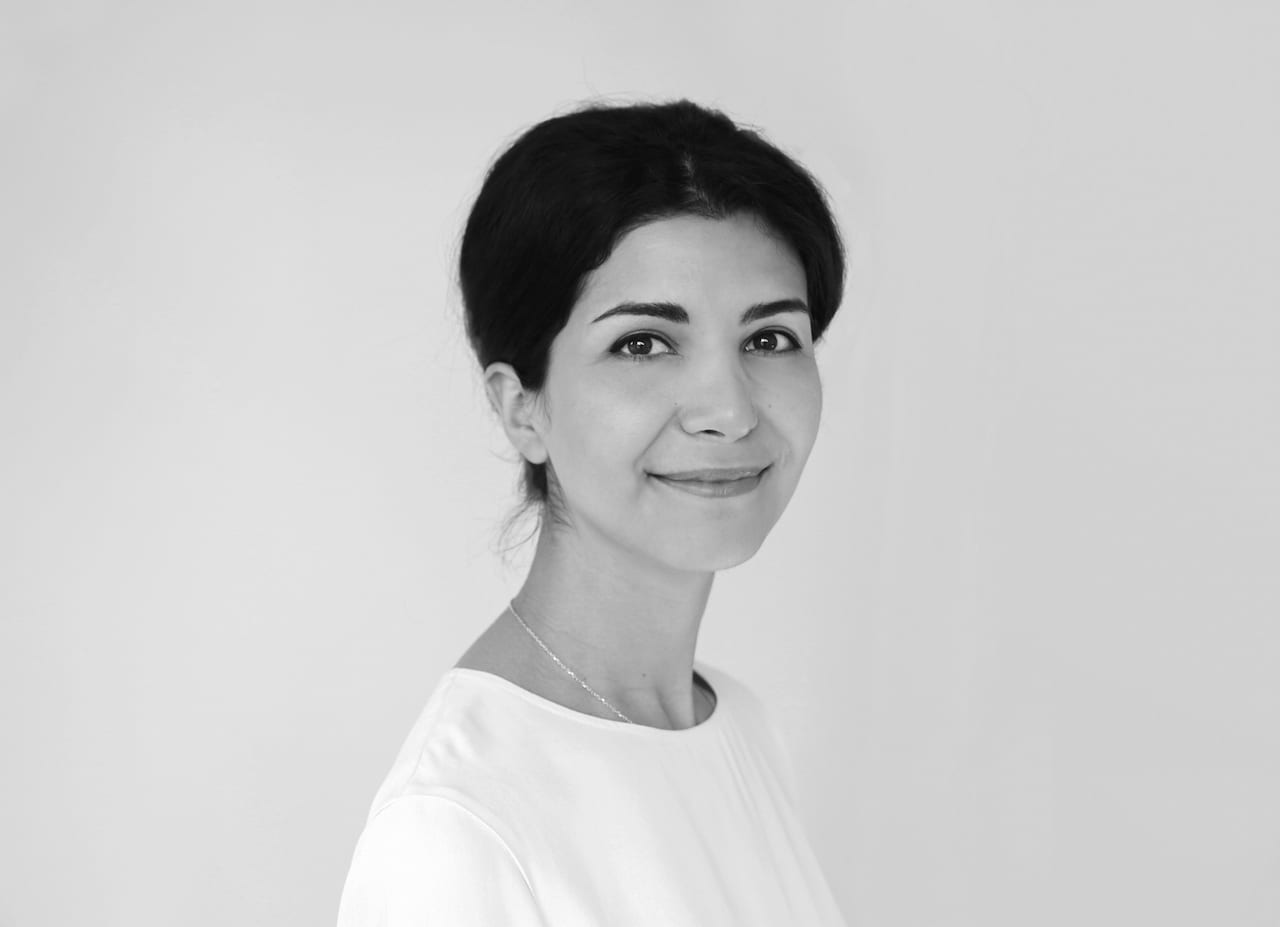
“It’s difficult to try and make sense of the Cold War, let alone events in Iraq and Afghanistan and Syria. It takes a lot of time to collect the resources we need to be able to properly tell the story of these conflicts. So we have to be honest about the limitations of information available to us.”

23 May 2017