

Aiyush Pachnanda may have yet to finish his Photojournalism degree, but he’s already taking the…
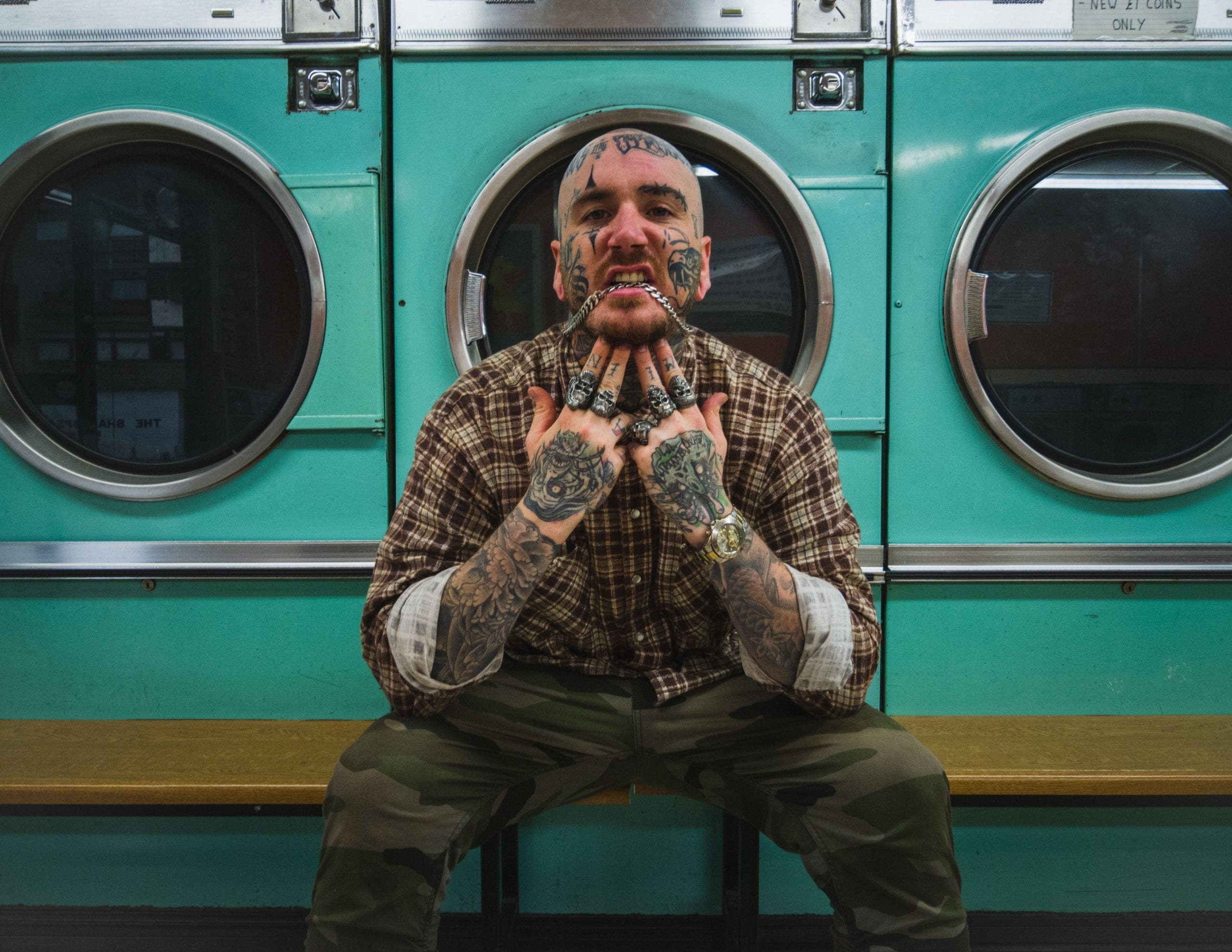
Aiyush Pachnanda may have yet to finish his Photojournalism degree, but he’s already taking the…
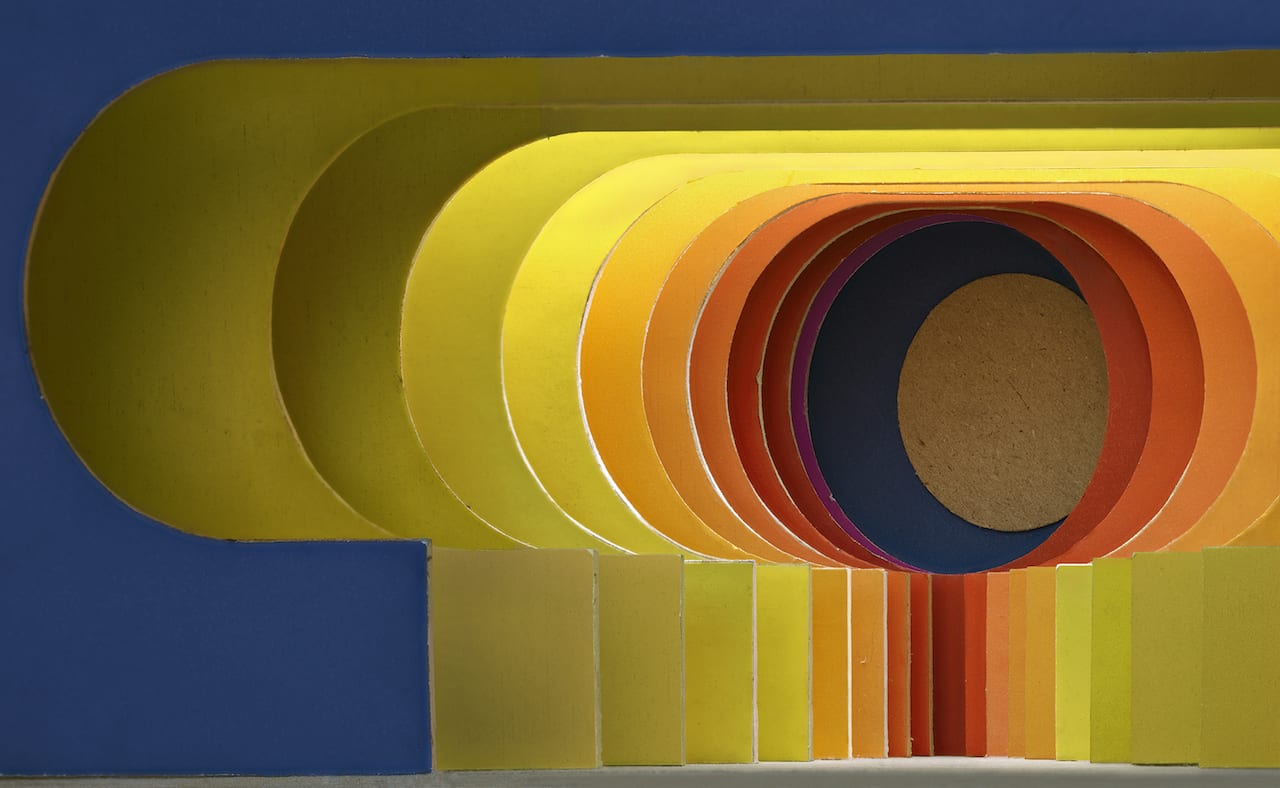
Thomas Demand is known for building and photographing three-dimensional models that are made to look like real rooms. Often loaded with political significance, his recreations include the kitchen in which Saddam Hussein cooked his last meal, the location of a failed assassination attempt on Hitler, and the interior of the Daiichi nuclear power plant in Fukushima after the 2011 earthquake forced workers to evacuate.
Recently his work has taken a new turn, and he has become more interested in other people’s models than his own. In Model Studies, Demand photographs discarded structures made by famous architects such as John Lautner.
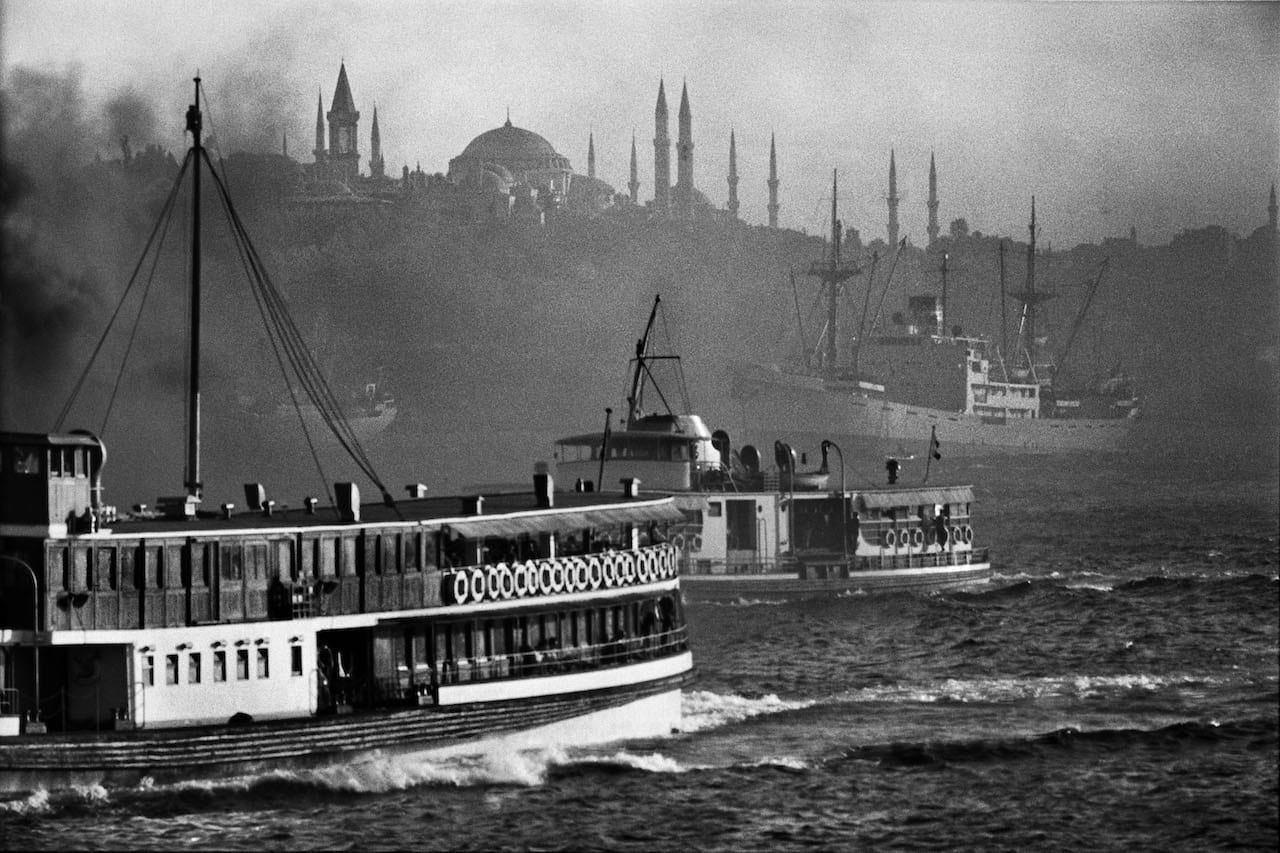
“He had such a strong character, he was full of energy and funny. Even if his health had worsened in recent months, he was always happy to welcome others and share good memories with friends in his famous Ara Kafé, near the no less well-known Istiklal Avenue. We will miss him,” says Emin Ozmen of Ara Güler – the ‘eye of Istanbul’ who has died aged 90
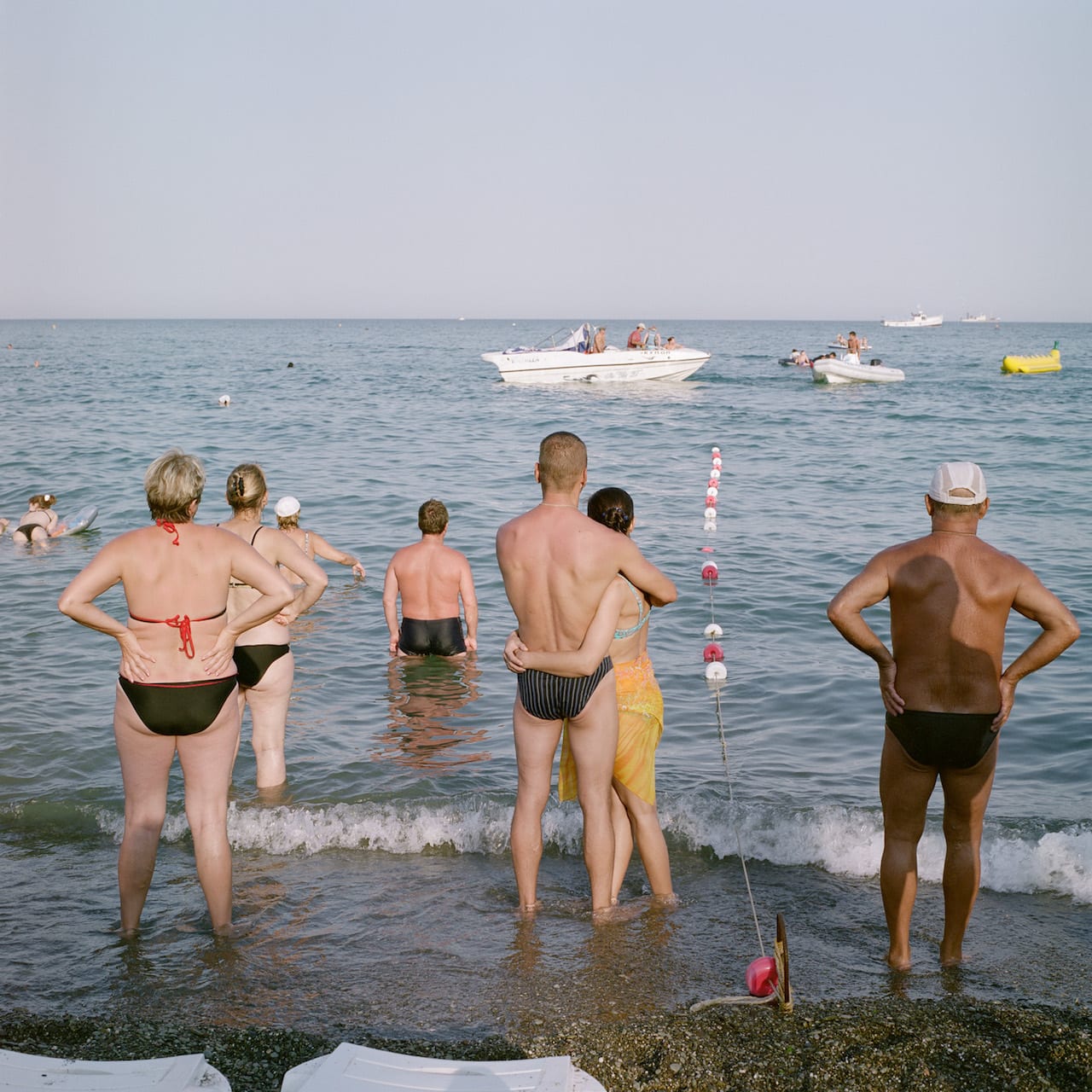
Stakle recently won the New East Photo Prize organised by Calvert 22 Foundation, with a series titled Heavy Waters. Shot in Crimea in 2011, the series shows towns and villages scattered along the coast on the Crimean Peninsula – an area that was at the time part of Ukraine, but which became part of Russia after the Ukraine-Russia crisis in 2014. To date, Crimea remains an internationally unrecognised part of Russia. Crimea was one of the most popular resorts of the Soviet Union but, says Stakle, “being on the crossroads of trade routes has always been risky”. “Since times immemorial, the Crimean Peninsula has been coveted by different countries, near and far,” he writes in his introduction to the series.
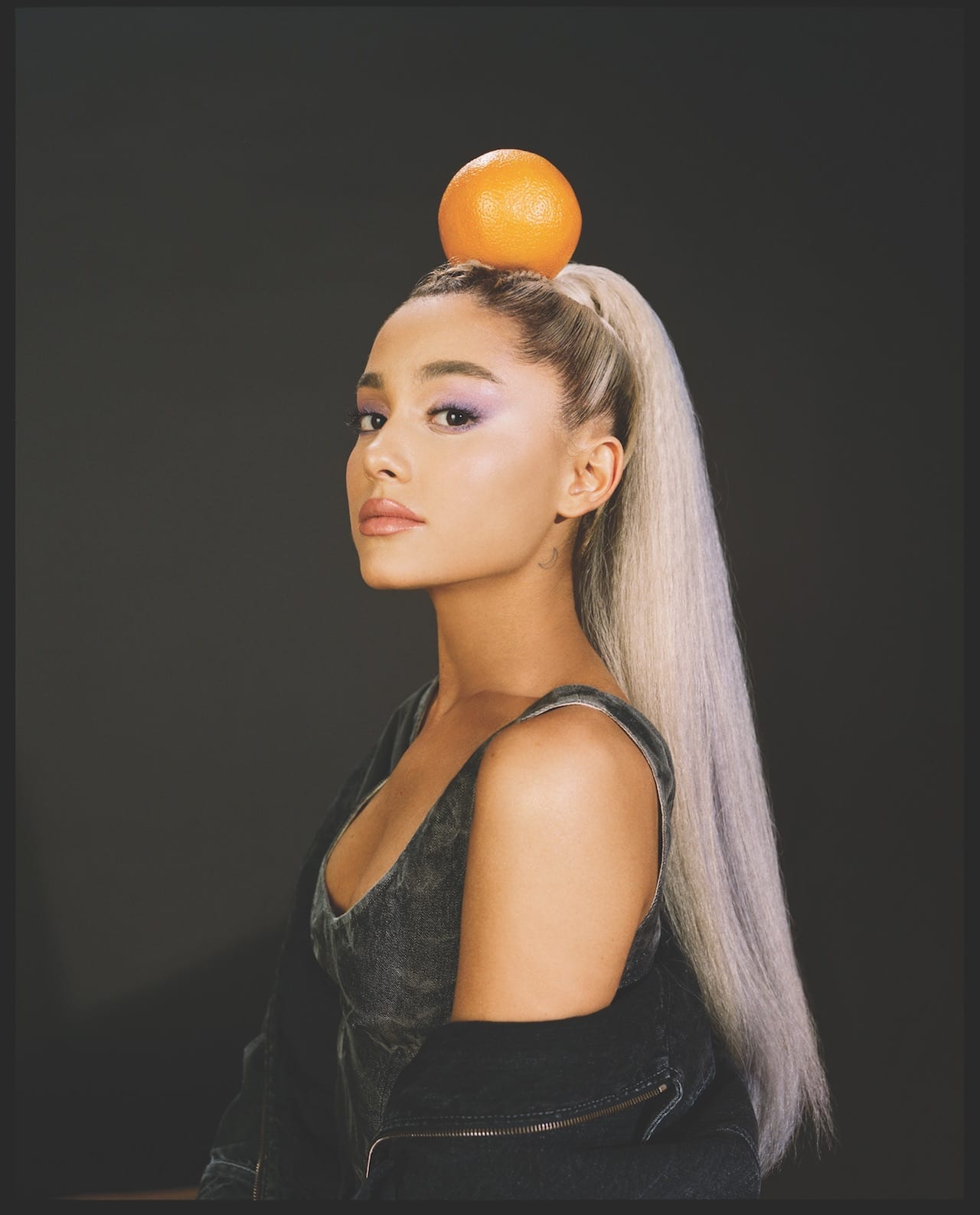
Asked to describe the style of photography featured in The Fader, the celebrated music journal launched in New York in 1999 championing contemporary style and emerging artists, Keegin shoots back with, “All-you can-eat buffet”. The magazine’s photo director since 2015, having previously worked for Time and Bloomberg Businessweek, she describes her preferred aesthetic as “manic”, explaining, “I like all kinds of photography and am happiest when genre, style and hue smash into each other on the same page”.
While her predecessors championed intimacy and authenticity, gaining unusual access to musicians and shooting them in relaxed pose in natural light, Keegin’s approach injects flash, colour and surrealism. “To me, great photography is the result of an emotional connection between a photographer and her subject,” she says. “This form of interpersonal magic is not genre specific or the result of a certain set of aesthetic constraints.”
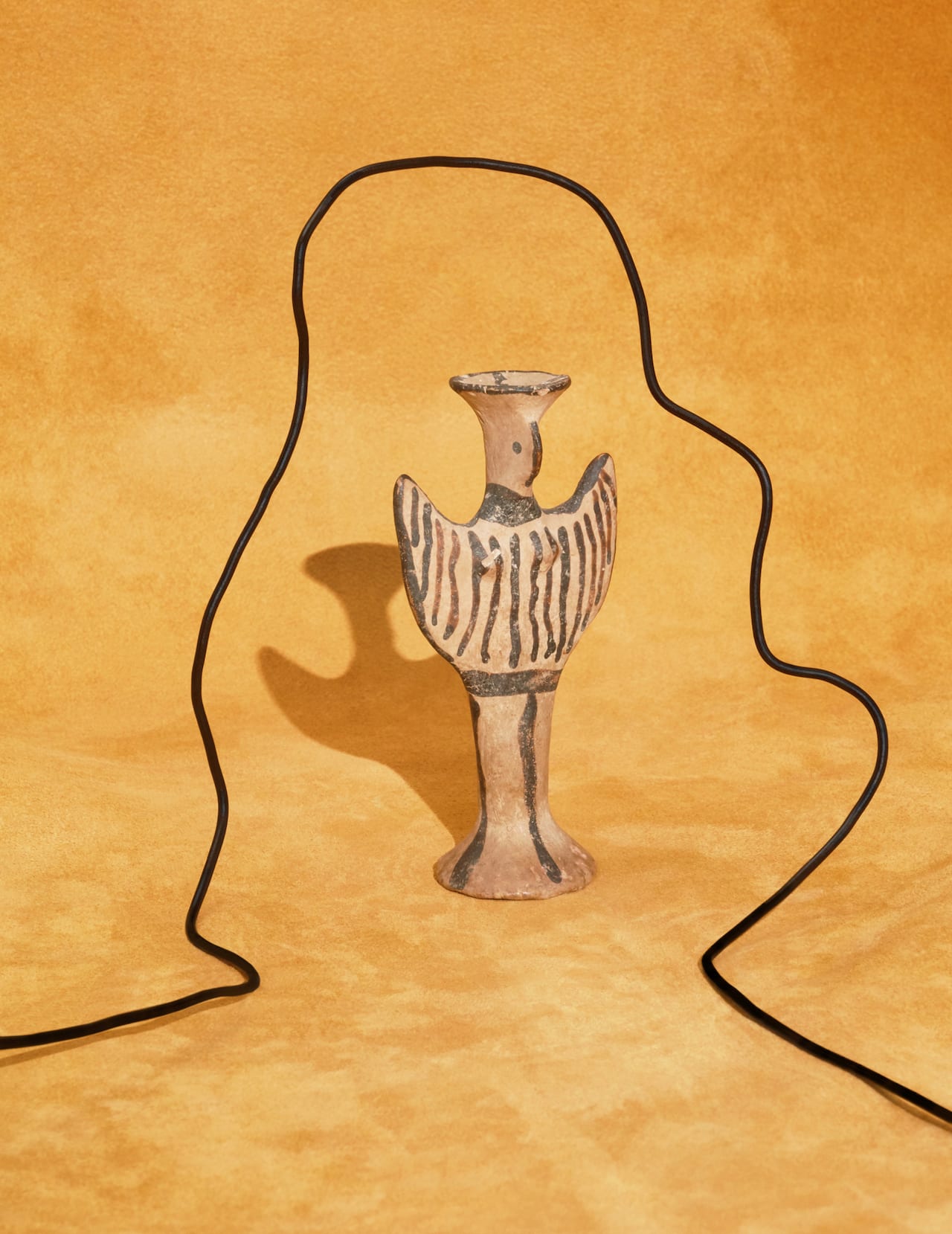
Born in the Eastern Bloc, Adrian Samson has lived in the US and Canada but is now based in London, where his appealing, contemporary work has won him commissions from clients such as Hermes, Miu Miu, COS, Vogue Hommes International, Numero Berlin, Wallpaper*, The Plant, The Gourmand, and The New York Times. His latest project is a shoot for the Frieze Art Fair, which opens in London from 04-07 October, and which saw him handling ancient and modern artefacts taken from the Frieze Masters section. His images will be presented in Frieze’s newspaper for its well-respected event, which includes a talk by Nan Goldin on 06 October and a presentation of work by emerging Polish photographer Joanna Piotrowska.
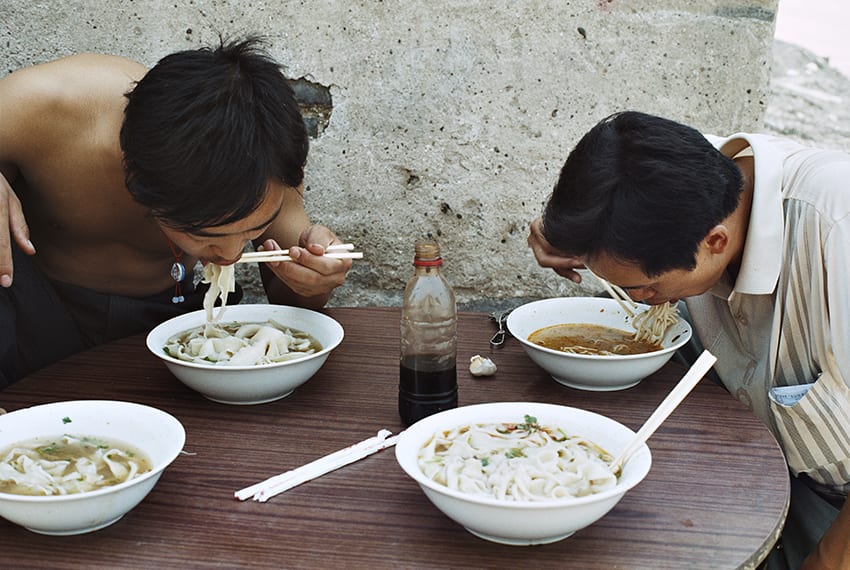
Marc Moitessier is a photographer from Marseille, France. His most recent, and perhaps most challenging,…
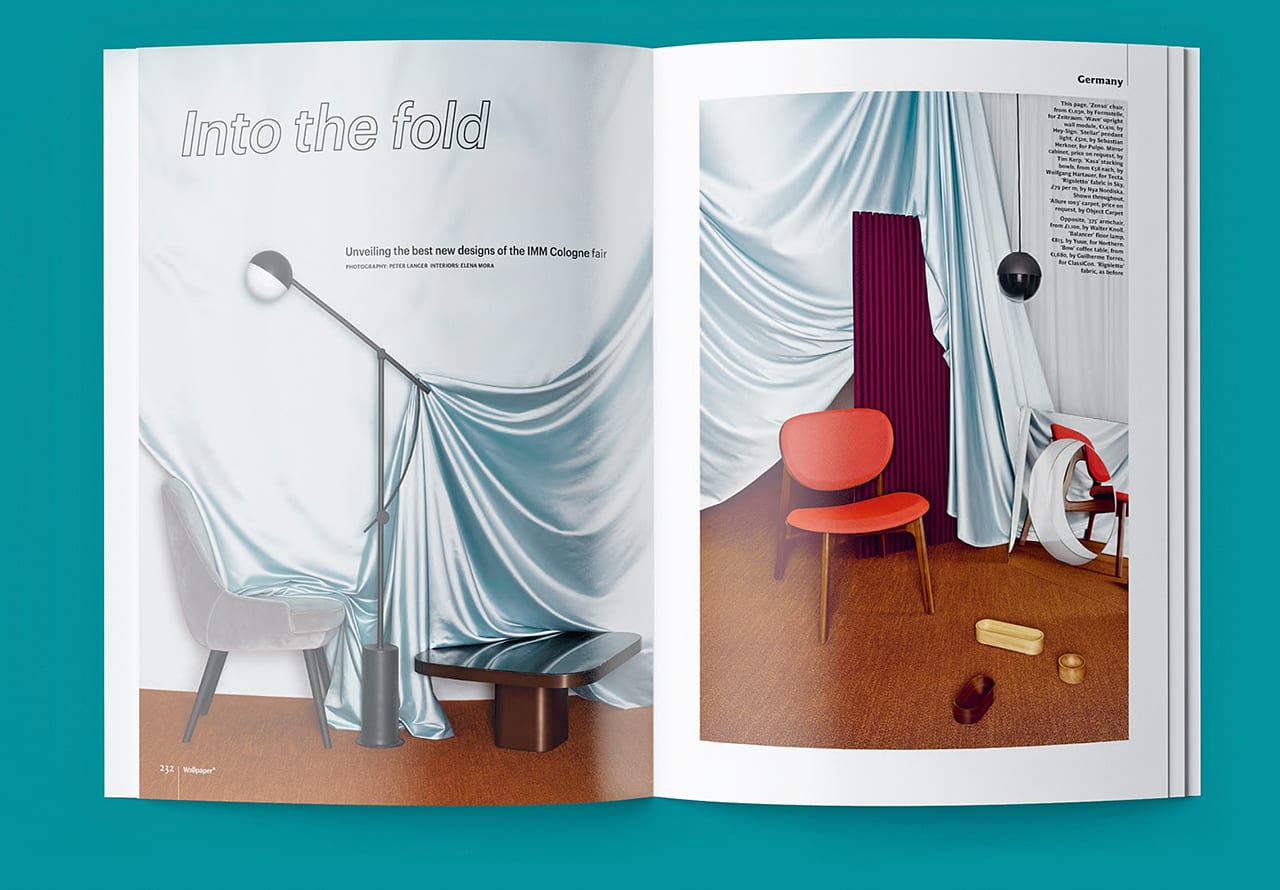
Holly Hay’s induction into publishing came by way of the fashion communication and promotion BA…
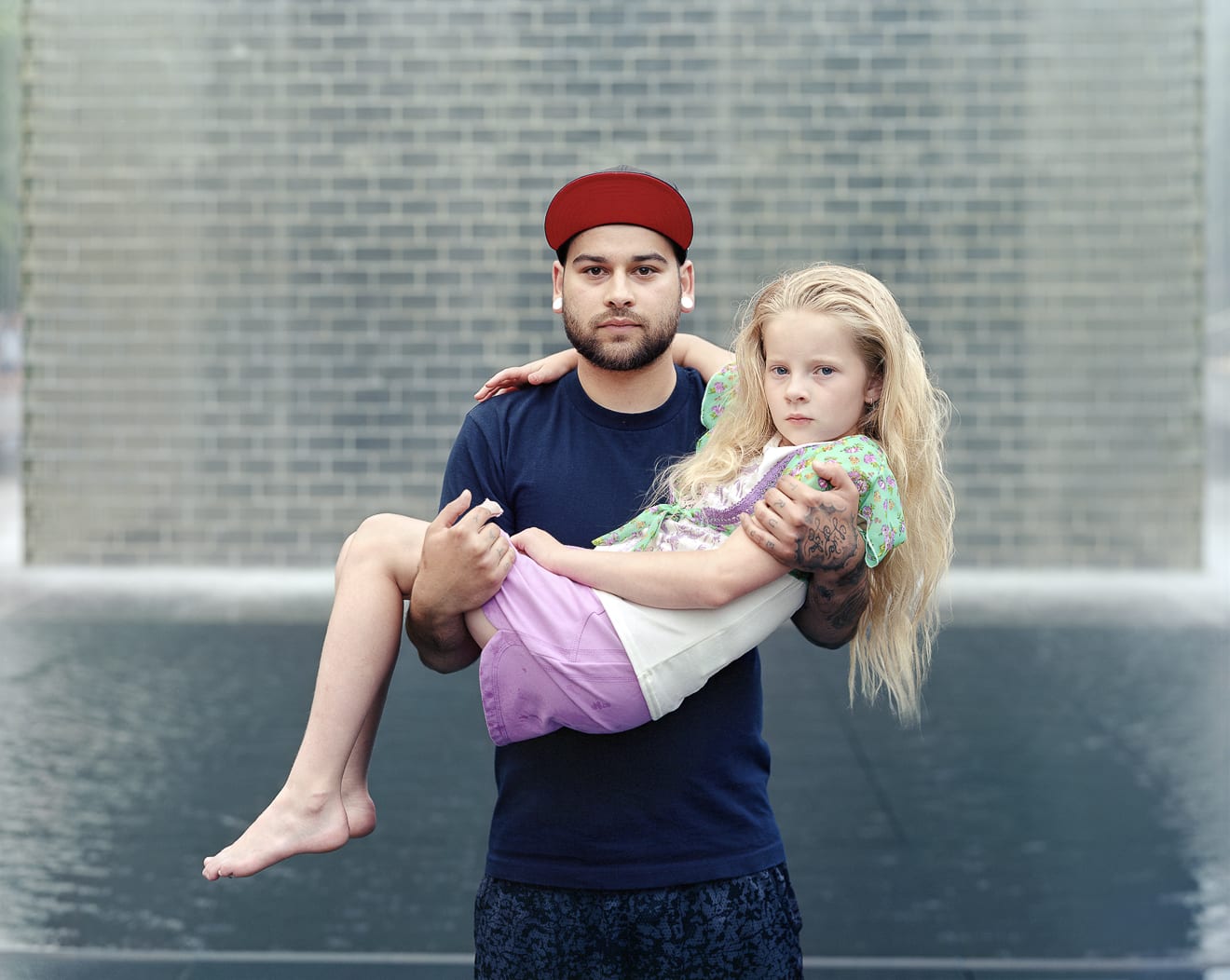
Richard Renaldi’s photography career began with a passion for drawing. But, when his high school…
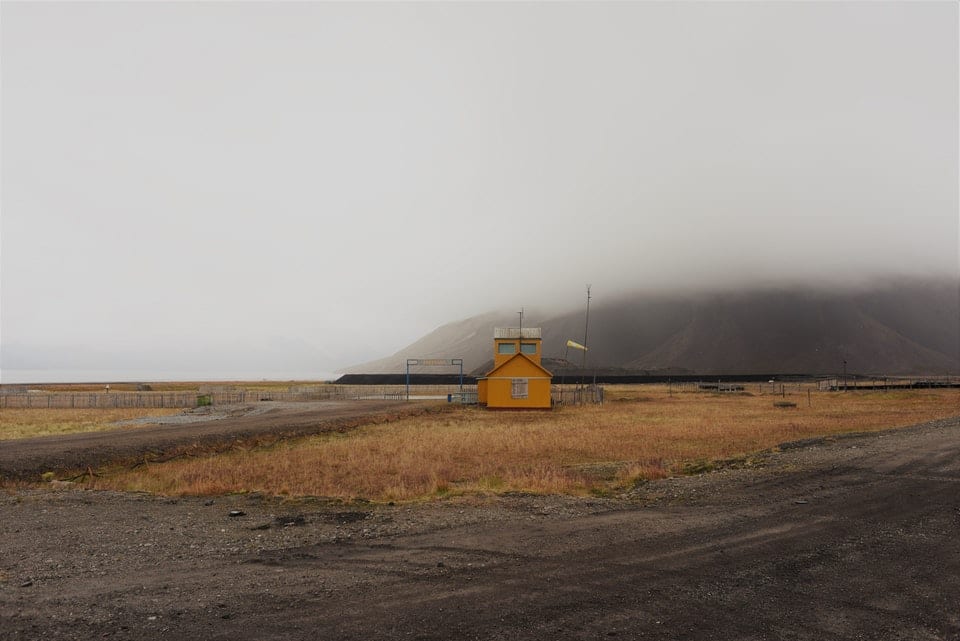
Gustavo Tavares has spent many years exploring the arctic, photographing the landscapes as a way…