

No matter how hard you try, sometimes Arles can be just like Glastonbury (sans mud)…
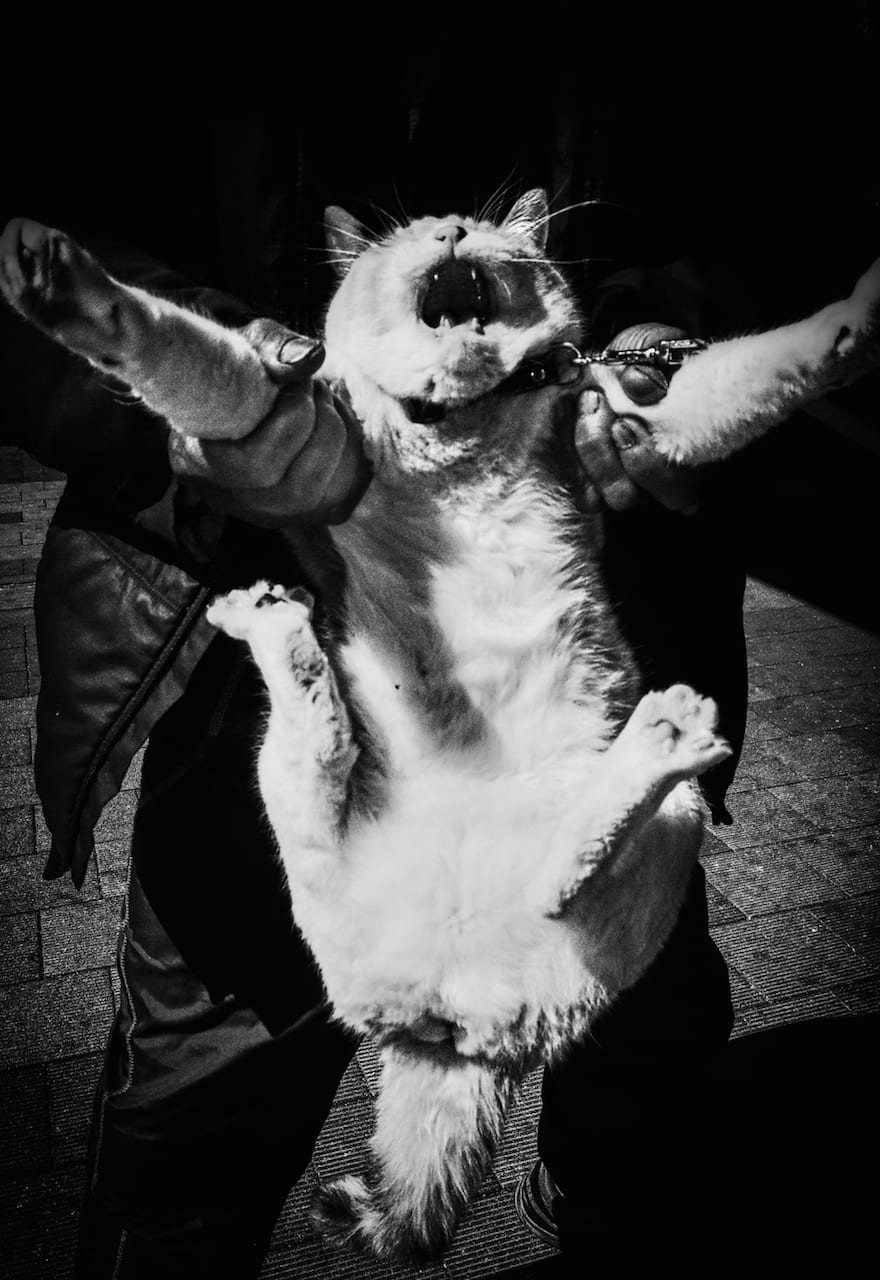
No matter how hard you try, sometimes Arles can be just like Glastonbury (sans mud)…
Fiona Rogers founded her online Firecracker platform to help showcase the best talent in female photography. What followed was a community of photographers all celebrating and sharing amazing work and it wasn’t long before the Firecracker grant was born. “It felt like the natural evolution was to be even more supportive. Something that went beyond showcasing work online. It started out pretty small: everybody contributed £10 to put into the pot and then we managed to flip that into a grant that was £1,000 and now it’s grown to £2,000.”
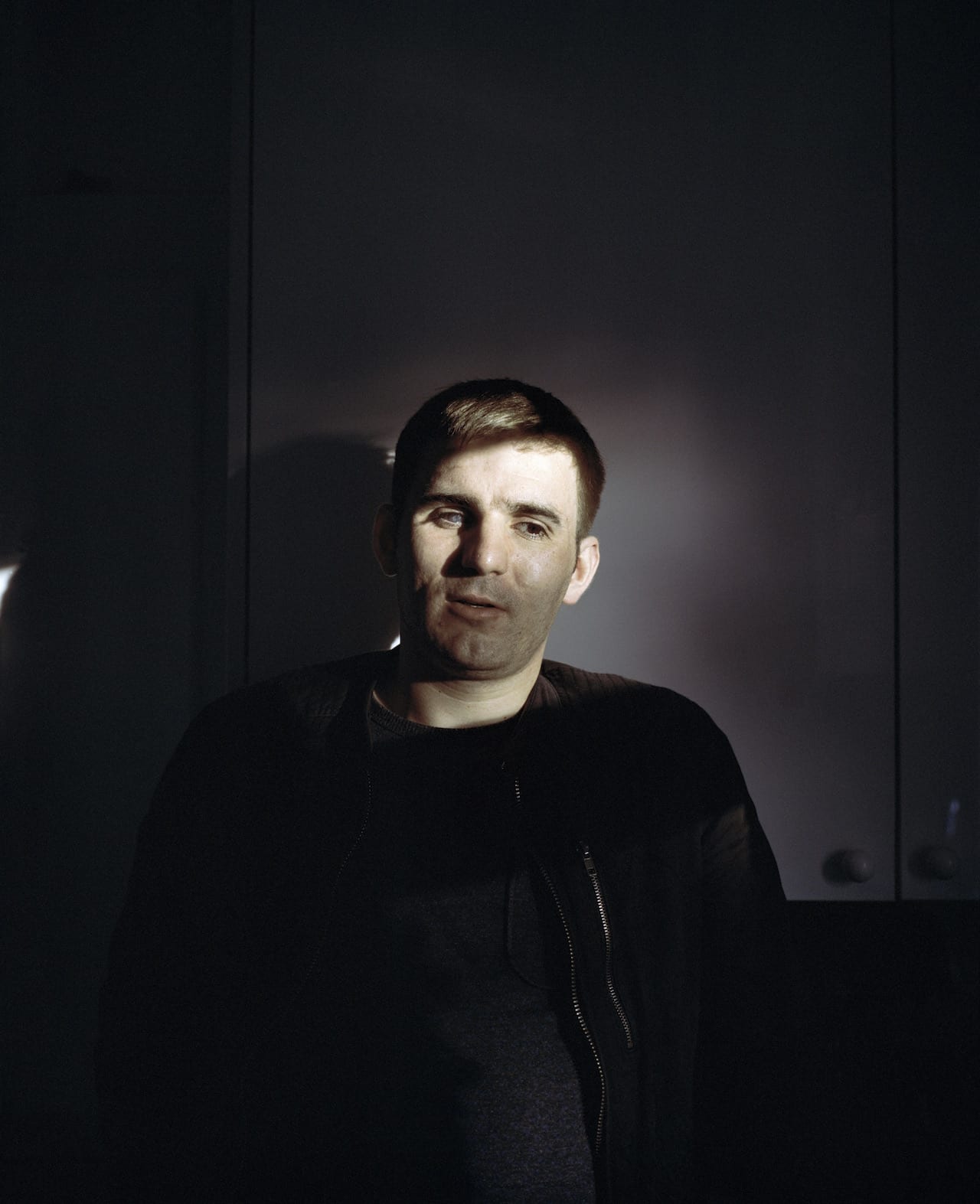
From the dimly-lit back alleys of Belfast, right into the interiors of its inhabitants’ homes, Chad Alexander’s graduation project Entries takes us on a reflective journey through the streets where he grew up. The 27-year-old first picked up a camera after seeing an exhibition that combined scenes of the Northern Ireland conflict with vignettes of daily life; he has since been developing his own take on documentary in this series. “It was work that I had always wanted to make, but until that point I wasn’t exactly sure how to approach it,” he explains.
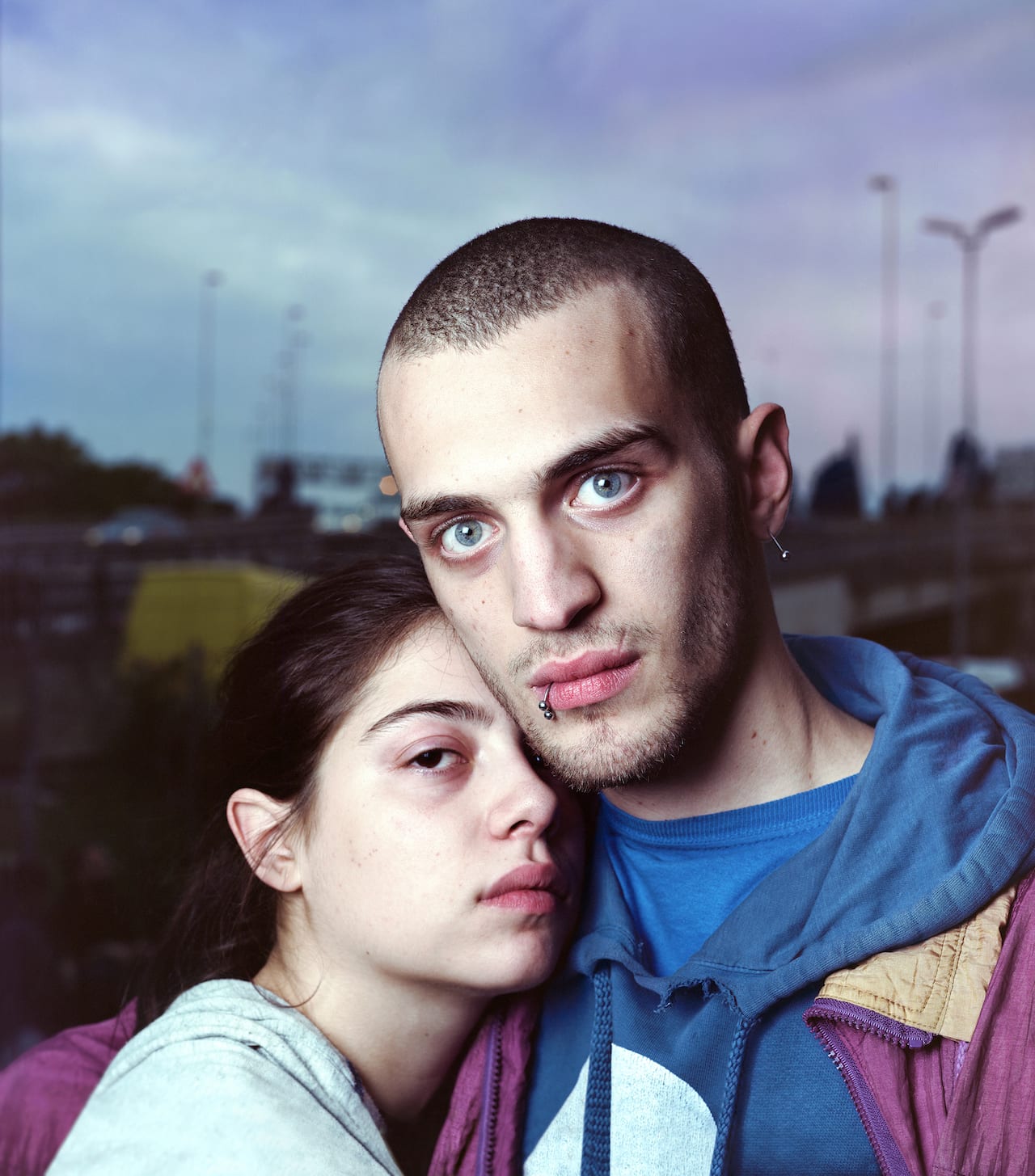
“Breaking onto a dance floor with a large format camera and a portable photography studio, as in my case, paralyses everything that happens,” says Jesús Madriñán, a Spanish photographer whose nightlife photos document the 21st century youth in different communities across the world. He is looking for an unique authenticity from his participants: “For me that’s really interesting: it gives them the opportunity to express themselves in front of the camera and in front of the eyes of the others.”
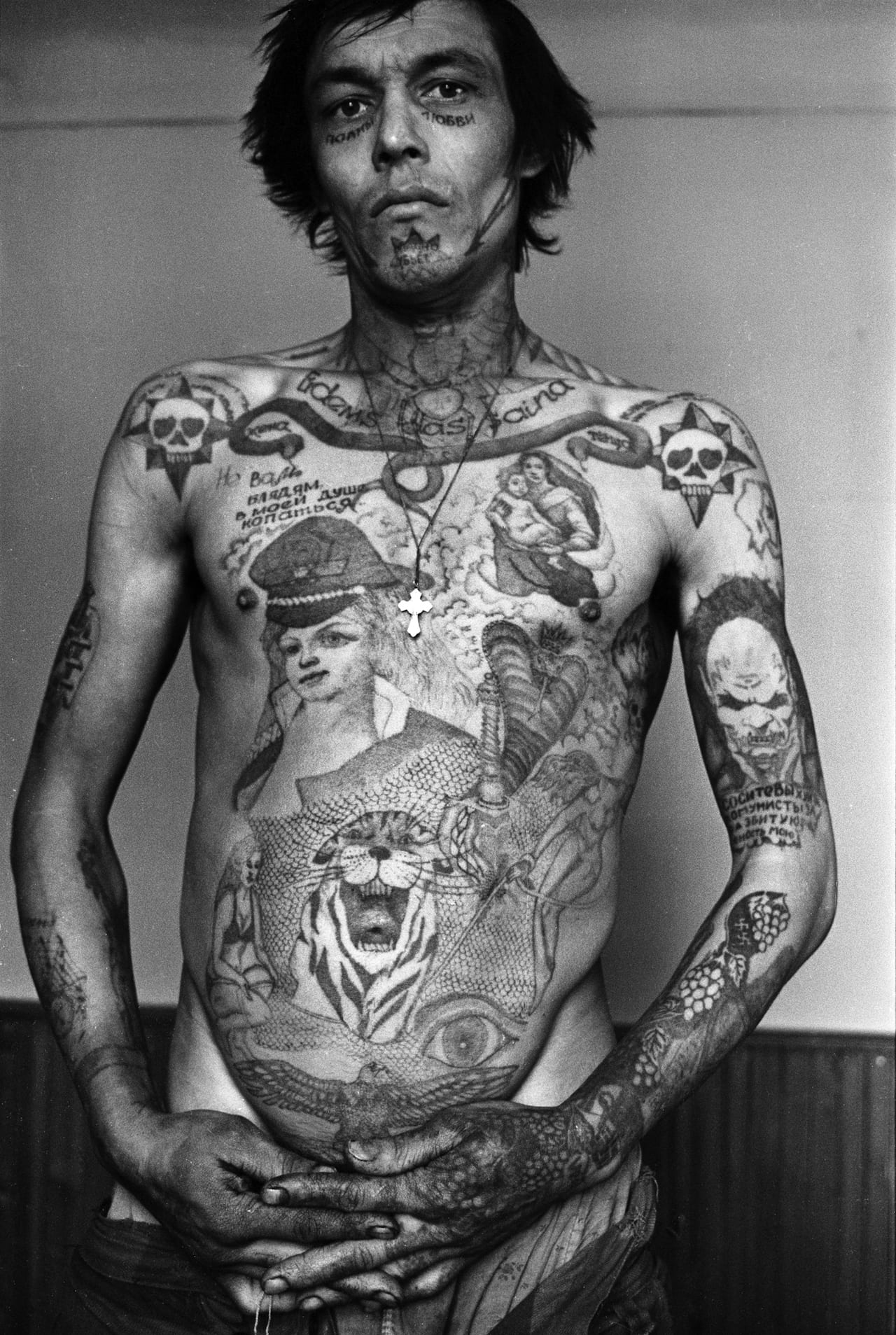
Think of Oxford and it’s the world-famous university that will probably spring to mind first; the ancient city is not necessarily one you would immediately associate with photography. But that may be about to change with the debut of a new fortnight-long “celebration of photography” from 08-24 September, curated by Tim Clark and Greg Hobson. With a focus on the medium’s “potential to conceal and reveal”, the programme is small but convincing, with work carefully matched to specific venues in the city centre. For example, Oxford’s old fire station, now a thriving public arts space, will host an exhibition of photographs devoted to Russian prison tattoos.
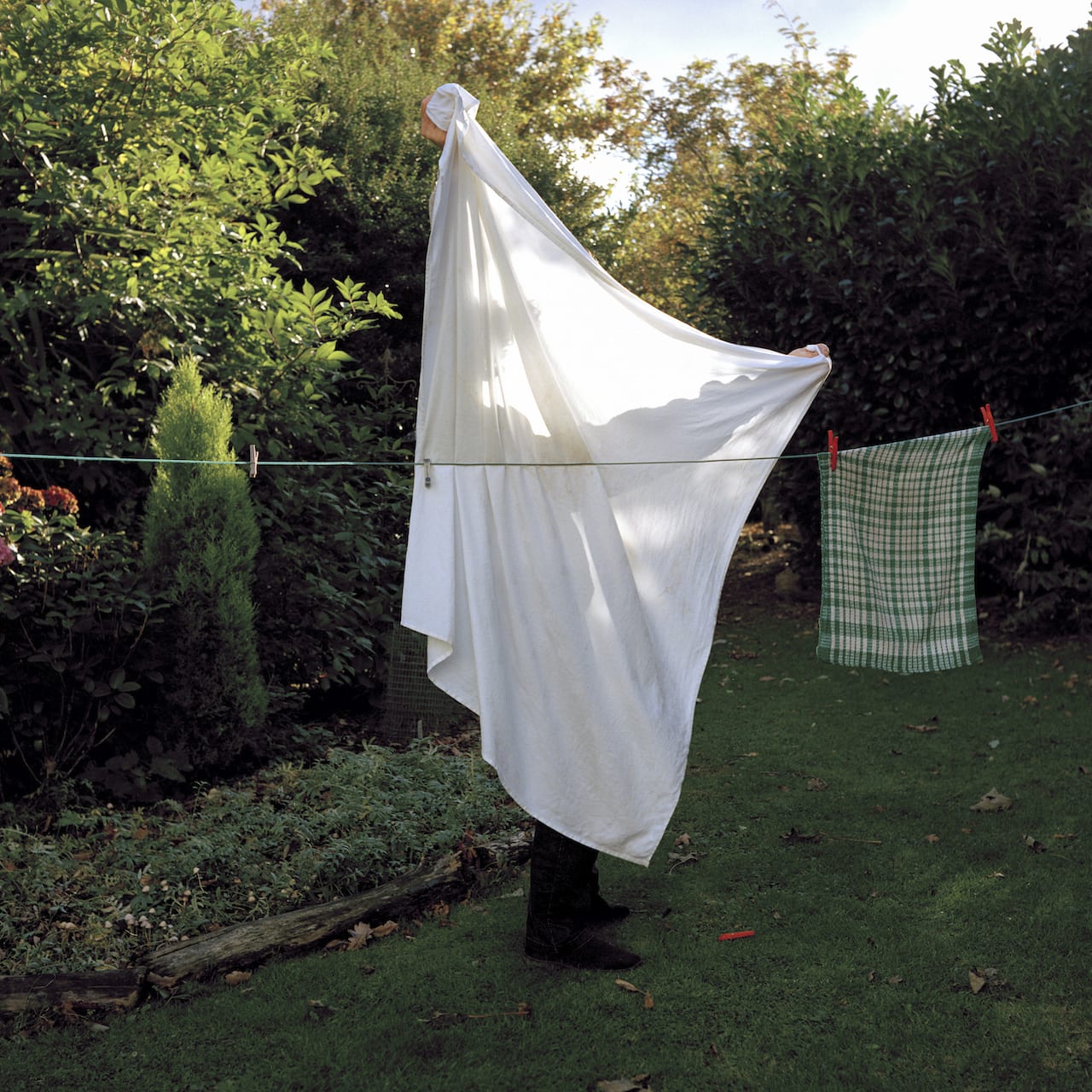
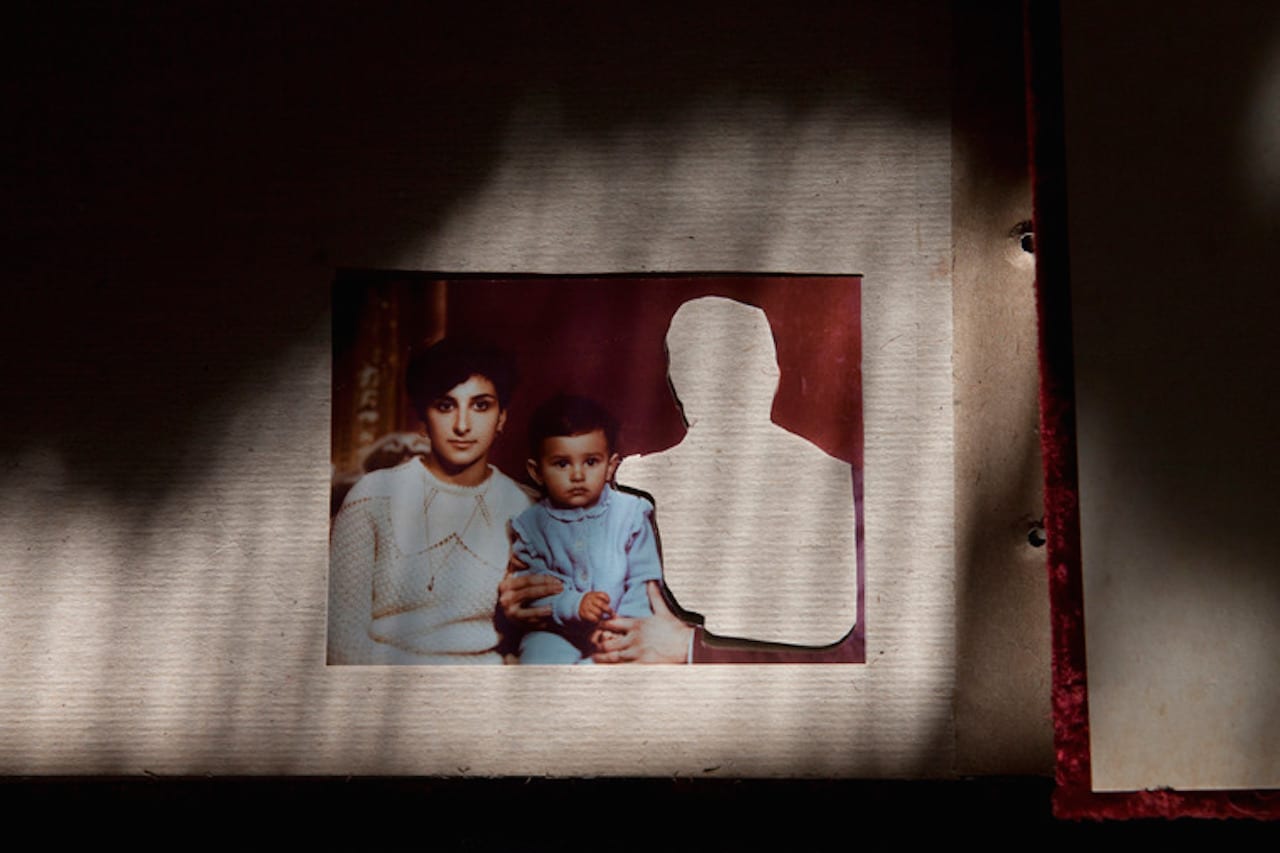
“I try to use photography to investigate the aspects of my family life that have been deliberately set aside,” says Thomas Duffield. His final-year project, The whole house is shaking, pays tribute to an idyllic childhood on a small farm on the outskirts of Leeds, while simultaneously confronting a darker enclave of family history. Composed from small details of everyday life and portraits of his mother, sister and grandfather, the project also dwells on his father’s clandestine heroin addiction, hidden from the children while they were growing up.
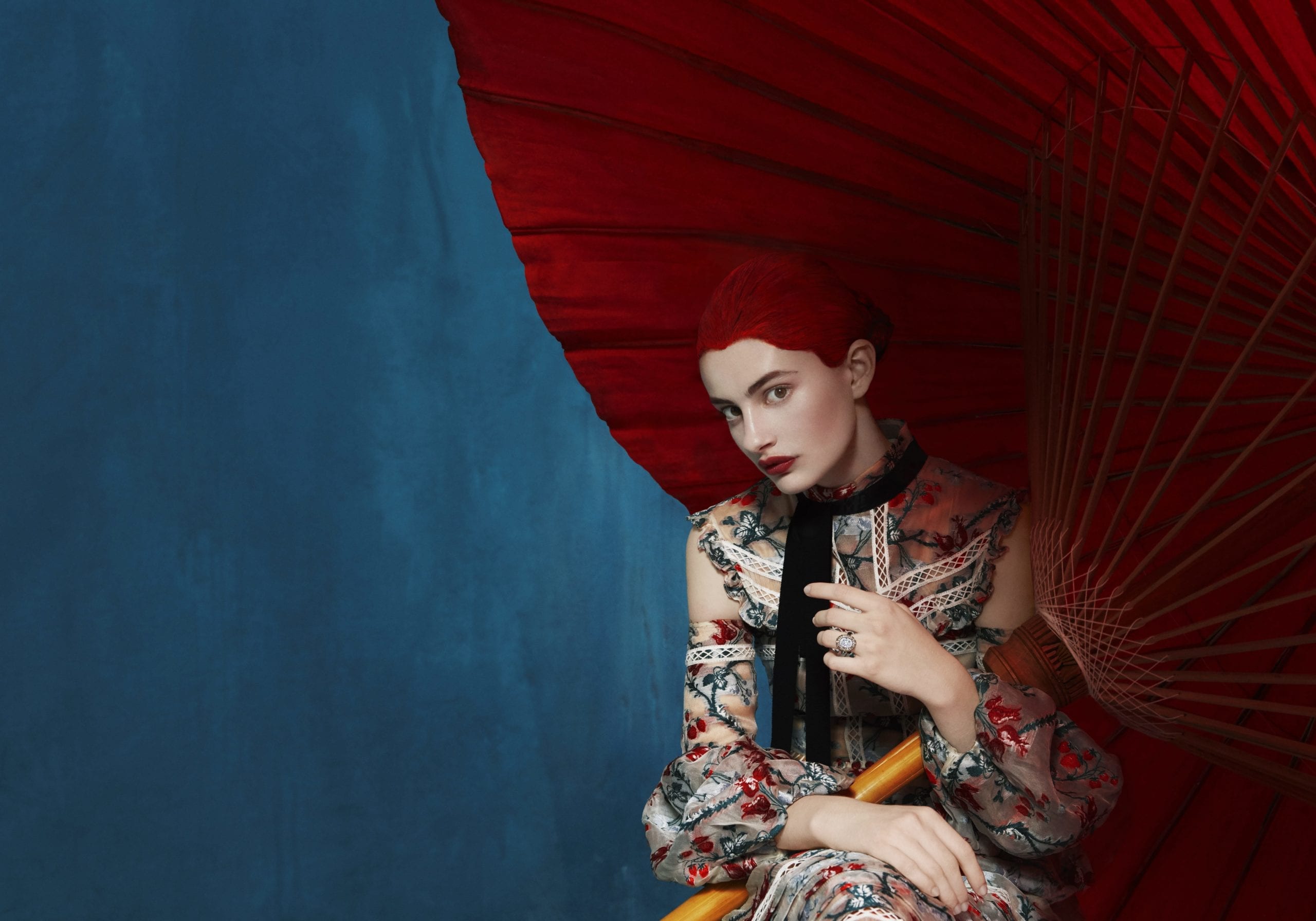
“I always wanted to be a painter; I suppose most photographers secretly do,” says Erik Madigan Heck. “My mother was a painter. We painted together when I was a child, and she took me to the museum almost every week to look at paintings.” He’s gone on to develop a rich, painterly style of photography, which has brought him commissions from clients such as The New York Times Magazine, Vanity Fair, TIME, The New Yorker, and Harper’s Bazaar UK – and, most recently, with Sotheby’s Diamonds
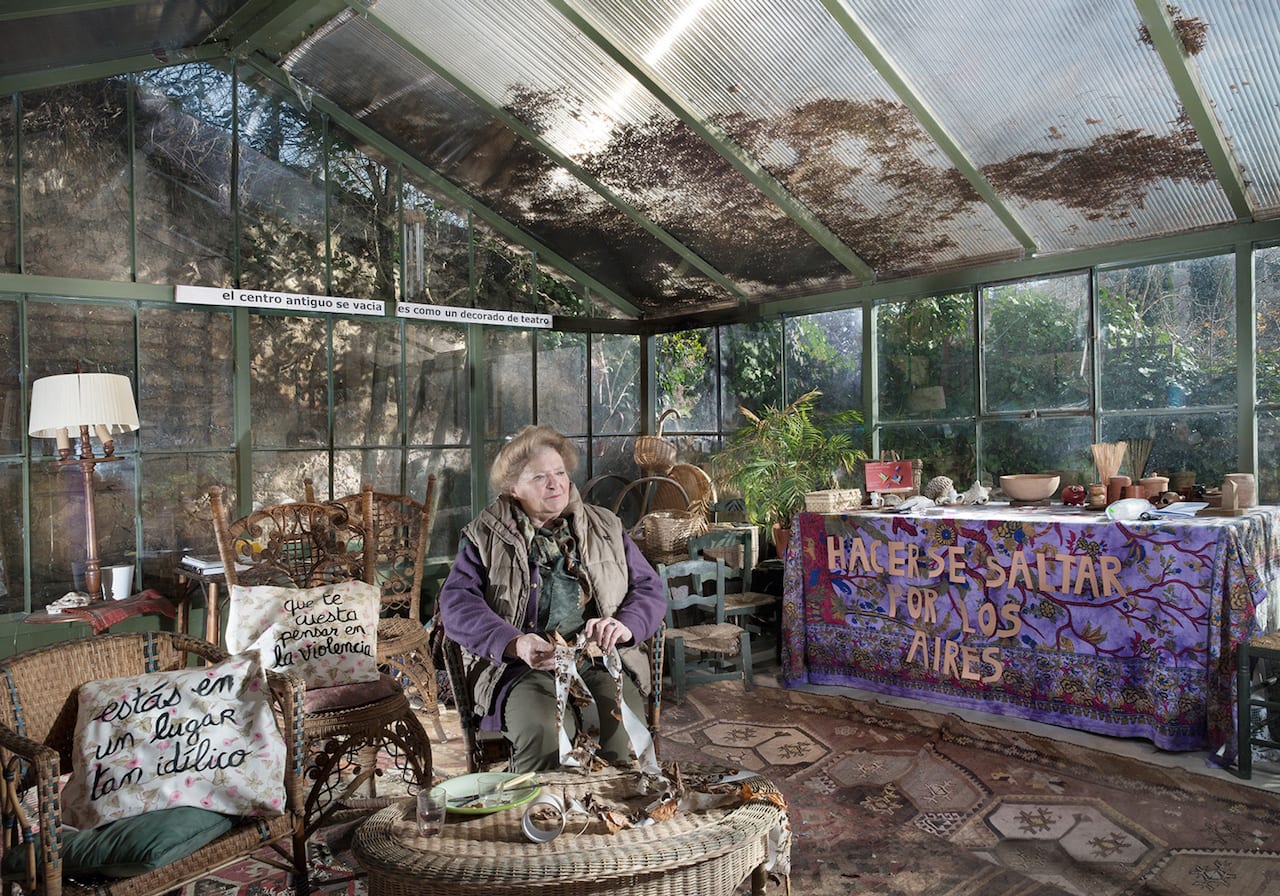
For two months last April and May, Aurore Valade isolated herself in a remote village in the Haute-Bigorre region of France. The result? Her photography project Se Manifester, which has been awarded this year’s Photo Folio Review at the Rencontres d’Arles festival. “Etymologically, ‘to manifest’ is the action of making visible. I feel that could be a beautiful definition of photography too,” says Valade.
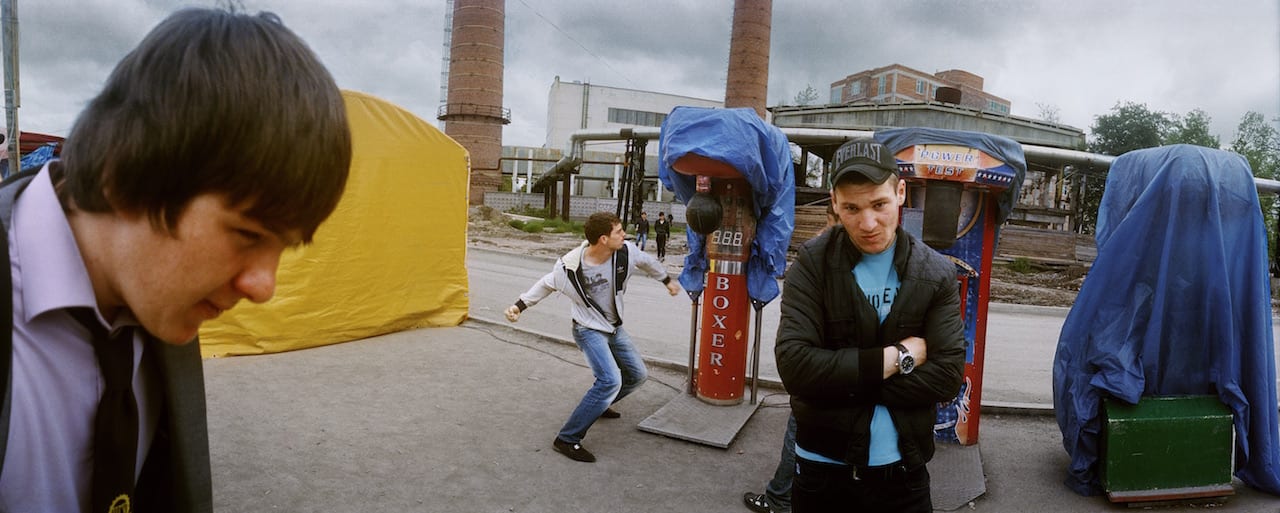
Jens Olof Lasthein, a Swedish-born photographer brought up in Denmark, has spent much of his career travelling around the European hinterlands, where international boundaries have been shifting for centuries. His new book, Meanwhile Across the Mountain, published by Max Ström, is a stunning survey of the Caucasus – the part of southeastern Europe that used to belong to the Soviet Union, but is now a collection of sovereign states and breakaway regions such as South Ossetia, Dagestan and Chechnya.
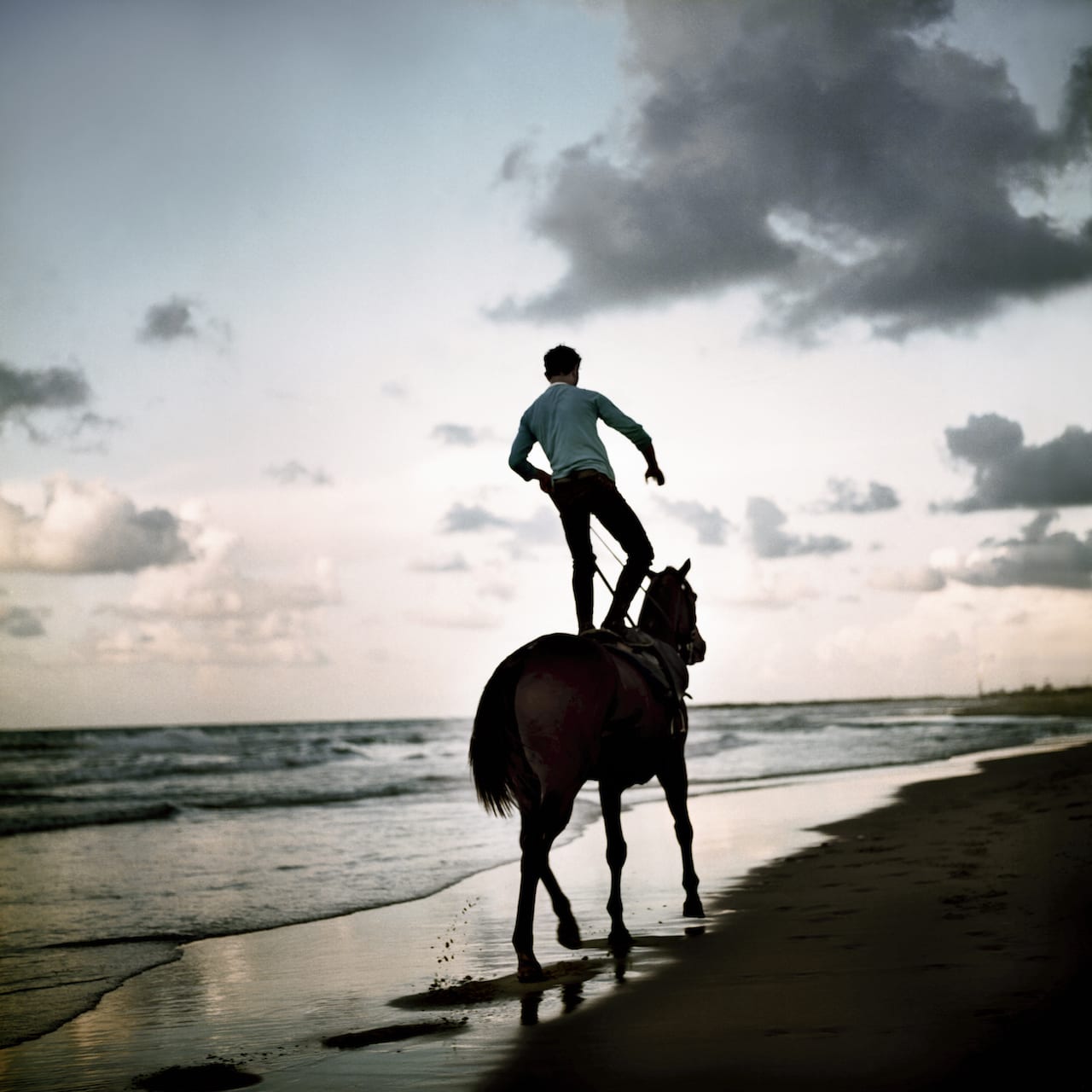
Swedish documentary photographer Loulou d’Aki’s Make a Wish has been a long time in the making. The project, which was shortlisted for the Grand Prix at Lodz Fotofestiwal this year, revolves around the aspirations and dreams of young people across the globe, recorded in a sweeping compilation of portraits and landscapes. Shot alongside commissions for international publications such as Le Monde, The New York Times and Die Zeit, it evolved over a number of years, charting the photographer’s life on the move.