

In 2016, Chloe Dewe Mathews was invited to do an artist’s residency at the Verbier…
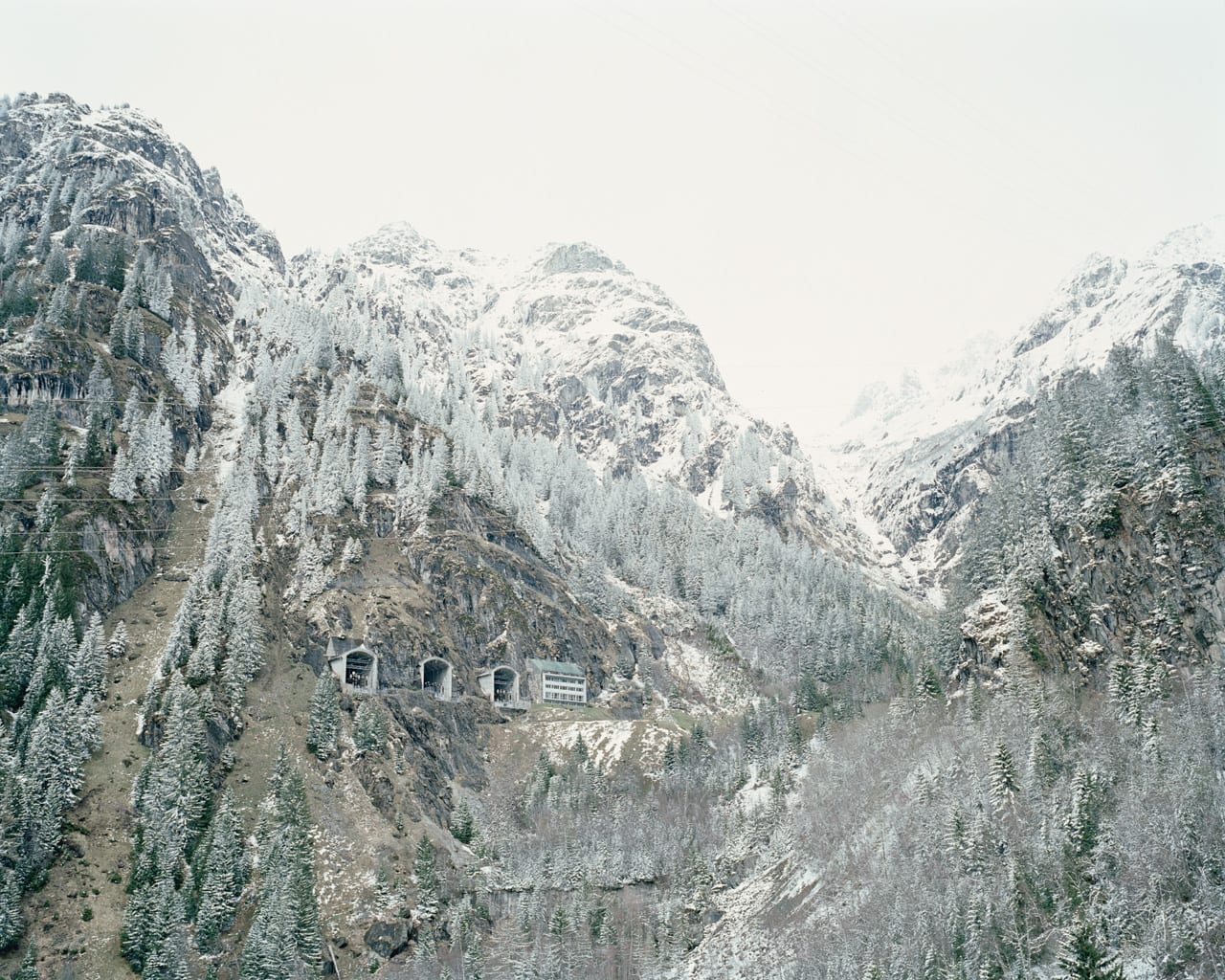
In 2016, Chloe Dewe Mathews was invited to do an artist’s residency at the Verbier…
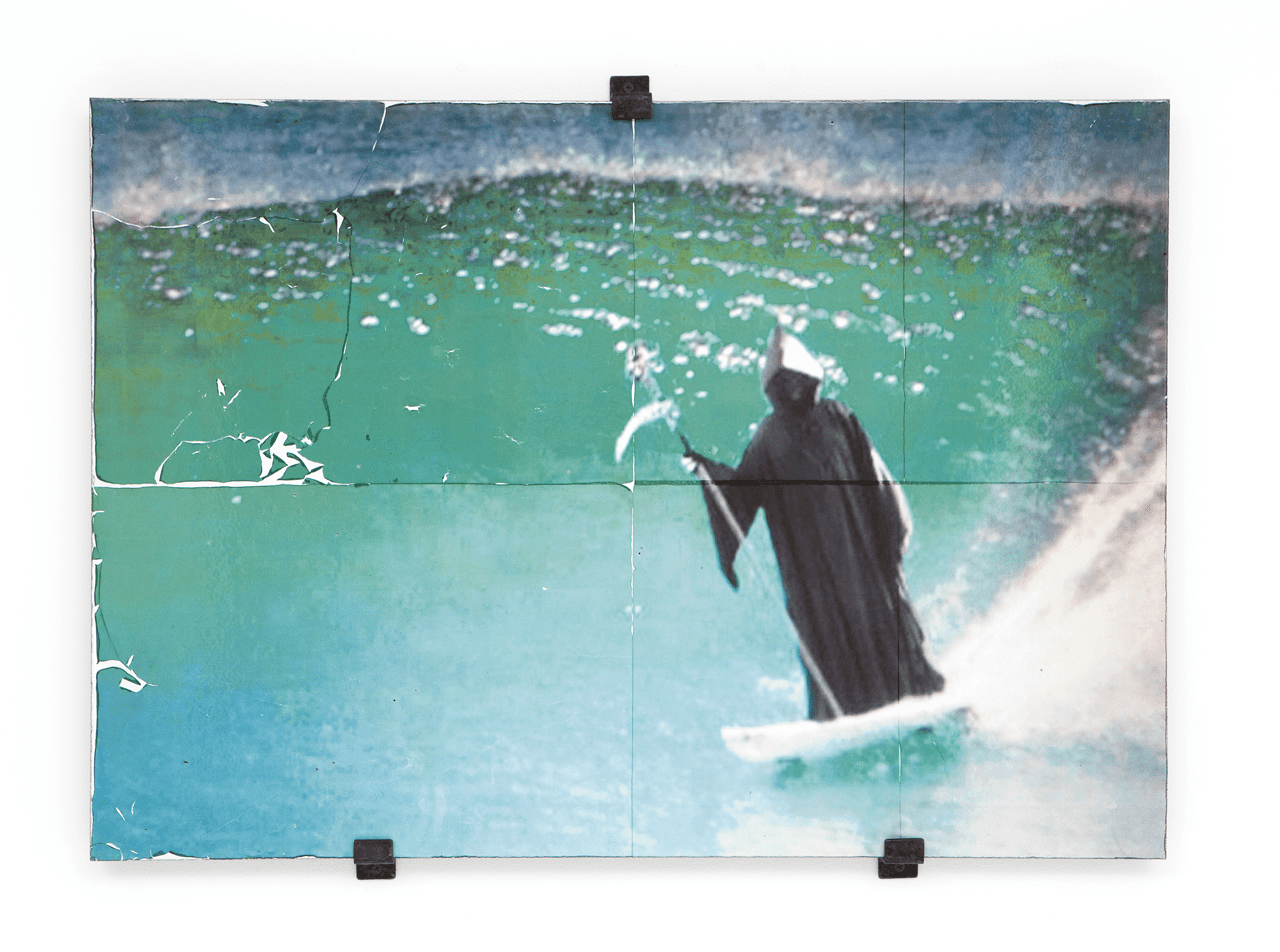
Known for his offbeat experiments with printing processes, Thomas Mailaender is an artist constantly pushing the limits of the medium. He’s worked with found images for 10 years and, as a consequence, tells me that: “I don’t think of myself as a photographer.” Often sourcing images from the internet, but equally happy to raid car boot fairs, flea markets, and charity shops, Mailaender says he is interested in “reproducing images rather than making them myself”. He is, he says, “a compulsive collector of photographs”.
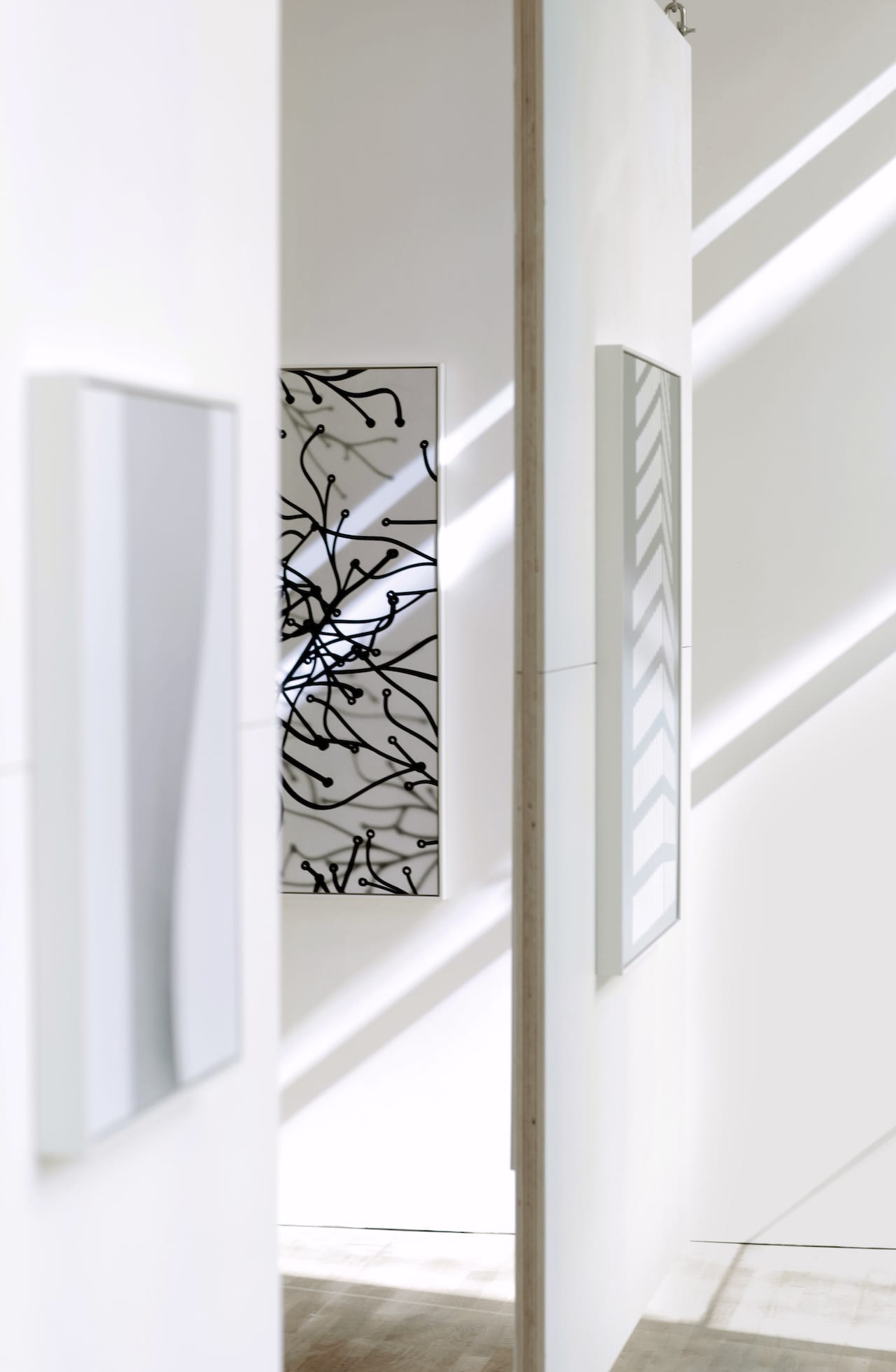
A new photography gallery has opened in East London with its inaugural show, Reduction, Reduction,…
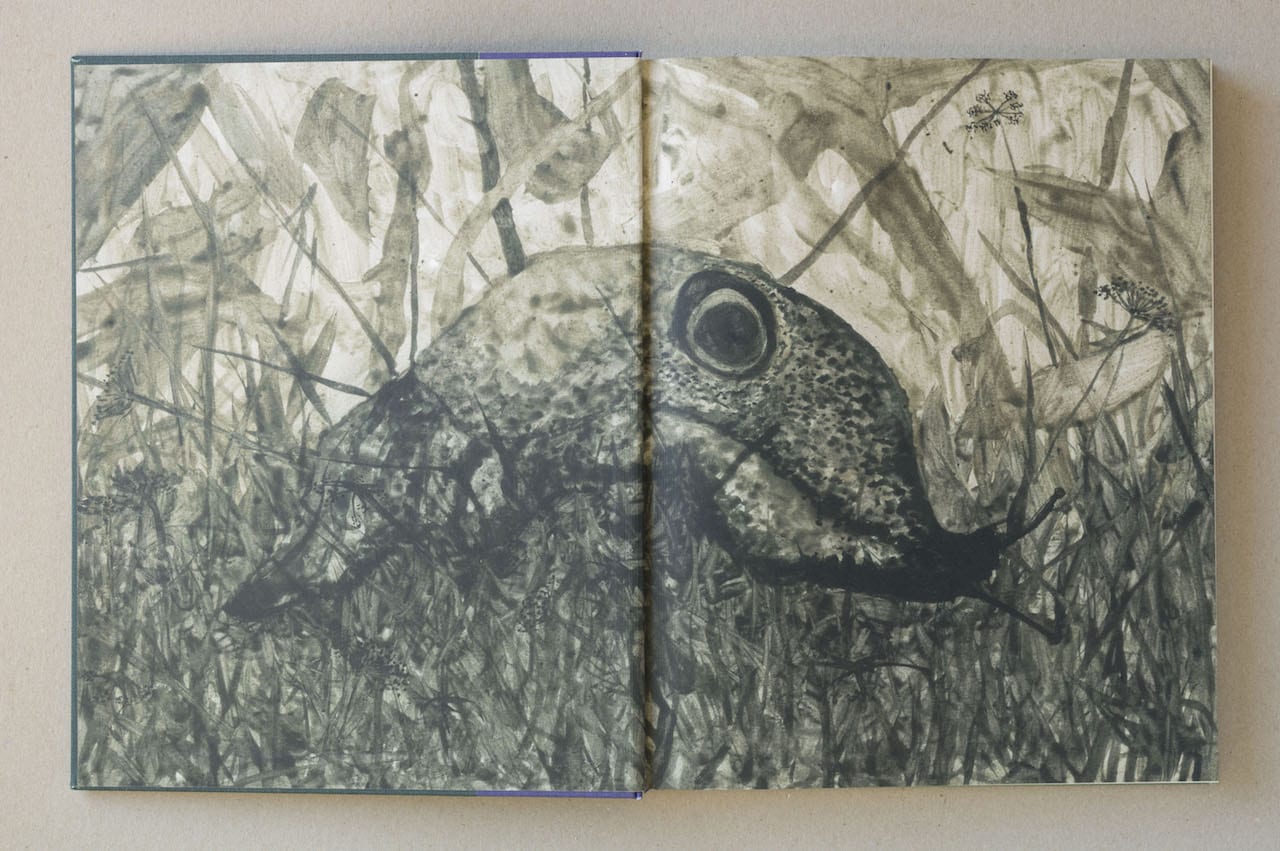
First awarded back in 1985, the Kraszna-Krausz Foundation Best Photography Book prize is one of…
Kathleen Fox-Davies and Anna Kirrage first met when they worked together at a Mayfair gallery. Eight years later, they’ve set up their own outfit – Black Box Projects. “We always attended art events together, so we retained a continual dialogue about the art market and our respective interests,” Kirrage tells BJP. “We have always worked in small businesses where there wasn’t necessarily room for growth, so the obvious step was to start out on our own.” Fox-Davies is a photography specialist with over a decade of experience in galleries such as Michael Hoppen, Hasted Hunt and ATLAS, while Kirrage’s experience is in managing art organisations’ PR and strategy. Drawing on their complementary skills, they’ve decided to break the traditional gallery mould and will run Black Box Projects as a series of pop-up installations, rather than opening a permanent space.
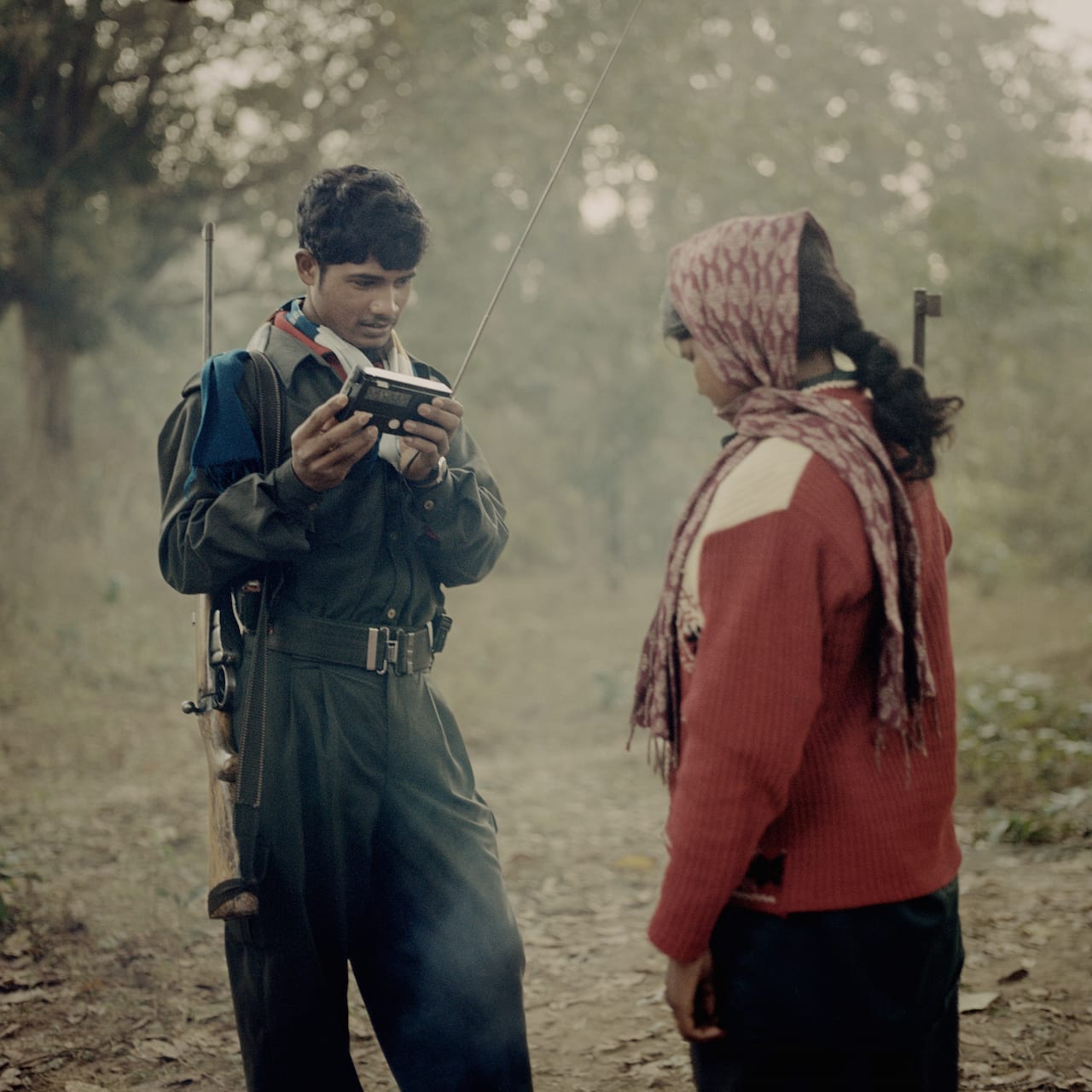
Poulomi Basu’s Centralia is no easy read. The situation it unravels − a protracted fight for land and resources in central India − is not only complex, but also largely unheard of, especially in mainstream Western media. And Basu, reflecting on contemporary documentary practices, refuses to simplify it into a readily digestible format. Instead, she wishes to reflect the bewildering atmosphere that reigns in the region. “The adage ‘The first victim of any conflict is the truth’, is particularly apt here,” she says. “The conflict, with its many actors all occupying opaque roles, has created a space with its own internal logic and landscape.” Thus, she hopes to take the audience “on a journey to a place where truth and lies, reality and fiction have become blurred”.
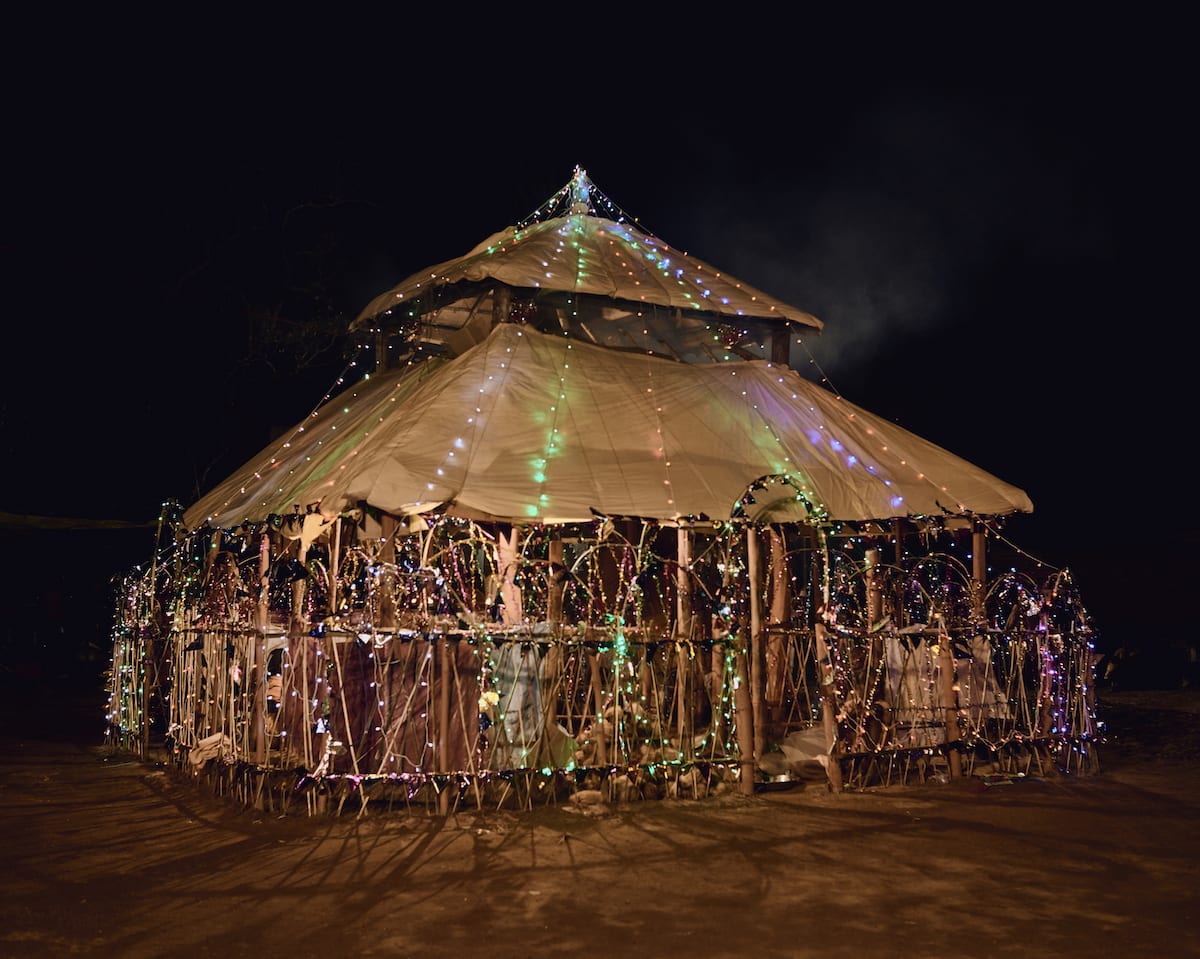
“In Centralia, Poulomi Basu continues to focus her gaze on the interrelation between violence, state power, and gender,” says Monica Allende, member of the jury for the PHM grant. “By intertwining multilayered fictional narratives she aims to challenge the viewer’s perception of reality, as well as established neocolonialist histories. “In an era of post-truth and fake news, where we battle for control of “official” narratives, Basu’s work forces us to reflect on our own prejudices and educated preconceptions. Despite addressing such complex issues, the work is both illuminating and engaging – a testament to her innate ability as a documentarian. The result is a beautifully executed story which is thoroughly deserving of the winning grant.”
Yolanda Y. Liou is a self-taught photographer who began taking photographs in 2011 while backpacking…
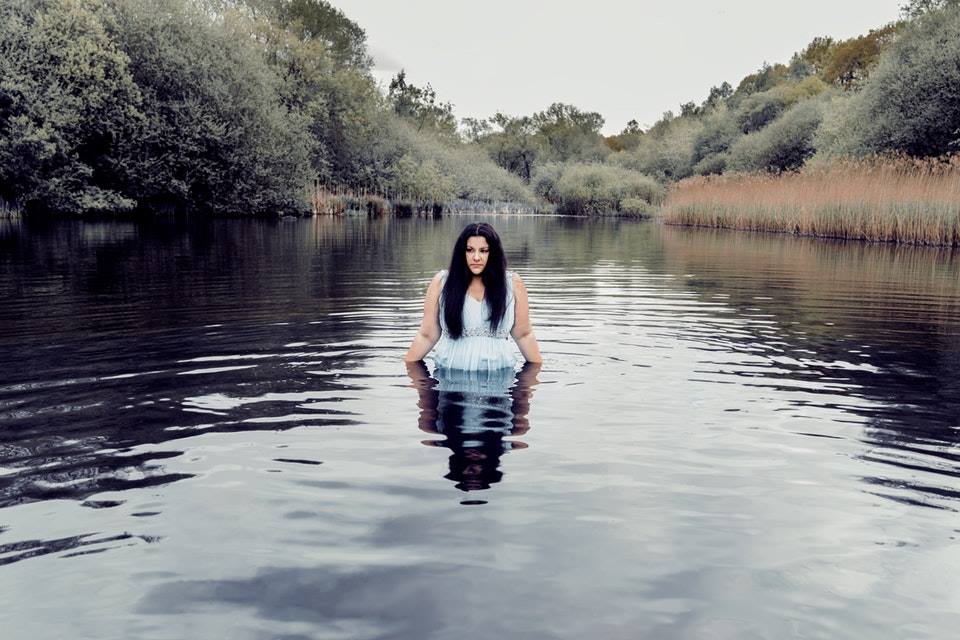
Matt Hussey’s portrait is of a woman named Taya. Having met Taya through a friend,…
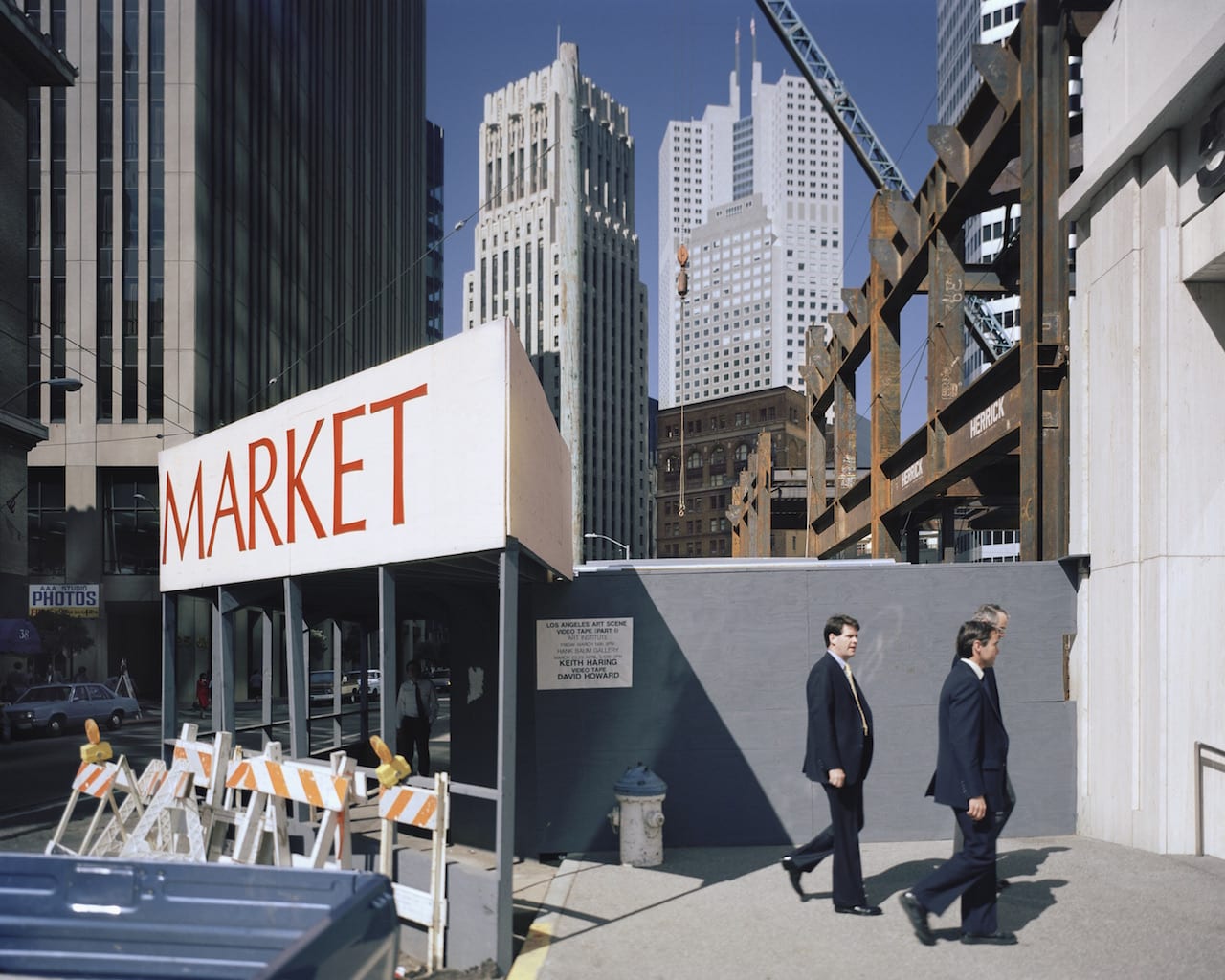
She stands on a San Francisco rooftop looking out over the South of Market neighbourhood – the area that was the subject and title of her sumptuous 2013 book, published by MACK Books, which led to her solo show at the city’s prestigious De Young Museum. Thousands have now seen the series, but Janet Delaney shot it in the early 1980s, just as the district was being primed for redevelopment and gentrification. Now middle-aged, as a young woman Delaney was fiercely committed to the idea that photography could and should change the world. Thinking of herself as a “cultural worker”, she hoped her project would advocate for the working class people and businesses who had helped make the area so vibrant, and help stop them from being displaced.