
Projects

Losing ground in Matthew Benjamin Coleman’s Heygate: A Natural History

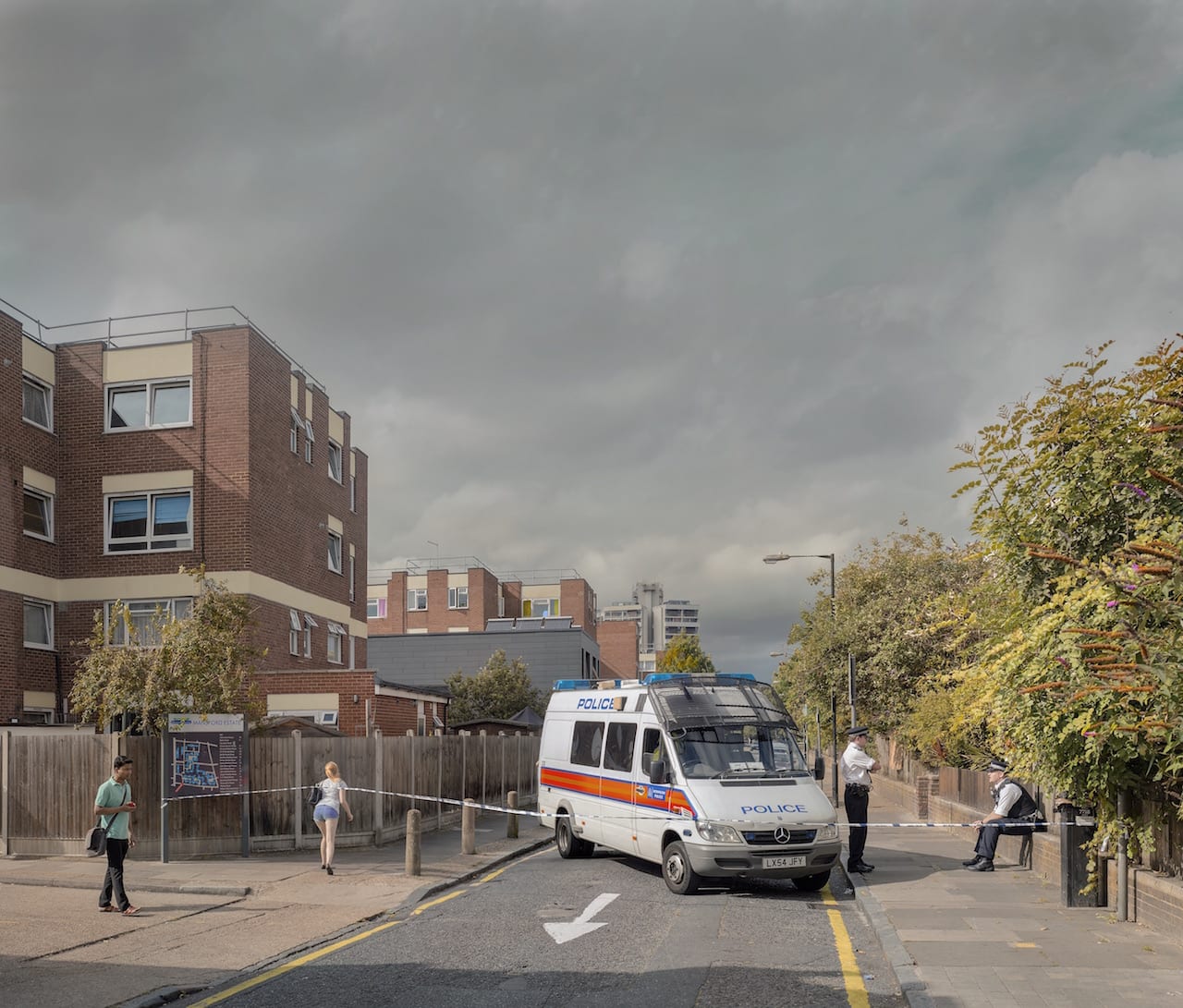
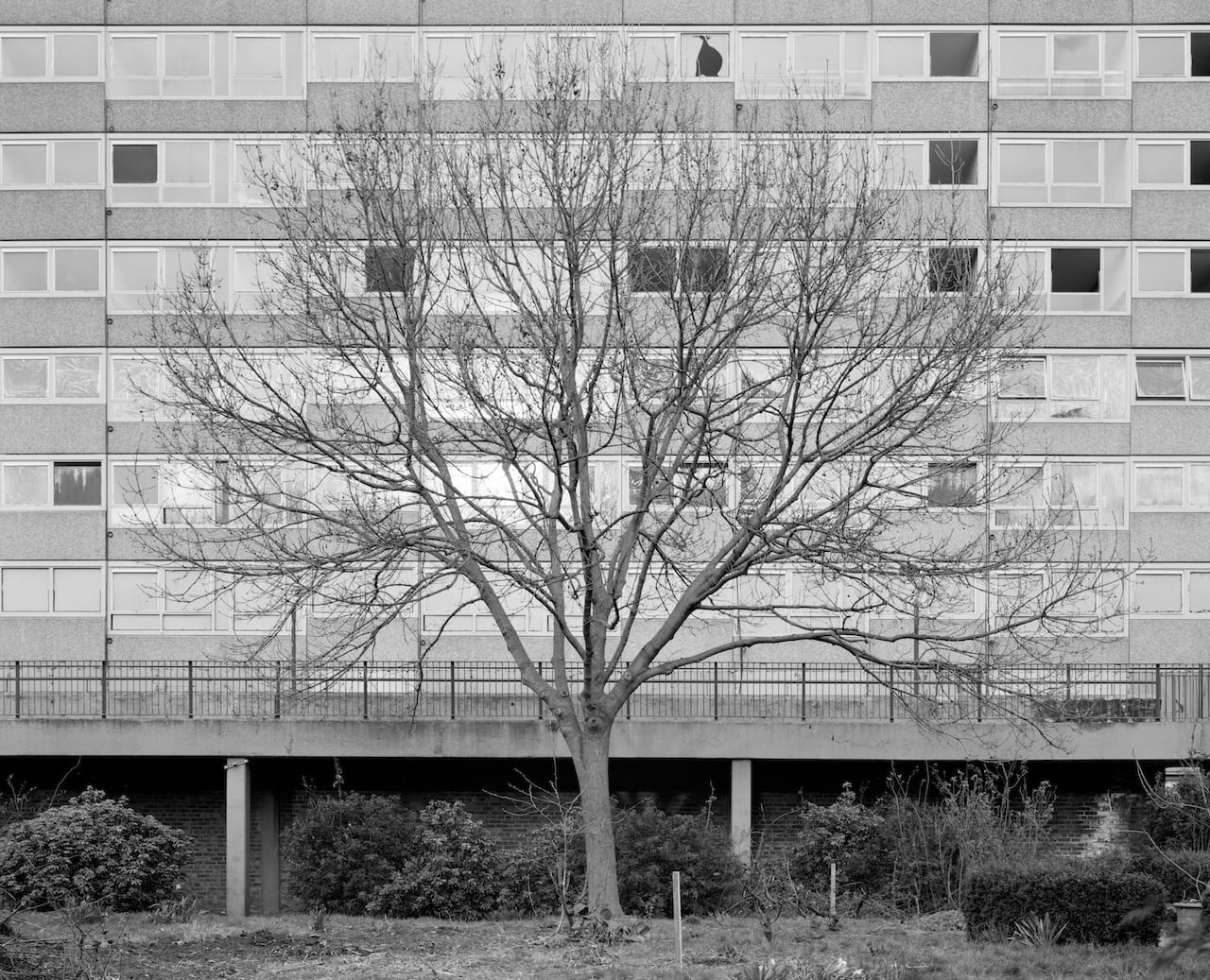
Completed in 1974, London’s Heygate Estate was once a symbol of triumph over destruction, housing some 3000 people on the site of Victorian tenements destroyed by World World Two bombing. The estate was also home to an ‘urban forest’ planted in the 1970s, which included the best part of 500 mature trees by 2011, when Matthew Benjamin Coleman started to photograph the site.

But by 2011 Southwark Council, which owned the estate, had also already moved out many of its tenants and leaseholders, starting a process which culminated in it selling the land in 2013 to the Lendlease property developer. As the estate depopulated, “guerrilla gardeners, graffiti artists, skateboarders and parkour enthusiasts, as well as photographers, film-makers, and other assorted ruin-tourists” moved in, says Coleman; he adds that, of the 406 trees on the estate in 2013, 286 were felled to make way for building work. 
1 June 2018

Sam Ivin’s Lingering Ghosts on show in London

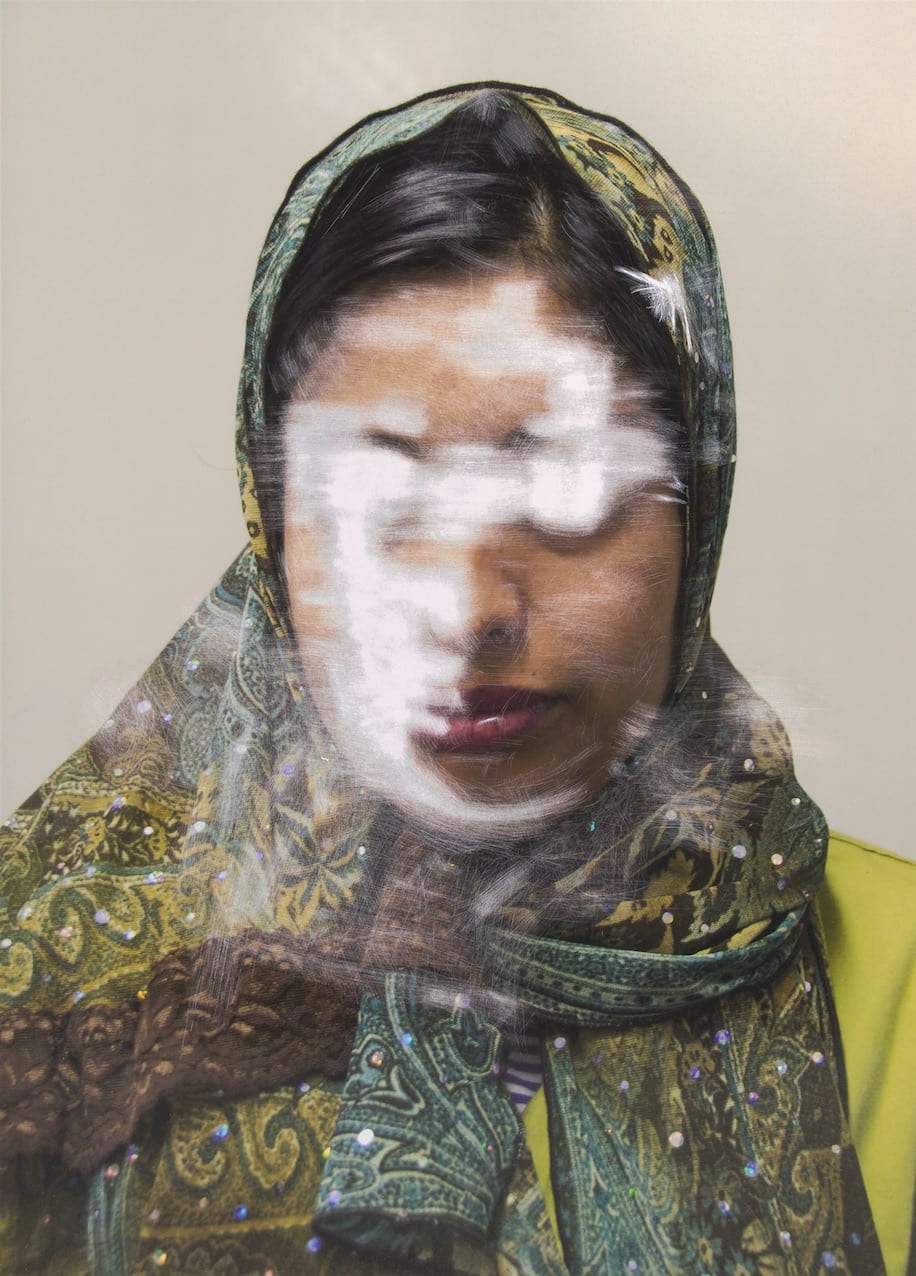
Article 14 of the Universal Declaration of Human Rights states: “Everyone has the right to seek, and to enjoy in other countries, asylum from persecution.” The UK was one of 48 nations to vote in favour of this document at the United Nations General Assembly in 1948 and now, 68 years later, British photographer Sam Ivin prints the full statement at the start of his first photobook, Lingering Ghosts. Made up entirely of portraits of people who have applied for asylum here, the book is a reminder – and an interrogation – of the codified notions of morality and fairness that Britain voted for but is not living up to.

Published by Fabrica, Lingering Ghosts asks a simple but thorny question – what does it mean to be an asylum seeker in the UK? Ivin scratched out the eyes of his subjects to induce a sense of foreboding, discomfort and alienation. As Gemma Padley notes in the foreword, “Once we remove our ability to connect with a subject through a person’s eyes, what remains?”

1 June 2018

Chris Dorley-Brown’s singular vision of East End London

“I don’t have a journalistic bone in my body,” says Chris Dorley-Brown. “I’ve never been to Kosovo. Loads of people do that really well, but I don’t have the urge or the instinct, and that’s partly why I don’t really think of myself as a professional. I do the odd advertising job to earn money, and I think I do it okay, but the phone isn’t ringing off the hook with jobs because I don’t put the energy into promoting myself, since I’m wandering around here all the time. I keep my overheads low and can just about get away with it.” It’s a modest way to sum up an extraordinary body of work – more than 30 years of images, nearly all shot in London’s East End, and most photographed on the street. Some show luxury new developments, others rundown social housing. Some capture crowds of people, some empty streets. Many are one-offs, others – such as the images in The Corners – are manipulated using Photoshop to put various passersby together on one intersection

29 May 2018

Windrush: Portrait of a Generation by Jim Grover

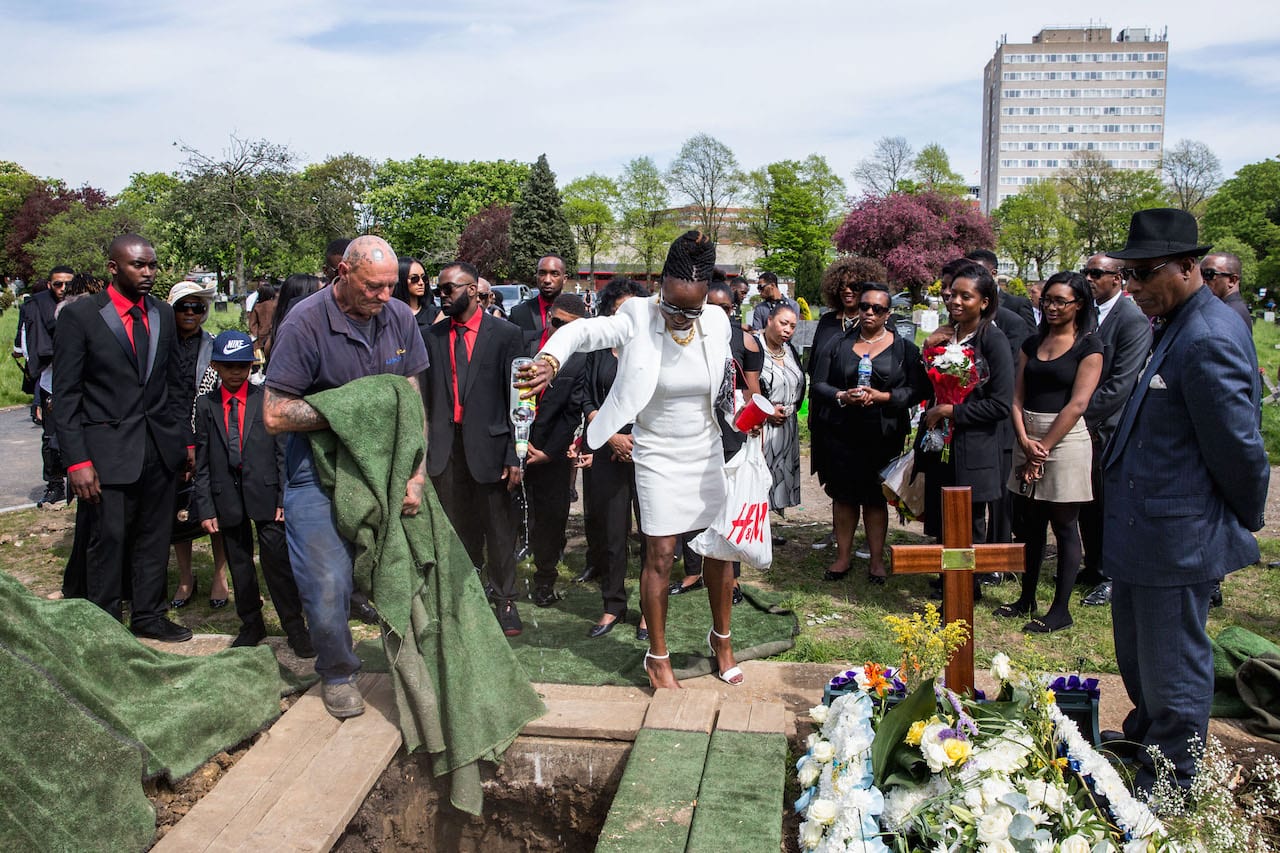
70 years ago, on 22 June 1948, HMT Empire Windrush anchored at Tilbury Docks, Essex, carrying 492 men, women, and children from former British Caribbean colonies, who came to be known as the “Windrush generation”. They crossed the Atlantic in response to Britain’s post-war labour shortages, and are now recognised to have transformed vital parts aspects of British society. Amid the recent scandals surrounding the mistreatment of the Windrushers by the Home Office, Jim Grover’s Windrush: Portrait of a Generation seeks to give a more intimate insight into the lives of one community of Caribbean migrants – and their families – who made a corner of South London their home. On show at gallery@oxo until 10 June, the exhibition doesn’t specifically address current issues, but Grover hopes it will help celebrate a group which “truly deserves our respect and admiration”. 

29 May 2018

Kenji Toma’s Most Beautiful Flowers

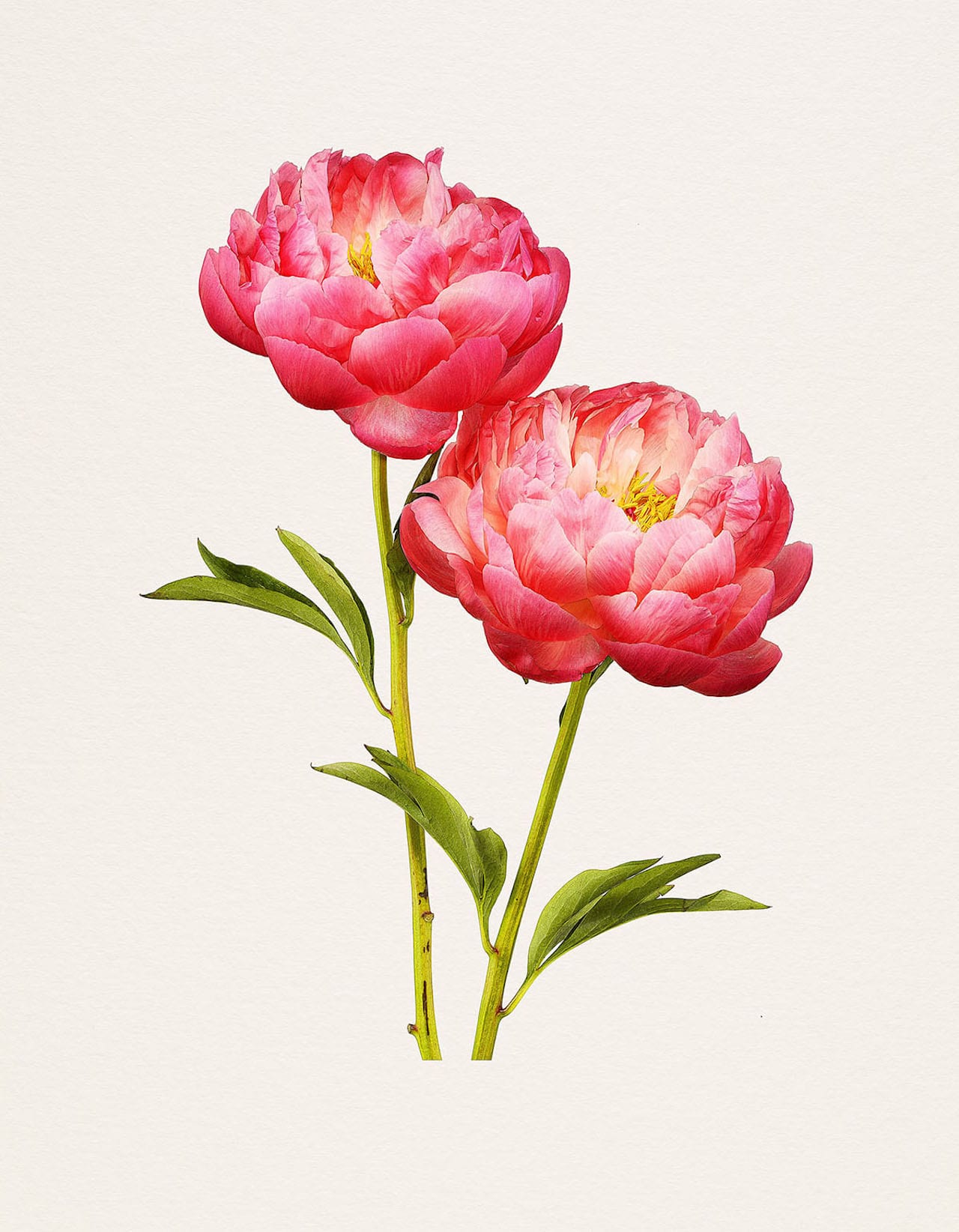
“I am just obsessed by the beauty of botanical drawings,” says Kenji Toma, describing his new book, The Most Beautiful Flowers. It’s a homage to Pierre-Joseph Redouté’s celebrated book of watercolours, Choix des plus belles fleurs [The most beautiful flowers], which was first published in France back in 1827 – long before colour photography was available. “His images were illustrated with the purpose of replicating the botanic subject as close to reality as possible,” says Toma. “I’m more interested in doing the exact opposite with photography.” His series shows hyperreal, unrealistically perfect images of flowers, each shot with the same lens, angle, and lighting, and delicately arranged with pins and armature wire. Going one step further than nature, they put a contemporary spin on the concept of the botanical encyclopaedia.

29 May 2018

Ones to Watch: Noma Osula

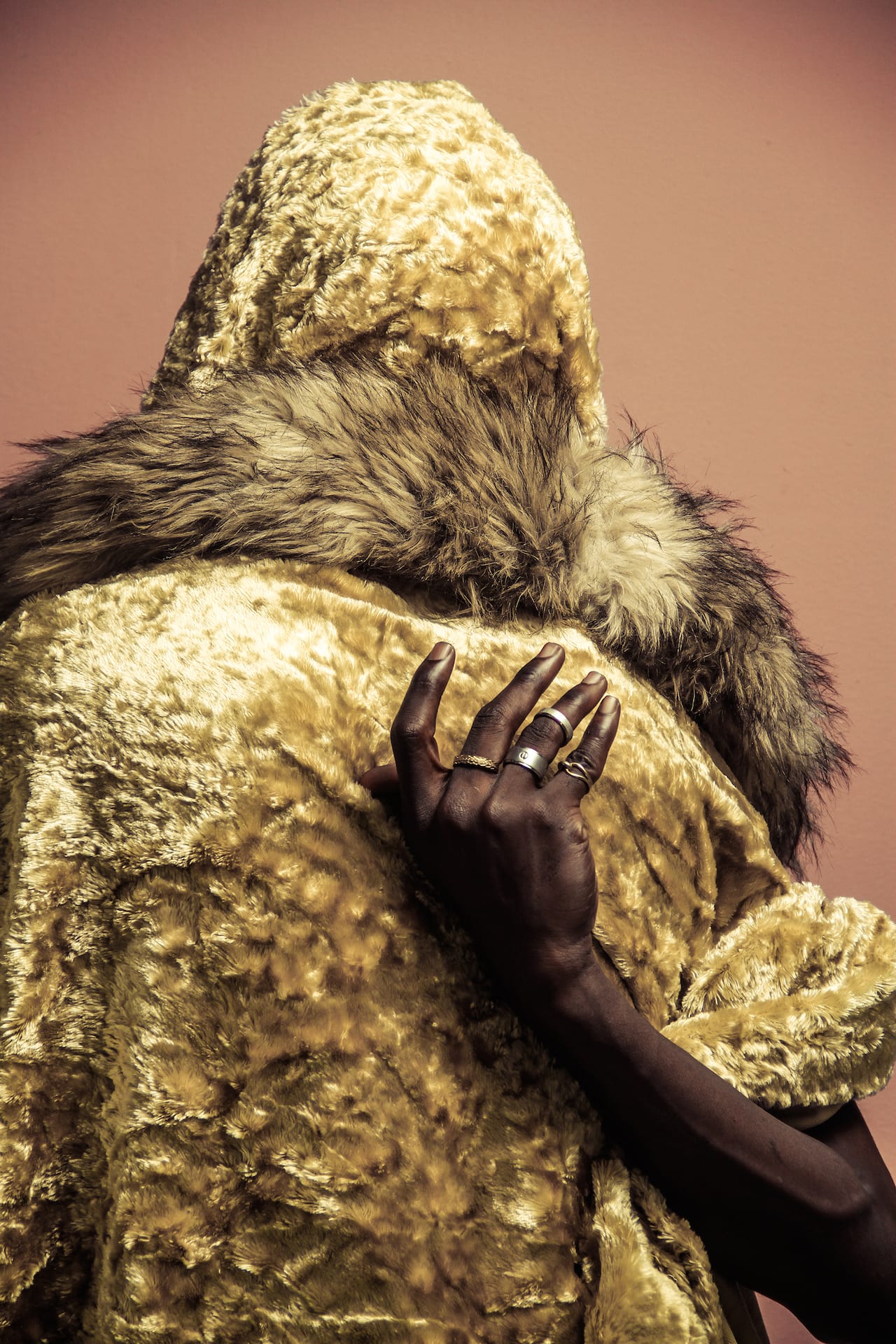
“Contrast, characters, dark humour, forms, shapes, awkward gestures and actions interest me,” says Noma Osula. In his portraits, the Nigerian photographer punctures the staid conventions of portraiture with playful gestures. A man, hands folded formally on his lap, blows a chewing-gum bubble; a woman, resplendent in a jade-green dress and doused in a painterly light, sucks on a red lollipop. At just 25, Osula’s sharp eye for colour and atmosphere already makes for a distinctly offbeat aesthetic. Using his vision to counter mainstream narratives has been an important drive for Osula, and a crucial part of his development as an artist. “First, it was changing the narrative of the so-called ‘Africa stigma’, then embracing imperfection, just like the Japanese idea of wabi-sabi,” he explains. “This projection of Africa as a completely dark and primitive continent, as well as what we represent, is obviously incomplete and inaccurate.”

25 May 2018

Ones to Watch: Soham Gupta

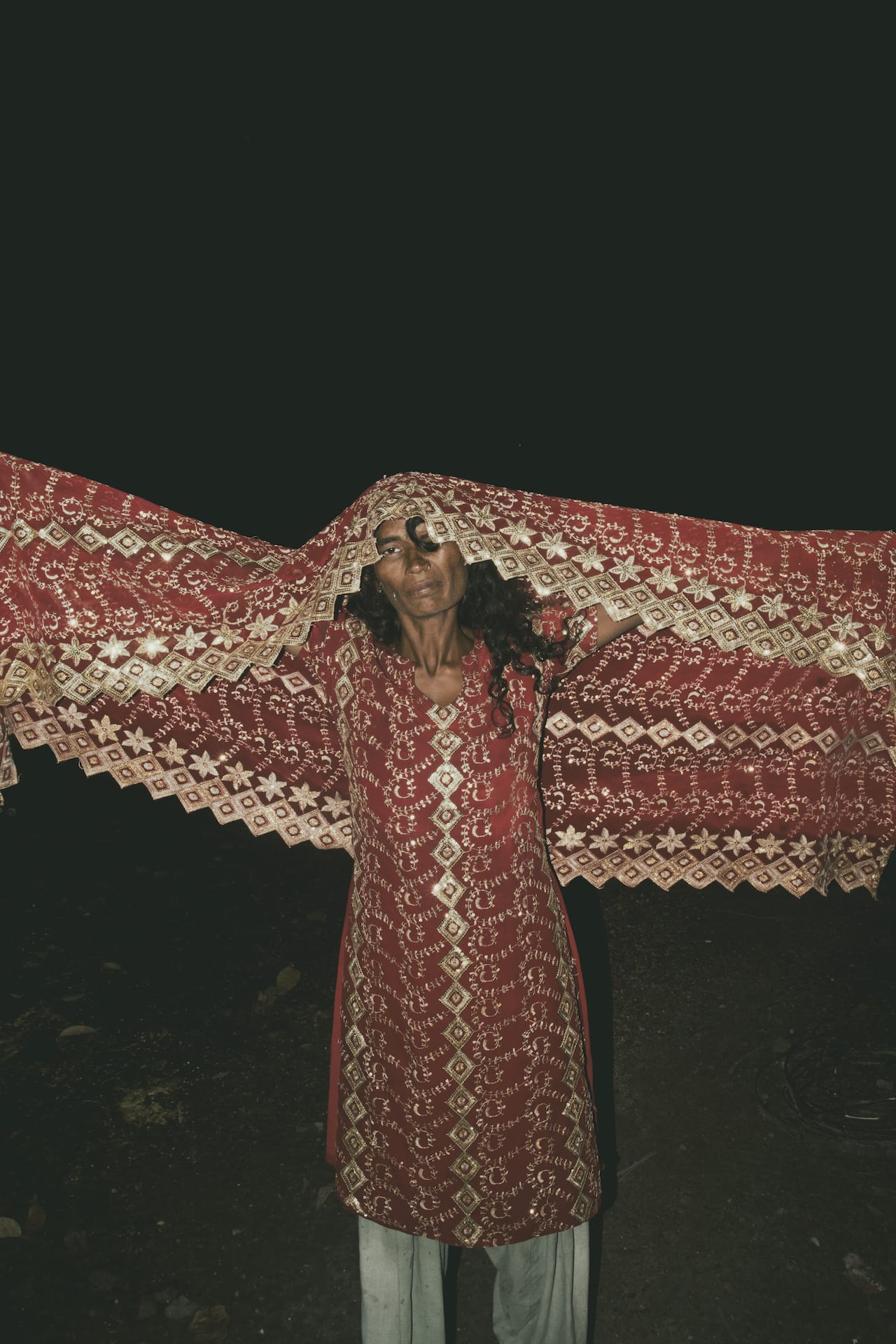
The “fictive hellhole” of Soham Gupta’s Angst makes for challenging viewing. Since 2013, with the night as his backdrop, the 29-year-old has been creating a haunting constellation of portraits of those living on the margins of Calcutta society. Drawing on a troubled youth spent struggling with societal expectations, Angst is a despairing, personal reckoning with a world in which the weakest and most vulnerable are neglected. The project started following a workshop with Antoine d’Agata and Sohrab Hura (a Ones To Watch in 2011) in Cambodia, where Gupta was encouraged to move away from his background in photojournalism and build on his innate interest in loneliness and vulnerability. Setting out on his own nocturnal journey through the streets of his hometown, Gupta began photographing and writing short fictional texts about the people he encountered. After instigating conversation, he would then collaborate with them to create a portrait.

25 May 2018

Family Values: Polish Photography Now at Calvert 22

“Eastern and Central Europe has a lot of treasure in its photographic histories,” says Kate Bush, speaking about the exhibition she has curated for Calvert 22, Family Values: Polish Photography Now. It’s the first exhibition in the UK to focus exclusively on Polish photography and, says Bush, “hopefully, it will all be part of feeding a greater understanding and interest”. Family Values is part of Calvert 22’s mission to show the cultural and societal change in eastern Europe, the Balkans, Russia and Central Asia through photography, and Bush – who is adjunct curator of photography at Tate Britain – was commissioned by the gallery for the project shortly after the EU referendum. She sees the exhibition as an opportunity to celebrate London’s Polish community, the largest outside of Poland, as well as commemorating the centenary of Poland’s independence.

24 May 2018

Viva Photo España!

Europe boasts more than a hundred photography festivals, but few match the scale and ambition of Photo España in Madrid. This year, the organisation behind it, La Fábrica, celebrates the festival’s 20th edition with a typically eclectic summer season of activities throughout the Spanish capital, encompassing the work of more than 500 artists across dozens of venues that range from the small to the iconic. “The festival is a collective project with a wide variety of institutions, both public and private, supporting it,” says director Claude Bussac, who is hoping that the 2018 edition will “push forward both the formal and geographical boundaries of photography… We aim to celebrate our 20th anniversary questioning photographic meaning and inviting photographers from every continent.”

23 May 2018
In this collection, we discover the concepts behind new and ongoing work by both emerging and leading practitioners.