
Projects

An index of inequality in St Louis, USA

“In St. Louis, ZIP codes matter,” says Piergiorgio Castotti, an Italian photographer who lived in the US for three years. “North of Delmar boulevard, 95% of people are black, and life expectancy is 67. A few hundred yards south, 70% of people are white, and there is a life expectancy of 82.”

Index G, a collaborative project he’s made with photographer Emanuele Brutti, explores the harsh reality of this segregation, which is measured with the so-called Gini Index. Where once racial segregation in the US was obvious, and even enshrined in law, it’s now peppered throughout cities on a micro level, from neighbourhood to neighbourhood, and can therefore be easy to miss. “There were unexpectedly very few literal barriers in St. Louis; this meant that our first trip was a disaster,” says Castotti. “I didn’t know what to take pictures of.”
23 July 2018

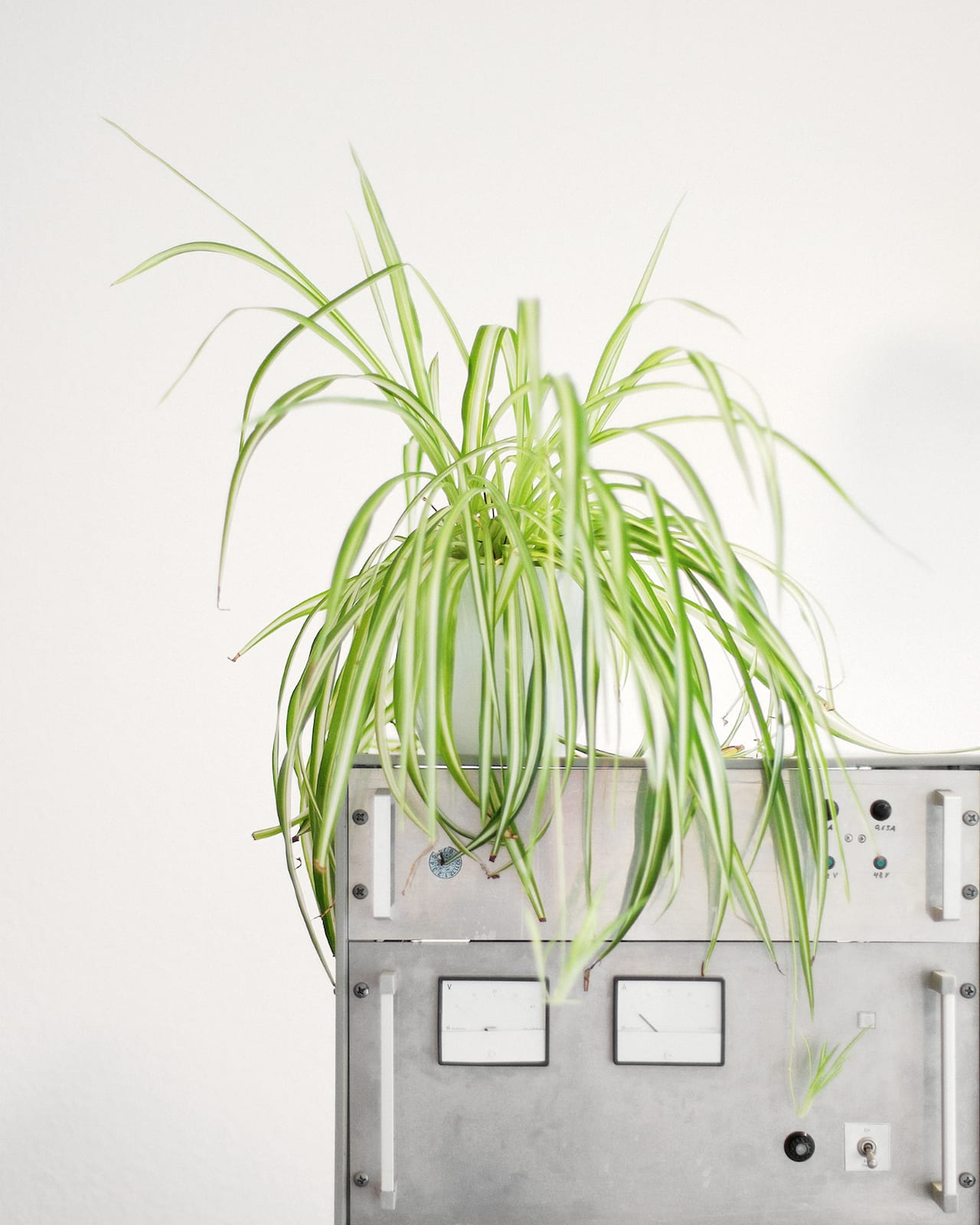
Frederik Busch photographs German Business Plants

Ute is a daydreamer, Martin only talks about his vacation. Monika gets along on her own very well, but Heike is lonely. Sabine adores going dancing, and Helga likes techno music. To German photographer Frederik Busch, these office plants have personalities just like any other co-worker. “Plants have feelings too,” he says. “They are social beings, just like us humans.”

In 2008, whilst working on a corporate assignments, Busch noticed a row of plants in an office hallway. “It looked like an art space. It was so clean and sterile, and the plants looked like sculptures,” he says. “I have always been interested in how humans adapt to office-life, so I decided to apply portrait photography to plants to discover how they adapt too.”

23 July 2018

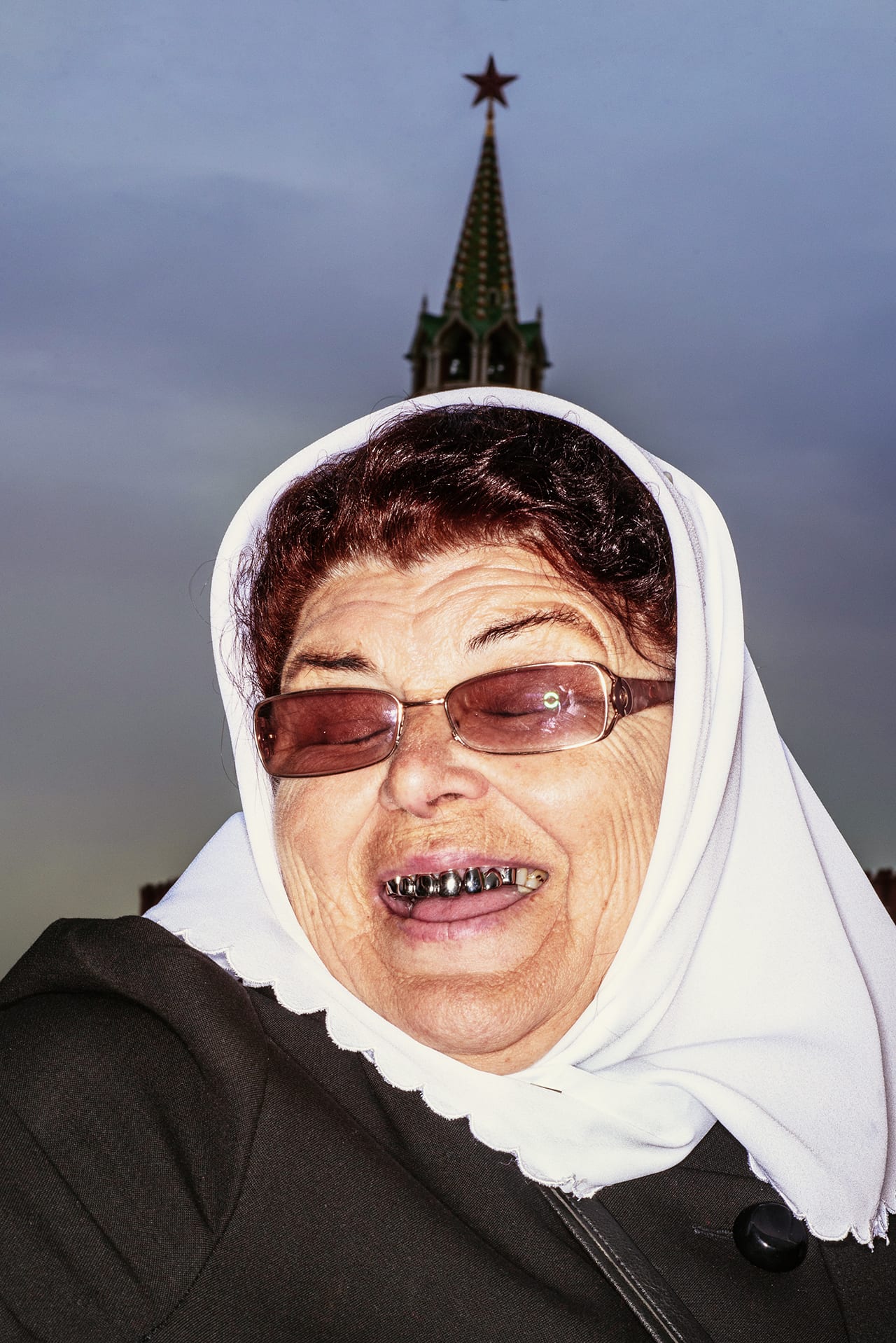
Alexander Anufriev’s close-up vision of Russia

“If you live in Russia, you’re taught to love your family, and love your nation. It’s part of your life and education, we even have classes teaching patriotism at school,” says Alexander Anufriev, whose new project takes a closer look at what makes a modern Russia.

The idea for Russia Close-up came while he was studying at The Rodchenko Art School in Moscow, and starting to feel disillusioned with documentary photography. “At the time, it was important for me to tell stories and for them to be the truth, but it started to feel like a little bit of a lie,” he explains. “Even if you’re trying to be totally objective, it is always a bit subjective.

“I stopped shooting for six months, and I was about to quit photography, but then I thought, ‘What if I tried to be completely subjective?’ So I cropped the images very tightly, and included only the elements I wanted to show. It was a farewell to convention.” Unconventional it may be, but the series has already had some success, exhibited in Cardiff, Sydney, and Saint Petersburg, and winning third place in the Moscow Photobookfest Dummy book award.

19 July 2018

2018 Women Photograph Grant winners announced

Nadia Shira Cohen has won the $10,000 Women Photograph + Getty Images grant for her work on the abortion ban in El Salvador – and the five grants of $5000 awarded by Women Photograph with Nikon have gone to Tasneem Alsultan, Anna Boyiazis, Jess T. Dugan, Ana Maria Arevalo Gosen, and Etinosa Yvonne Osayimwen. 

Nadia Shira Cohen’s series Yo No Di a Luz documents the effect that the complete ban on abortion in El Salvador has had on women – particularly on those forced to give birth to children conceived as a result of rape. “Doctors and nurses are trained to spy on women’s uteruses in public hospitals, reporting any suspicious alteration to the authorities and provoking criminal charges which can lead to between six months to seven years in prison,” writes Shira Cohen. “It is the poorer class of women who suffer the most as doctors in private hospitals are not required to report.

18 July 2018

Manufacturing the drones Above Gaza

“Talking to people in Gaza, you realise how much the drones are burrowed into their daily lives,” says Daniel Tepper, an American photographer who has been researching and documenting the production and militarisation of drones in Israel since the 2014 conflict in Gaza.

In Arabic, unmanned aircrafts are referred to as ‘zenana’, local slang for the buzzing of a mosquito; in English ‘drones’ take their name from the male honeybee, and the monotonous hum it makes in flight. The Israeli military pioneered the use of drones in combat, employing the technology during the 1982 Lebanon War, and since then people in Gaza have become accustomed to the insidious noise of drones, sounding so close “they could reside beside us”, as Dr. Atef Abu Saif writes in his first-hand account of the 2014 conflict, The Drone Eats With Me. “It’s like it wants to join us for the evening and has pulled up an invisible chair,” he adds.

Despite this familiarity, what’s most scary about the drones is the fact it’s always unclear why they’re out – if they’re doing surveillance, if they’re armed, or if they’re about to strike. During the summer of 2014 the people of Gaza lived under constant surveillance, so much so you couldn’t distinguish a star or a satellite from a drone at night, says Vittoria Mentasti, an Italian photographer who experienced the conflict while reporting on it. According to Hamushim, a human rights group based in Gaza, drone warfare was responsible for almost a third of the 1543 civilian casualties in the 2014 war.

17 July 2018

An insight into the Caspian by Chloe Dewe Mathews

In October Chloe Dewe Mathews is publishing a book titled Caspian: The Elements with the prestigious Aperture (New York) and Peabody Museum Press (Cambridge, MA). In 2011 she won BJP’s International Photography Award with images from her first trip to the region. In 2014 Dewe Mathews was awarded the Robert Gardner Fellowship in Photography by the Peabody Museum at Harvard University to complete the work.

“For me, photography became a solution because I could be independent, spontaneous and more creatively engaged,” she says. “In feature films, you always work within a structure and you have to plan every shoot carefully; I liked the freedom you have with a stills camera. Fine art gives you more independence, of course, but it can also become too self-referential, so I was attracted to documentary photography because it felt more outward looking. I was keen to explore what was going on around me, as well as stepping out into the wider world.”

13 July 2018

Powerful Mantras from Rick Pushinsky

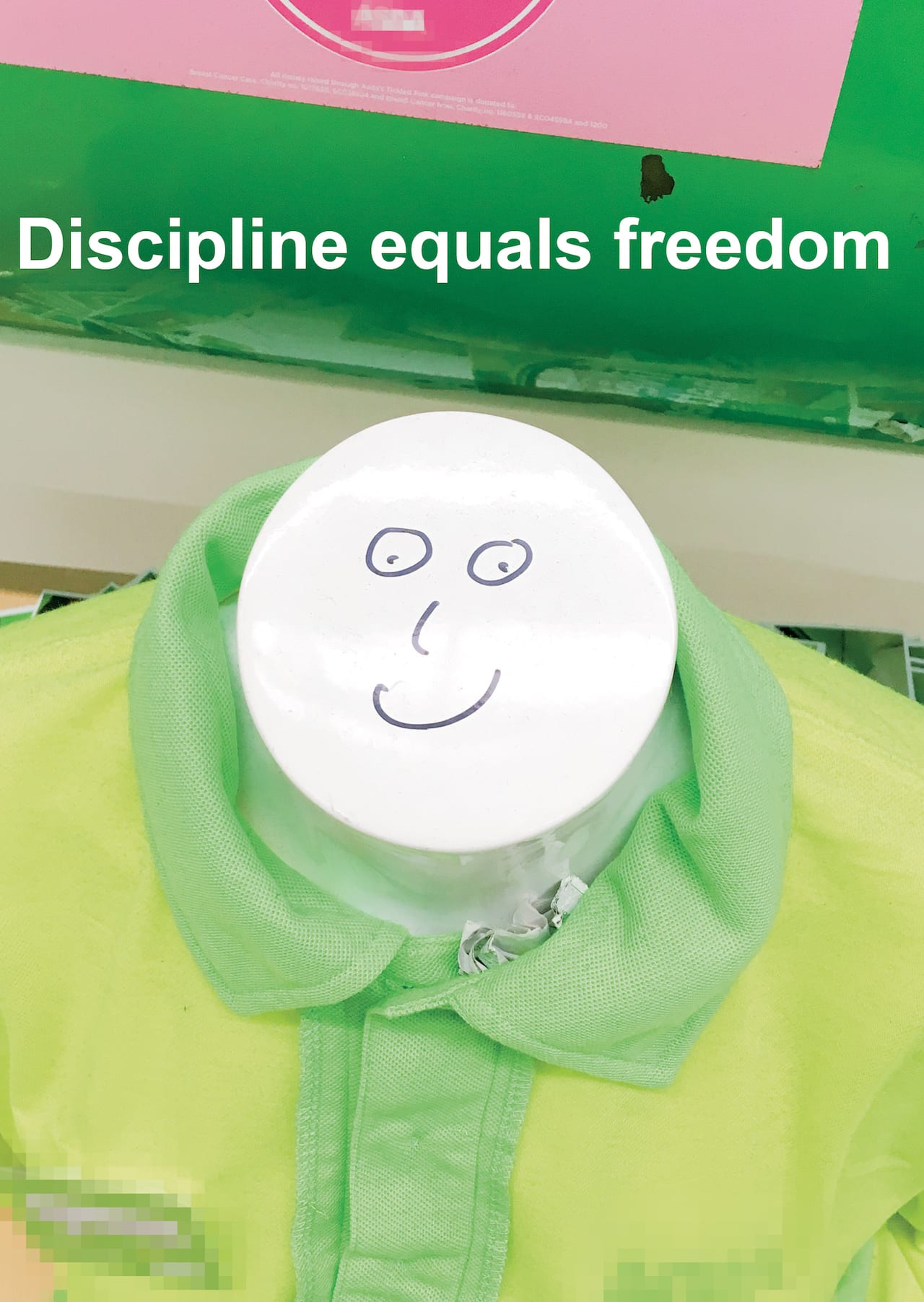
It’s said that inspiration can be found anywhere, and revelations from otherwise unremarkable moments. It’s this subtlety that London-based photographer Rick Pushinsky has explored in his new work, Powerful Mantras, a set of 10 image-text postcards.

Pushinsky got into the habit of sharing images of the everyday via Instagram stories, which he uses to upload shots he’s taken with his iPhone. “I take pictures of things I find interesting or amusing, and I share them,” he says. “After some time, I started pairing those pictures with slices of text.”

13 July 2018

Arles: Paulien Oltheten is the 2018 New Discovery

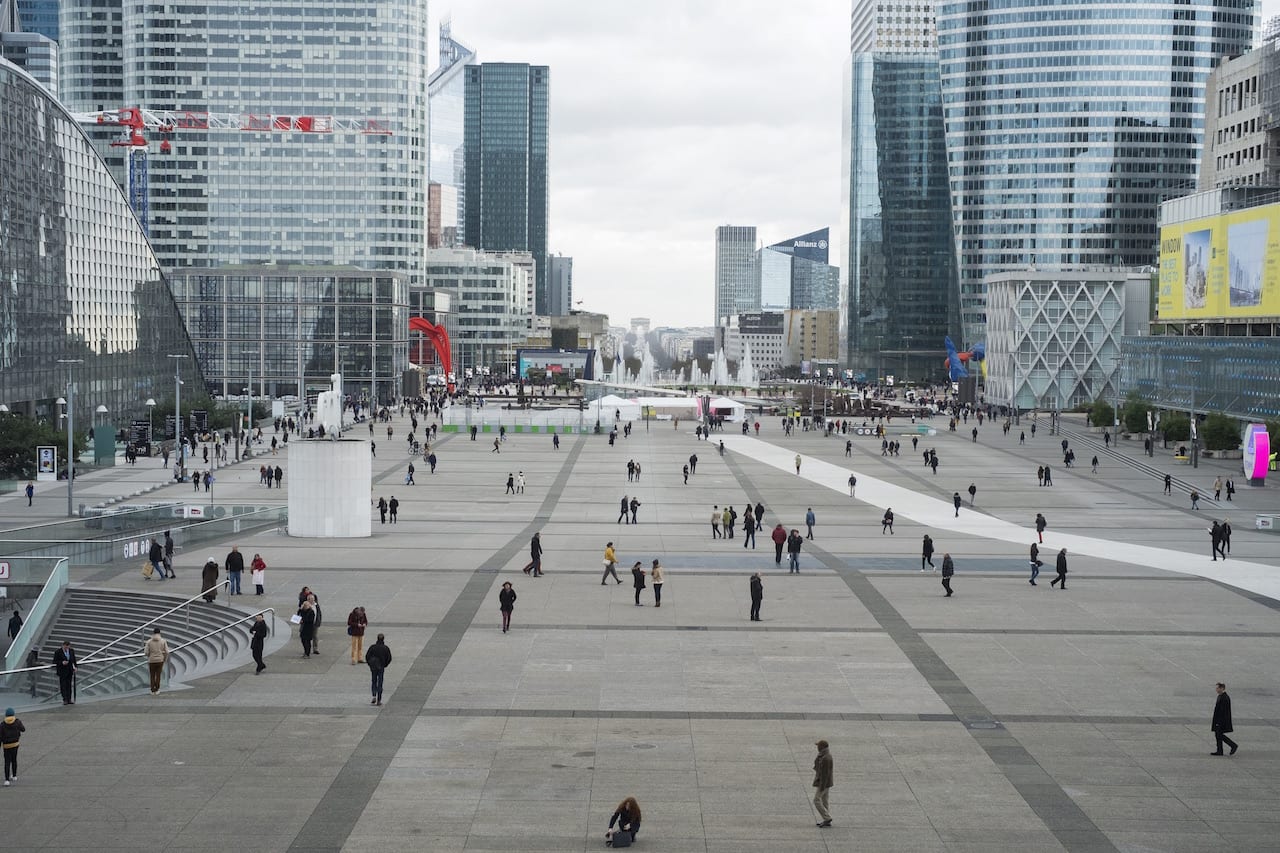
Paulien Oltheten has won the Arles New Discovery Award with her series La Défense, le regard qui s’essaye. Rencontres d’Arles will now buy €15,000 of her work, and add it to the festival collection.

La Défense, le regard qui s’essaye encompasses a video essay, a photo series, and a collection of objects, and was shot mainly in the La Défense financial district in Paris. Recording people going about their everyday lives, the series creates imaginary links between them, adding a fictional element to a documentary project, and a layer of poetry to the otherwise unremarkable. Born in 1982 in Nijmegen, Netherlands, Oltheten studied at the Rijksakademie in Amsterdam, and is now based in Amsterdam and Paris.

Oltheten was selected from the ten photographers who made it into the Arles New Discovery Award exhibition this year – Sinzo Aanza, Monica Alcazar-Duarte, Christto & Andrew, Anne Golas, Chandan Gomes, Thomas Hauser, Anton Roland Laub, Ali Mobasser, Feng Li, Aurore Valade, and Wiktoria Wojciechowska.

9 July 2018

Photography and voyeurism in Paul Kooiker’s Nude Animal Cigar

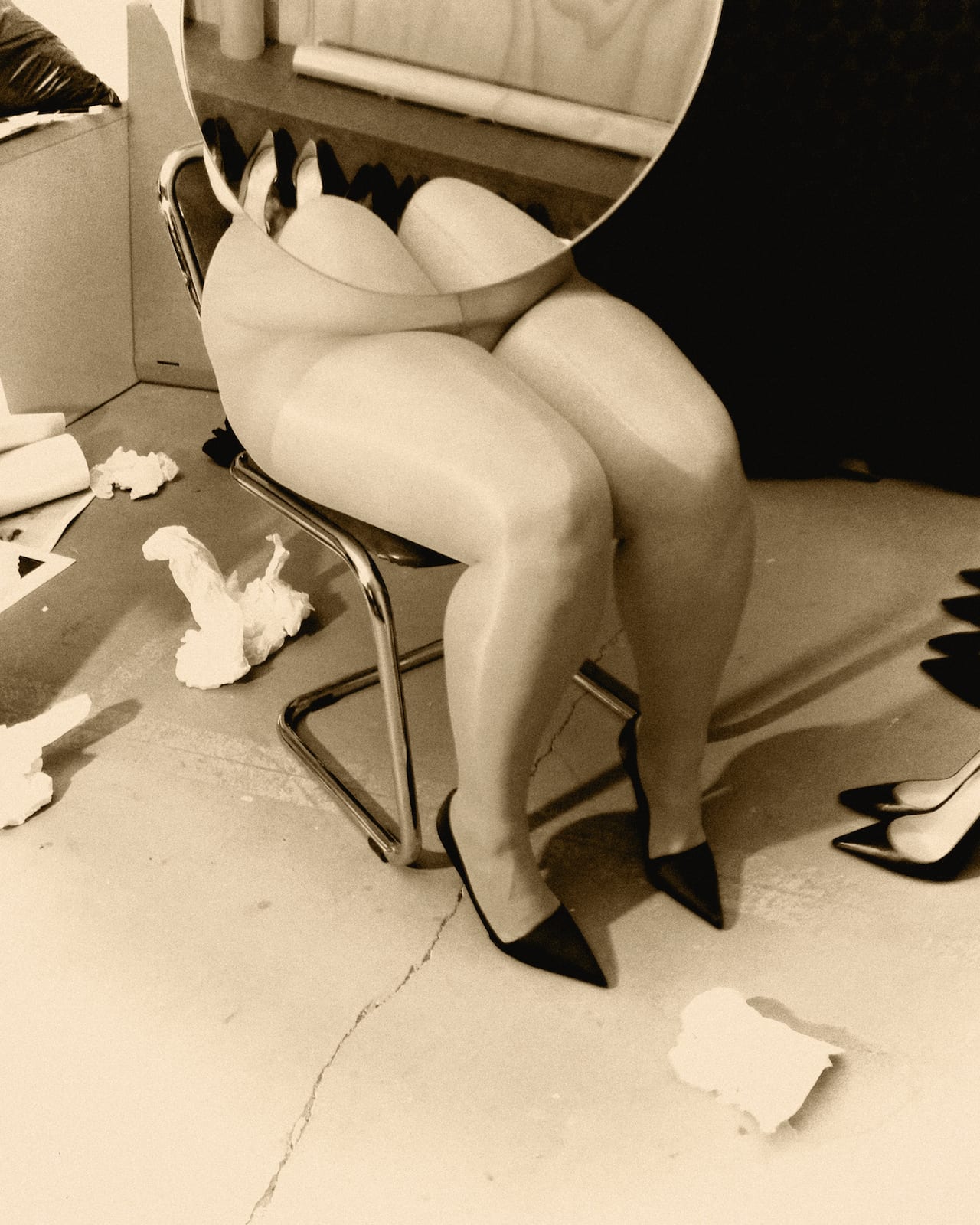
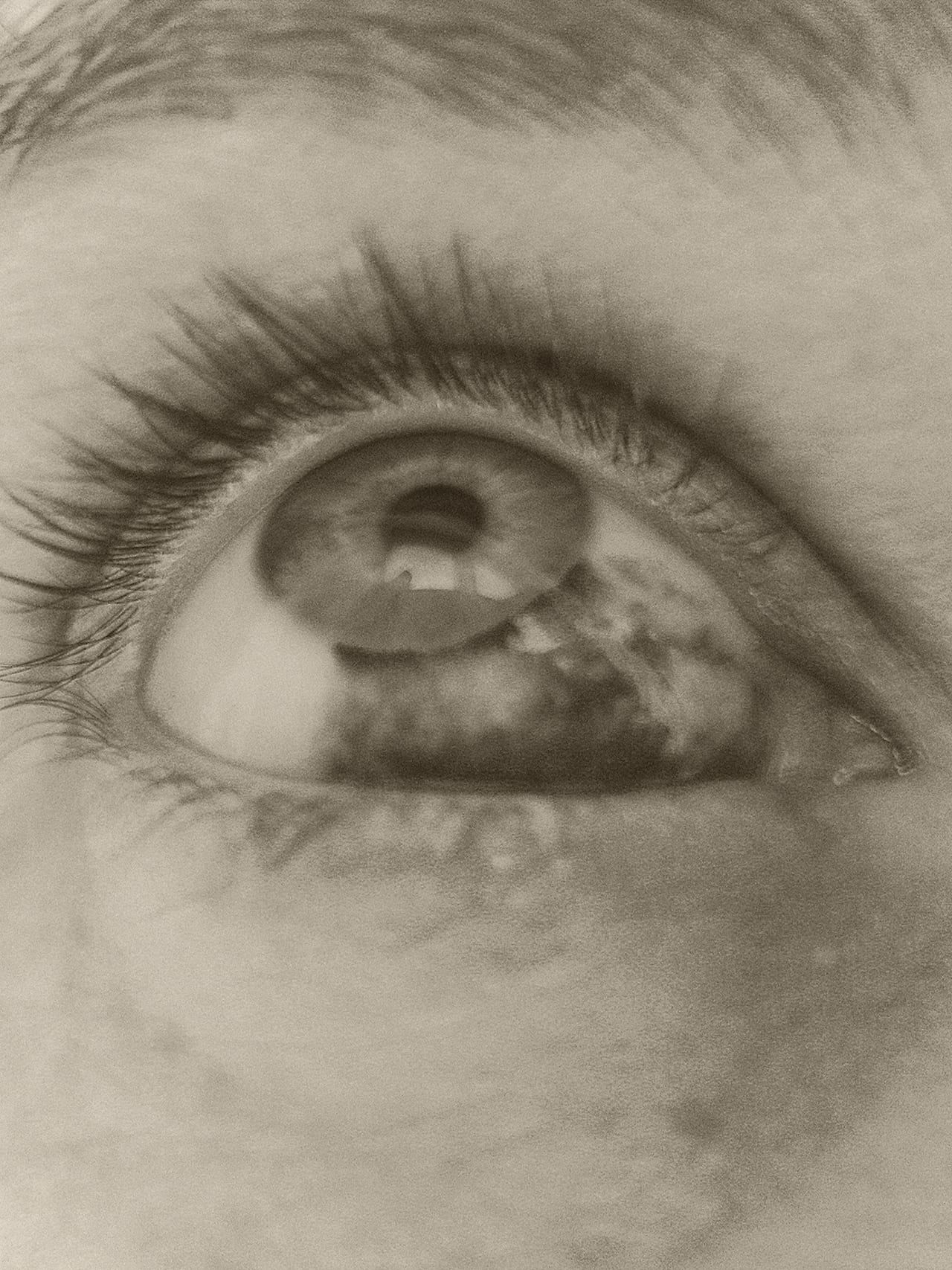
Paul Kooiker’s latest photobook, Nude Animal Cigar, is a peculiar hybrid made up of variations on the three themes revealed in the title. It’s as if the weirdest and most beautiful nudes, mournful animals and mysterious still lifes of cigar butts have been picked out from photography’s 176- year history. But although the images look old- fashioned, they have all been made within the past five years by this contemporary Dutch artist. Applying sepia filters to all the images, he lends the series a vintage and melancholy feel, and by virtue of the treatment knits this motley trio of monochrome motifs together.

“My work is successful if it is about looking, and about photography,” says Kooiker in his studio, located in a quiet street on the southern periphery of downtown Amsterdam. “Ultimately, my work is about looking, and looking is the ultimate act of voyeurism. It makes the work accessible, as everybody is able to recognise himself in this act. It also leaves the viewer confused. What I want to achieve is to make the public feel accessory to the images they witness.”

9 July 2018

Paul Kooiker gets a major show at FOMU

Born in The Netherlands in 1964, Paul Kooiker is known for creating unsettling, uncomfortable work. Focusing on themes of watching, voyeurism, and distance, his exhibition at FOMU, Untitled (nude), draws the viewer into a seemingly obsessive world, which shows on everything from nudes to eggs with the same sense of queasy intensity. “Kooiker raises questions,” reads the FOMU press material, “but rarely answers them, so it’s over to you.”

The exhibition is Kooiker’s first major museum show outside The Netherlands, and he’s created a new series specially for it titled Eggs and Rarities. When studying at art school (Koninklijke Academie van Beeldende Kunsten, Den Haag from 1982-1986, then the Rijksakademie van Beeldende Kunsten, Amsterdam from 1990-1992), Kooiker made a photographic ‘encyclopaedia of life”; now, 30 years on, he’s attempting a more comprehensive version.

9 July 2018
In this collection, we discover the concepts behind new and ongoing work by both emerging and leading practitioners.