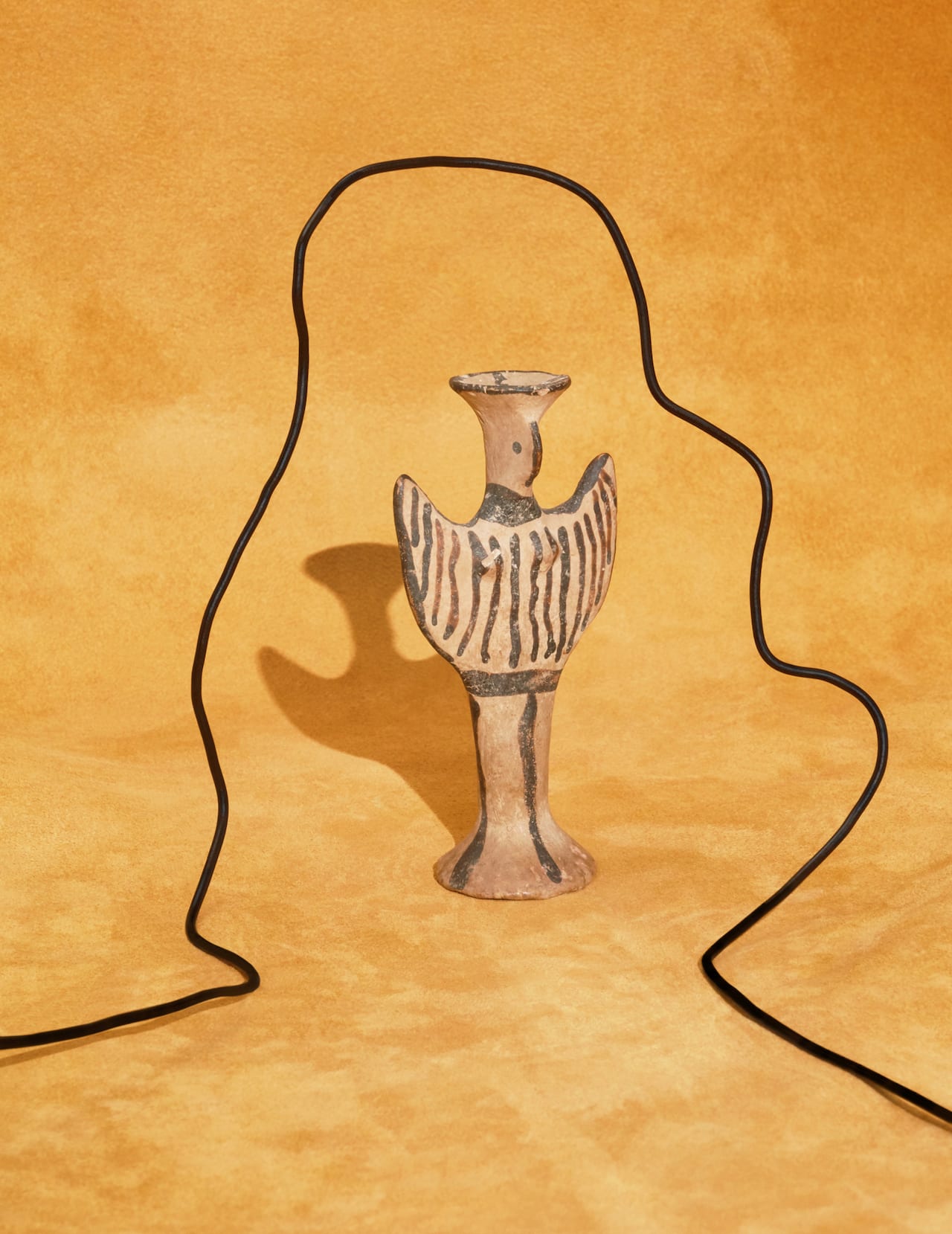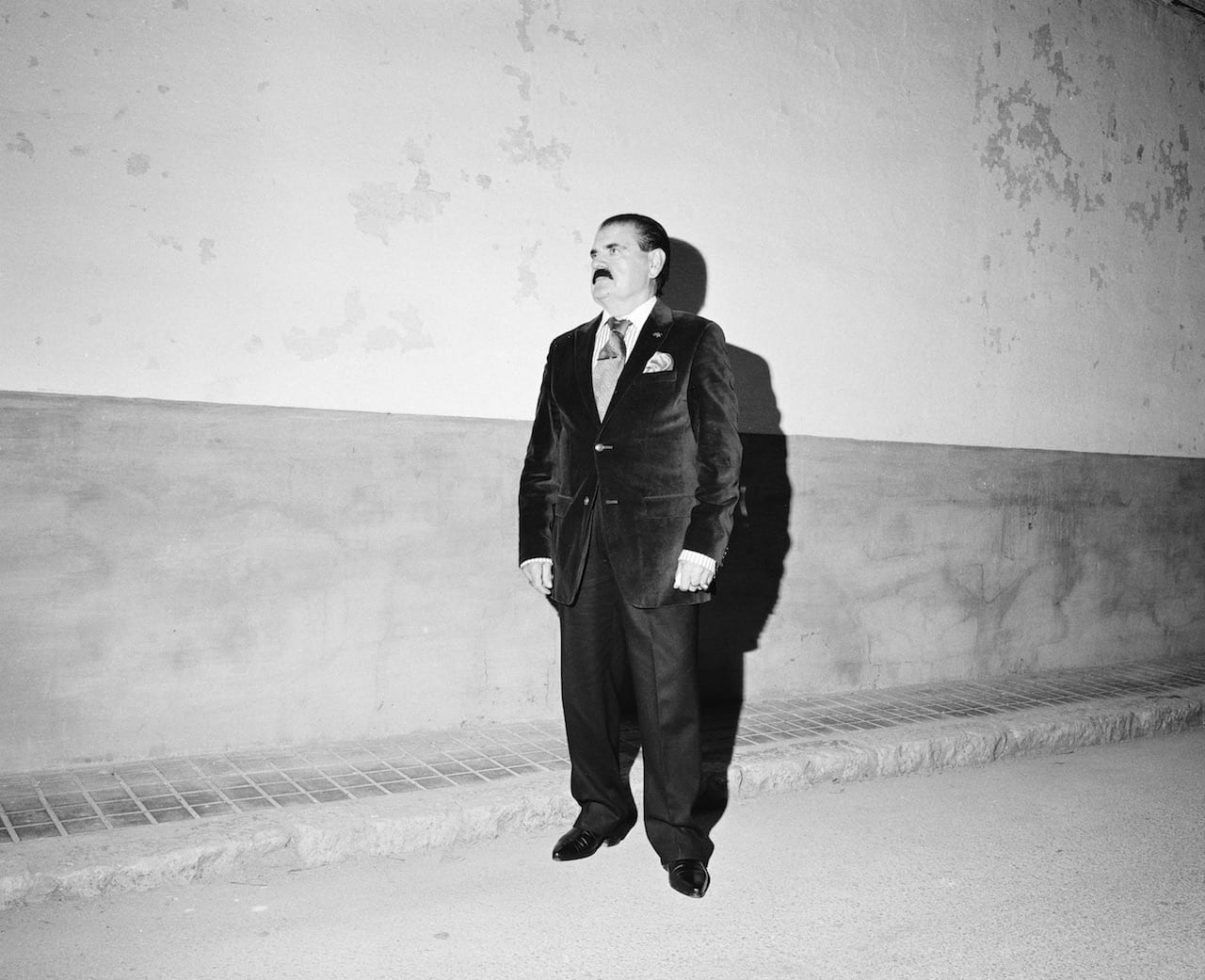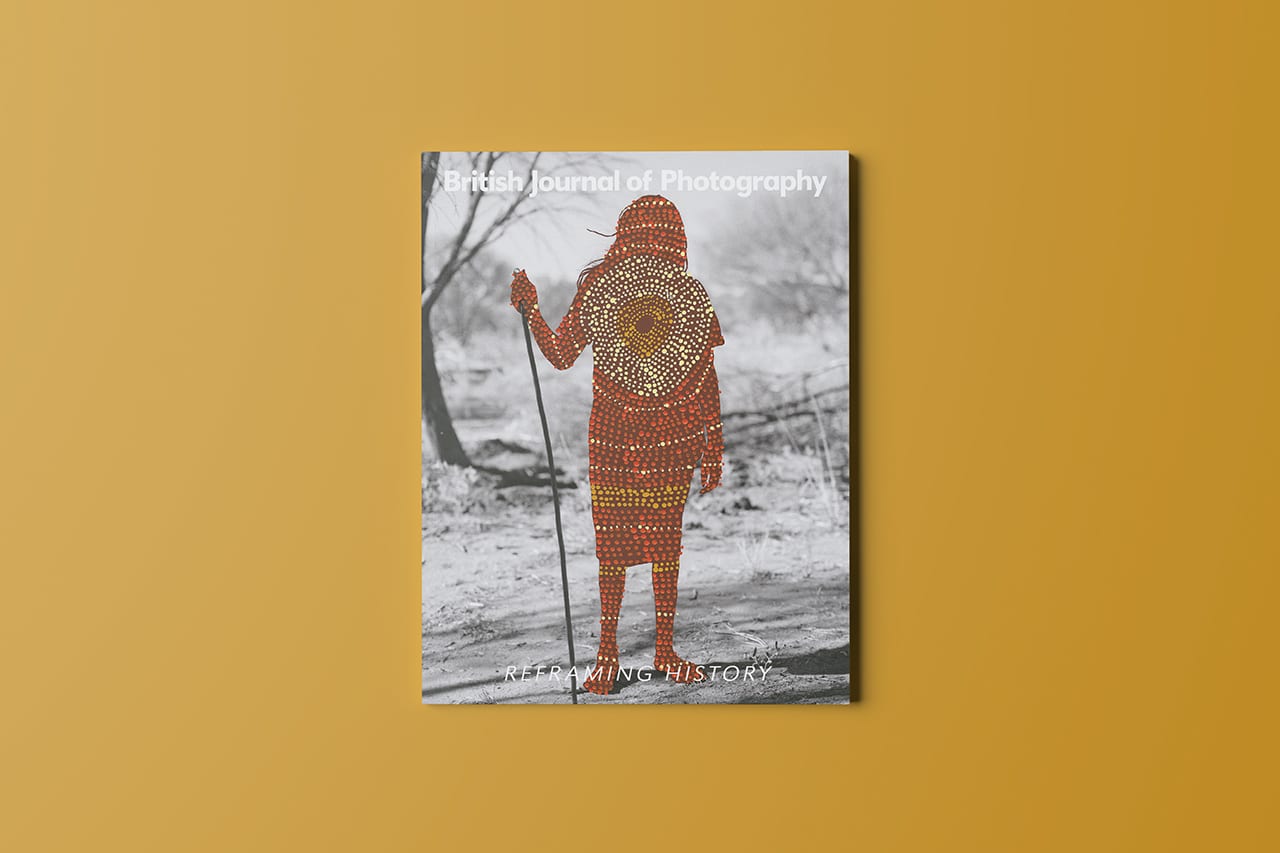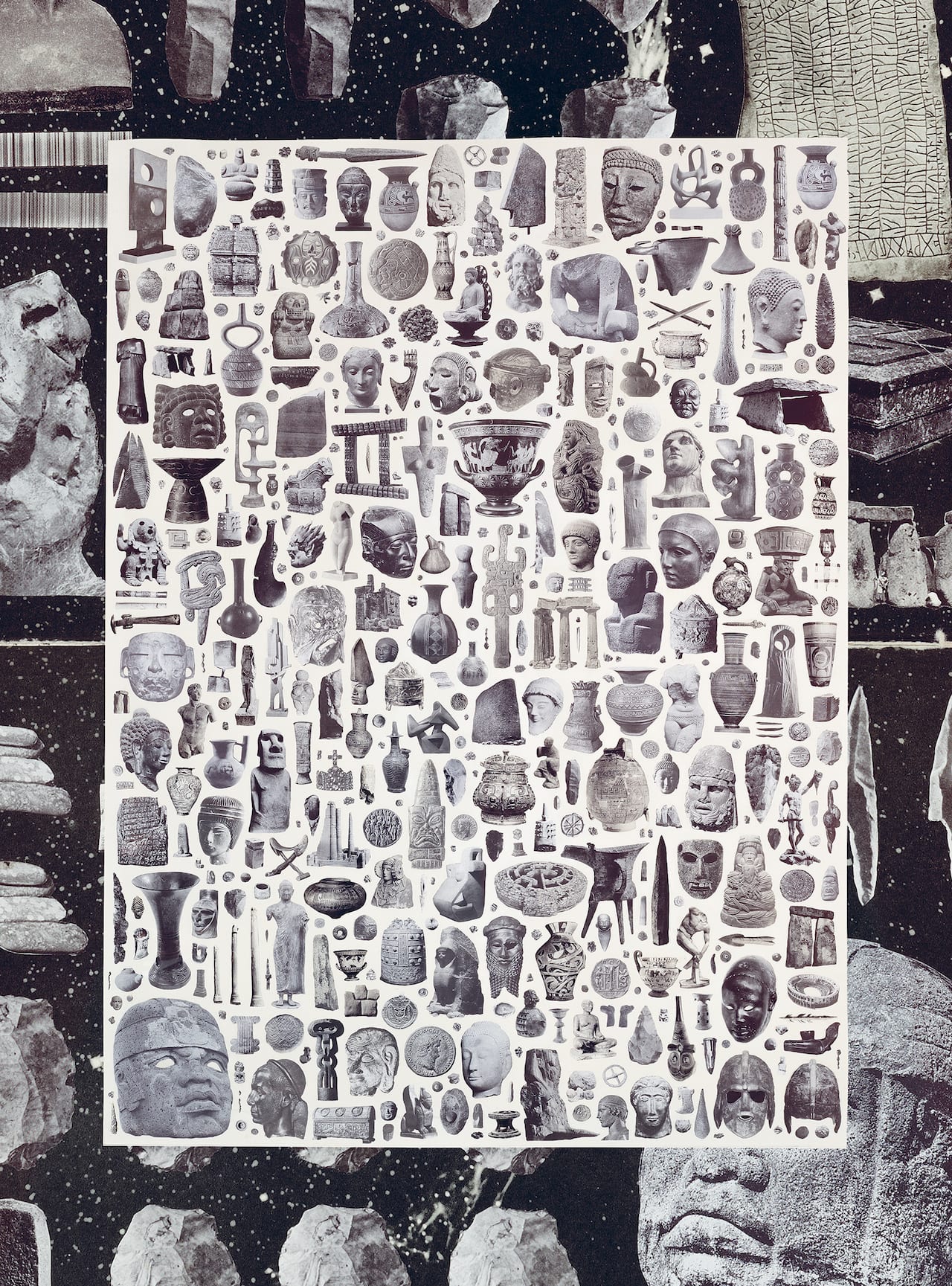

“I’m always picking things up and taking them home with me,” says Matthew Craven. “Just…
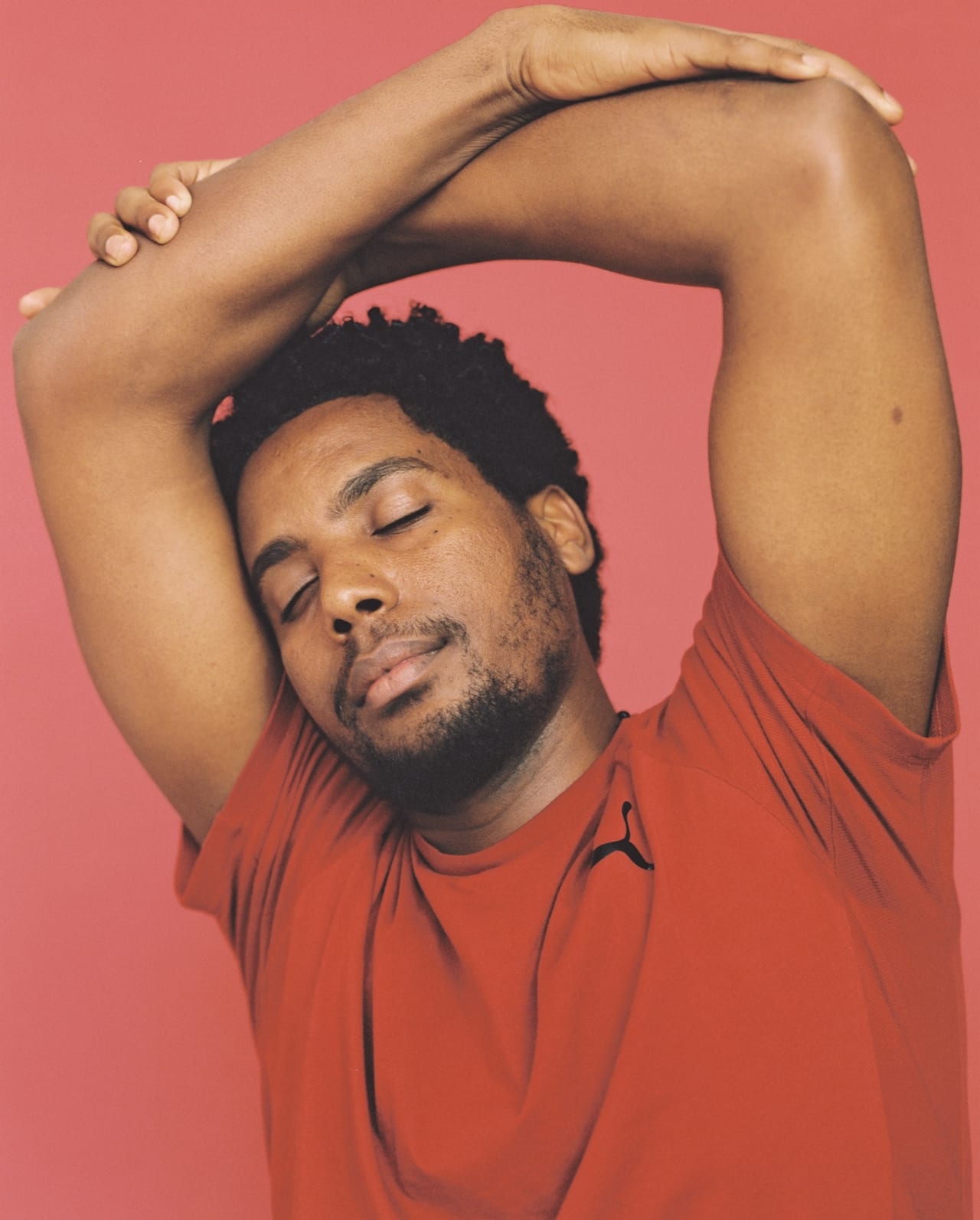
Yuel Elob just saved up to buy a fixie bike, “just for fun, because I love cycling so much”. Daniel loves music and DJ-ing. Bada Yusuf volunteered at Pride’s pop-up shop last year, and met a group of people who are now “all friends, and I have parties at my house”. They sound like typical young Londoners but their stories are anything but – war and persecution meant all three were forced to leave their countries, and start again from scratch in London. Even so all three have found jobs, and Yusuf has nearly finished a Masters.
They feature in an exhibition called Breaking Barriers, which aims to show “the dreams and challenges faced by refugees in the UK”. Co-curated by Rebecca McClelland, who spent seven years as a photographic editor at The Sunday Times Magazine before becoming the New Statesman’s first photographic lead, the show features portraits by world-famous image-makers such as Diana Markosian, Nick Waplington, Adam Broomberg and Oliver Chanarin.
“This is a unique time for African photography,” says curator Ekow Eshun. “There’s a wave of thrilling, artistically ambitious talent emerging across the continent.”
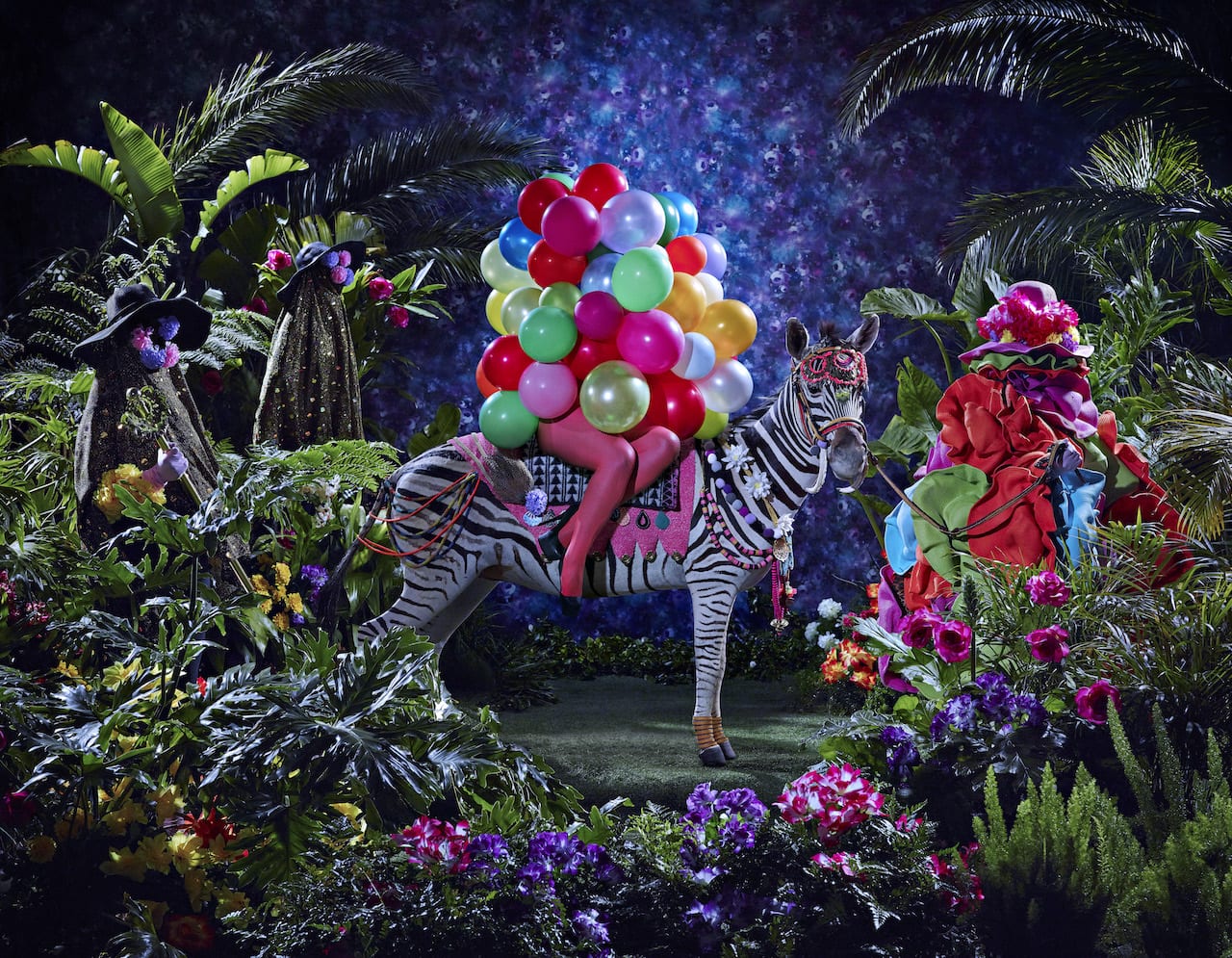
He’s gathered some of the best of it for a new show called Africa State of Mind, opening this week in New Art Exchange – the UK’s largest space devoted to culturally diverse contemporary visual arts. Including artists such has Emmanuele Andrianjafy, Sammy Baloji, and Musa N Nxumalo, the exhibition shows off talent from a new generation of African artists, exploring how they interrogate the idea of ‘Africanness’ in their work, and ‘Africa’ as a psychological as much as a physical space.
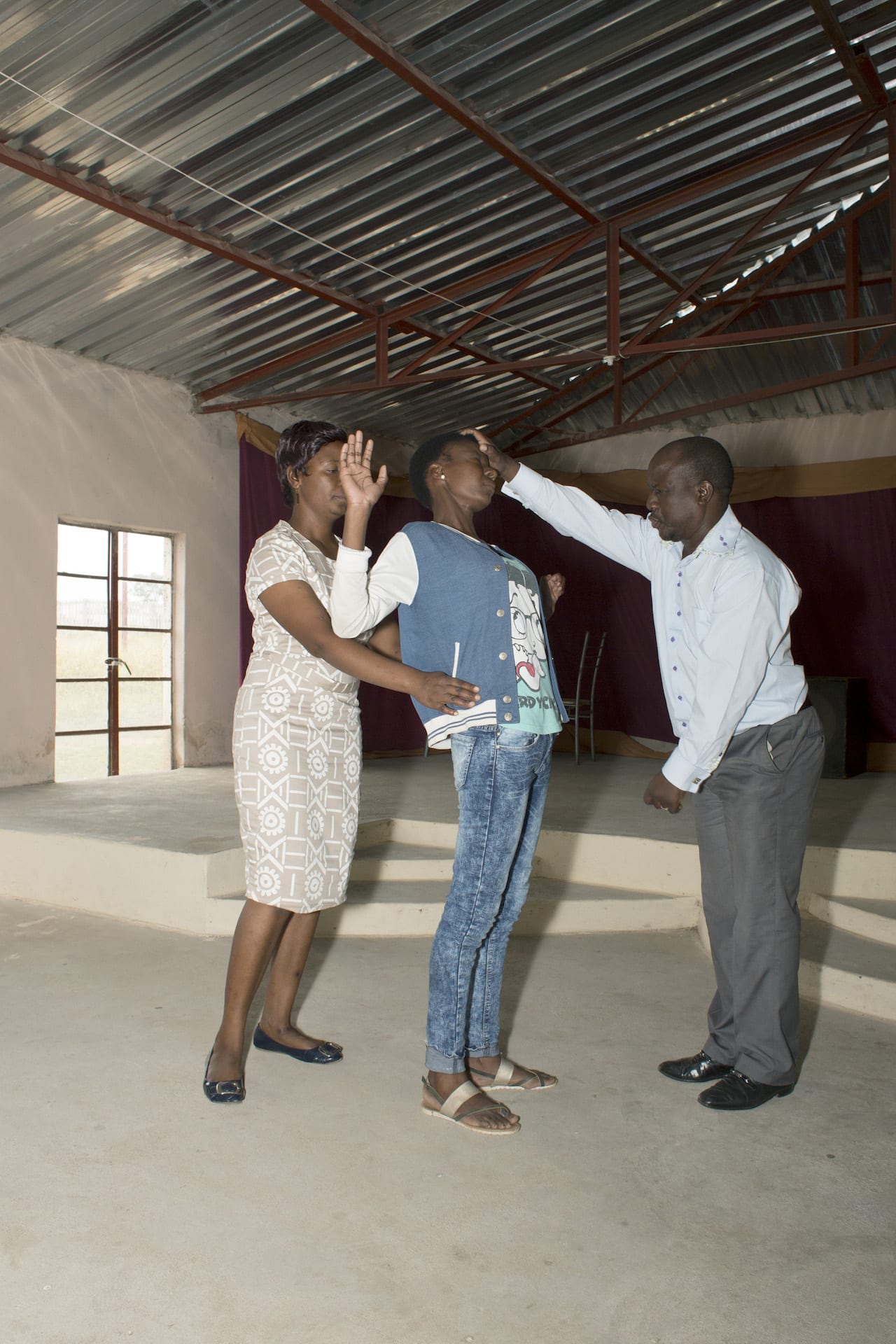
“South Africa is a deeply religious country,” says Giya Makondo-Wills, whose work-in-progress, They Came From the Water While the World Watched, maps out the interplay between Christianity and ancestral religion in the region. With four trips to the country under her belt so far, the 23-year old has travelled as much into the past as in the present, tracing the indelible repercussions of 19th-century European migration as they resonate through South African culture today.
Makondo-Wills, who is British-South African, became interested in her African grandmother’s faith while shooting another project. “She’s very Orthodox Christian but she also still practises ancestral religion, and that’s a core part of who she is. She prays to a God and the gods,” the photographer explains.
This duality got her thinking about the intersections of belief systems and how they were brought into contact. How did Christianity become so influential? How does it co-exist with indigenous religions? Building on her interests in race and identity, these questions soon elicited many others, spawning a long-term project that has carried her from a BA to an MA at the University of South Wales.
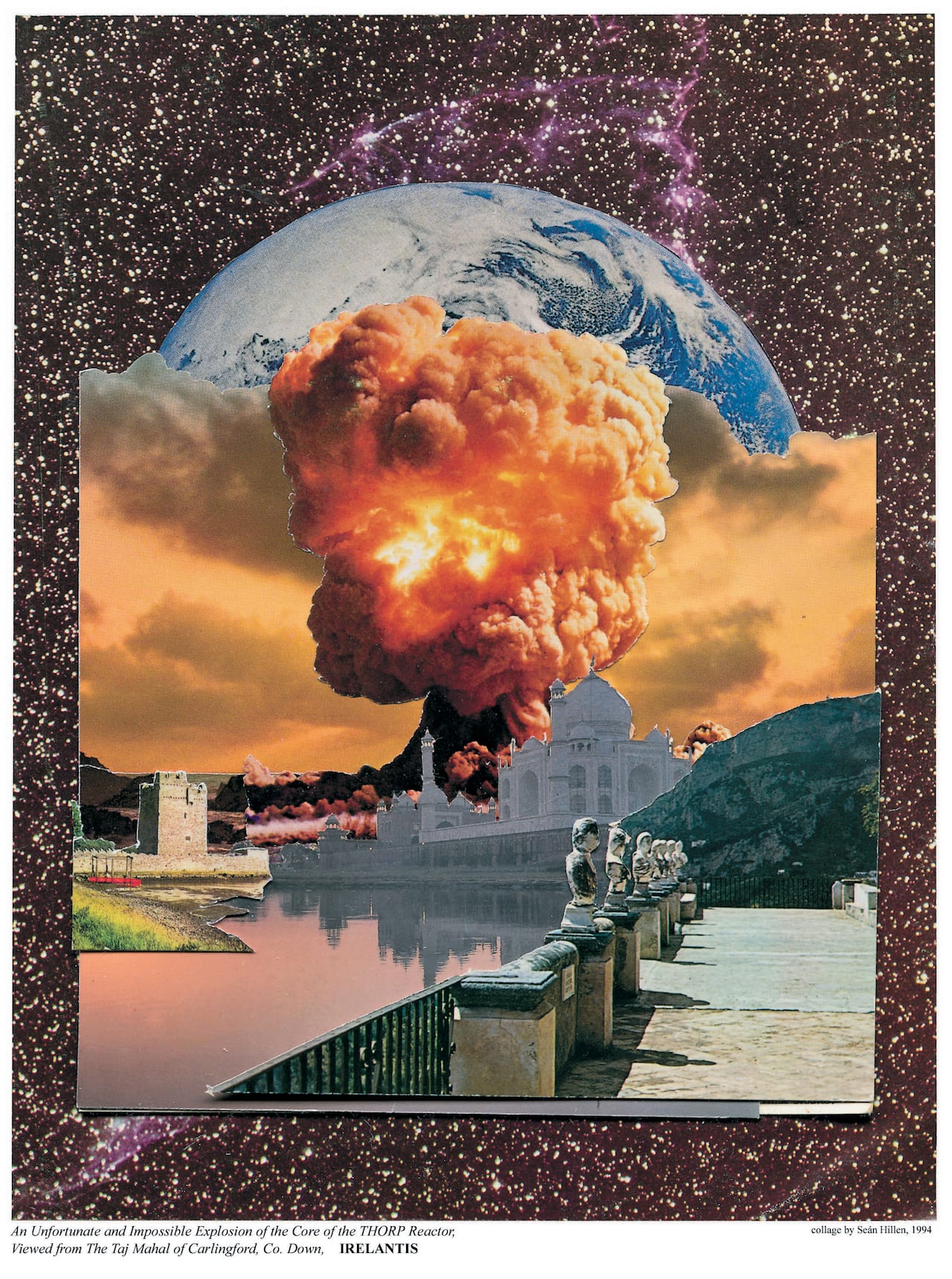
Before becoming a photographer, Sean Hillen was a tinkerer. As a young teenager, one of his favourite pastimes was to take apart his grandfather’s old cameras and then piece them back together again. It wasn’t long before he discovered that with a bit of tweaking he could fix a brand new 120 roll of film into an outmoded 620 camera. “I did that, I got them developed, and I was immediately addicted to photography”.
Hillen grew up through the Troubles in Newry, Northern Ireland, close to the border with the Republic of Ireland. “It was utter chaos,” he says. “I knew people who got killed, and I knew people who killed other people”. Hillen and his four siblings would lie awake in bed at night listening to gun battles, which were so frequent that they were able to distinguish between the sounds of different weapons.
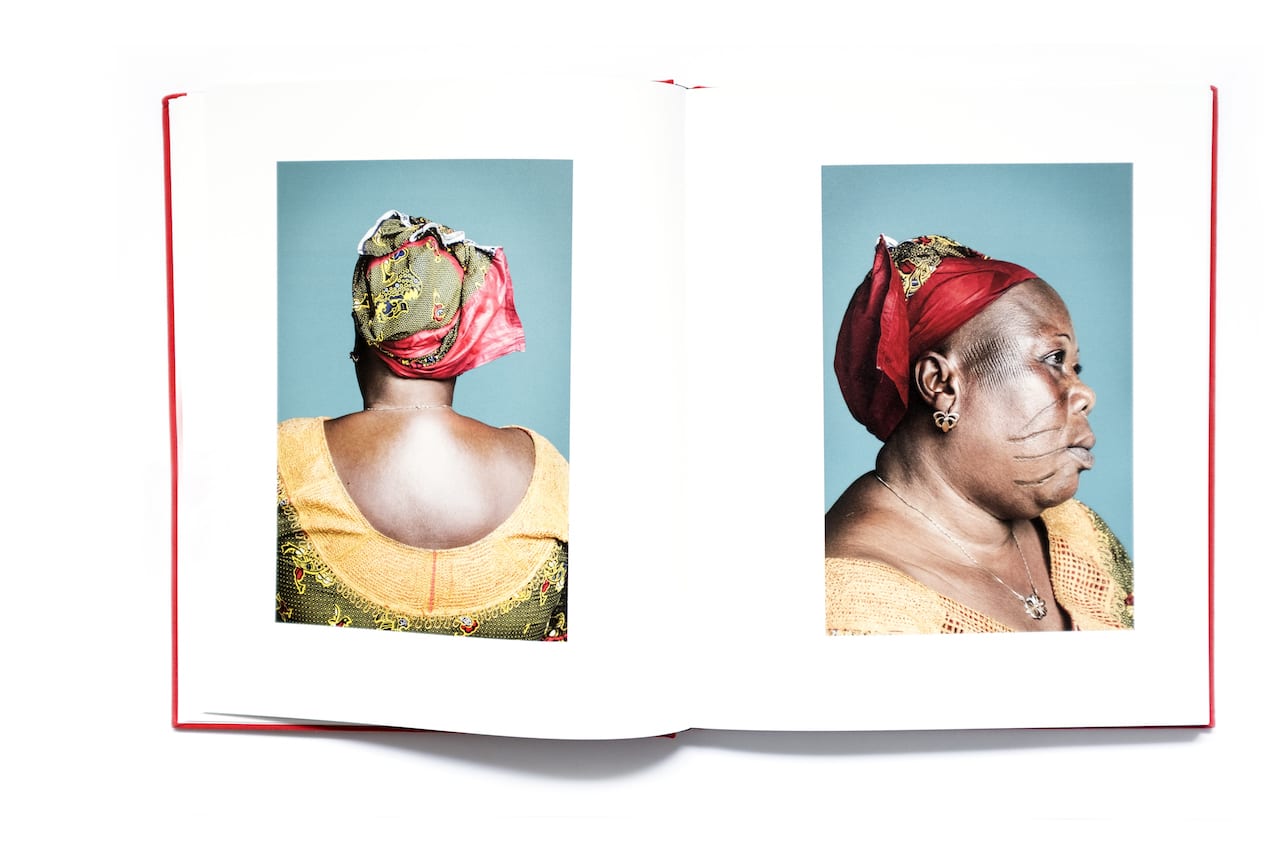
Only a small percentage of the 400 books that Ben Krewinkel has collected and featured on his website, Africa in the Photobook, are actually African. Many are historical publications, political pamphlets, or children’s books, written, photographed, and published by Europeans – including old colonial texts, which seem to obsess over hairstyles and traditions of scarification. Even the books by contemporary African photographers are mostly published in the West. As a collection that covers more than a century from 1897 to 2018, Africa in the Photobook follows the changing visual representations of the continent through the medium of the photobook – and soon it too will be transformed into a series of photobooks.
Krewinkel, a Dutch photographer, curator, and educator, is working with South African publishers Fourthwall Books on this series, and hopes to publish volume I by the end of 2019. Focusing on Africa under colonialism, it will include a long historical introduction, 40 case studies, and plenty of space to show large spreads from the books. Volume II will sketch a path from the beginnings of decolonisation in the 1950s to the late 1990s, marking the end of Apartheid and also the “re-evaluation of African photography”. Krewinkel then hopes to create a third volume, focusing on contemporary African photo books.
Founded in 2015 by Chinese photographer RongRong (who also also founded China’s first photography museum, Three Shadows Photography Art Centre) with Sam Stourdzé, director of Rencontres d’Arles, the Jimei x Arles International Photo Festival is the biggest of its kind in China. It returns this November with 30 exhibitions by over 70 artists, including shows brought over from Arles and exhibitions devoted to emerging Chinese image-makers.
The Jimei x Arles Discovery Award nominees features work by ten new Chinese photographers, for example – with one image-maker selected from the show to win 200,000 RMB plus a place in Arles’ prestigious Discovery Awards. This year the nominees are: Coca Dai (1976), Hu Wei (1989), Lei Lei (1985), Pixy Liao (1979), Lau Wai (1982), Shao Ruilu (1993), Shen Wei (1977), Su Jiehao (1988), Wong Wingsang (1990), and Yang Wenbin (1996)
The life expectancy of transgender women in Brazil is just 35 years old. They are…
Set up 14 years ago, Getty Images’ Reportage Grant awards “front-line photojournalists from around the world for projects with a strong visual narrative”, aiming to help them pursue long-term documentary projects. This year, the three selected photographers have won with very different projects – Giulio Di Sturco with Aerotropolis, The Way We Will Live Next; Léonard Pongo with The Uncanny; and Rose Marie Cromwell with King of Fish.