

“Photography is an industry with a beautifully open culture. You can be from anywhere and have any background and still be accepted”
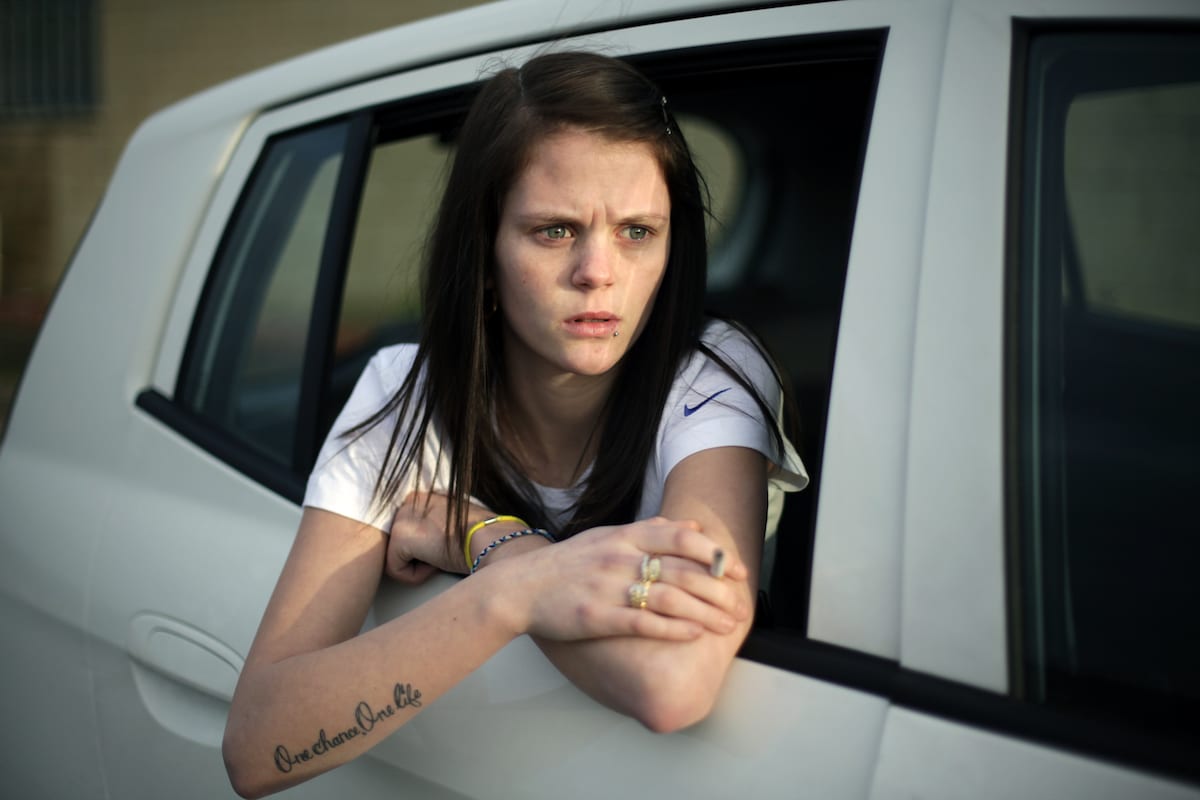
“Photography is an industry with a beautifully open culture. You can be from anywhere and have any background and still be accepted”
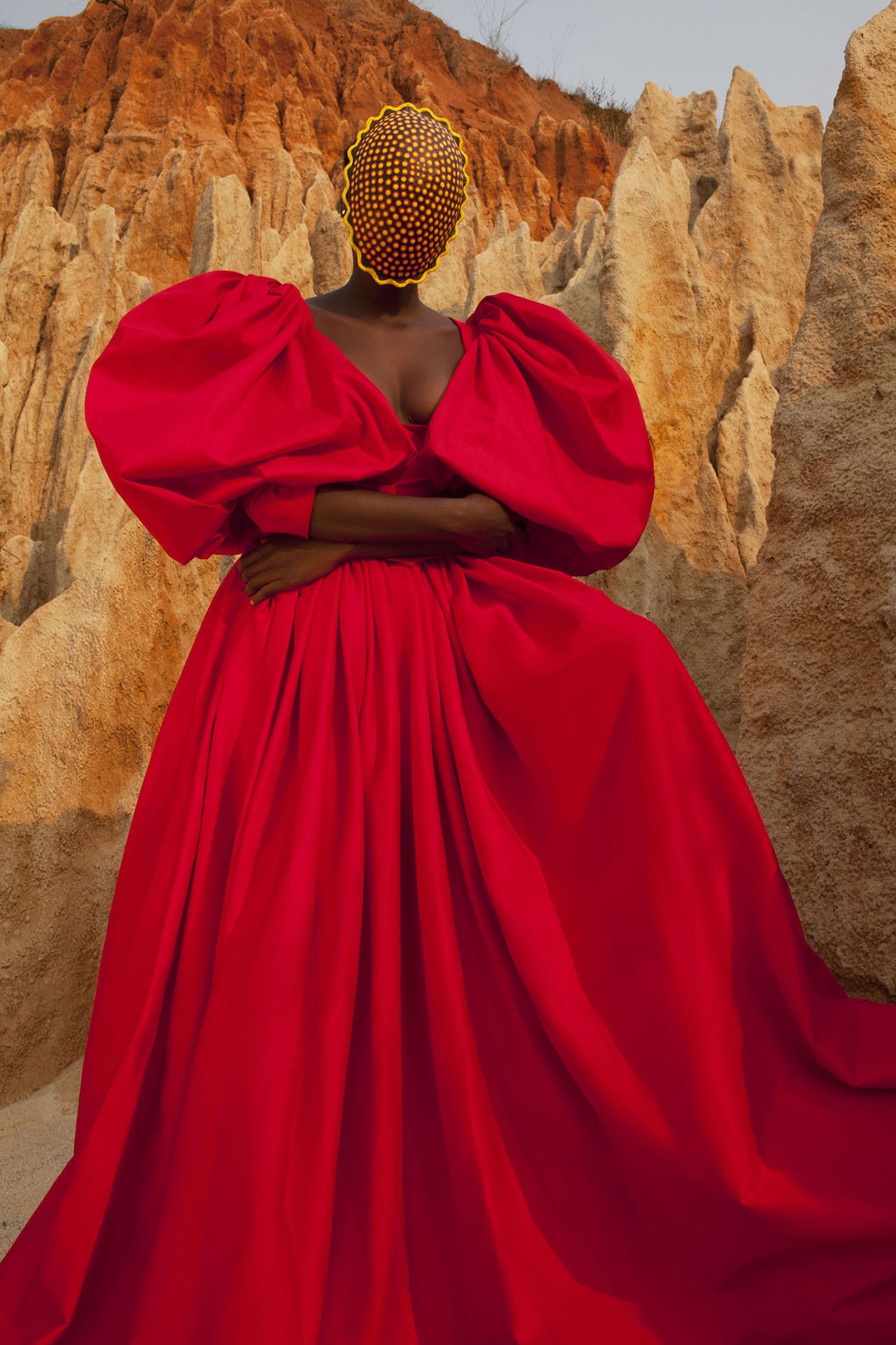
Back for its eighth edition, the theme of this year’s LagosPhoto is Regimes of Truth. It’s exploring divisive events such as the Nigerian Civil War and its representation, and the influential Second World Black and African Festival of Arts and Culture held in 1977; it’s also including Kadir van Lohuizen’s Where Will We Go? – Rising Seas, an exploration of climate change that shows how the world’s less wealthy will disproportionately suffer its effects.
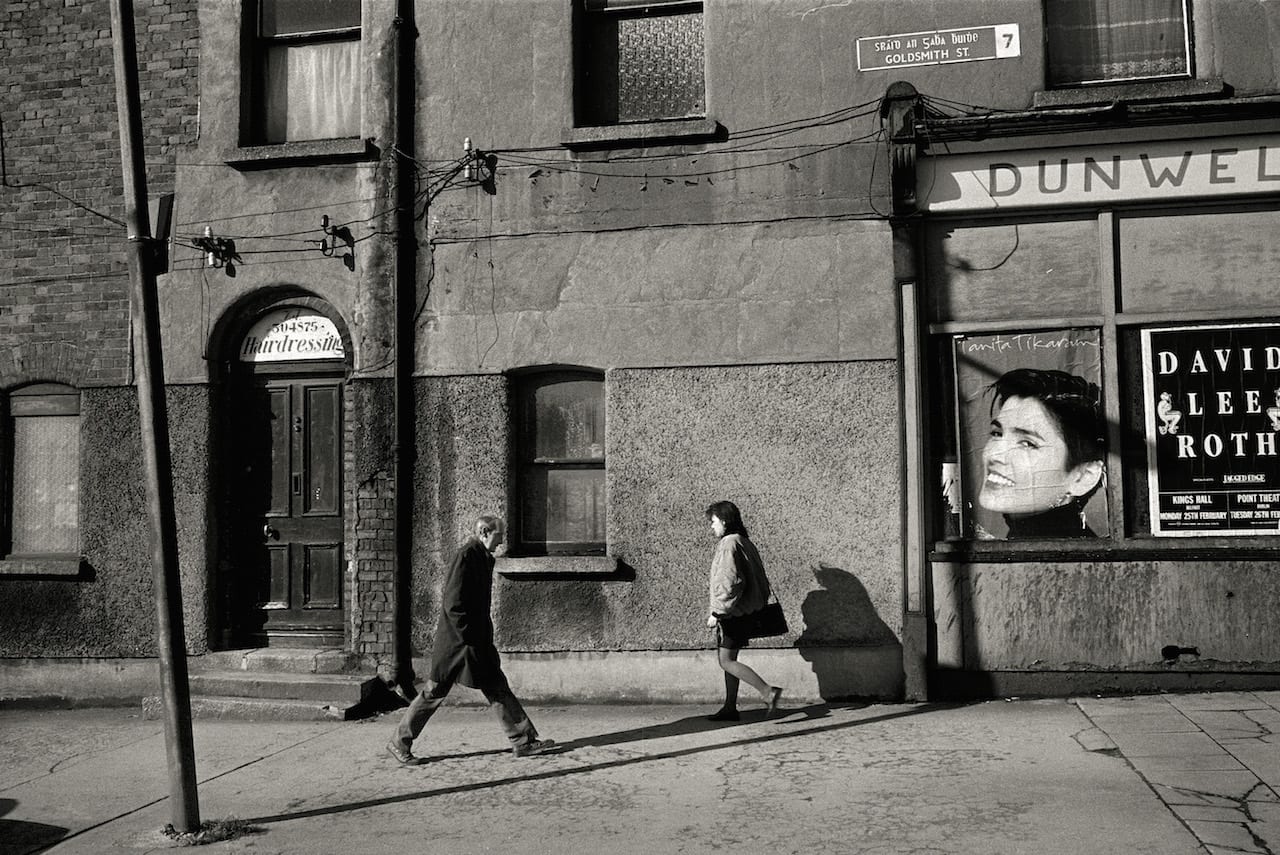
Famously elusive, and unwilling to to discuss his work, the only way to get to…
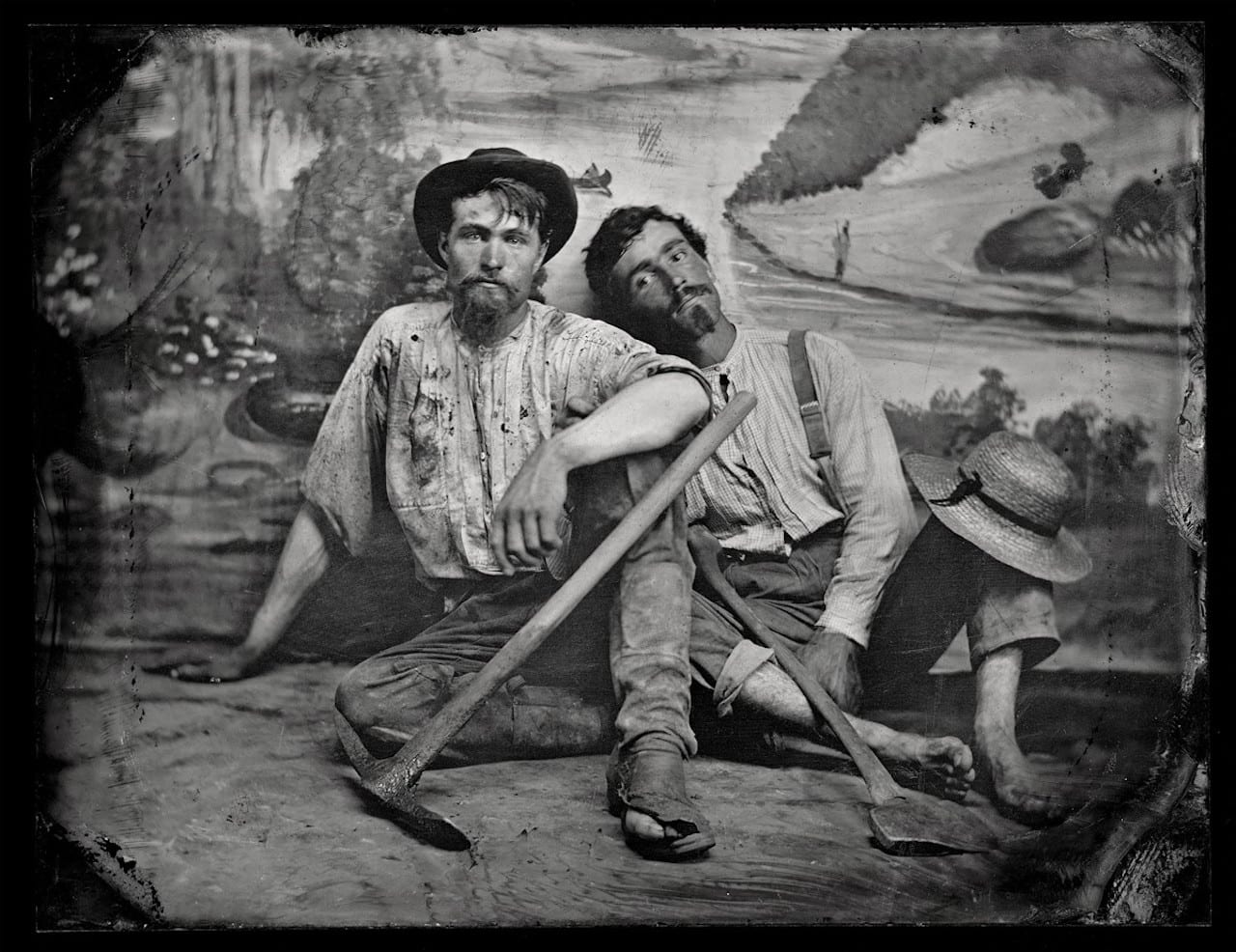
Luce Lebart has hopped across the Atlantic Ocean to take the helm of the newly-minted Canadian Photography Institute (CPI), which fills the large gap left by the abrupt and permanent closure of the Canadian Museum of Contemporary Photography in 2009, thanks to the support of Scotiabank, the Archive of Modern Conflict and the National Gallery of Canada Foundation
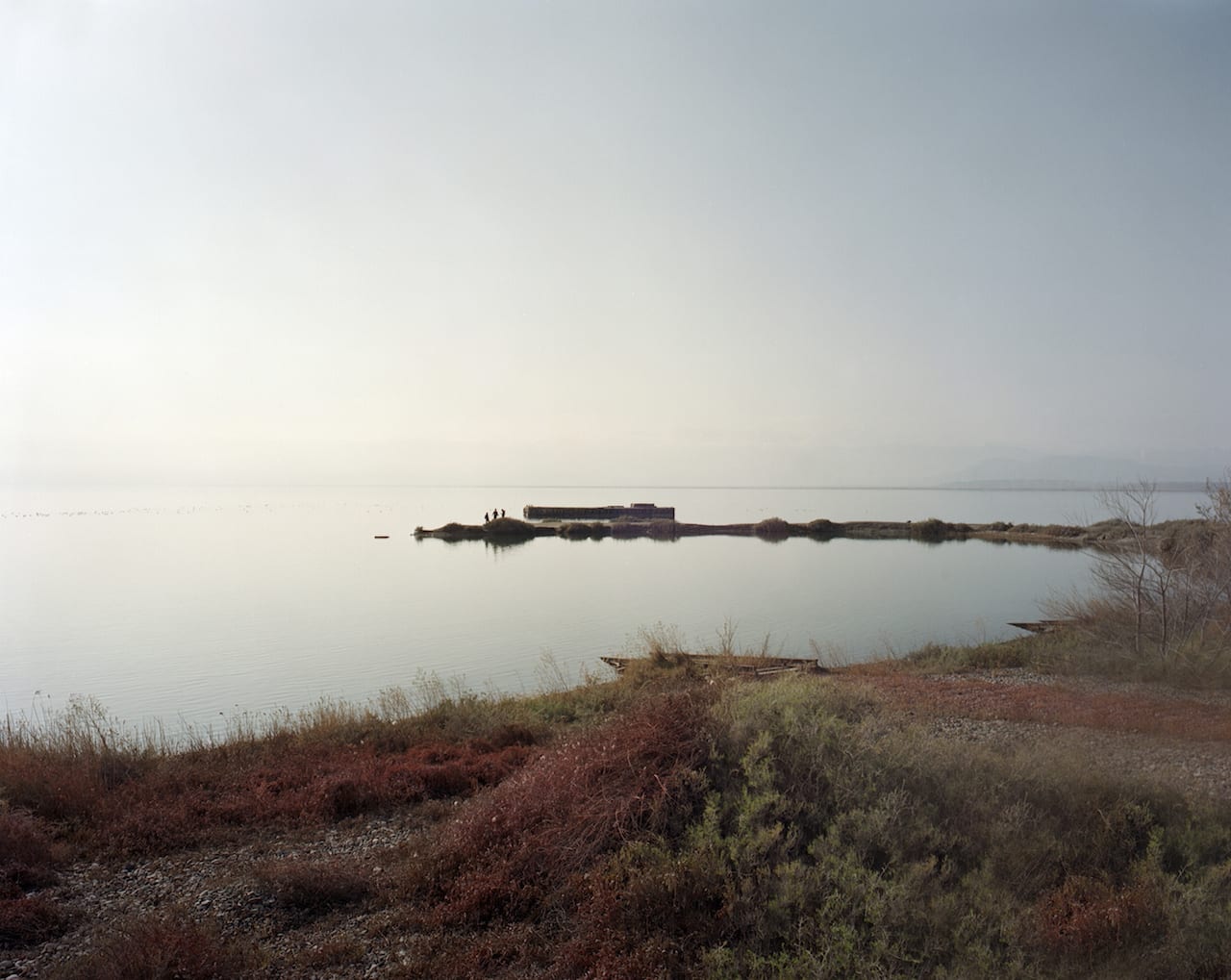
French documentary photographer Elliott Verdier’s A Shaded Path highlights the endless paradoxes of a region fossilised by its longstanding history of being forgotten. Kyrgyzstan is a peculiar place, completely landlocked by mountain ranges – a feature that has preserved its culture while simultaneously reinforcing its susceptibility to external domination. Since its official relinquishment from Soviet control in the early 1990s, the country has returned to its resting state of self-sufficient isolation. From October 2016 to February 2017, Verdier photographed Kyrgyzstan’s industrial factories, embedded in sprawling landscapes that are populated by the touching subjects in his accompanying portraits. Shortly after settling into his daily routine, the photographer began to notice a marked difference between the collective nostalgia of the country’s older and younger generations
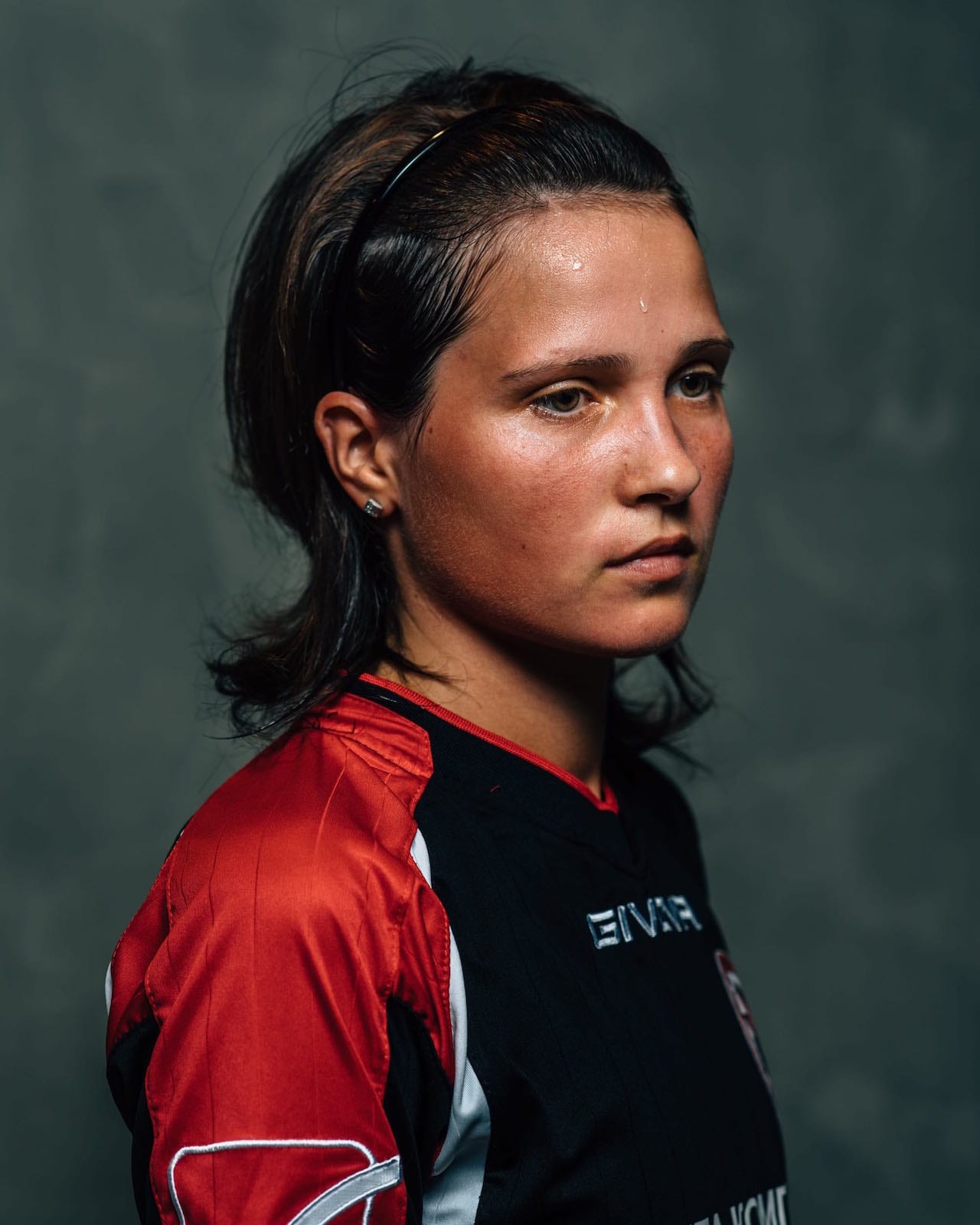
“The main issues in fashion currently are gender and identity, and a more inclusive image…
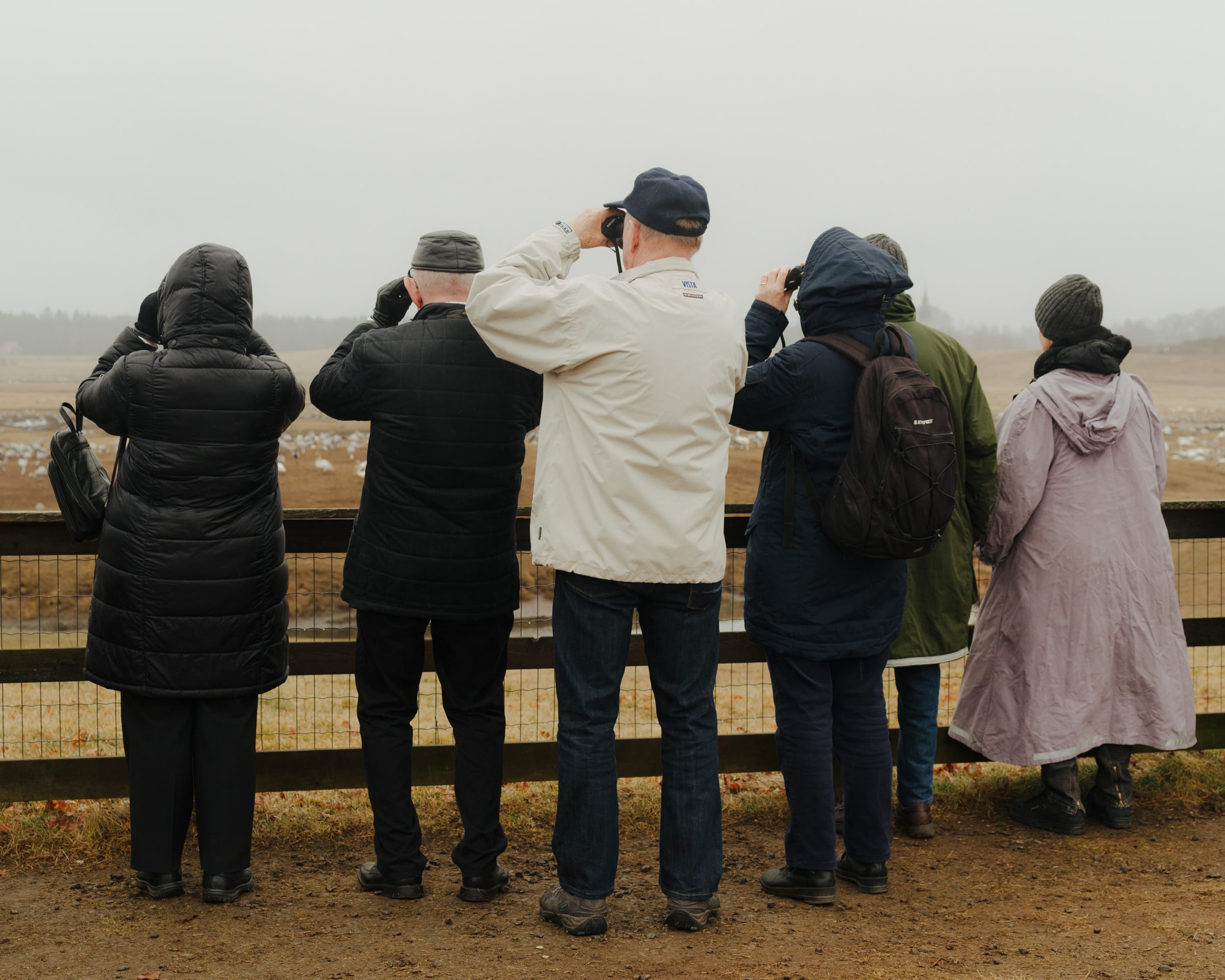
Dan Wilton wants to slow down. That’s all. The London-based photographer is best known for his intimate portraits, having shot world-famous musicians and recording artists from Stormzy to James Blake over the years. In 2015, he travelled to Los Angeles’ Runyon Canyon with writer Josh Jones to photograph and interview the characters they found there, turning the result into a book. But for his new publication Crane, he wanted to rein it back, taking a step away from the lives of others and creating something more distant, quiet and reflective.
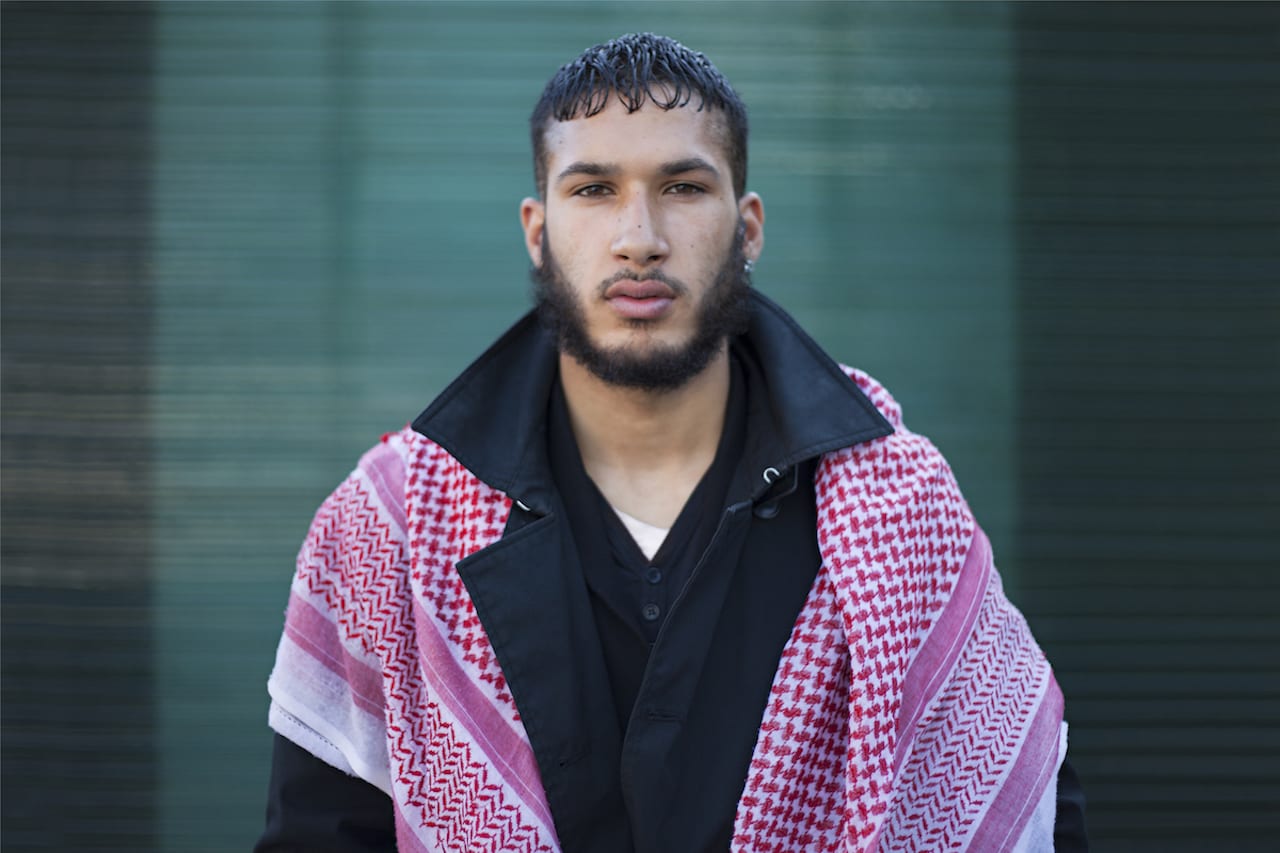
“When 9/11 happened, I was four, so obviously I didn’t really know what was going on. But in terms of now, of how Muslims are portrayed in the media, I think it’s a very one-sided story. We’re all terrorists, evil, who want to take over this country. I mean, thinking back now, I was only four, so all I’ve experienced is that this country hates me.” So says one of the sitters in Mahtab Hussain’s You Get Me?, a series of portraits shot over nine years in Birmingham, Nottingham and London. It shows young, working class, British Asian men, a group which has been negatively depicted in the media since 9/11 but which Hussain hopes to portray in a more nuanced way.
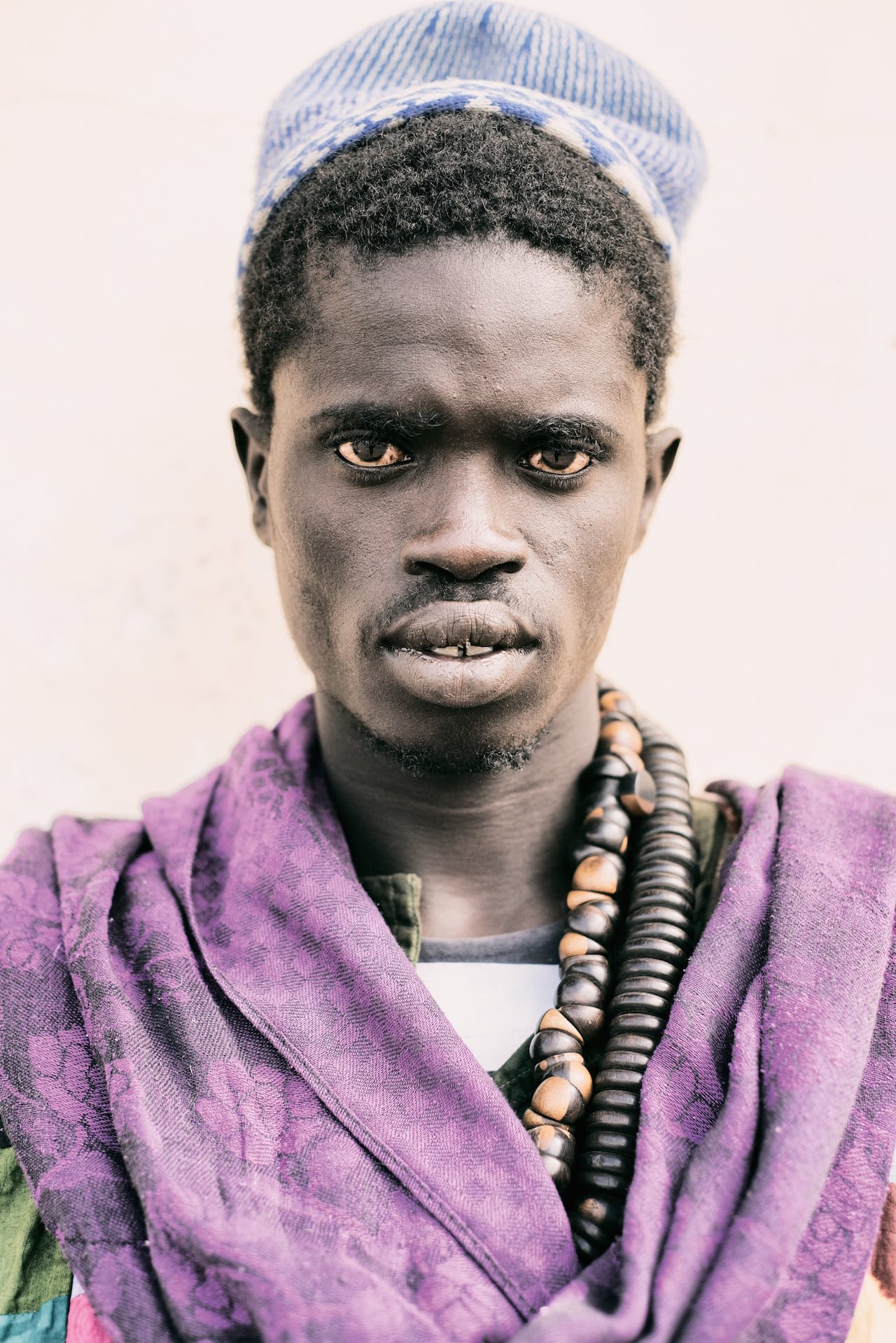
Born in 1983, Emmanuelle Andrianjafy grew up in Madagascar and worked as an engineer in France before moving to Dakar in 2011. Relocation to Senegal proved quite a shock. “It’s very energetic, very hectic, very loud,” she told BJP for the June Ones to Watch issue. “It’s very different to where I’ve lived before. It’s by the sea but it’s not peaceful; the landscape is harsh and dry. I was tempted to not deal with it and just stay at home.”
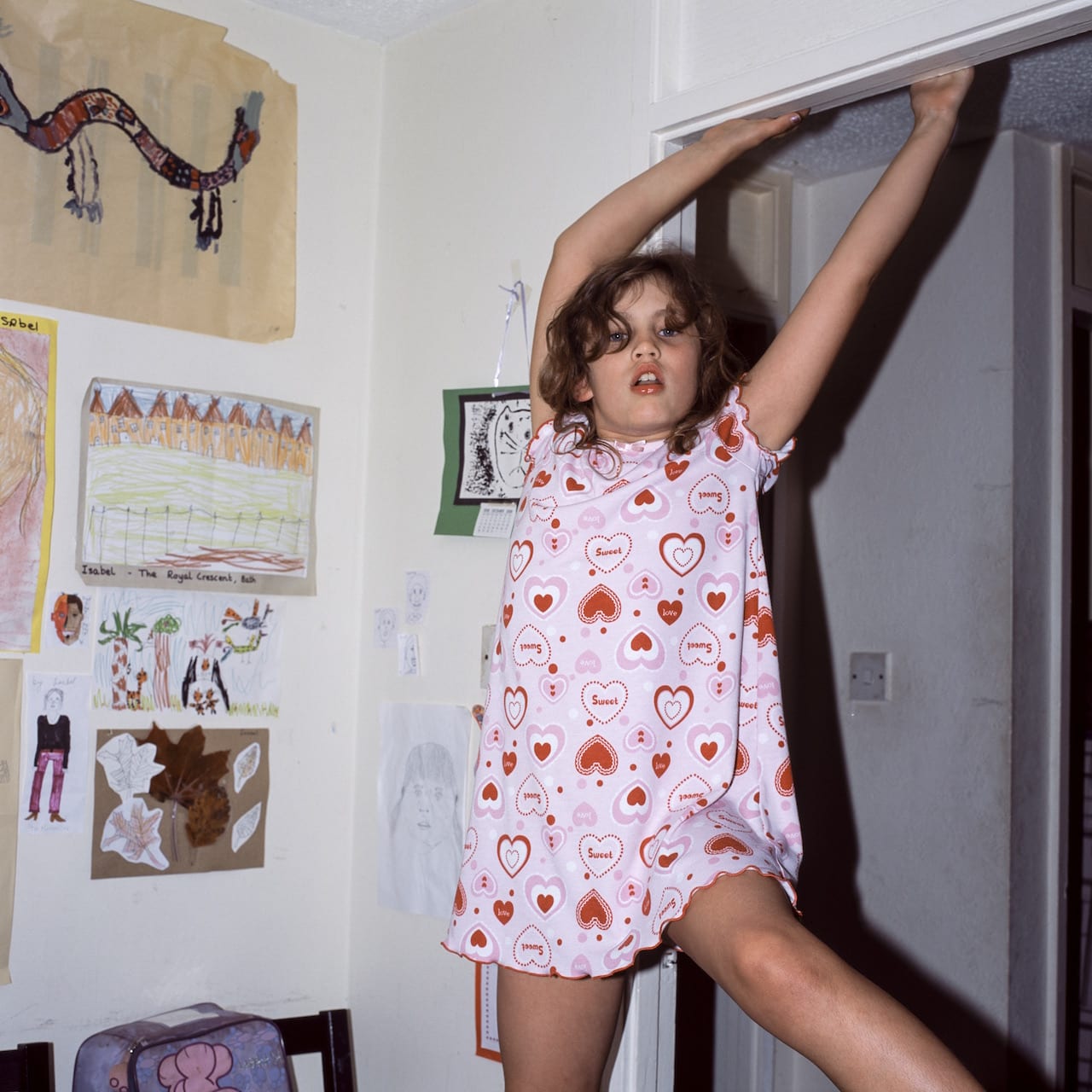
Colin Pantall began photographing his daughter, Isabel, in the delivery room moments after she was born. From then on, “it was just constant”, he says. Previously, the pictures he took were architectural, environmental, sometimes historical; but becoming a father re-oriented him entirely. The transition wasn’t effortless. In the early days his experience of fatherhood was spiked with feelings of claustrophobia and intense anxiety – fear of Isabel’s death, fear of his own. A sense that he could easily become obsolete.