
Portraiture

Getting ahead through instinct – Jack Davison’s constant experimentation

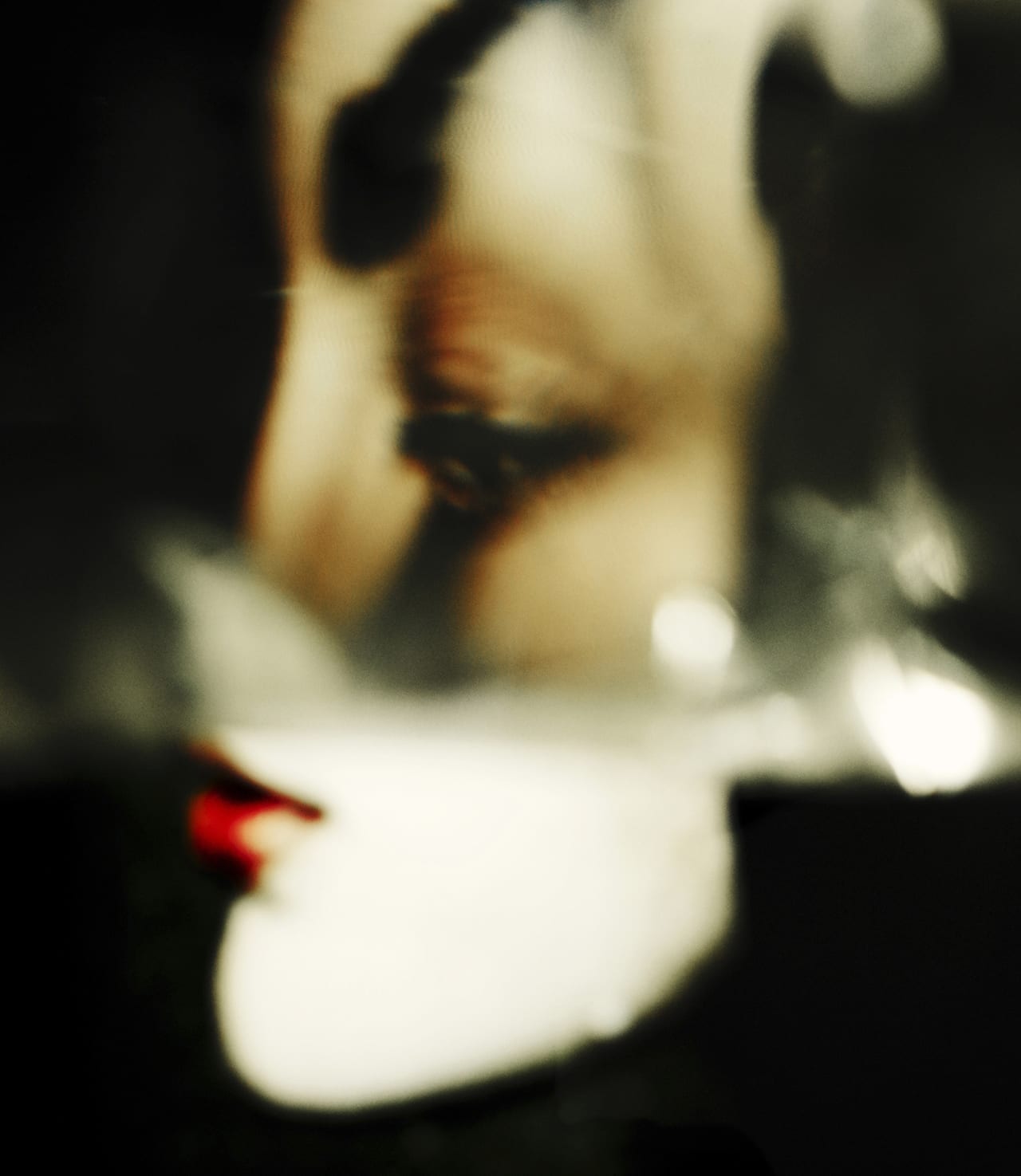
“I recently did a talk for students and none of them were taking any pictures or trying things out,” says Jack Davison, a self-taught photographer from Essex, and one of BJP’s Ones To Watch talents in 2016. “They were all writing down ideas and planning projects, but not shooting. I kept telling them, ‘You need to make all your mistakes now, before you start showing people’.”

Growing up, his dream was to become a marine biologist, and when it came to choosing a degree subject, he opted for English literature and the University of Warwick. But he was also interested in photography and, curious about the trend for sharing photographs online, grew his Flickr profile and developed his technique all the way through his studies. “Experimenting is a big part of my work,” he says.

26 July 2018

An index of inequality in St Louis, USA

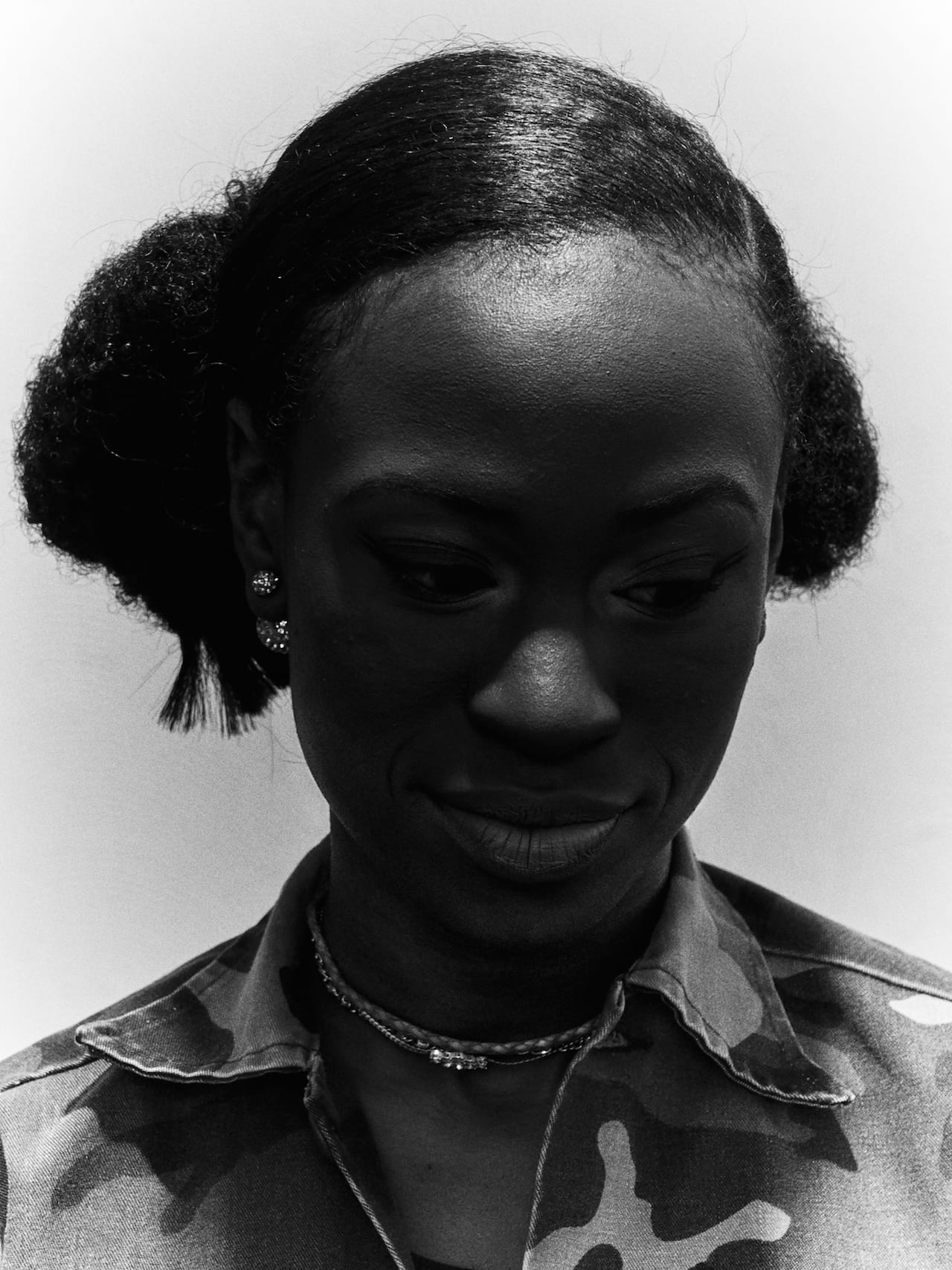
“In St. Louis, ZIP codes matter,” says Piergiorgio Castotti, an Italian photographer who lived in the US for three years. “North of Delmar boulevard, 95% of people are black, and life expectancy is 67. A few hundred yards south, 70% of people are white, and there is a life expectancy of 82.”

Index G, a collaborative project he’s made with photographer Emanuele Brutti, explores the harsh reality of this segregation, which is measured with the so-called Gini Index. Where once racial segregation in the US was obvious, and even enshrined in law, it’s now peppered throughout cities on a micro level, from neighbourhood to neighbourhood, and can therefore be easy to miss. “There were unexpectedly very few literal barriers in St. Louis; this meant that our first trip was a disaster,” says Castotti. “I didn’t know what to take pictures of.”

23 July 2018

Frederik Busch photographs German Business Plants

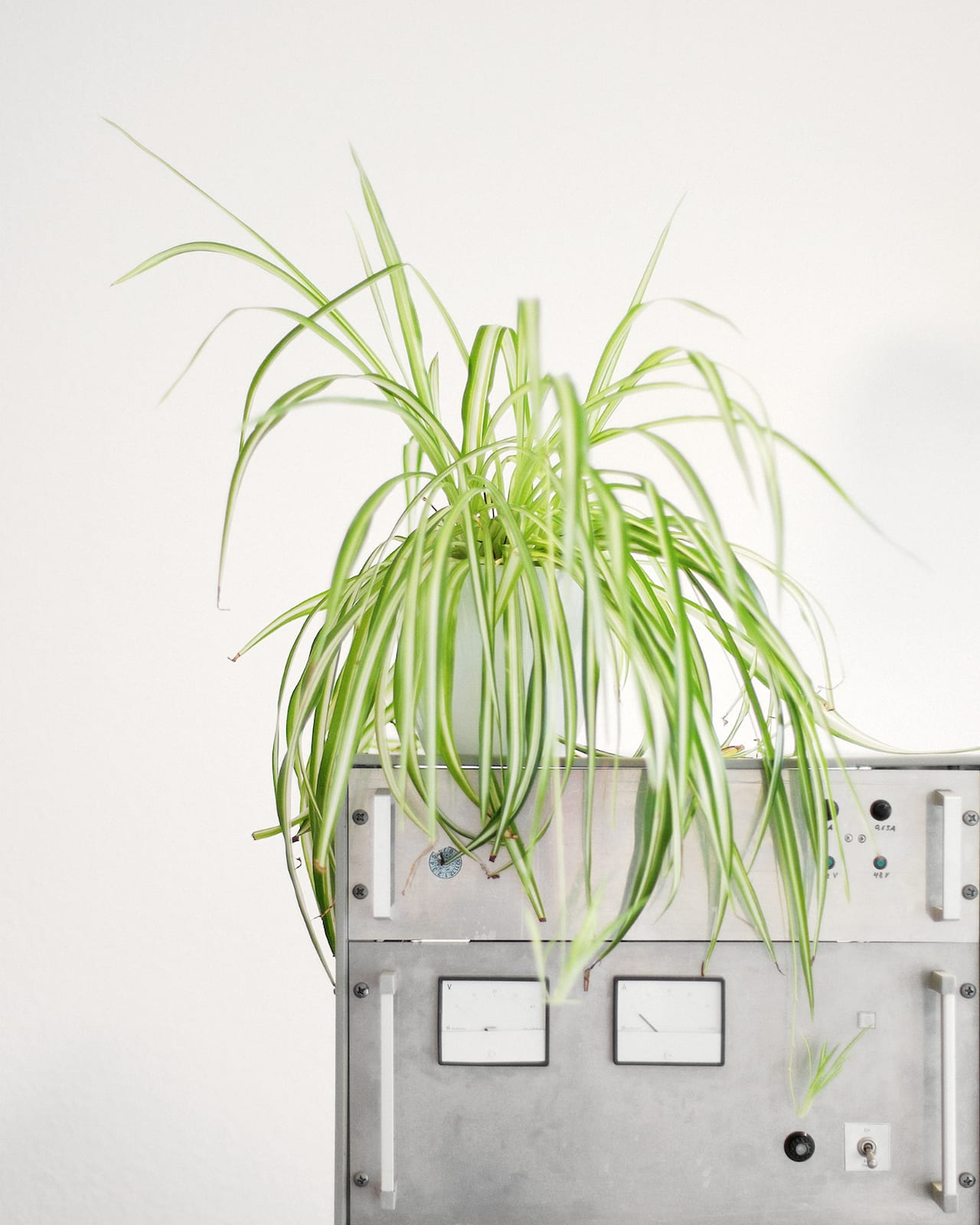
Ute is a daydreamer, Martin only talks about his vacation. Monika gets along on her own very well, but Heike is lonely. Sabine adores going dancing, and Helga likes techno music. To German photographer Frederik Busch, these office plants have personalities just like any other co-worker. “Plants have feelings too,” he says. “They are social beings, just like us humans.”

In 2008, whilst working on a corporate assignments, Busch noticed a row of plants in an office hallway. “It looked like an art space. It was so clean and sterile, and the plants looked like sculptures,” he says. “I have always been interested in how humans adapt to office-life, so I decided to apply portrait photography to plants to discover how they adapt too.”

23 July 2018

Alexander Anufriev’s close-up vision of Russia

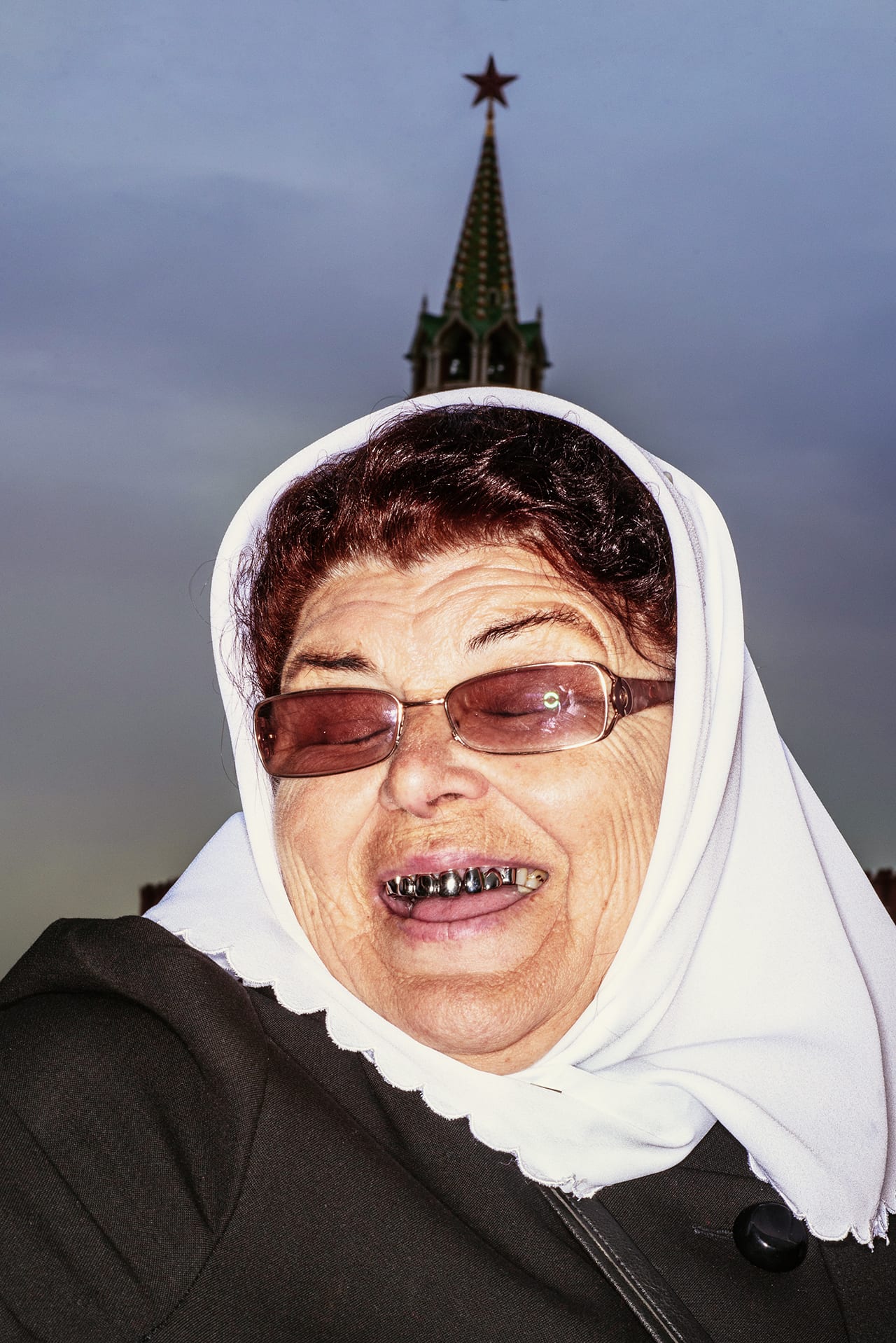
“If you live in Russia, you’re taught to love your family, and love your nation. It’s part of your life and education, we even have classes teaching patriotism at school,” says Alexander Anufriev, whose new project takes a closer look at what makes a modern Russia.

The idea for Russia Close-up came while he was studying at The Rodchenko Art School in Moscow, and starting to feel disillusioned with documentary photography. “At the time, it was important for me to tell stories and for them to be the truth, but it started to feel like a little bit of a lie,” he explains. “Even if you’re trying to be totally objective, it is always a bit subjective.

“I stopped shooting for six months, and I was about to quit photography, but then I thought, ‘What if I tried to be completely subjective?’ So I cropped the images very tightly, and included only the elements I wanted to show. It was a farewell to convention.” Unconventional it may be, but the series has already had some success, exhibited in Cardiff, Sydney, and Saint Petersburg, and winning third place in the Moscow Photobookfest Dummy book award.

19 July 2018

2018 Women Photograph Grant winners announced

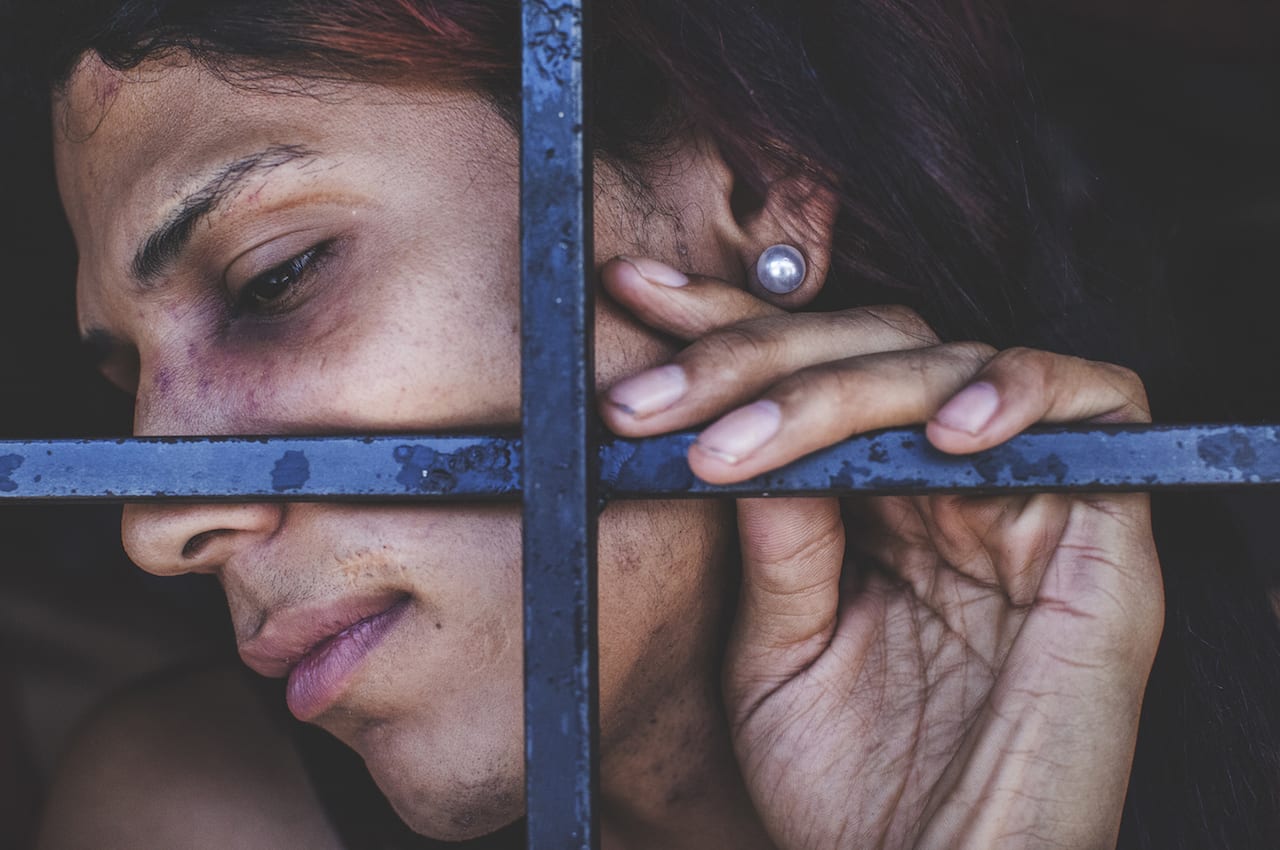
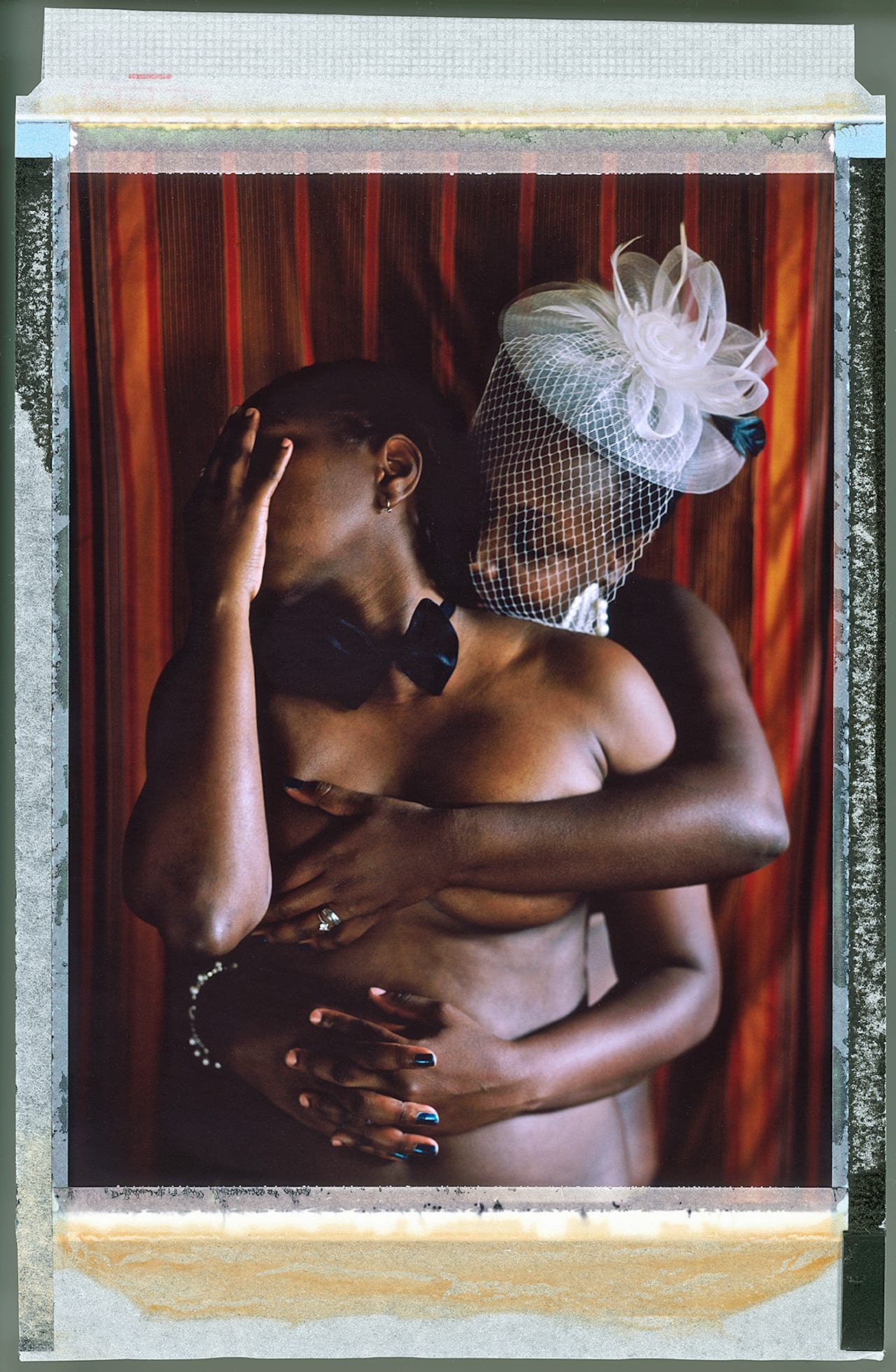
Nadia Shira Cohen has won the $10,000 Women Photograph + Getty Images grant for her work on the abortion ban in El Salvador – and the five grants of $5000 awarded by Women Photograph with Nikon have gone to Tasneem Alsultan, Anna Boyiazis, Jess T. Dugan, Ana Maria Arevalo Gosen, and Etinosa Yvonne Osayimwen. 

Nadia Shira Cohen’s series Yo No Di a Luz documents the effect that the complete ban on abortion in El Salvador has had on women – particularly on those forced to give birth to children conceived as a result of rape. “Doctors and nurses are trained to spy on women’s uteruses in public hospitals, reporting any suspicious alteration to the authorities and provoking criminal charges which can lead to between six months to seven years in prison,” writes Shira Cohen. “It is the poorer class of women who suffer the most as doctors in private hospitals are not required to report.

18 July 2018

Arles: Wiktoria Wojciechowska’s Sparks from Ukraine

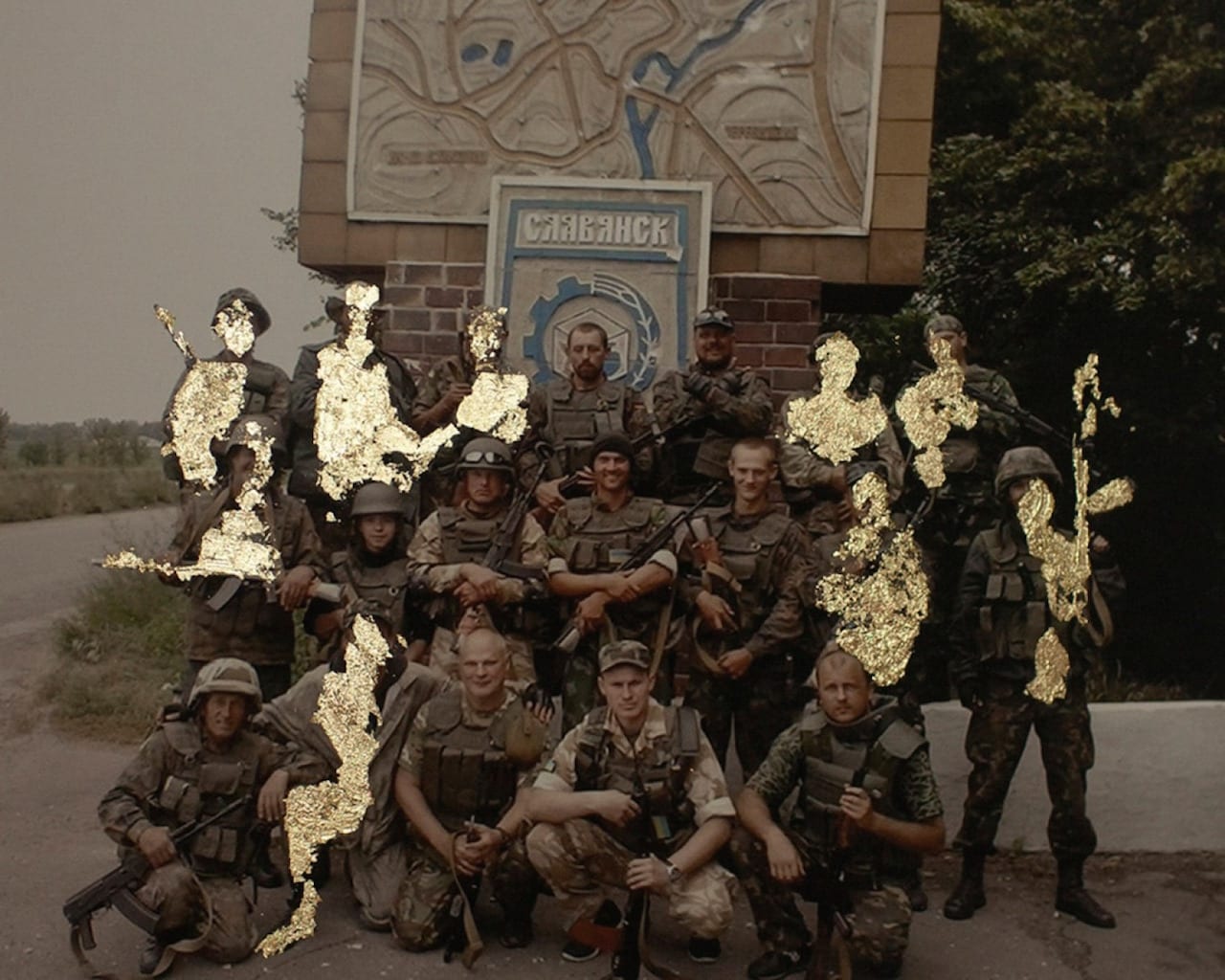
When Polish photographer Wiktoria Wojciechowska first heard about the ongoing Ukrainian conflict she was in China, shooting a project titled Short Flashes, which went on to win the 2015 Leica Oskar Barnack Newcomer Award. “I was cracking the internet but everything was so blocked I couldn’t get any information,” she says. “I was asking all my friends, then I realised not many people knew about it, even though it’s so close [as Ukraine borders Poland]. I was really inspired to go by fear, by wondering how I would react if the same thing happened in my country.”

9 July 2018

Going beyond the borders with Another Europe

“In many ways Another Europe questions whether Europe is other at all,” says Hamish Park. “While this is not an explicitly political exhibition, I do hope that it will go some way to reminding the audience that we share deep cultural roots which go beyond geographic borders or treaty arrangements, and that what we share is as significant as what makes us distinct.”

Park has just curated an exhibition called Another Europe which goes on show soon around Kings Cross, London, mounted on specially-designed concrete benches. Featuring one photograph from each of the 28 European Union member states, shot by a photographer from the country, it’s been organised by the Australian Cultural Forum London to celebrate both the European Year of Cultural Heritage, and Austria’s presidency of the EU council. It’s also interesting timing for this exhibition in the UK, as the country negotiates Brexit.

6 July 2018

Arles: Marina Gadonneix wins the €25,000 LUMA Rencontres Dummy Book Award

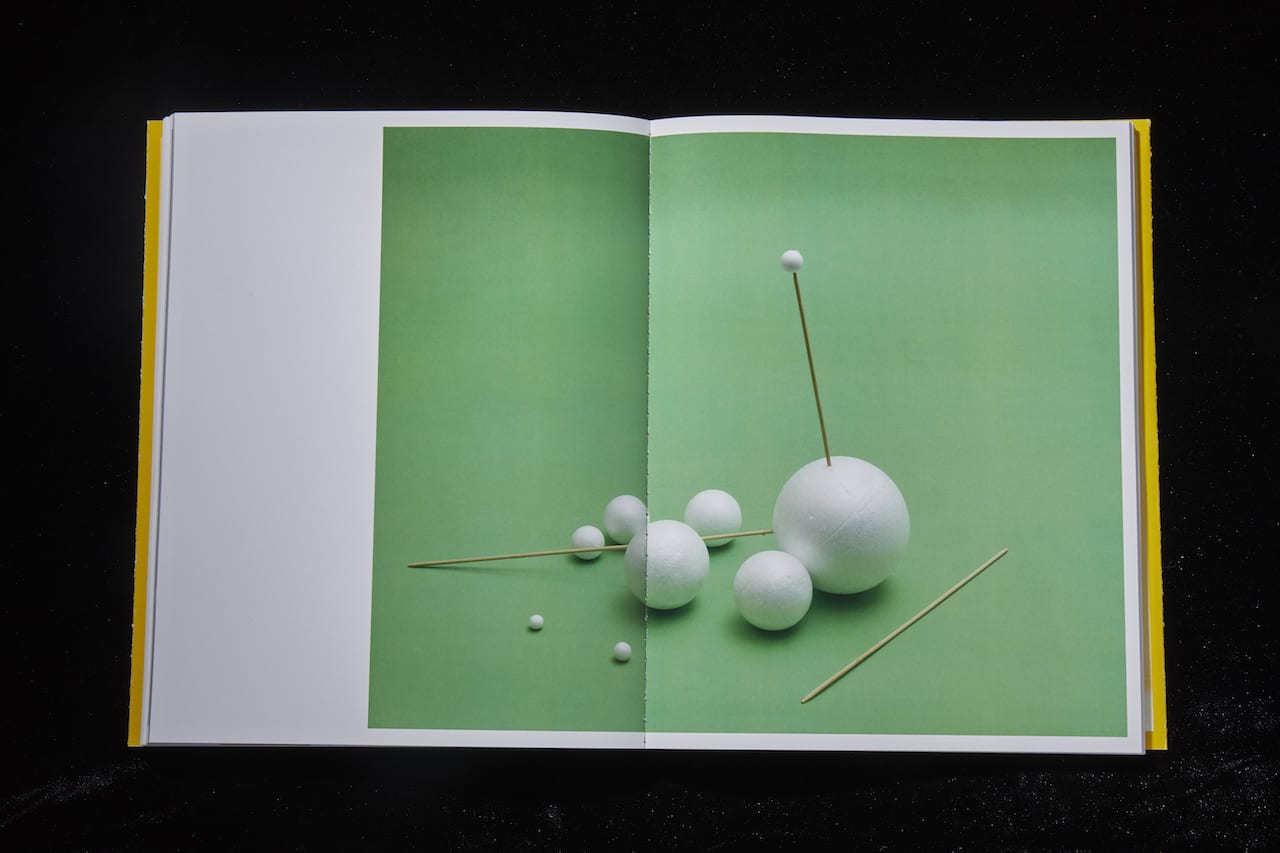
Marina Gadonneix has won the 2018 LUMA Rencontres Dummy Book Award and a €25,000 award to publish her project, Phénomènes. Shot in various laboratories, Phénomènes considers the paradox at the heart of these places – microcosms of larger environments, but microcosms in which nature is strictly measured and controlled.

Born in Paris in 1977 and graduating from the l’École nationale supérieure de la photographie d’Arles in 2002, Gadonneix specialises in creating photographing highly specialised and controlled zones, creating works which “play with the clash of document, simulation and fiction”. Gadonneix won the Prix HSBC pour la photographie in 2006 for a project called Remote Control, a series of empty TV sets.

6 July 2018

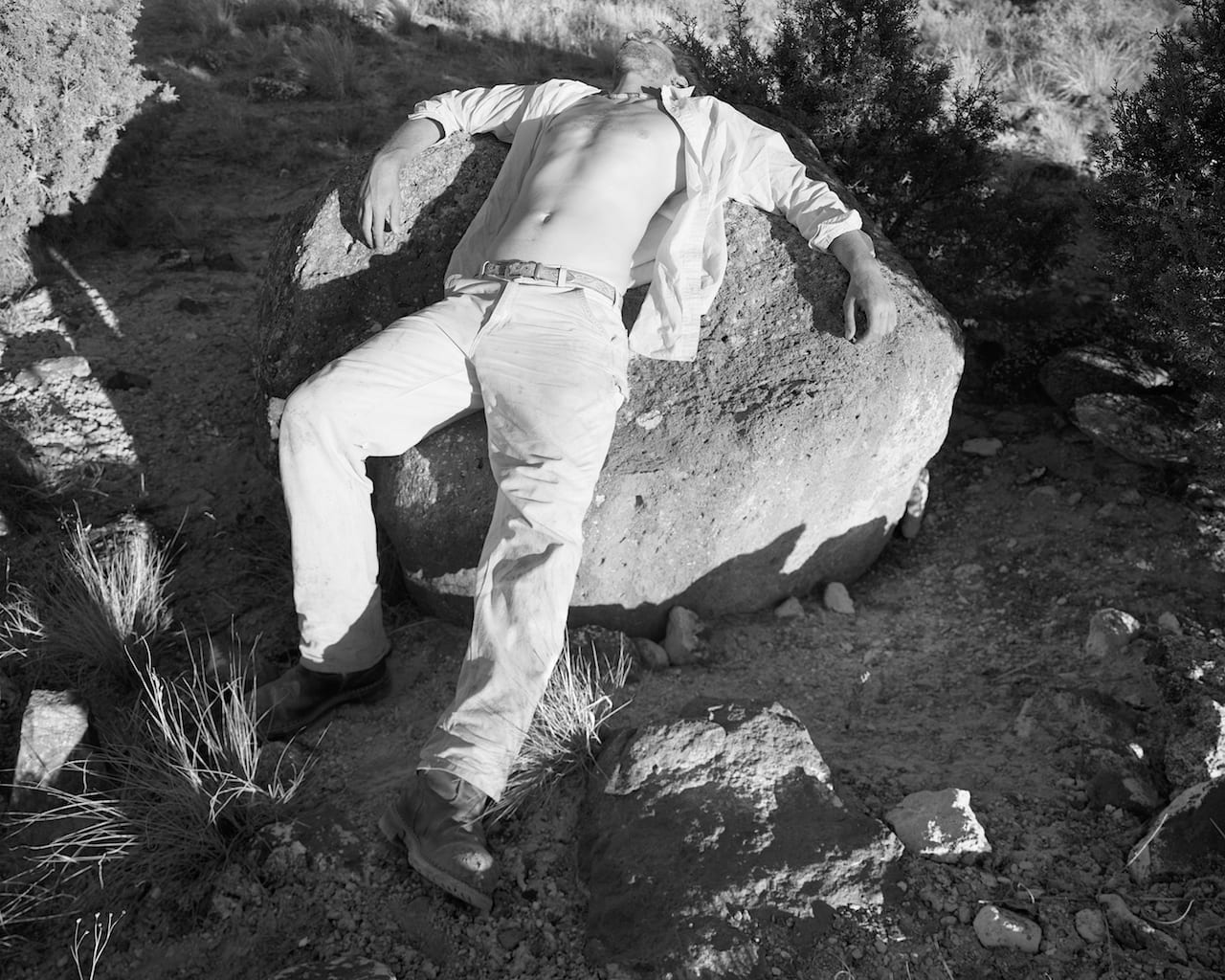
Kristine Potter’s portraits of masculinity

“What’s more American, iconic, and masculine than a cowboy?” asks Kristine Potter. “There is so much control within the military, so I wanted to pivot to a more lawless, unpredictable form of masculinity”.

Coming from a long line of military men on both sides of her family, Potter has long been interested in broadening the spectrum of permissible masculinity. After completing The Gray Line, a project that looks at young male cadets, she started to think about forms of masculinity other than that familiar from her youth.

5 July 2018

Bill Stephenson’s portraits from the Streets in the Sky

“None of the people I met wanted to move, they were happy there,” says Bill Stephenson, who photographed the last residents of Hyde Park Flats, Sheffield before it was demolished 30 years ago. “The tenants felt like they were being pushed around, they didn’t know where they were going. They loved living in that brutalist housing, it was a special place for them.”

Set on one of Sheffield’s seven hills, the four high-rise flats were once part of Park Hill Estate, at the time the largest social housing estate of its kind in Europe. Built between 1957 and 1961, Park Hill had a deck access scheme considered revolutionary at the time, which provided walkways wide enough for small vehicles like milk cart, and earned the estate the nickname “streets in the sky”.

5 July 2018
Hinged on a connection between photographer and subject, portraiture is, in many ways, the ultimate collaborative act. In this collection, we showcase the best of contemporary photographic portraiture.