
Portraiture

A new wave of photographers in Africa State of Mind

“This is a unique time for African photography,” says curator Ekow Eshun. “There’s a wave of thrilling, artistically ambitious talent emerging across the continent.”

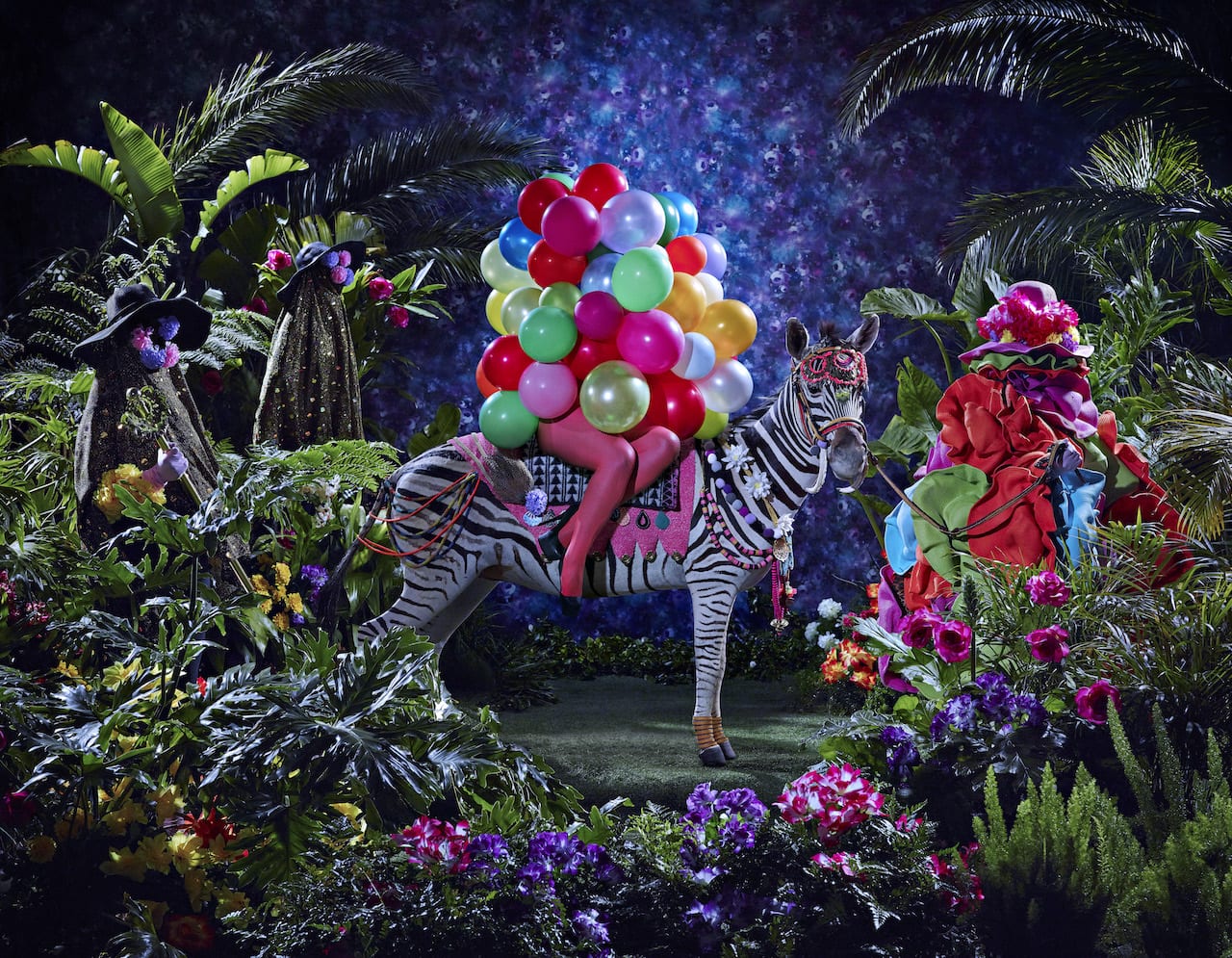
He’s gathered some of the best of it for a new show called Africa State of Mind, opening this week in New Art Exchange – the UK’s largest space devoted to culturally diverse contemporary visual arts. Including artists such has Emmanuele Andrianjafy, Sammy Baloji, and Musa N Nxumalo, the exhibition shows off talent from a new generation of African artists, exploring how they interrogate the idea of ‘Africanness’ in their work, and ‘Africa’ as a psychological as much as a physical space.
28 September 2018

Africa in the Photobook

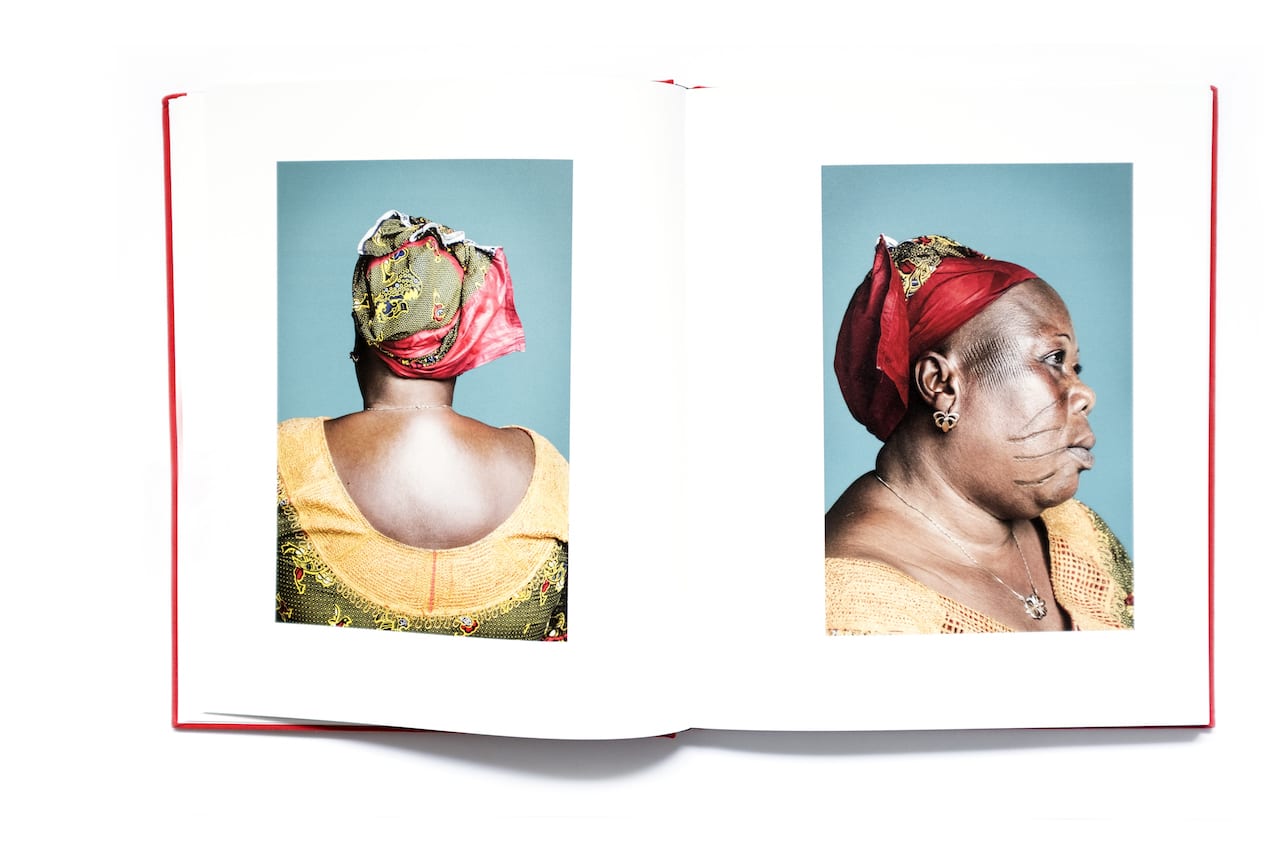
Only a small percentage of the 400 books that Ben Krewinkel has collected and featured on his website, Africa in the Photobook, are actually African. Many are historical publications, political pamphlets, or children’s books, written, photographed, and published by Europeans – including old colonial texts, which seem to obsess over hairstyles and traditions of scarification. Even the books by contemporary African photographers are mostly published in the West. As a collection that covers more than a century from 1897 to 2018, Africa in the Photobook follows the changing visual representations of the continent through the medium of the photobook – and soon it too will be transformed into a series of photobooks.

Krewinkel, a Dutch photographer, curator, and educator, is working with South African publishers Fourthwall Books on this series, and hopes to publish volume I by the end of 2019. Focusing on Africa under colonialism, it will include a long historical introduction, 40 case studies, and plenty of space to show large spreads from the books. Volume II will sketch a path from the beginnings of decolonisation in the 1950s to the late 1990s, marking the end of Apartheid and also the “re-evaluation of African photography”. Krewinkel then hopes to create a third volume, focusing on contemporary African photo books.

26 September 2018

Female MPs by female photographers – the 209 Women project

“A lot of people have thought of marking the centenary,” says Tracy Marshall, director of development and partnerships at Open Eye Gallery and co-director of Northern Narrative arts initiative. “But they just haven’t managed to do it.”

We’re talking about the 209 Women initiative, in which 209 photographers are taking portraits of the 209 women MPs in the UK parliament. It does seem like a project that was asking to happen, with 2018 marking both 100 years since (some) women got the vote here, and also the year that the first female MP was elected in this country. But, with 418 photographs and politicians to co-ordinate plus many, many other stakeholders and committees, actually achieving it has been quite a feat. What’s seen it through has been teamwork, with the photographer and academic Hilary Wood, who came up with the idea, getting together with hundreds of other women – and men – to make it happen.

“It’s been a huge collaborative effort,” she says. “We had to take it to the Speaker’s Advisory Committee on Works of Art to get it approved, and we then had to ask each MP individually if they wanted to get involved. The fact that they overwhelmingly gave their support shows how relevant this project is. And what I was really pleased about was that we got cross-party support – every single party is involved.”

20 September 2018

My home is my castle – earthquake damage in Juchitán, Oaxaca

On 7 September 2017, just before midnight, a magnitude 8.1 earthquake hit Mexico’s southern coast, the second strongest earthquake in the country’s history. It was felt by 50 million people across Mexico and, in the heavily affected states of Oaxaca and Chiapas, killed dozens of people and left over 100,000 homes damaged.

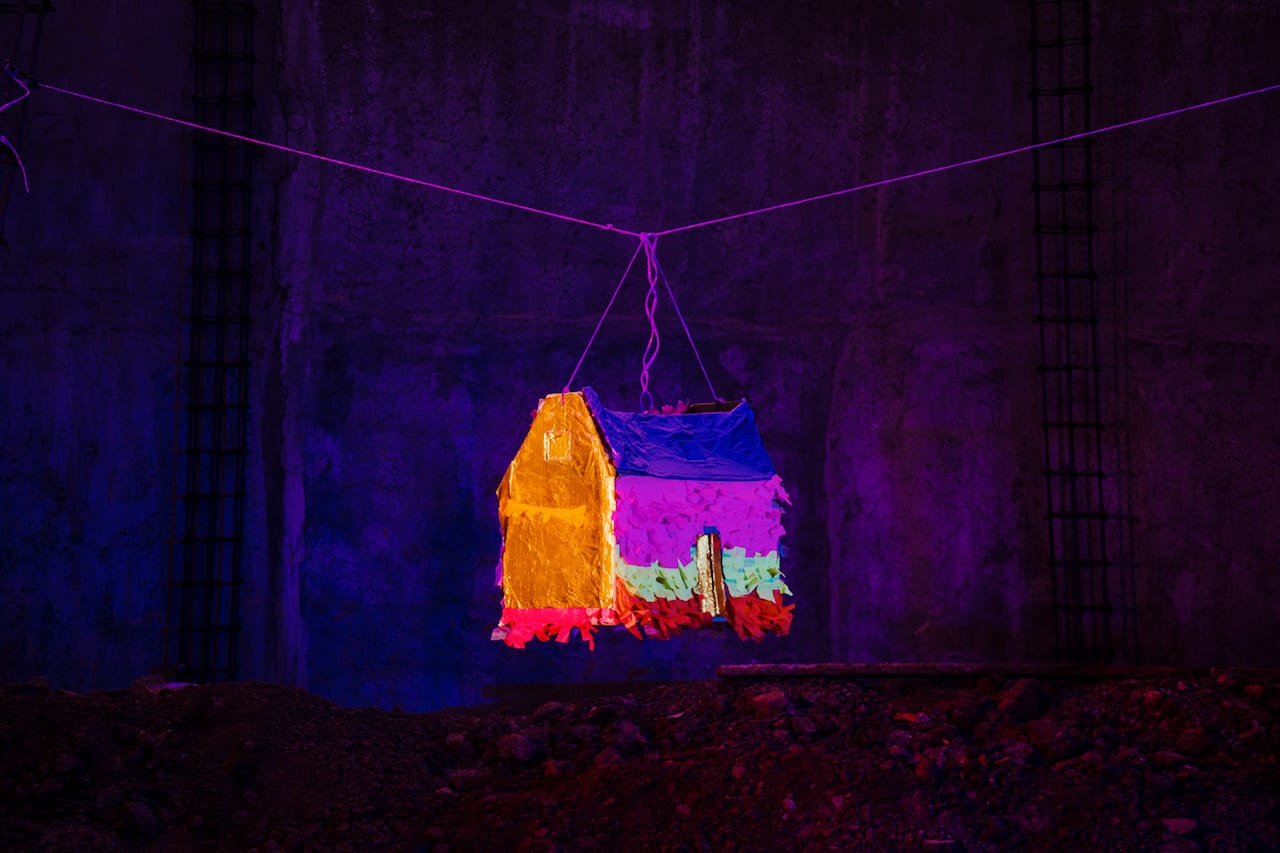
When the earthquake hit, Andres Millan was living in his hometown in Bogota, Colombia, preparing for a four-month residency that would start in November at Casa El Ocote, a gallery and cultural centre in Oaxaca. At quarter to midnight, alerts started to pop up on Millan’s mobile phone. When he switched on the news, the first image he saw was of the Mexican flag at the Municipal Palace in Oaxaca, lit up by lights coming from police cars.

My home is my castle references these first images that Millan saw from Colombia when the earthquake hit. “I wanted to recreate the light from the police car, so the photos are made with two flashes, one with a red filter and another with a blue one. The mixture of colours made the images acquire that pink colour,” he explains.

18 September 2018

Q&A: Climate change in Iran by fast-emerging photographer Hashem Shakeri

Born in Tehran, Iran, in 1988, Hashem Shakeri studied architecture in TAFE (New South Wales Technical and Further Education Commission of Australia), and started his professional photography career in 2010. In 2015 he was Commended in the Ian Parry Scholarship, and in 2017 his images were included in the Rencontres d’Arles exhibition Iran, Year 38, alongside work by photographers such as Abbas Kiarostami and Newsha Tavakolian.

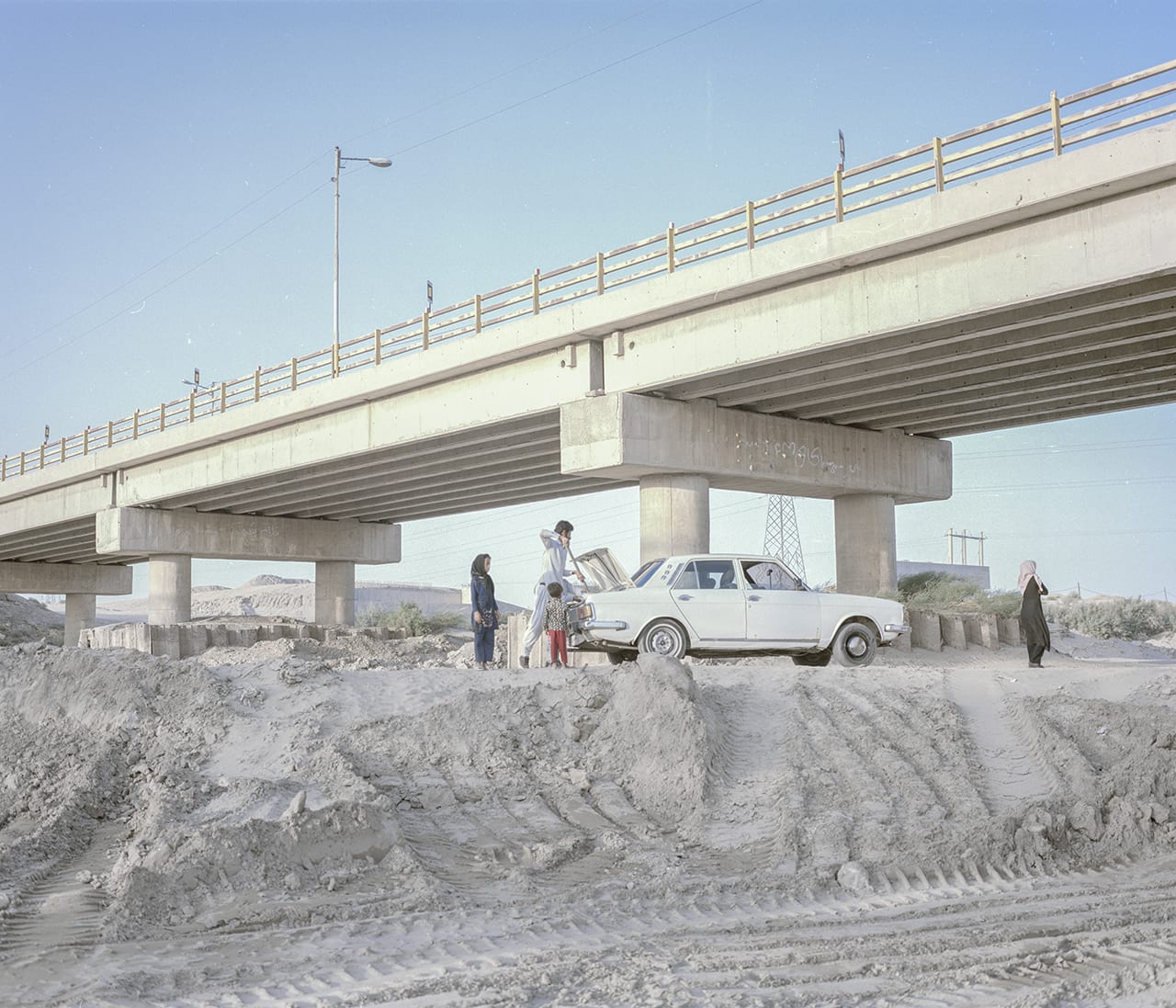
Shakeri’s ongoing series on climate change in Sistan and Balouchestan looks at the effect of drought in the Iranian province, which is located in the southeast of the country, bordering Afghanistan and Pakistan. It has been suffering from drought for the last 18 years, which has created severe famine in a region once famed for its agriculture and forests. “Nowadays, the Sistan region has faced astonishing climate change, which has turned this wide area into an infertile desert empty of people,” writes Shakeri.

17 September 2018
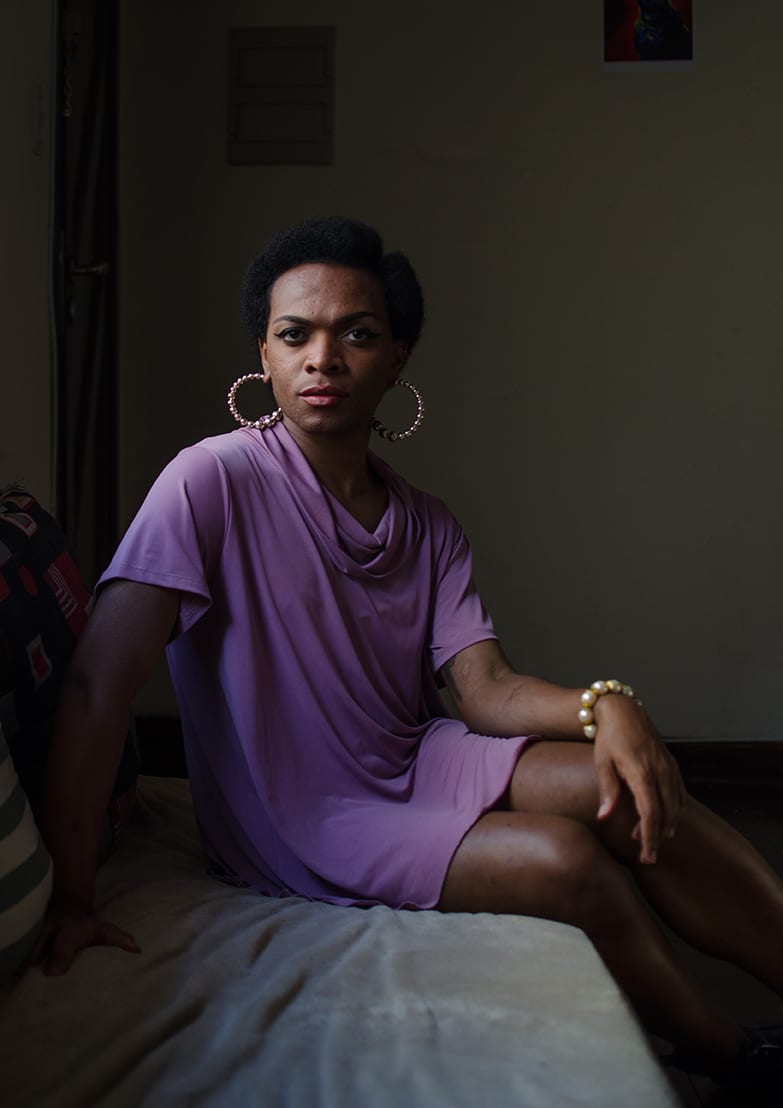
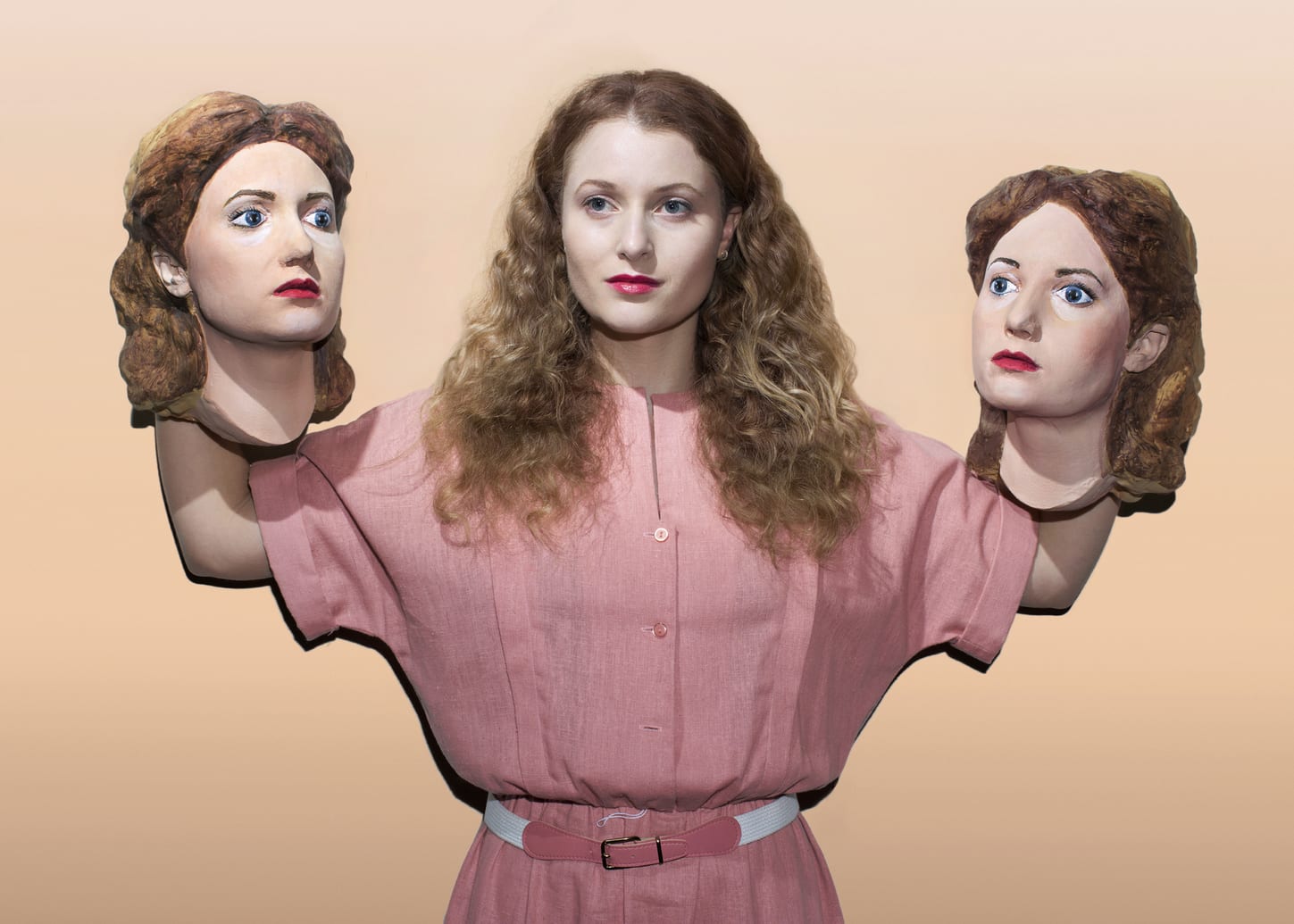
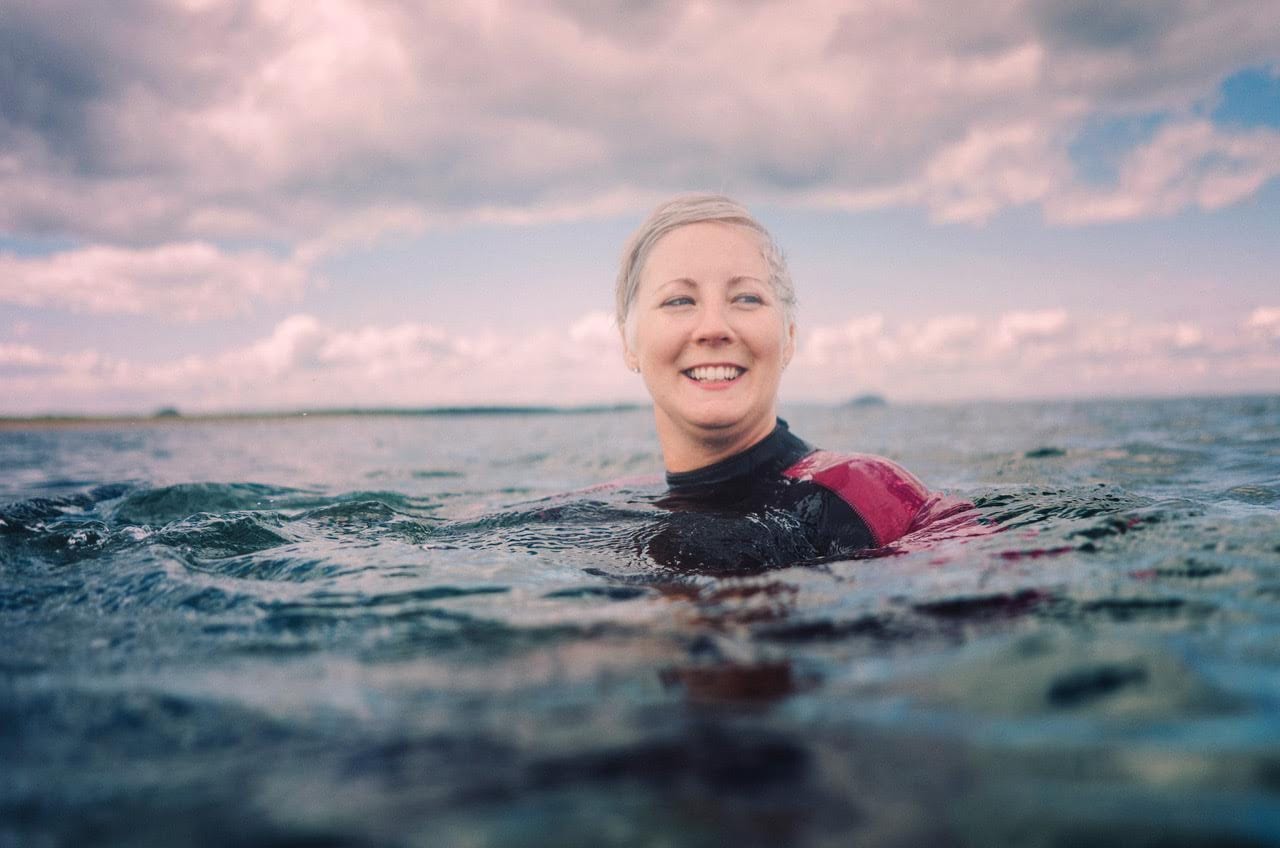
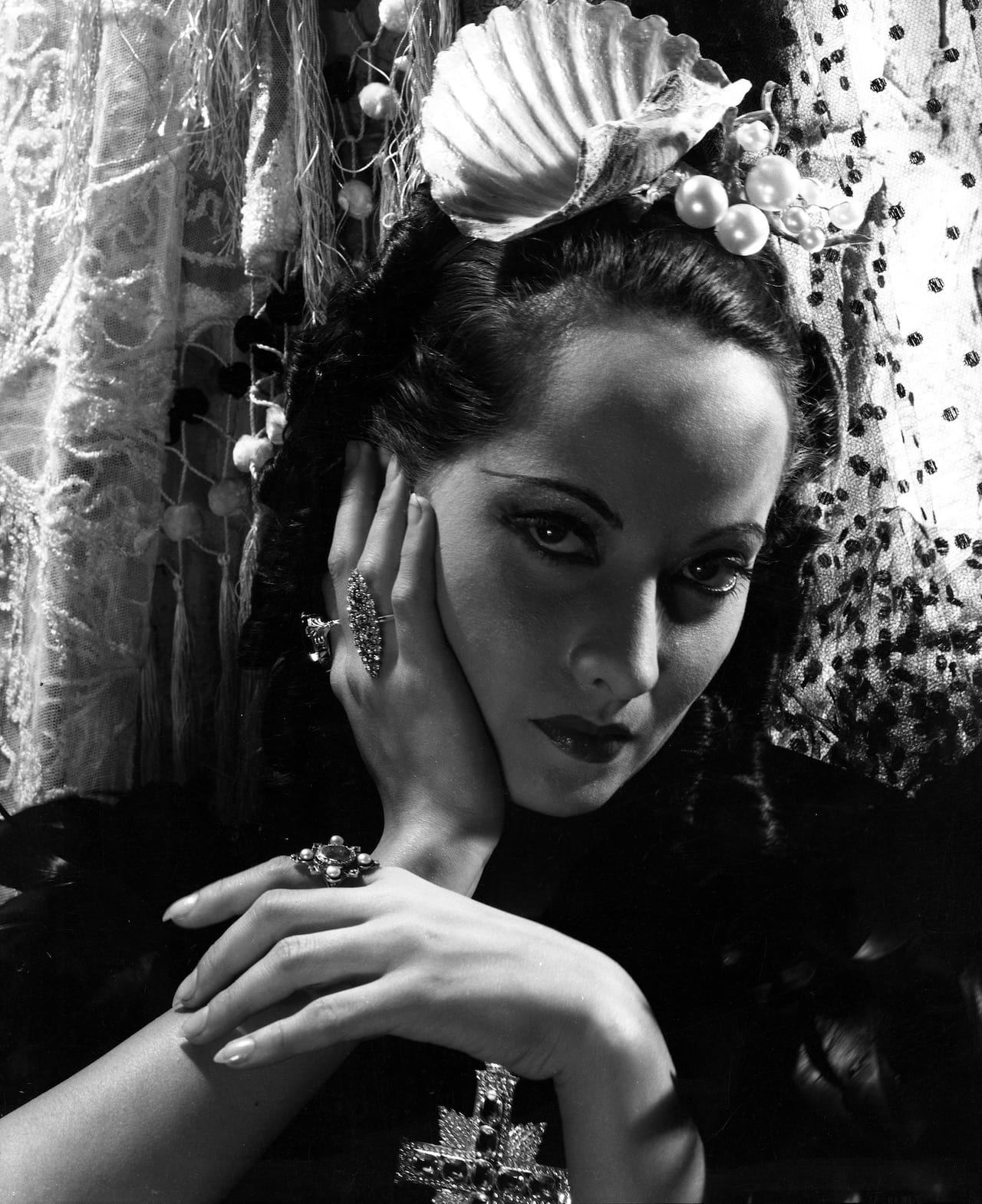
Hinged on a connection between photographer and subject, portraiture is, in many ways, the ultimate collaborative act. In this collection, we showcase the best of contemporary photographic portraiture.