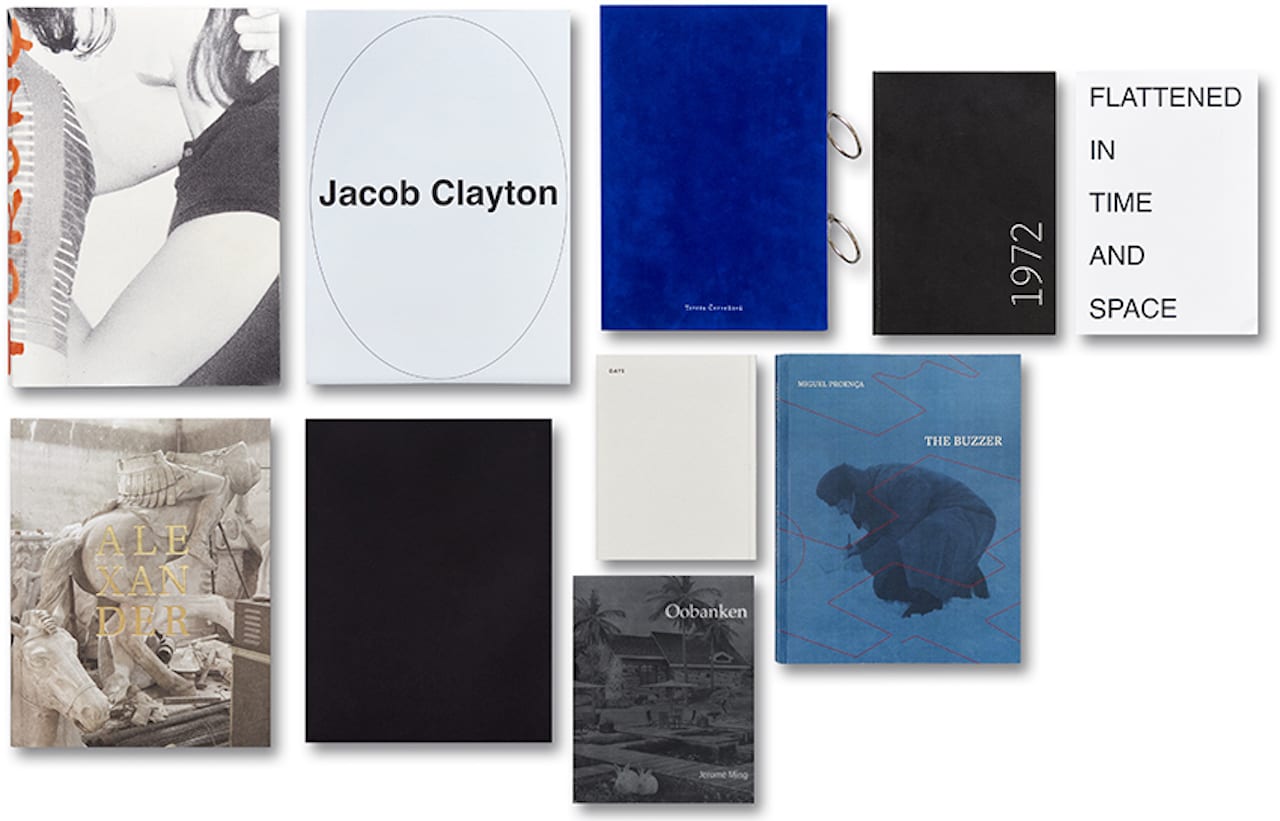

Themes of cultural identity and political conflict prevail in this year’s shortlist for the MACK…
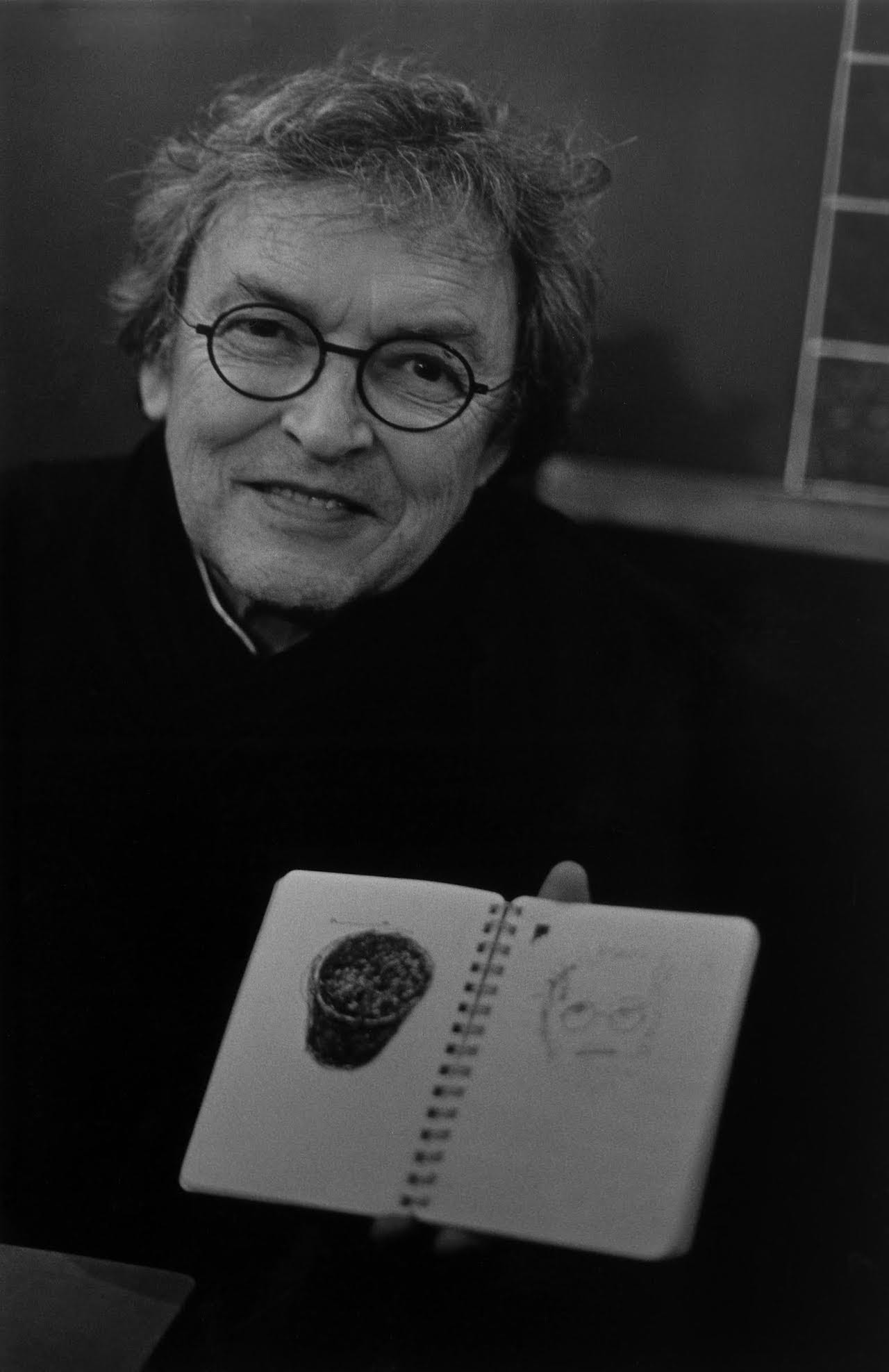
Xavier Barral, the award-wining publisher behind Éditions Xavier Barral, has died suddenly, at home in Paris on 17 February. Éditions Xavier Barral was behind books such as Antoine D’Agata’s Anticorps in 2013, a joint publication with Le Bal which won the Rencontres d’Arles Author’s Book Award; in 2015 another Éditions Xavier Barral/Le Bal co-publication, Images of Conviction: The Construction of Visual Evidence by Eyal Weizman, won the Paris Photo-Aperture Foundation Photography Catalogue of the Year.
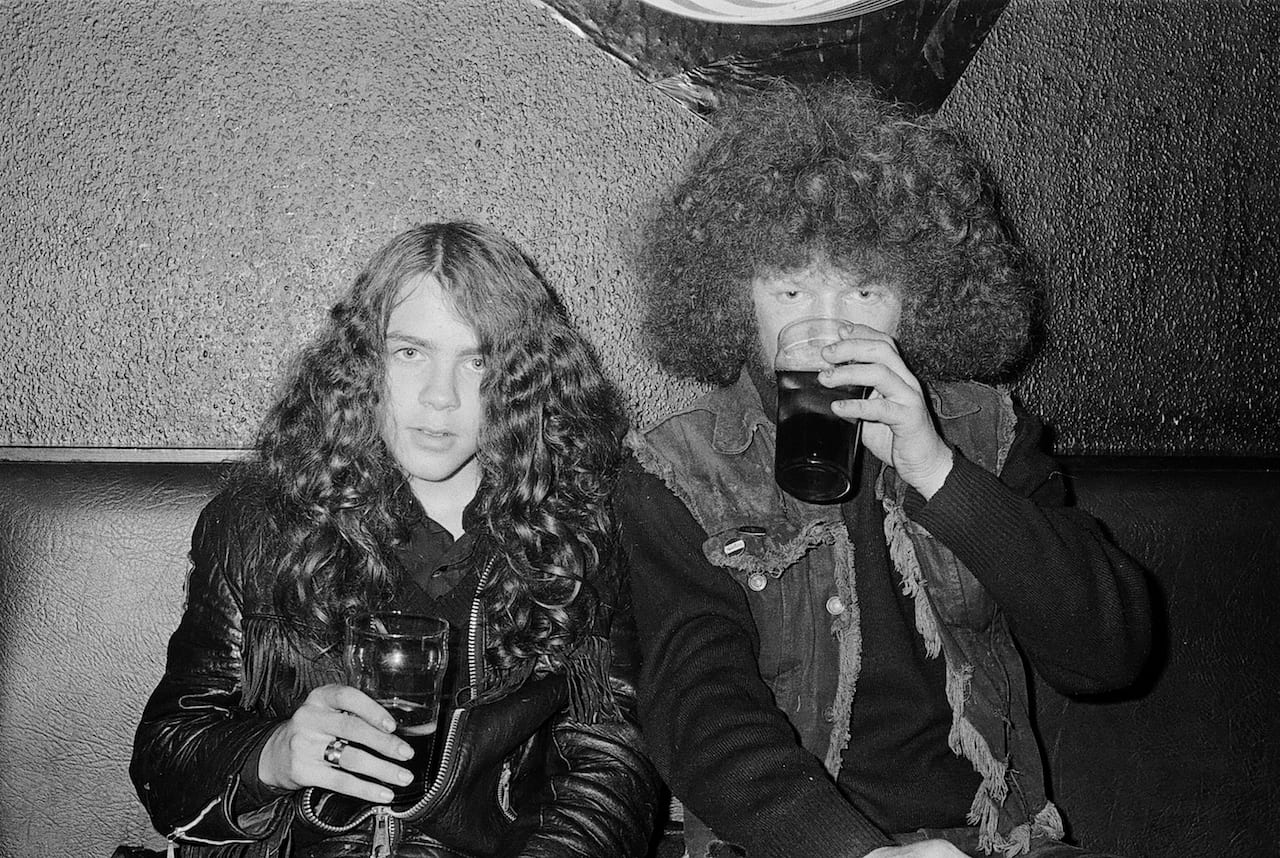
British photographer Iain McKell is publishing a book of photographs from 1976, which he shot on the side while working as a seafront photographer in Weymouth, south-west England
Photographed in the forests and mountains of the Ozarks, Matthew Genitempo’s first book, Jasper, published by Twin Palms, is a poetic exploration of the American landscape and the people who seek peace within its grasp, filled with an emotional range that is hard to pin down. Completed as his graduate thesis for an MFA at the University of Hartford in Connecticut, it’s the first major project he’s fully completed, and a gear shift towards leading from his gut.
“I was making photographs of the American Southwest, and Jasper [named after the town in Arkansas where many of the pictures were made] began when I abandoned all that work,” he says from his home in the west Texas town of Marfa. “I had been making photographs that were preconceived, but I wanted to make pictures that were leading with my eyes and my instincts.
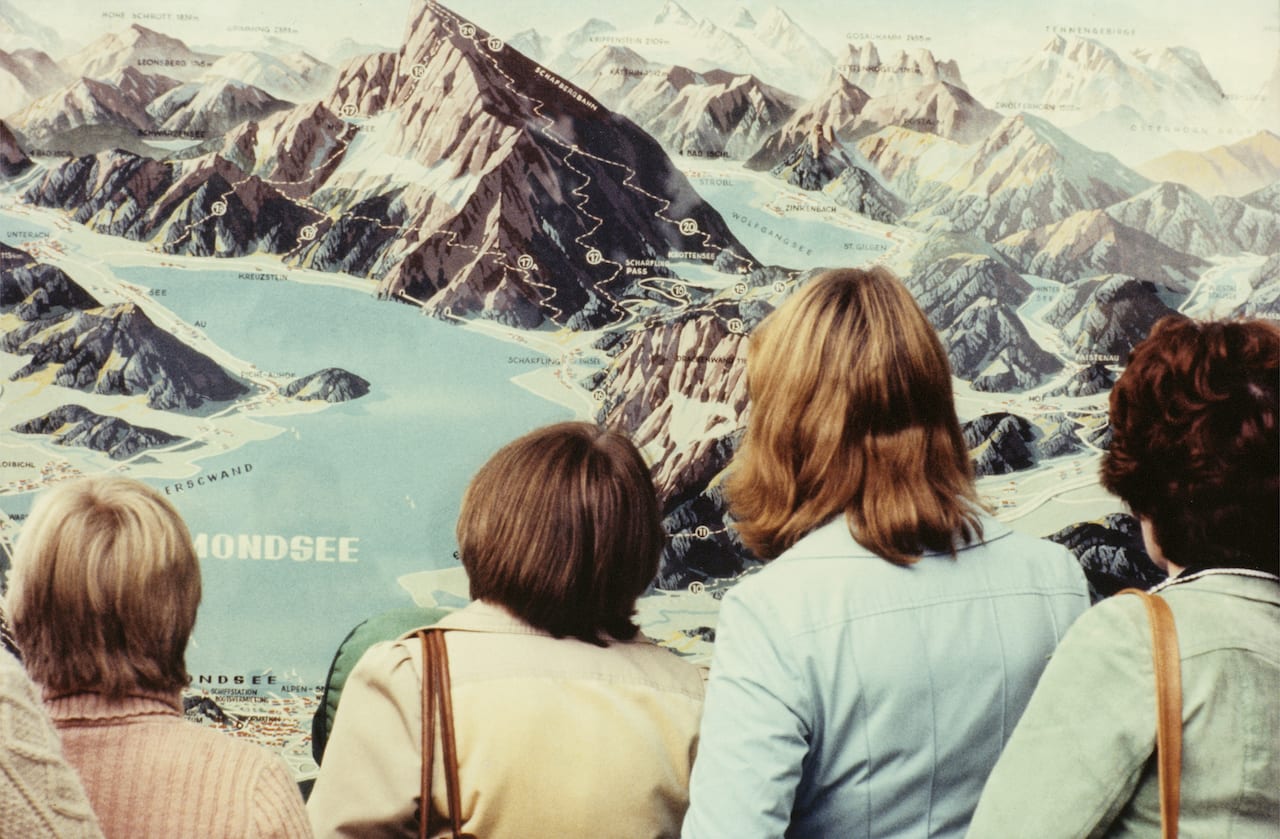
“My aim is not to make PHOTOGRAPHS, but rather CHARTS and MAPS that might at the same time constitute photographs,” writes photographer and prolific writer on his craft, Luigi Ghirri in his 1973 essay, Fotografie del periodo iniziale. Trained as a surveyor, the iconography of maps and atlases prevail Ghirri’s photography. “But what if you map his work?” asks curator James Lingwood. “He was, in a way, mapping the changing topography of modern life in Europe in the 1970s and also the change in the relationship between people and images.”
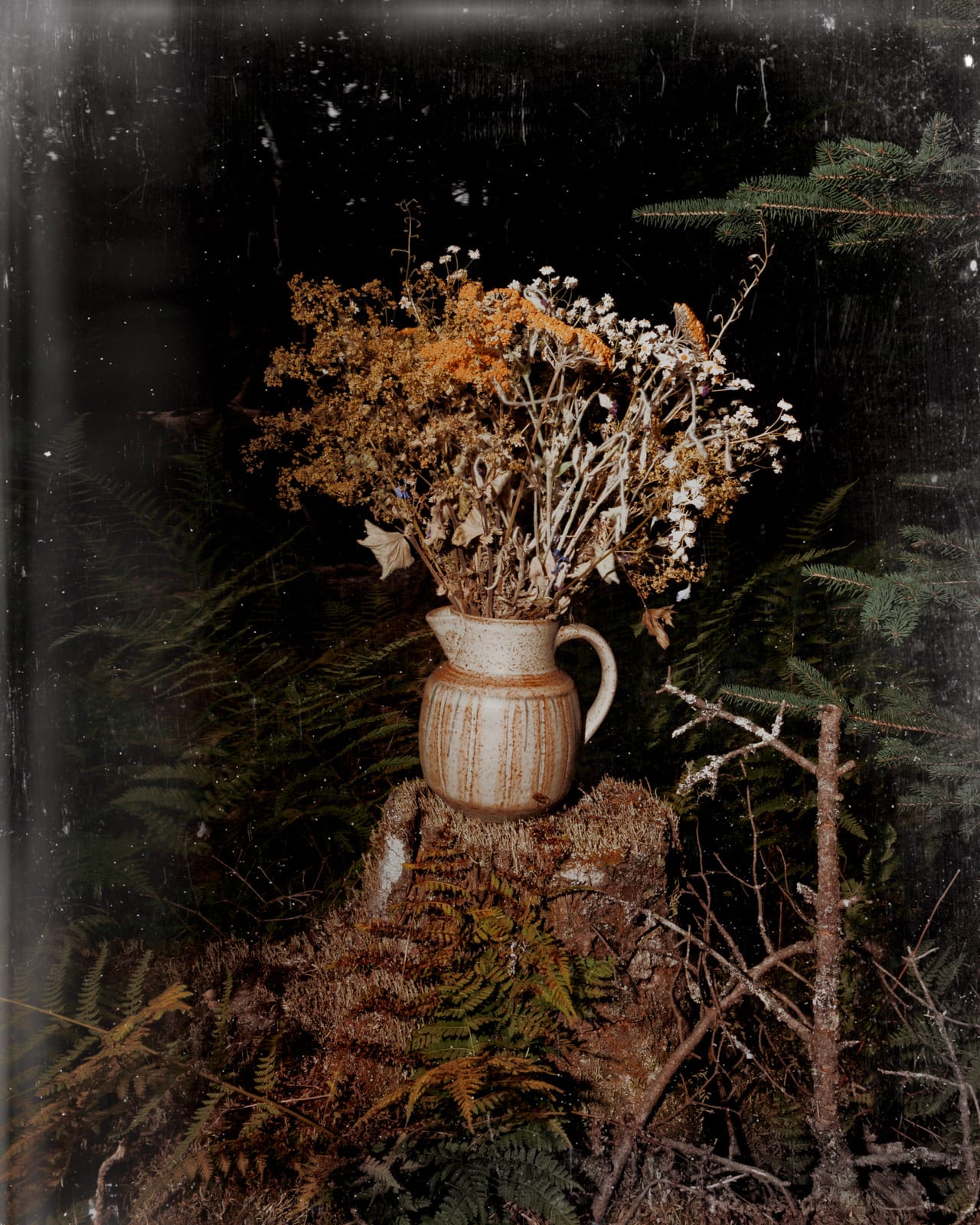
In the early 1900s, Paul Thulin’s great-grandfather settled on the coast of Maine, reminded of his homeland of Sweden. Thulin’s family has returned to Gray’s Point each summer ever since, and Thulin has been working on a project there, called Pine Tree Ballads, for over a decade. Initially inspired by his grandfather’s photographs, he hopes it has “a subtext of struggle and hope that mirrors my narrative sense of self and heritage”.
BJP: How did you first get into photography?
PT: My journey into photography started as a way to rebel against my growing contempt and frustration with the limits of language to effectively communicate. In 1996, I returned from a stressful year of studying Philosophy in a Master’s program at Syracuse University and I remember wanting to escape into the mountains to possibly join a Zen monastery. I wanted to meditate and remain silent in an effort to really just experience the world.
This desire led me to discover the writings and images of photographers Minor White, Frederick Sommer, and Emmet Gowin, as their mystical and spiritual use of photography intrigued me. Before I knew it, I borrowed a 35mm camera to try to make meaningful images of my own and I was hooked.
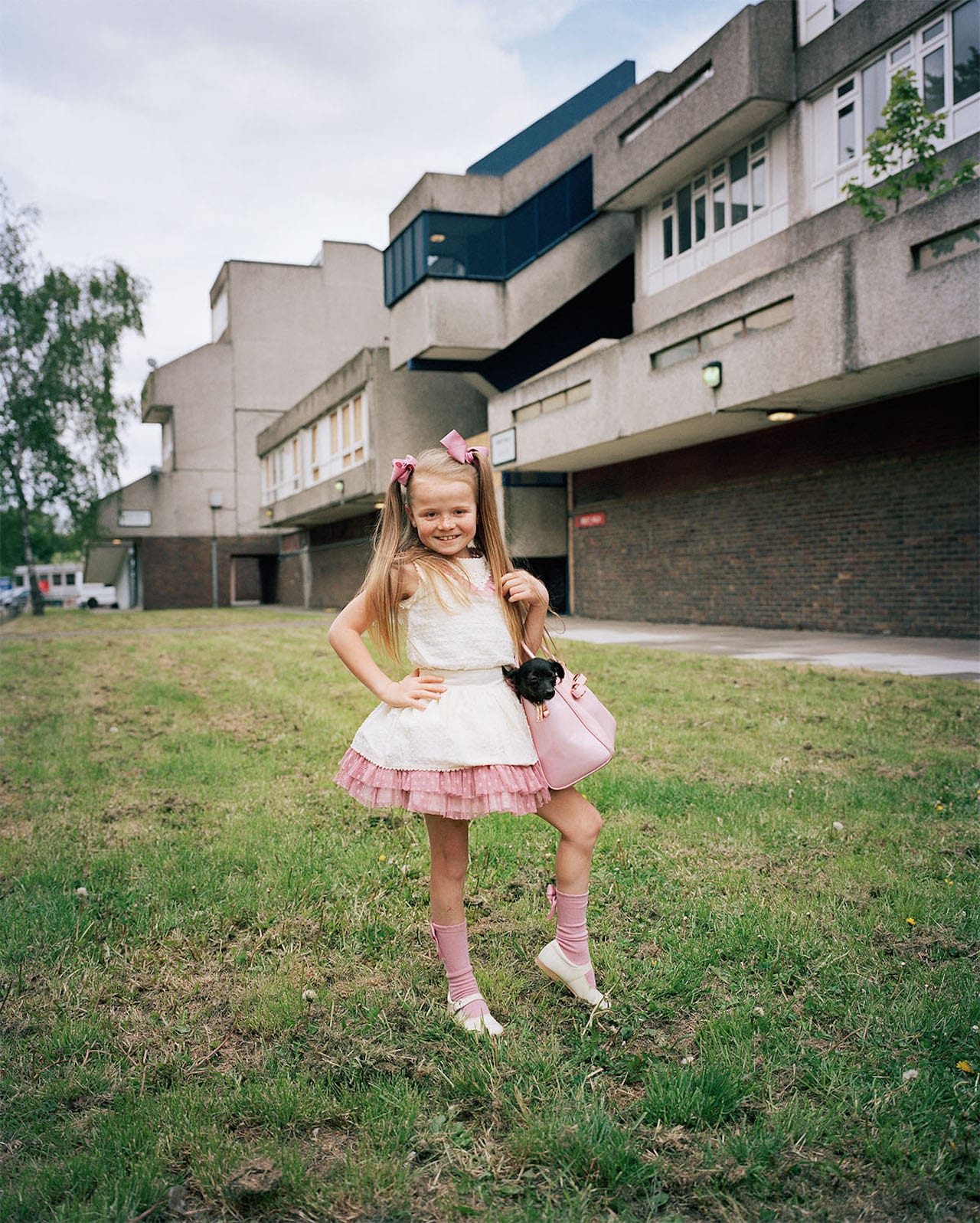
In the mid-1960s, a vast concrete housing estate began to rise out of a neglected marshland on the south bank of the River Thames. Headed by the Greater London Council (GLC), the scheme was seen as visionary; Thamesmead would provide a marina-esque lifestyle with plenty of greenery, and wide walkways that connected housing with schools and local amenities, all set within striking brutalist architecture. Thamesmead was to be the “town of tomorrow”.
Five years ago though, it was announced that the estate would be undergoing a huge redevelopment, and now a new book published by Here Press, titled The Town of Tomorrow: 50 years of Thamesmead, celebrates its part and present.
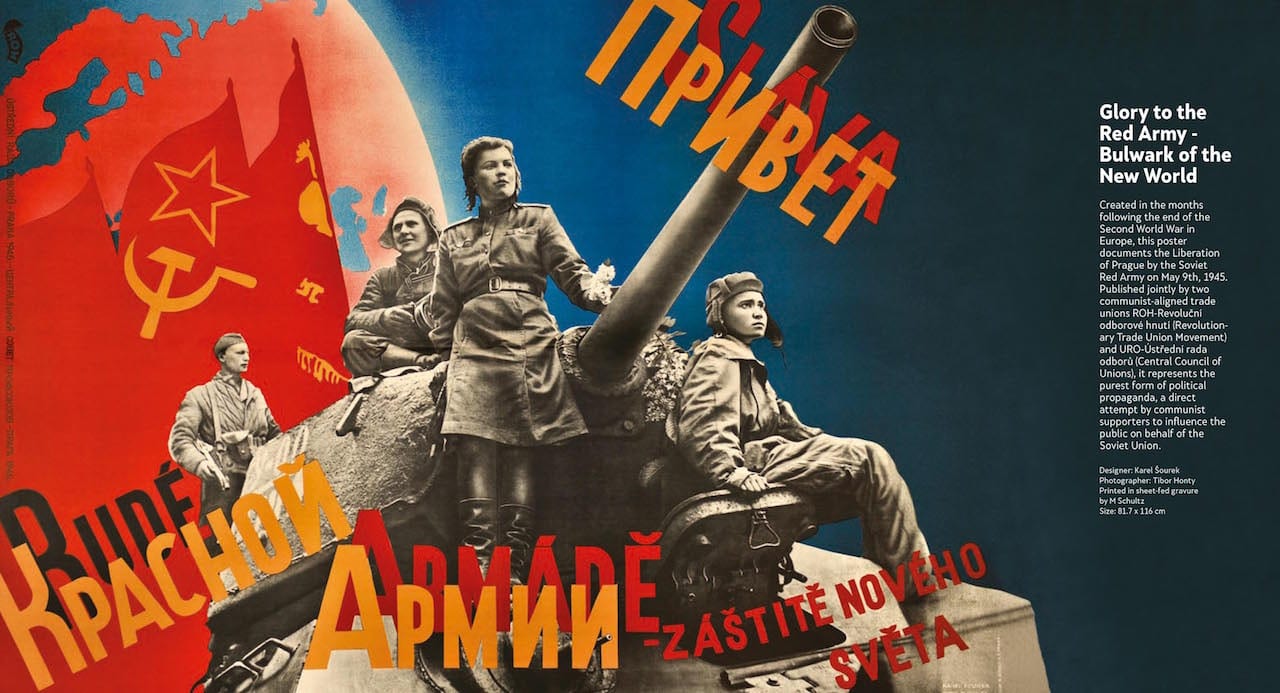
Manfred Heiting started collecting photobooks in the 1970s, turning to it in earnest in the 1990s and creating a library that was considered one of the most complete in the world, including a copy of most of the important photobooks that appeared from 1888-1970 in Europe, the United States, the Soviet Union, and Japan. This collection formed the basis of several compendium books published by Steidl, including “Autopsie” – German Photobooks 1918-1945, The Soviet Photobook 1920-1941, and The Japanese Photobook 1912-1990 – but sadly, it was decimated in the California wildfires of 2018, when it went up in smoke along with Heiting’s home in Malibu. As Steidl publishes a new book by Heiting, Czech and Slovak Photo Publications, 1918-1989, BJP caught up with him.
Fabrizio Albertini’s latest project began in his vegetable garden. “It was a stream of consciousness that lasted for a couple of years, from 2015 to 2017. I started taking pictures in my garden,” he says, “I was looking for something close to me”.
Radici is Albertini’s newest book, published by Witty Kiwi, and the winner of this year’s Unveil’d Photobook Award. Its title means “roots” in Italian, “like the ones in my garden,” the photographer explains.
“The Pink and Blue Projects were initiated by my five-year-old daughter, who loved the colour pink so much that she wanted to wear only pink clothes and play with only pink toys and objects,” writes JeongMee Yoon. “I discovered that my daughter’s case was not unusual.
“In the United States, South Korea and elsewhere, most young girls love pink clothing, accessories and toys. This phenomenon is widespread among children of various ethnic groups regardless of their cultural backgrounds. Perhaps it is the influence of pervasive commercial advertisements aimed at little girls and their parents, such as the universally popular Barbie and Hello Kitty merchandise that has developed into a modern trend. Girls train subconsciously and unconsciously to wear the colour pink in order to look feminine.”